Artwork
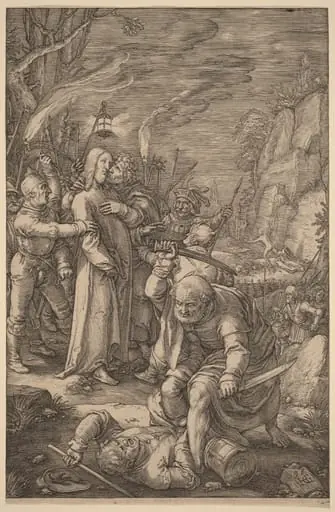
The Captivity
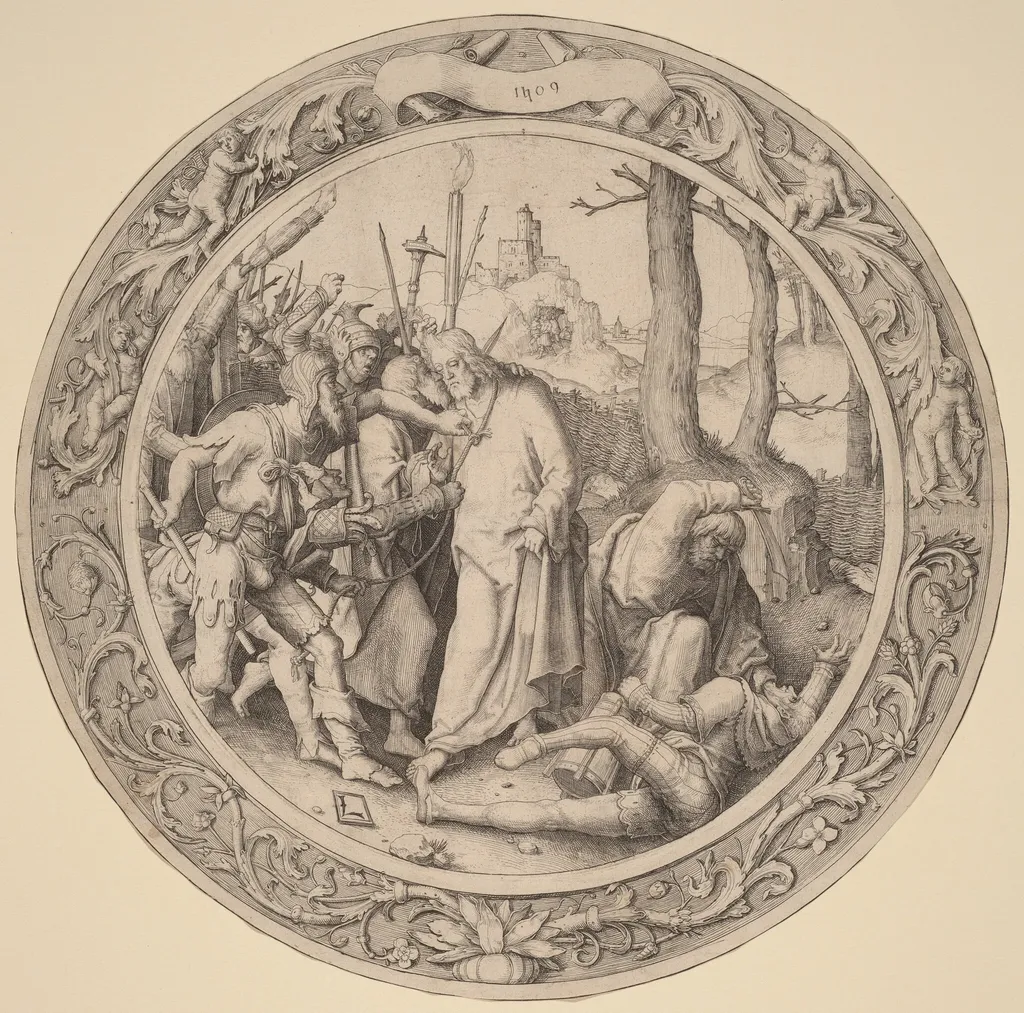
The Captivity is an ink print by the Renaissance artist Lucas van Leyden. It dates from 1509 and is held in the collection of the National Gallery of Art.
About this work
Overview
Van Leyden was among the first Northern European printmakers to gain widespread recognition for his technical precision and narrative depth.
Created in 1509 by the Dutch artist Lucas van Leyden, this engraving is one of the earliest examples of his mastery in the medium. Van Leyden was among the first Northern European printmakers to gain widespread recognition for his technical precision and narrative depth. The work demonstrates a sophisticated command of line and texture, characteristic of early Renaissance printmaking in the Low Countries.
Subject & Meaning
The scene illustrates a moment of religious arrest, likely the capture of Christ, as suggested by the central figure in a long robe being escorted by armed soldiers. Surrounding figures display varied reactions, from vigilance to indifference, emphasizing the human dimension of the event. The composition invites contemplation on power, submission, and moral tension within a biblical narrative.
Technique & Style
Van Leyden employed fine, controlled engraving lines to render fabric folds, facial expressions, and atmospheric depth. The landscape background—hills, trees, and distant architecture—is rendered with meticulous detail, enhancing spatial complexity. His use of cross-hatching and varied line weight creates a sense of volume and mood, distinguishing his work from contemporaries who favored simpler forms.
History & Provenance
Produced during the height of van Leyden’s printmaking career, the engraving circulated widely across Europe, contributing to his reputation beyond the Netherlands. Surviving impressions are held in major collections, including the Rijksmuseum and the British Museum, attesting to its early and enduring demand among collectors and scholars of Northern Renaissance art.
Context
In early 16th-century Northern Europe, religious themes dominated print production, and artists like van Leyden adapted biblical stories for intimate, portable formats. His engagement with human emotion and everyday detail reflected broader humanist interests, aligning his work with the intellectual currents of the time while maintaining a distinctly local aesthetic sensibility.
Legacy
Van Leyden’s technical innovations in engraving influenced subsequent generations of Northern printmakers. His ability to convey psychological nuance and spatial depth within small-scale works helped elevate printmaking from craft to a respected artistic medium. Though less known today than his Italian contemporaries, his contributions remain foundational to the history of European printmaking.
Artist & collection

Artist
Lucas van Leyden (1494 – 8 August 1533), was a Dutch painter and printmaker in engraving and woodcut. Lucas van Leyden was among the first Dutch exponents of genre painting and was a very accomplished engraver.

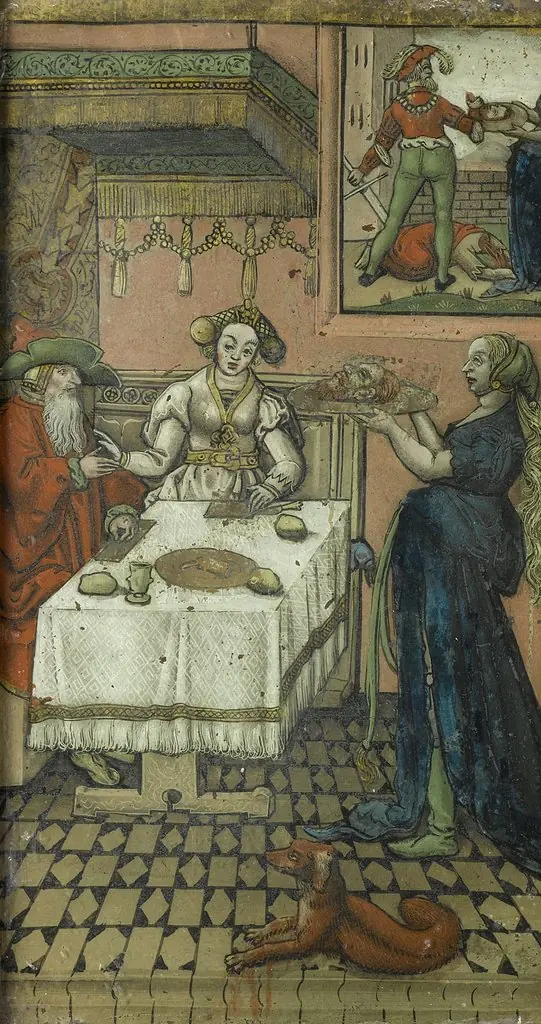 Salome with the head of St John the Baptist
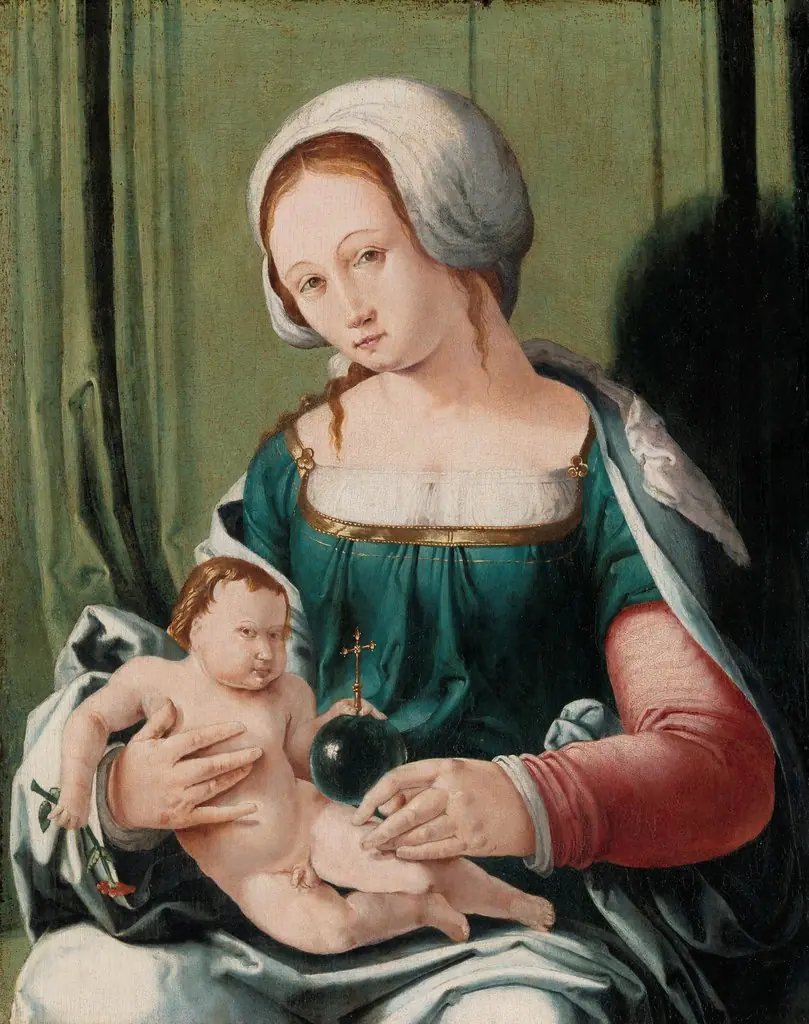 The Virgin and Child
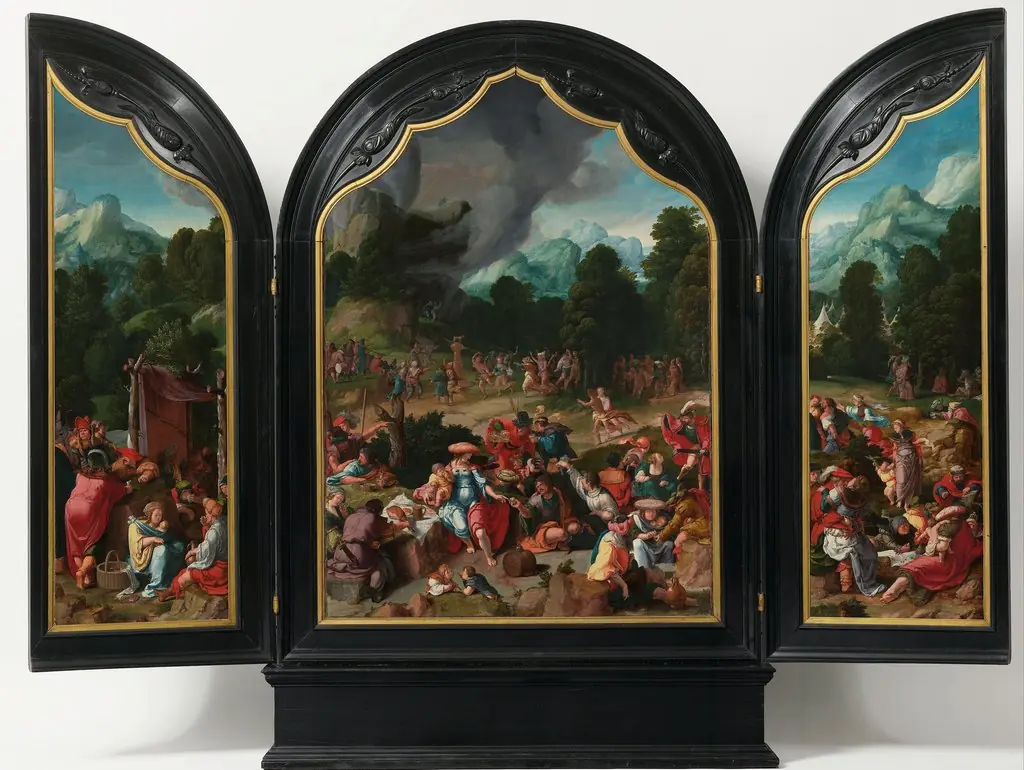 Worship of the Golden Calf
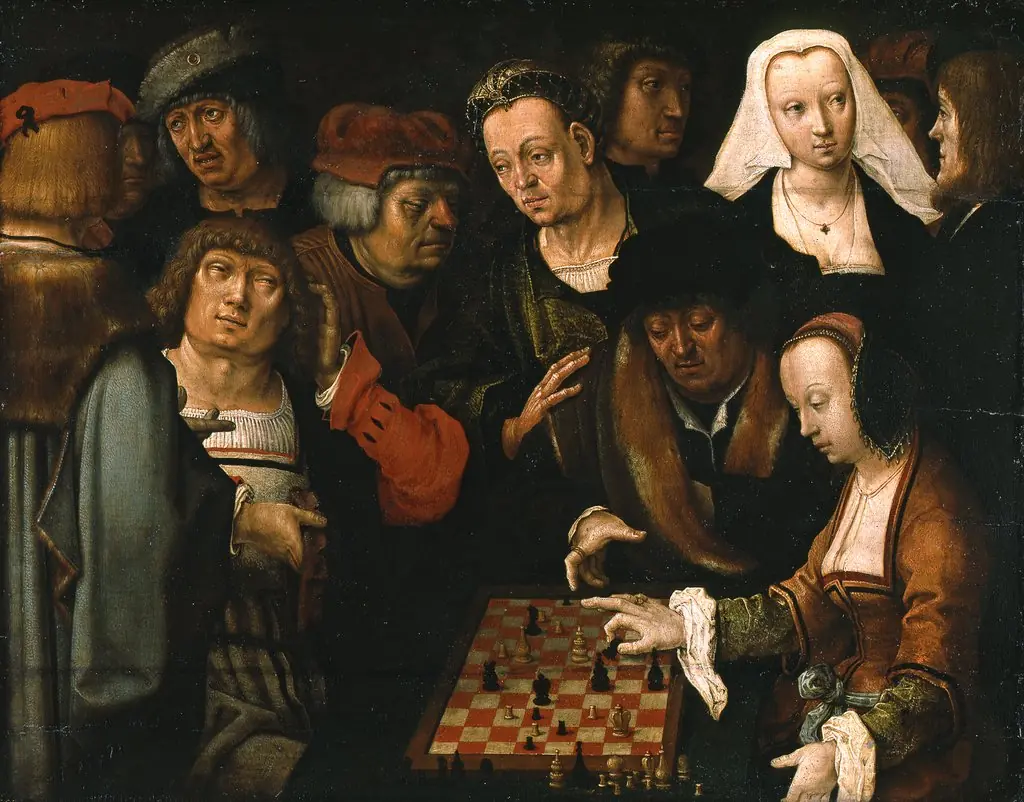 A Game of Chess
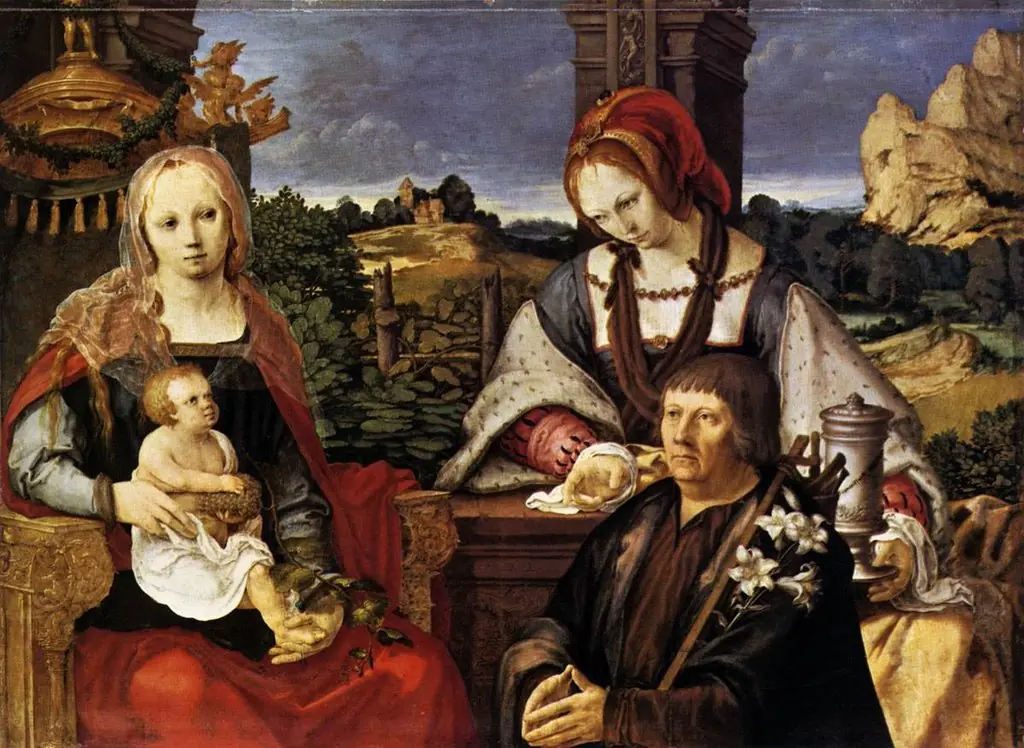 Mary with Child, St. Maria Magdalena and founder (separate outside, Inv. No. 7713)
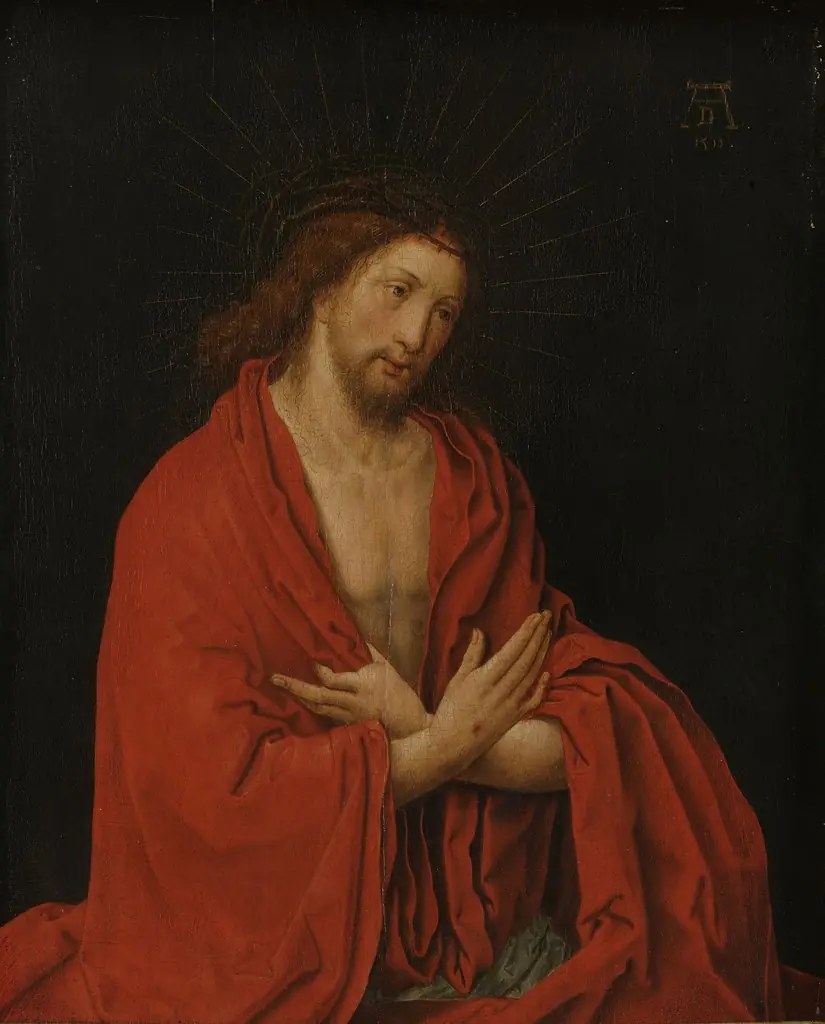 Inner left wing of a diptych with Christ as the Man of Sorrows
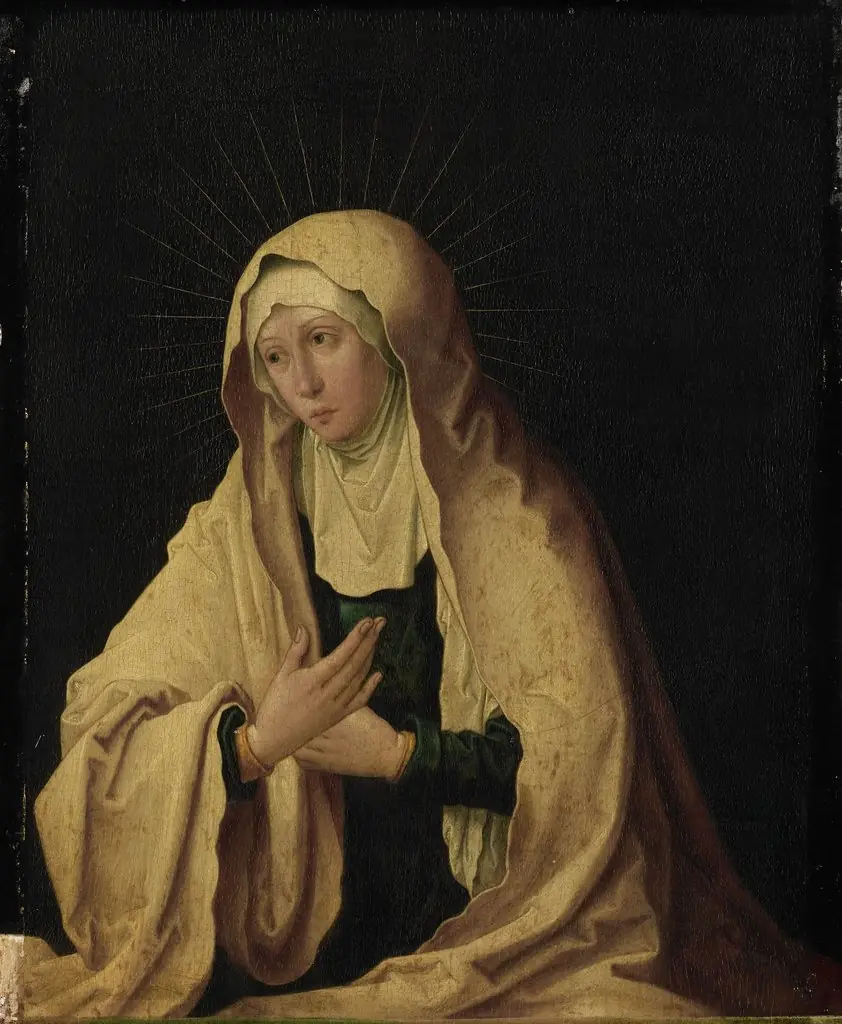 Inner right wing of a diptych with the Virgin as Mater Dolorosa
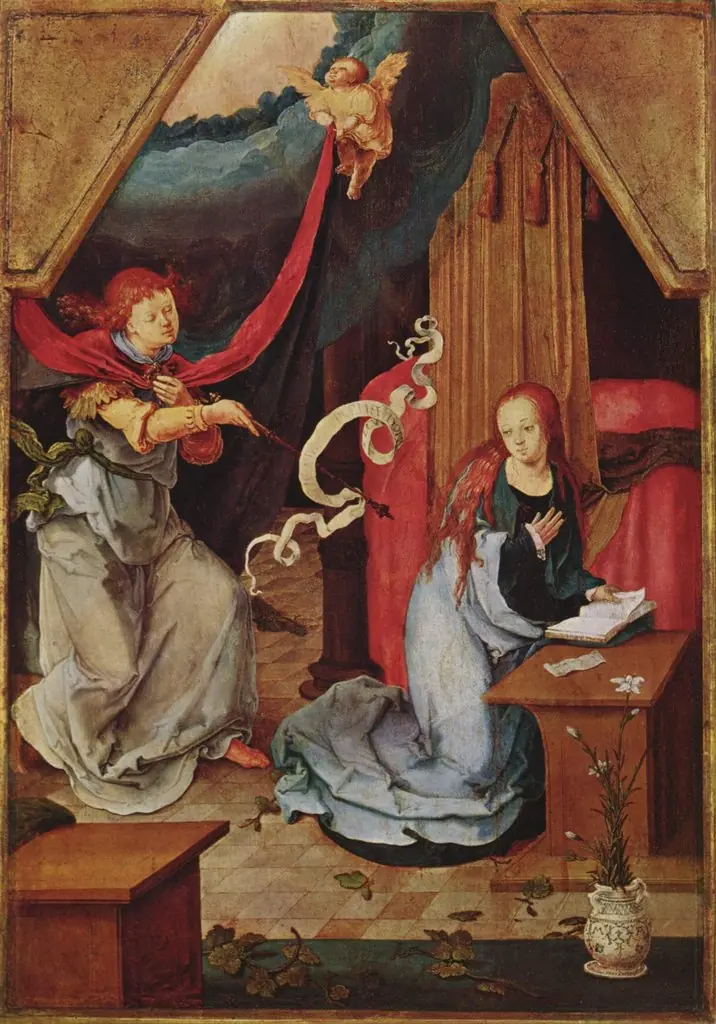 Annunciation
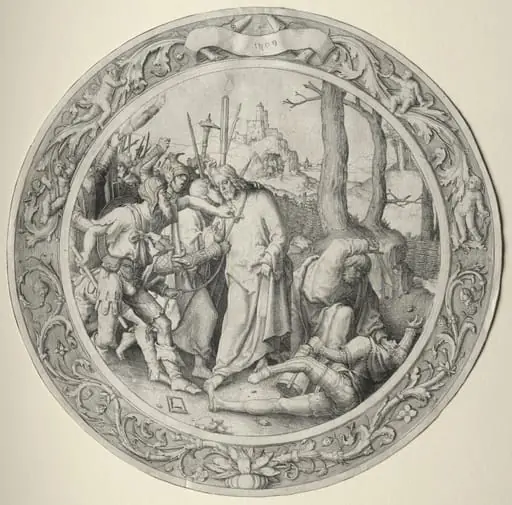 The Round Passion: The Betrayal of Christ
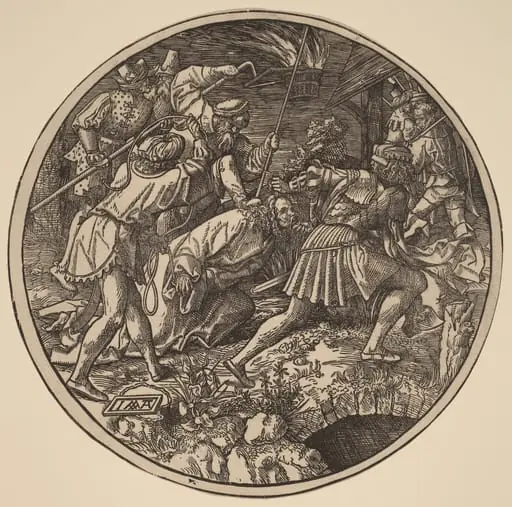 Christ Led Away After His Arrest
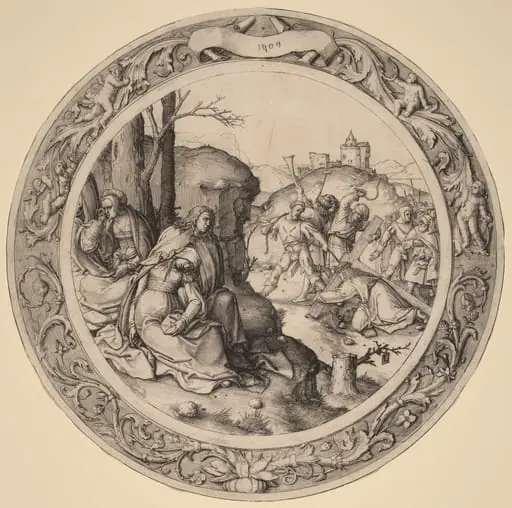 Christ Carrying the Cross
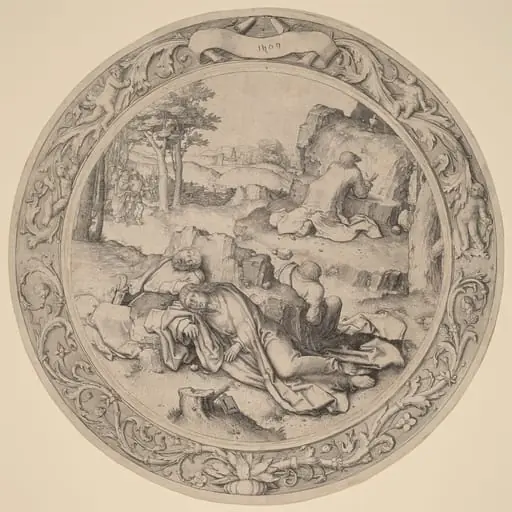 Christ in Gethsemane (Agony in the Garden)
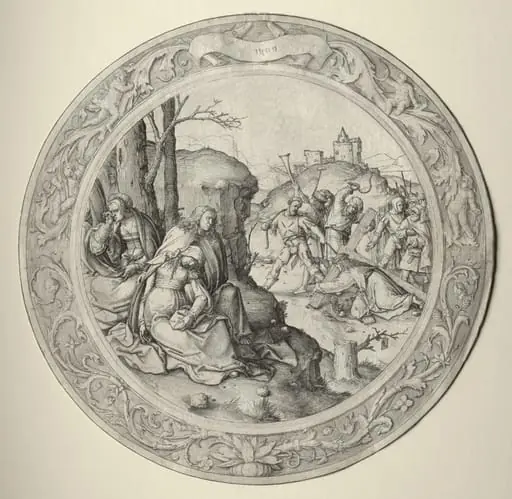 The Round Passion: Christ Carrying the Cross
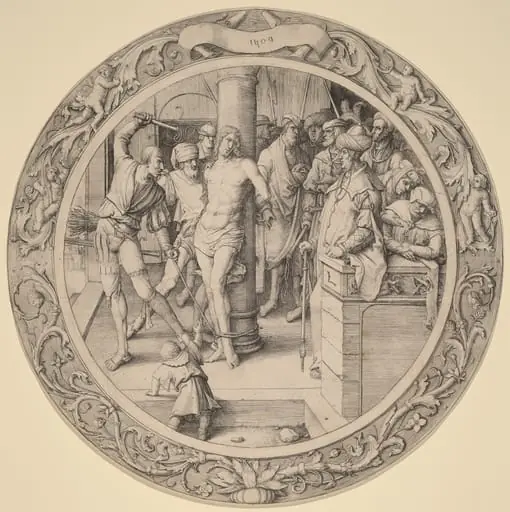 The Flagellation
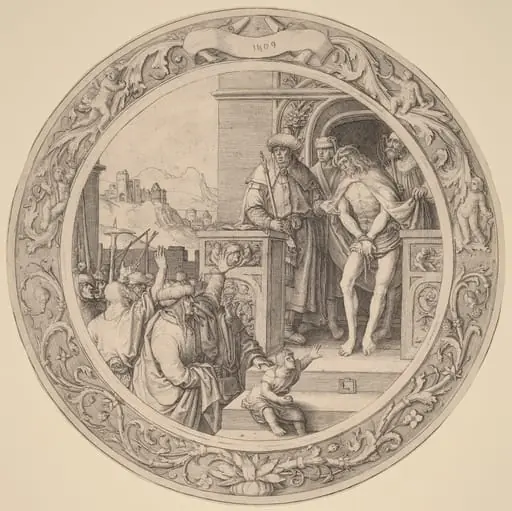 Ecce Homo
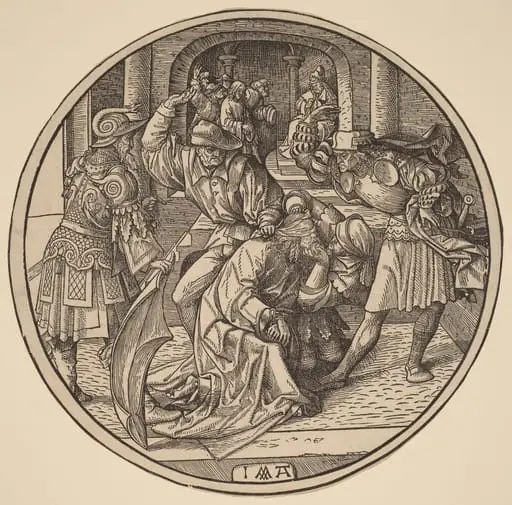 The Mocking of Christ and Christ Before Caiaphas
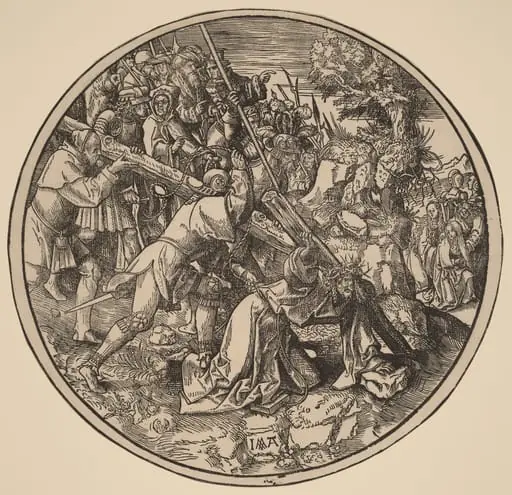 Christ Carrying the Cross
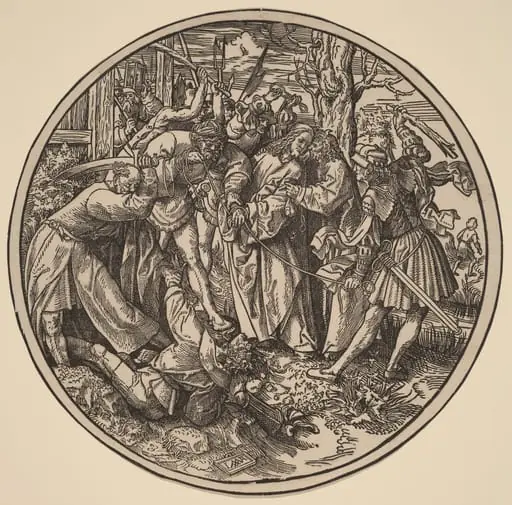 The Betrayal of Christ
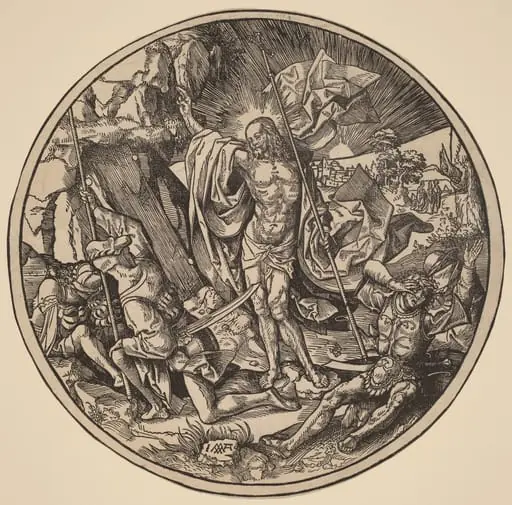 The Resurrection and the Holy Women on Their Way to Christ's Sepulchre
 Christ Taken Captive