Artwork
The Fall of Man
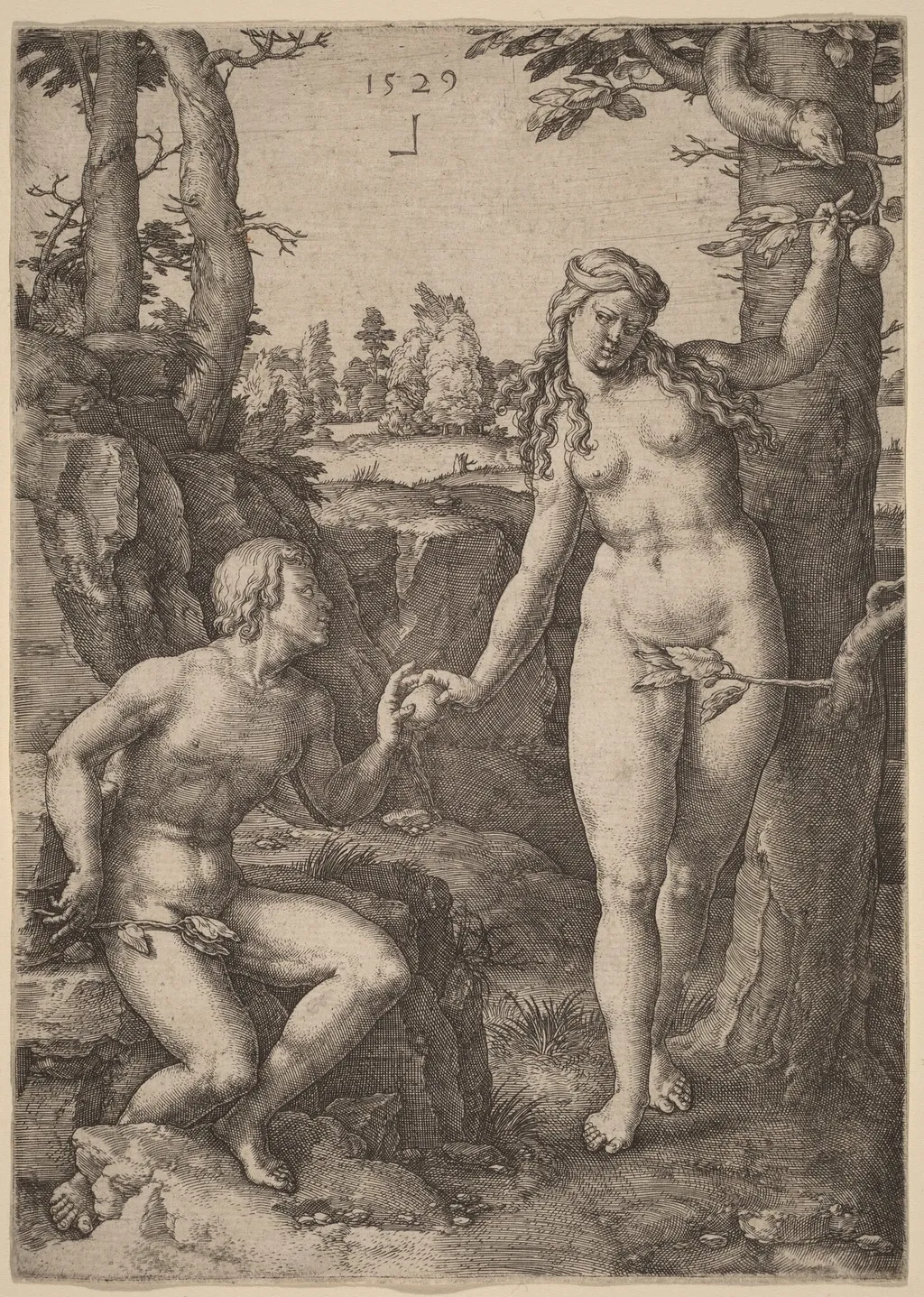
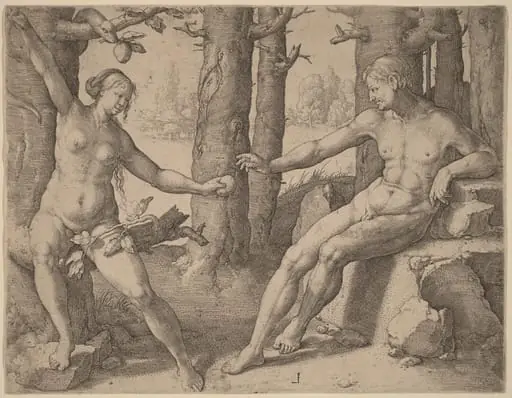
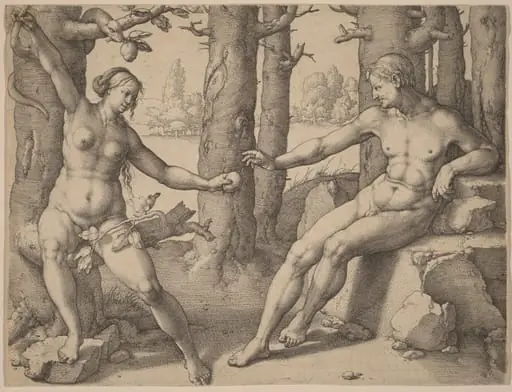
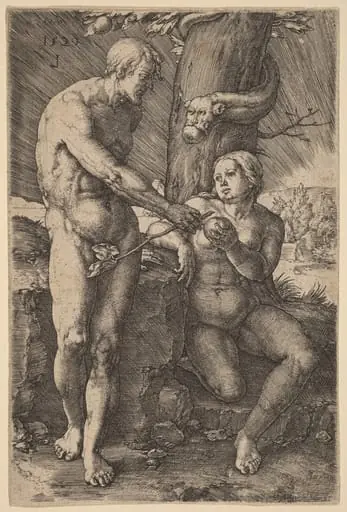
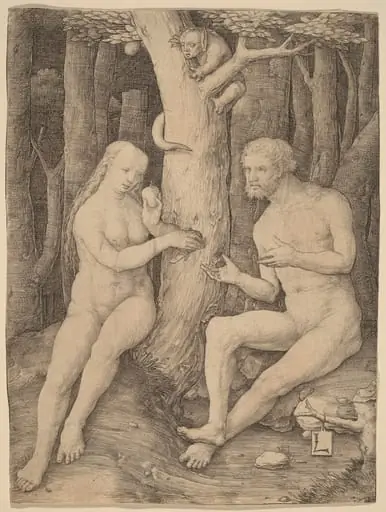
The Fall of Man is an ink print by the Renaissance artist Lucas van Leyden. It dates from 1529 and is held in the collection of the National Gallery of Art.
About this work
Overview
Created in 1529, Lucas van Leyden’s engraving *The Fall of Man* is a finely detailed print that captures a pivotal moment from the Book of Genesis.
Created in 1529, Lucas van Leyden’s engraving *The Fall of Man* is a finely detailed print that captures a pivotal moment from the Book of Genesis. As a Dutch artist renowned for his engraving and woodcut techniques, van Leyden used fine lines and controlled burin work to translate biblical narrative into a compact, visually dense composition. The work exemplifies the Northern Renaissance emphasis on moral storytelling through meticulous visual detail.
Subject & Meaning
The scene illustrates Adam and Eve’s expulsion from Eden after consuming the forbidden fruit. Their postures and expressions convey shame and resignation, while the serpent coils near the Tree of Knowledge, its presence subtly linking temptation to consequence. Surrounding flora and fauna, including symbolic animals like the cat and the deer, reinforce themes of innocence lost and the disruption of natural harmony.
Technique & Style
Van Leyden employed engraving to achieve extraordinary precision, using a burin to incise fine lines into a copper plate. The intricate textures of skin, fur, foliage, and stone demonstrate his command of line weight and cross-hatching. Unlike broader painterly styles, this method allowed for sharp definition and layered detail, enabling viewers to discern subtle emotional cues and symbolic elements within a small format.
History & Provenance
The engraving was produced during the height of van Leyden’s career, when printmaking was gaining widespread circulation across Europe. Copies of the work were distributed through print markets, contributing to its influence among Northern artists. While its early ownership records are sparse, it remains documented in major European collections by the 17th century, reflecting its enduring recognition among collectors of prints.
Context
In early 16th-century Netherlands, religious imagery remained central to artistic production despite growing humanist interests. Van Leyden’s work aligns with a tradition of moralizing biblical scenes, often intended for private devotion or educational use. The detailed rendering of nature and figures reflects both theological concerns and the period’s fascination with the natural world as a reflection of divine order.
Legacy
Van Leyden’s engraving influenced later Northern printmakers through its integration of narrative complexity and technical refinement. Its compact scale and rich detail set a standard for biblical prints, demonstrating that engraving could convey profound moral themes without relying on large-scale painting. The work remains a reference point in studies of Renaissance print culture and the evolution of visual storytelling.
Own this work as a print
Artist & collection

Artist
Lucas van Leyden (1494 – 8 August 1533), was a Dutch painter and printmaker in engraving and woodcut. Lucas van Leyden was among the first Dutch exponents of genre painting and was a very accomplished engraver.

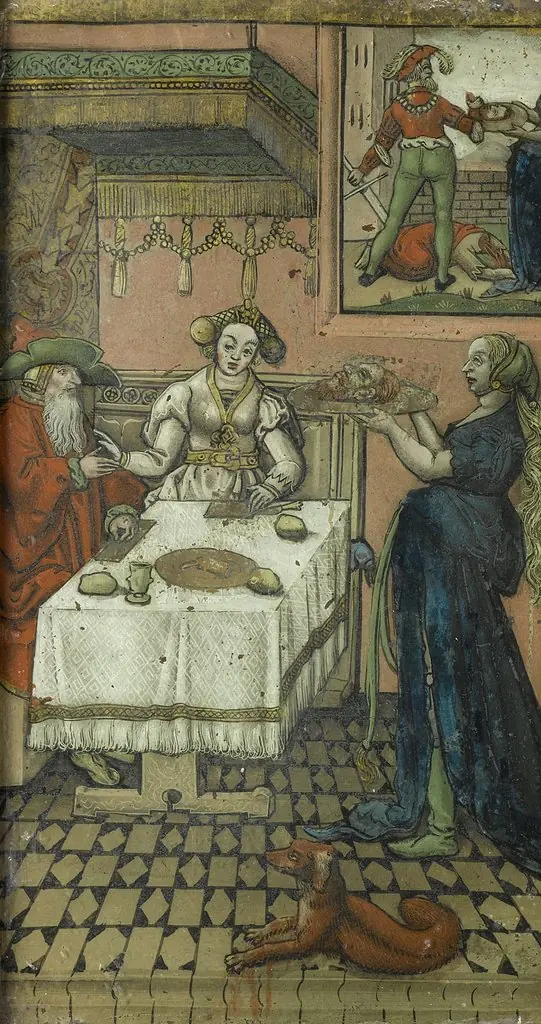 Salome with the head of St John the Baptist
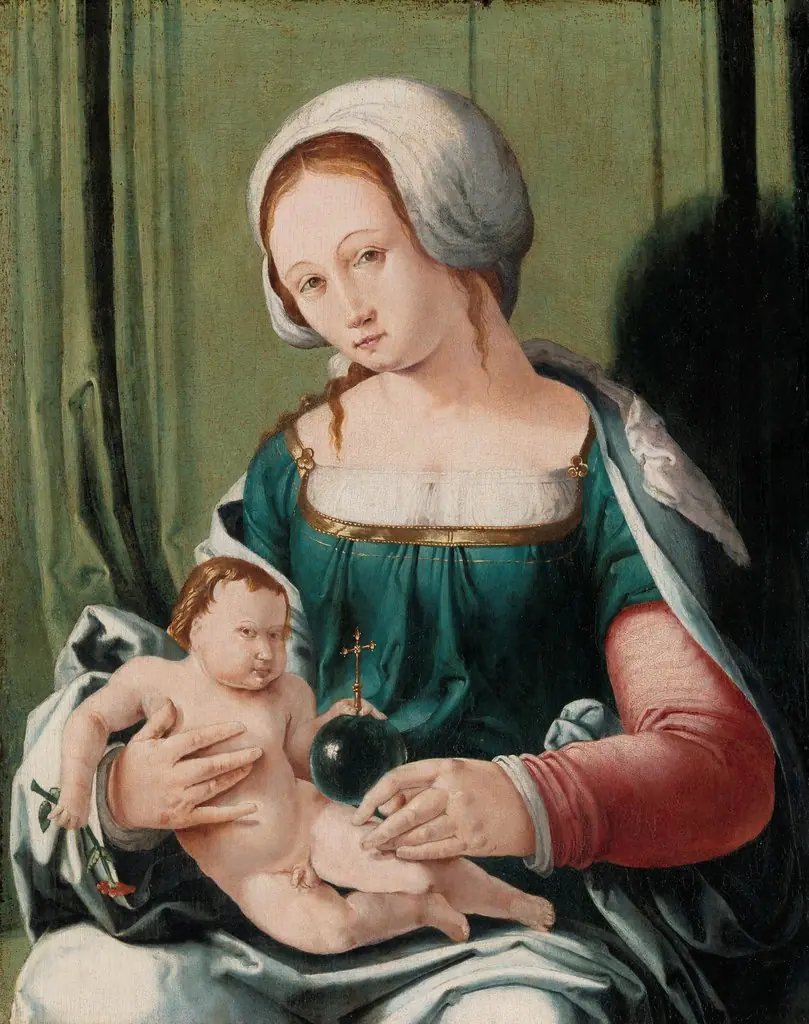 The Virgin and Child
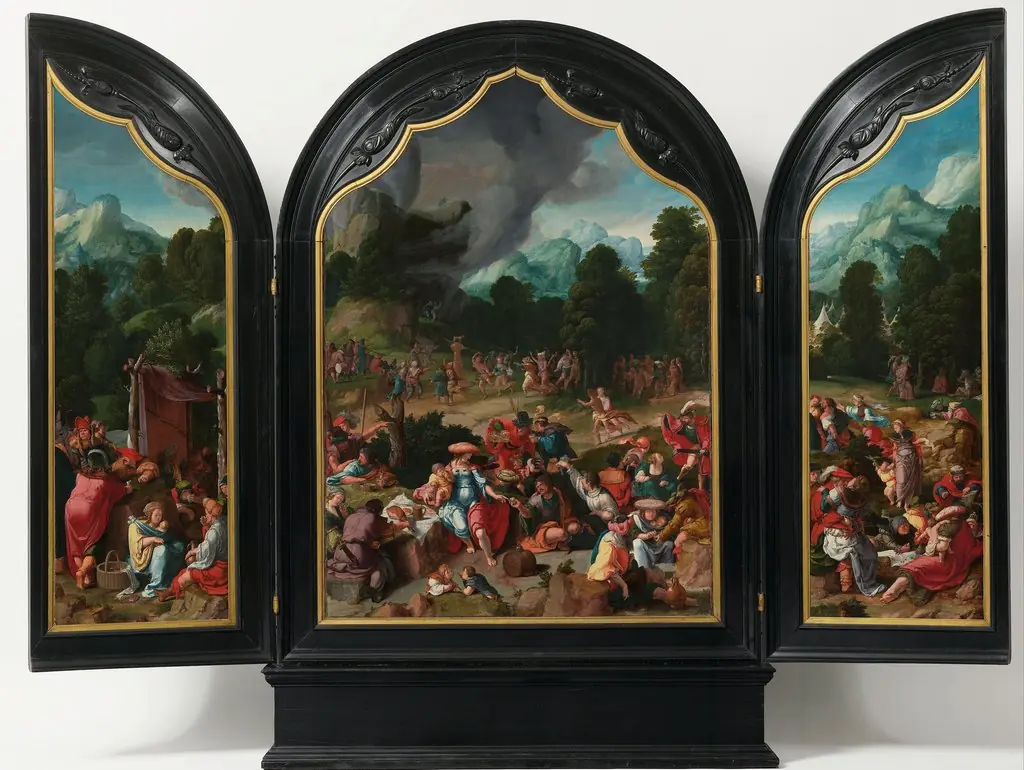 Worship of the Golden Calf
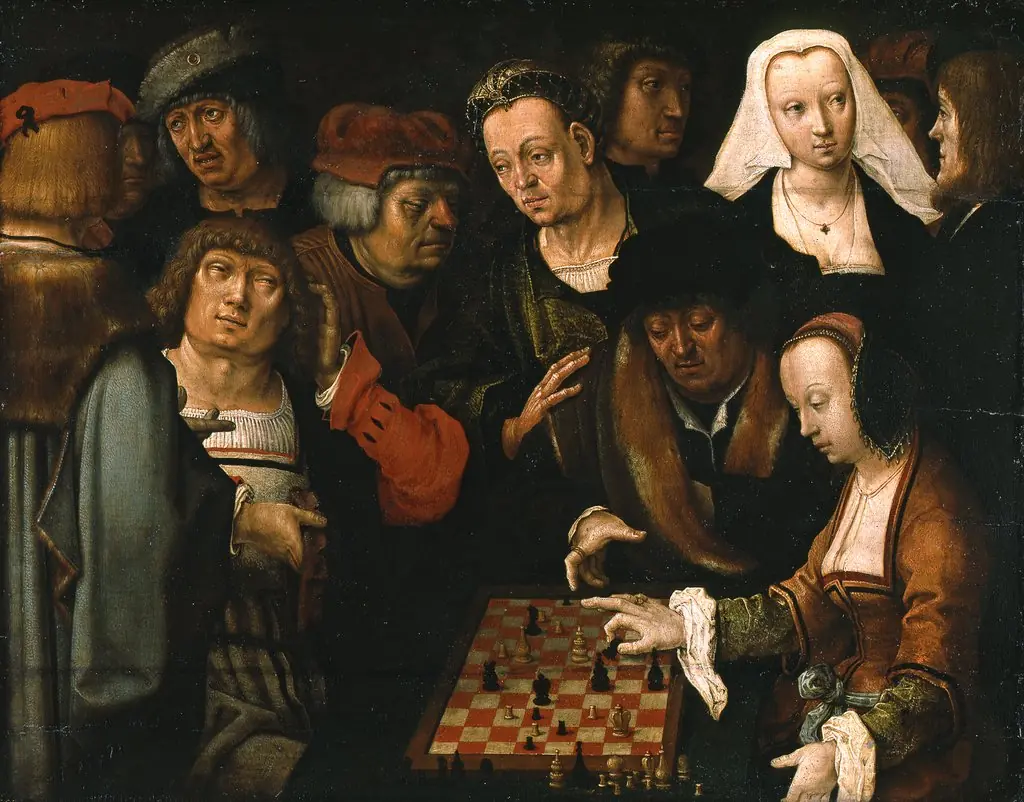 A Game of Chess
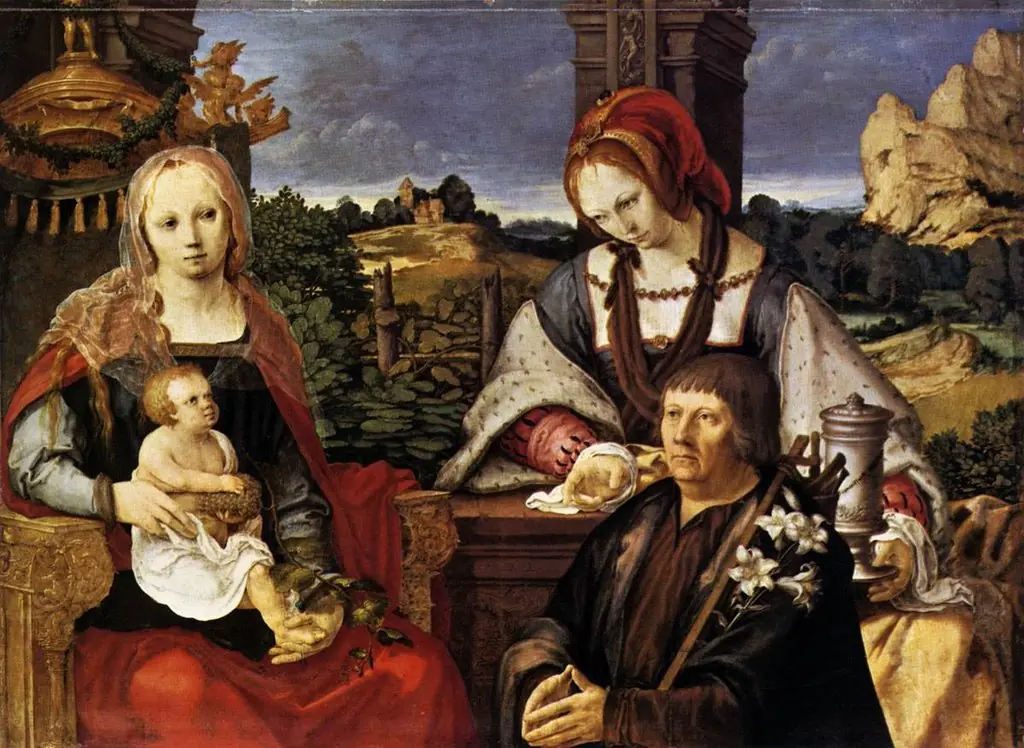 Mary with Child, St. Maria Magdalena and founder (separate outside, Inv. No. 7713)
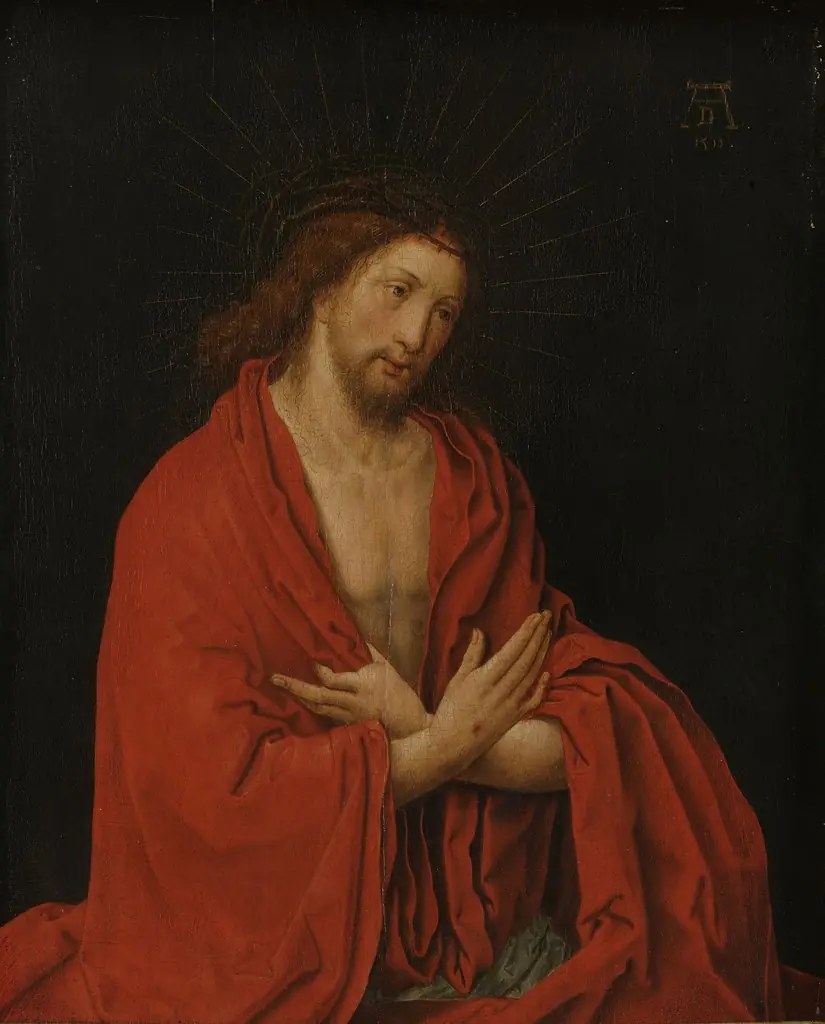 Inner left wing of a diptych with Christ as the Man of Sorrows
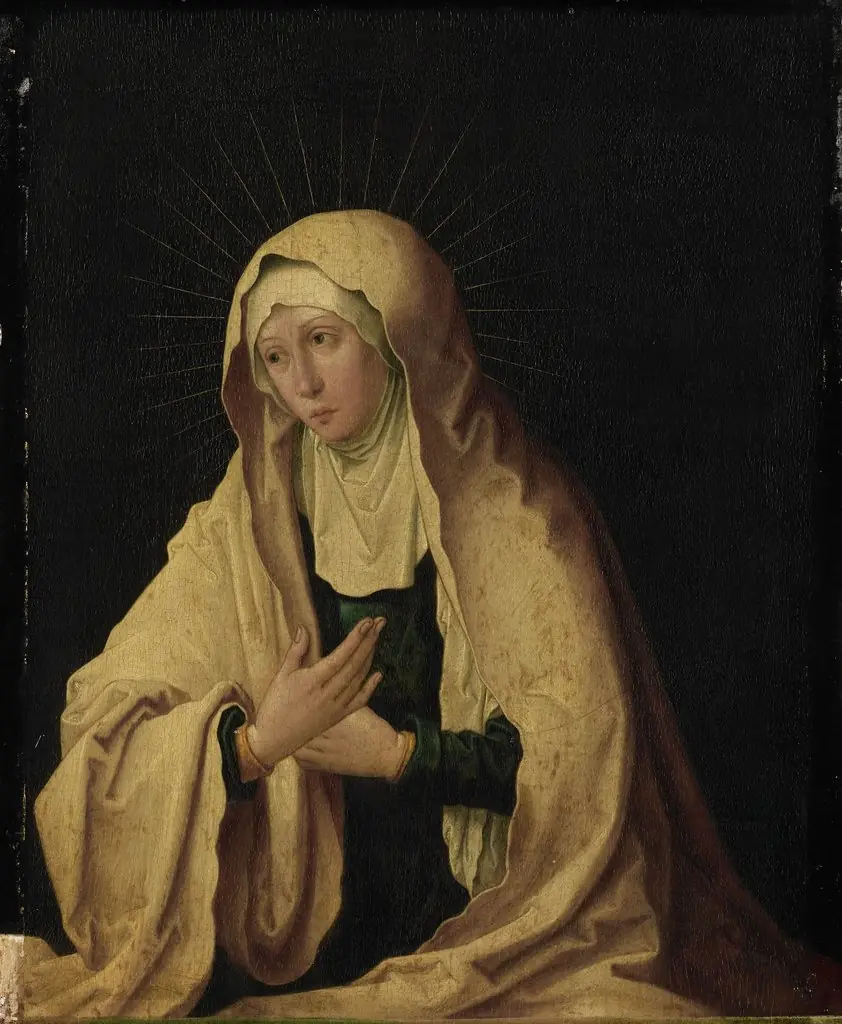 Inner right wing of a diptych with the Virgin as Mater Dolorosa
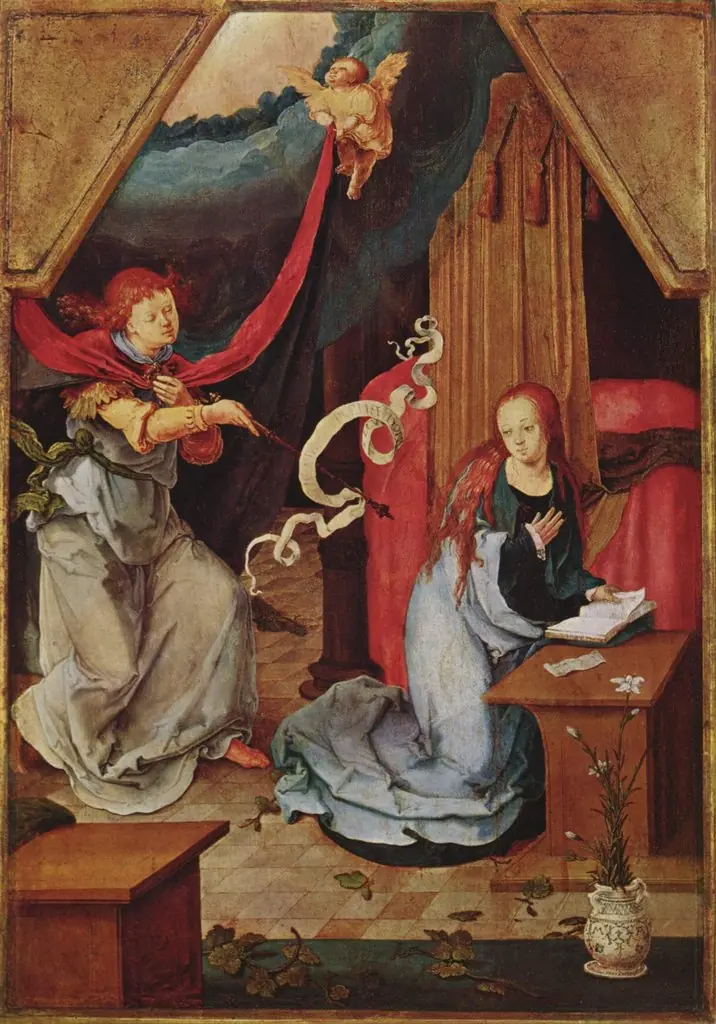 Annunciation