Artwork
The Fall of Man
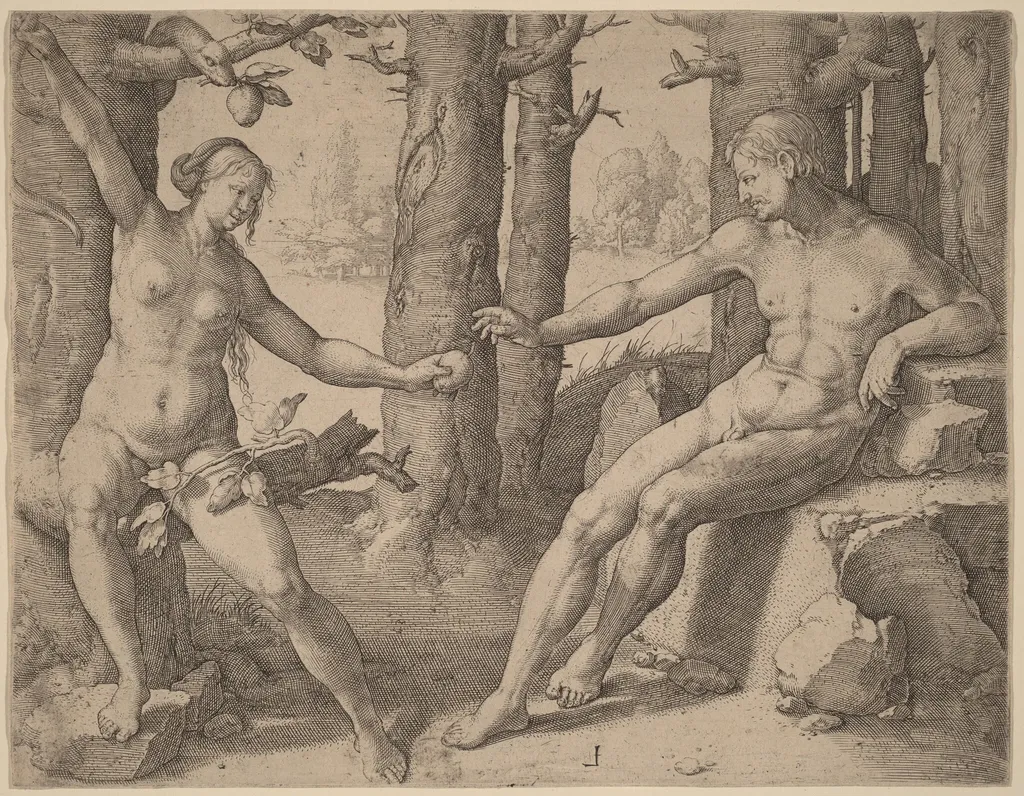
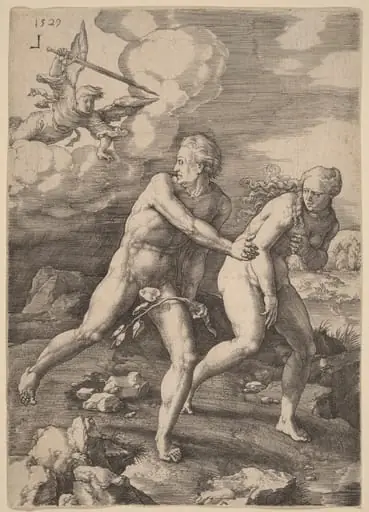
The Fall of Man is an ink print by the Renaissance artist Lucas van Leyden. It dates from 1530 and is held in the collection of the National Gallery of Art.
About this work
Overview
Created circa 1530 by the Dutch artist Lucas van Leyden, this copper engraving presents a somber rendition of the biblical expulsion of the first humans from Eden. Executed with the artist’s characteristic precision, the print measures the moment of loss through a compact, forested setting populated by the two central figures and surrounding foliage.
Subject & Meaning
The composition illustrates Adam and Eve after the act that led to their banishment. One figure stands, clutching a branch laden with leaves and fruit, while the other lies prone, reaching upward, evoking a sense of remorse and yearning. The surrounding trees and birds underscore the natural world they are forced to leave behind, emphasizing the theme of exile.
Technique & Style
Van Leyden employs delicate, intersecting lines to model form and convey volume, a method known as cross‑hatching. Layers of fine strokes generate subtle gradations of shadow across the figures’ garments, the rocky terrain, and the dense canopy. This meticulous line work reflects the artist’s mastery of engraving and his contribution to early Dutch genre representation.
History & Provenance
The print belongs to a period when van Leyden was establishing himself as a leading figure in Dutch printmaking, alongside his work in woodcut. Though specific ownership records are scarce, the engraving has been cited in several early modern collections, confirming its circulation among connoisseurs of religious imagery in the sixteenth century.
Own this work as a print
Artist & collection

Artist
Lucas van Leyden (1494 – 8 August 1533), was a Dutch painter and printmaker in engraving and woodcut. Lucas van Leyden was among the first Dutch exponents of genre painting and was a very accomplished engraver.

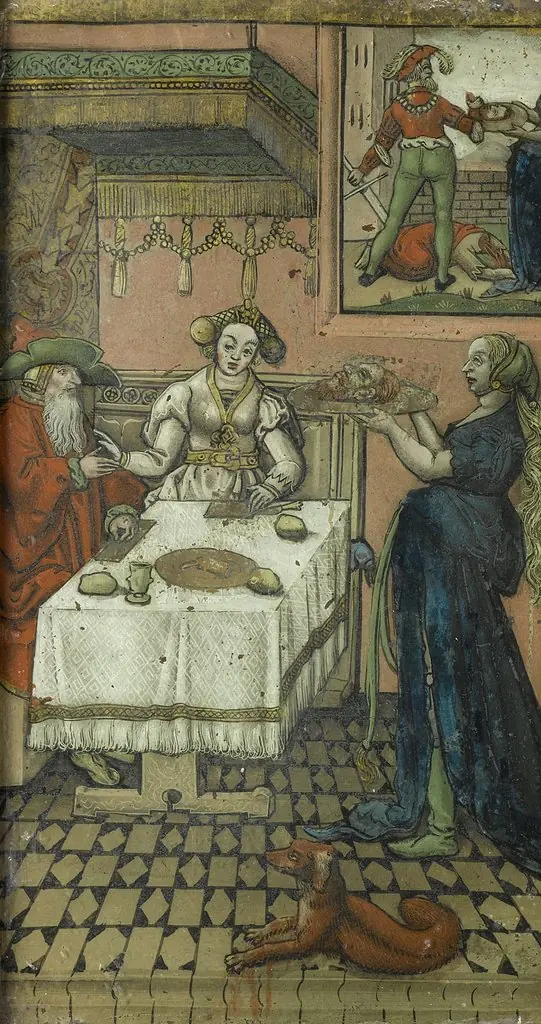 Salome with the head of St John the Baptist
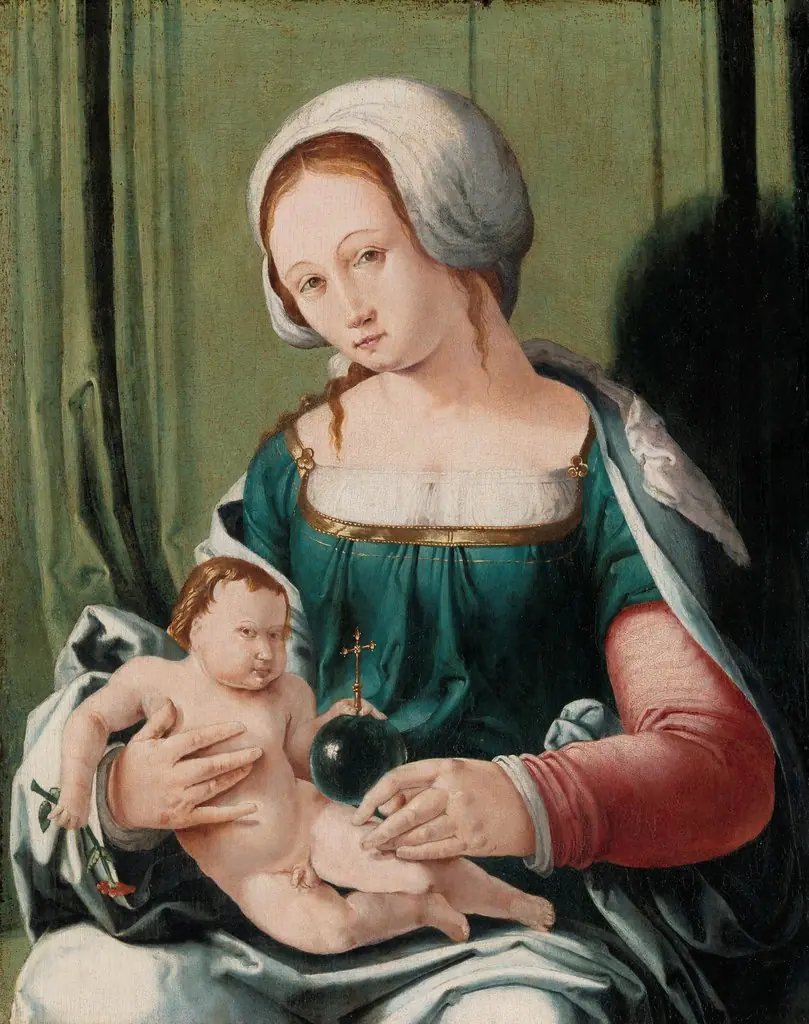 The Virgin and Child
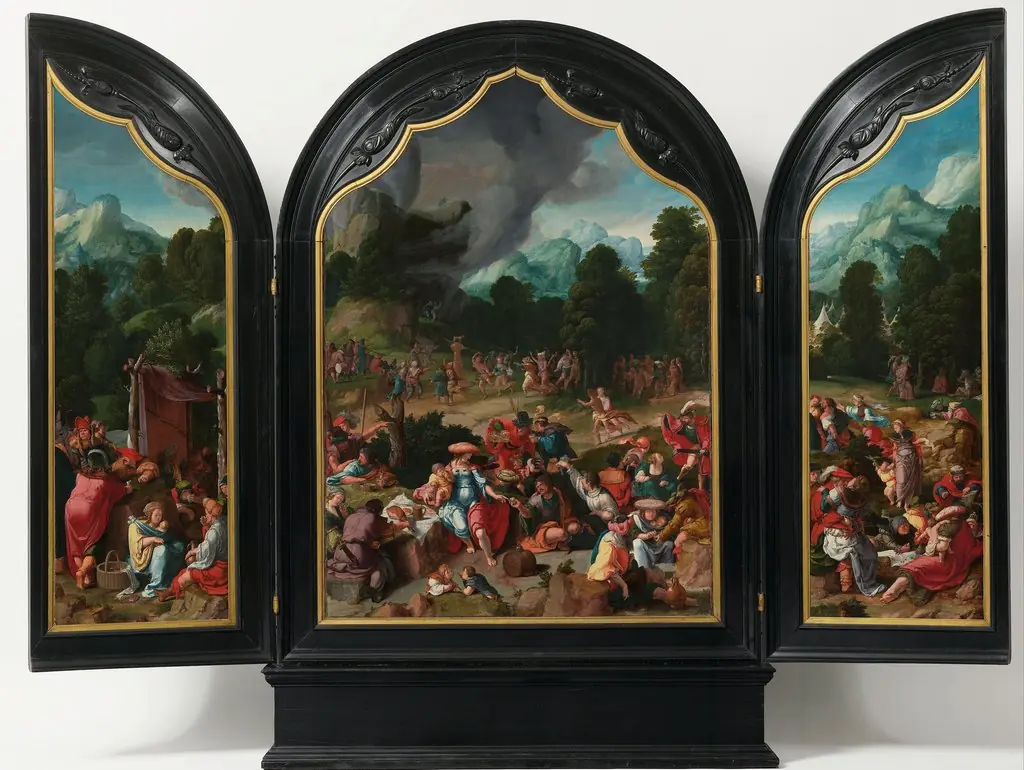 Worship of the Golden Calf
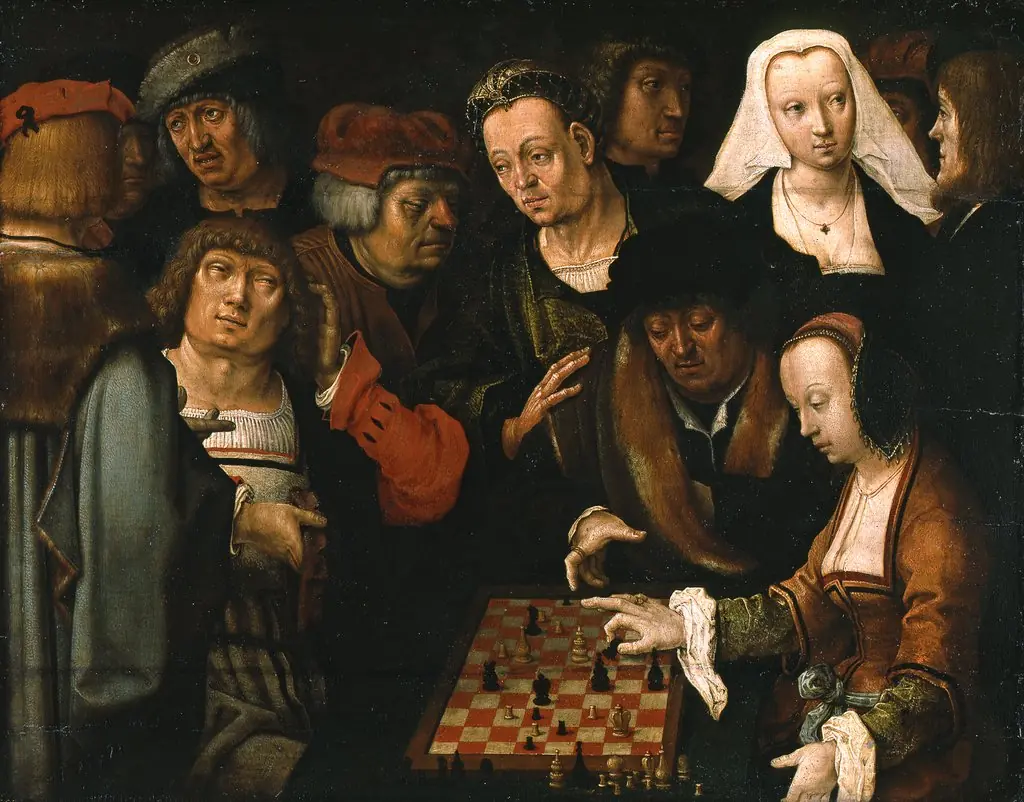 A Game of Chess
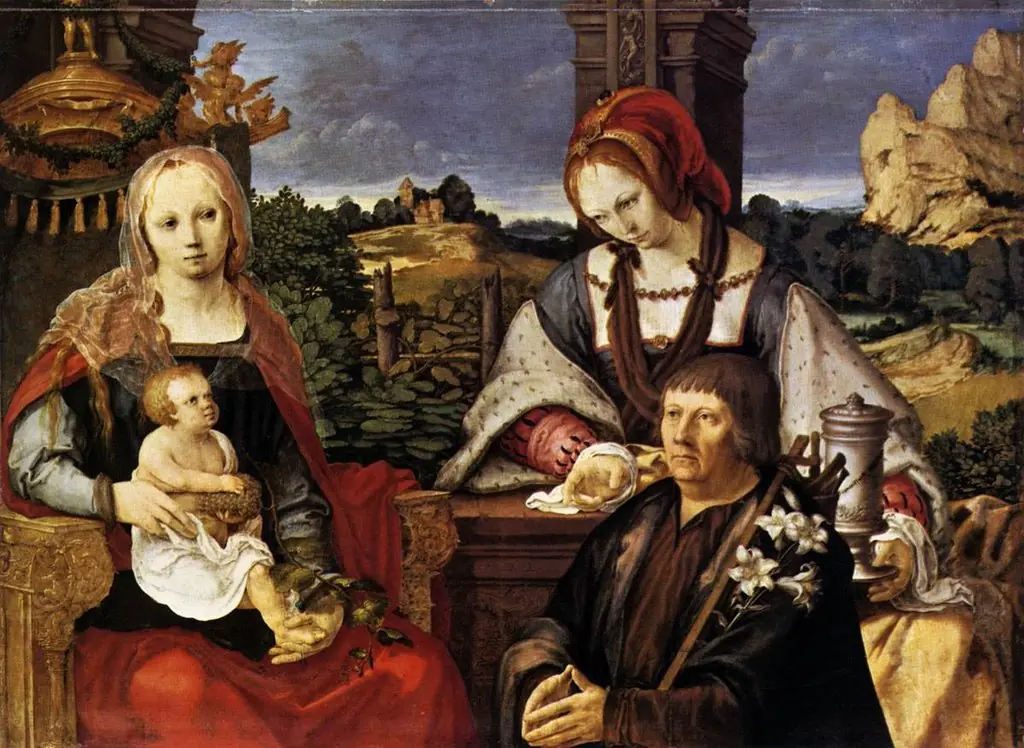 Mary with Child, St. Maria Magdalena and founder (separate outside, Inv. No. 7713)
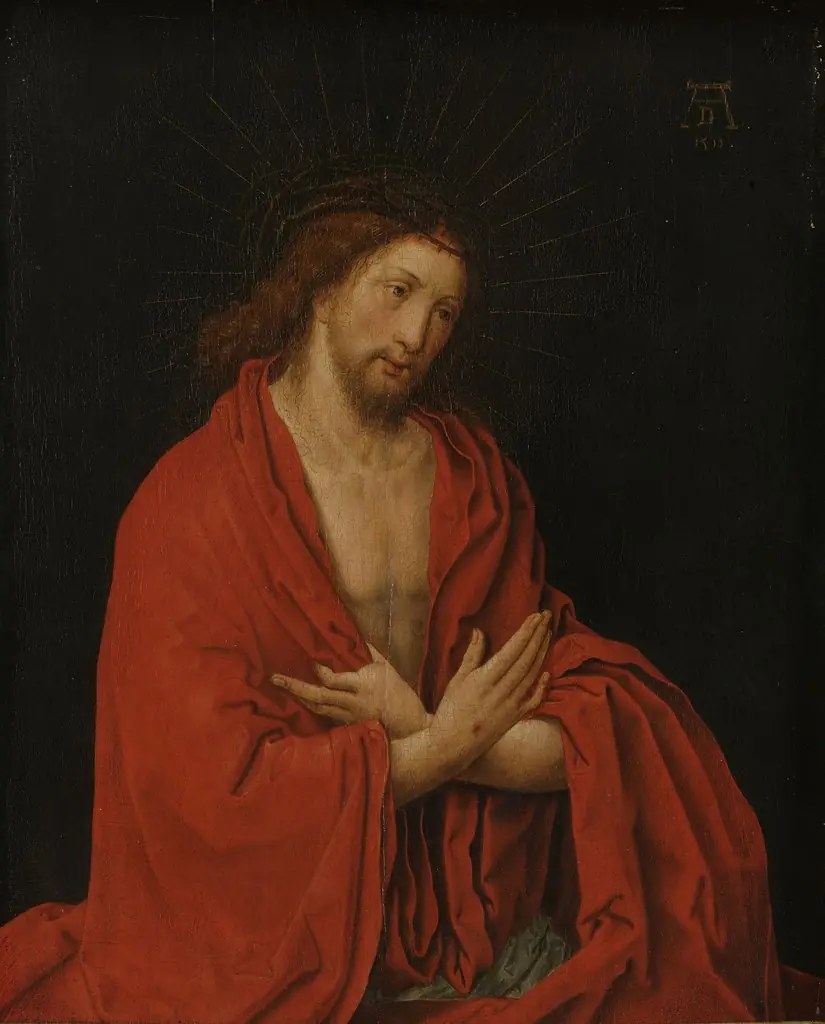 Inner left wing of a diptych with Christ as the Man of Sorrows
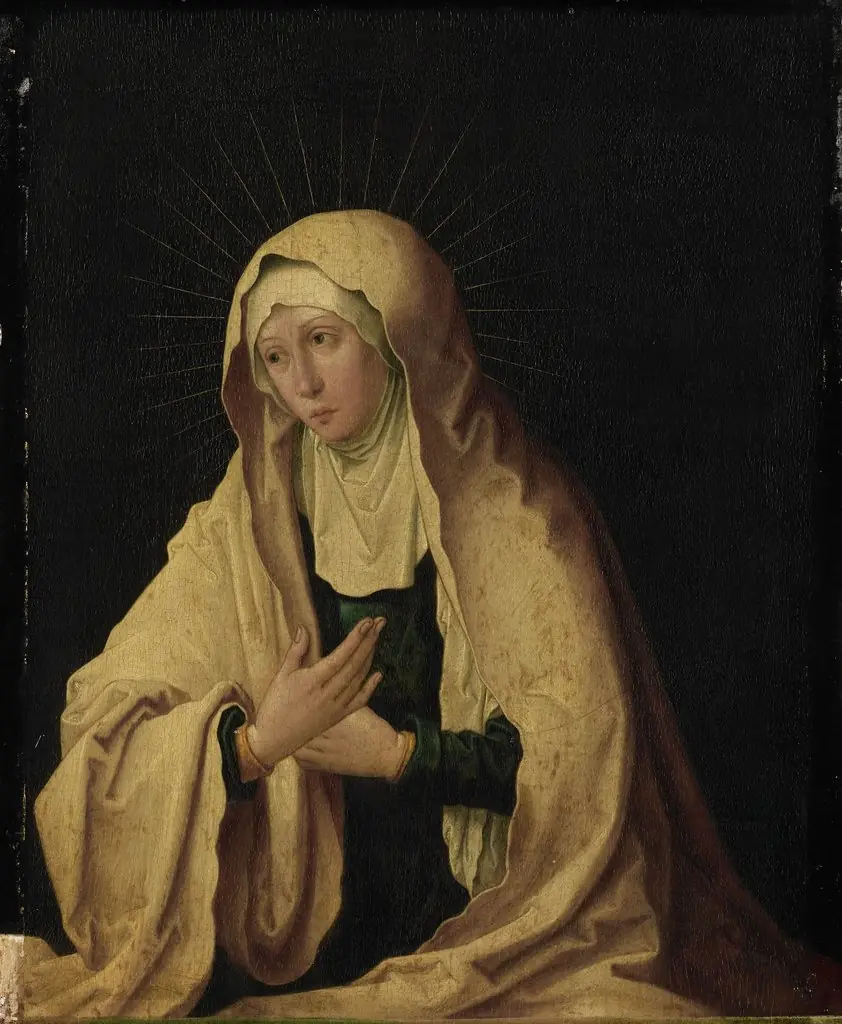 Inner right wing of a diptych with the Virgin as Mater Dolorosa
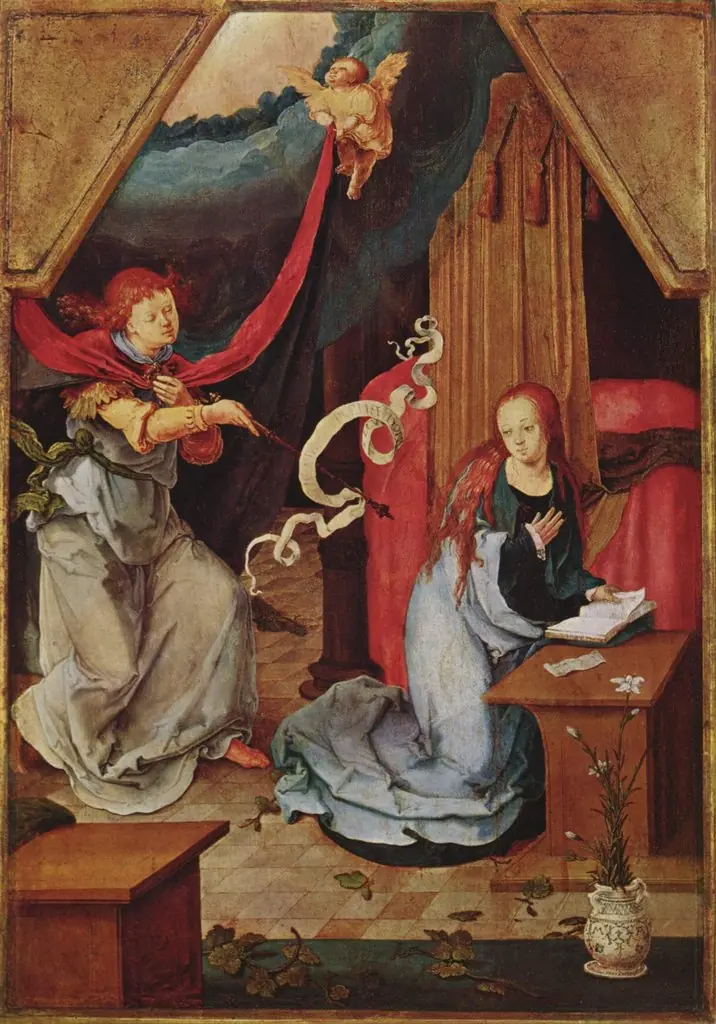 Annunciation