Artwork
Standing Cavalier and Beggar Boy
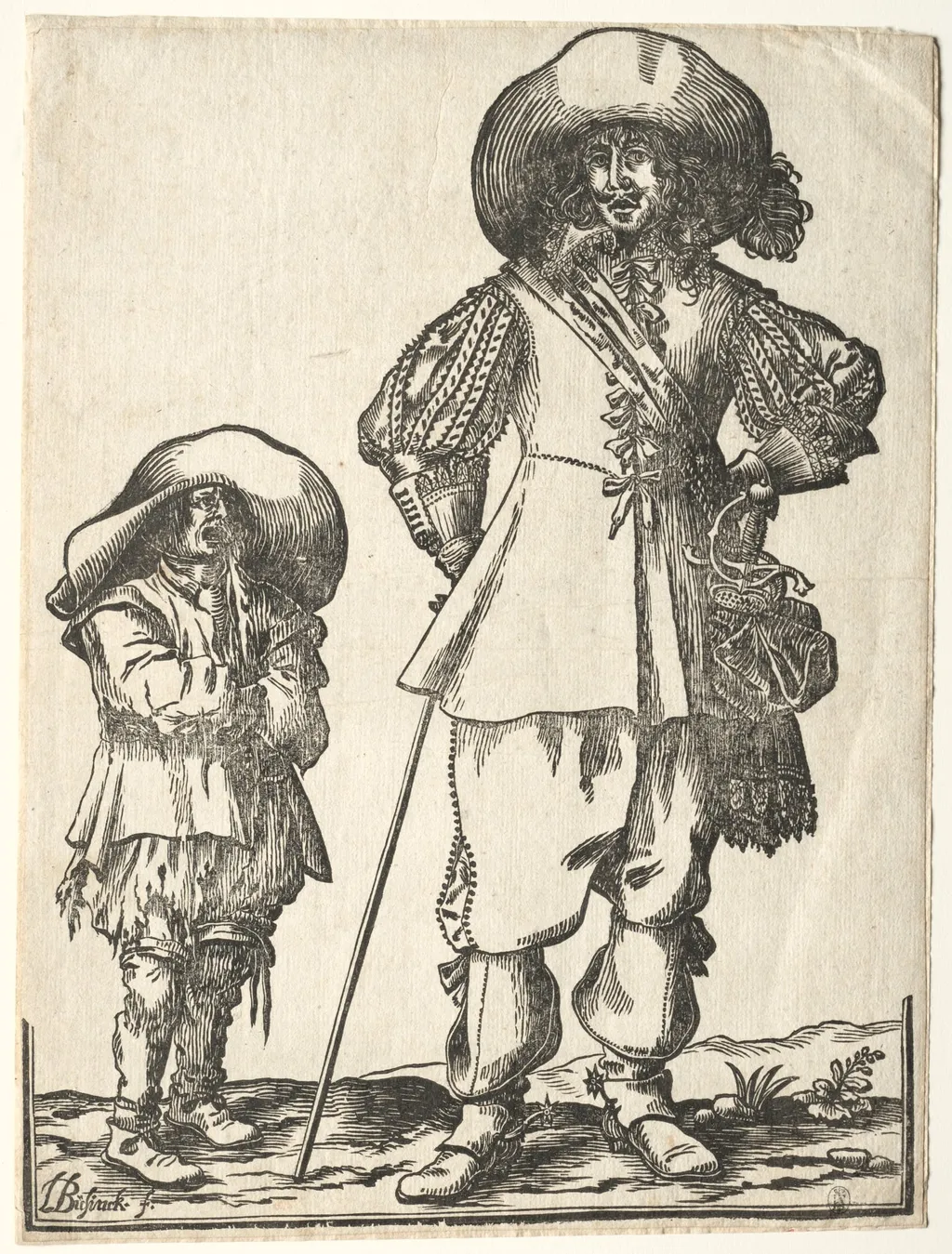
Standing Cavalier and Beggar Boy is a print by Ludolph Büsinck. It dates from 1639 and is held in the collection of the Cleveland Museum of Art.
About this work
Overview
The composition centers on the physical and moral distance between the two figures, rendered with precision and restraint.
Created around 1639 by Ludolph Büsinck, this print depicts a standing cavalier beside a beggar boy. Executed in chiaroscuro, the work contrasts light and shadow to heighten emotional tension. It resides in The Cleveland Museum of Art, where it is recognized for its quiet yet forceful social observation. The composition centers on the physical and moral distance between the two figures, rendered with precision and restraint.
Subject & Meaning
The image presents a stark encounter between two social extremes: a well-dressed nobleman and a destitute child. The cavalier’s upright posture and elaborate attire suggest authority, while the boy’s bare feet and ragged garments signal vulnerability. The man’s downward gaze implies indifference or contemplation, leaving the viewer to interpret the nature of their relationship. The scene functions as a silent critique of societal disparity in early modern Europe.
Technique & Style
Büsinck employed chiaroscuro to model form and evoke emotional weight, using deep shadows and sharp highlights to define the figures against a dark background. The lines are crisp, typical of engraving, allowing fine detail in fabric textures and facial expressions. The figures are rendered with naturalistic proportions, yet their exaggerated contrast in scale and attire amplifies symbolic meaning over literal narrative.
History & Provenance
The print was made in the late 1630s during Büsinck’s active period in Germany, likely as part of a series exploring social types. It entered The Cleveland Museum of Art’s collection through documented acquisitions in the 20th century. No earlier provenance is widely recorded, but its style aligns with Northern European print traditions of the era, where moral and social themes were commonly depicted in graphic media.
Context
In 17th-century Europe, prints like this circulated among middle-class audiences, offering visual commentary on class divisions. The cavalier and beggar were familiar archetypes in popular imagery, often used to reflect moral or religious concerns about wealth and charity. Büsinck’s work fits within a broader tradition of social observation in printmaking, distinct from grand historical painting but equally resonant in its quiet realism.
Legacy
Though Büsinck is not among the most widely known printmakers of his time, this work endures as a clear example of how graphic art could convey social critique with minimal means. Its enduring presence in museum collections reflects continued interest in early modern visual representations of inequality. The print remains a quiet but potent document of its era’s social consciousness.
Artist & collection

Artist
Ludolph Büsinck (c.1600–1669) was a German painter and wood-engraver, born at Hann.

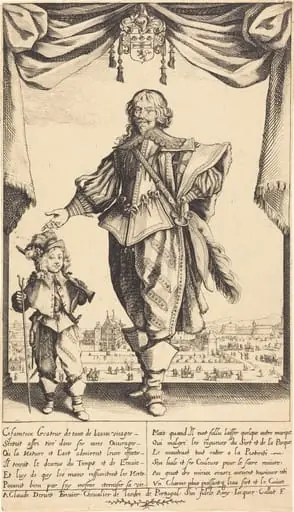 Claude Deruet and his Son, Jean
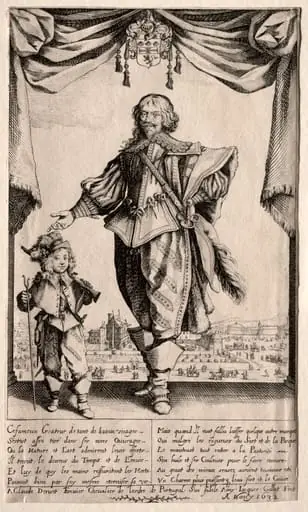 Claude Deruet and His Son
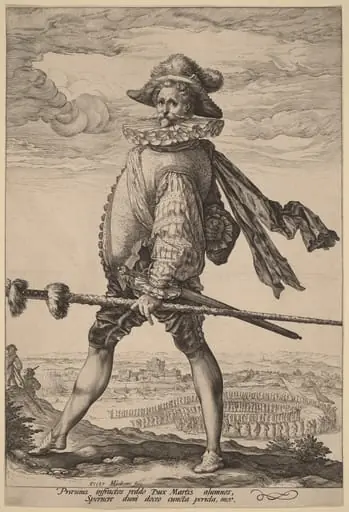 The Captain of the Infantry
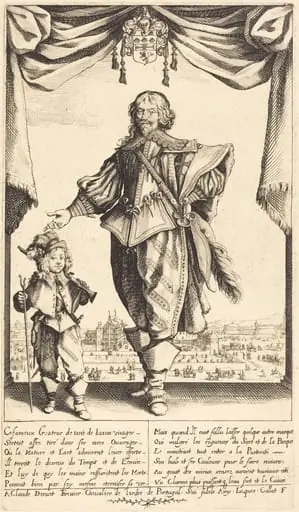 Claude Deruet and his Son, Jean
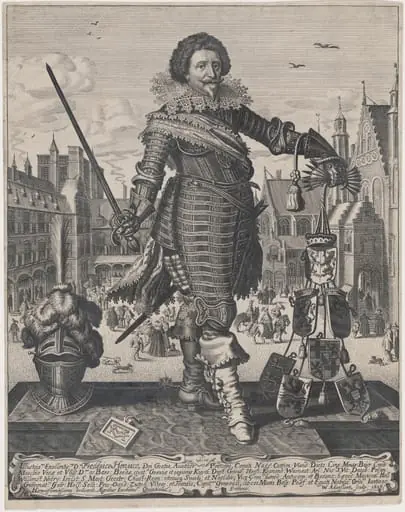 Frederick Henry, Prince of Orange
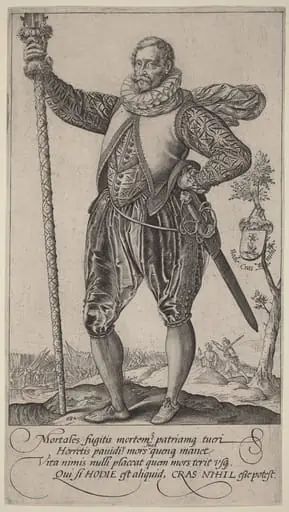 A Pike-Man Turned to the Left
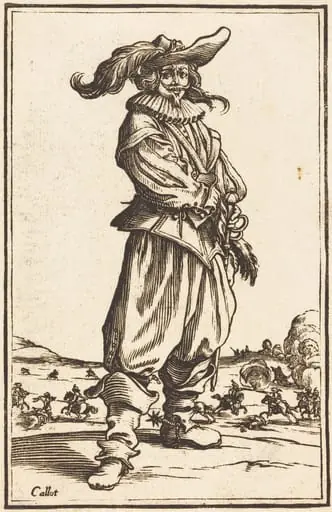 Soldier with Feathered Hat
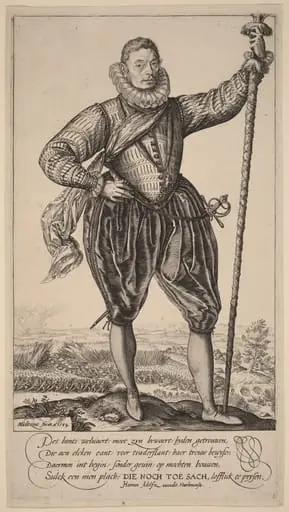 Gerrit de Jong
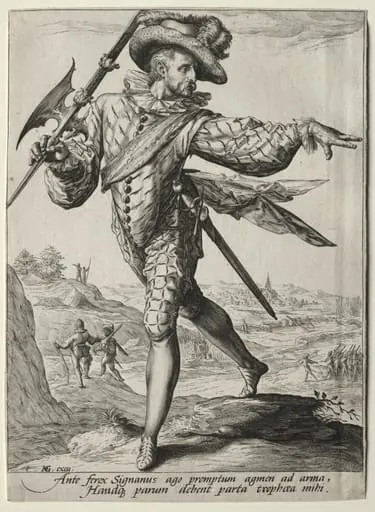 Officers and Soldiers of the Bodyguard of Emperor Rudolf II: Sergeant
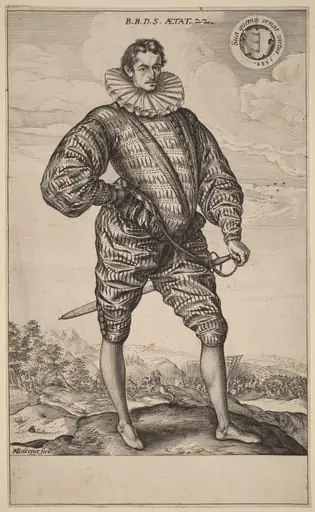 Balthasar Bathory de Somlyo
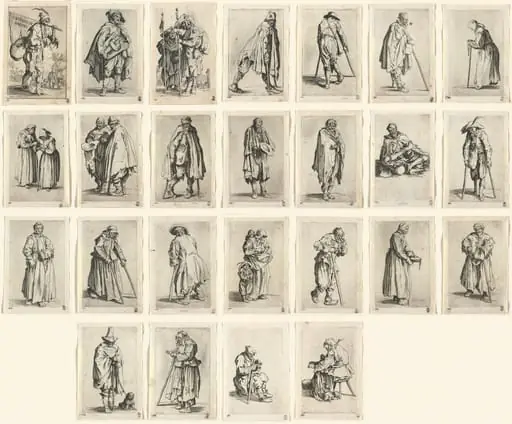 The Beggars