Artwork
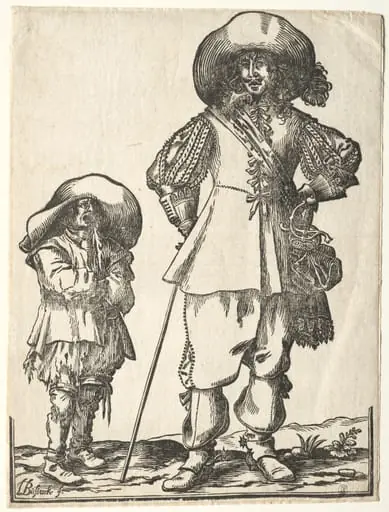
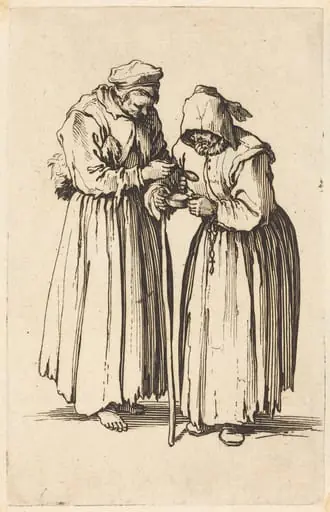
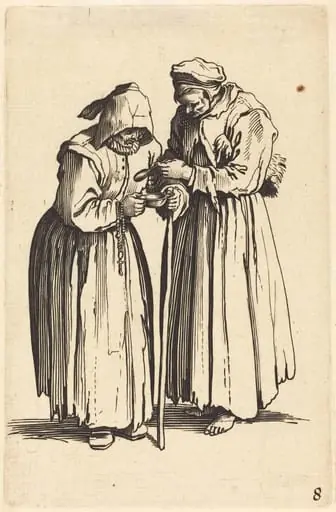
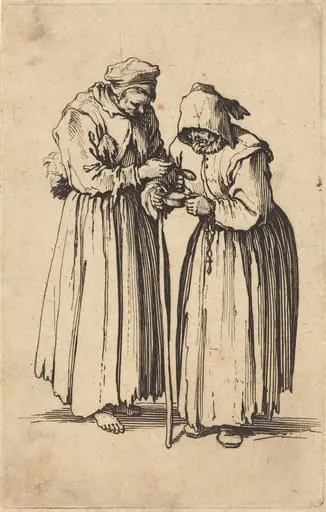
Two Beggars and Leprous Child
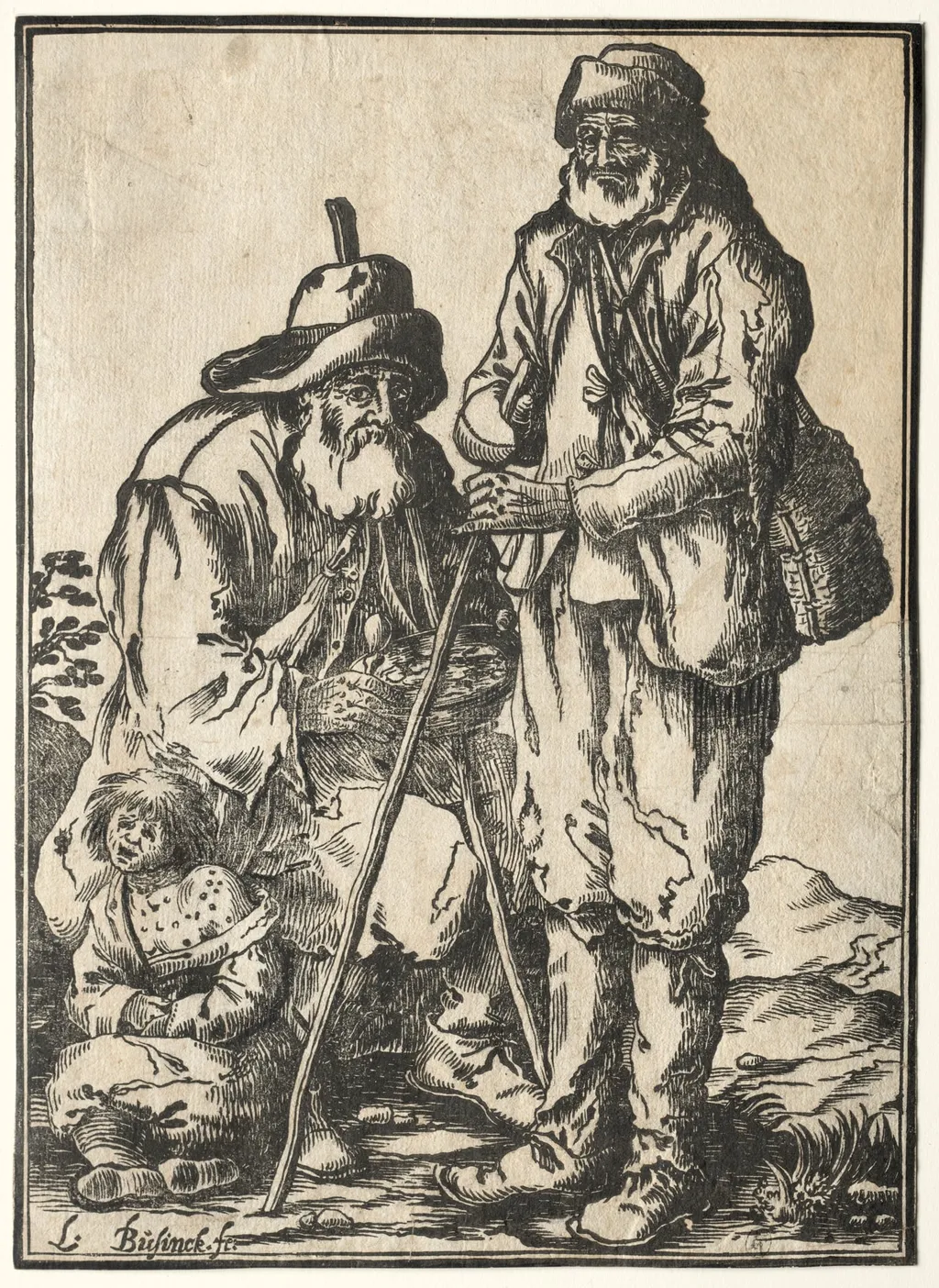
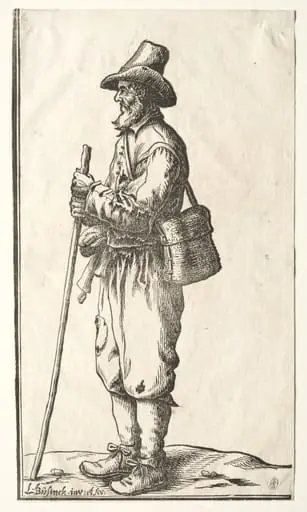
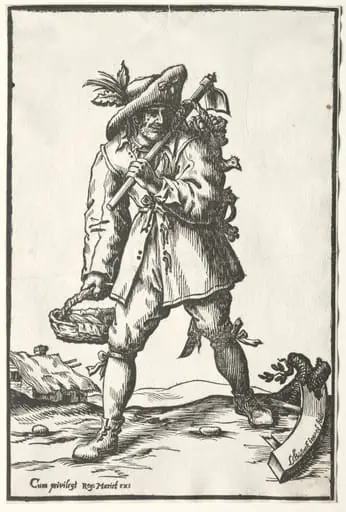
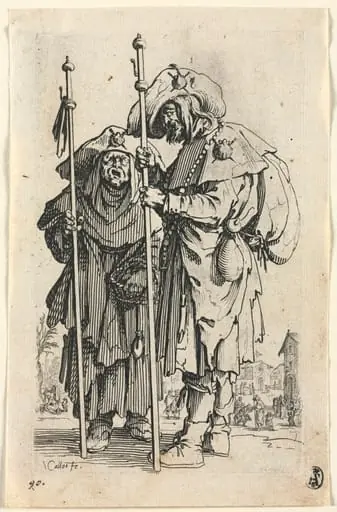
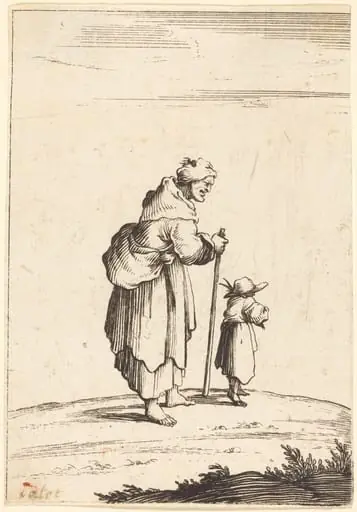
Two Beggars and Leprous Child is a print by Ludolph Büsinck. It dates from 1639 and is held in the collection of the Cleveland Museum of Art.
About this work
Overview
Two Beggars and Leprous Child, a print by Ludolph Büsinck (c. 1639), is part of The Cleveland Museum of Art's collection. The work portrays a poignant scene of three figures in distress.
Subject & Meaning
The print depicts two adult beggars, identifiable by their tattered attire and distressed expressions, accompanied by a child afflicted with leprosy. The somber grouping conveys quiet desperation and hardship.
Technique & Style
Büsinck employed a somber, earthy palette with deep shadows and subtle highlights, achieving depth and texture. The use of chiaroscuro adds drama, focusing the viewer's attention on the central figures.
History & Provenance
Created circa 1639 by Ludolph Büsinck, the print's history prior to its acquisition by The Cleveland Museum of Art is not detailed here.
Context
Reflecting the social realities of its time, the work highlights the plight of the poor and sick during the 17th century, a period marked by widespread hardship.
Legacy
While specific influence or notable exhibitions are not highlighted, the piece remains a significant example of 17th-century printmaking addressing social themes.
Artist & collection

Artist
Ludolph Büsinck (c.1600–1669) was a German painter and wood-engraver, born at Hann.