Artwork
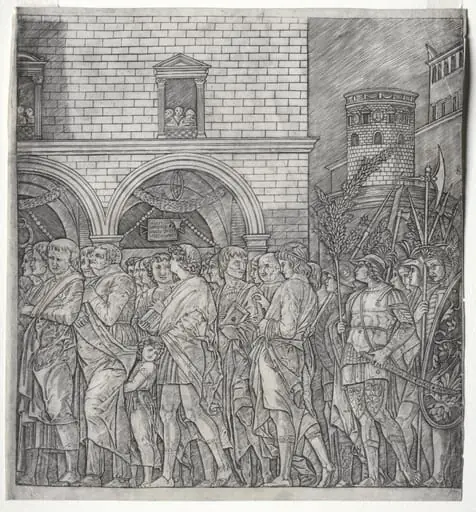
Triumphs of Caesar II
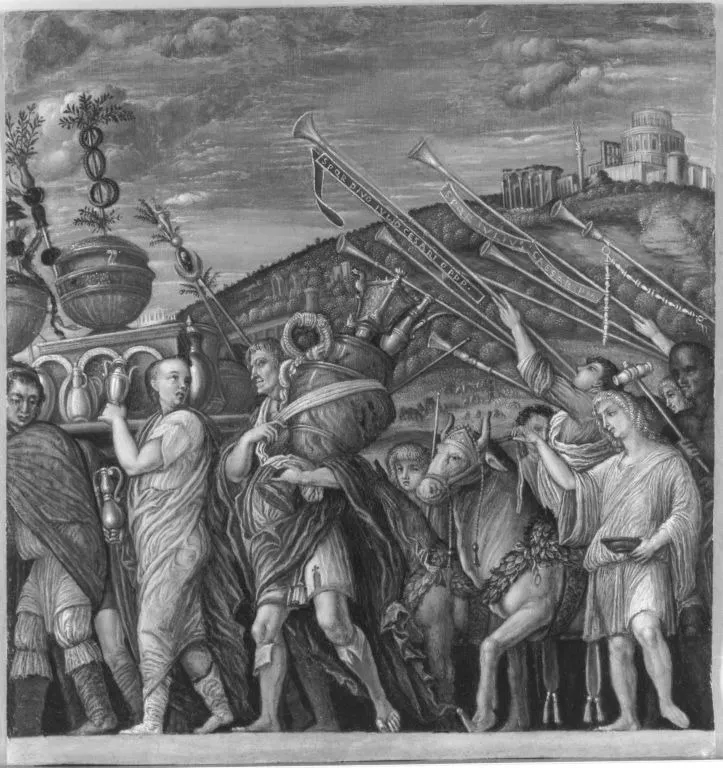
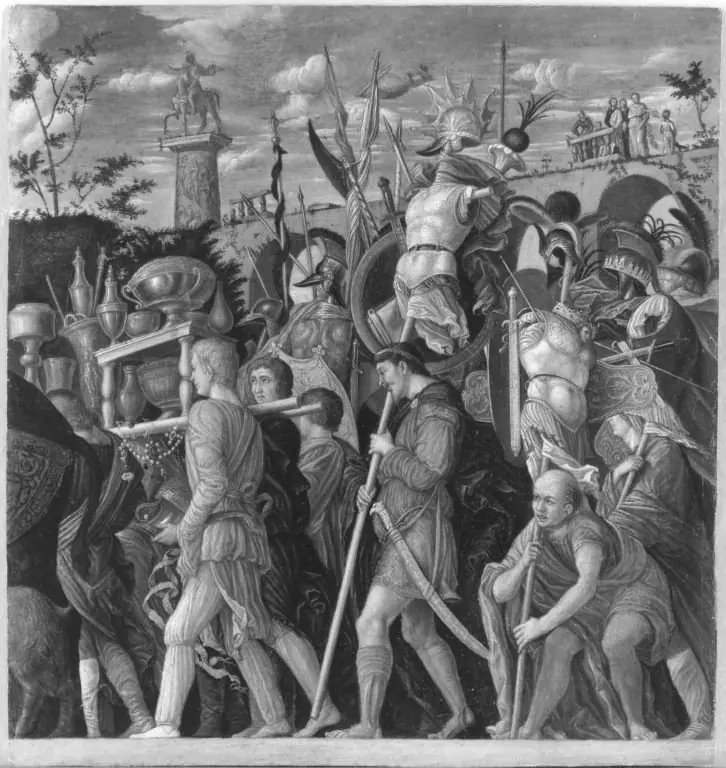
Triumphs of Caesar II is an unspecified painting by the Early Baroque Italian artist Ludovico Dondi. It dates from 1600 and is held in the collection of the Bavarian State Painting Collections.
About this work
Overview
Dondi, sometimes called il Mantovano, specialized in reinterpreting Mantegna’s compositions, adapting their grandeur for contemporary audiences.
Ludovico Dondi, an Italian painter active in Mantua from the late 16th to early 17th century, produced *Triumphs of Caesar II* circa 1600 as one of several replicas of Andrea Mantegna’s original series. Dondi, sometimes called il Mantovano, specialized in reinterpreting Mantegna’s compositions, adapting their grandeur for contemporary audiences. This work is part of a larger cycle now housed in the Alte Pinakothek in Munich, reflecting the enduring influence of Renaissance themes in early Baroque courtly decoration.
Subject & Meaning
The painting depicts a ceremonial procession celebrating the military triumphs of Julius Caesar, following the iconographic tradition established by Mantegna. Figures carry spoils of war—statues, weapons, and musical instruments—symbolizing Rome’s conquests and cultural dominance. The scene emphasizes order and hierarchy, with participants arranged in a structured parade, reinforcing ideals of imperial authority and the continuity of Roman power through artistic commemoration.
Technique & Style
Dondi employed meticulous detail and a restrained palette to emulate Mantegna’s linear precision and spatial clarity. Figures are rendered with varied postures and individualized attire, enhancing the narrative richness of the procession. The background features a softly modeled landscape with distant architecture, creating depth without distracting from the central ceremonial focus. The style reflects a transitional phase between Renaissance discipline and emerging Baroque dynamism.
History & Provenance
Created around 1600, the painting was likely commissioned for a private or noble collection interested in classical revival. Dondi’s reproductions of Mantegna’s series were valued for their fidelity and accessibility, especially as the originals remained in the Gonzaga collection. The work entered the Alte Pinakothek’s holdings in the 19th century, where it is preserved as an example of early Baroque replication practices in northern Italy.
Context
During the late Renaissance and early Baroque period, Italian courts frequently commissioned copies of celebrated Renaissance works to assert cultural legitimacy. Dondi’s reproductions of Mantegna’s *Triumphs* responded to this demand, bridging the legacy of Mantua’s artistic golden age with the tastes of early 17th-century patrons. Such works were not mere imitations but acts of cultural preservation within a broader European fascination with antiquity.
Legacy
Dondi’s version of *Triumphs of Caesar II* remains significant as a documented example of how Renaissance masterpieces were transmitted and reinterpreted in the early Baroque era. While not original in composition, his work preserves the visual language of Mantegna’s series and offers insight into the mechanisms of artistic influence and patronage in post-Renaissance Italy. It continues to serve as a reference for studies on replication and classical reception.
Artist & collection
Artist
Ludovico Dondi (active 1585–1614) was an Italian painter active in Mantua. He is called il Mantovano in 1840 by Romanelli. Garollo calls him Luigi Dondi. He is known for the copies he made of Andrea Mantegna's Triumphs of Caesar.

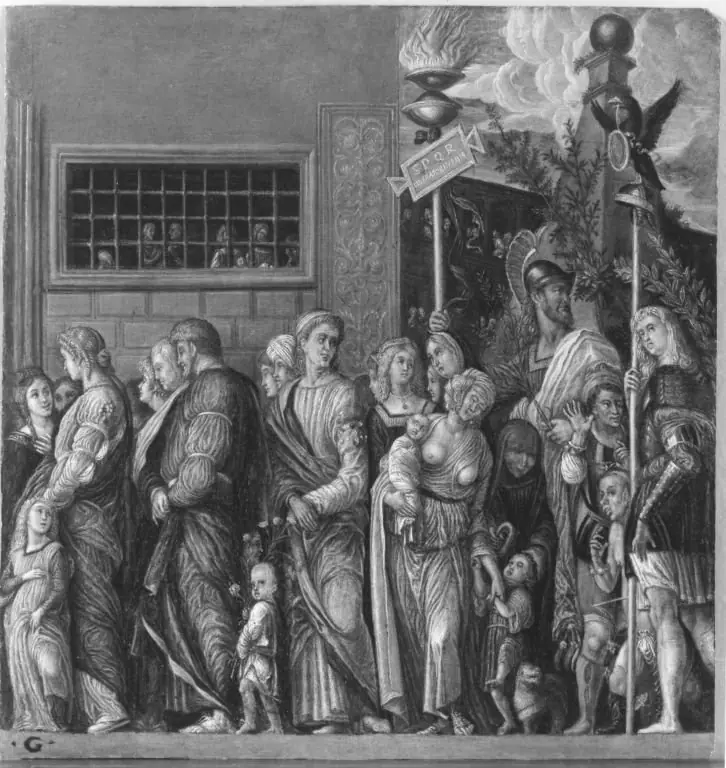
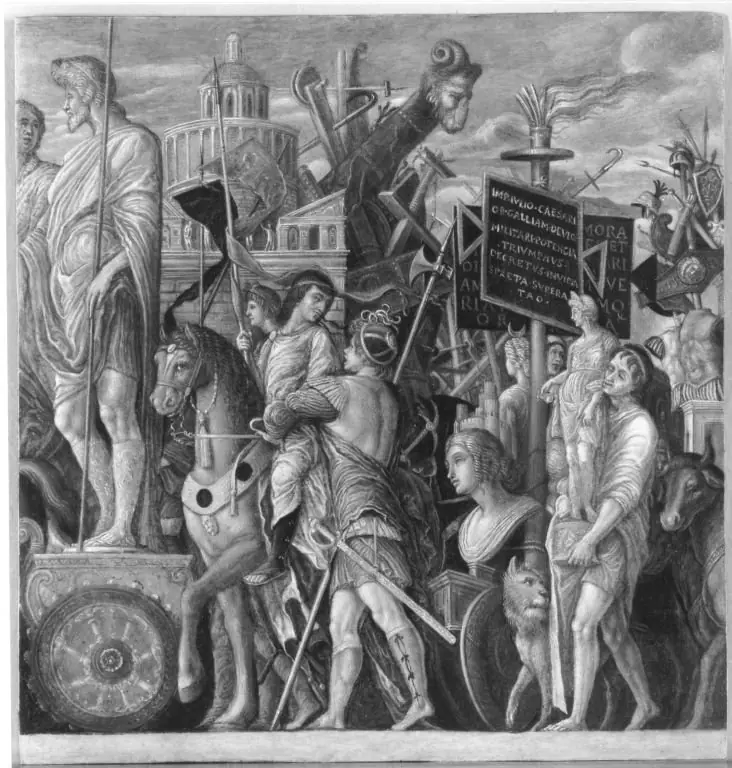
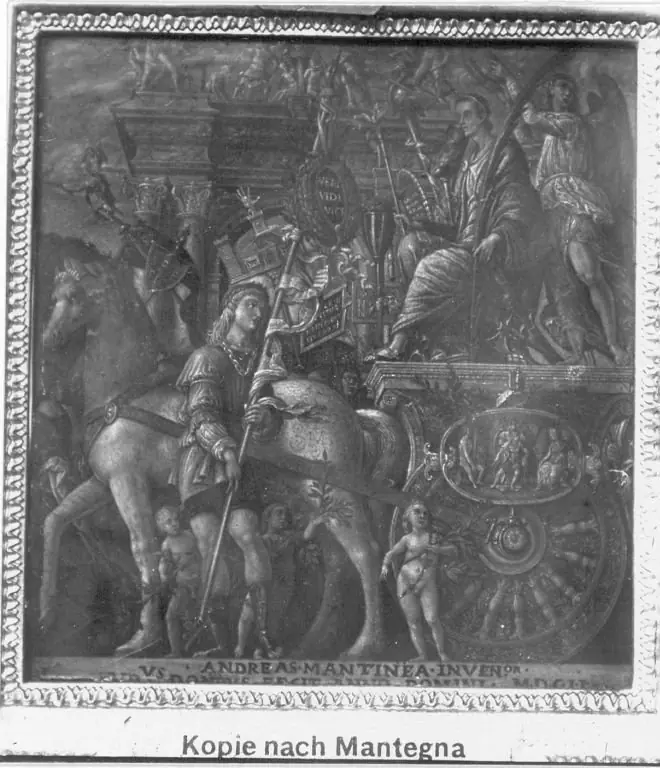
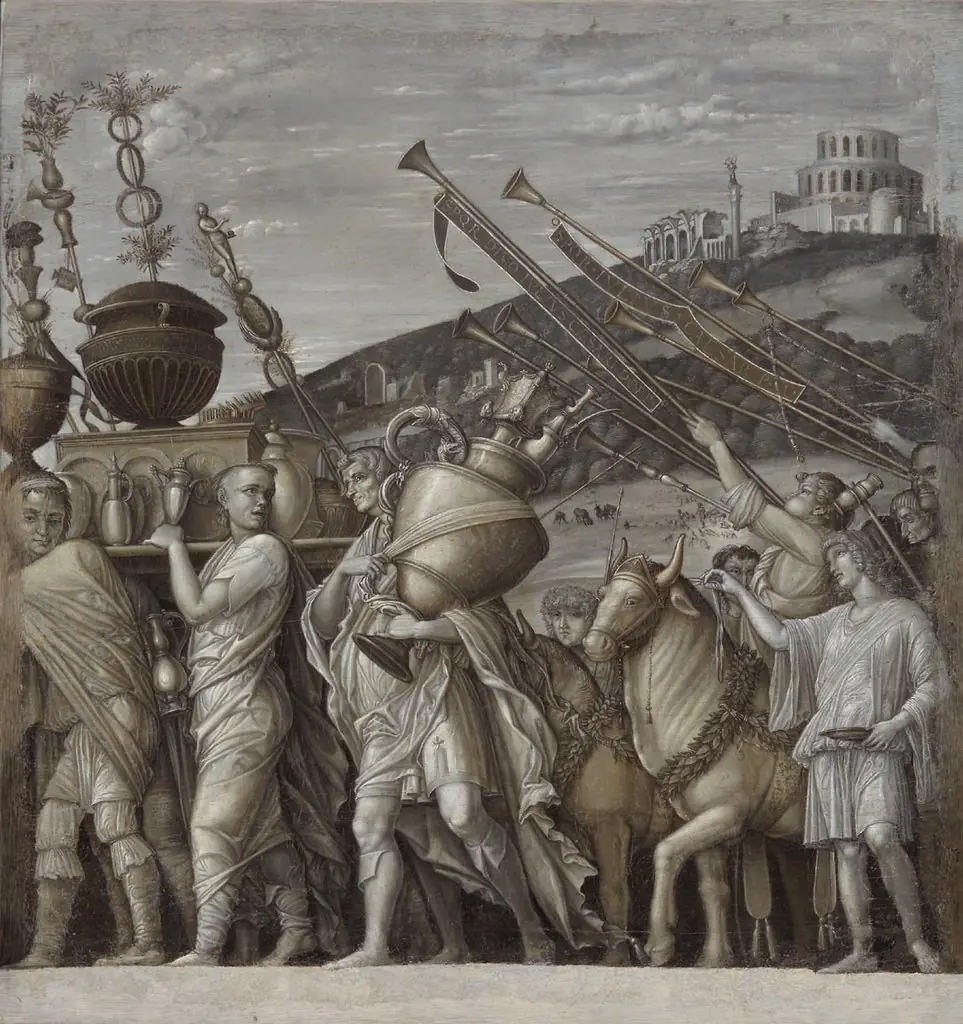 Triumphs of Caesar: Sacrificial Animals
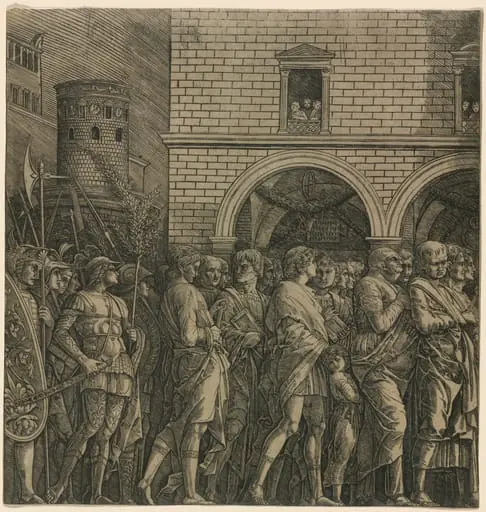 The Triumph of Caesar: The Senators
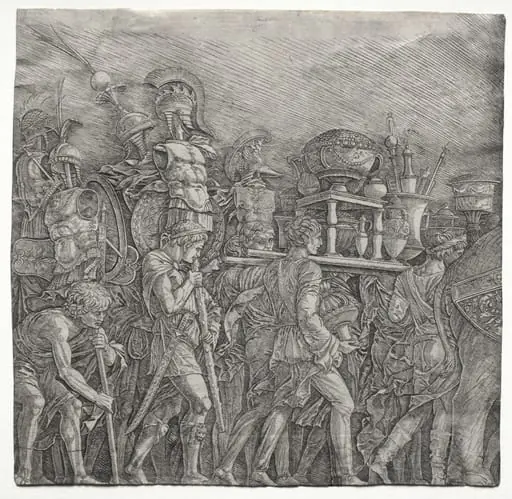 The Triumphs of Caesar: The Corselet Bearers
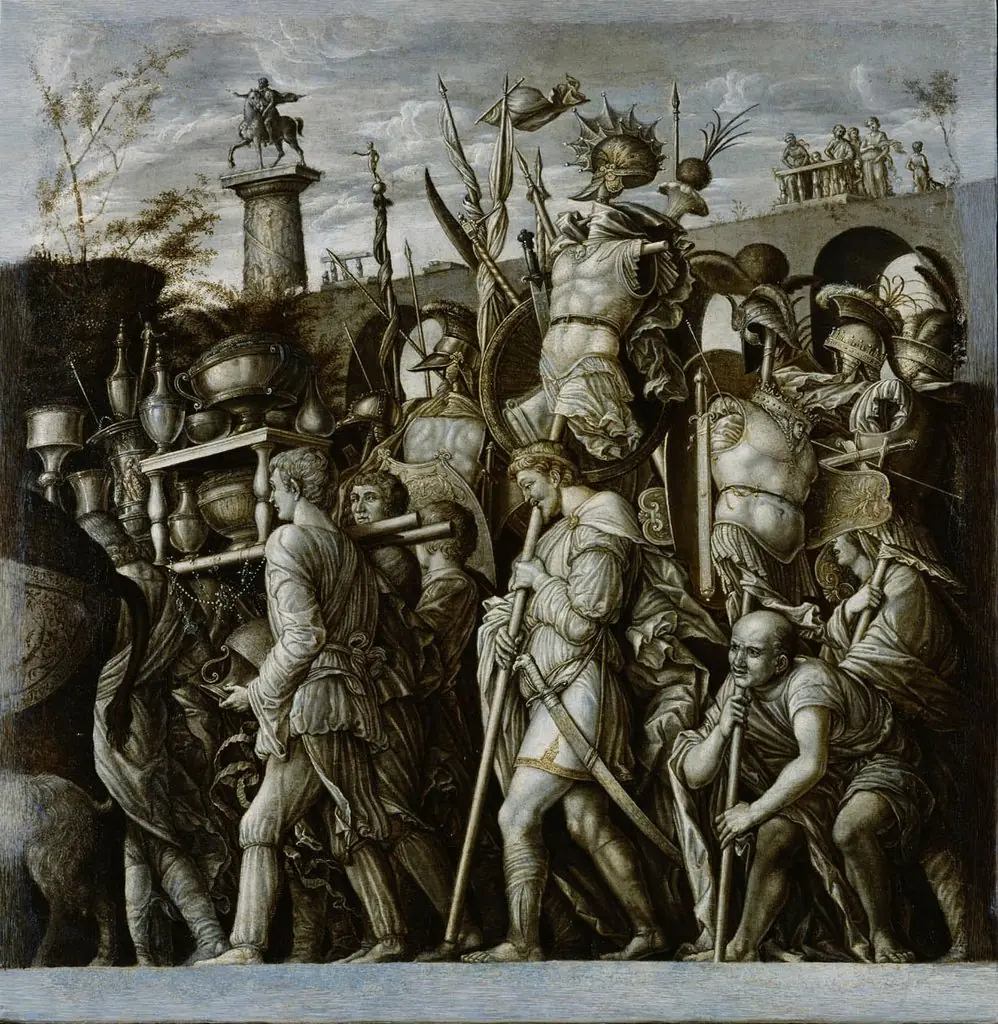 Triumphs of Caesar: Corselet Bearers
![The Triumph of Julius Caesar [no.3 and 4 plus 2 columns], by Andrea Andreani](https://artifactworldgallery.com/img/andrea-andreani--the-triumph-of-julius-caesar-no-3-and-4-plus-2-columns--58c944449efc96df-w320.webp) The Triumph of Julius Caesar [no.3 and 4 plus 2 columns]
The Triumph of Julius Caesar [no.3 and 4 plus 2 columns]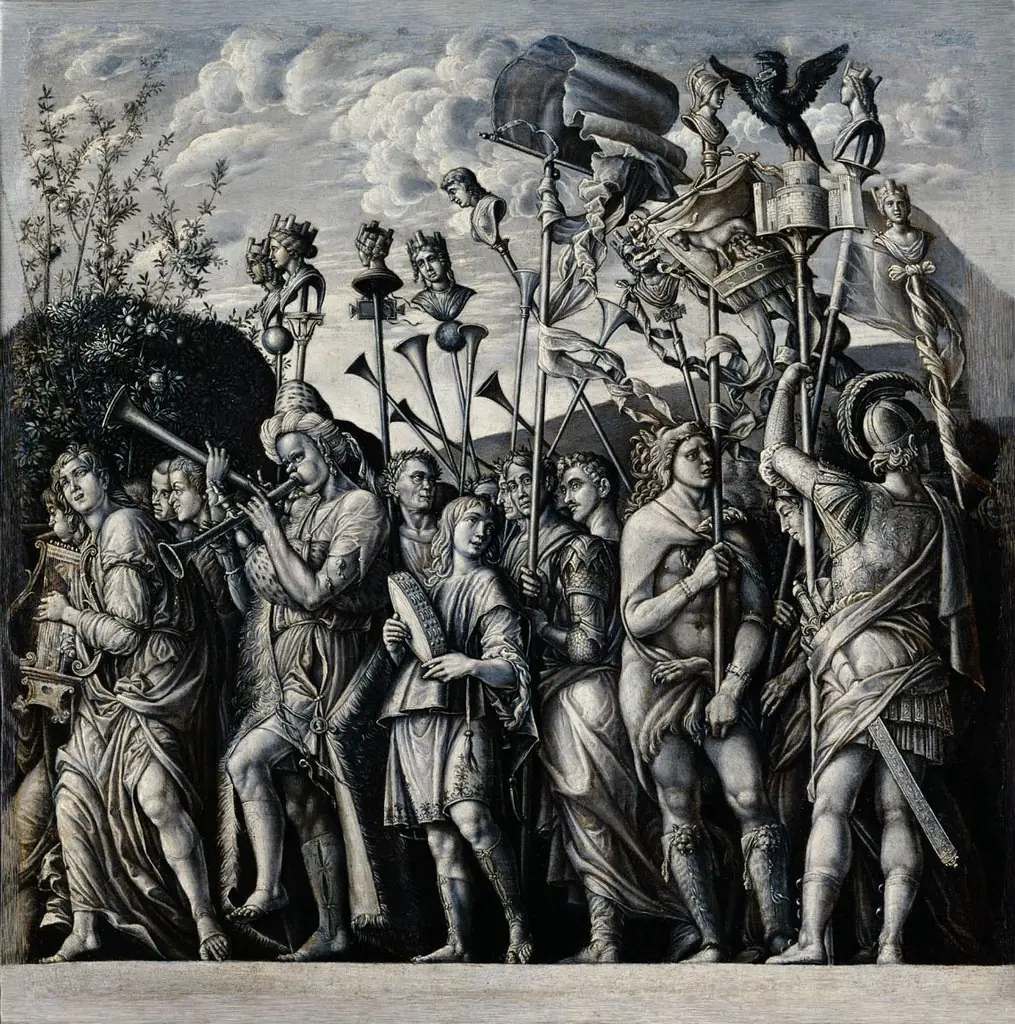 Triumphs of Caesar: Musicians and Standard Bearers
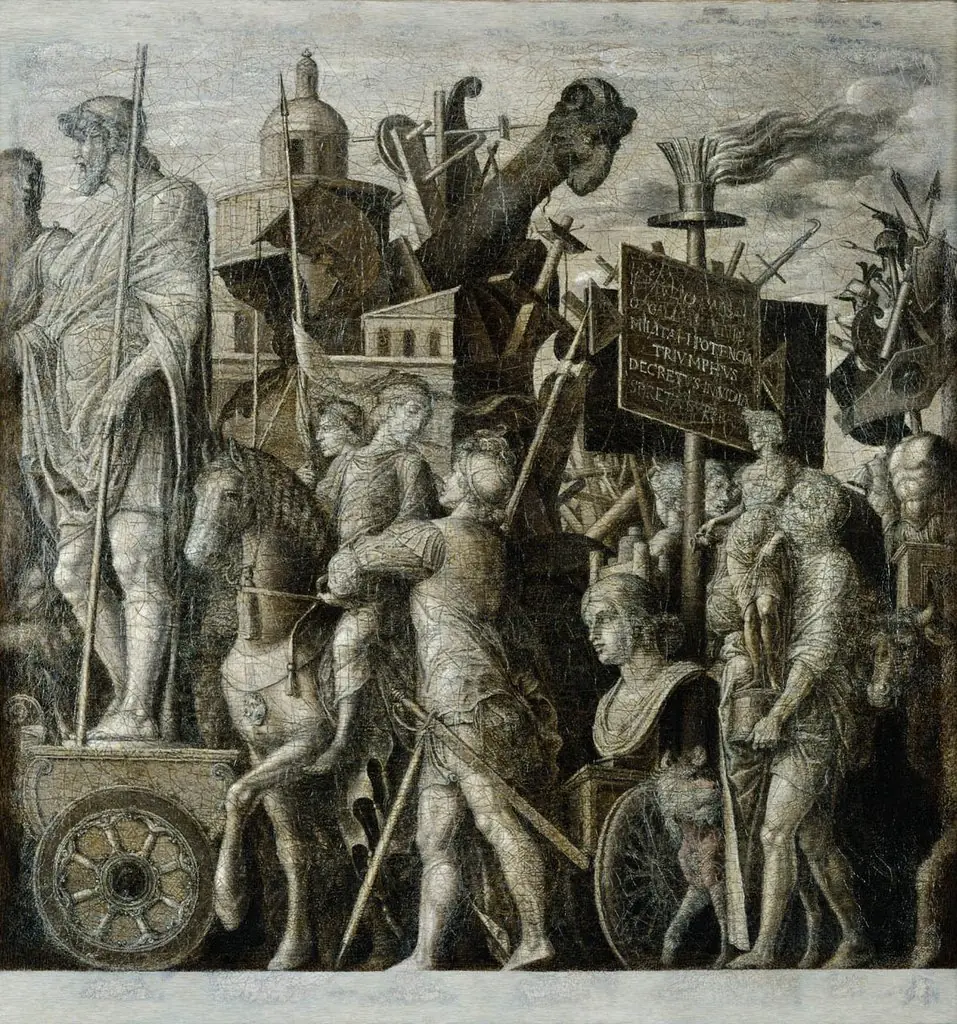 Triumphs of Caesar: Statues of Gods and Siege Equipment
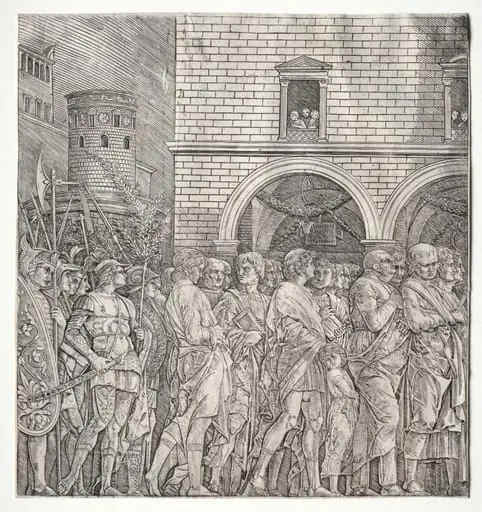 The Triumphs of Caesar: The Senators
 Triumph of Caesar: The Senators