Artwork
Still Life with Oranges, Jars, and Boxes of Sweets
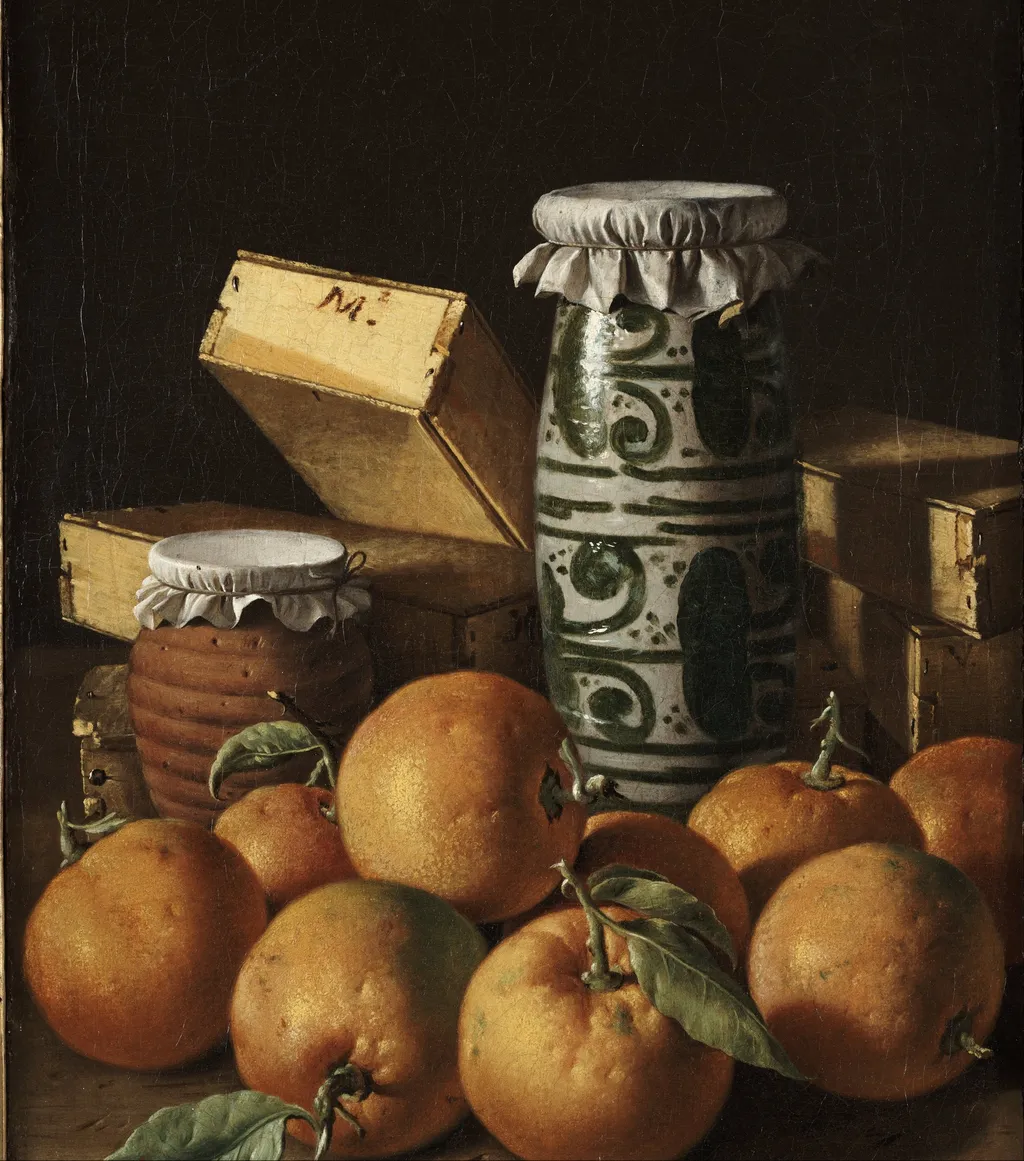
Still Life with Oranges, Jars, and Boxes of Sweets is an oil painting by the Rococo painting artist Luis Egidio Meléndez. It dates from 1760 and is held in the collection of the Kimbell Art Museum.
About this work
Overview
Its modest scale and unadorned subject reflect the artist’s commitment to the still life genre during a time when it was rarely granted high artistic status.
Painted in 1760, this oil on canvas work by Luis Egidio Meléndez presents a quiet assembly of common household items: oranges, ceramic jars, and open wooden boxes of sweets. Rendered with restrained composition and muted tones against a dark backdrop, the painting avoids theatricality, instead focusing on the quiet dignity of ordinary objects. Its modest scale and unadorned subject reflect the artist’s commitment to the still life genre during a time when it was rarely granted high artistic status.
Subject & Meaning
The arrangement includes ripe oranges with intact stems and leaves, two ceramic vessels covered in white linen, and open boxes revealing confections. These items suggest domestic abundance, possibly tied to Spanish culinary traditions. The inclusion of perishable fruit and wrapped goods implies transience, yet their careful placement conveys order and care. There is no narrative, only a contemplative presence of things valued in daily life.
Technique & Style
Meléndez employed subtle gradations of light to define the rounded forms of fruit, the matte texture of cloth, and the grain of wood. His brushwork is precise but unobtrusive, avoiding overt flourish. The dark background isolates each object, enhancing their tactile qualities—glossy peel, rough ceramic, soft paper. Color is restrained: warm oranges and browns dominate, with no bright accents, reinforcing the painting’s quiet realism and attention to material truth.
History & Provenance
Commissioned by the Spanish royal family, the painting was part of a series of still lifes intended for the royal kitchen at the Royal Palace of El Escorial. Though Meléndez received modest patronage, his works were not widely exhibited during his lifetime. The painting remained in royal collections until the 19th century, later entering public museums where its technical rigor gradually earned scholarly recognition.
Context
In 18th-century Spain, religious and historical painting dominated official taste, relegating still life to secondary status. Meléndez worked within this constraint, producing over 40 such works for royal patrons who appreciated their precision and restraint. His approach diverged from the ornate still lifes of Northern Europe, favoring austerity and observation over symbolism or allegory, aligning with Spanish sensibilities of the period.
Legacy
Though largely overlooked in his own time, Meléndez’s disciplined approach to everyday subjects influenced later generations of Spanish realists. His ability to convey weight, texture, and light without embellishment set a standard for quiet observation in still life painting. Today, his works are studied for their technical mastery and their quiet testament to the dignity of the ordinary.
Artist & collection
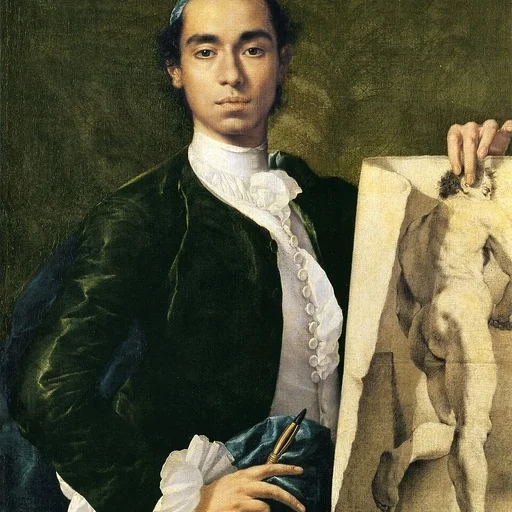
Artist
Luis Egidio Meléndez (1716–1780) was a Spanish painter. Though he received little acclaim during his lifetime and died in poverty, Meléndez is recognized as one of the greatest Spanish still-life painters of the 18th…

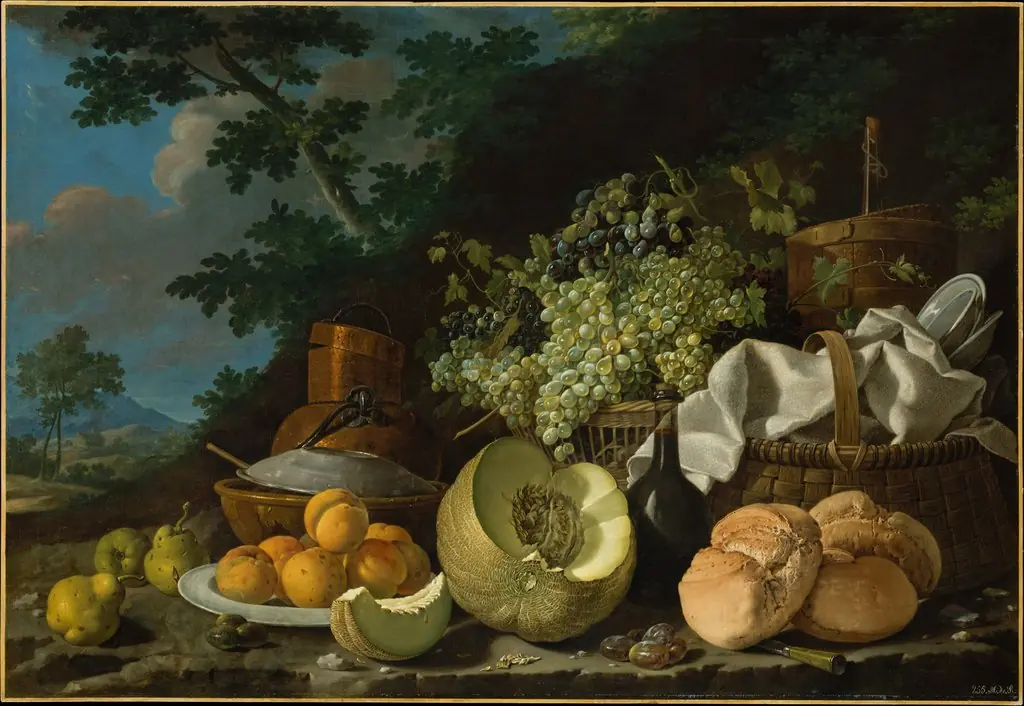 The Afternoon Meal (La Merienda)
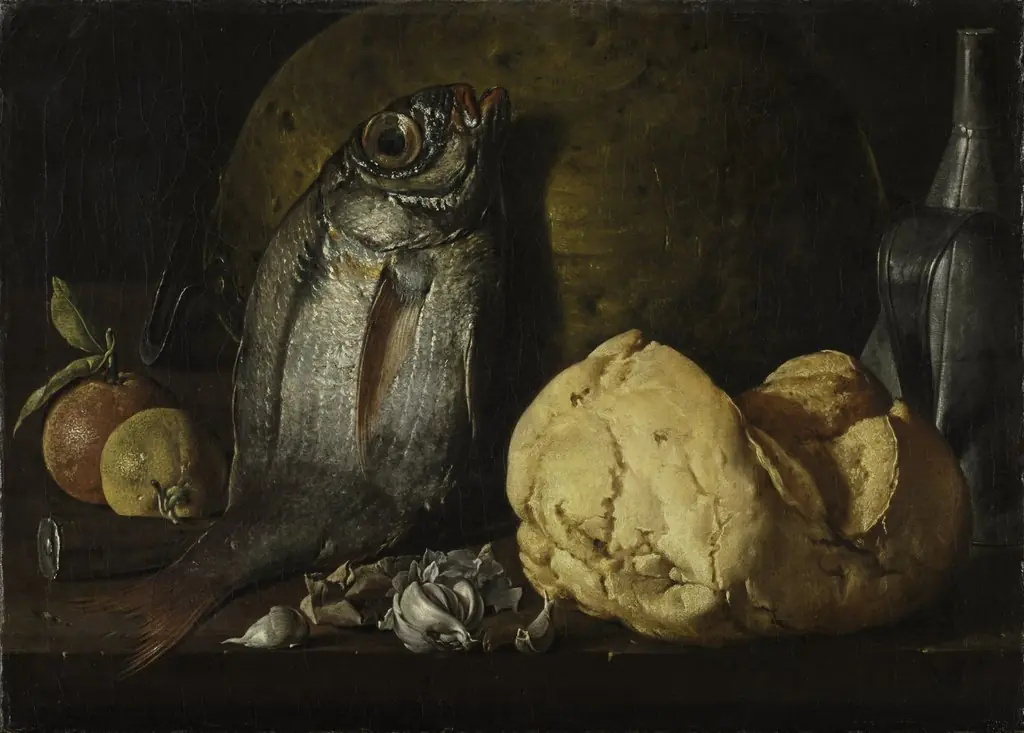 Still Life with Fish, Bread, and Kettle
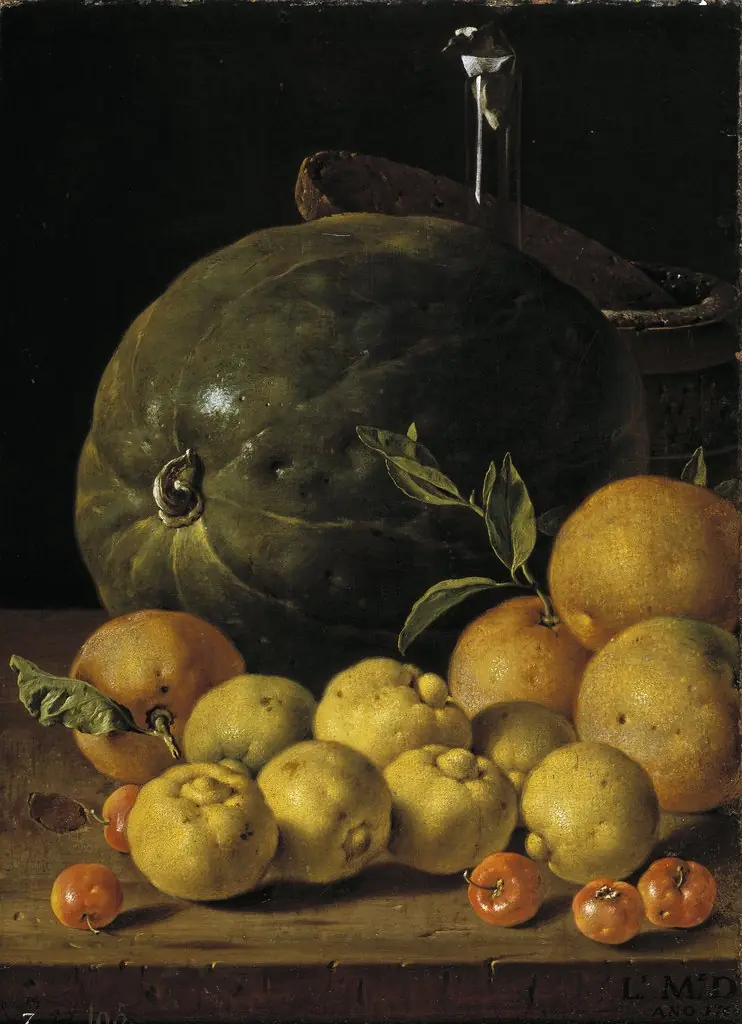 Still Life with Limes Oranges Haw Berries and Watermelon
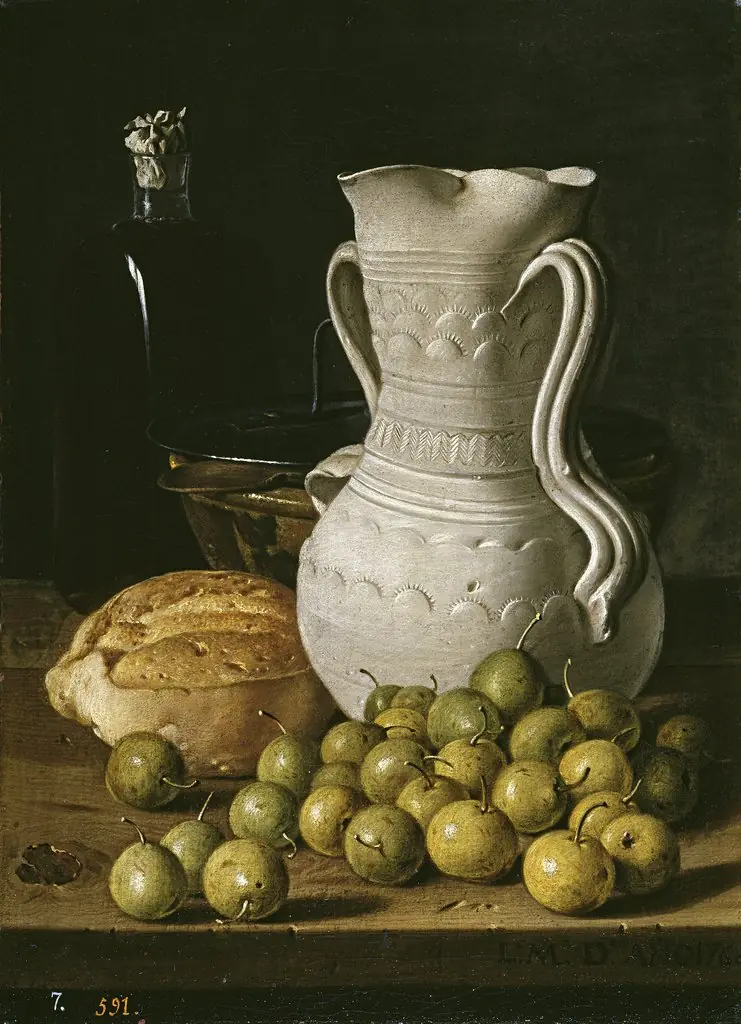 Still Life with Small Pears Bread Flask Bowl and Dry Leaves
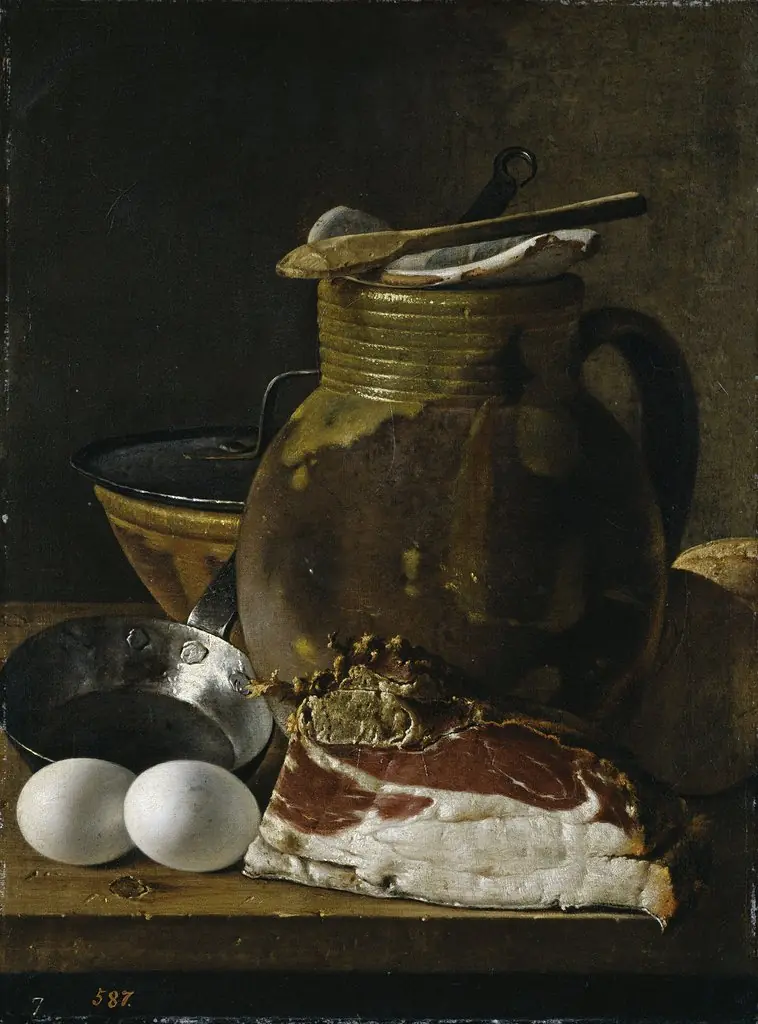 Still Life with Ham Eggs and Vessels
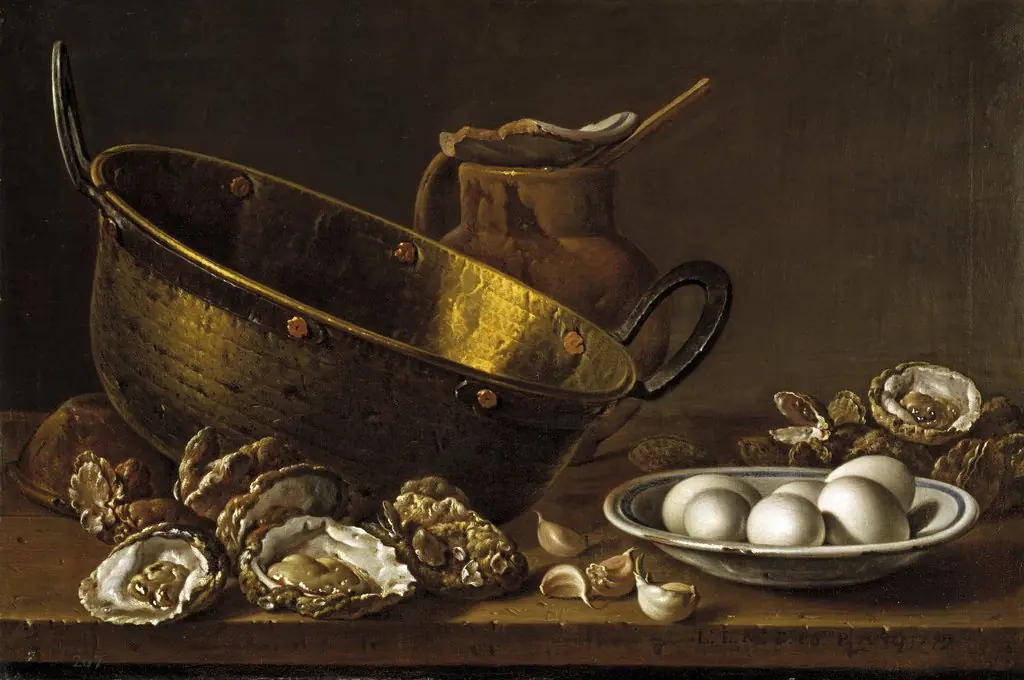 Still Life with Oysters Garlic Eggs Pot and Pan
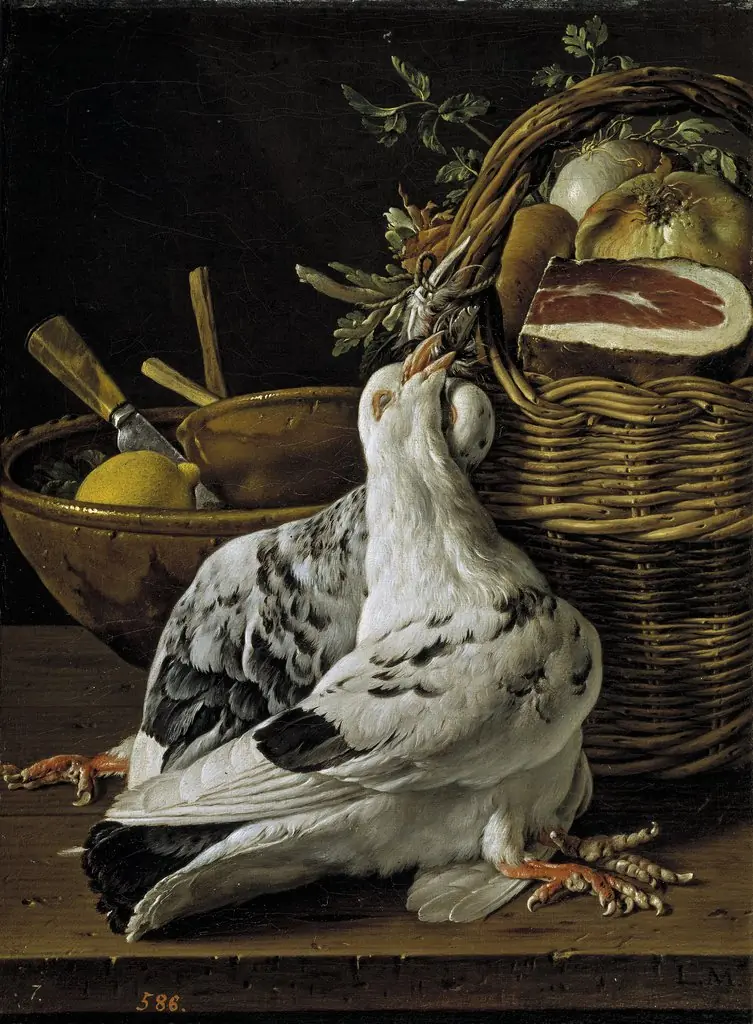 Bodegón con pichones cesta de comida y cuencos
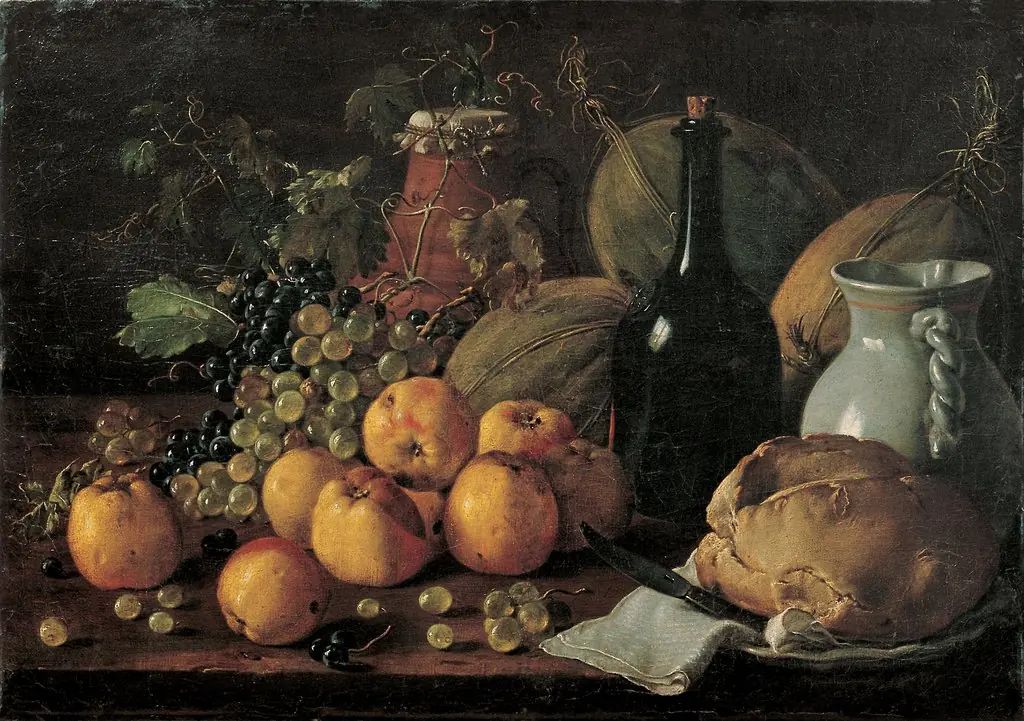 Still Life with Apples, Grapes, Melons, Bread, Jug and Bottle
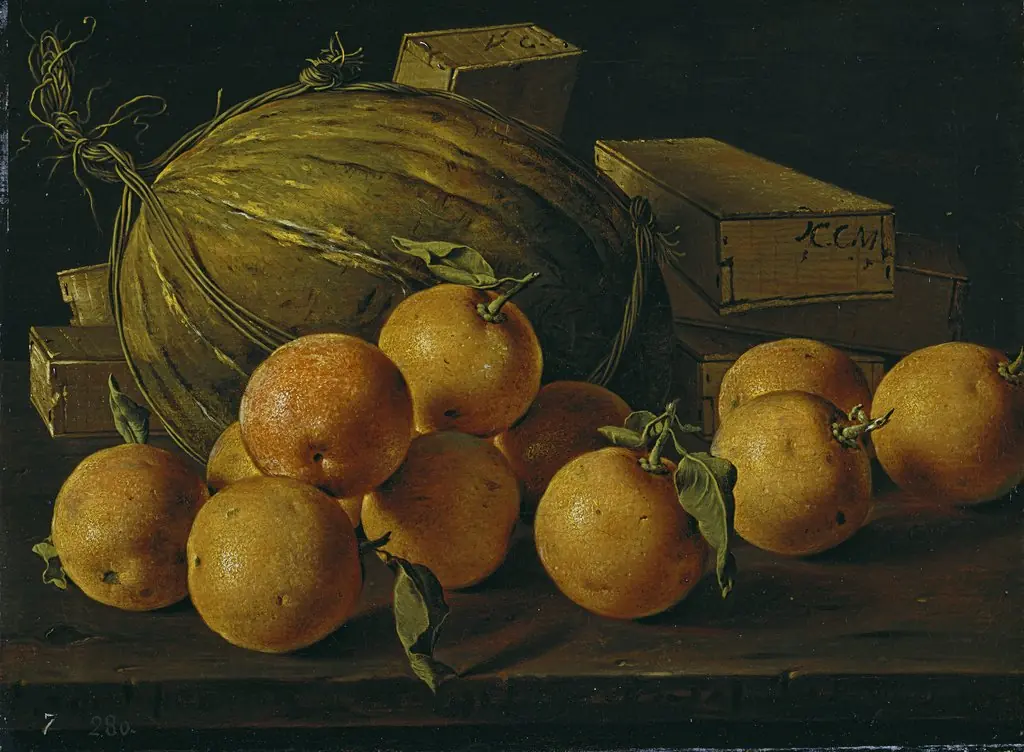 Still Life with Oranges Melon and Boxes of Sweets
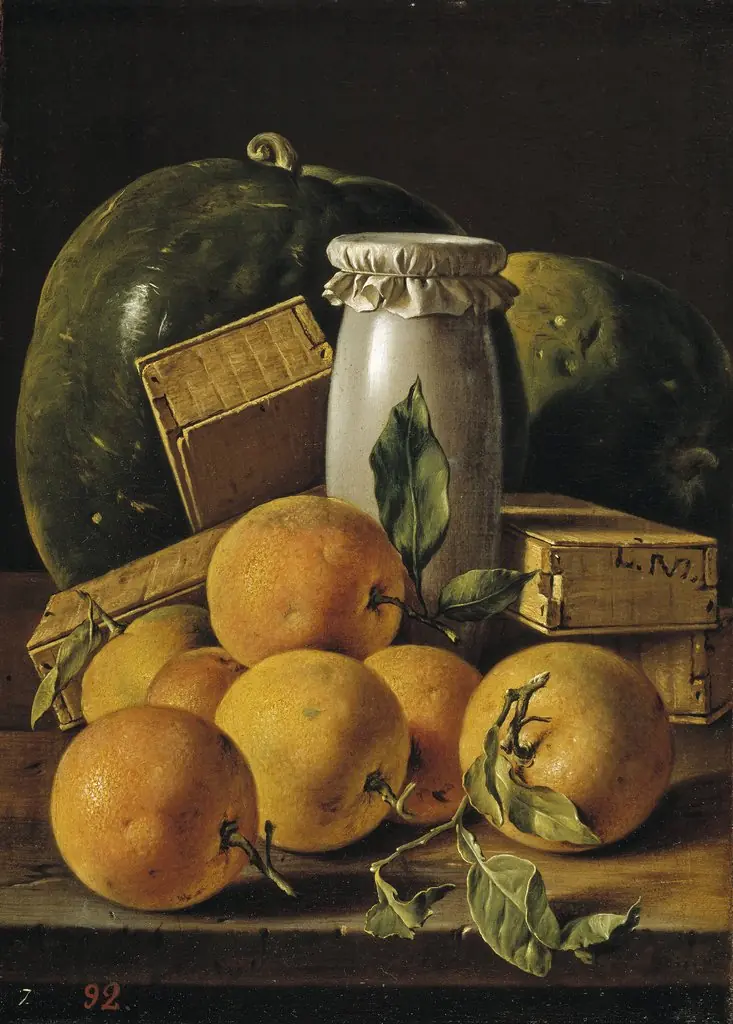 Still Life with Oranges Honey-Jar Boxes of Sweetmeats and Watermelons
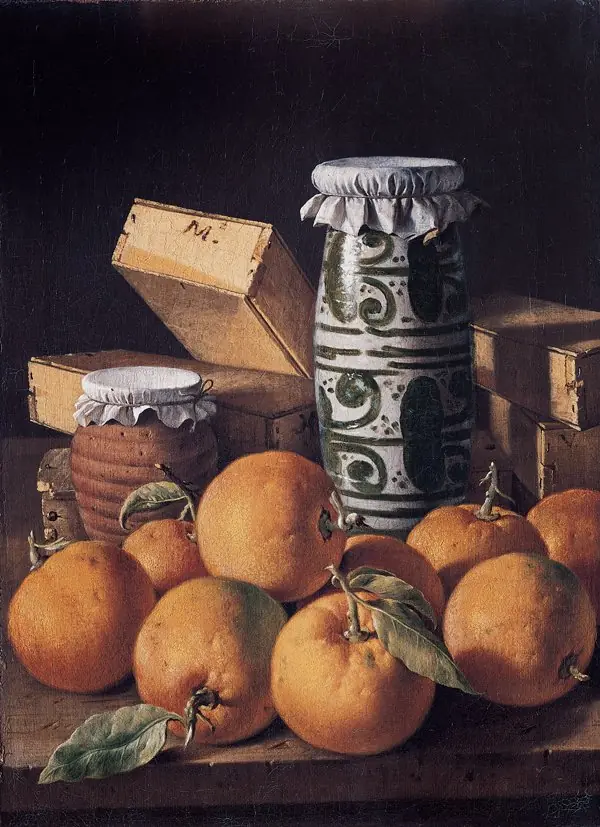 Still Life with Oranges, Manises vase, honey pottery jar and Boxes of Sweets
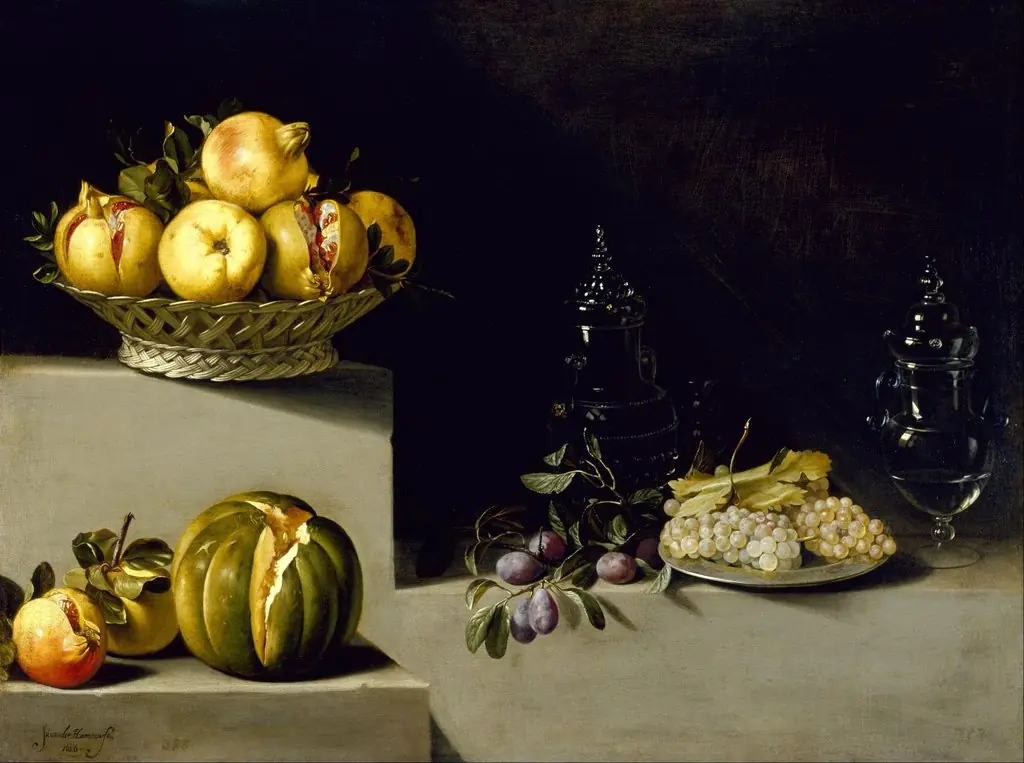 Still Life with Fruit and Glassware
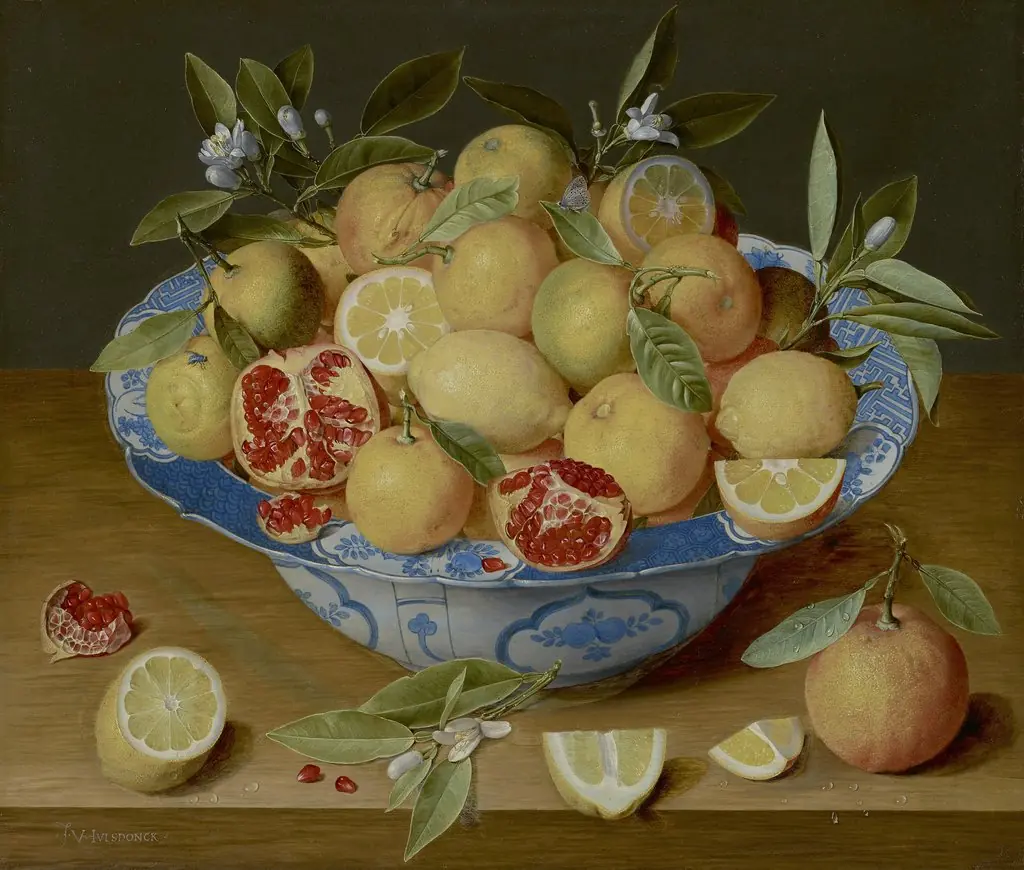 Still Life with Lemons, Oranges and a Pomegranate
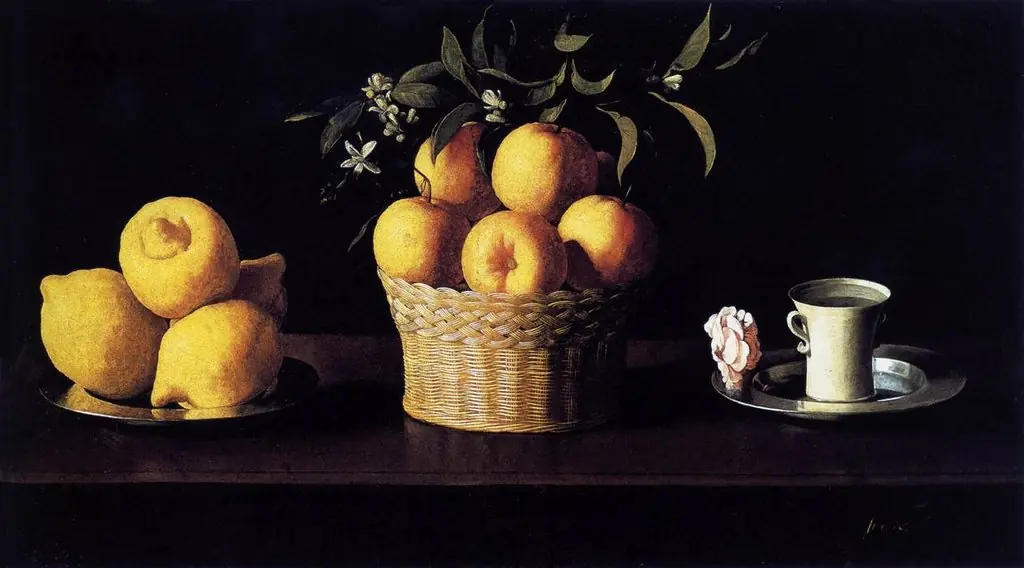 Still Life with Lemons, Oranges and a Rose