Artwork
Untitled
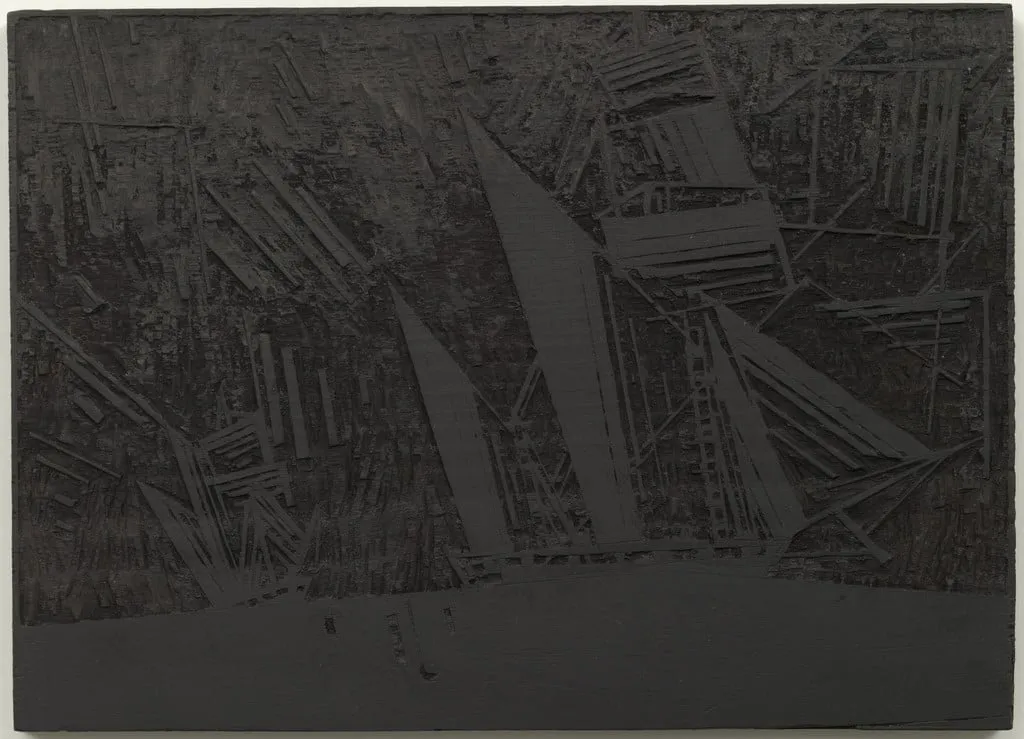
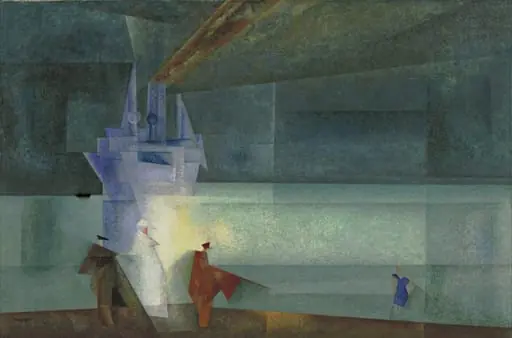
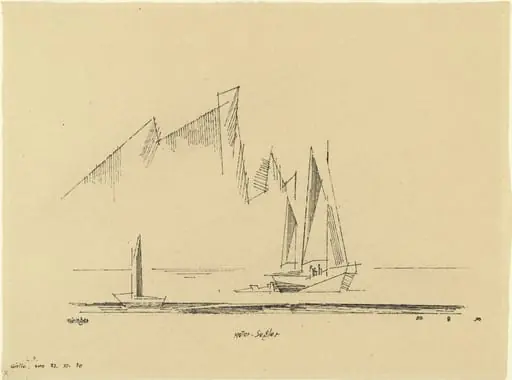
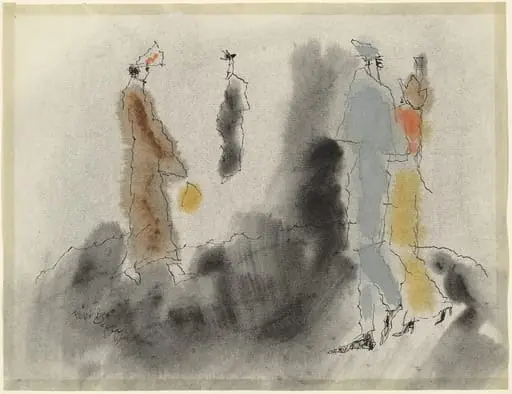
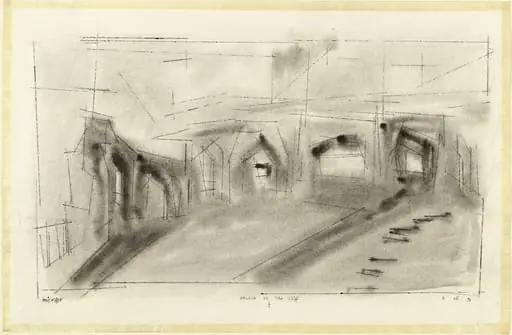
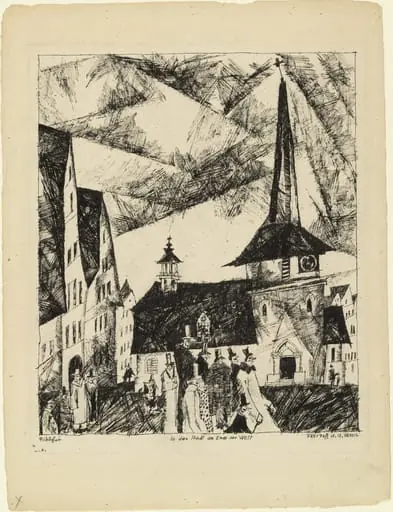
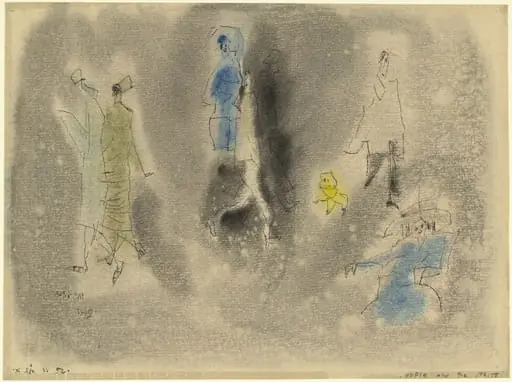
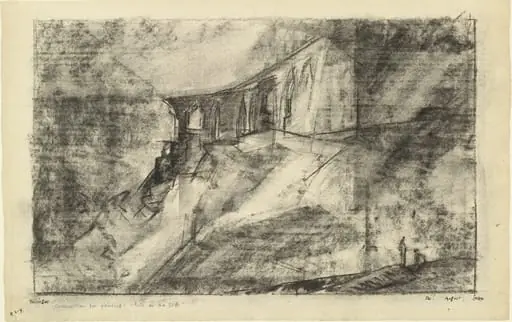
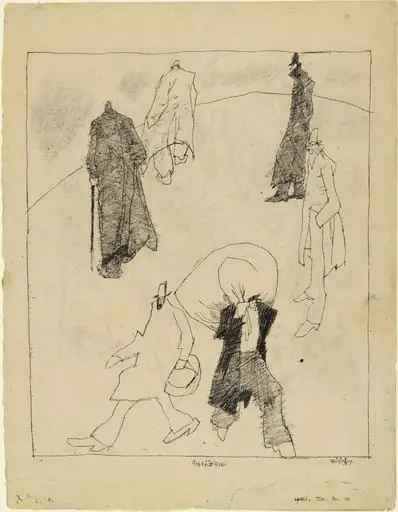
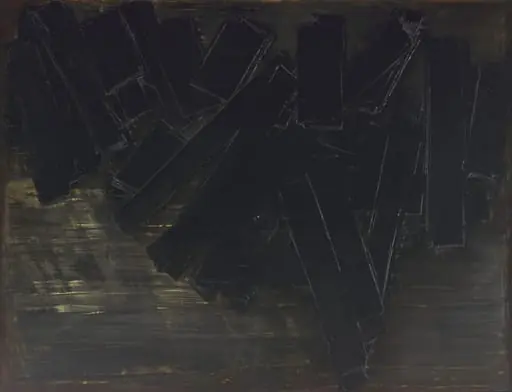
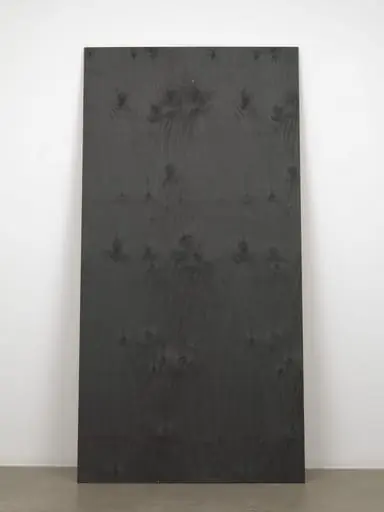
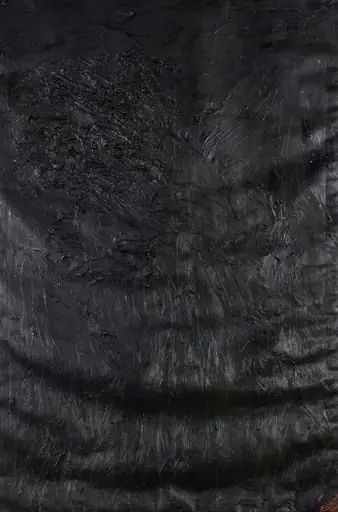
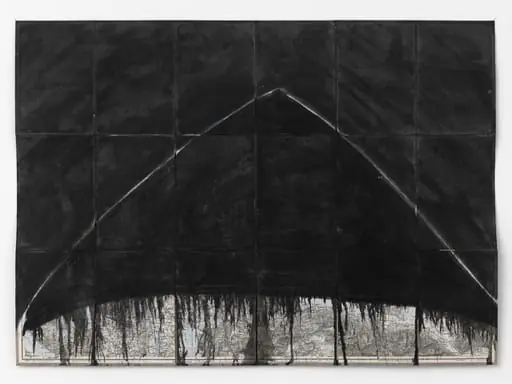
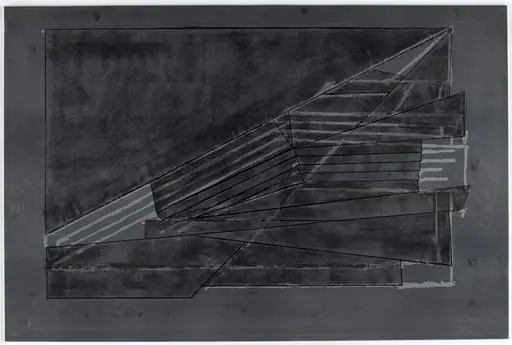
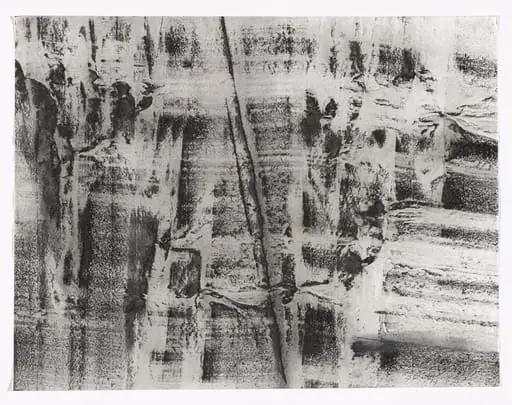
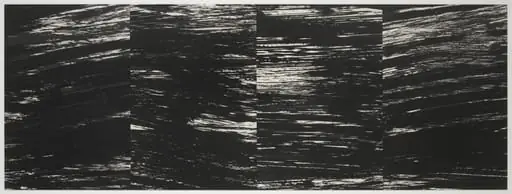
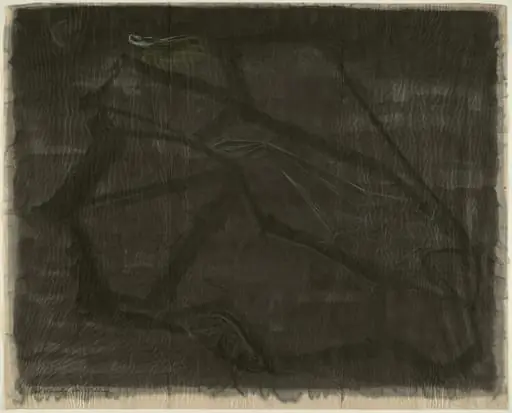
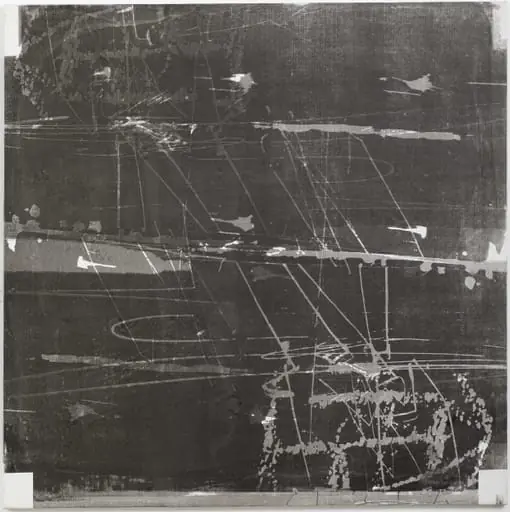
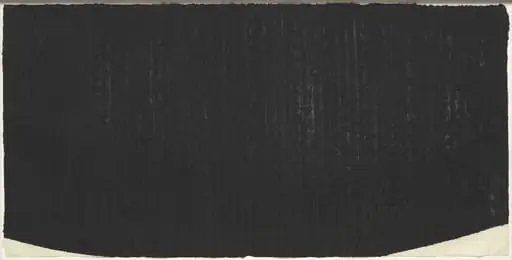
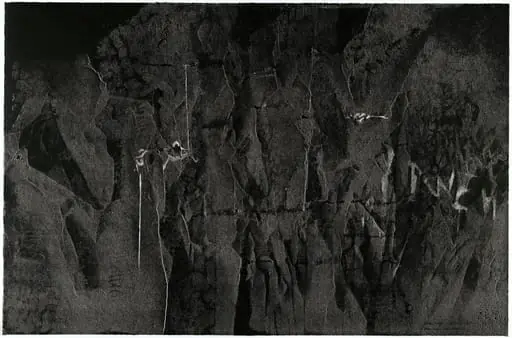
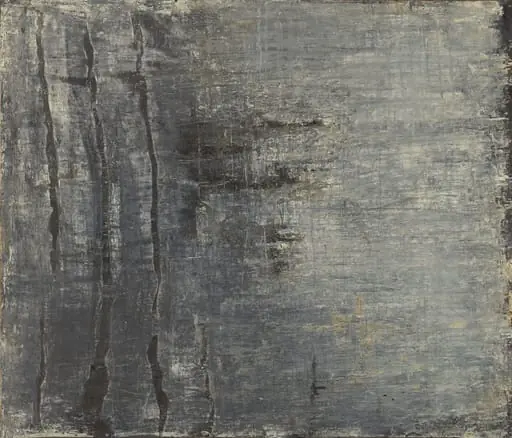
Untitled is an ink print by Lyonel Feininger. It dates from 1931 and is held in the collection of the Museum of Modern Art.
About this work
Overview
The print’s tactile quality arises from the carved wood surface, emphasizing the physicality of the medium and the artist’s hand.
Created in 1931, this woodblock print by Lyonel Feininger is part of The Museum of Modern Art’s collection. It presents an abstracted urban landscape rendered entirely in black and white. The composition is built from angular, interlocking forms that suggest architecture without literal representation. The print’s tactile quality arises from the carved wood surface, emphasizing the physicality of the medium and the artist’s hand.
Subject & Meaning
The work evokes a fragmented cityscape through stacked, asymmetrical blocks and leaning structures. No specific location is identified; instead, the scene conveys the rhythm and density of modern urban environments. The absence of color and detail strips the image to its structural essence, inviting contemplation of form over narrative. The result is an impersonal, almost mechanical vision of the city.
Technique & Style
Feininger carved the image directly into a woodblock, then printed it using ink and pressure. The resulting lines are sharp and uneven, with visible grain and texture from the wood’s surface. This method produces a stark contrast between solid black areas and negative space, reinforcing the geometric abstraction. His approach reflects an interest in industrial materials and the mechanical reproduction of form.
History & Provenance
The print was made during Feininger’s later period, after his time at the Bauhaus and amid increasing political tension in Germany. It was acquired by The Museum of Modern Art in the 1930s, part of an early effort to document modernist printmaking. Its inclusion in the museum’s collection helped establish woodblock printing as a legitimate medium within modern art discourse.
Context
Created in the early 1930s, the work aligns with European modernist movements that favored abstraction and structural clarity. Feininger’s style, influenced by Cubism and Constructivism, distills complex environments into simplified planes. The print reflects broader artistic interests in mechanization and urban transformation, while resisting overt political commentary through its formal restraint.
Legacy
This print exemplifies Feininger’s contribution to modern printmaking, demonstrating how traditional techniques could be adapted to avant-garde aesthetics. Its emphasis on geometry and materiality influenced later generations of artists exploring the intersection of craft and abstraction. The work remains a quiet but significant reference in studies of 20th-century print media.
Artist & collection

Artist
Lyonel Charles Adrian Feininger was a German-American painter, and a leading exponent of Expressionism.