Artwork
Țăran și satir
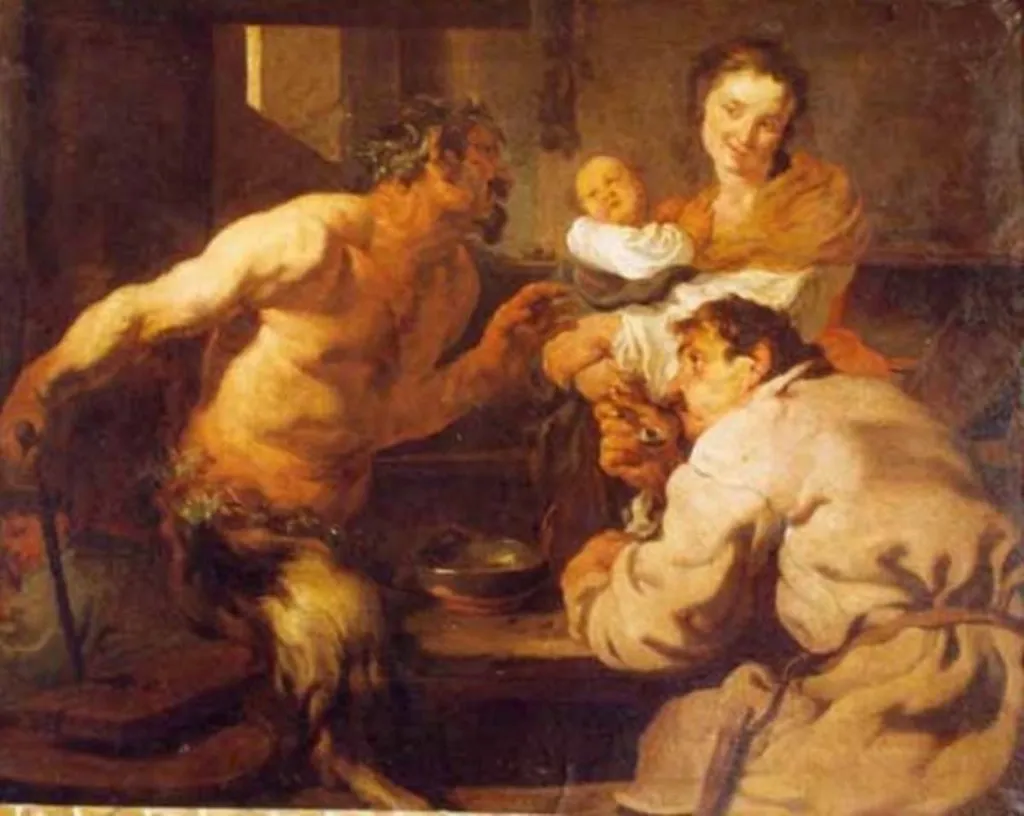
Țăran și satir is a print by Jan van der, zis Pan Lys. It dates from 1650 and is held in the collection of the Brukenthal National Museum.
About this work
Overview
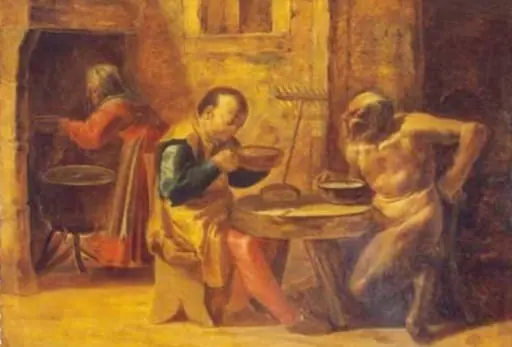
Created around 1650, “Țăran și satir” is attributed to the artist known as Lys, Jan van der, sometimes referred to as Pan. The composition presents a small narrative tableau that juxtaposes a mythological creature with a domestic scene, inviting viewers to contemplate the interaction between the two realms.
Subject & Meaning
On the left, a satyr—half‑human, half‑goat—engages with a seated peasant man on the right, while a woman stands behind the man, cradling an infant. The satyr’s gesture toward the baby suggests a moment of curiosity or exchange, hinting at themes of nature’s intrusion into everyday life and the tension between rustic simplicity and mythic allure.
Technique & Style
The painting employs a restrained palette dominated by dark, muted tones that lend the scene a sober atmosphere. Light is subtly directed to illuminate the figures, emphasizing their forms and the intimate interaction, while the background recedes into shadow, reinforcing a contemplative mood.
History & Provenance
The work is dated to the mid‑17th century, a period when Northern European artists often incorporated classical motifs into genre scenes. Its attribution to Jan van der Lys, who signed works under the name Pan, aligns with his known interest in merging mythological subjects with rural settings.
Artist & collection
Artist
Jan van der Lys’s prints are small mirrors of fanciful encounters between humans and mythic creatures from older stories.

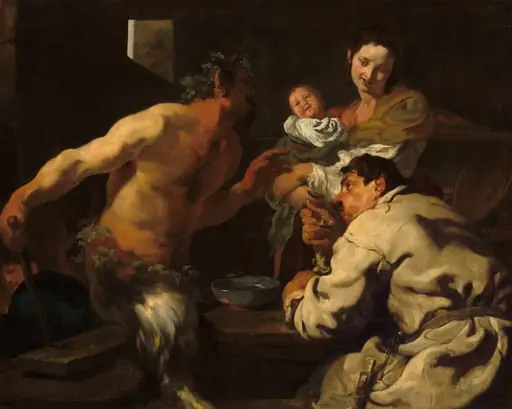 The Satyr and the Peasant
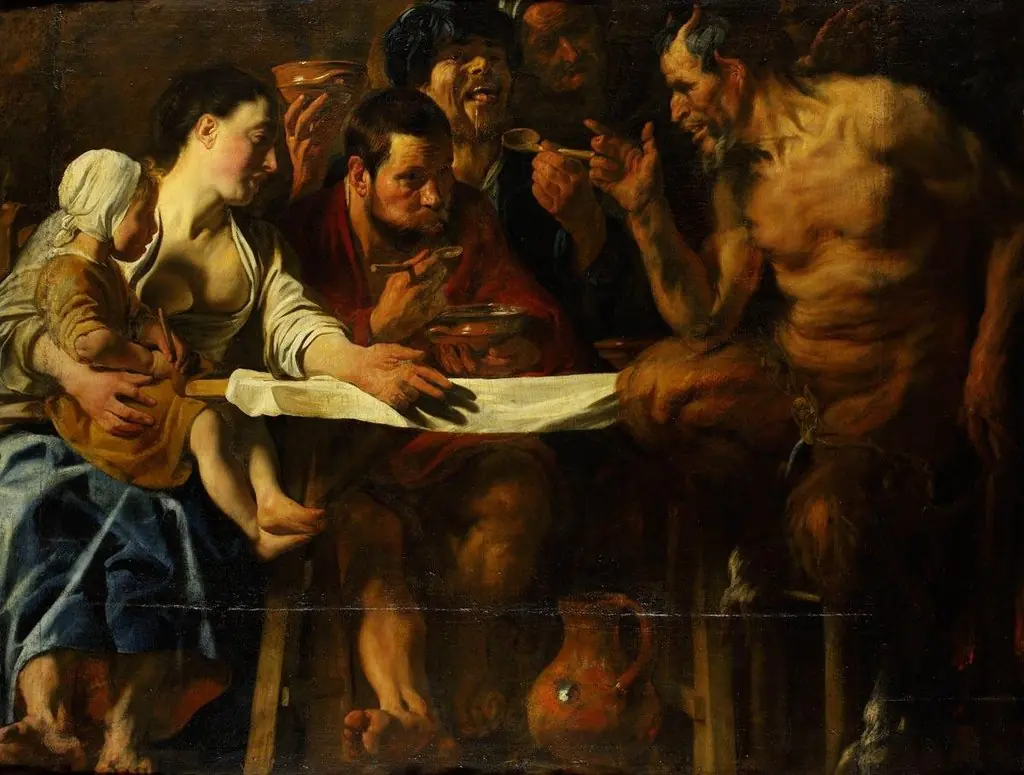 The Satyr and the Peasant
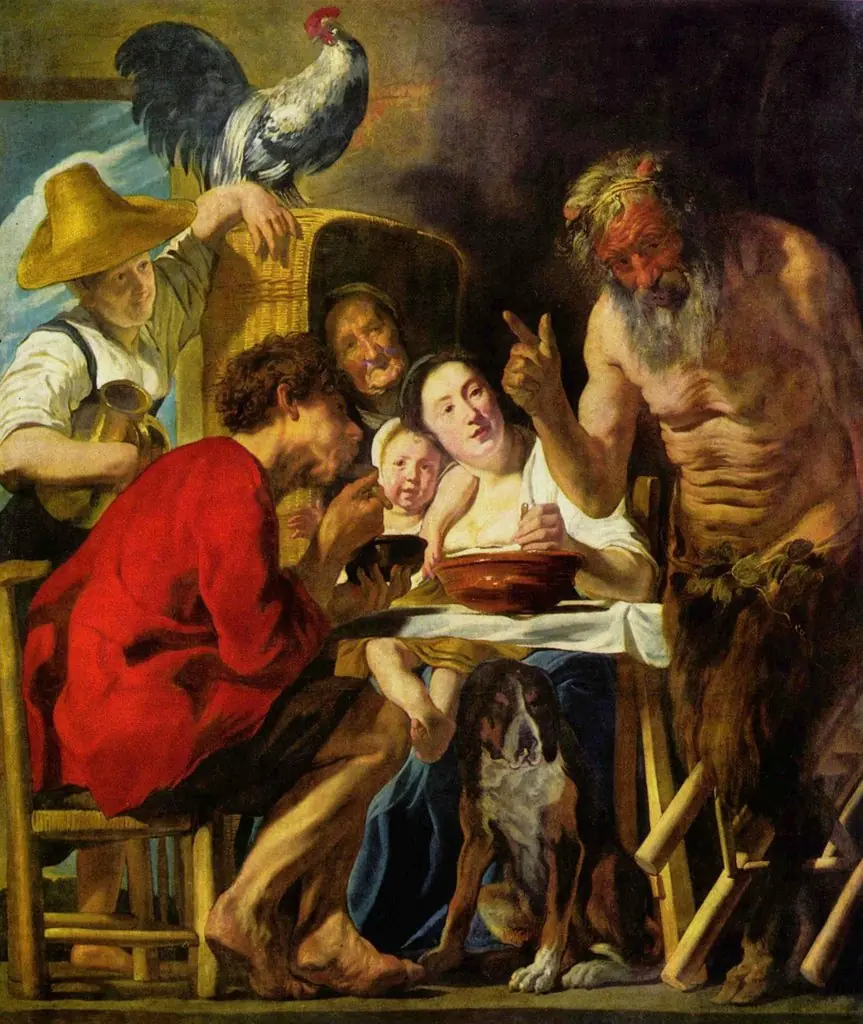 Satyr and the peasant
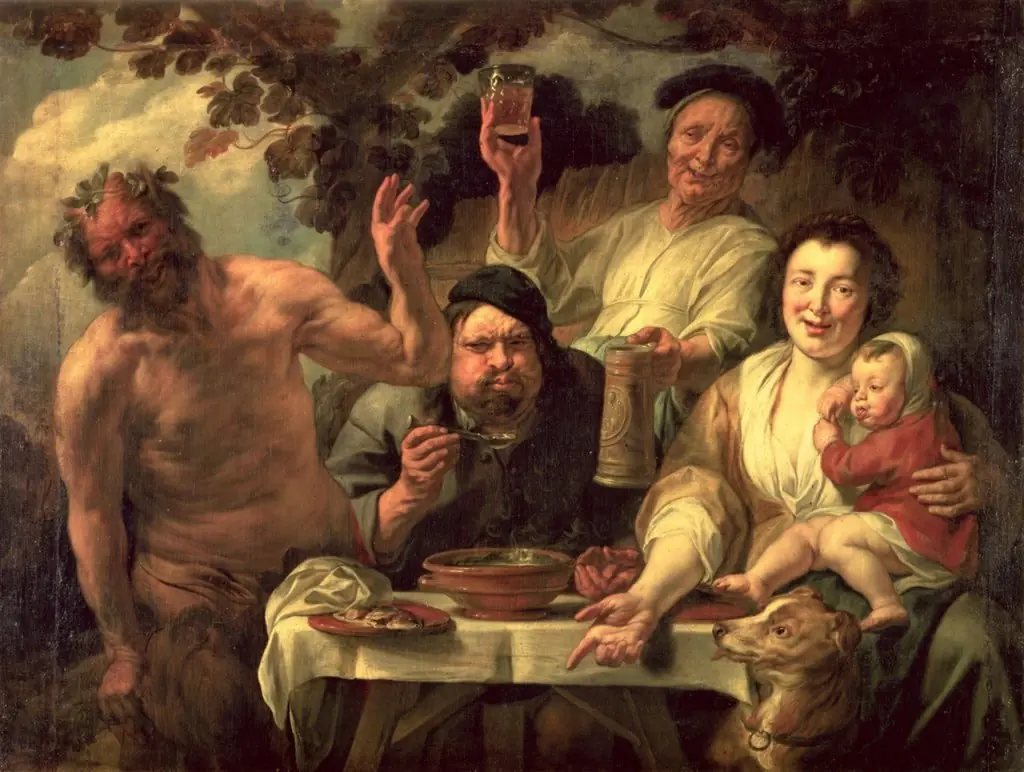 Satyr and the Peasant
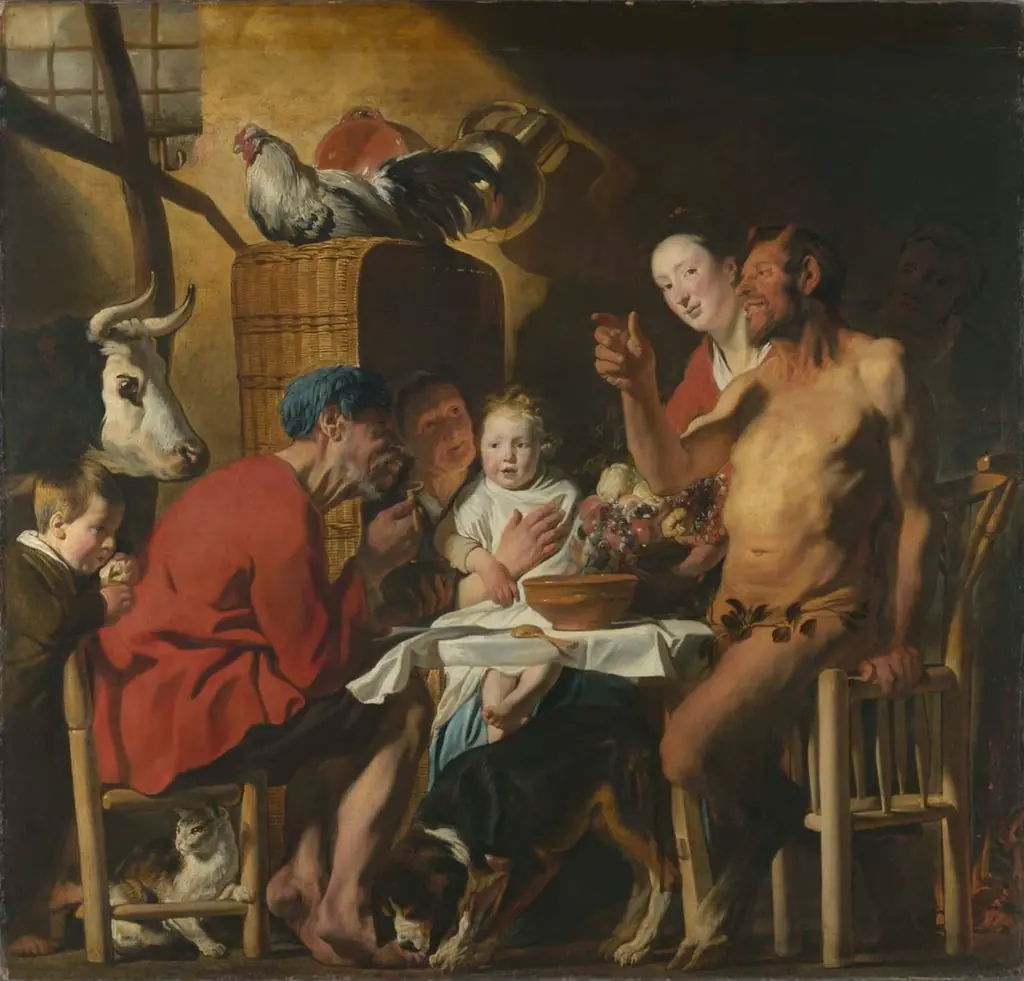 Satyr and the Peasant
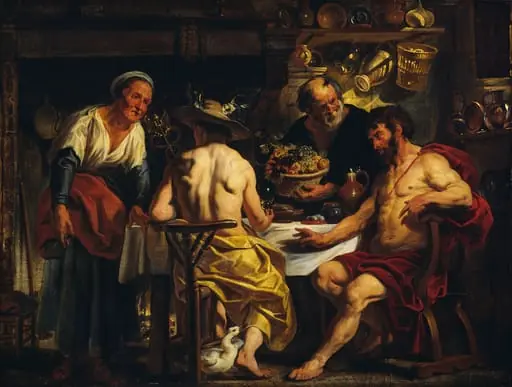 Jupiter ja Merkurius Filemonin ja Bauciin vieraina
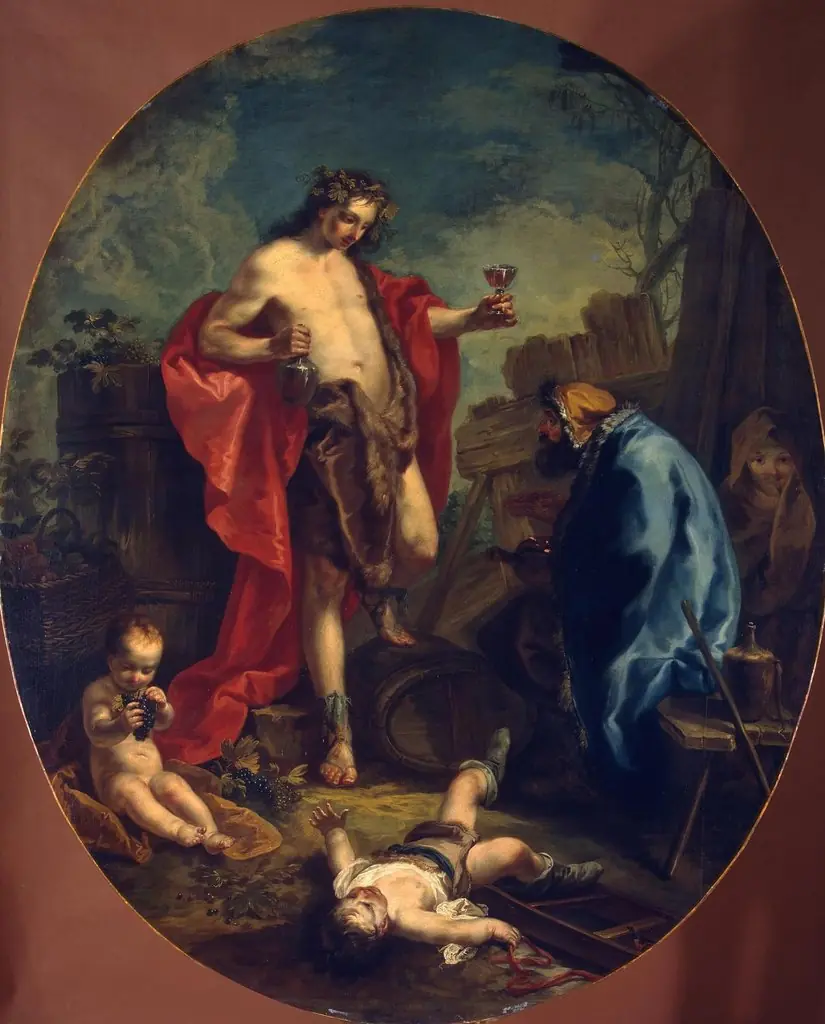 Autumn and Winter
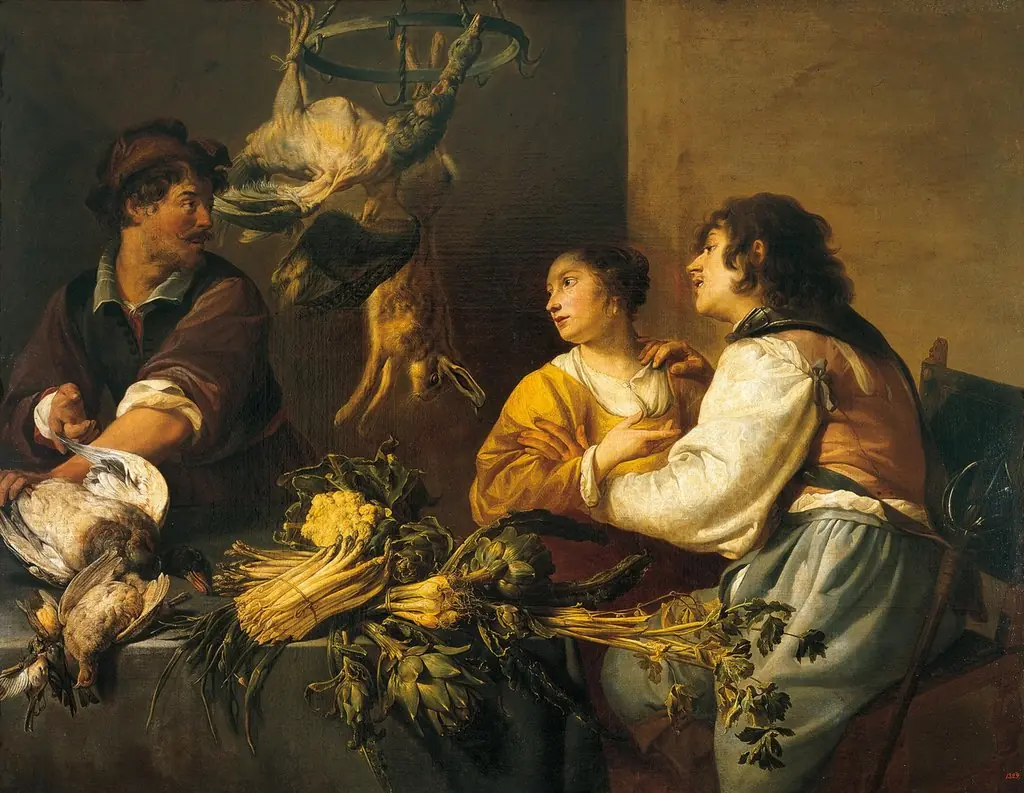 Kitchen
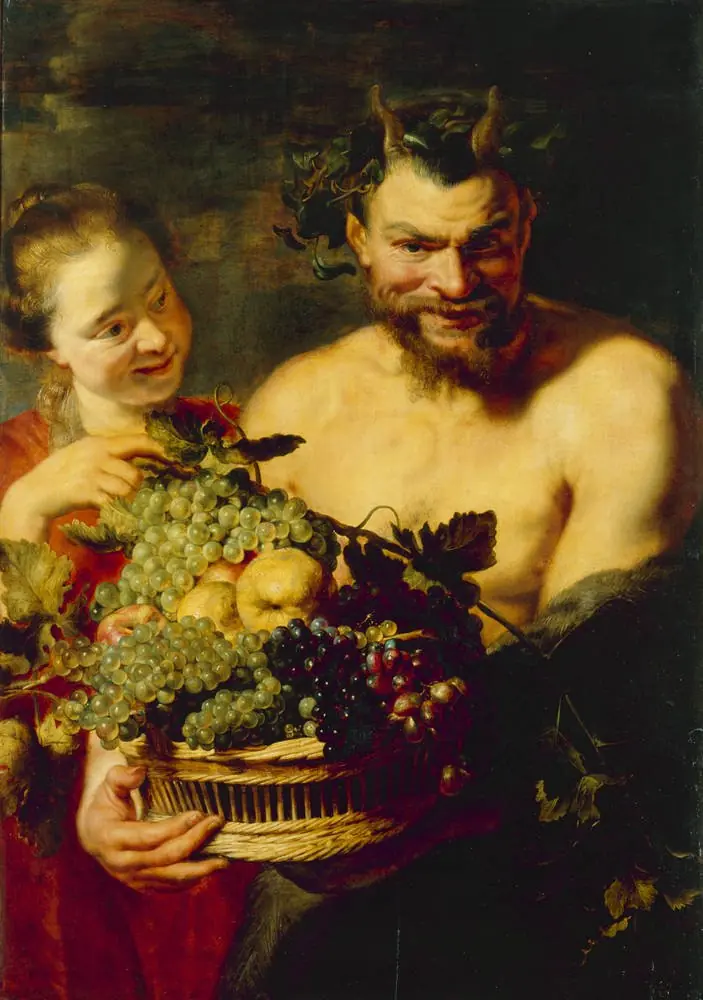 Satyr and Girl with a Basket of Fruit
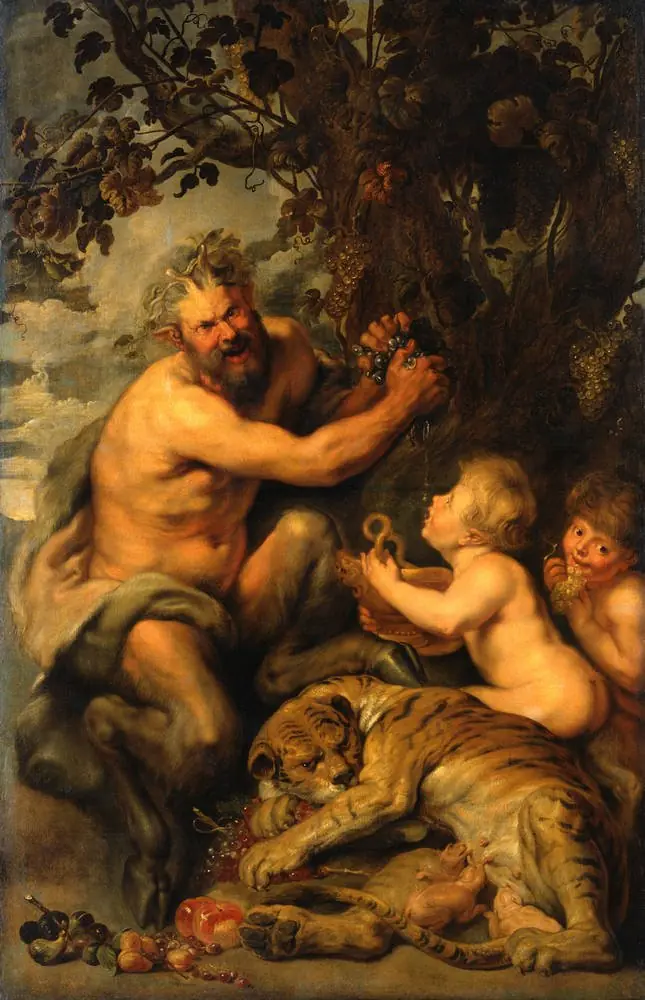 A Satyr pressing Grapes with a Tiger and Two Children
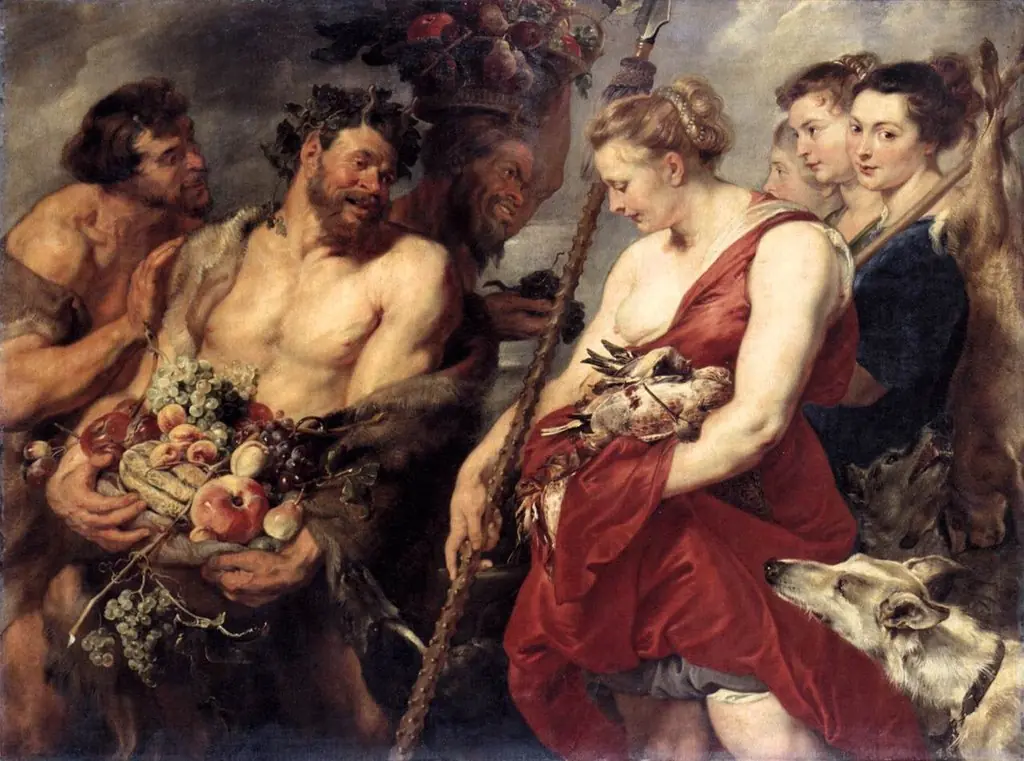 Diana returning from the Hunt
 Satirul și țăranul