Artwork
Portrait of David Wilkie
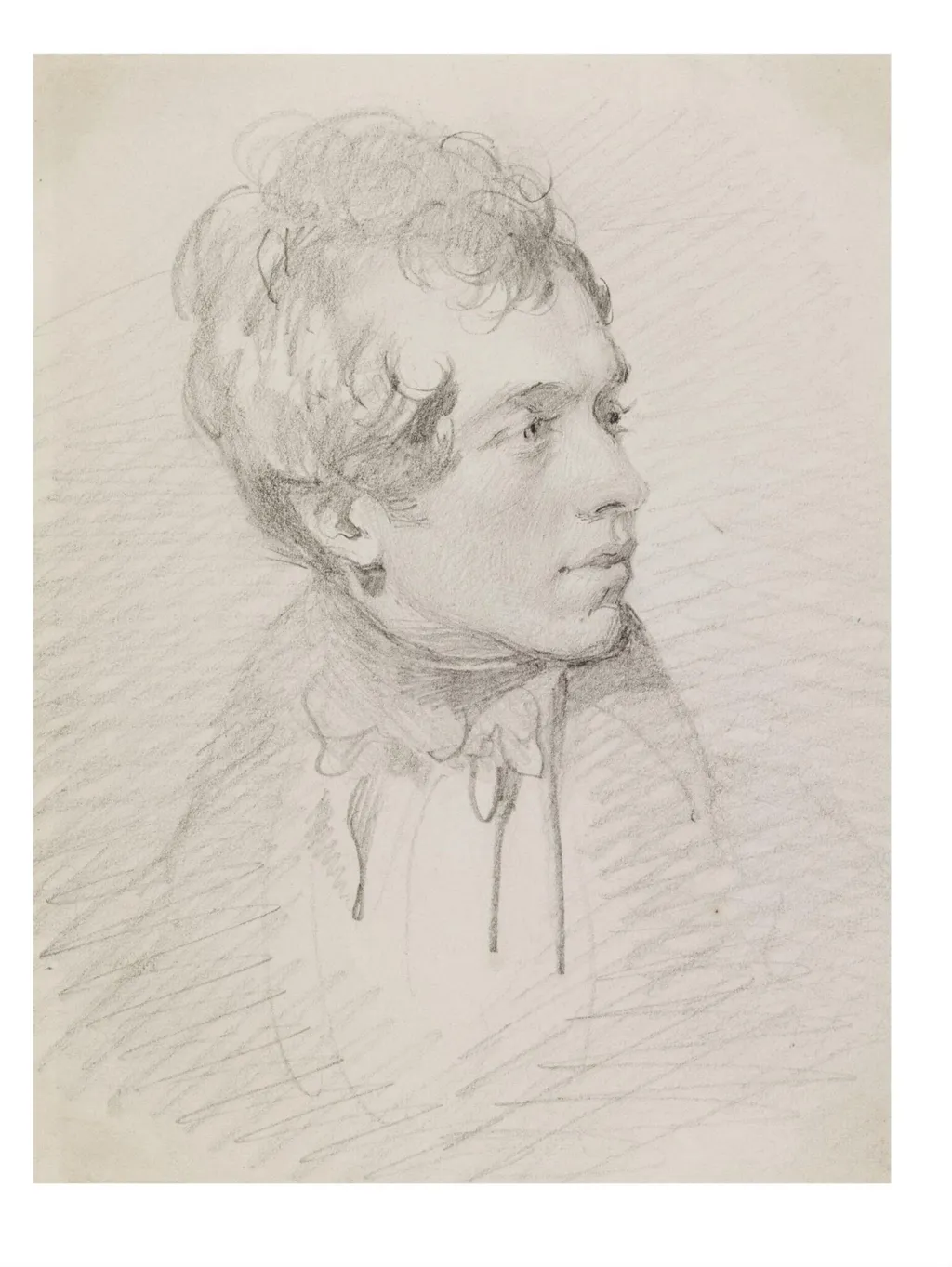
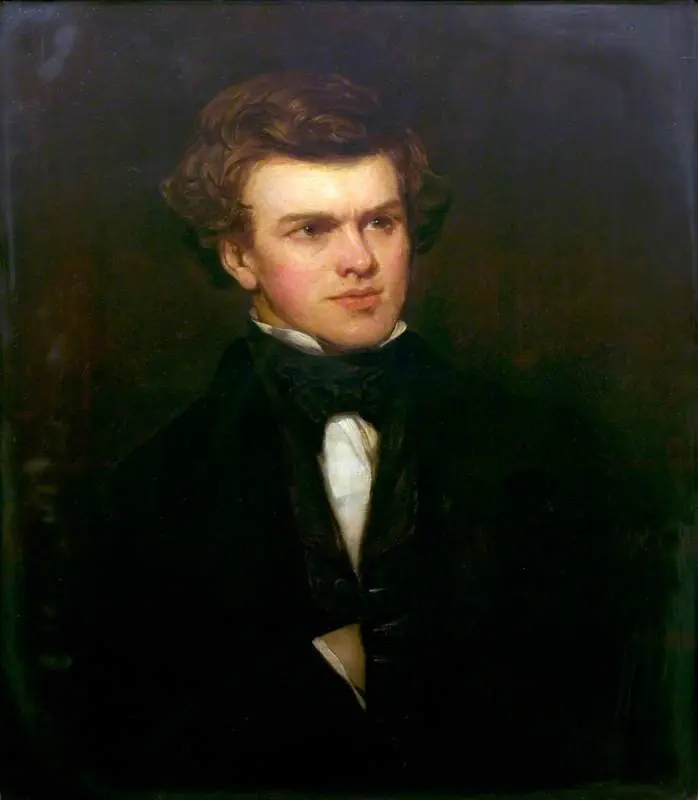
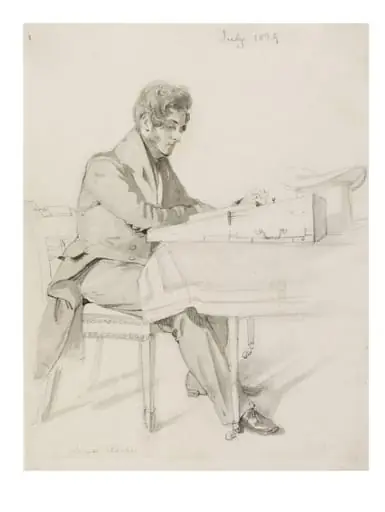
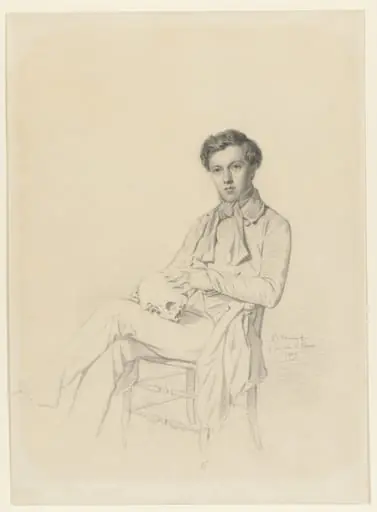
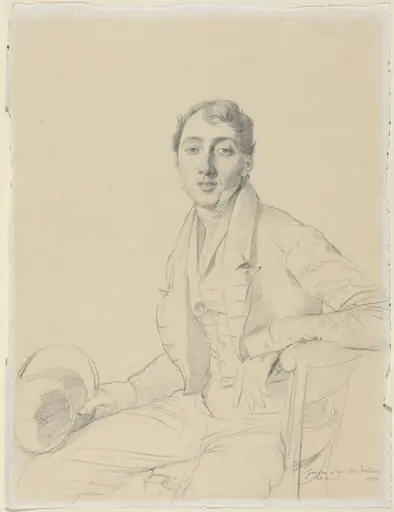
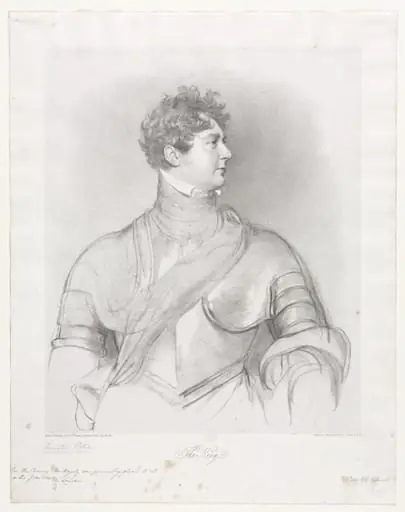
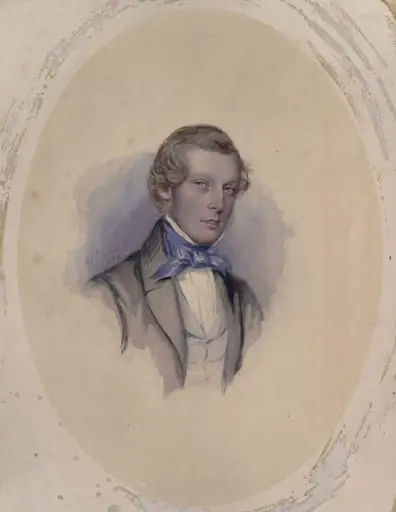
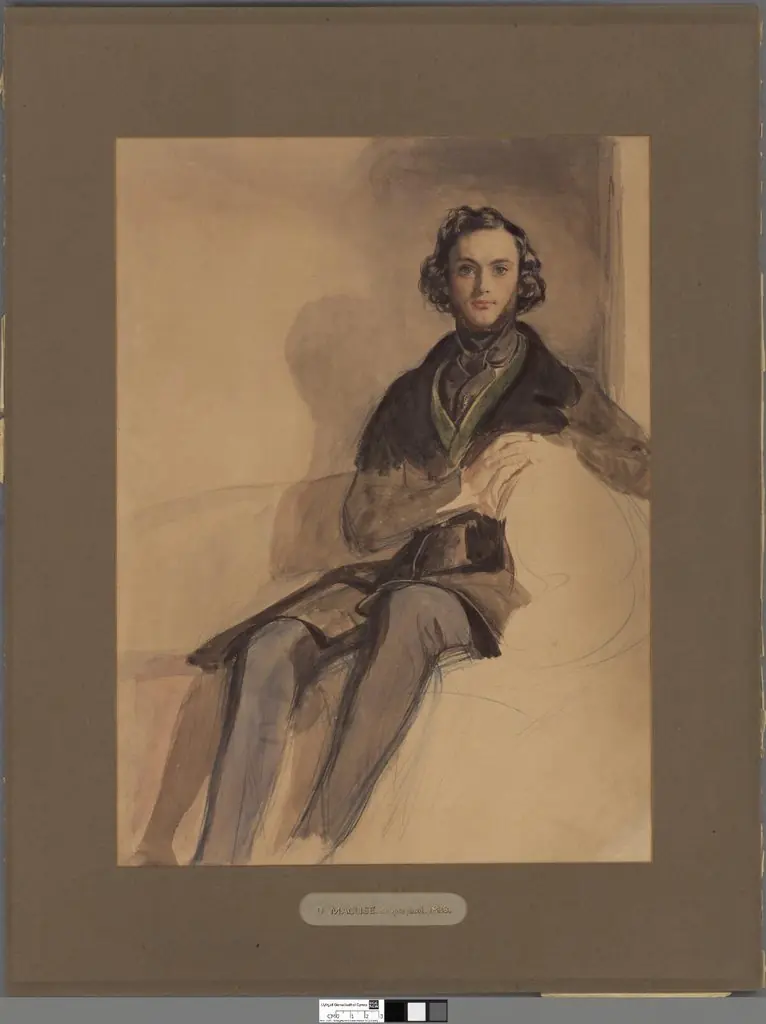
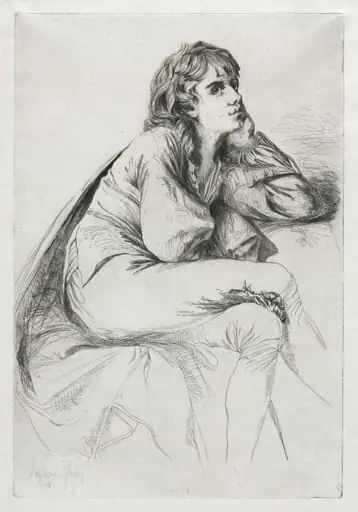
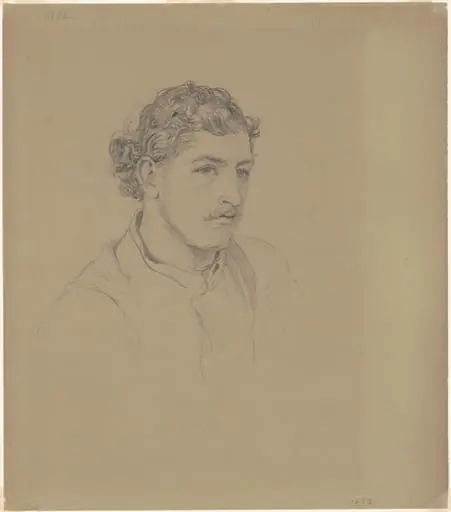
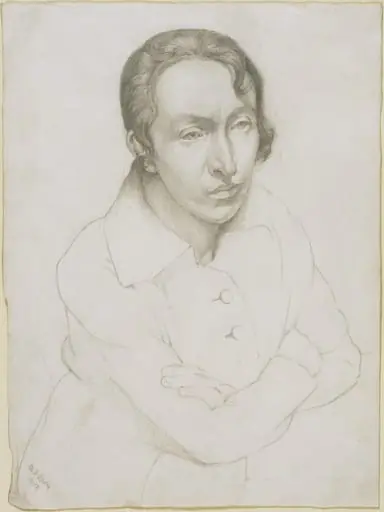
Portrait of David Wilkie is a drawing by the Romanticist artist Daniel Maclise. It dates from 1832 and is held in the collection of the Victoria and Albert Museum. This pencil drawing captures David Wilkie in his youth, rendered as a quarter-length portrait with his head turned slightly to the right.
About this work
Overview
Executed with loose, agile strokes, it belongs to a curated set of 390 drawings by an unknown artist, assembled into a display of thirty framed works.
This pencil drawing captures David Wilkie in his youth, rendered as a quarter-length portrait with his head turned slightly to the right. Executed with loose, agile strokes, it belongs to a curated set of 390 drawings by an unknown artist, assembled into a display of thirty framed works. The collection featured contemporaries from literary and cultural circles, presented together in a structured, pillar-mounted arrangement.
Subject & Meaning
David Wilkie, then a young artist emerging in British cultural life, is depicted with quiet intensity. His slightly averted gaze and disheveled curls suggest a moment of informal reflection rather than formal posing. The choice to include him among literary figures implies his perceived intellectual stature within artistic circles, aligning him with writers and thinkers of the era.
Technique & Style
The artist employed light, rapid pencil strokes and cross-hatching to suggest volume and texture without detail. Shadows around the neck and hair are built through overlapping, short lines, creating depth while preserving a sense of spontaneity. The unfinished quality, with fuzzy edges and minimal definition, reflects a working sketch—intended not as a polished portrait but as a study of character and form.
History & Provenance
The drawing was part of a larger ensemble of portraits compiled in the early 19th century, likely by a collector or artist familiar with London’s cultural elite. Housed in a pillar stand with thirty frames, the group included figures like Disraeli and Bulwer-Lytton, suggesting a deliberate effort to document a network of influential individuals through visual shorthand.
Context
During this period, artists often sketched peers and patrons as both personal records and social gestures. The inclusion of Wilkie among literary figures reflects the blurring boundaries between visual and literary culture in early Victorian Britain. Such collections served as informal archives, preserving reputations through quick, intimate renderings rather than grand commissions.
Legacy
Though unsigned and unattributed to a major artist, the drawing endures as evidence of how artistic communities documented one another. Its sketch-like nature reveals a preference for immediacy over finish, offering insight into the informal networks that sustained cultural life before the rise of institutional portraiture.
Artist & collection
Artist
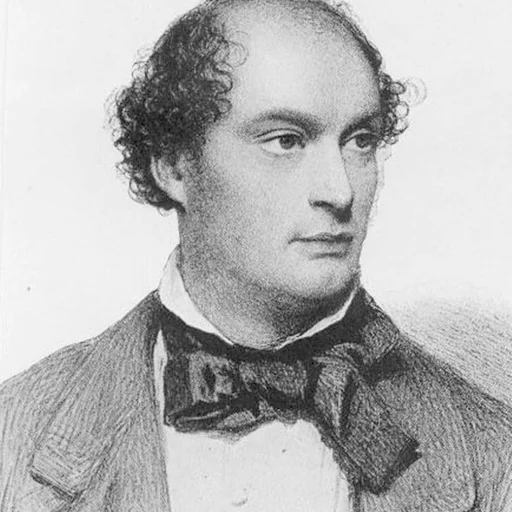
Daniel Maclise (25 January 1806 – 25 April 1870) was an Irish history painter, literary and portrait painter, and illustrator, who worked for most of his life in London, England.