Artwork
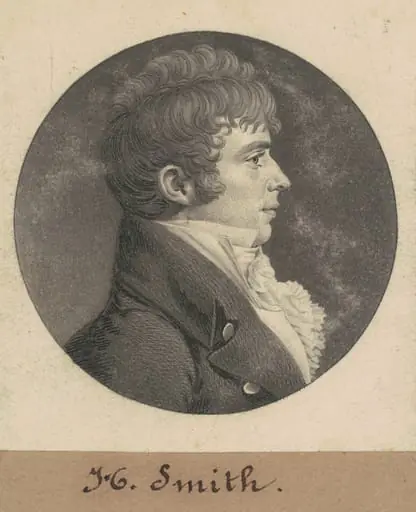
J. G. Mosely
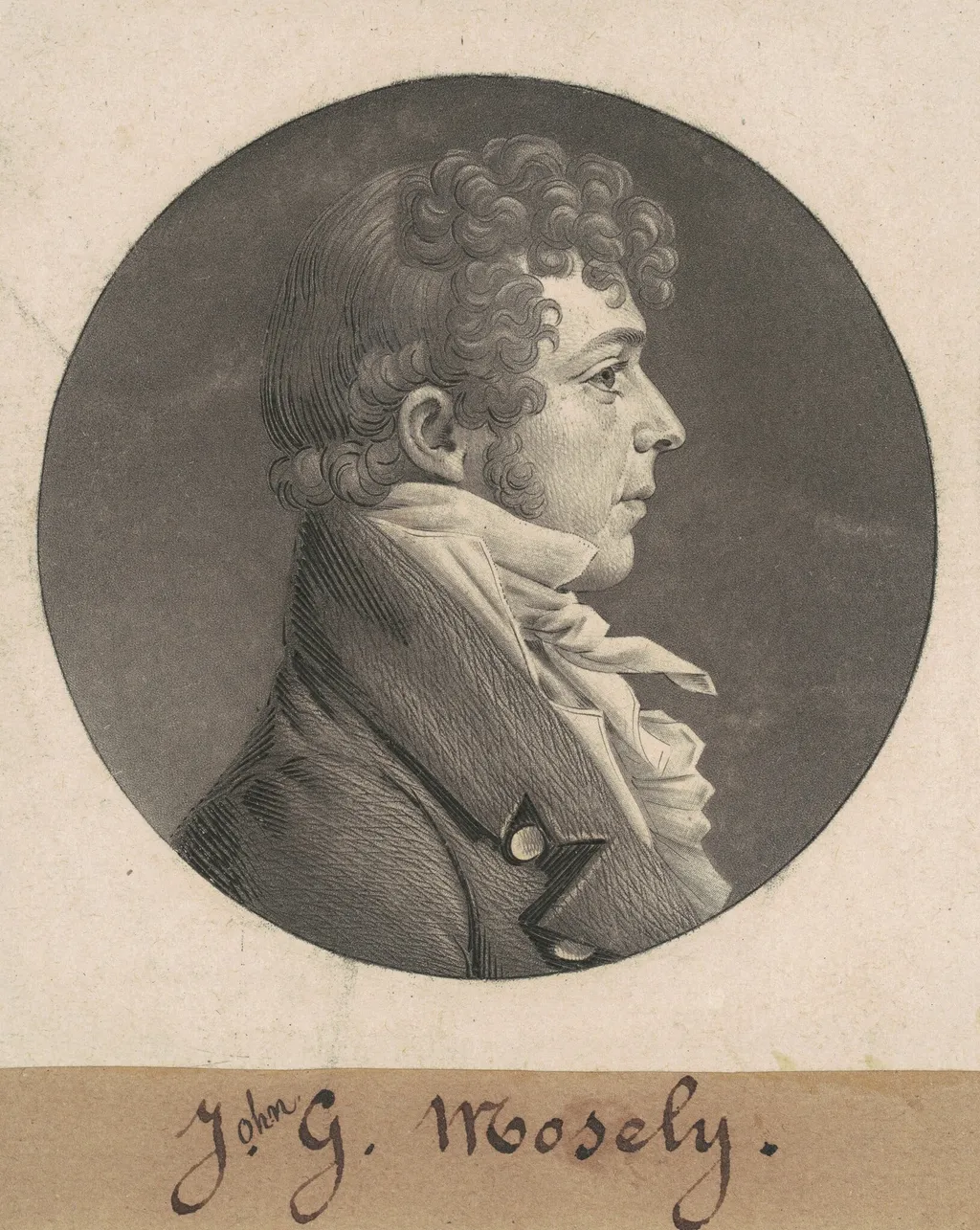
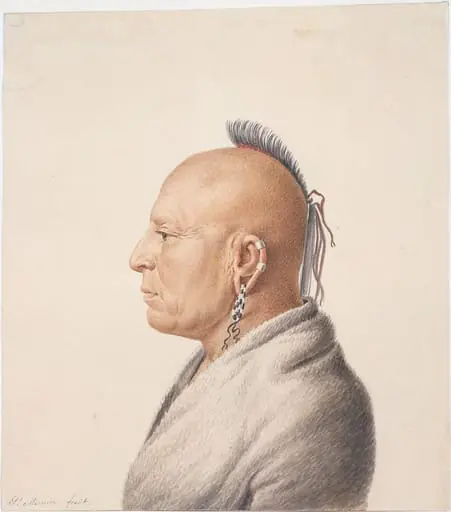
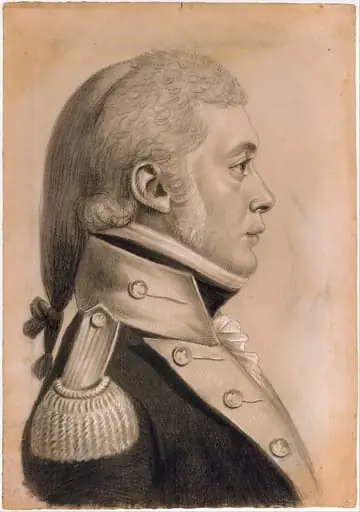
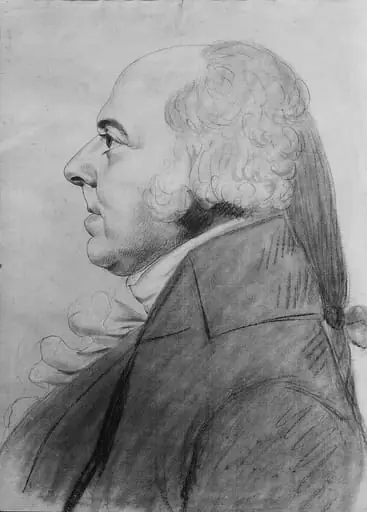
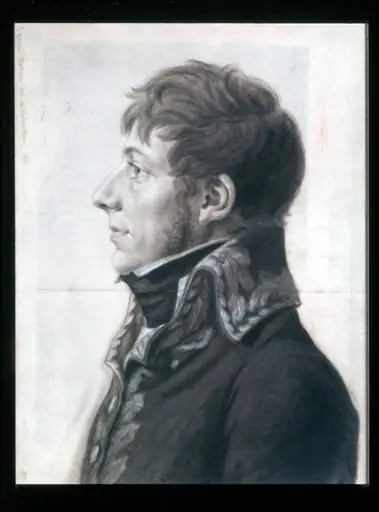
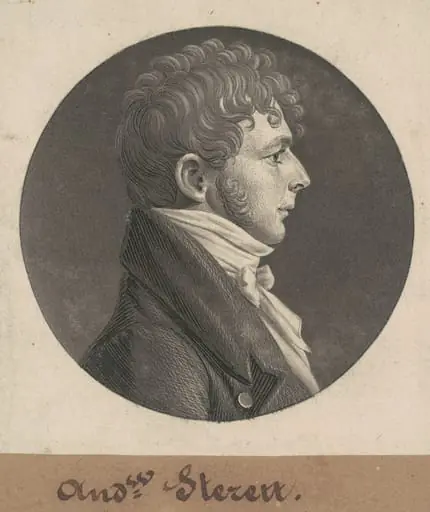
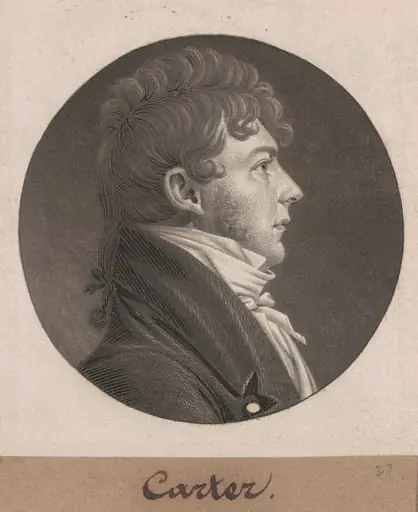
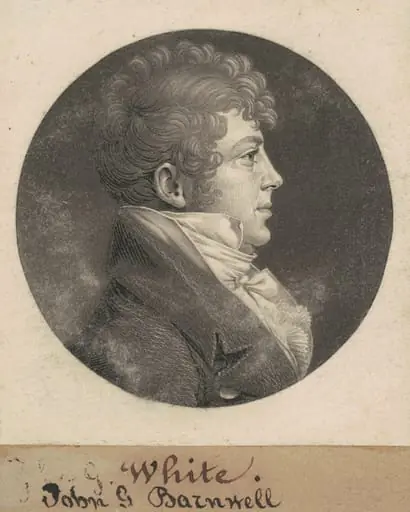
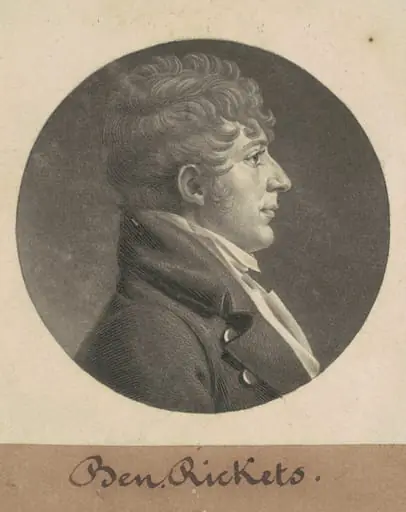
J. G. Mosely is an ink print by the Romanticist artist Charles Balthazar Julien Févret de Saint-Mémin. It dates from 1808 and is held in the collection of the National Gallery of Art. This small print, measuring roughly 5.
About this work
Overview
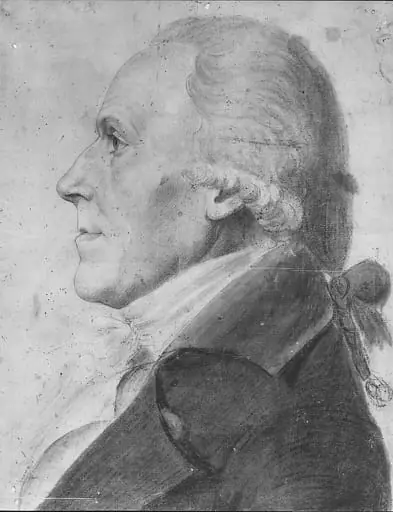
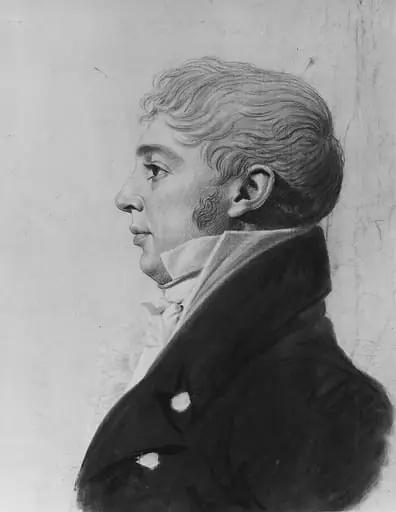
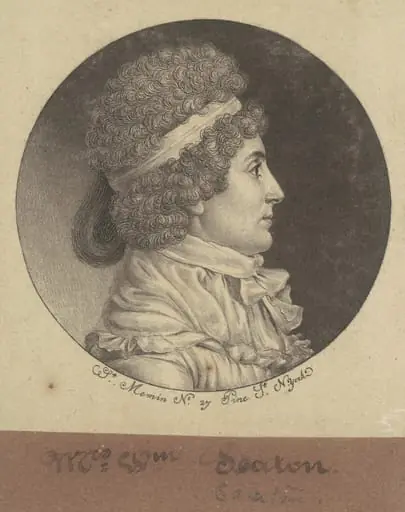
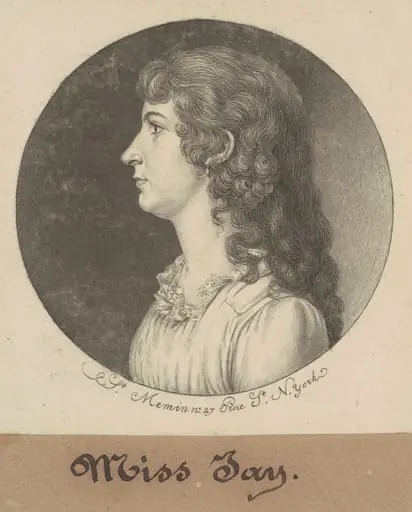
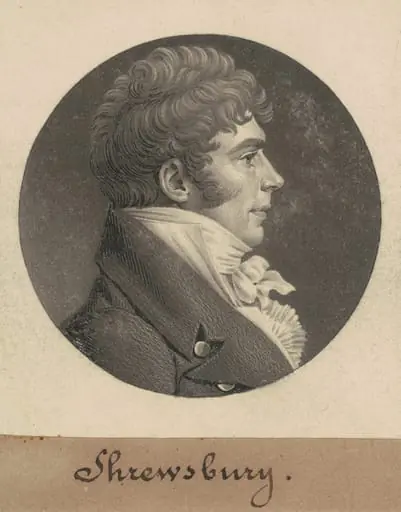
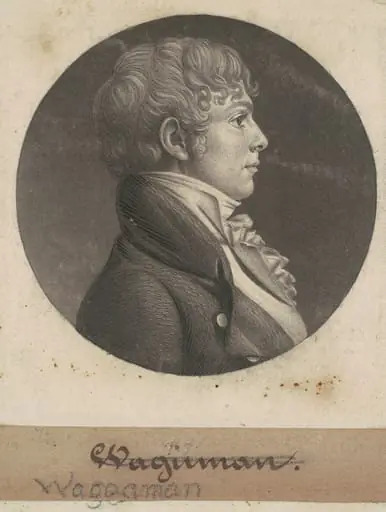
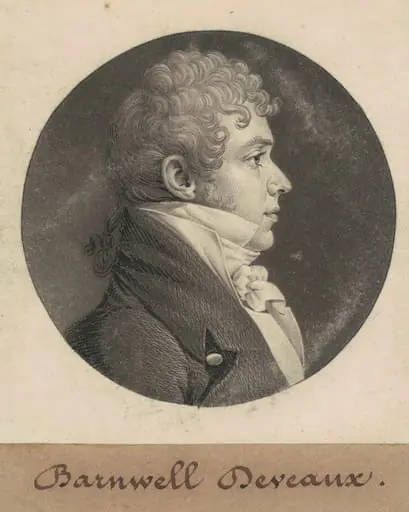
This small print, measuring roughly 5.6 by 5.6 centimeters, presents a profile view of an individual identified as J. G. Mosely. Executed in black on wove paper, the work combines mezzotint and engraving techniques, resulting in a finely detailed portrait.
Subject & Meaning
The image captures Mosely’s side profile, a common format for portraiture in the late eighteenth century that emphasizes facial features and social status. While no narrative elements accompany the figure, the straightforward presentation reflects the period’s focus on individual likeness.
Technique & Style
The artist employed a dual process: first, a mezzotint ground was prepared on a metal plate to produce rich tonal gradations, then fine lines were added through engraving to sharpen details. The combination yields a deep, velvety black surface with precise contour work, typical of Charles B. J. Févret de Saint‑Mémin’s prints.
History & Provenance
Created between 1796 and 1797, the portrait is attributed to the French engraver Charles B. J. Févret de Saint‑Mémin, known for his extensive series of portrait prints. The work remains mounted on brown wove paper, a mounting practice that helped preserve the delicate surface.
Context
During the Revolutionary era, Saint‑Mémin produced numerous likenesses of notable figures, often for collectors interested in contemporary personalities. This portrait fits within that broader output, offering a glimpse of the visual culture surrounding portraiture and printmaking at the turn of the nineteenth century.
Artist & collection

Artist
Charles Balthazar Julien Févret de Saint-Mémin
Charles Balthazar Julien Févret de Saint-Mémin (French pronunciation: ; 1770–1852) was a French portrait painter and museum director.