Artwork
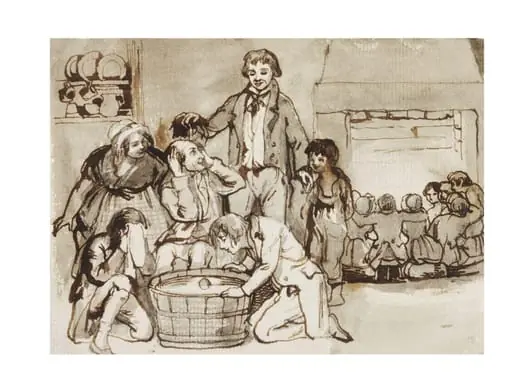
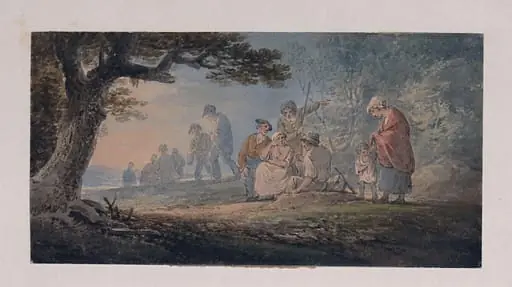
The Holy Well
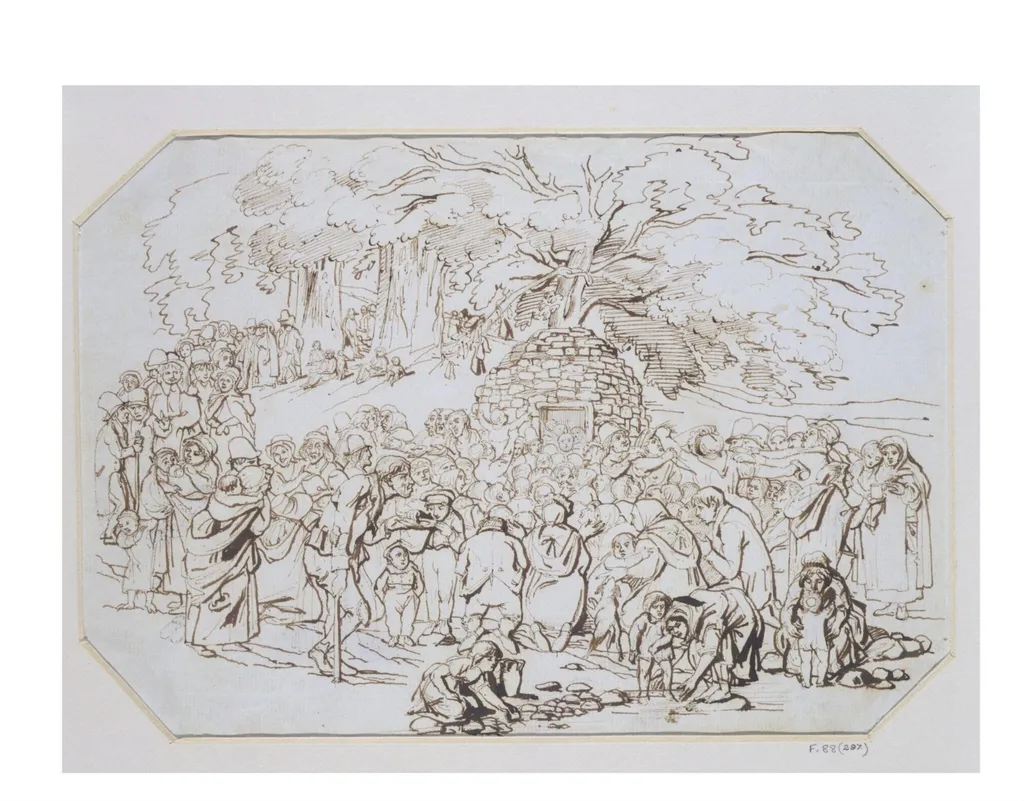
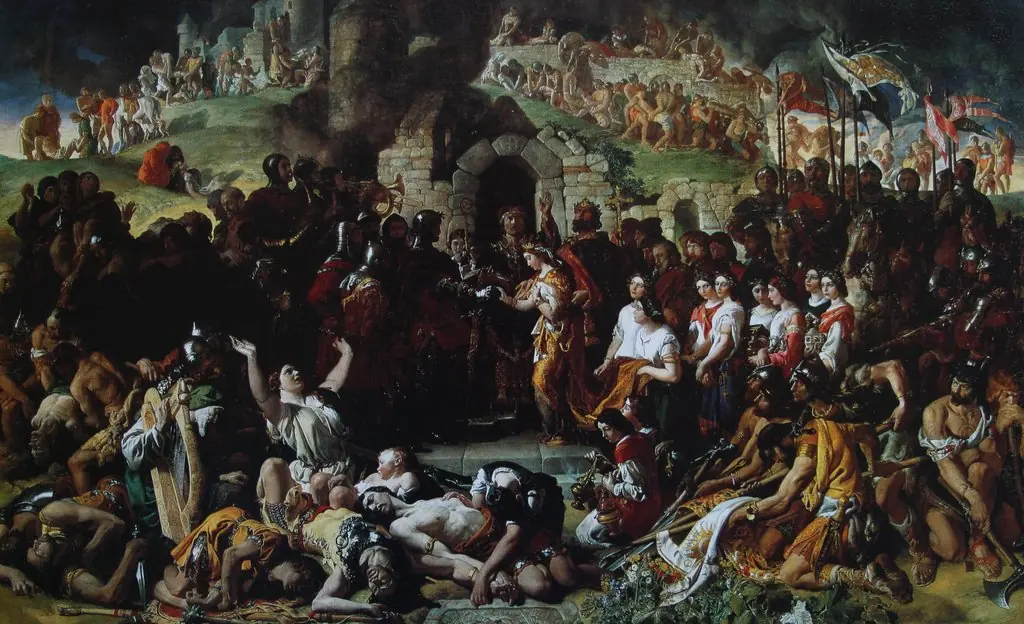
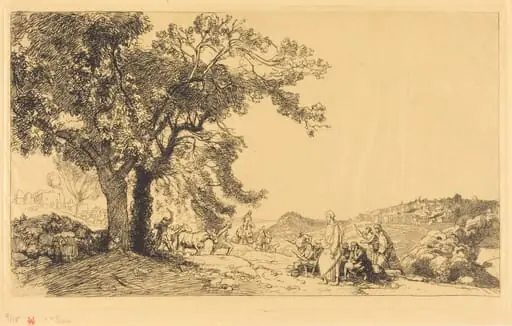
The Holy Well is a drawing by the Romanticist artist Daniel Maclise. It dates from 1827 and is held in the collection of the Victoria and Albert Museum.
About this work
The drawing is titled The Holy Well.
It's from 1827 and shows a scene from Irish life.
This drawing is part of a larger theme of Irish local life that the artist often depicted, and it's said to represent a specific well near Cork, which was a site of pilgrimage.
Check out the movement Romanticism to learn more about this style of art.
Overview
The Holy Well is a 1827 drawing by Daniel Maclise, depicting a scene from Irish life.
Subject & Meaning
The drawing is believed to represent Ronogue's Well near Cork, a site of pilgrimage, and is characteristic of Maclise's works that capture Irish local life, often with a touch of caricature.
Technique & Style
The work is associated with the Romanticism movement, a style that emphasizes emotion and the representation of everyday life and landscapes.
Context
Pilgrimages to holy wells have long been a part of Irish religious life, providing a rich subject for artists like Maclise to explore.
Artist & collection
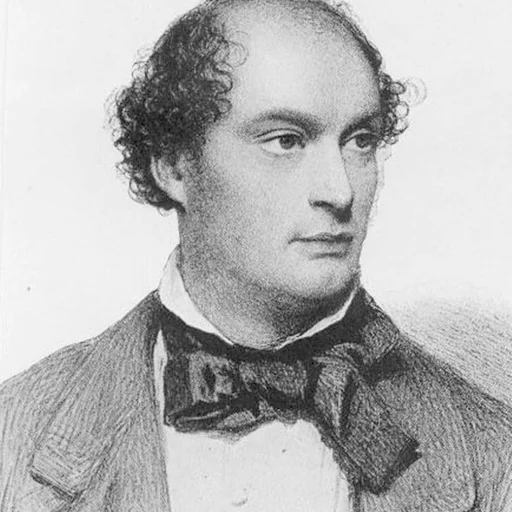
Artist
Daniel Maclise (25 January 1806 – 25 April 1870) was an Irish history painter, literary and portrait painter, and illustrator, who worked for most of his life in London, England.