Artwork
The Presentation of Jesus in the Temple
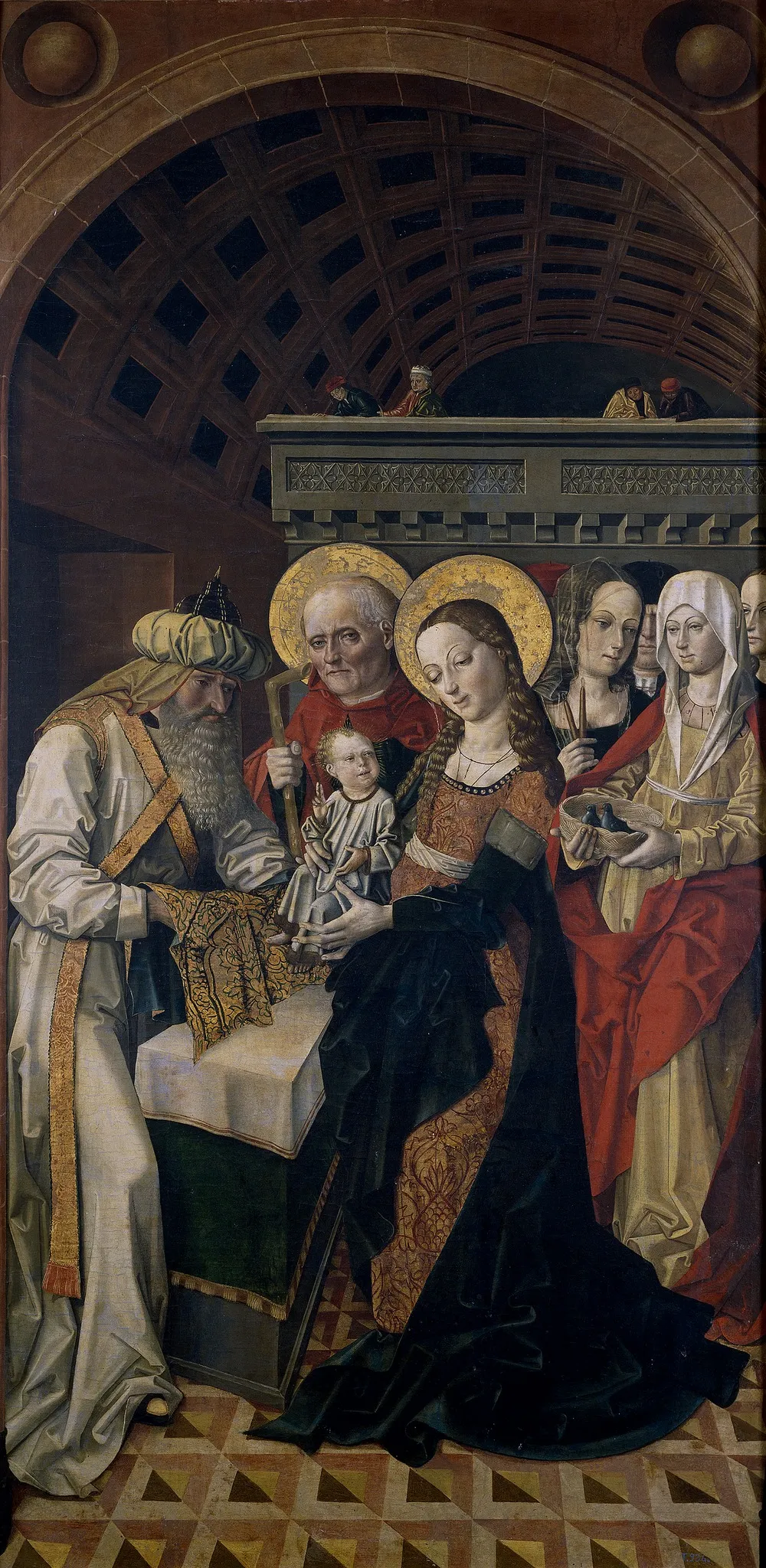
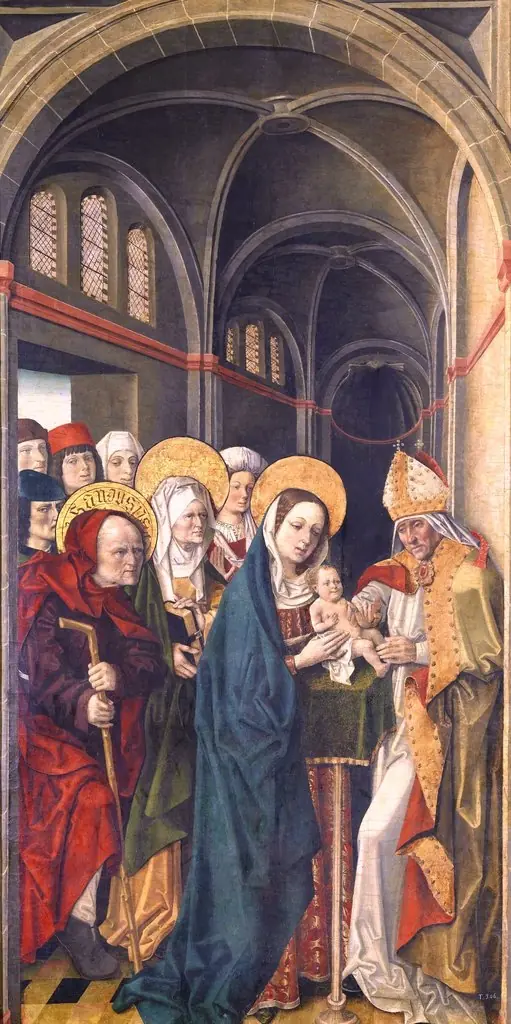
The Presentation of Jesus in the Temple is an unspecified painting by the Early Renaissance artist Maestro de la Sisla. It dates from 1500 and is held in the collection of the Museo del Prado.
About this work
Overview
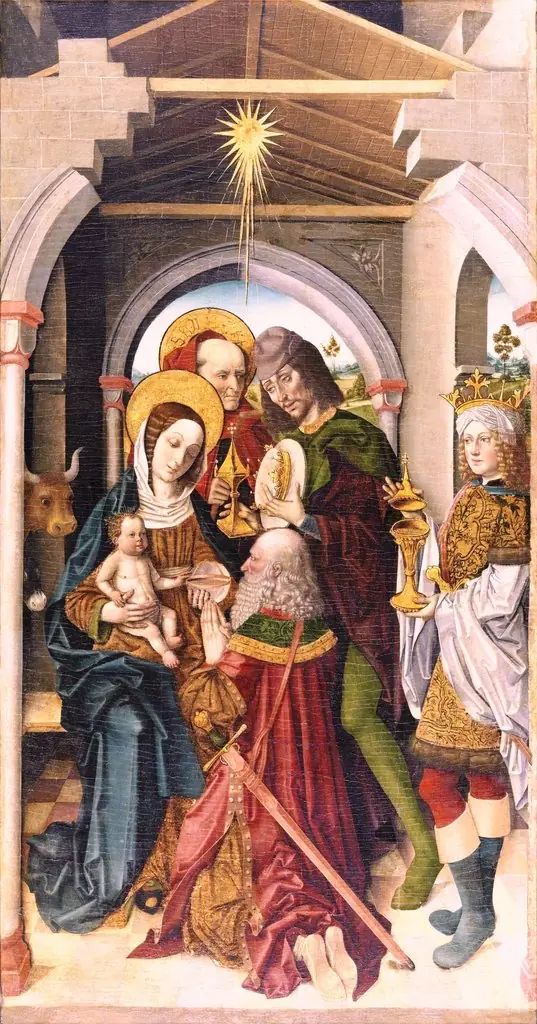
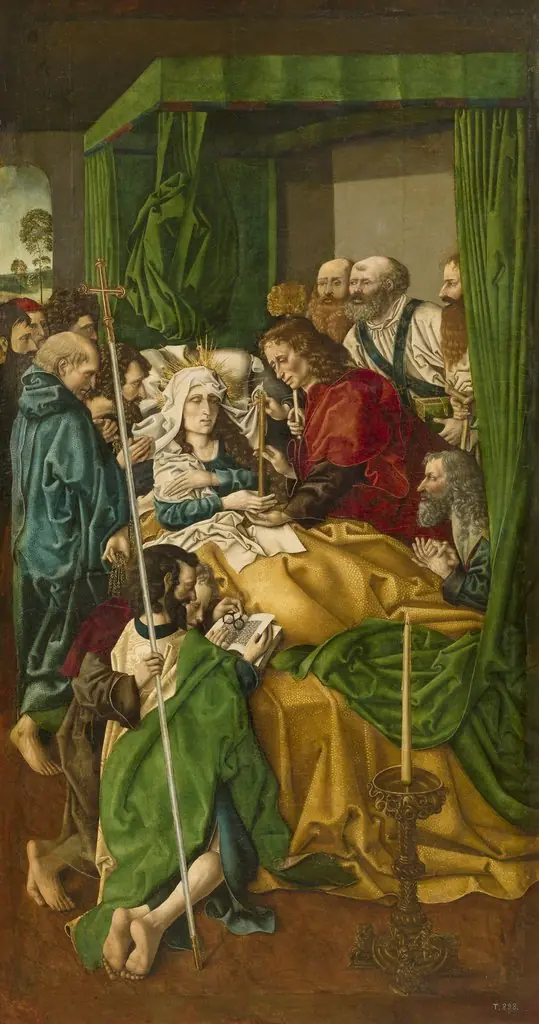
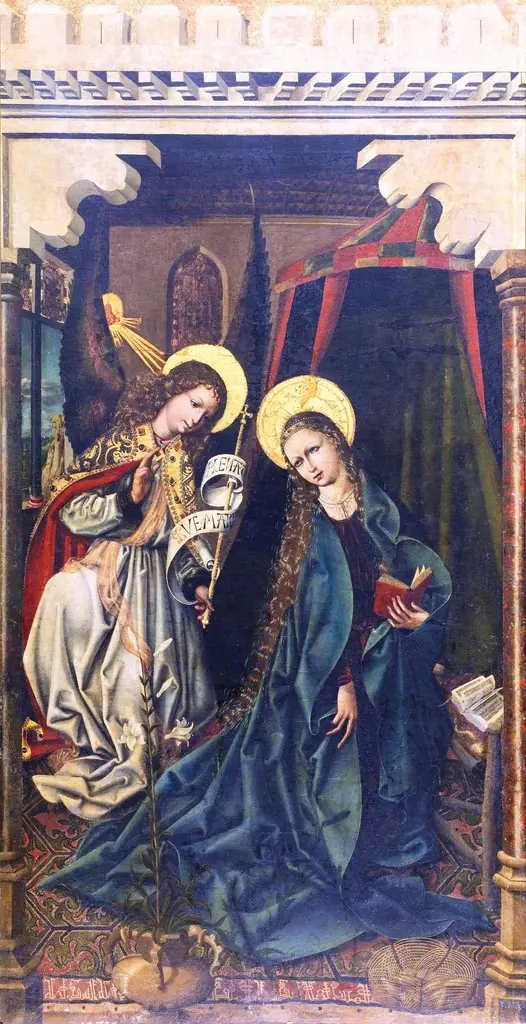
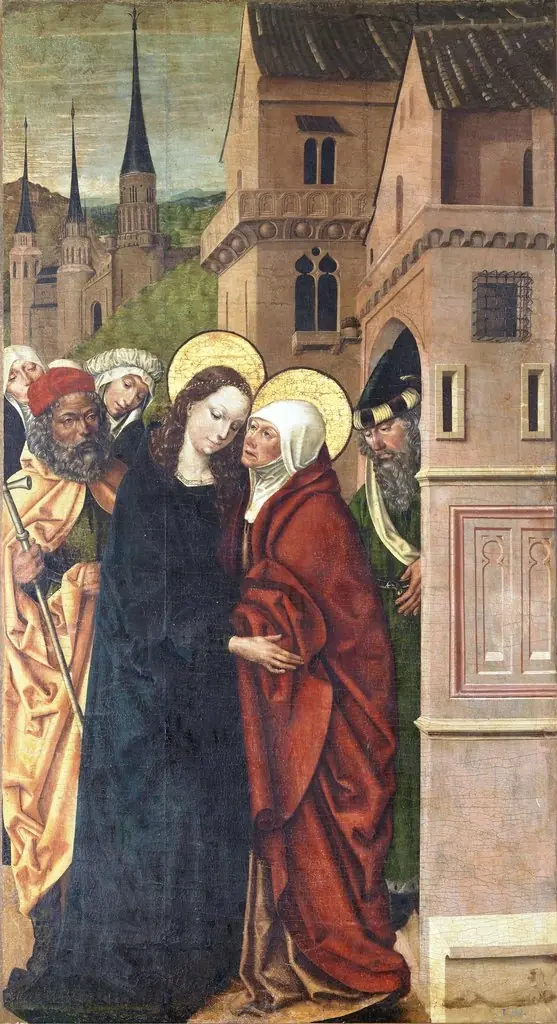
The work, titled *The Presentation of Jesus in the Temple*, is an early‑Renaissance panel painted around the turn of the sixteenth century. Executed by the anonymous Master of La Sisla, it was originally one of several panels that formed the altarpiece of the Monastery of Santa María de Sisla in Toledo. The painting now belongs to the Museo del Prado’s collection.
Subject & Meaning
The scene illustrates the biblical episode in which the infant Jesus is brought to the Jerusalem Temple for dedication, as recounted in the Gospel of Luke.
The scene illustrates the biblical episode in which the infant Jesus is brought to the Jerusalem Temple for dedication, as recounted in the Gospel of Luke. Central to the composition is the child, surrounded by a group of figures whose gestures and gazes emphasize the solemnity of the rite. The presence of a crown on the elder male figure and a halo above the woman underscores the sacred nature of the event.
Technique & Style
Rendered on a wooden panel, the painting employs a patterned floor and an architectural archway to create depth. The figures are arranged in a shallow interior space, with a balcony visible above them. The Master of La Sisla uses a restrained palette of reds, browns, and golds, and delineates clothing and drapery with fine linear detail, characteristic of early Renaissance realism.
History & Provenance
Created for the high altar of Santa María de Sisla, the panel remained in the monastery until the 19th‑century secularizations that transferred many ecclesiastical artworks to state institutions. It entered the Museo del Prado’s holdings in the early 20th century, where it has been conserved and displayed as part of the museum’s Spanish Renaissance collection.
Context
The painting reflects the liturgical and devotional practices of late medieval Spain, where the presentation of Christ was a popular subject for altarpieces. Its composition aligns with contemporary Italian influences, yet retains distinctive Iberian elements such as the richly embroidered garments and the inclusion of a balcony that frames the sacred action.
Legacy
Although the artist’s identity remains unknown, the Master of La Sisla is recognized through this and related works for contributing to the diffusion of Renaissance visual language in Castile. The panel continues to serve as a reference for scholars studying anonymous workshop production and the transmission of biblical iconography in early modern Spain.
Artist & collection
Artist
The Master of La Sisla (active c.1500) is the name given to an anonymous artist who painted the panels for the altarpiece at the Monastery of Santa María de Sisla, near Toledo; now preserved at the Museo del Prado.