Artwork
Presentation of Christ Child in the temple
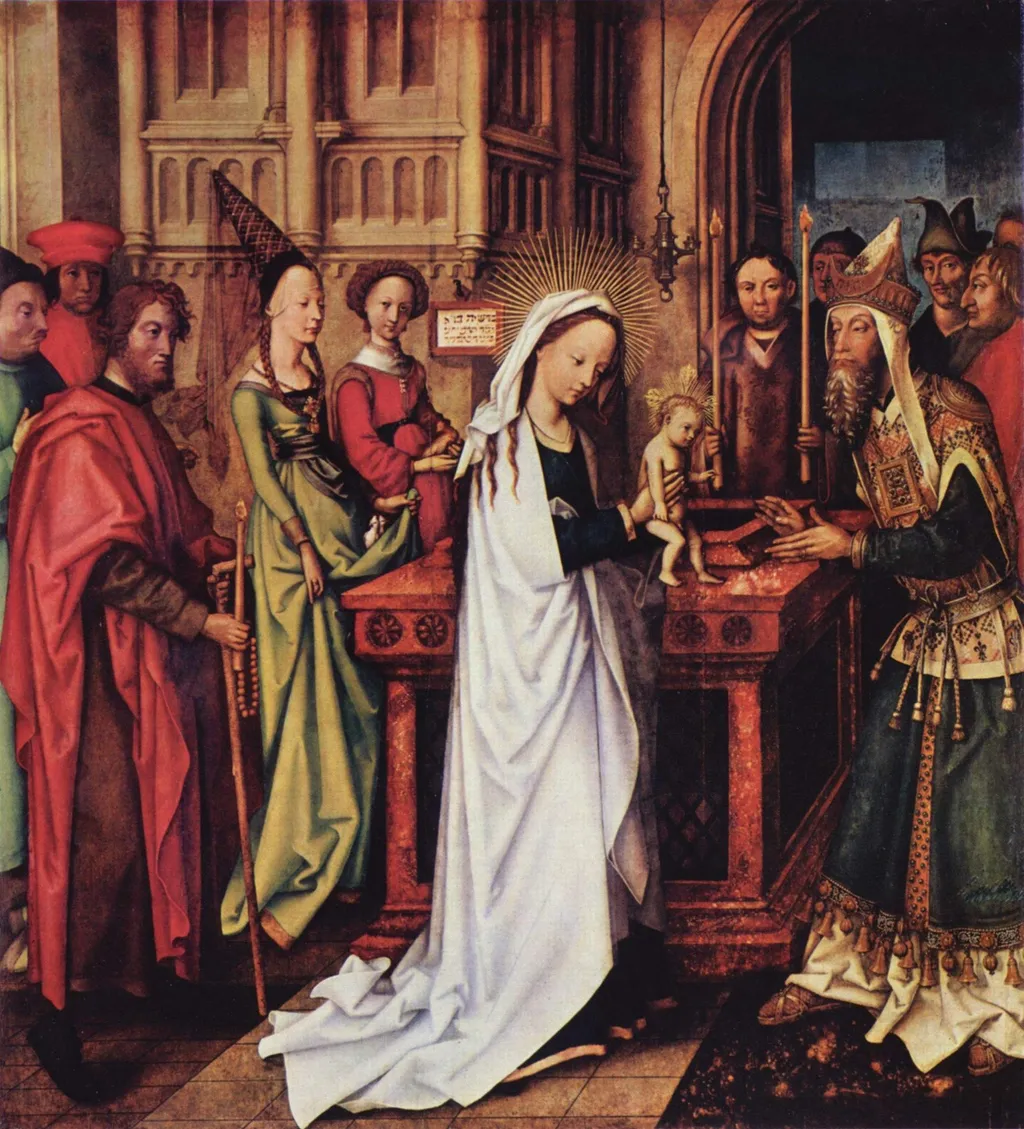
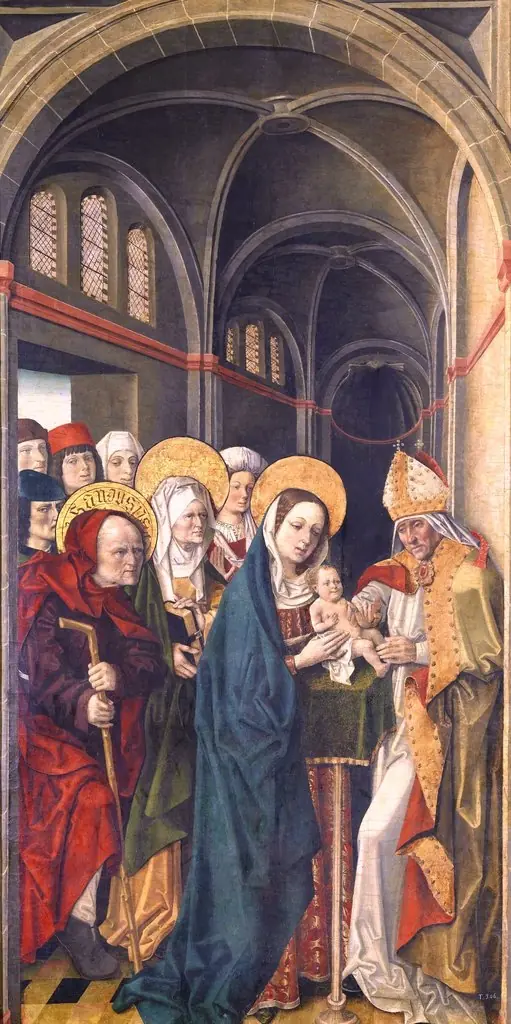
Presentation of Christ Child in the temple is an unspecified painting by the Northern Renaissance artist Hans Holbein the Elder. It dates from 1500 and is held in the collection of the Hamburger Kunsthalle.
About this work
Overview
Executed in the Northern Renaissance style, it reflects the devotional focus and meticulous detail characteristic of early 16th-century German art.
Painted in 1500 on a spruce wood panel, this work by Hans Holbein the Elder captures the biblical moment of Christ’s presentation at the Temple. Executed in the Northern Renaissance style, it reflects the devotional focus and meticulous detail characteristic of early 16th-century German art. The painting remains part of the Hamburger Kunsthalle’s permanent collection, preserved as a key example of Holbein’s religious imagery.
Subject & Meaning
The scene illustrates the ritual presentation of the infant Jesus to God in the Temple, as described in the Gospel of Luke. The Virgin Mary, dressed in white, holds the child while Simeon, the righteous elder, receives him. Surrounding figures include priests and witnesses, their varied postures suggesting reverence and contemplation. The composition emphasizes spiritual fulfillment and the fulfillment of Jewish law through Christ’s arrival.
Technique & Style
Holbein employed fine brushwork to render textures in fabric, stone, and skin, using layered glazes to achieve luminous depth. The white garment of the Virgin contrasts sharply with the muted tones of the background and other figures, drawing focus to the central figures. Intricate patterns on robes and architectural details reveal attention to realism, typical of Northern Renaissance conventions that valued observable detail over idealized form.
History & Provenance
Created in 1500, the painting remained in private or ecclesiastical hands in southern Germany before entering the Hamburger Kunsthalle’s collection. Its survival through centuries of religious upheaval, including the Reformation, speaks to its enduring artistic value. Documentation confirms its attribution to Holbein the Elder, distinguishing it from works by his more famous son, Hans Holbein the Younger.
Context
This work emerged during a period of intense religious devotion in southern Germany, where altarpieces and devotional panels were central to church life. Holbein’s style bridges late Gothic traditions and emerging Renaissance naturalism, reflecting regional influences from Swabia and the Upper Rhine. The emphasis on narrative clarity and emotional restraint aligns with contemporary religious practices that valued quiet piety over theatricality.
Legacy
Though overshadowed by his son’s portraiture, Holbein the Elder’s religious panels like this one influenced regional painting traditions. His careful handling of space, light, and gesture helped shape the visual language of German altarpieces in the early 1500s. The painting remains a reference point for understanding the transition from medieval iconography to Renaissance humanism in northern Europe.
Own this work as a print
Artist & collection
Artist
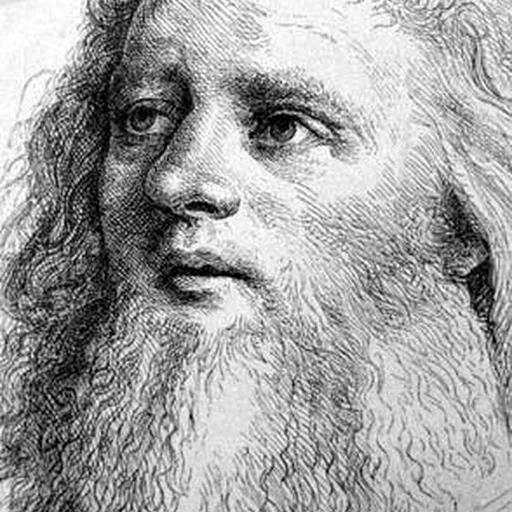
Hans Holbein the Elder (c. 1460/65 – 1524) was a German painter of the early German Renaissance. He was the father of painters Ambrosius and Hans the Younger.

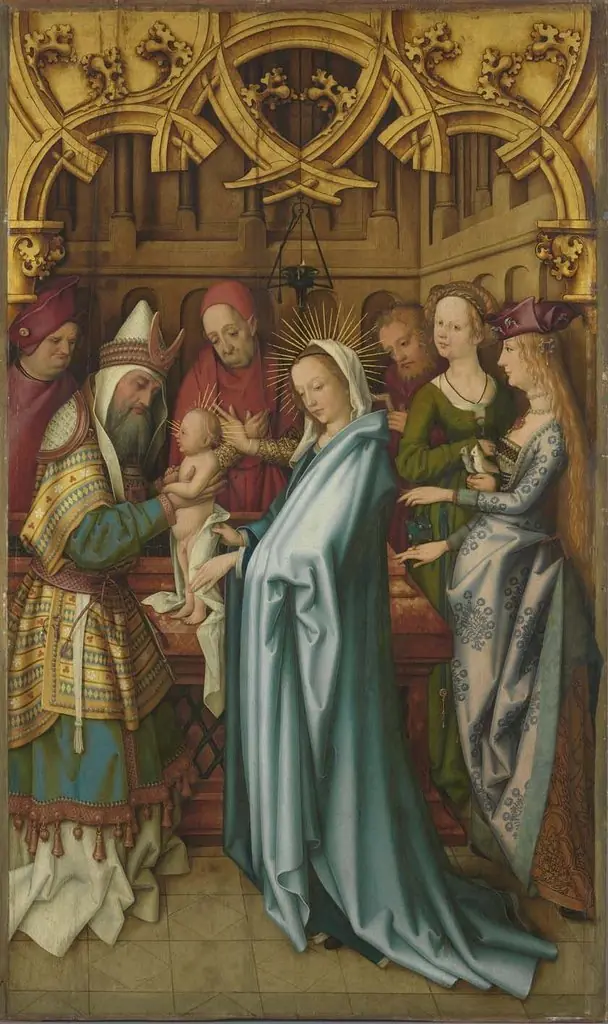 Kaisheimer Altar: Darbringung im Tempel
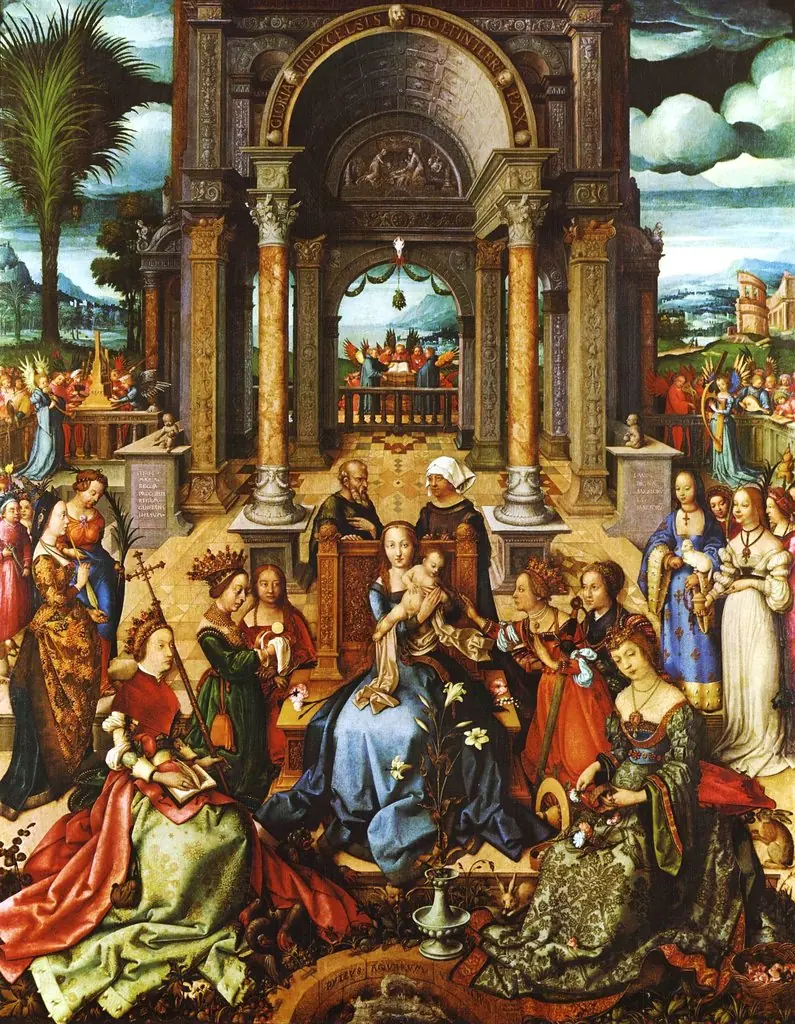 Virgin with Child by Hans Holbein the Elder, Museu Nacional de Arte Antiga
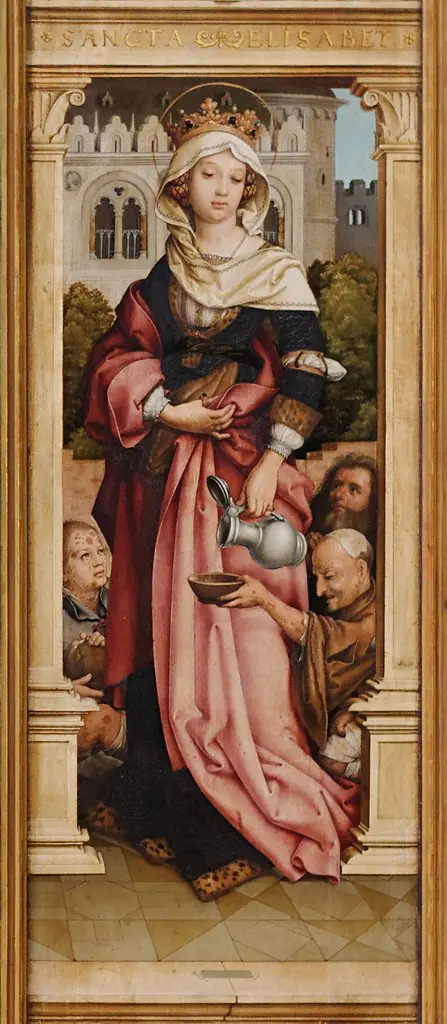 St. Sebastian Altar: St. Elizabeth of Hungary
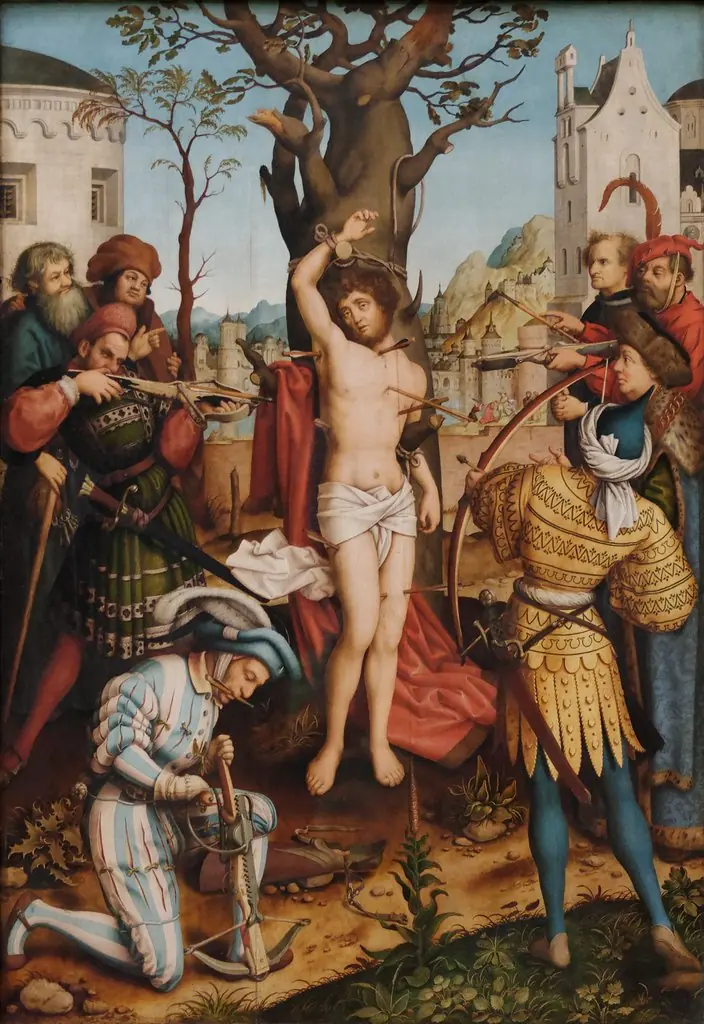 St. Sebastian Altar: The Martyrdom of St. Sebastian
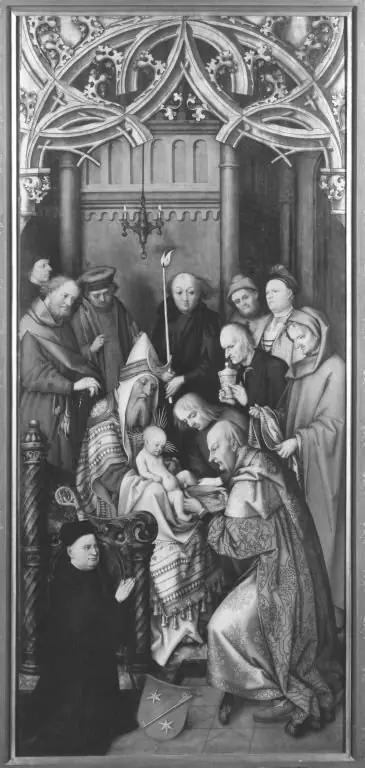 Kaisheimer Altar: Beschneidung Christi
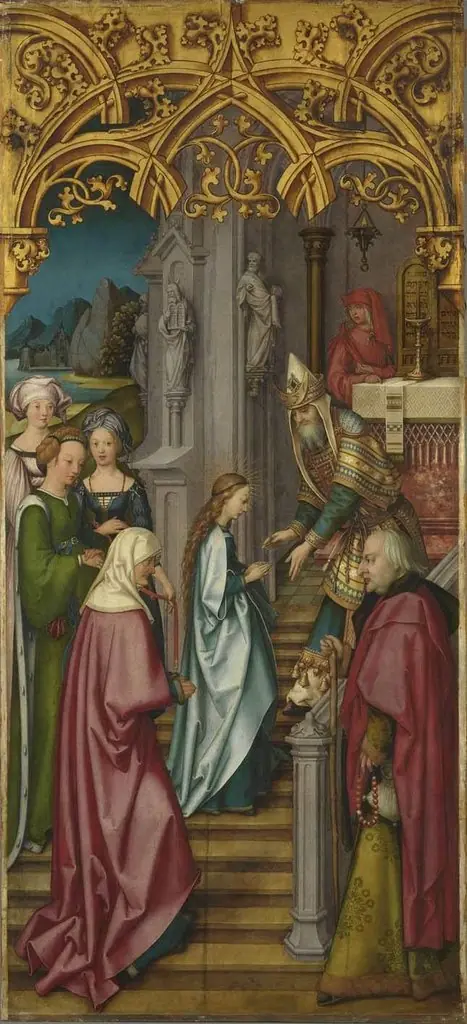 Kaisheimer Altar: Tempelgang Mariens
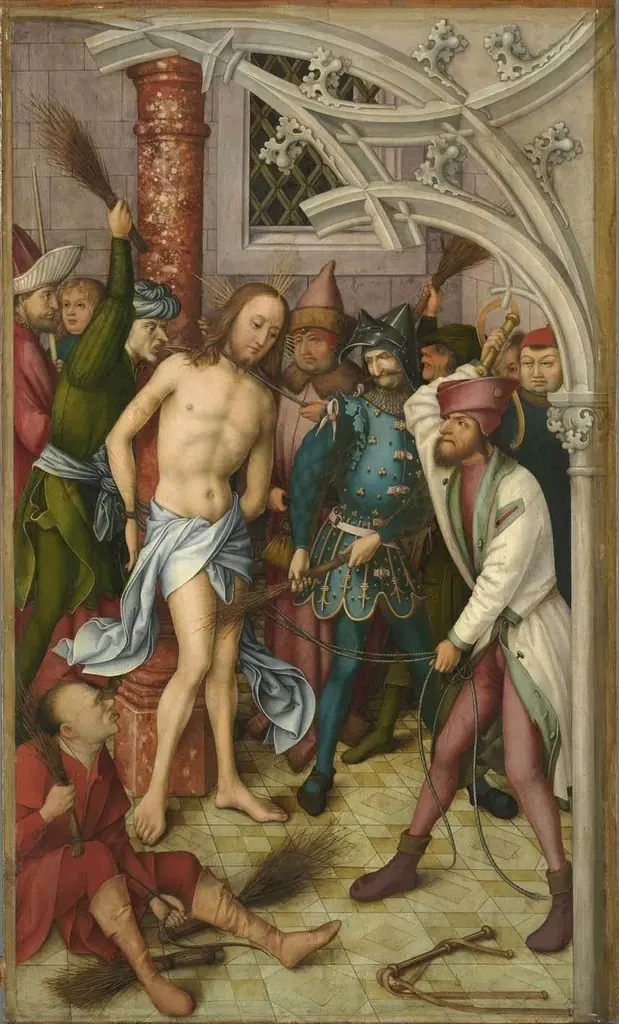 Kaisheimer Altar: Geißelung Christi
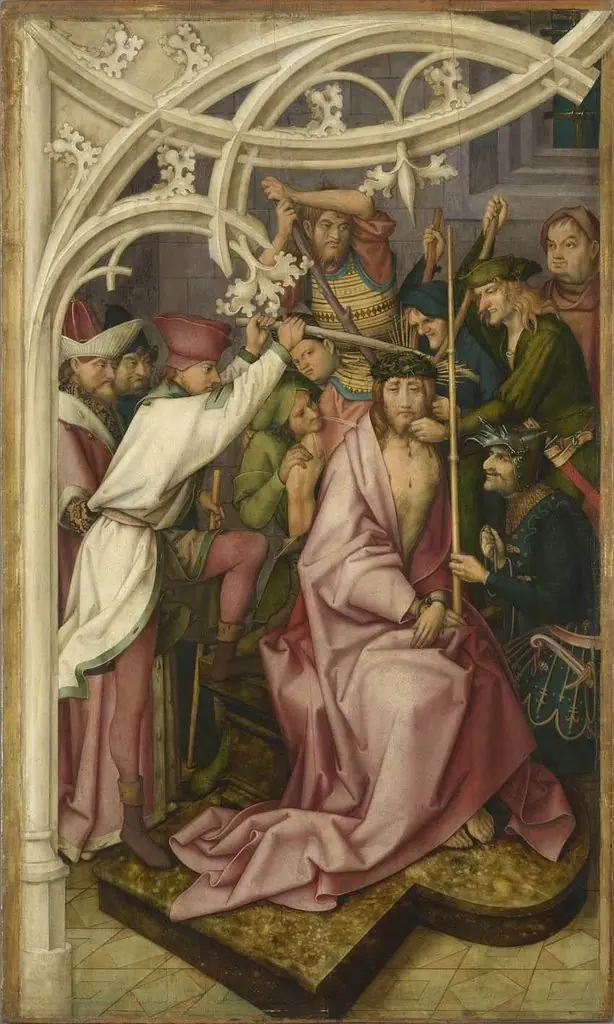 Kaisheimer Altar: Dornenkrönung Christi