Artwork
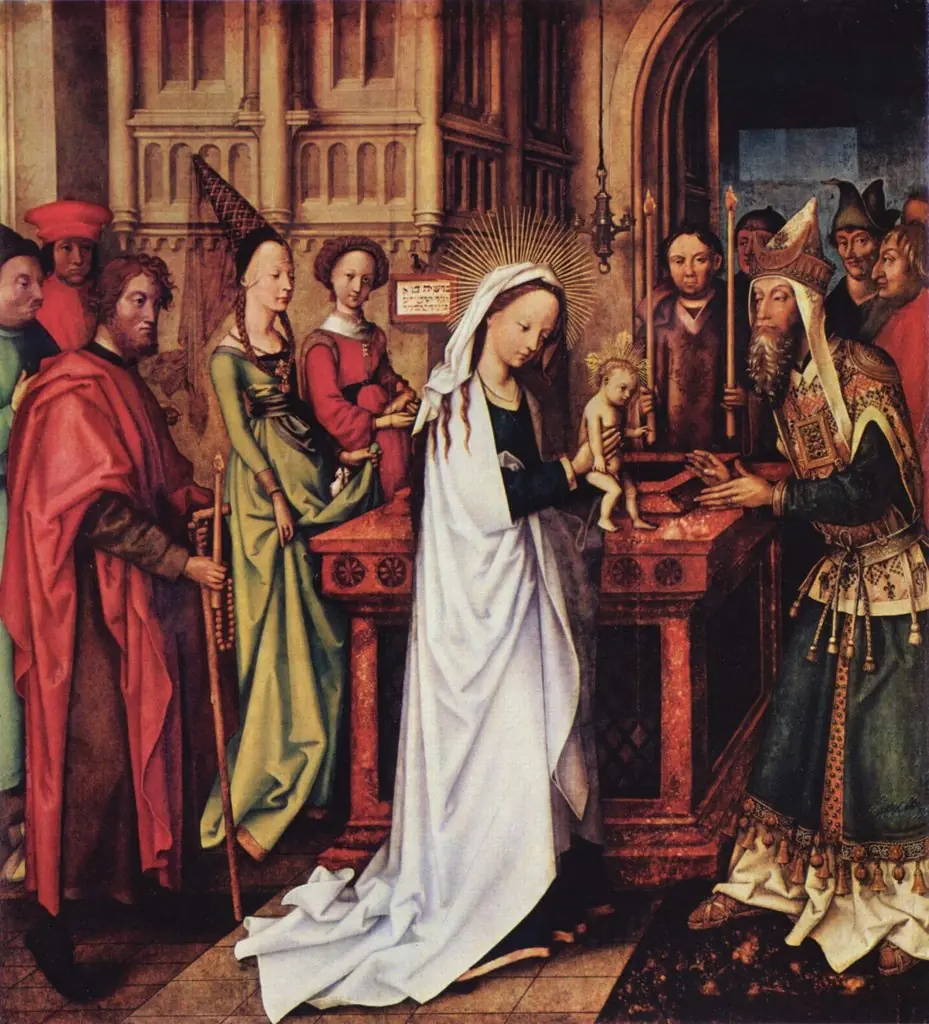
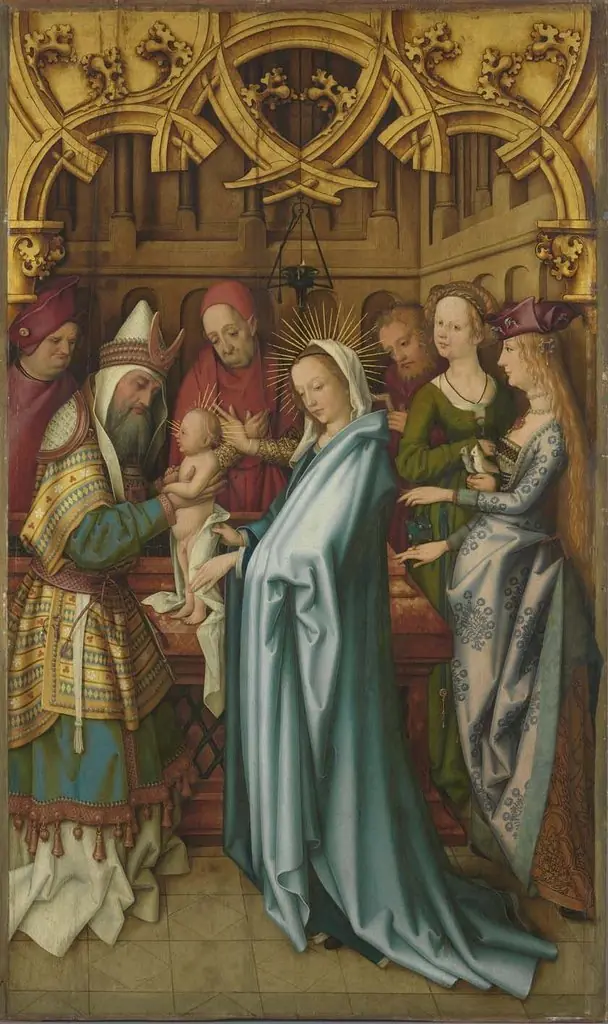
The Circumcision
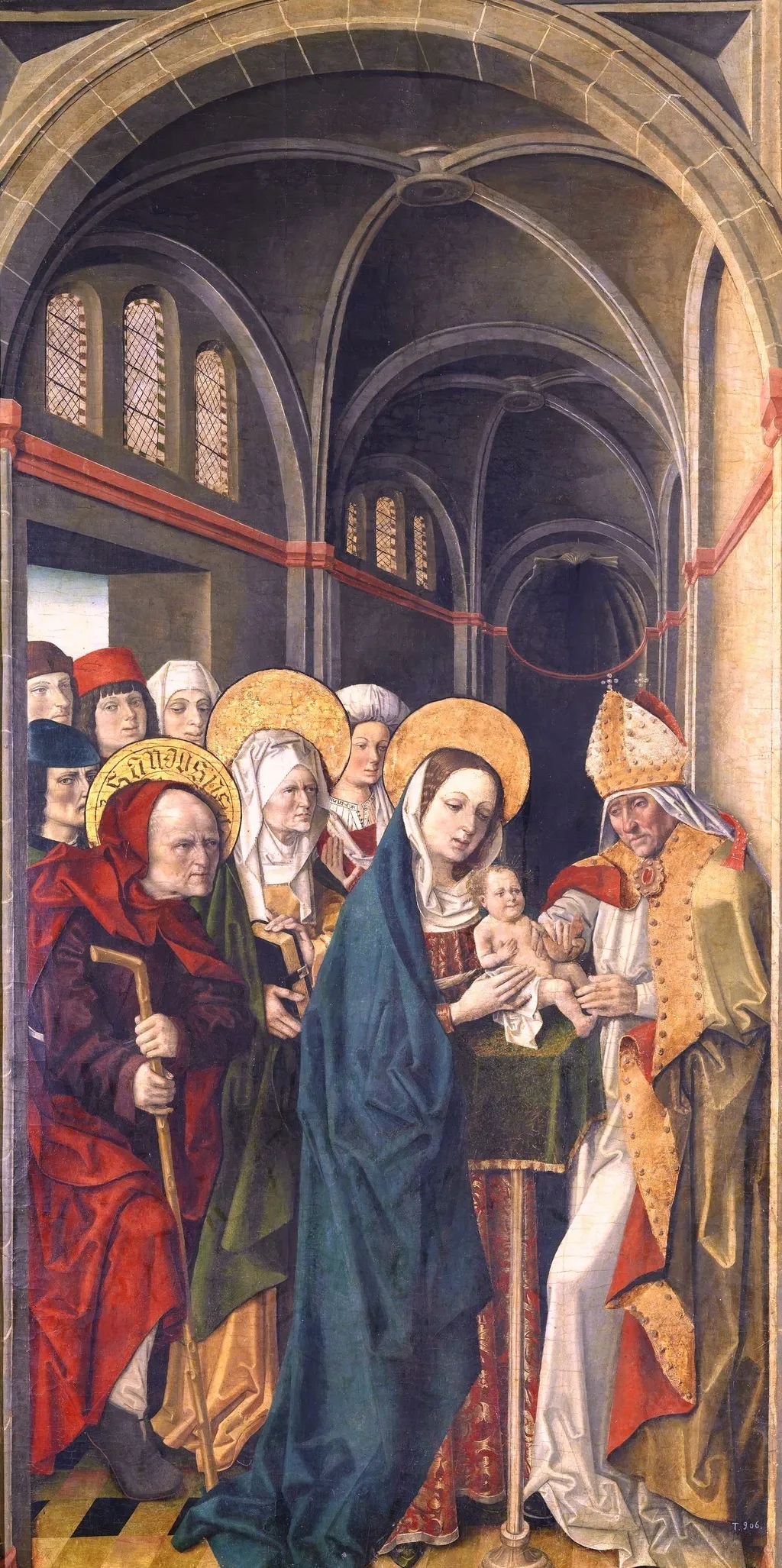
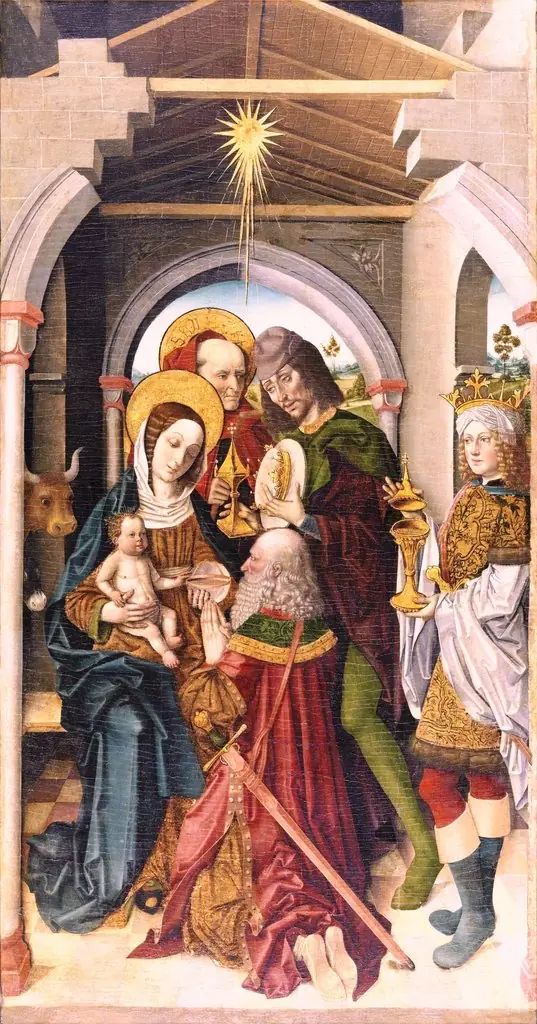
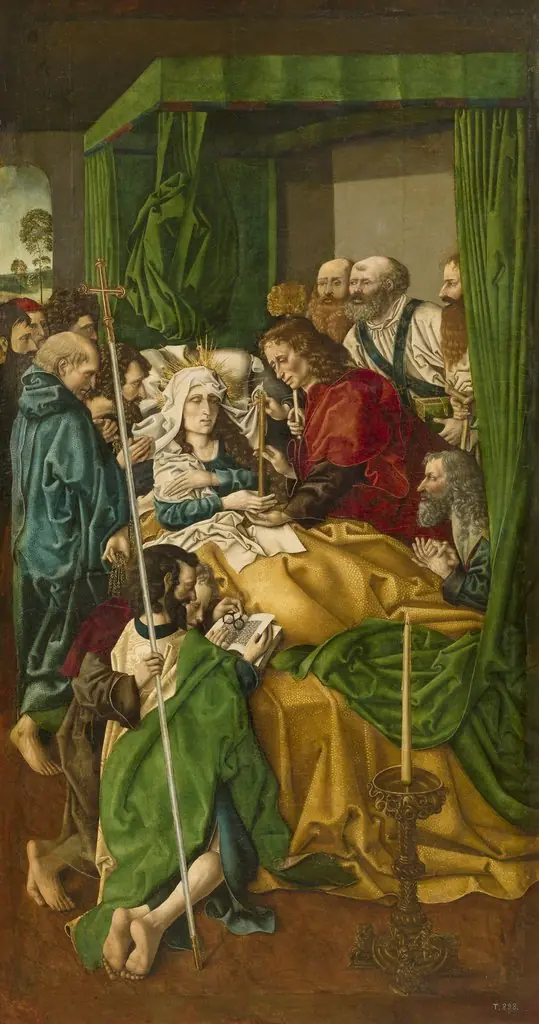
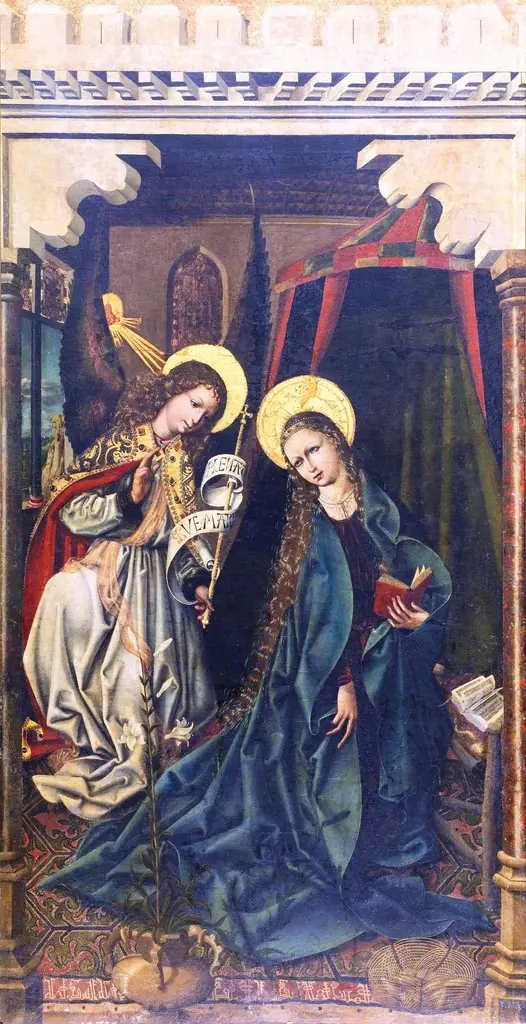
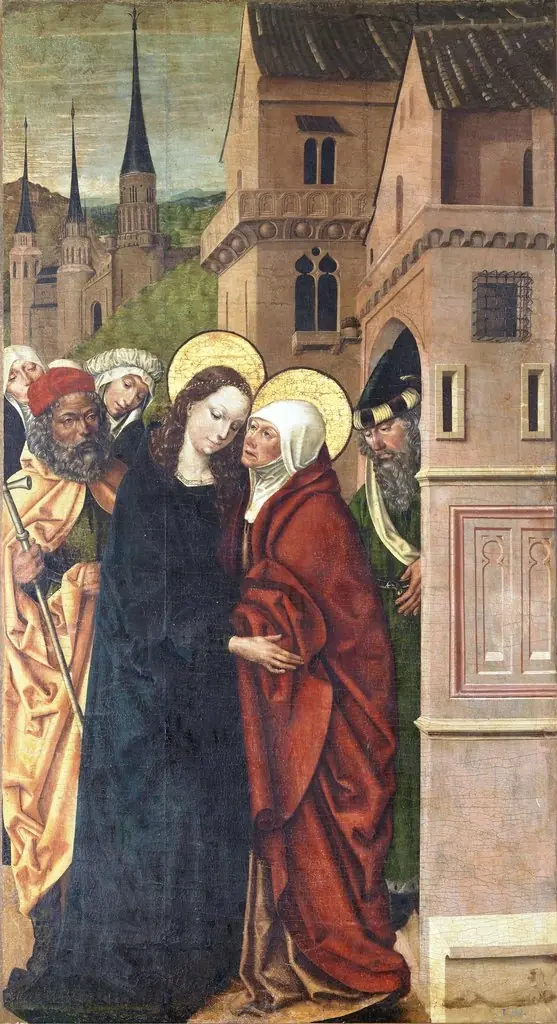
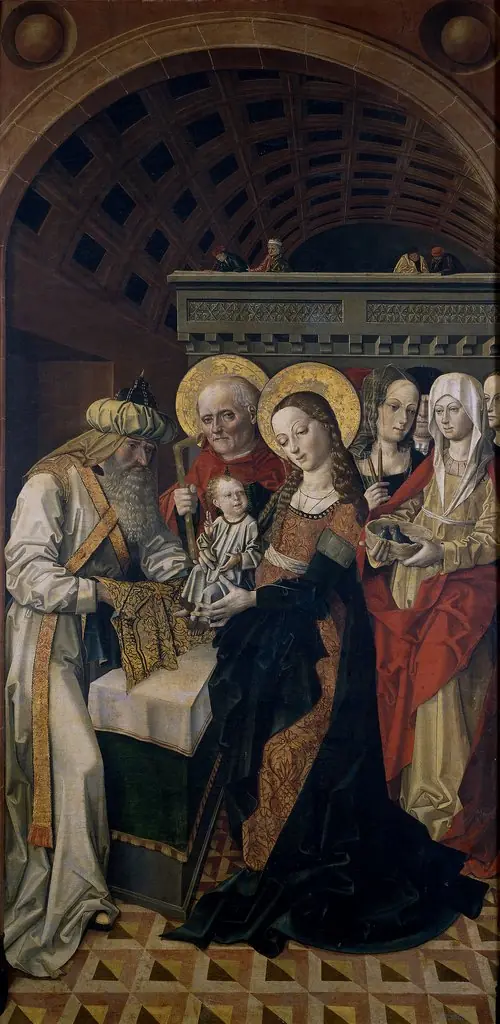
The Circumcision is a mixed painting by the Early Renaissance artist Maestro de la Sisla. It dates from 1500 and is held in the collection of the Museo del Prado.
About this work
Overview
Painted around 1500 by an anonymous artist later identified as the Master of La Sisla, this work is a religious panel executed in mixed technique.
Painted around 1500 by an anonymous artist later identified as the Master of La Sisla, this work is a religious panel executed in mixed technique. It originates from a series created for the Monastery of Santa María de Sisla near Toledo and now resides in the Museo del Prado. The piece reflects the transitional style of early Renaissance Spain, blending devotional intensity with emerging naturalism in figure rendering and spatial arrangement.
Subject & Meaning
The scene illustrates the circumcision of Jesus, as described in the Gospel of Luke, when the infant is formally named and entered into the covenant of Abraham. The central figures — the infant, held aloft by a man in red, and the surrounding witnesses — emphasize ritual significance over narrative drama. The gathering of figures in formal attire suggests a solemn ecclesiastical context, reinforcing the theological weight of the moment within Jewish law and Christian tradition.
Technique & Style
The artist employed mixed media, likely tempera and oil on panel, to achieve subtle tonal shifts and delicate surface detail. The figures are rendered with restrained modeling, their garments defined by crisp folds and muted hues, while the infant’s skin and the red robe serve as focal points of contrast. Architectural elements in the background, with tall arches and filtered light, suggest spatial depth without full perspective, characteristic of late Gothic influences still present in early 16th-century Castilian painting.
History & Provenance
The painting was originally part of an altarpiece commissioned for the Monastery of Santa María de Sisla, a small Augustinian community near Toledo. It remained in situ until the 19th-century ecclesiastical confiscations, after which it entered the Prado’s collection. Attribution to the Master of La Sisla was established through stylistic comparison with other surviving panels from the same altarpiece, though the artist’s true identity remains unknown.
Context
Created during a period when Spanish religious art was shifting from International Gothic toward Renaissance ideals, this work reflects regional traditions that retained medieval compositional hierarchies. While Italian artists were exploring linear perspective and anatomical precision, Castilian painters like the Master of La Sisla emphasized symbolic clarity and devotional presence, adapting new techniques selectively within established liturgical frameworks.
Legacy
The painting contributes to the understanding of anonymous workshop production in early 16th-century Spain. Though the artist’s name is lost, the consistency of style across surviving panels from Sisla allows scholars to reconstruct a regional artistic identity. Its preservation in the Prado ensures continued study of how local traditions interacted with broader European developments during the transition to the Renaissance.
Artist & collection
Artist
The Master of La Sisla (active c.1500) is the name given to an anonymous artist who painted the panels for the altarpiece at the Monastery of Santa María de Sisla, near Toledo; now preserved at the Museo del Prado.