Artwork
Daniel Kervégan, Mayor of Nantes
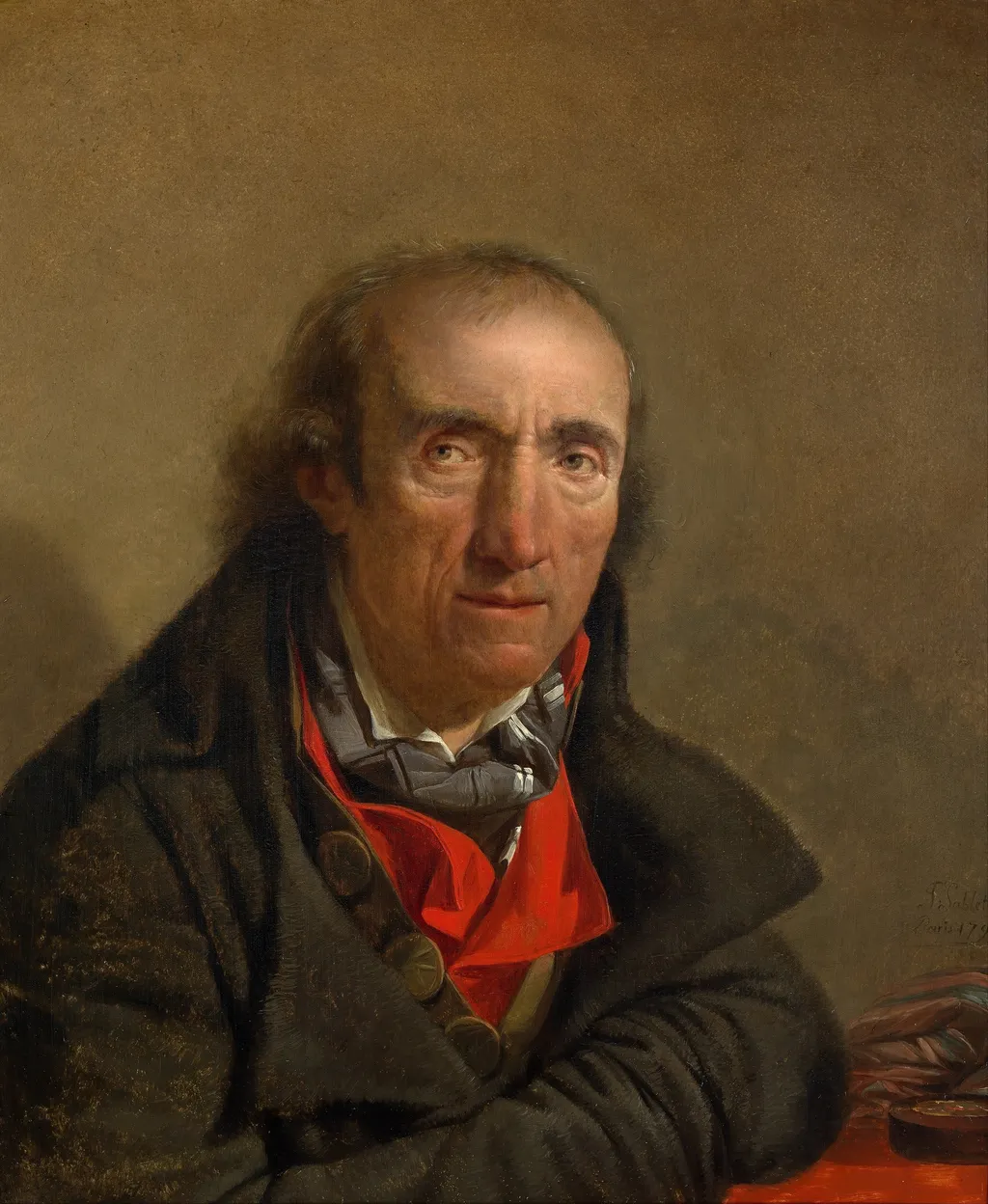
Daniel Kervégan, Mayor of Nantes is an unspecified painting by the French Romanticist artist François Sablet. It dates from 1798 and is held in the collection of the National Gallery of Victoria.
About this work
Overview
The painting is part of the National Gallery of Victoria’s collection, where it serves as a record of civic leadership in post-revolutionary France.
Painted in 1798 by Jean-François Sablet, this portrait captures Daniel Kervégan, then mayor of Nantes. Sablet, a Swiss-French artist from a family of painters, worked during a transitional period in French art, blending classical restraint with emerging Romantic sensibilities. The painting is part of the National Gallery of Victoria’s collection, where it serves as a record of civic leadership in post-revolutionary France.
Subject & Meaning
Daniel Kervégan is portrayed with quiet authority, his expression composed yet softened by a faint smile. His attire—a dark coat with a red scarf—reflects the modest formality of civic officials after the Revolution, rejecting aristocratic opulence while maintaining dignity. The portrait conveys stability and public service, aligning with the values of the Directory era, when local governance sought to rebuild trust after years of upheaval.
Technique & Style
Sablet employs subtle chiaroscuro to model the sitter’s face and coat, lending volume without theatricality. The muted brown background isolates the figure, focusing attention on his posture and facial nuance. Brushwork is precise but not overly refined, avoiding the polish of academic portraiture. The red scarf introduces a restrained chromatic contrast, drawing the eye without disrupting the overall solemnity of the composition.
History & Provenance
Commissioned during Kervégan’s mayoral term, the painting remained in Nantes before entering the National Gallery of Victoria’s collection. Its journey to Australia is undocumented, but its preservation suggests it was valued as a regional historical artifact. The work’s survival through political shifts underscores its role as a quiet testament to civic identity rather than political propaganda.
Context
Painted just after the fall of Robespierre, this portrait emerges from a France redefining leadership. The Directory government emphasized administrative competence over revolutionary fervor. Kervégan’s image reflects this shift: a civilian leader, not a hero or ideologue. Sablet’s approach aligns with a broader trend of portraying officials as sober, reliable figures rather than symbols of power.
Legacy
The portrait endures as a representative example of early Napoleonic-era civic portraiture. It avoids the grandeur of state commissions, instead offering an intimate glimpse into the character of a local administrator. Sablet’s restrained style influenced later French regional portraiture, emphasizing psychological presence over ornamentation, and remains a valuable document of post-revolutionary civic life.
Own this work as a print
Artist & collection
Artist
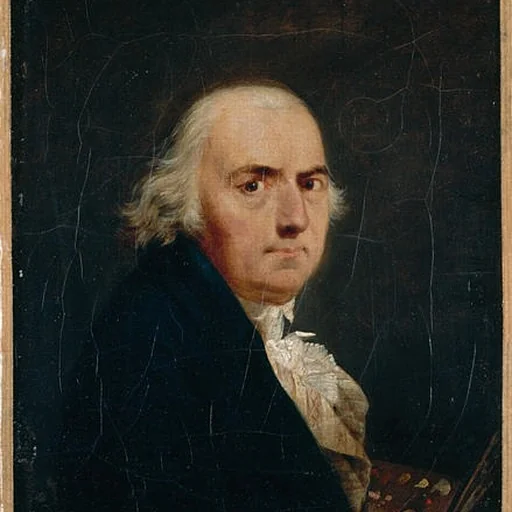
Jean-François Sablet (23 November 1745 – 24 February 1819) was a French painter; part of a family of artists of Swiss origin.

 Portrait of Ambroży Mieroszewski
 The Old Peasant Girard
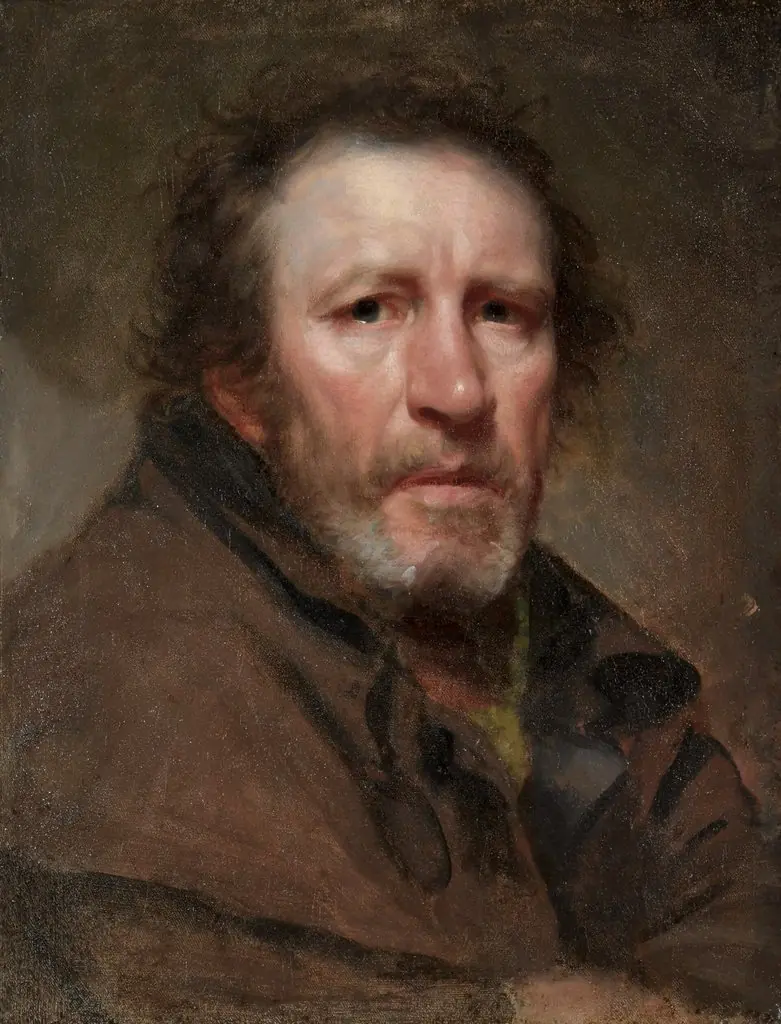 "Old Pat," The Independent Beggar
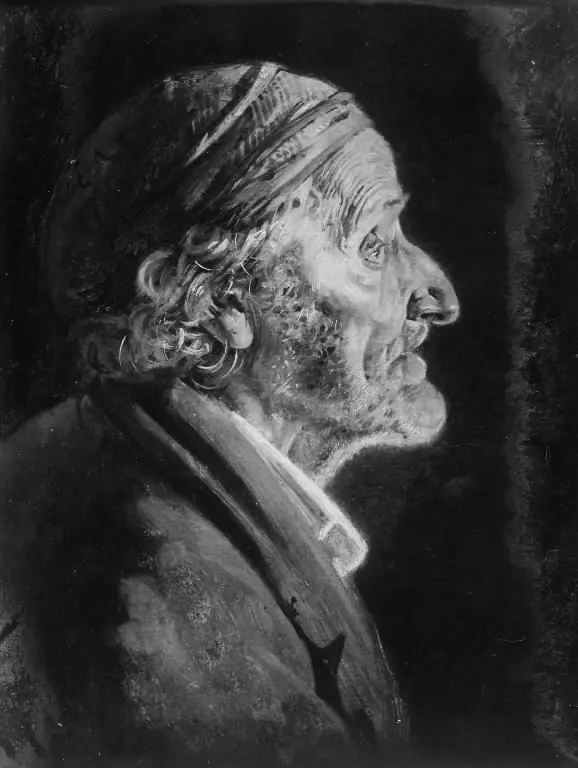 A Neapolitan Fisherman
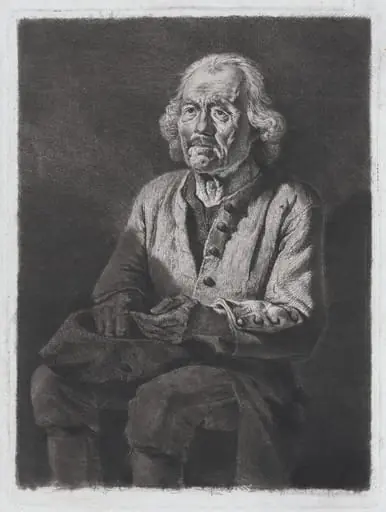 Old Gérard, Peasant from Chasselay
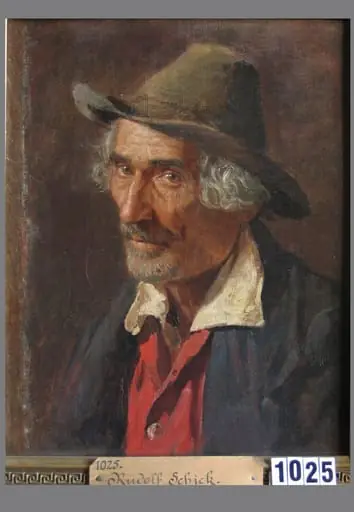 Țăran din Carrara. Pandant: Bătrân din Ciociara (în registrul inventar: Un bătrân)
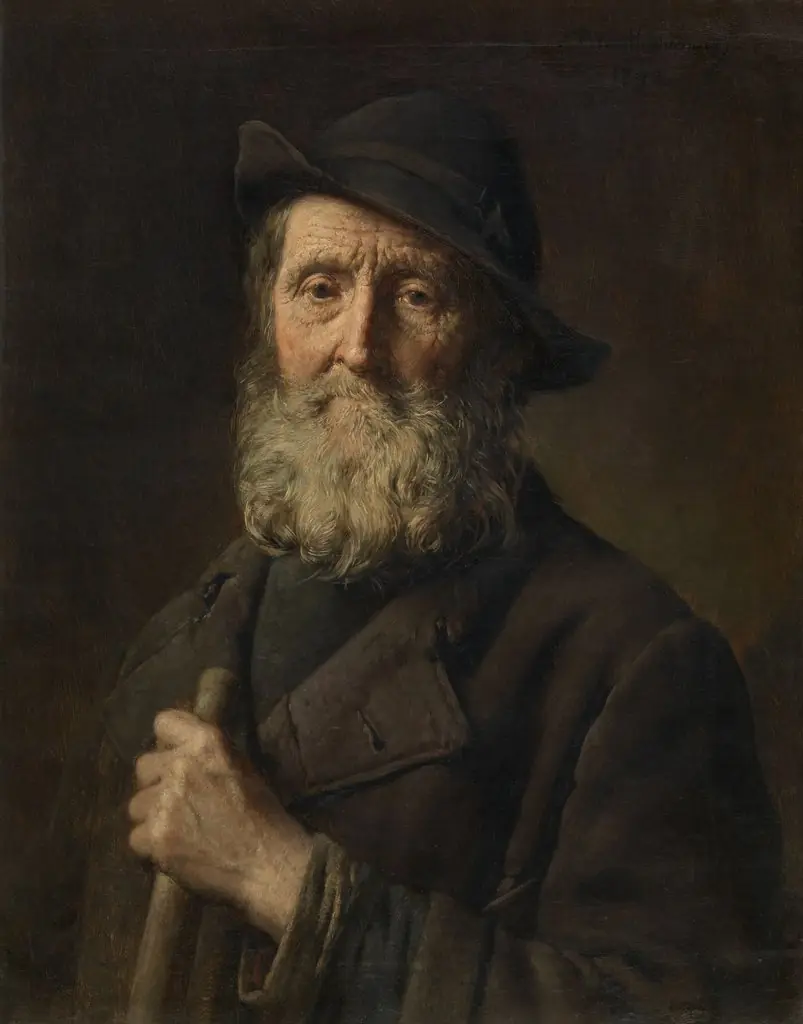 Antwerp Street Sweeper
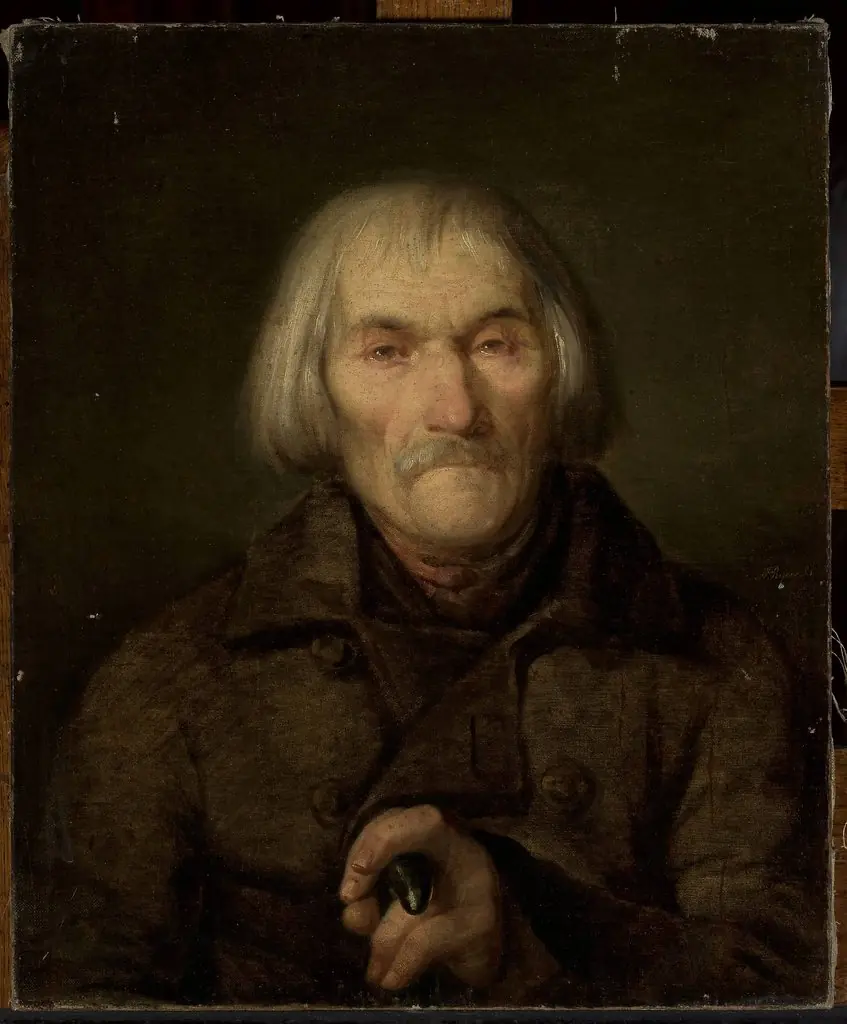 Portrait of an old man
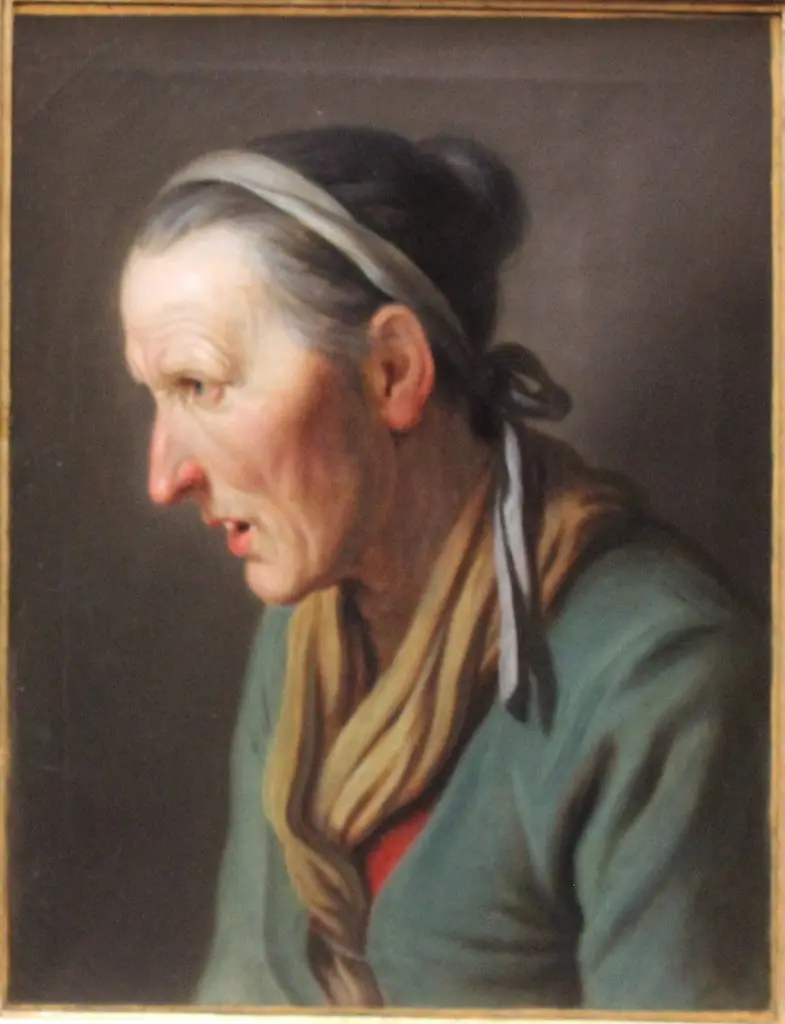 Old woman with jead lowered
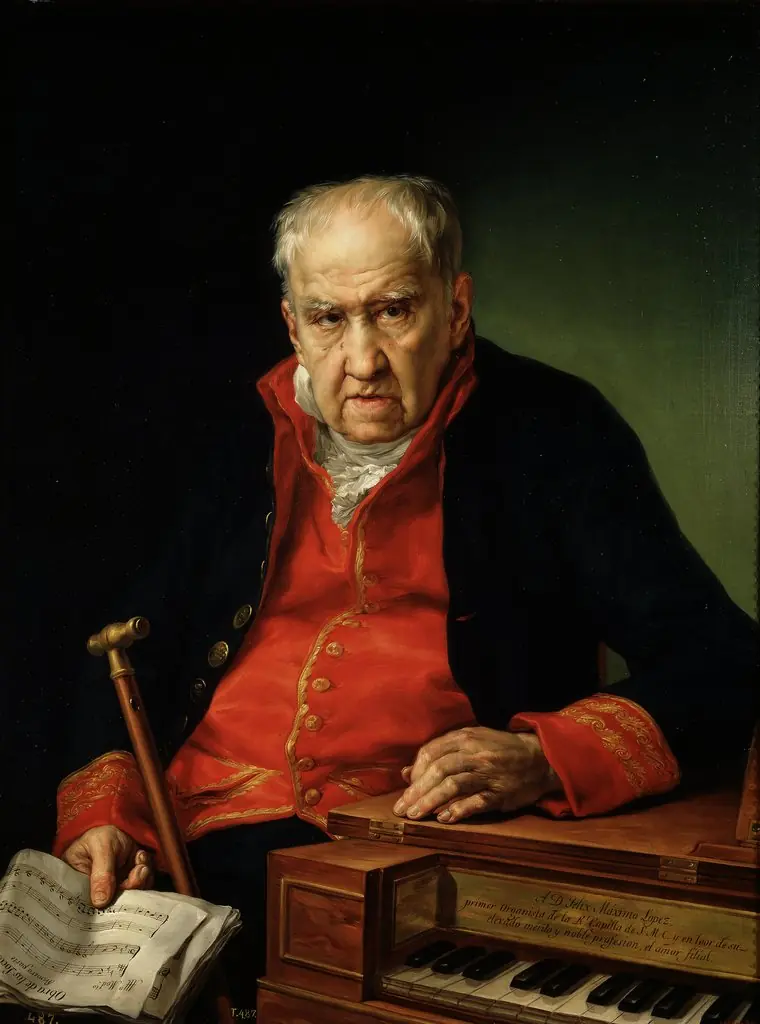 Félix Máximo López, First Organist of the Royal Chapel
 Old man with a red cap
 Peasant taking a pinch of snuff