Artwork
Portrait of Ambroży Mieroszewski
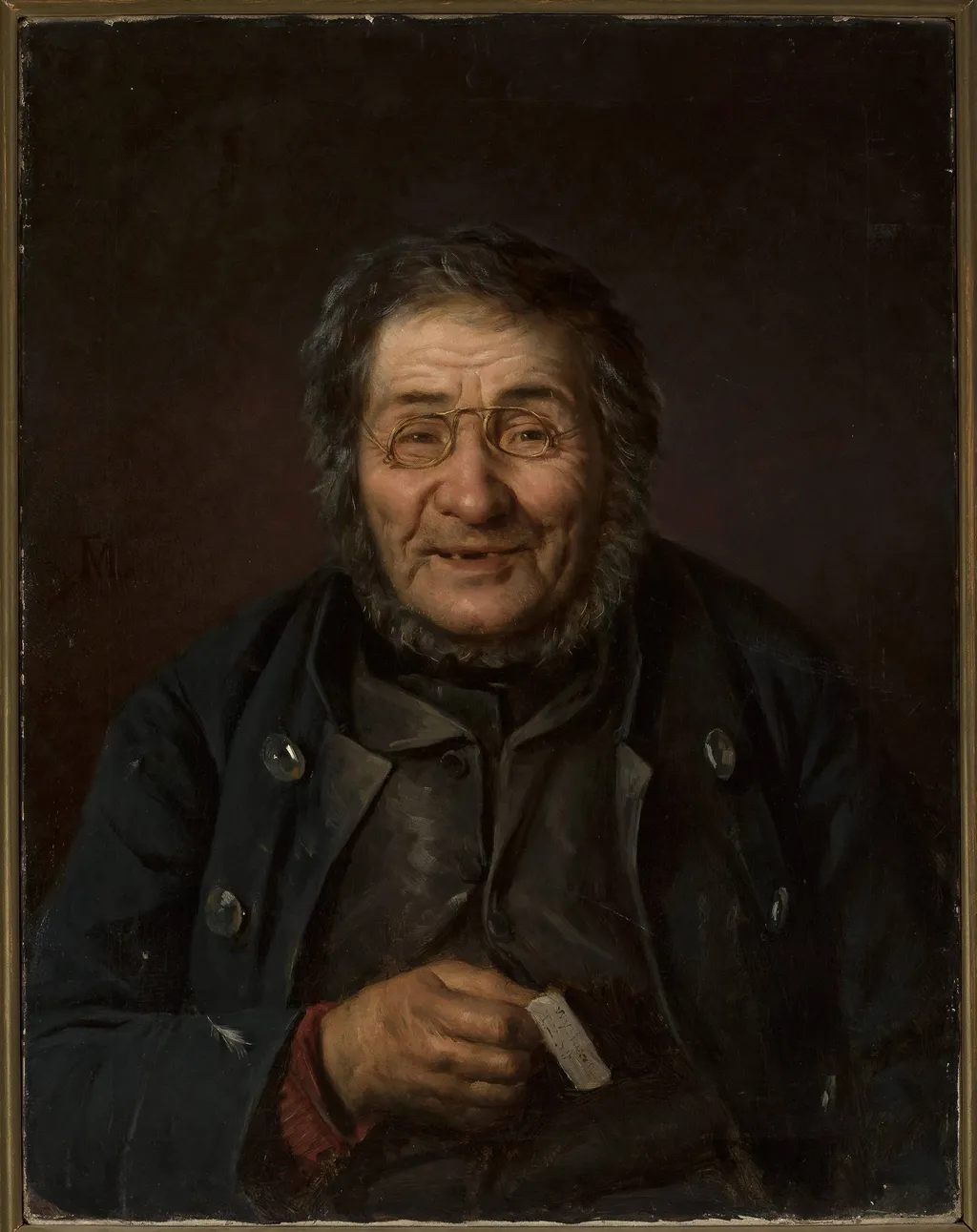
Portrait of Ambroży Mieroszewski is an oil painting by Tytus Maleszewski. It is held in the collection of the National Museum in Warsaw.
About this work
This portrait features a man with dark, curly hair and a beard, wearing a dark jacket with large buttons.
This portrait features a man with dark, curly hair and a beard, wearing a dark jacket with large buttons. He holds a small piece of paper in his right hand.
The man's attire suggests a formal or professional setting, possibly from the 19th century. The artist's use of oil paint and the subject's pose convey a sense of dignity and importance.
To learn more about the artist's style and techniques, explore the works of Tytus Maleszewski.
Overview
This oil painting depicts Ambroży Mieroszewski, a Polish figure of the 19th century, rendered by Tytus Maleszewski. The portrait is part of the National Museum in Warsaw’s collection. It captures the subject in a composed, frontal pose, emphasizing stillness and presence. The medium and scale reflect conventions of academic portraiture from the period, prioritizing clarity and formal dignity over theatricality.
Subject & Meaning
Ambroży Mieroszewski is portrayed with a beard and dark, curly hair, dressed in a tailored dark jacket with prominent buttons, suggesting professional or civic status. He holds a small sheet of paper, possibly a document or letter, hinting at intellectual or administrative engagement. The gesture and attire together imply a man of letters or public service, framed not as a noble but as a respected civilian figure of his time.
Technique & Style
Tytus Maleszewski employed oil paint with restrained brushwork, favoring smooth transitions and subtle tonal shifts over dramatic chiaroscuro. The background is muted, directing focus to the subject’s face and hands. Details like the texture of fabric and the sheen on the paper are rendered with precision, reflecting a commitment to realism and quiet observation rather than embellishment.
History & Provenance
The portrait entered the National Museum in Warsaw’s collection in the 19th or early 20th century, likely through acquisition or donation tied to Polish cultural preservation efforts. Its attribution to Tytus Maleszewski is consistent with his known body of work, which includes portraits of intellectuals and professionals in Warsaw’s artistic circles during the mid-1800s.
Context
Painted during a period of Polish national revival under foreign partition, portraits like this served to affirm individual dignity and cultural identity. Mieroszewski, though not a public revolutionary, represented the educated class sustaining Polish language, law, and civic life. Such images subtly resisted cultural erasure by documenting ordinary yet respected figures.
Legacy
The portrait remains a quiet example of 19th-century Polish academic portraiture, valued for its sincerity and technical restraint. It contributes to the historical record of Warsaw’s intellectual community and reflects Tytus Maleszewski’s role as a documentarian of his contemporaries, preserving faces and attitudes of a generation navigating political constraint.
Artist & collection
Artist
This Polish painter had a habit of painting people who were usually left out of grand portraits.

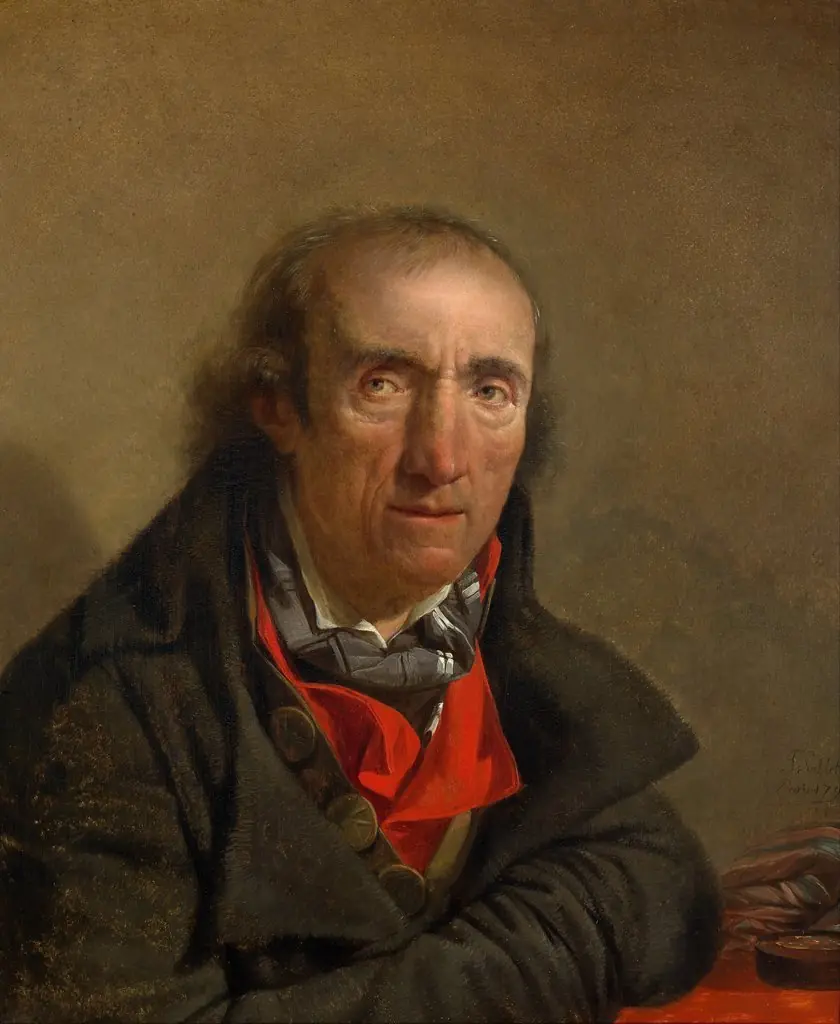 Daniel Kervégan, Mayor of Nantes
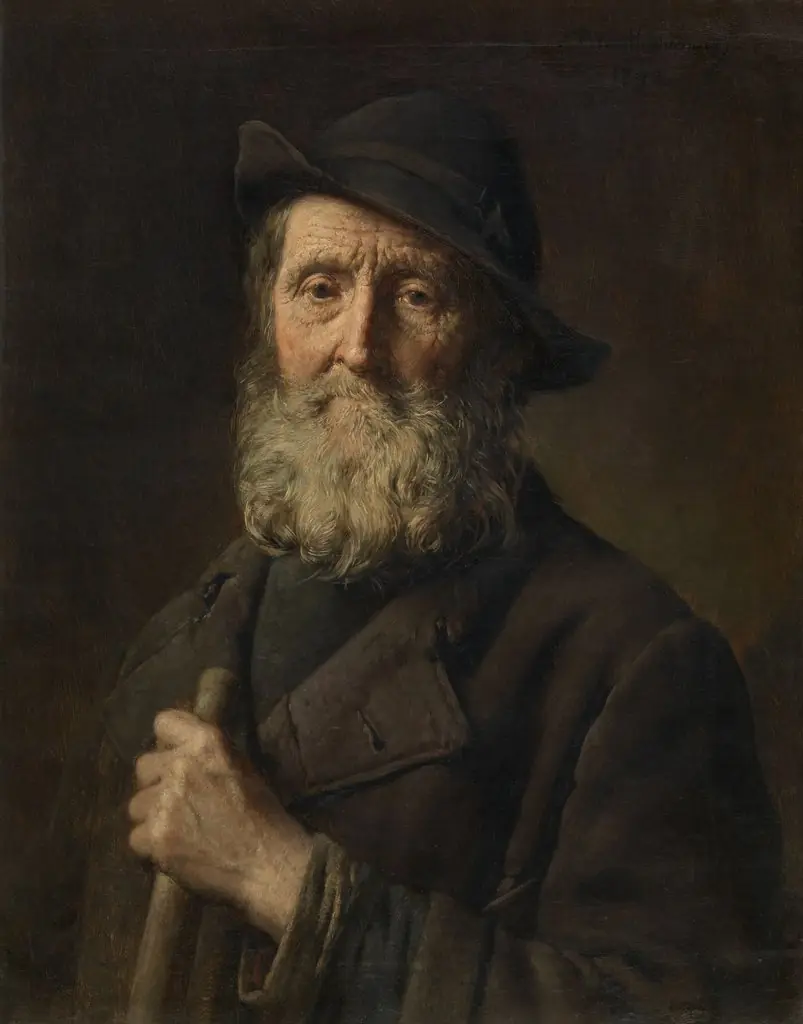 Antwerp Street Sweeper
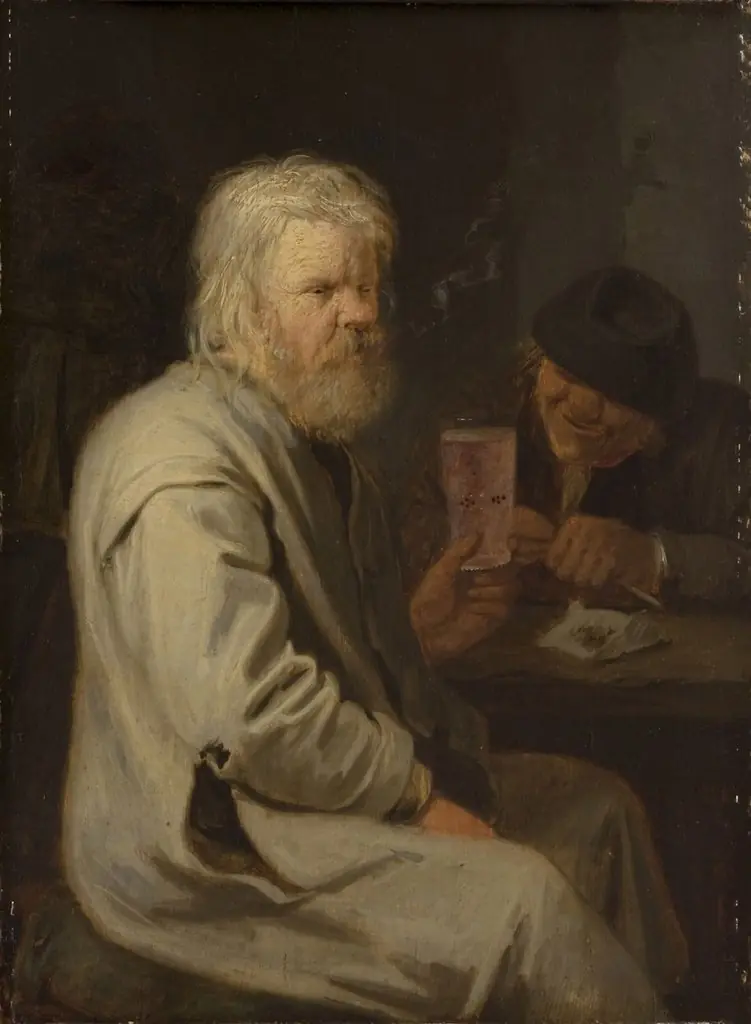 Drinker
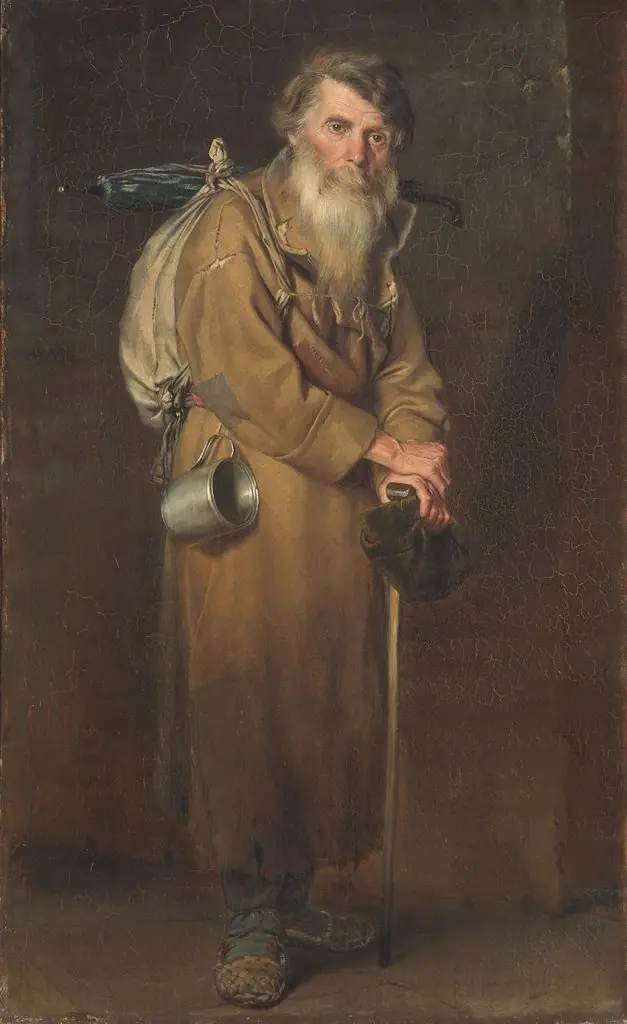 Wanderer by Vasily Perov
 Țăran din Carrara. Pandant: Bătrân din Ciociara (în registrul inventar: Un bătrân)
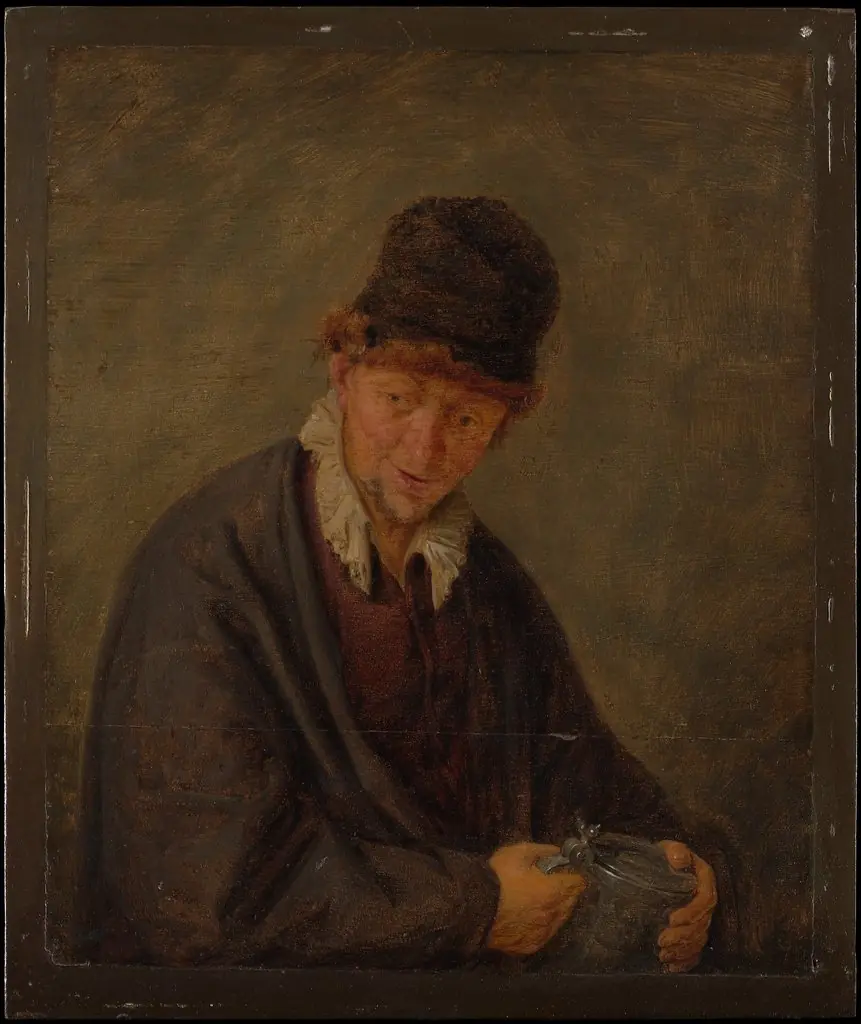 Man with a Tankard
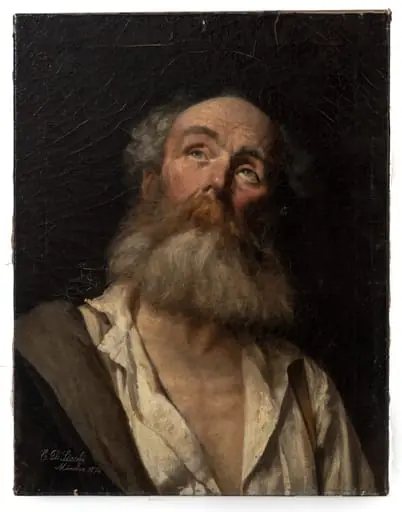 Bătrân privind în sus
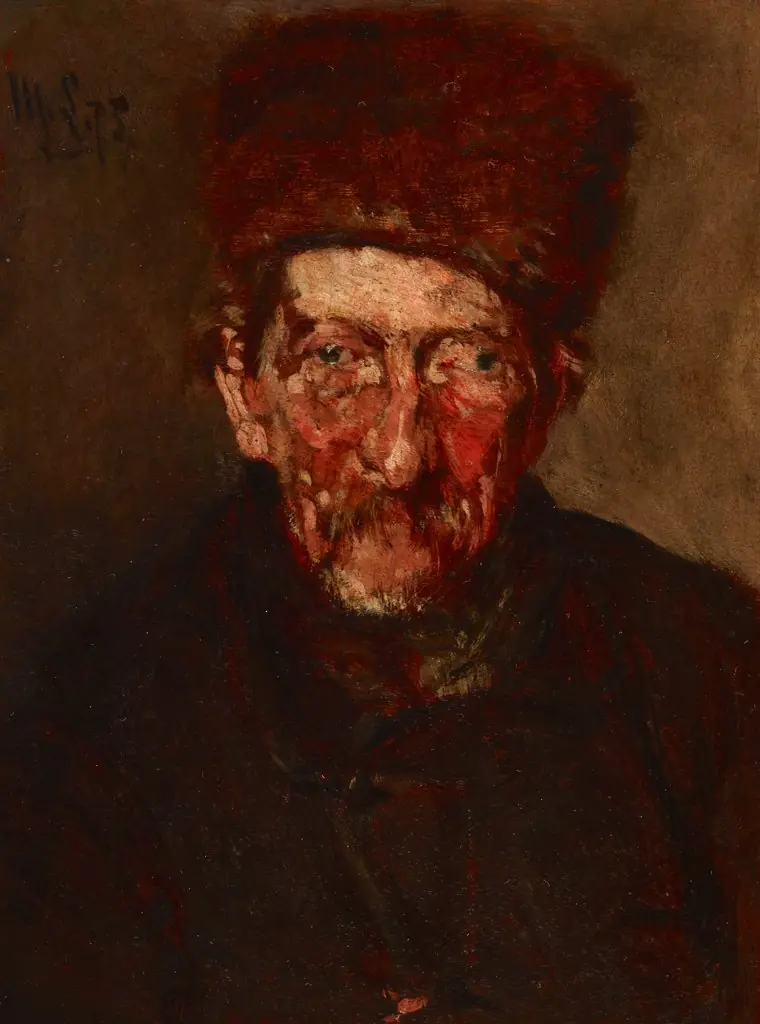 Study: Bust of a Man
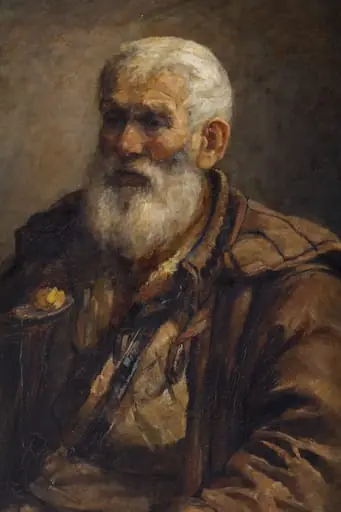 Bătrân mâncând (Un bătrân mâncând mămăligă)
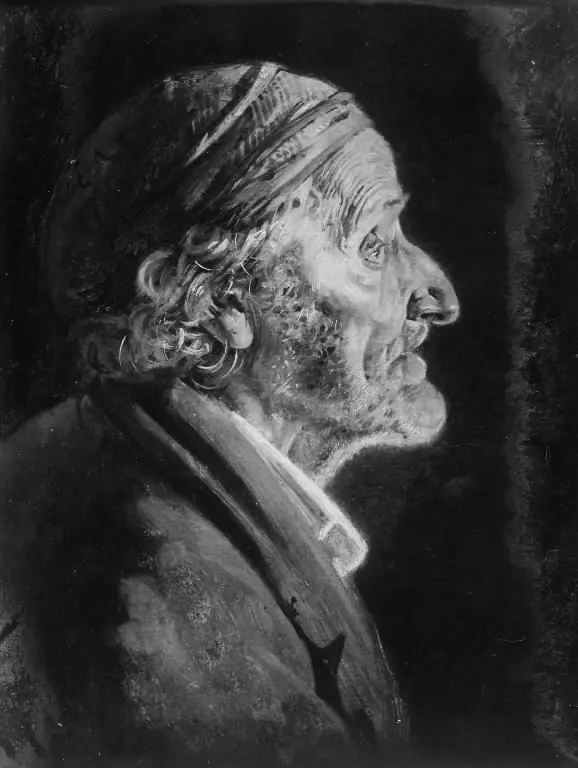 A Neapolitan Fisherman
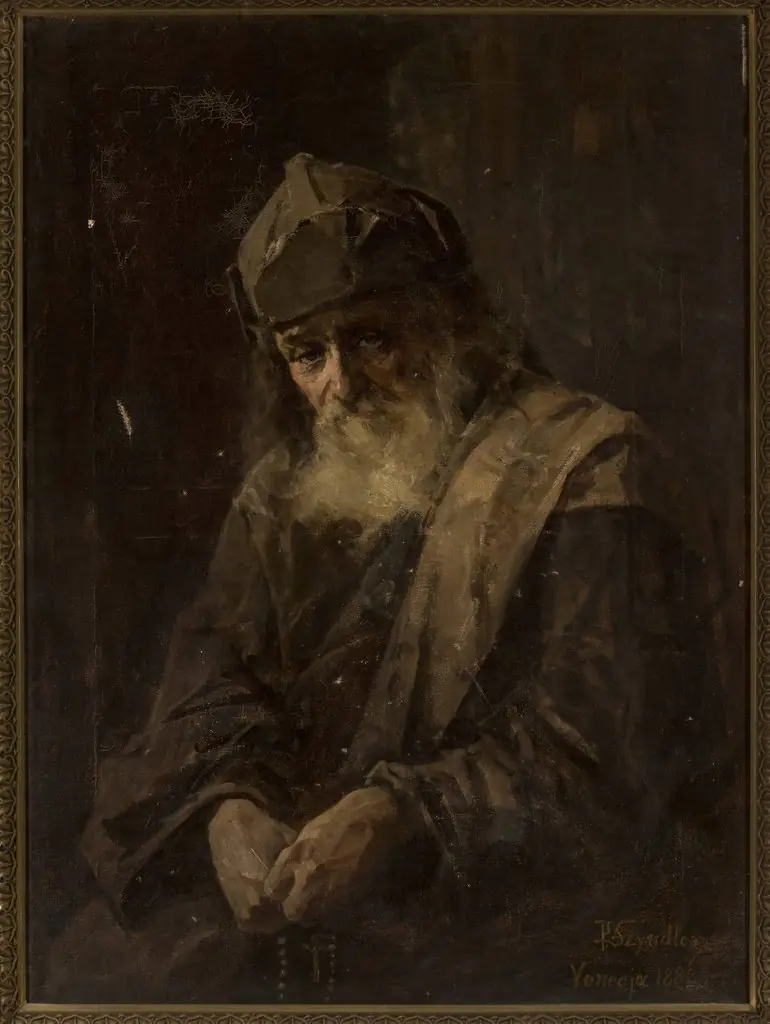 Portrait of a philosopher
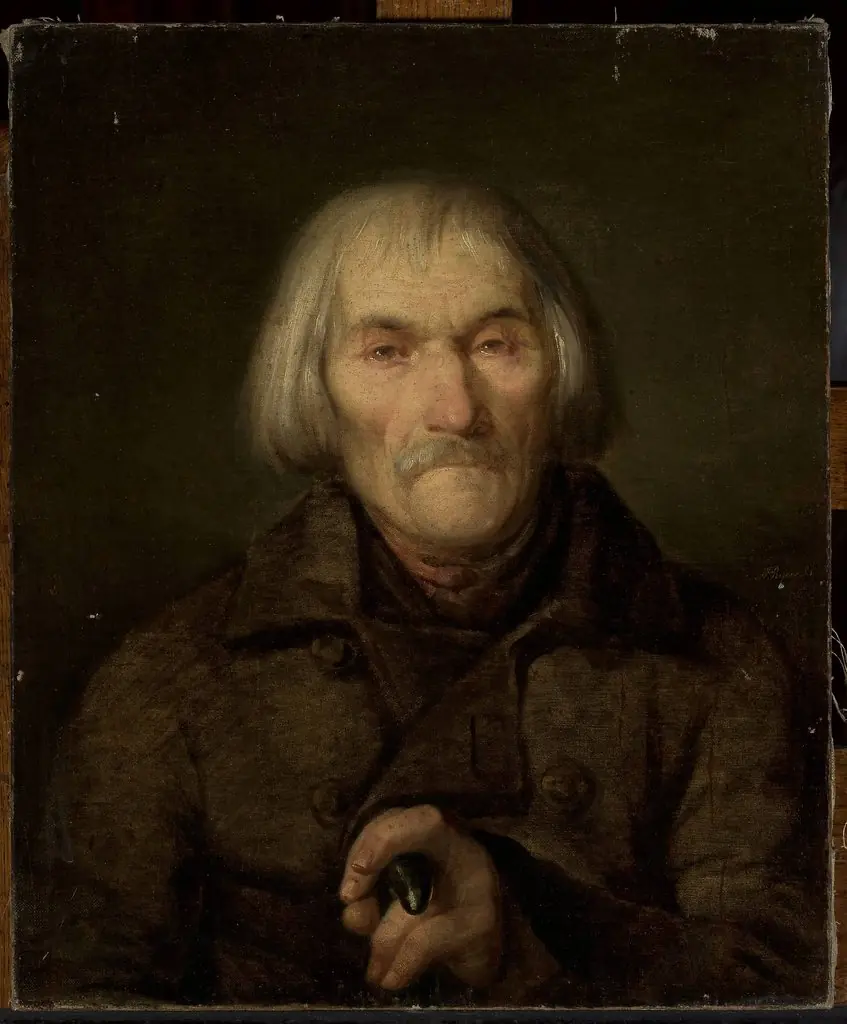 Portrait of an old man