Artwork
Peisaj
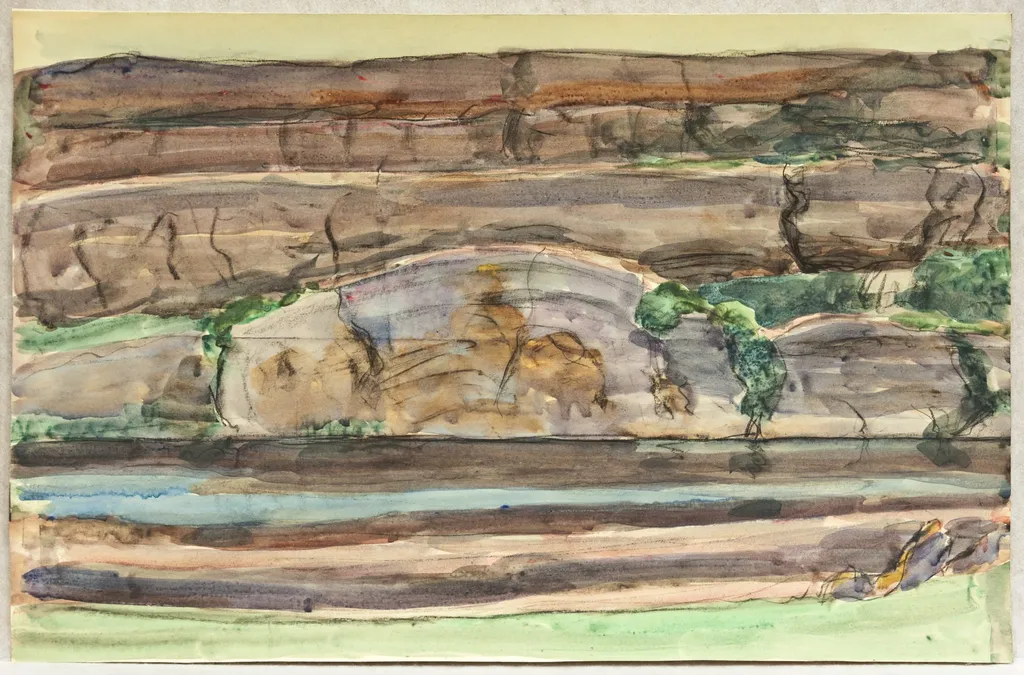
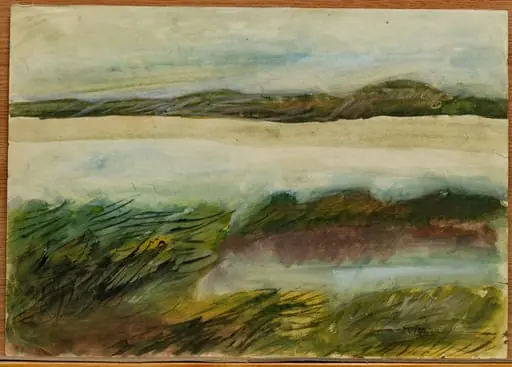
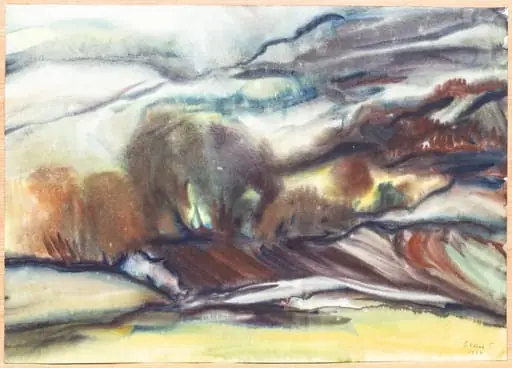
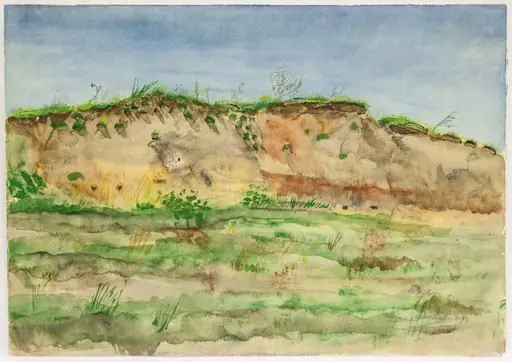
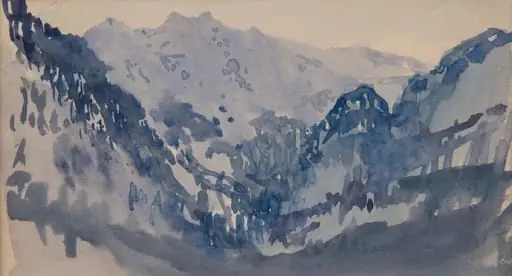
Peisaj is a print by Rodica Maniu. It dates from 1950 and is held in the collection of the Gavrila Simion Eco-Museum Research Institute Tulcea.
About this work
Overview
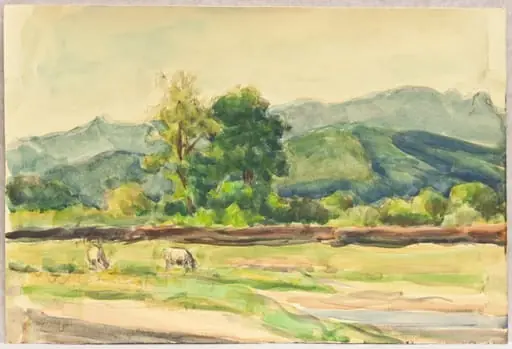
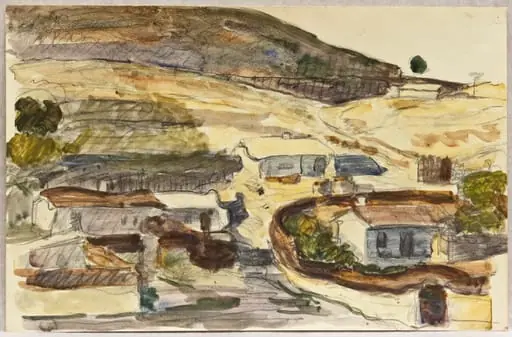
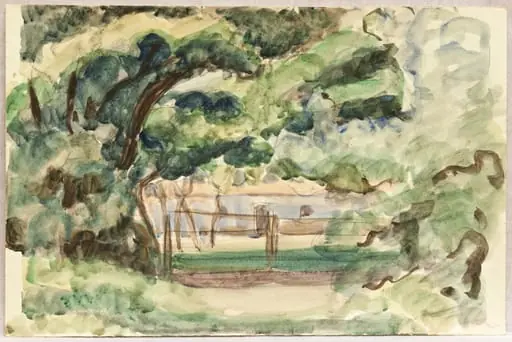
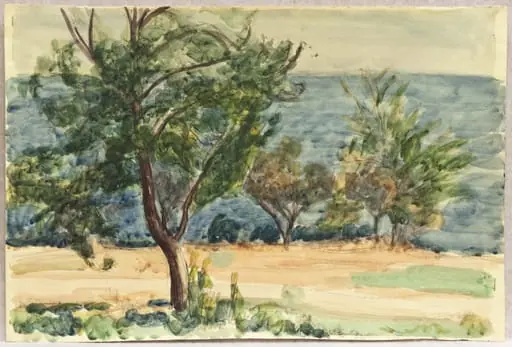
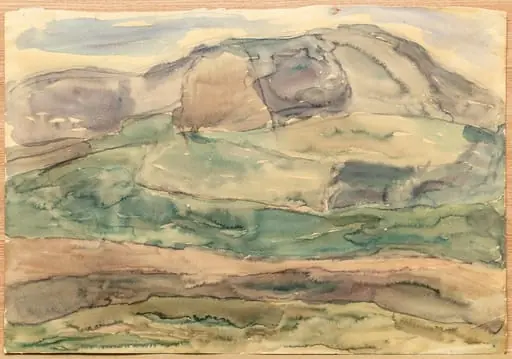
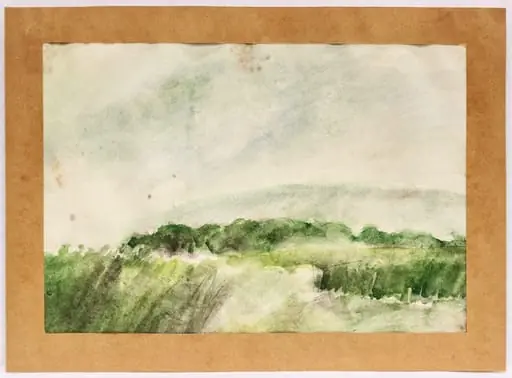
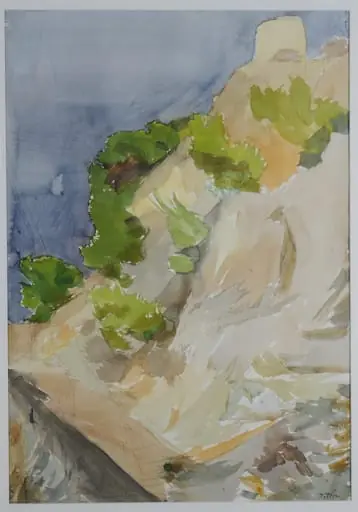
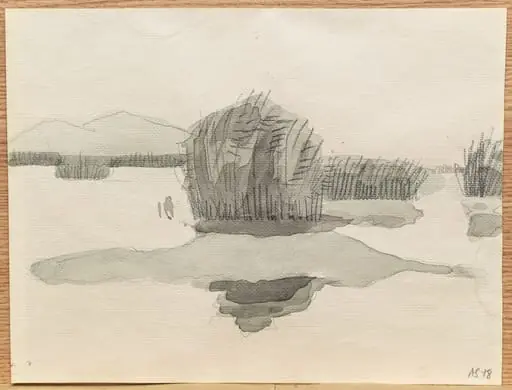
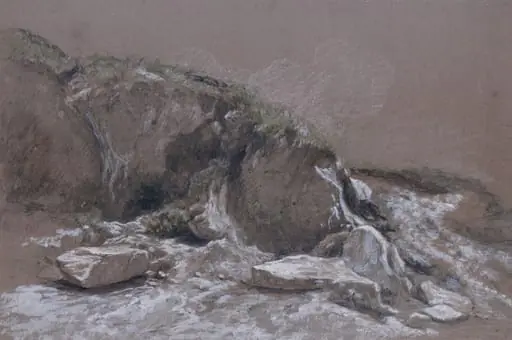
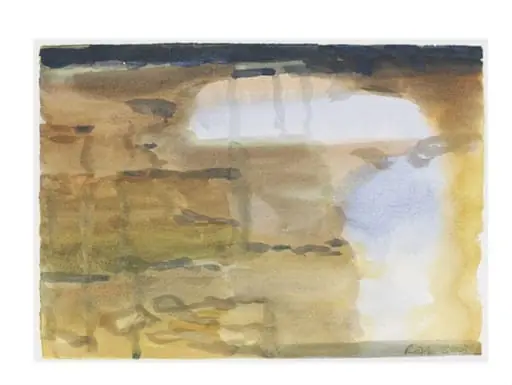
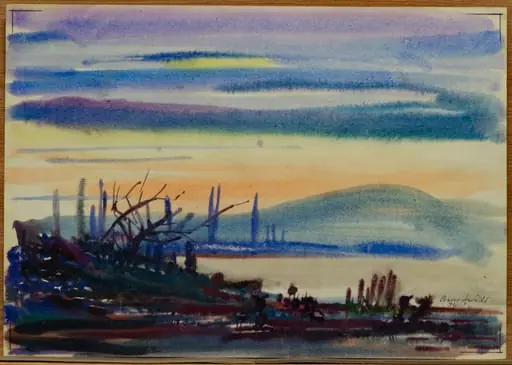
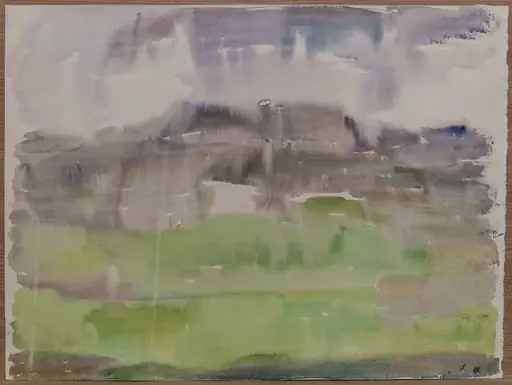
Peisaj, attributed to Romanian painter Rodica Maniu around the early 1950s, is part of the collection of the Museum of Ethnography. The work presents a compact, layered view of a countryside scene, dominated by earthy tones and punctuated by brief accents of blue and red. Its composition is anchored by a river that runs along the lower edge, while irregular hills rise above.
Subject & Meaning
The picture depicts a simplified rural landscape, suggesting a fleeting observation of nature rather than a detailed topographical study. The river may symbolize a life‑giving element, while the uneven hills convey a sense of spontaneity, inviting viewers to contemplate the transitory qualities of the natural world.
Technique & Style
Maniu employs thick, impasto brushwork that leaves the strokes visibly raised, creating a tactile surface. The palette relies on muted browns, greens, and yellows, with occasional splashes of blue and red that break the monotony. The lack of smoothing and the rapid, sketch‑like handling of forms lend the piece an energetic, unfinished character.
History & Provenance
Created circa 1950, Peisaj entered the Museum of Ethnography’s holdings at an unspecified date, where it remains on display. Its acquisition reflects the institution’s interest in mid‑twentieth‑century Romanian visual culture and the representation of regional landscapes.
Context
The early 1950s in Romania were marked by a shift toward socialist realism, yet Maniu’s approach retains a personal, expressive quality. By focusing on a modest, unidealized terrain, the work aligns with contemporary trends that emphasized everyday subjects while allowing for individual artistic interpretation.
Artist & collection
Museum
Gavrila Simion Eco-Museum Research Institute Tulcea
Continue through works from the same source collection.