Artwork
Study of a Young Boy
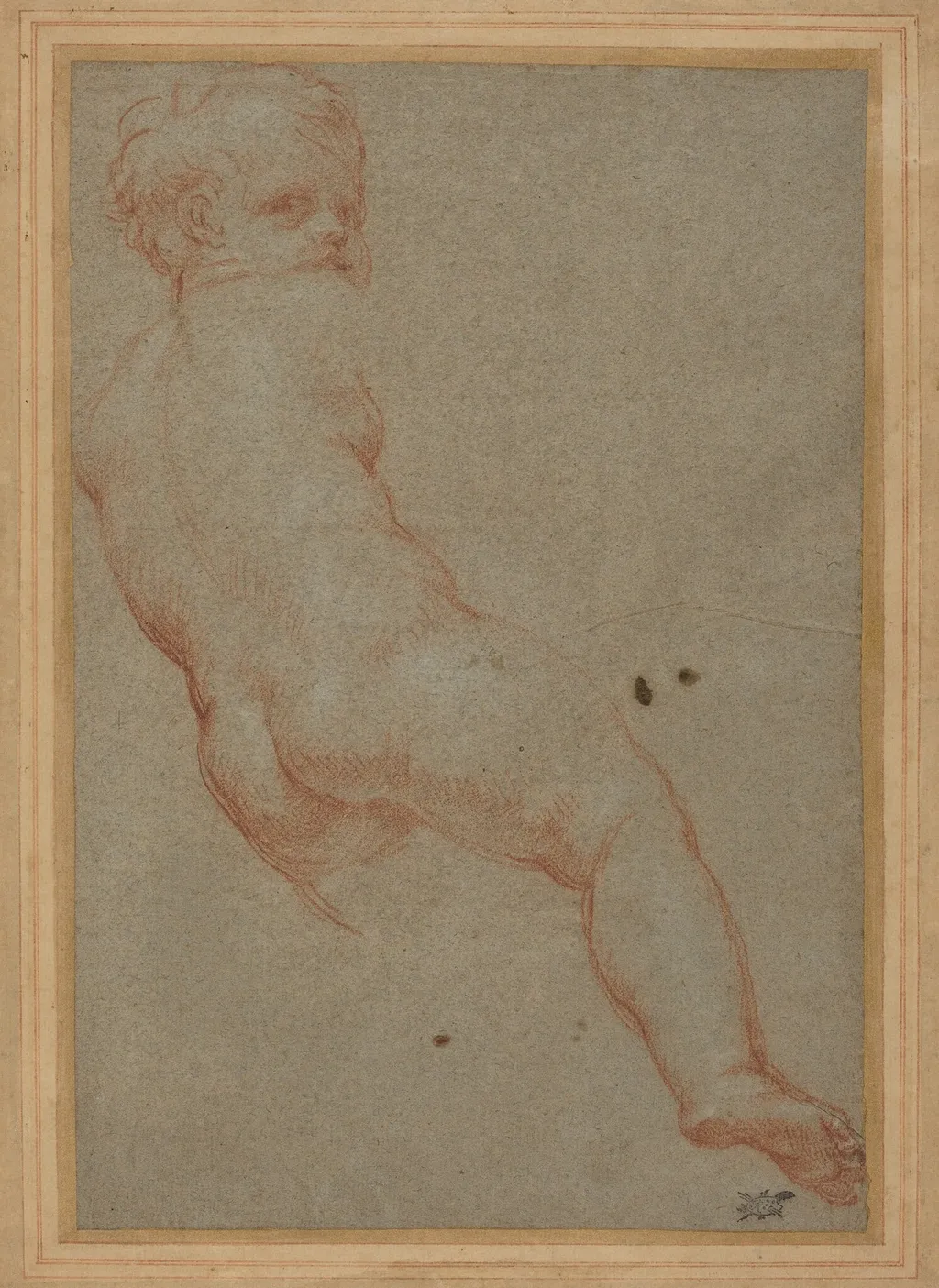
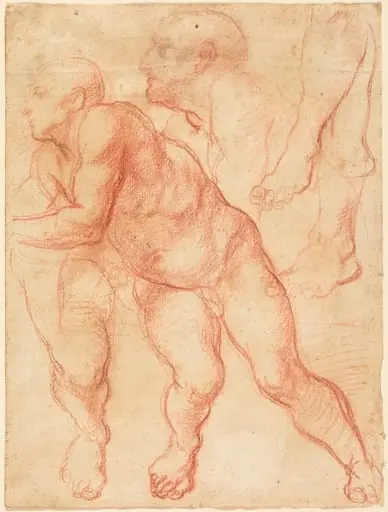
Study of a Young Boy is a chalk drawing by the Baroque artist Carlo Maratta. It dates from 1669 and is held in the collection of the National Gallery of Art.
About this work
Overview
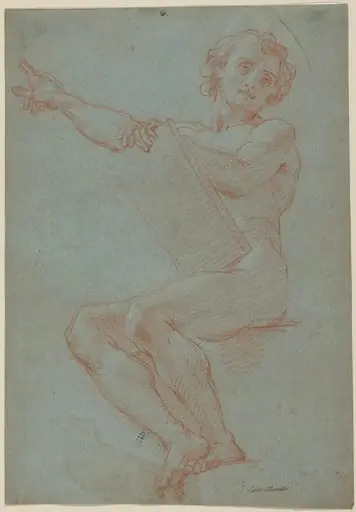
Carlo Maratta’s 1669 drawing, executed in red chalk on a blue laid paper support, presents a portrait of a young boy. The work measures a modest size typical of preparatory studies and focuses on the sitter’s face and upper torso, rendered with a delicate hand that emphasizes subtle tonal transitions.
Subject & Meaning
The figure displays a calm, gentle expression, with softened facial features that suggest innocence and quiet contemplation. While no narrative context is provided, the tender portrayal aligns with the period’s interest in capturing the natural disposition of children, offering a glimpse into domestic or pedagogical themes prevalent in 17th‑century portraiture.
Technique & Style
Maratta employs a layered application of red chalk, building thin, translucent strokes that create a hazy, atmospheric quality reminiscent of the sfumato technique traditionally associated with oil painting. The use of a blue underlay enhances the warmth of the chalk, allowing nuanced modeling of volume and depth across the boy’s skin and clothing.
History & Provenance
Created in 1669, the drawing is documented as part of Maratta’s oeuvre of preparatory studies. It entered the museum’s collection through acquisition records dating to the early 20th century, though earlier ownership details remain sparse. The work is catalogued among the institution’s holdings of Baroque drawings on paper.
Artist & collection


![Nude Male Figure [recto], by Italian 17th Century](https://artifactworldgallery.com/img/italian-17th-century--nude-male-figure-recto--f1cc965df272e72c-w320.webp)
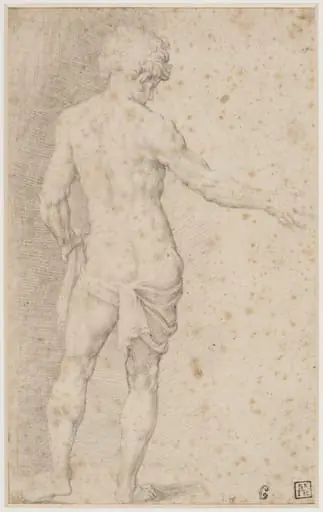
![A Man Seen from Behind [recto], by Taddeo Zuccaro](https://artifactworldgallery.com/img/taddeo-zuccaro--a-man-seen-from-behind-recto--aa5baa2752dbdfca-w320.webp)