Artwork
Kochanowski tomb at the Powązki cemetery
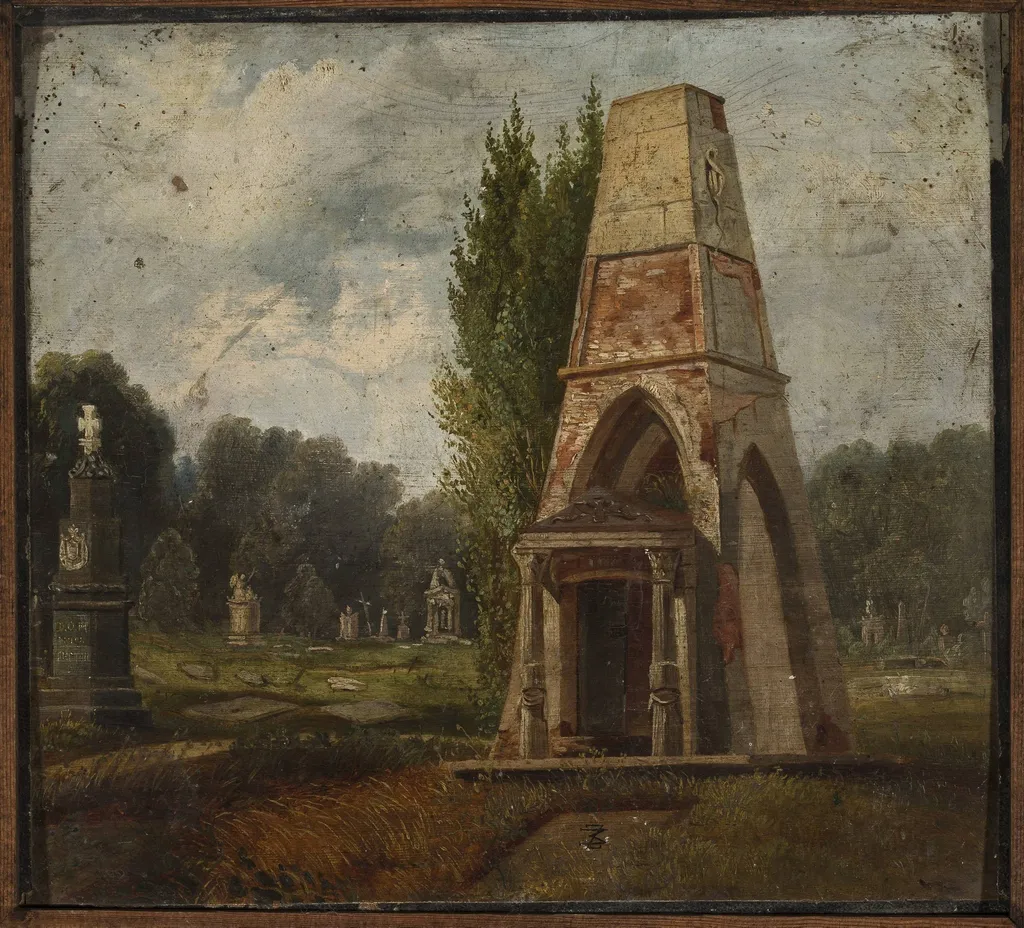
Kochanowski tomb at the Powązki cemetery is an oil painting by Marcin Zaleski. It dates from 1846 and is held in the collection of the National Museum in Warsaw.
About this work
Overview
Painted around 1846 by Marcin Zaleski, this oil-on-canvas work depicts the tomb of the Polish poet Jan Kochanowski within Warsaw’s Powązki Cemetery.
Painted around 1846 by Marcin Zaleski, this oil-on-canvas work depicts the tomb of the Polish poet Jan Kochanowski within Warsaw’s Powązki Cemetery. Zaleski, known for his precise topographical views, rendered the scene with quiet attention to architectural detail and atmospheric tone. The painting belongs to the National Museum in Warsaw’s collection and reflects his broader focus on documenting urban and memorial landscapes of Poland’s major cities.
Subject & Meaning
The subject is the funerary monument of Jan Kochanowski, a revered 16th-century poet whose legacy symbolized Polish cultural identity. By portraying his tomb in a quiet, overcast cemetery setting, Zaleski emphasizes reverence and continuity rather than grandeur. The modest stone structure, partially obscured by trees and neighboring graves, suggests contemplation and the passage of time, aligning with 19th-century Romantic sensibilities toward memory and national heritage.
Technique & Style
Zaleski employed oil paint to achieve subtle gradations of light and texture, capturing the weathered surface of the tombstone and the soft diffused sky. His brushwork is controlled and observational, favoring clarity over emotional dramatization. The composition is balanced and grounded, with the tomb centered amid surrounding graves and foliage, reflecting his training as a vedutist—specializing in accurate, detailed depictions of real places.
History & Provenance
Created in 1846, the painting emerged during a period of renewed interest in Polish historical figures under foreign partition. Zaleski’s depiction of Kochanowski’s tomb was likely intended as a quiet act of cultural preservation. It entered the National Museum in Warsaw’s collection in the 19th century and has remained there since, serving as both a topographical record and a tribute to national literary tradition.
Context
In mid-19th-century Poland, public memory of historical figures like Kochanowski took on political resonance amid partitions by neighboring empires. Zaleski’s focus on real, existing monuments aligned with a broader movement to document and sustain national identity through visual culture. His vedute paintings, including this one, functioned as visual archives, preserving sites that carried symbolic weight beyond their physical form.
Legacy
Zaleski’s work contributed to the documentation of Poland’s architectural and memorial landscapes during a time of national fragmentation. While not widely known outside Poland, his precise renderings of cemeteries, streets, and monuments remain valuable historical records. This painting, in particular, endures as a quiet testament to the enduring presence of cultural memory in public space.
Artist & collection
Artist
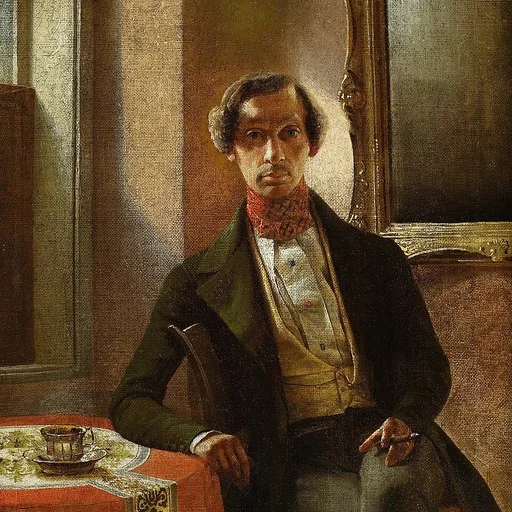
Marcin Zaleski (1796 – 16 September 1877) was a Polish painter, a representative of Neoclassicism, considered the greatest Polish vedutist of the 19th century. He mostly painted the cityscapes of Warsaw, Kraków and Wilno.

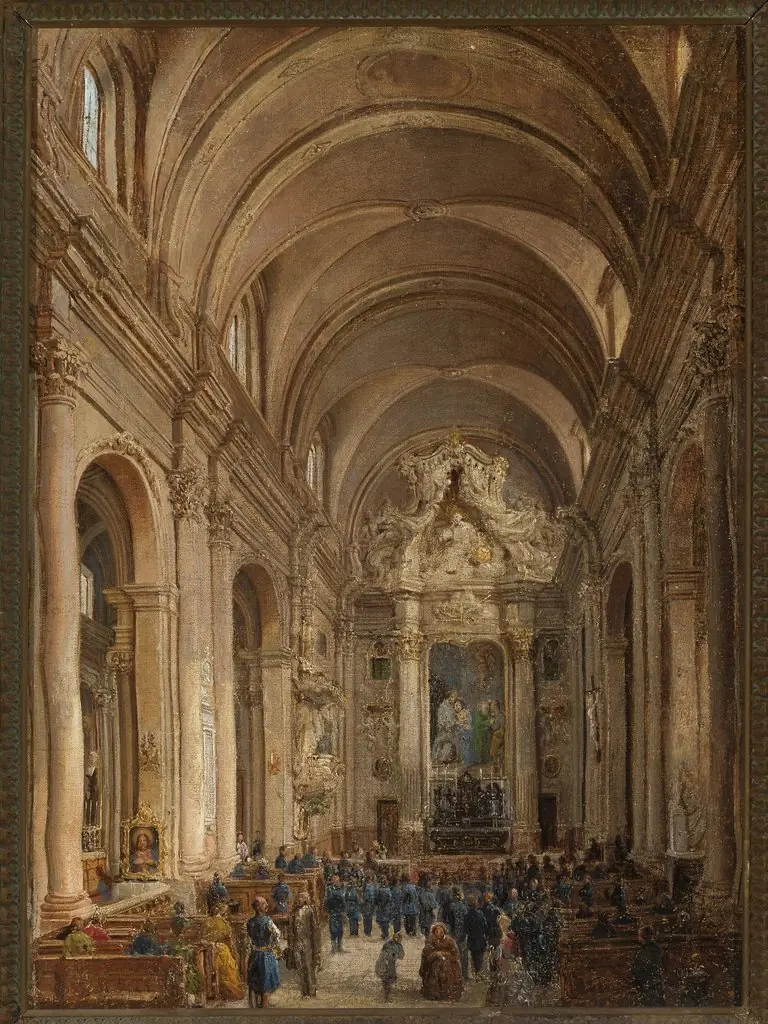 Church of the Nuns of the Visitation in Warsaw
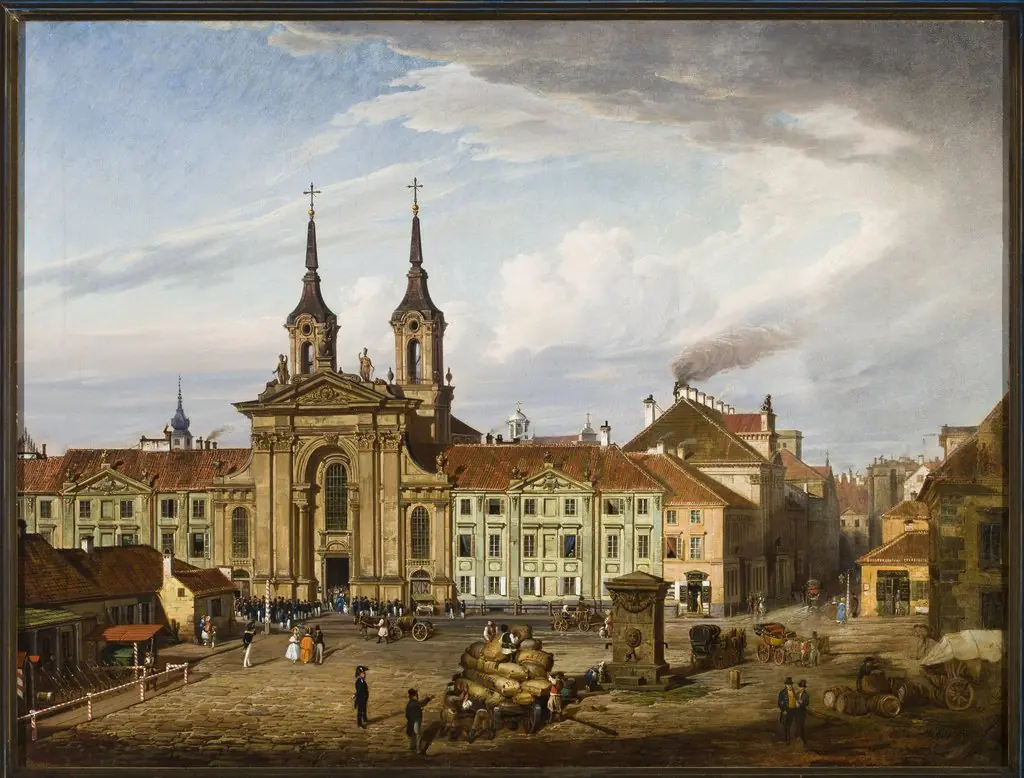 Krasiński Square and the Piarist church
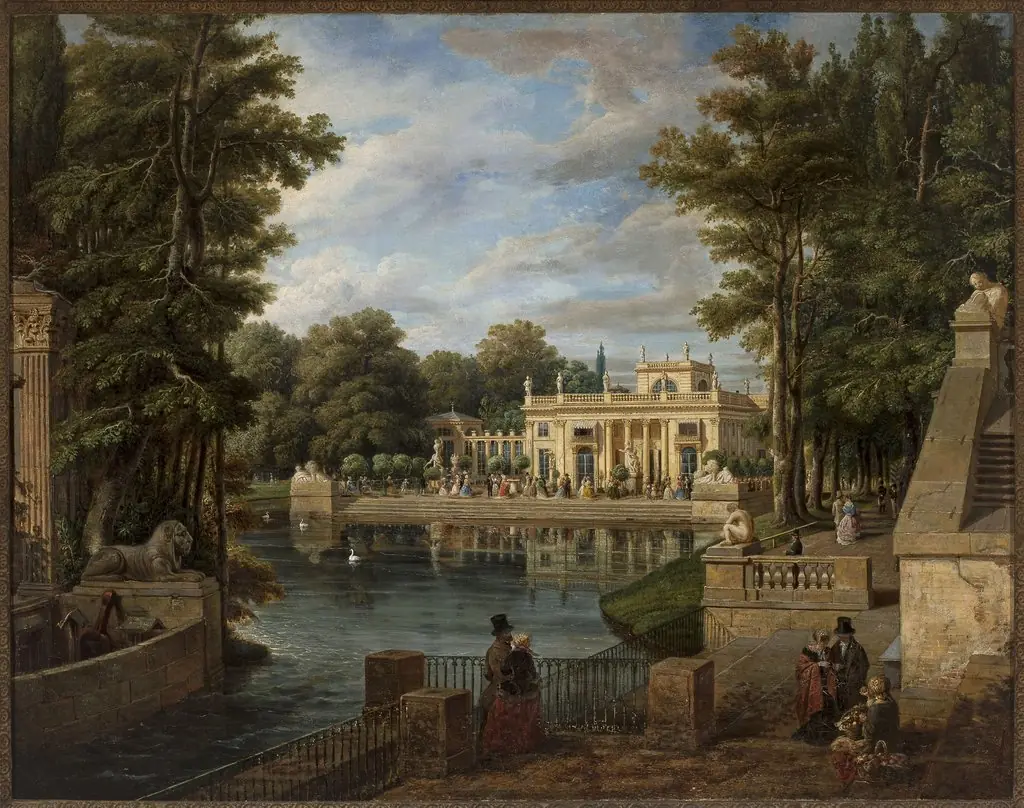 View of the Łazienki Palace in summer
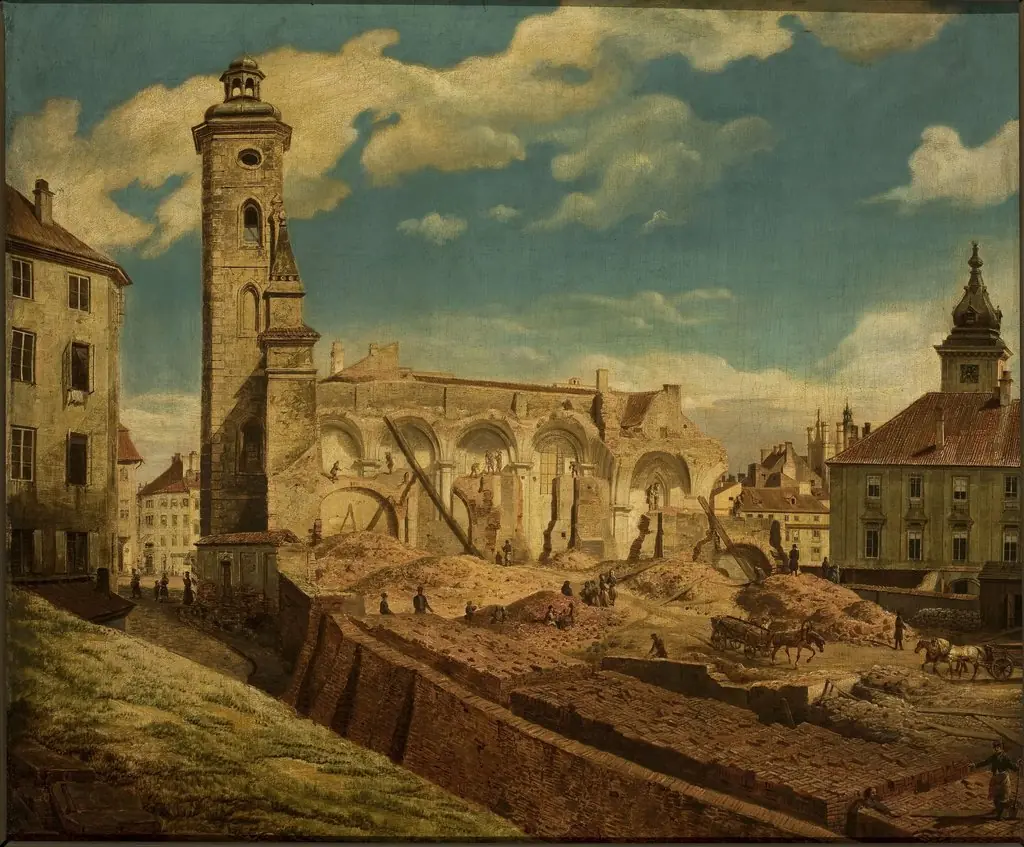 Demoliition of the church of the Bernardine Sisters in Warsaw
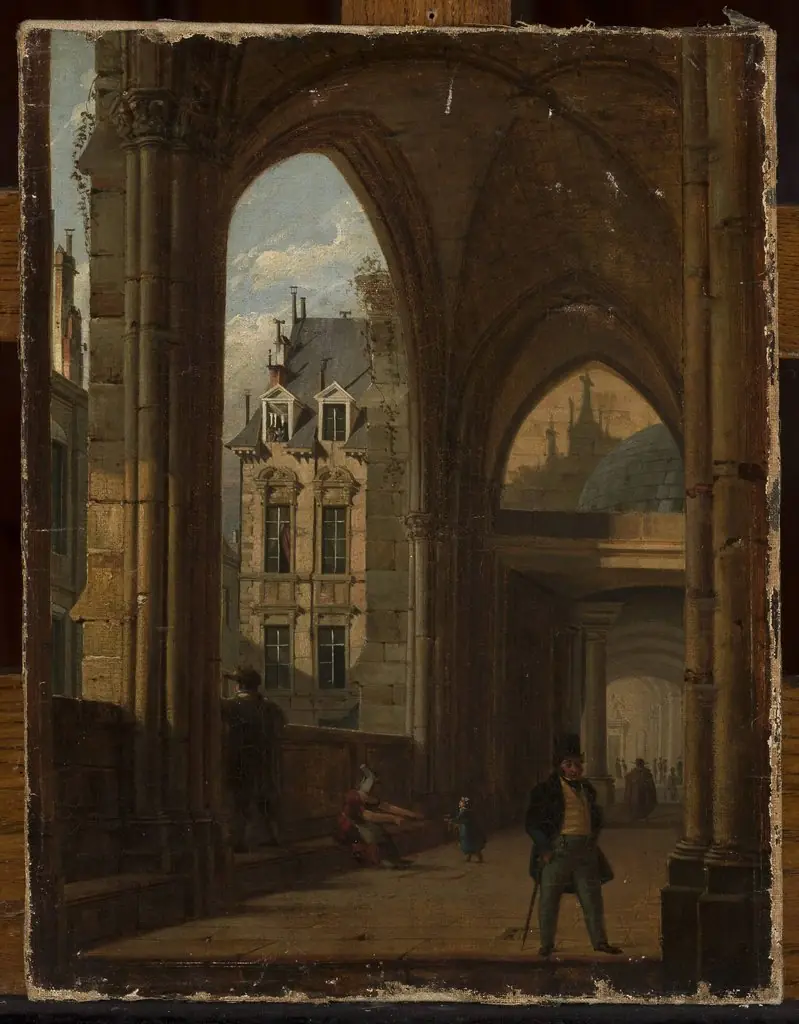 Arcades with the view of the city
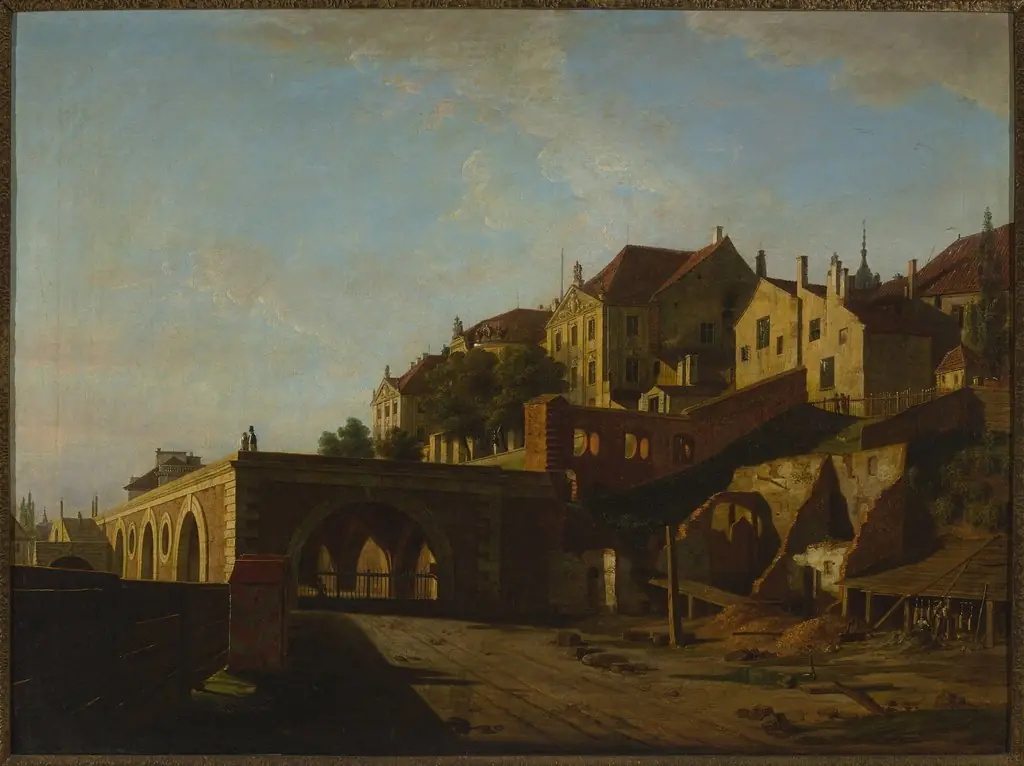 View of the castle from the north
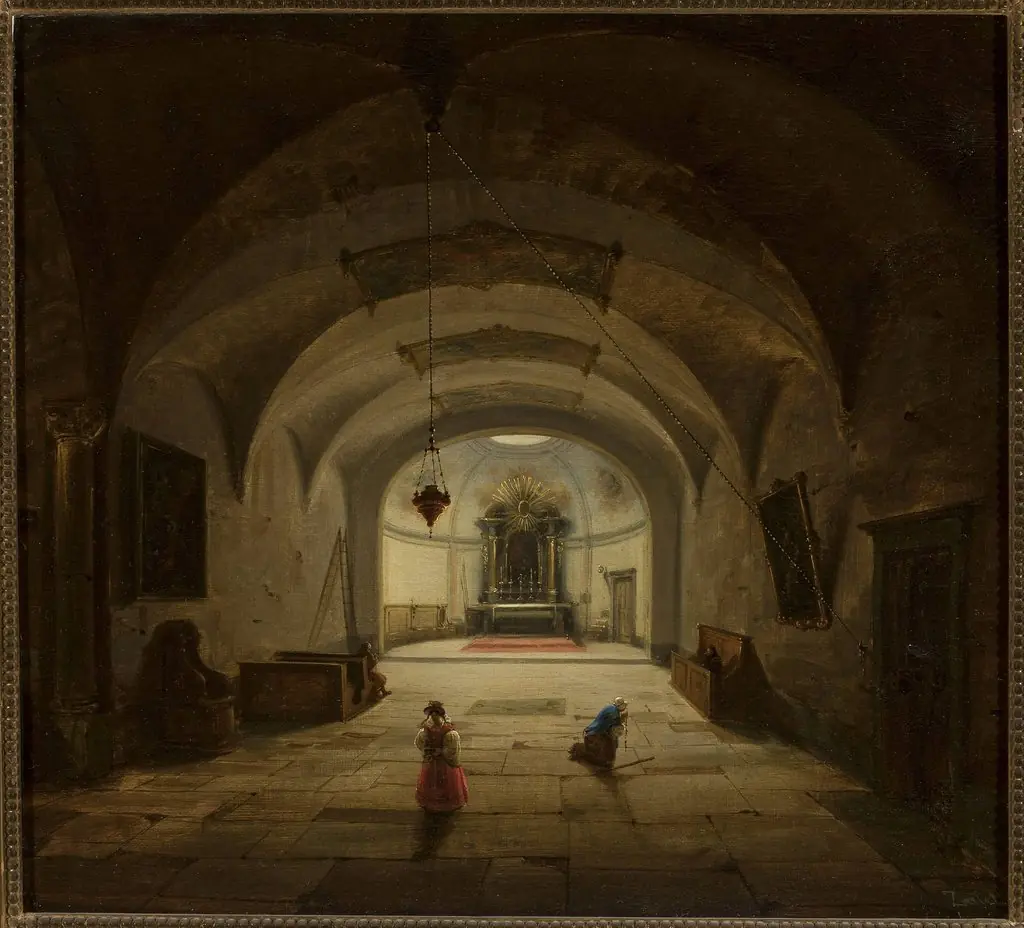 Interior of the subterranean chapel
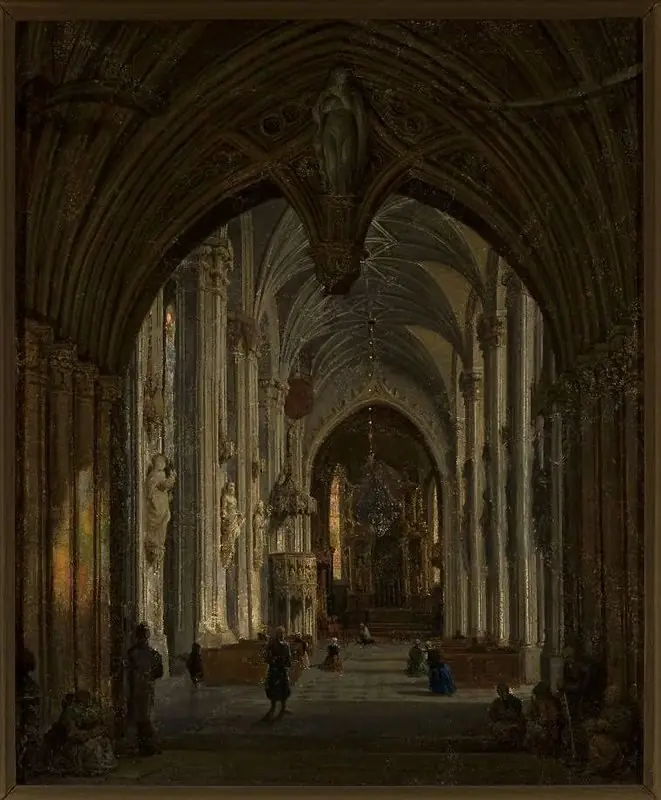 Interior of St. John’s Cathedral in Warsaw
 Park View
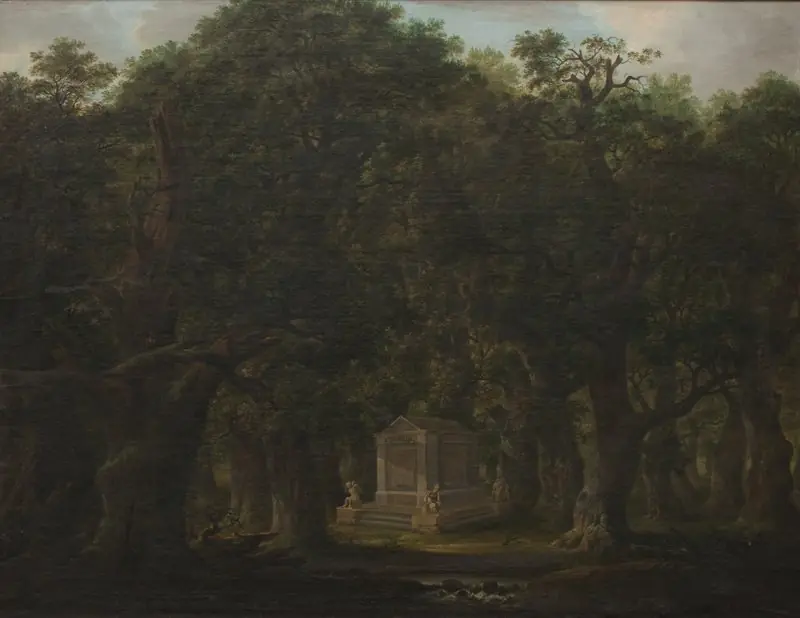 Monument in an Oak Wood
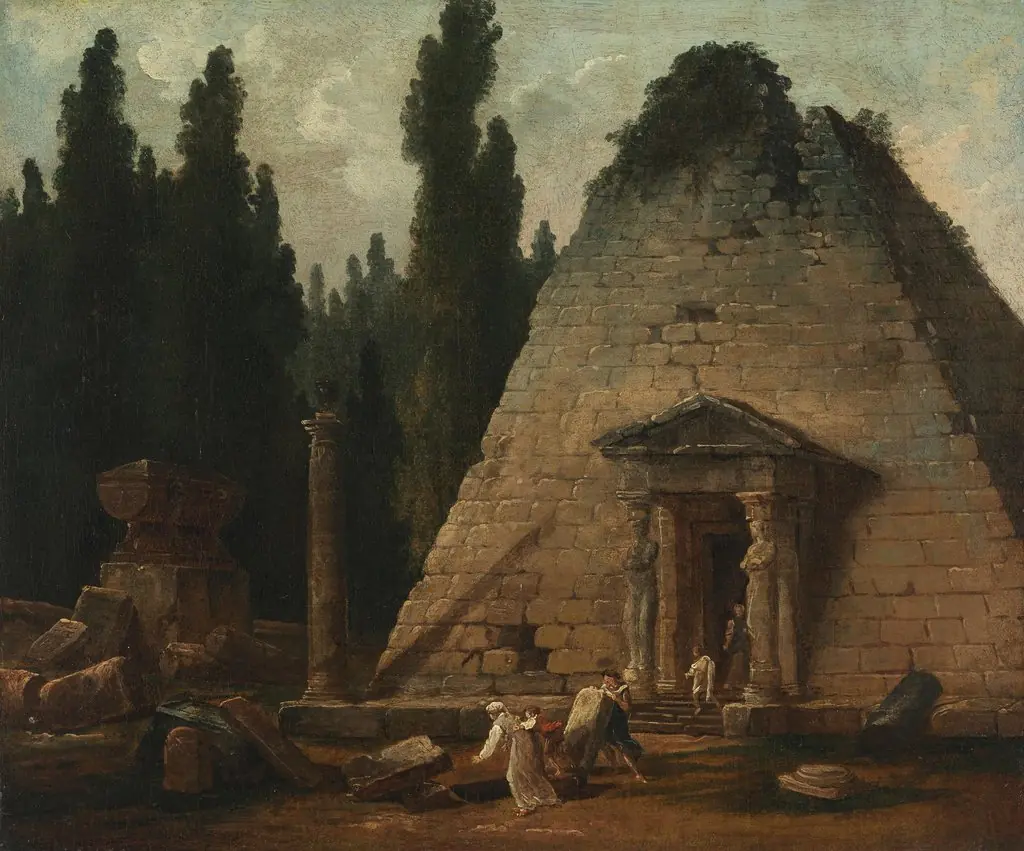 Die Pyramide im Park von Mauperthuis
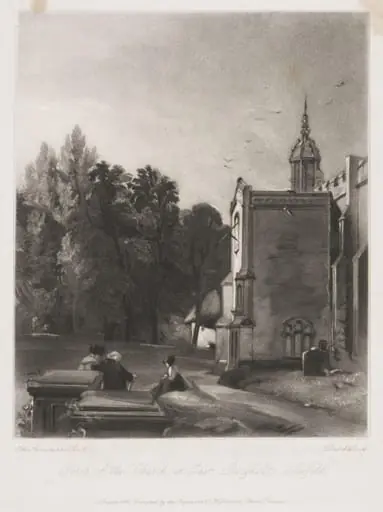 Porch of the Church at East Bergholt, Suffolk
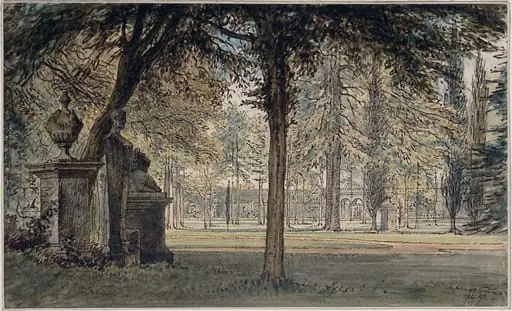 Royal Horticultural Society's Gardens, Chiswick
 Porch of the Church at East Bergholt, Suffolk
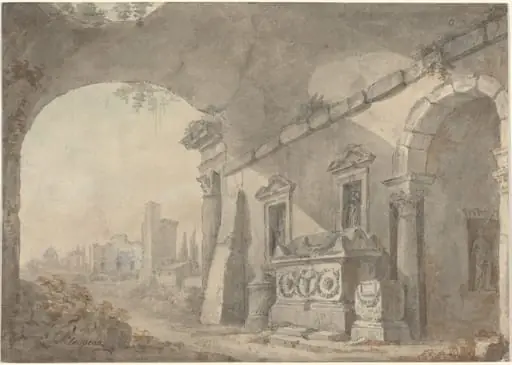 Roman Ruins with a Sepulchre
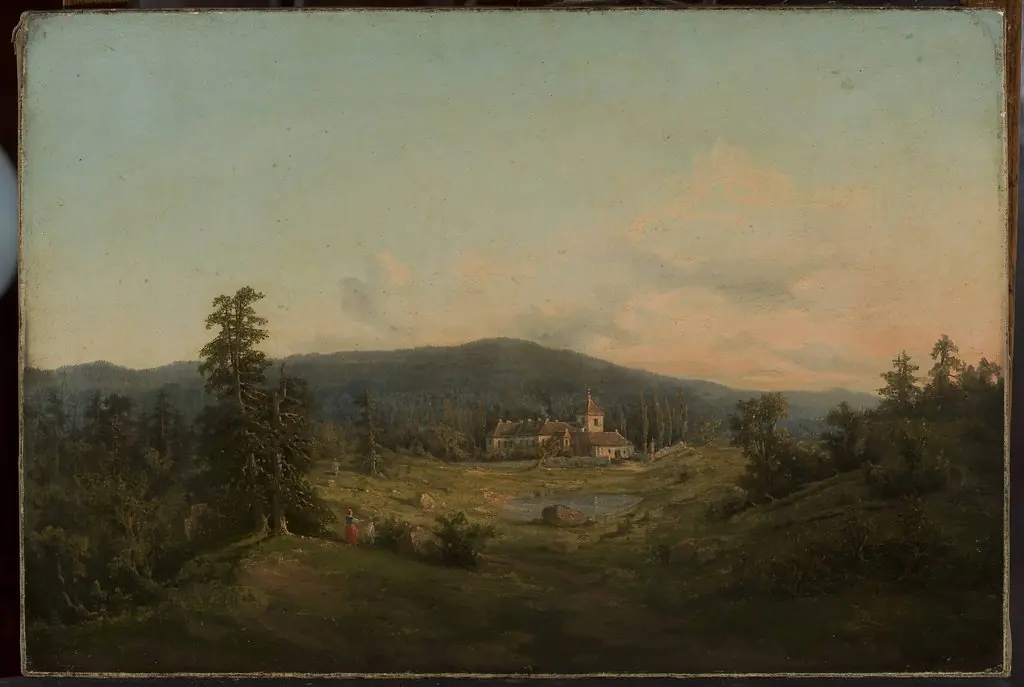 Mountain landscape with church and monastery
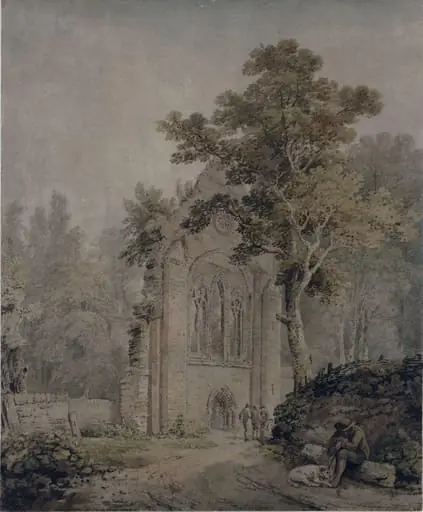 Doorway of a ruined abbey
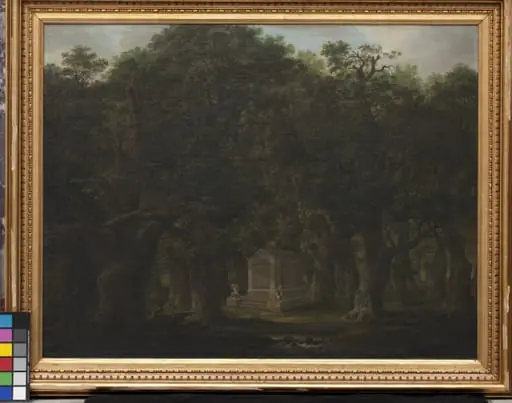 Monument in an Oak Wood
 Avenue de Boulogne
 Monument in a Church Cemetery