Artwork
View of the castle from the north
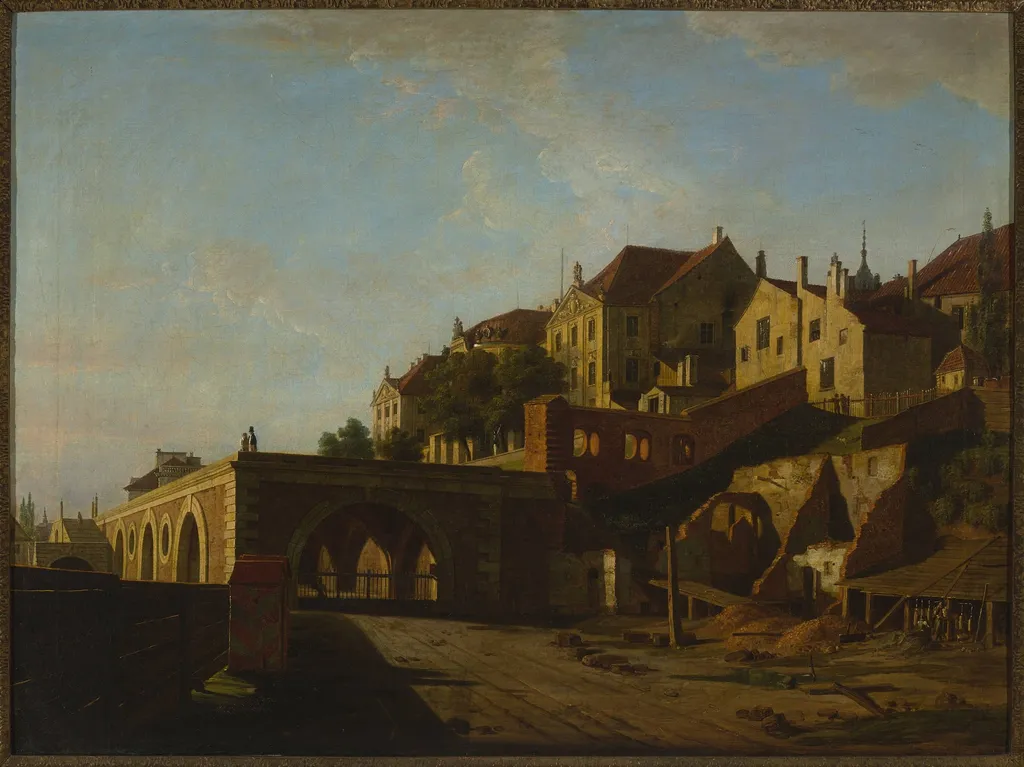
View of the castle from the north is an oil painting by Marcin Zaleski. It dates from 1838 and is held in the collection of the National Museum in Warsaw.
About this work
Overview
Zaleski, recognized for his topographical precision, captured the structure with careful attention to architectural form and spatial arrangement.
Painted in 1838 by Marcin Zaleski, this oil-on-canvas work presents a northern perspective of a castle situated atop a gentle rise. Zaleski, recognized for his topographical precision, captured the structure with careful attention to architectural form and spatial arrangement. The composition reflects the veduta tradition, prioritizing accuracy over dramatic interpretation. The painting remains part of the National Museum in Warsaw’s permanent collection.
Subject & Meaning
The scene depicts a historic castle viewed from the north, with surrounding buildings framing its base and suggesting a settled urban or aristocratic landscape. The elevated position of the castle implies authority or defense, while the orderly arrangement of structures conveys stability. No human figures are present, directing focus to the architecture itself as a symbol of enduring institutional presence.
Technique & Style
Zaleski employed oil paint to achieve fine detail and subtle gradations of light across stone surfaces and sky. The brushwork is controlled, with crisp edges defining architectural elements and soft transitions in the atmospheric sky. This method aligns with Neoclassical ideals, favoring clarity, balance, and measured realism over emotional expression or romantic embellishment.
History & Provenance
Created during a period of heightened interest in Poland’s architectural heritage, the painting was likely commissioned or collected as a record of national landmarks. It entered the National Museum in Warsaw’s holdings in the 19th century and has remained there since. Its preservation reflects institutional efforts to document the country’s built environment during a time of political fragmentation.
Context
In the 1830s, Polish artists increasingly turned to local landscapes and monuments as expressions of cultural identity under foreign rule. Zaleski’s vedute served not only as topographical records but also as quiet assertions of continuity. His depictions of Warsaw, Kraków, and Wilno contributed to a visual archive of places that carried historical weight beyond their physical presence.
Legacy
Zaleski’s work helped establish veduta as a significant genre in Polish painting. His precise renderings influenced later generations of artists documenting urban and architectural change. While not widely known internationally, his paintings remain important within Poland for their role in preserving the visual record of pre-partition and 19th-century structures.
Artist & collection
Artist
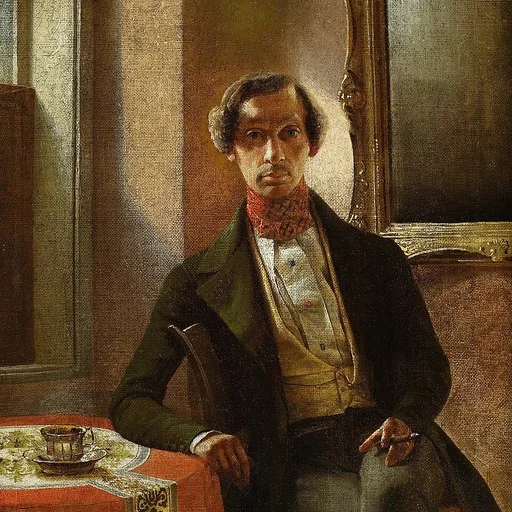
Marcin Zaleski (1796 – 16 September 1877) was a Polish painter, a representative of Neoclassicism, considered the greatest Polish vedutist of the 19th century. He mostly painted the cityscapes of Warsaw, Kraków and Wilno.

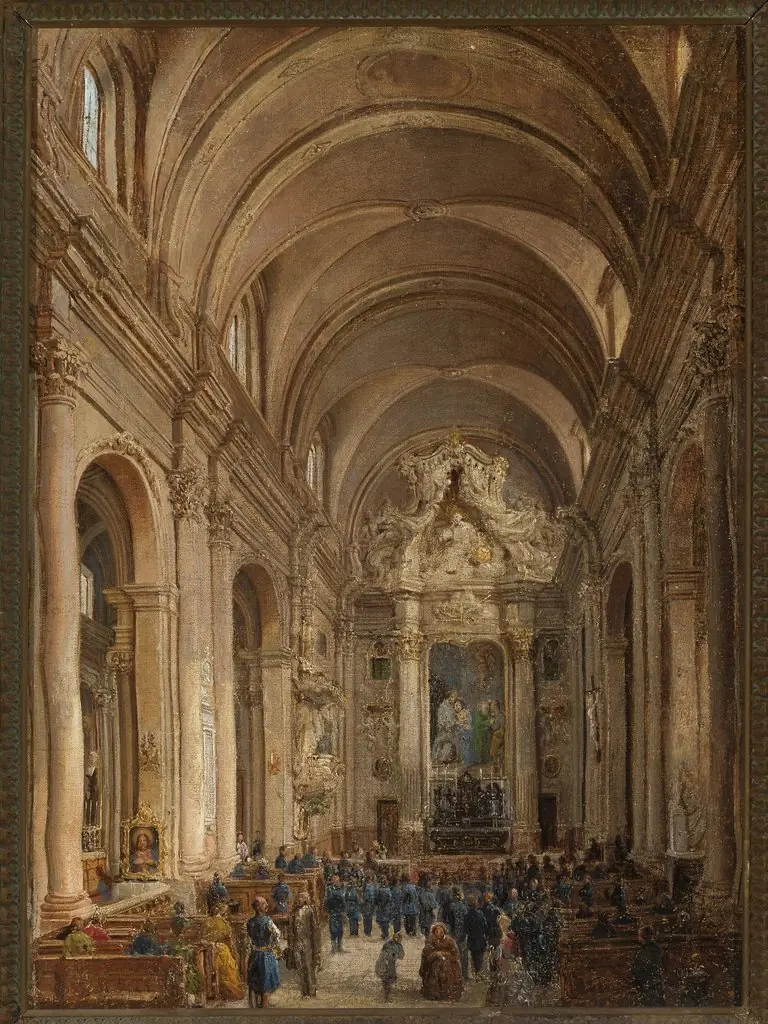 Church of the Nuns of the Visitation in Warsaw
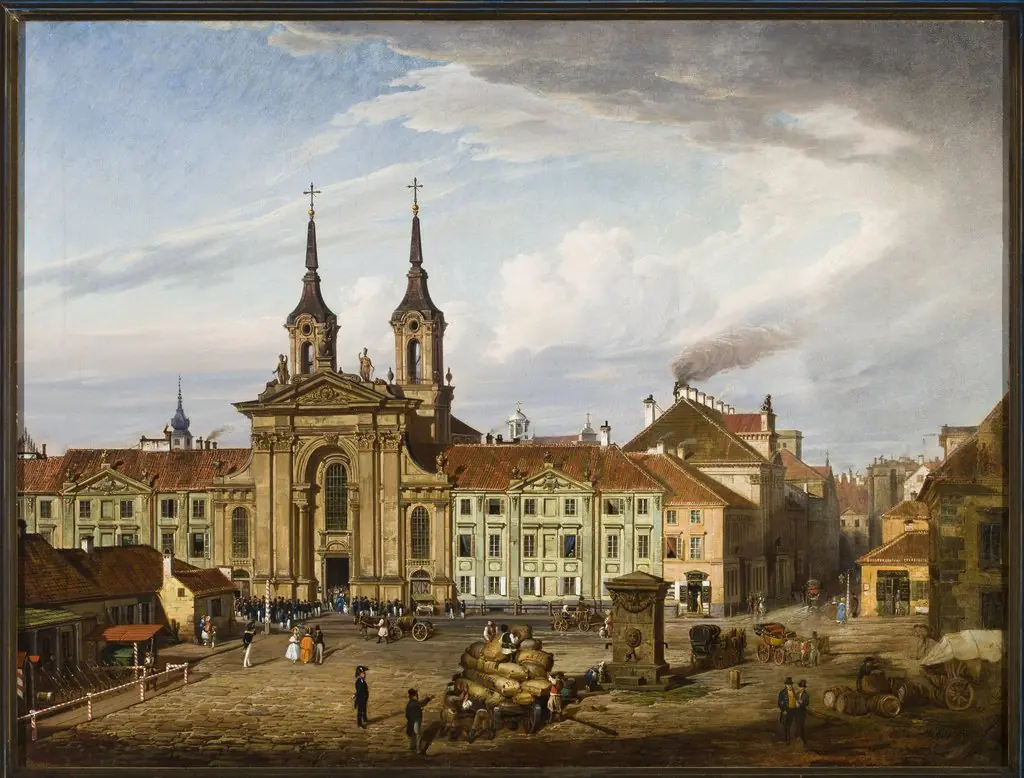 Krasiński Square and the Piarist church
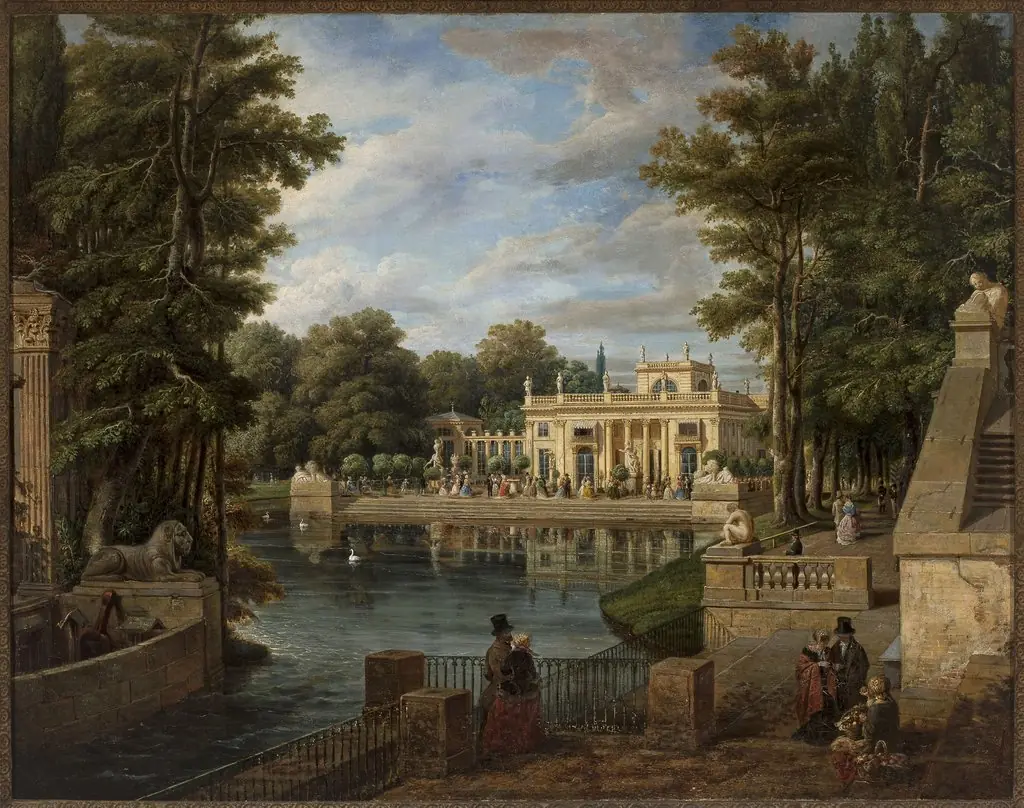 View of the Łazienki Palace in summer
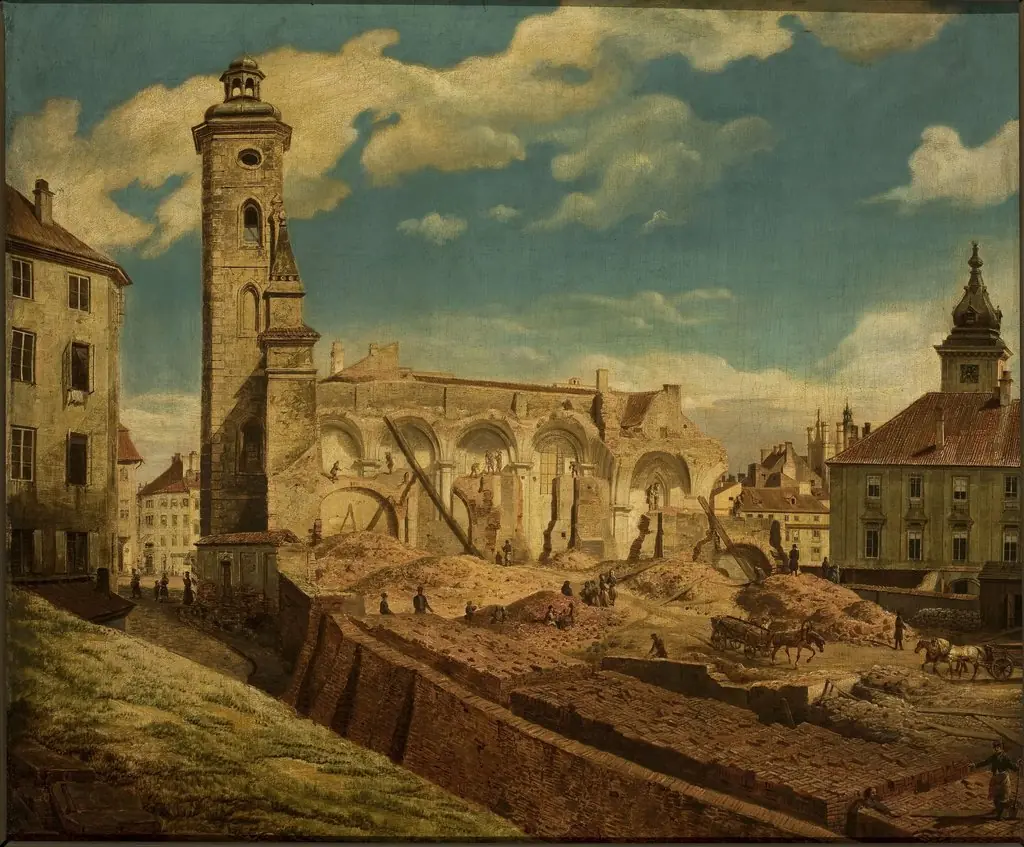 Demoliition of the church of the Bernardine Sisters in Warsaw
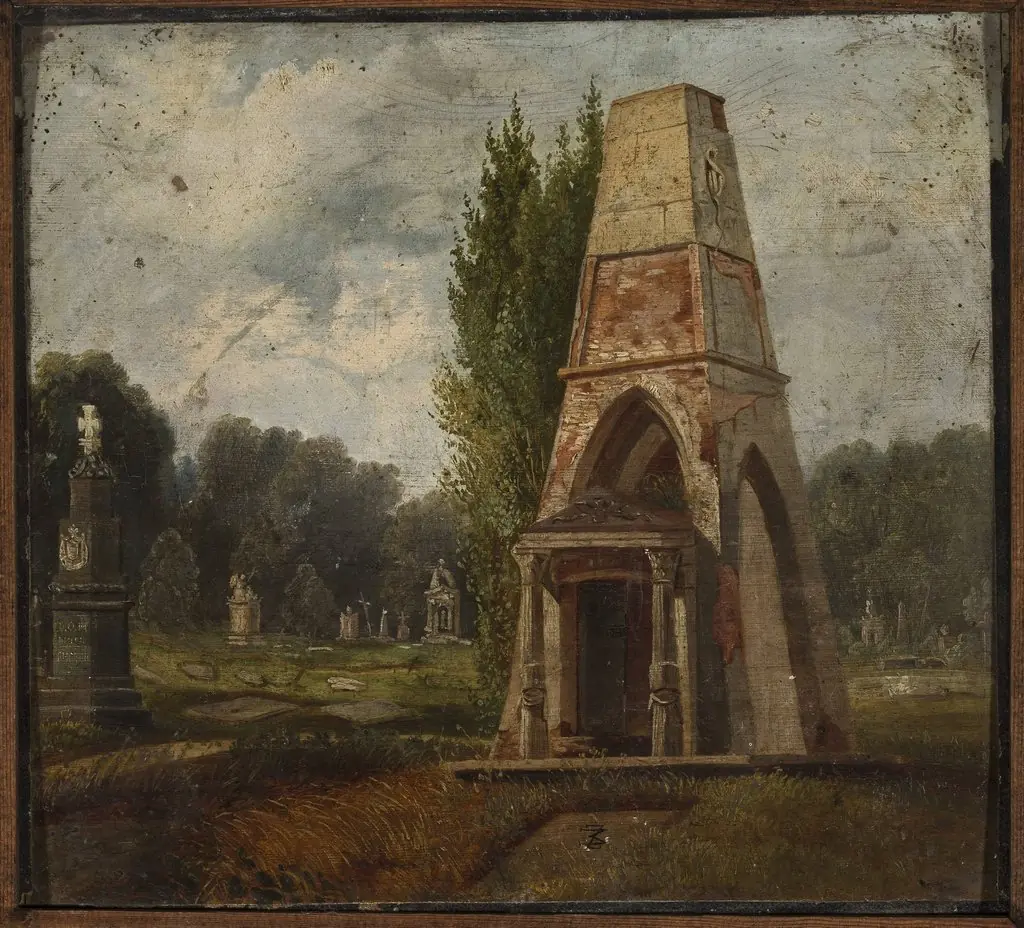 Kochanowski tomb at the Powązki cemetery
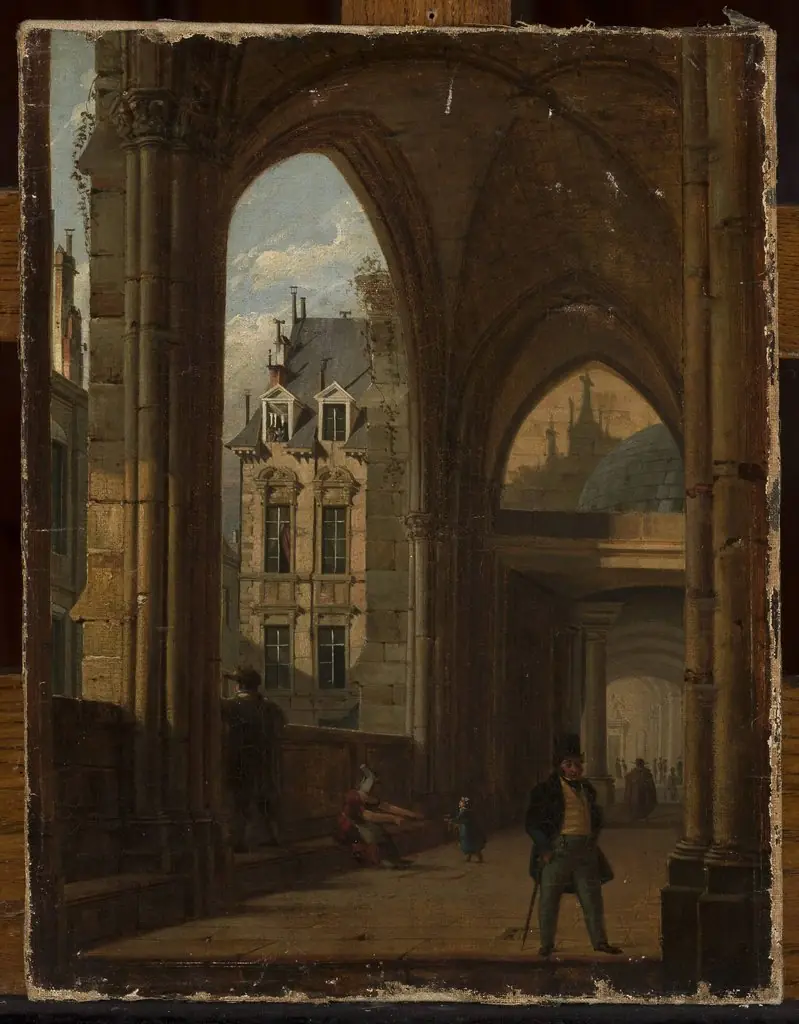 Arcades with the view of the city
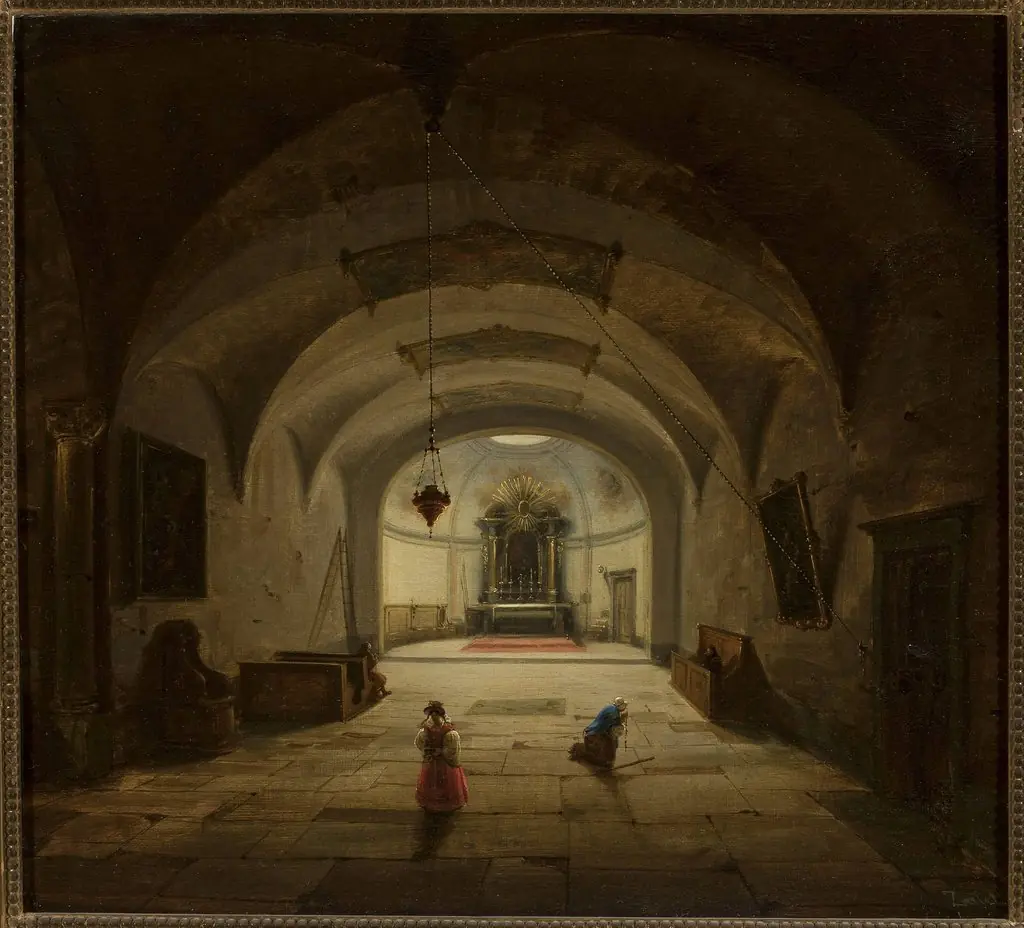 Interior of the subterranean chapel
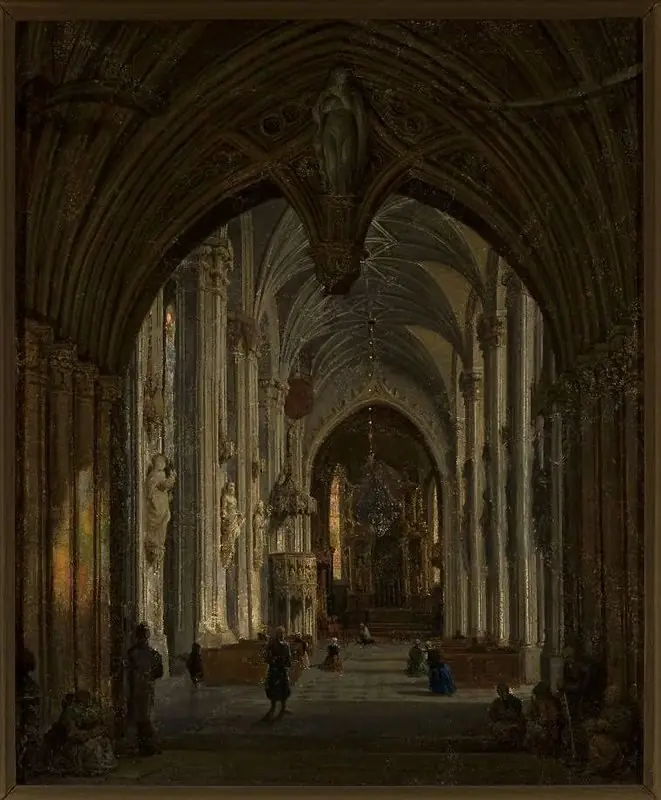 Interior of St. John’s Cathedral in Warsaw
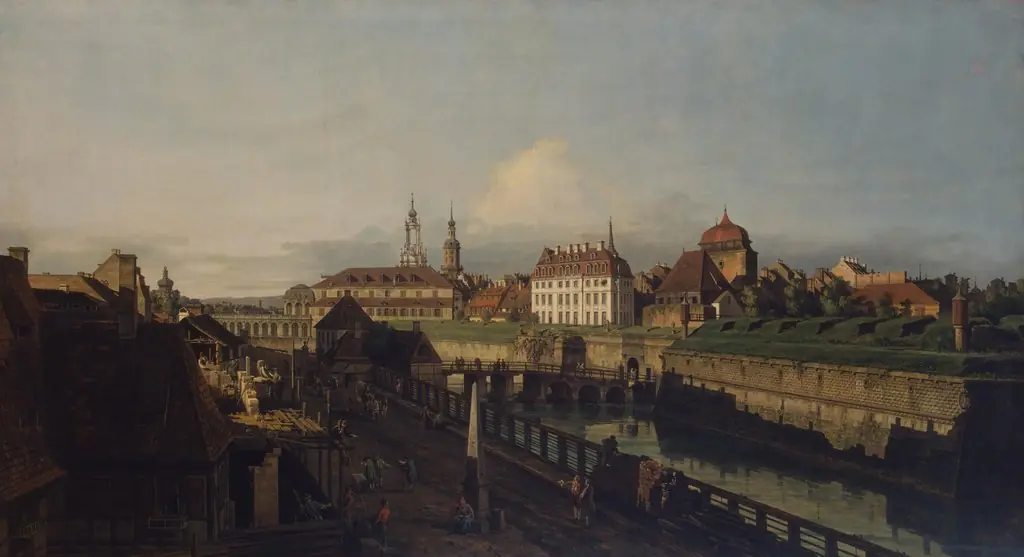 Old Fortifications of Dresden
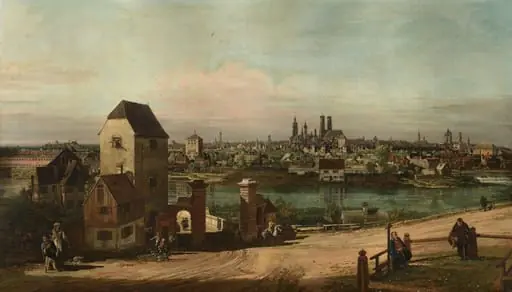 View of Munich
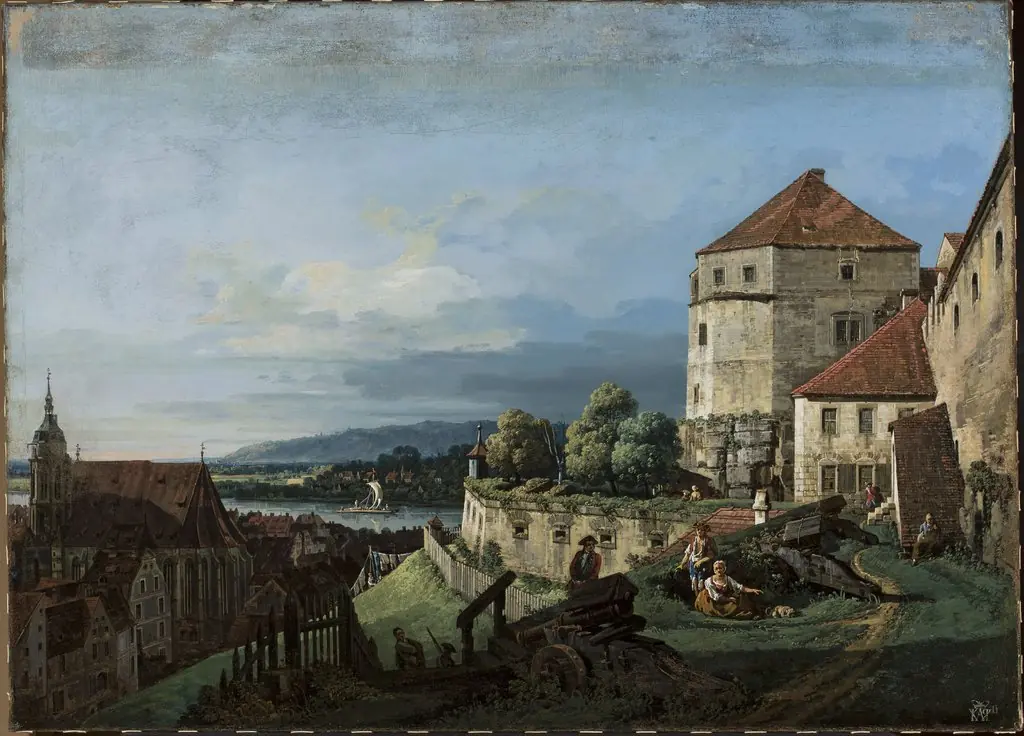 View of Pirna in Saxony
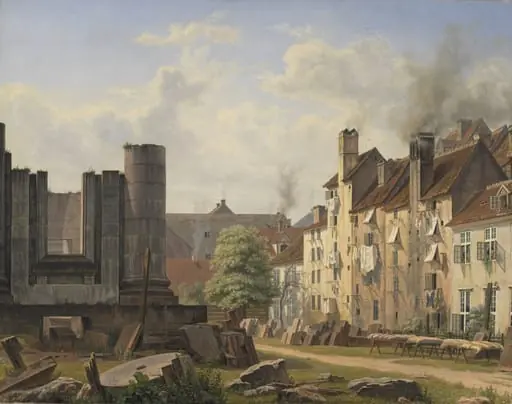 View of the Marble Square with the Ruins of the Uncompleted Frederik's Church
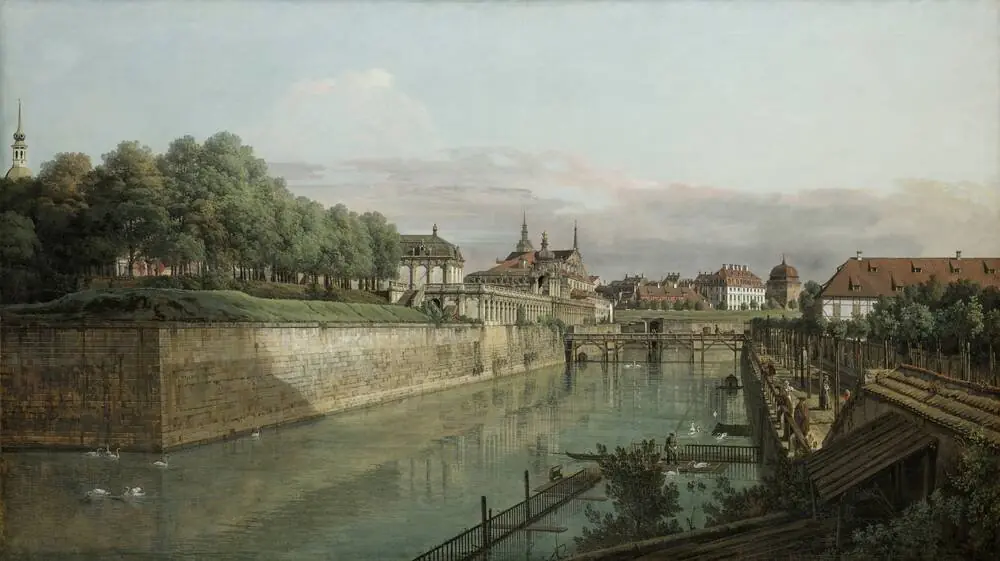 The Moat of the Zwinger in Dresden
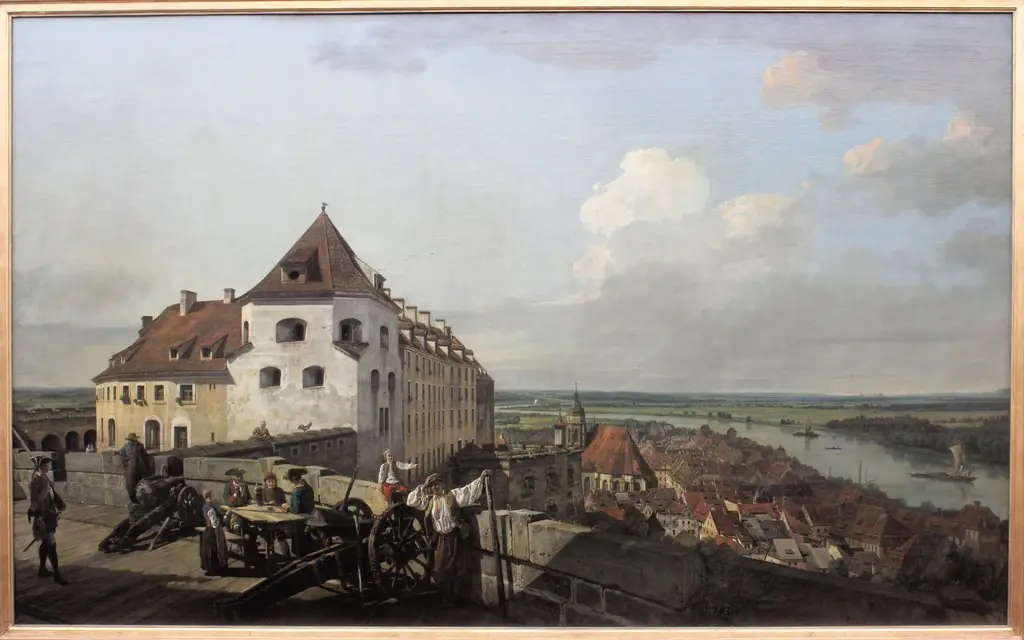 Sonnenstein fortress and Pirna from Hohes Werk, 1755
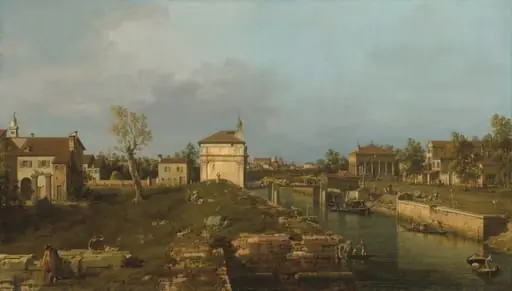 The Porta Portello, Padua
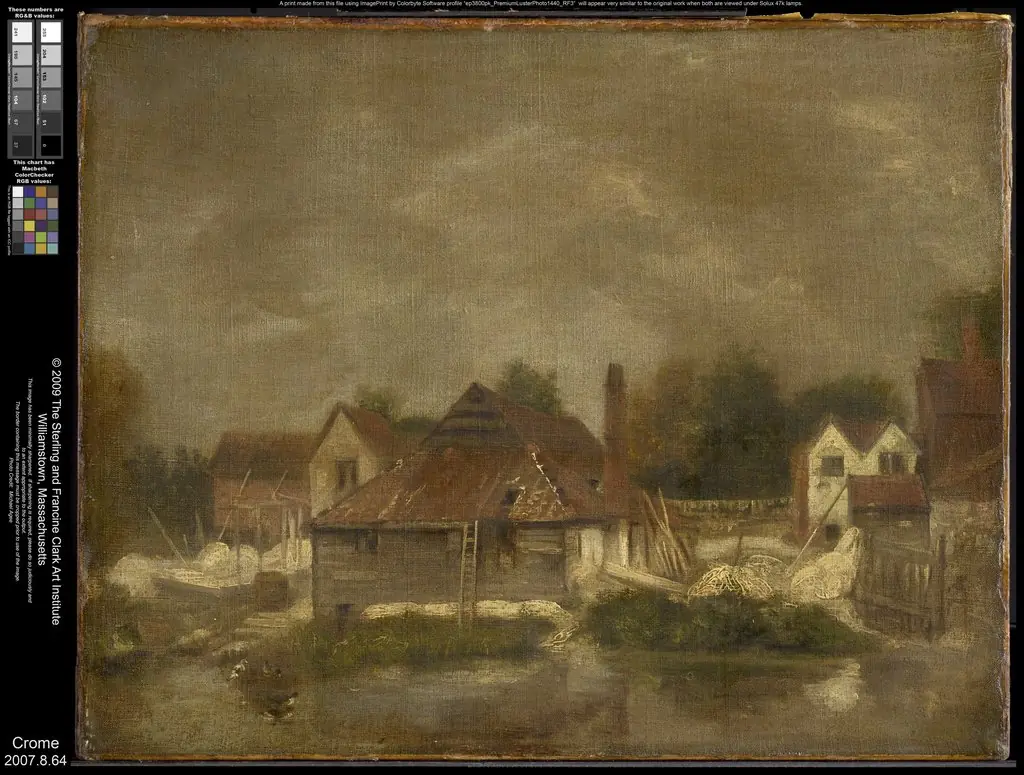 Sheds and Old Houses on the Yare
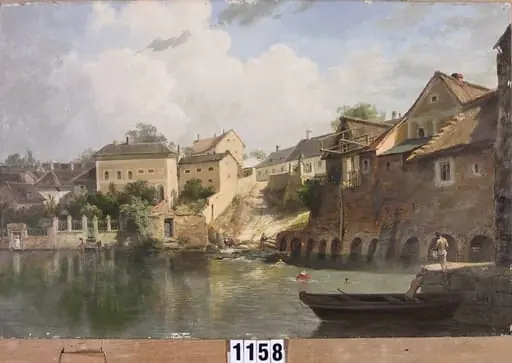 Izvoare calde la Tapolca (în Registrul inventar: Izvoare calde la Tapoleza)
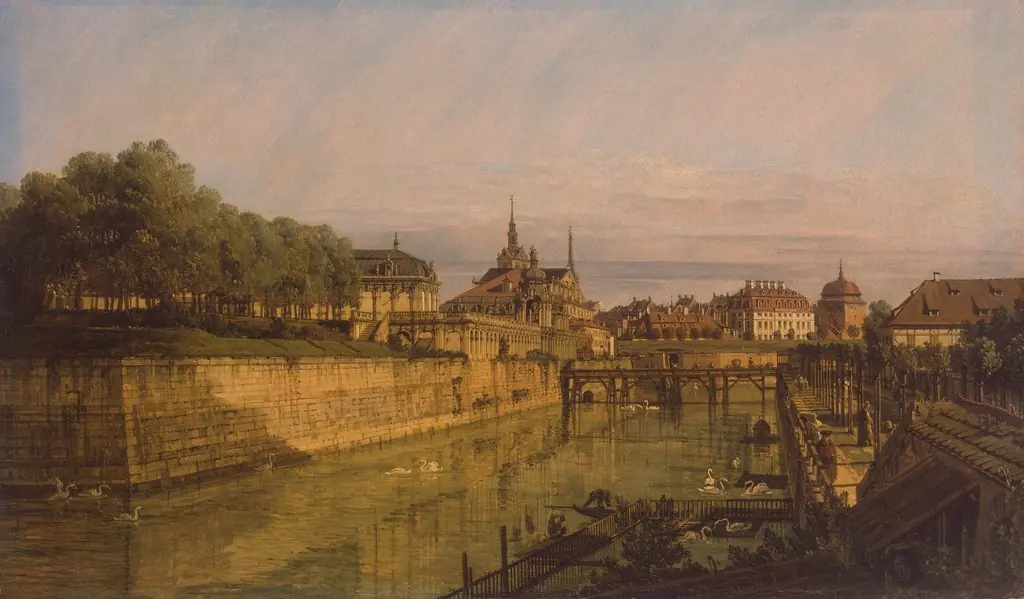 The Moat of Zwinger in Dresden
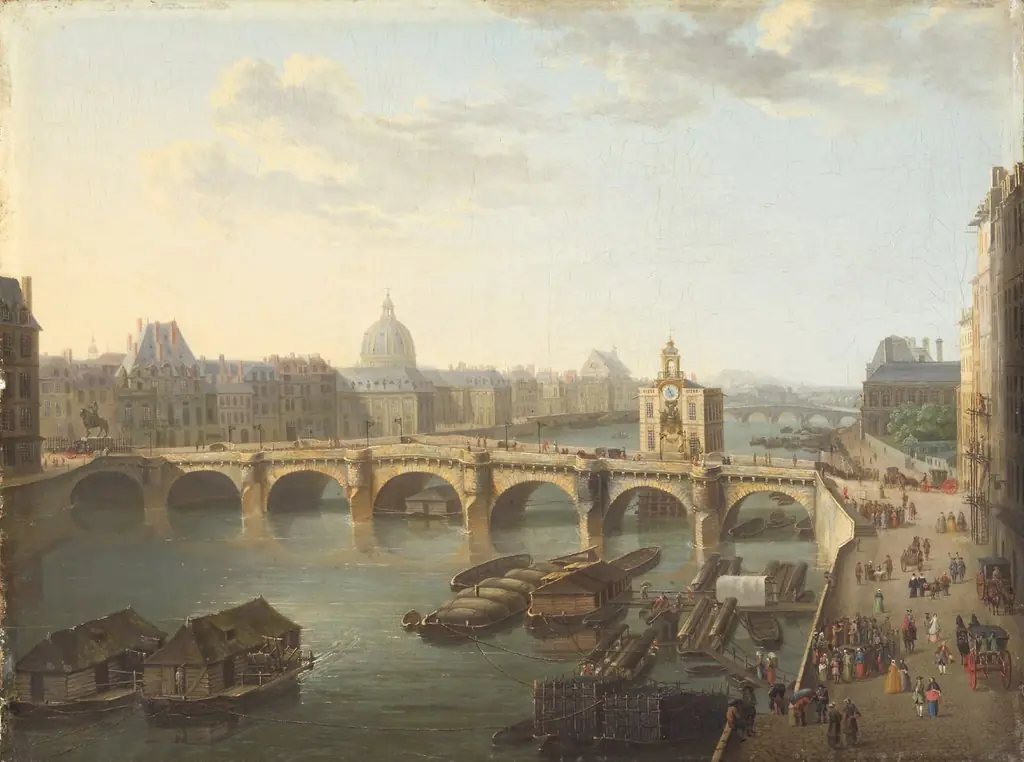 View of the Pont-Neuf in Paris from the Quai de la Mégisserie
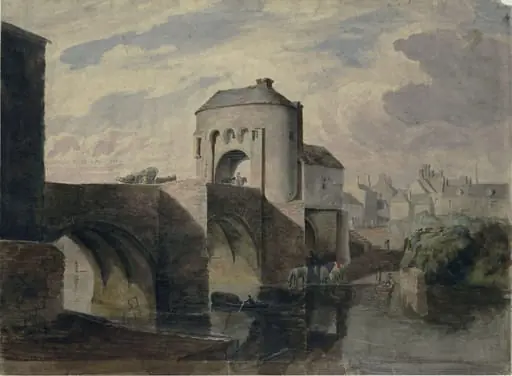 Bridge over the River Monmow, Monmouth