Artwork
Terrain à vendre
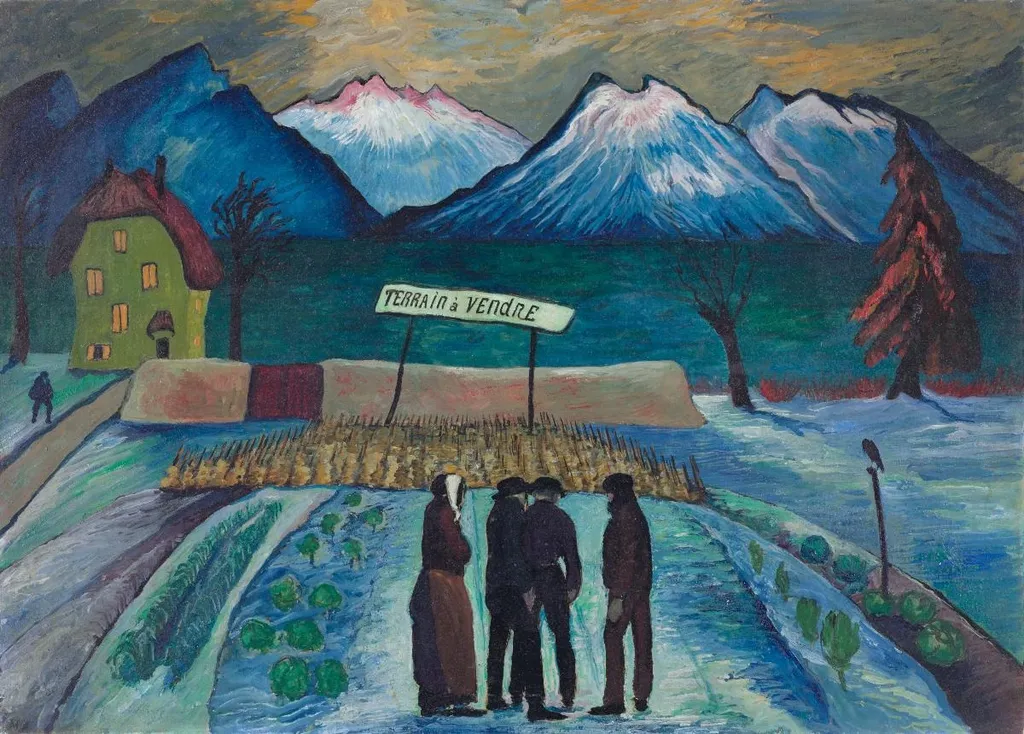
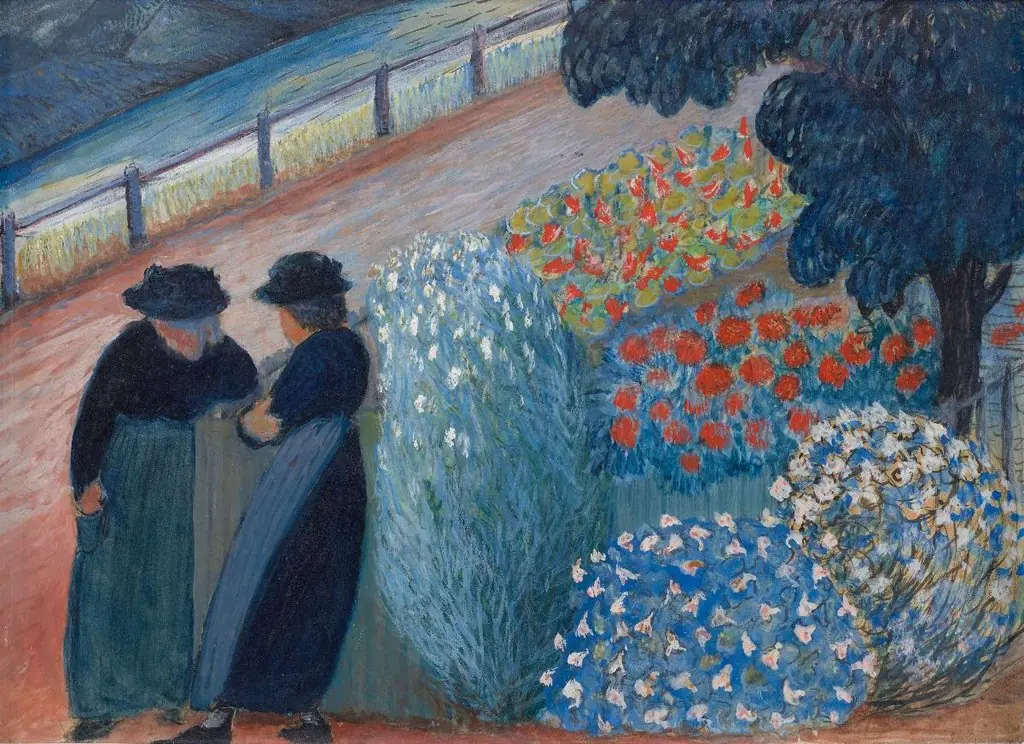
Terrain à vendre is an oil painting by Marianne von Werefkin. It dates from 1916 and is held in the collection of the Kunsthaus Zürich.
About this work
Overview
Marianne von Werefkin’s *Terrain à vendre* (1916) is an oil painting in the collection of the Kunsthaus Zürich. Created during her time in Switzerland, the work belongs to a period when she was refining her expressive approach to landscape. Though rooted in observation, the scene transcends realism, channeling emotional resonance through color and form rather than narrative detail.
Subject & Meaning
The painting portrays a quiet rural field with figures standing near a distant house and mountainous terrain.
The painting portrays a quiet rural field with figures standing near a distant house and mountainous terrain. The presence of people is minimal, their dark clothing isolating them visually from the muted earth tones. The title, 'Land for Sale,' suggests a quiet commentary on ownership and displacement, though the mood remains contemplative rather than overtly critical, inviting reflection on human presence within nature.
Technique & Style
Werefkin employs broad, simplified brushwork and a restrained palette of blues, greens, and browns to construct the landscape. Forms are flattened and softened, avoiding sharp detail in favor of atmospheric harmony. The contrast between the dark human figures and the pale ground creates a subtle tension, characteristic of her Expressionist tendency to prioritize emotional tone over literal representation.
History & Provenance
Painted in 1916, the work emerged during Werefkin’s years in Ascona, Switzerland, following her departure from Munich’s artistic circles. It entered the Kunsthaus Zürich’s collection in the mid-20th century, where it has remained as part of their focus on early 20th-century Swiss and German Expressionism. Its provenance reflects her growing recognition in Swiss art institutions after World War I.
Context
Created during the First World War, the painting reflects a retreat from urban modernity into rural stillness, a common theme among artists seeking refuge from societal upheaval. Werefkin’s work diverged from the intensity of German Expressionism, favoring introspective landscapes that echoed her interest in spiritual and philosophical ideas, influenced by Theosophy and Russian literary traditions.
Legacy
Though less widely known than her male contemporaries, Werefkin’s landscapes like *Terrain à vendre* contributed to a quieter strand of Expressionism centered on emotional atmosphere. Her integration of personal introspection with natural observation influenced later Swiss modernists and helped expand the movement’s scope beyond urban angst toward meditative, inward-looking visions of the land.
Artist & collection
Artist
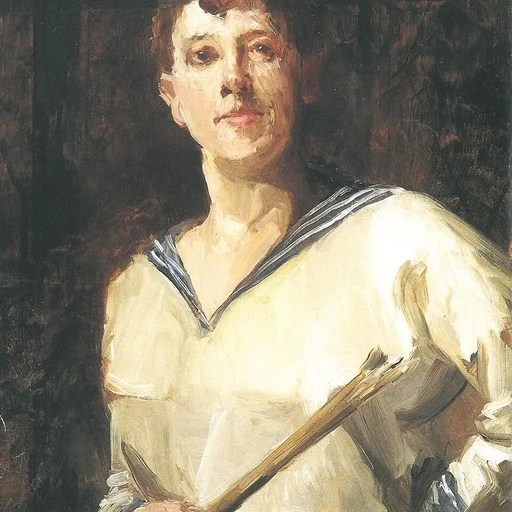
Mariamna Vladimirovna Veryovkina (10 September 1860 – 6 February 1938), commonly known as Marianne von Werefkin, was a Russian-born painter, active in Germany and Switzerland during the late Belle Époque and interwar periods.

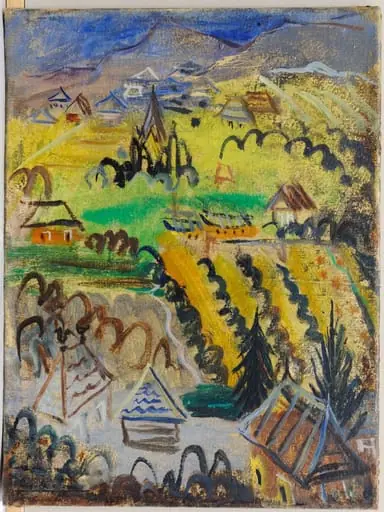 În Maramureș
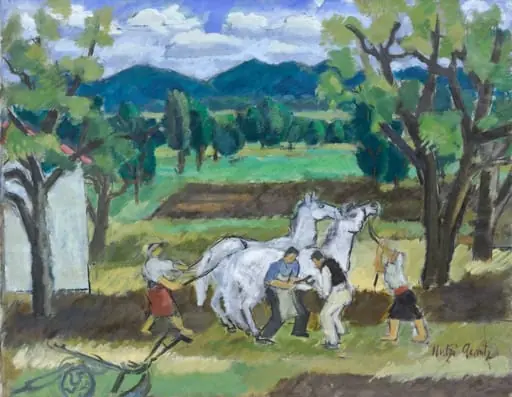 Potcovitul cailor
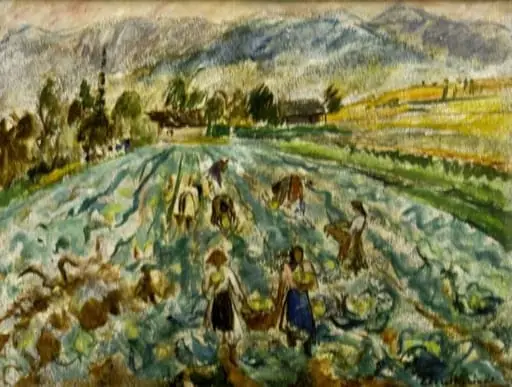 Recoltarea verzei
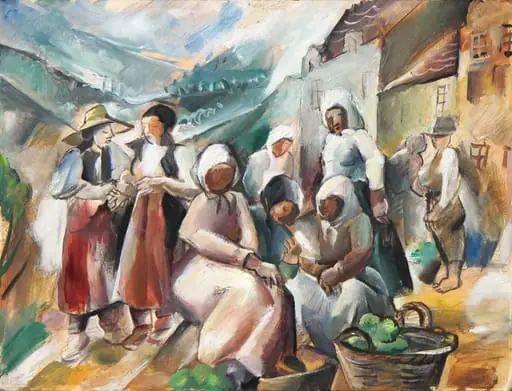 Târg la Bran
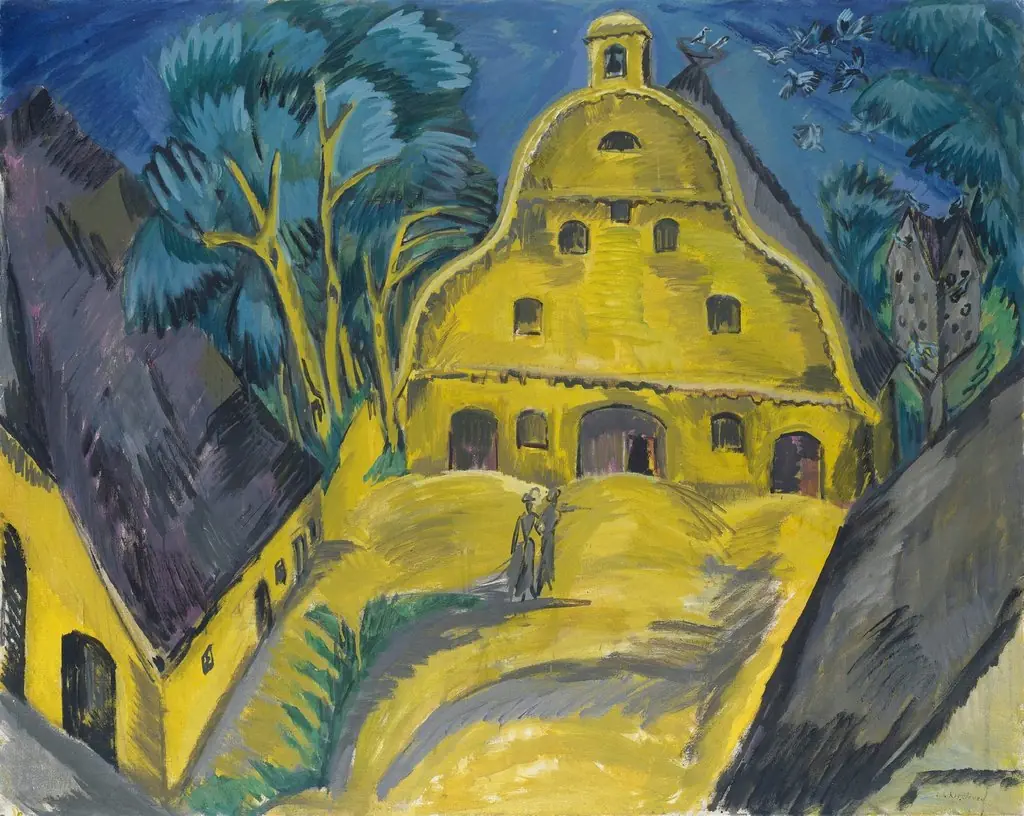 Staberhof Estate On Fehmarn
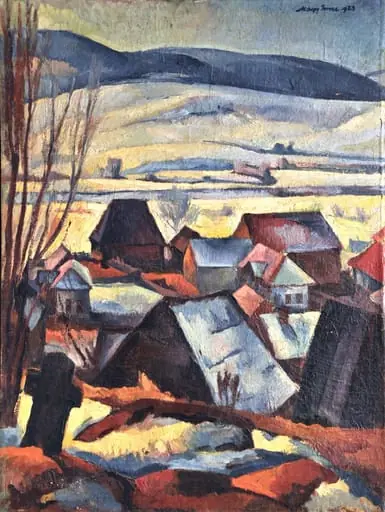 Peisaj de iarnă
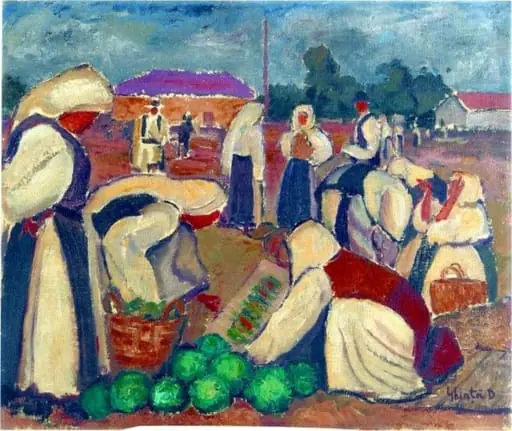 Târg oltenesc
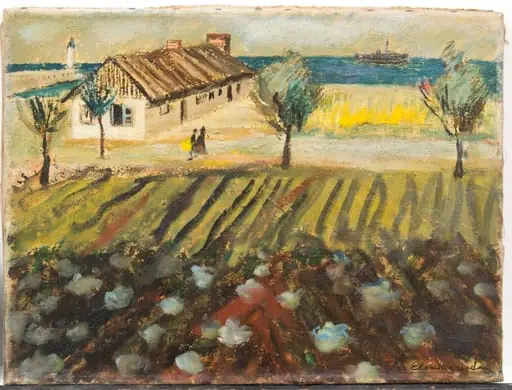 Grădina de zarzavaturi la mare
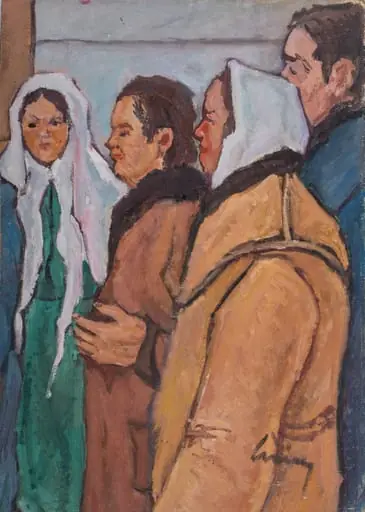 Compoziție cu patru personaje; în prim-plan, dreapta, o femeie și, în spatele ei, doi bărbați priviți din profil până la jumătate. Sunt îmbrăcați cu haine groase de iarnă ocru-brun și albastru; femeia poartă pe cap un batic alb. În plan secund stânga, o femeie văzută din față, 3/4, cu batic și șal alb, rochie verde și haină albastră. Semnat dreapta jos, cu negru: Craiu.
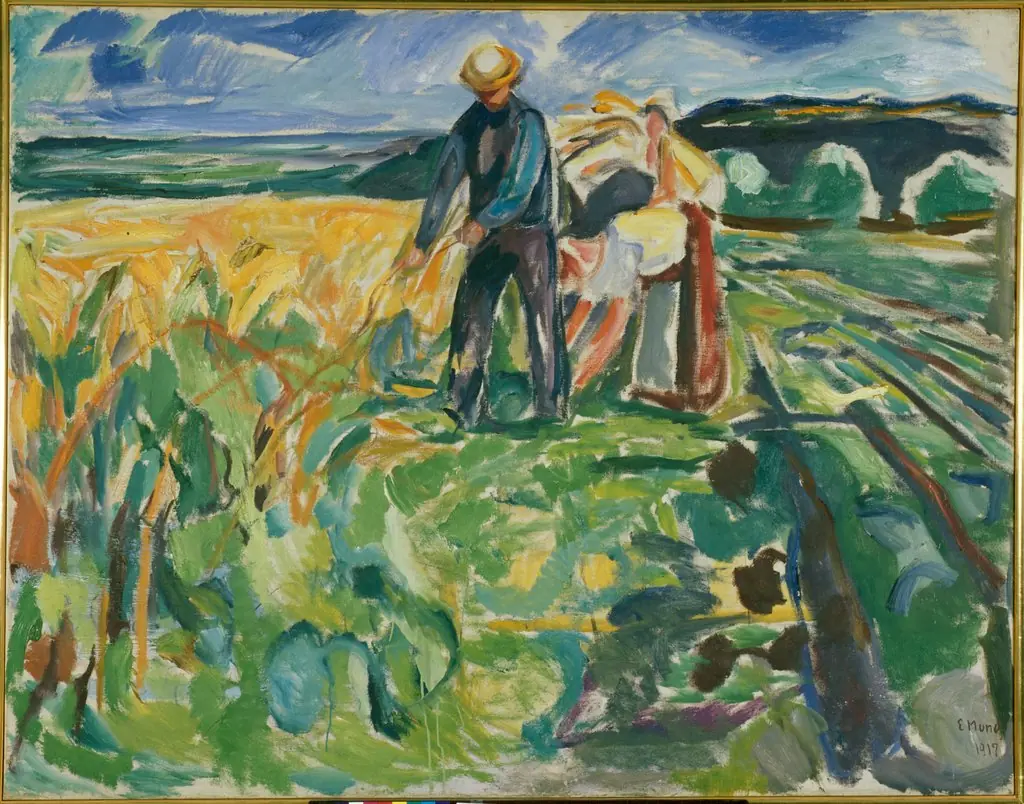 Cutting the Corn
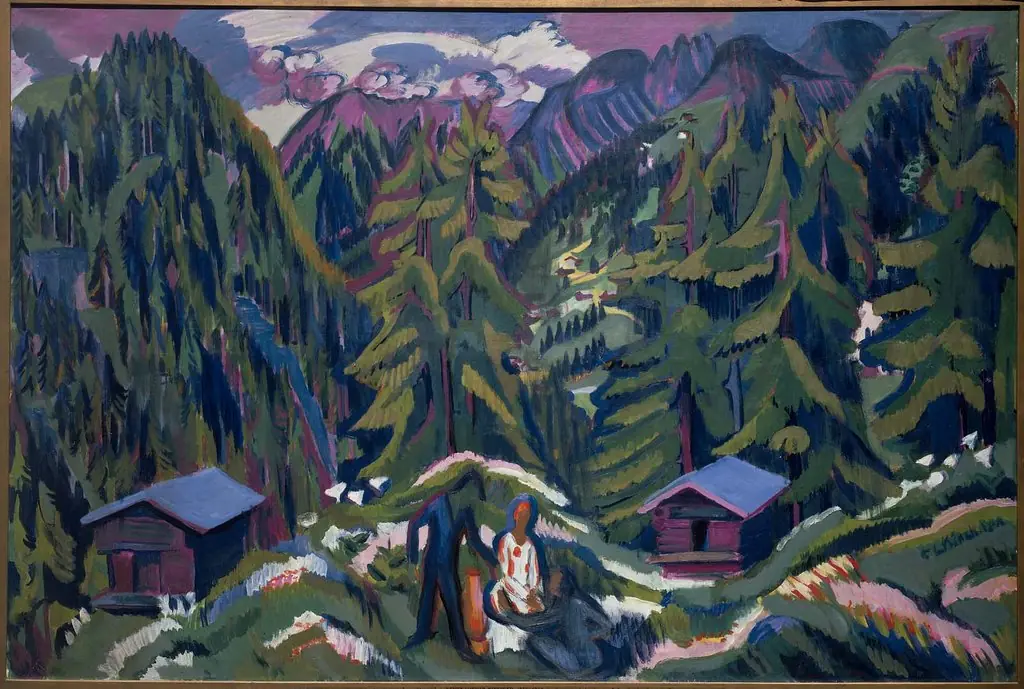 Mountain Landscape from Clavadel