Artwork
Garten der Frauen
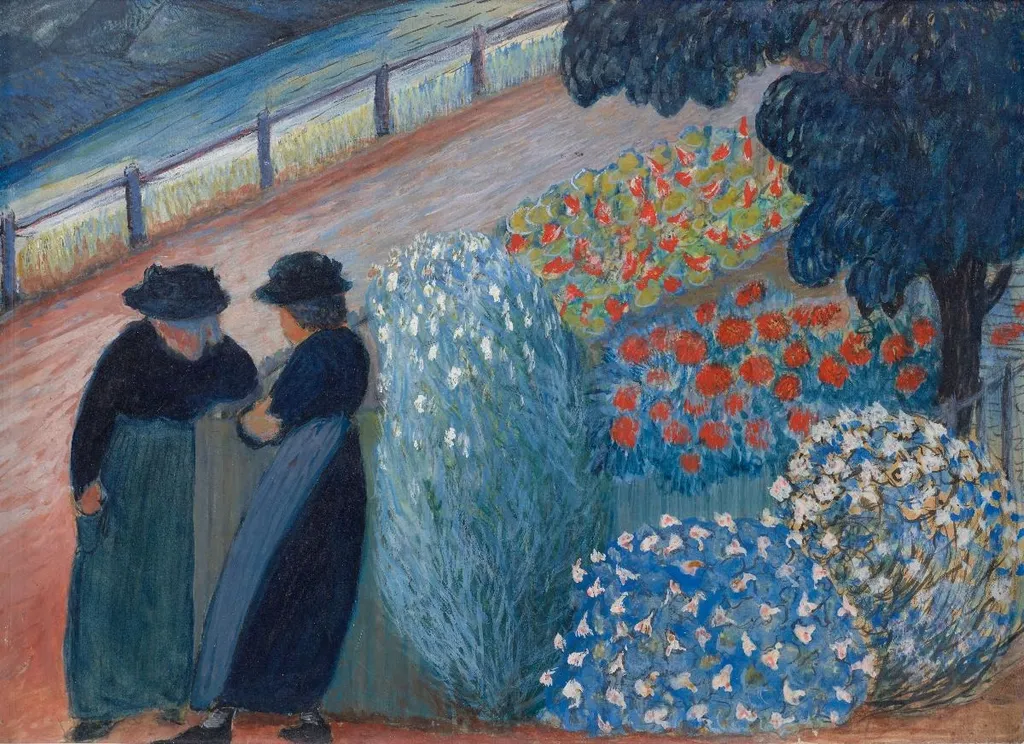
Garten der Frauen is an unspecified painting by Marianne von Werefkin. It dates from 1910 and is held in the collection of the Kunsthaus Zürich.
About this work
Overview
It is now part of the Kunsthaus Zürich’s permanent collection, reflecting its significance in early 20th-century avant-garde art.
Marianne von Werefkin painted *Garten der Frauen* in 1910 during her time in Germany and Switzerland, a period when she was deeply engaged with Expressionist circles. The work belongs to her mature phase, where emotional intensity and symbolic color replaced naturalistic representation. It is now part of the Kunsthaus Zürich’s permanent collection, reflecting its significance in early 20th-century avant-garde art.
Subject & Meaning
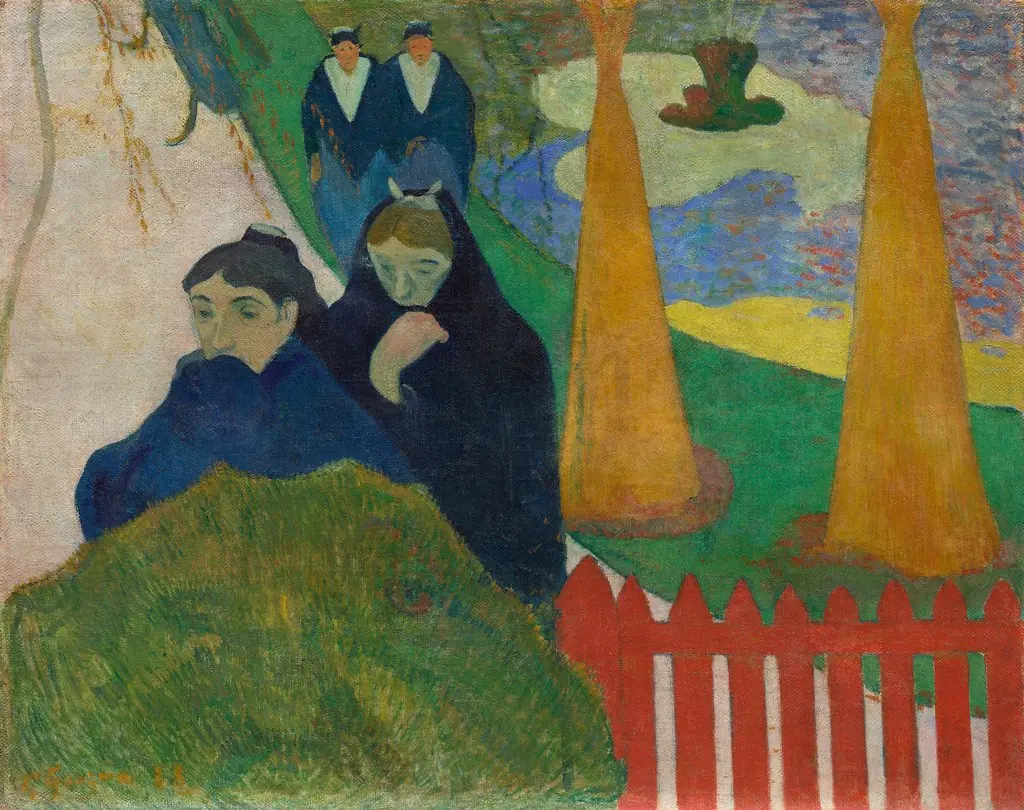
Two women stand in a lush garden, facing each other as if in quiet dialogue. Their postures and direct gaze suggest a bond beyond the physical space, possibly symbolizing inner connection or shared experience. The absence of narrative detail invites interpretation as a meditation on femininity, solitude, or mutual understanding, rather than a literal scene. The garden becomes a psychological landscape, not merely a setting.
Technique & Style
Werefkin employs bold, non-naturalistic color and fluid brushwork to convey emotion over realism. The women’s dresses contrast in deep blue and pale tones, while the flowers burst in vivid reds and whites, creating rhythmic tension. The fence and tree frame the composition without enclosing it, suggesting openness. Brushstrokes are energetic yet controlled, aligning with Expressionist priorities of inner feeling over external accuracy.
History & Provenance
Created in 1910, the painting emerged from Werefkin’s active years in Munich and later in Ascona, where she collaborated with artists like Kandinsky. It remained in private hands until entering the Kunsthaus Zürich’s collection, where it has been preserved as a key example of her contribution to German-Swiss Expressionism. Its provenance reflects its recognition within early modernist networks.
Context
In 1910, Werefkin was part of a broader shift in European art toward subjectivity and emotional expression. Her work responded to the collapse of academic traditions and the rise of spiritual and psychological themes in modernism. *Garten der Frauen* aligns with contemporaneous explorations of inner life, particularly among female artists seeking autonomy in a male-dominated avant-garde.
Legacy
The painting endures as a testament to Werefkin’s role in expanding Expressionism beyond male-centric narratives. Her use of color and symbolic space influenced later generations of women artists exploring identity and environment. While not widely exhibited, its presence in a major Swiss institution ensures its continued study within the canon of early modernist painting.
Artist & collection
Artist
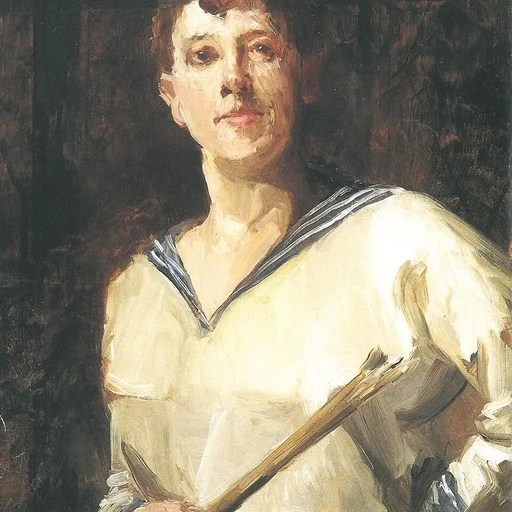
Mariamna Vladimirovna Veryovkina (10 September 1860 – 6 February 1938), commonly known as Marianne von Werefkin, was a Russian-born painter, active in Germany and Switzerland during the late Belle Époque and interwar periods.

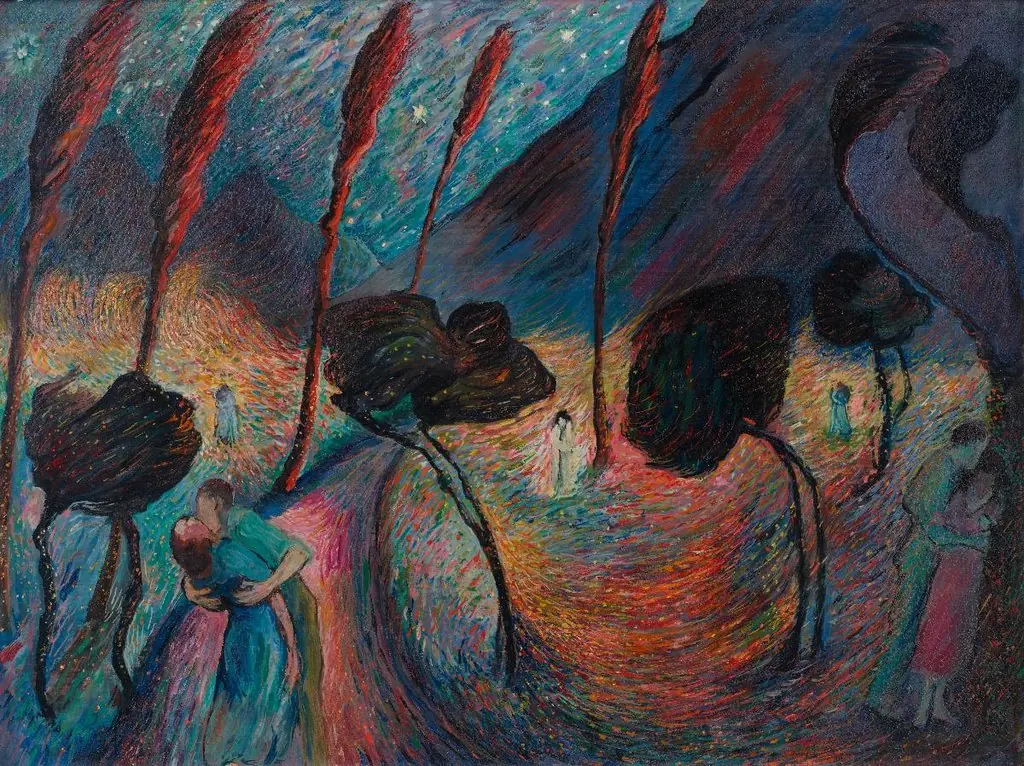
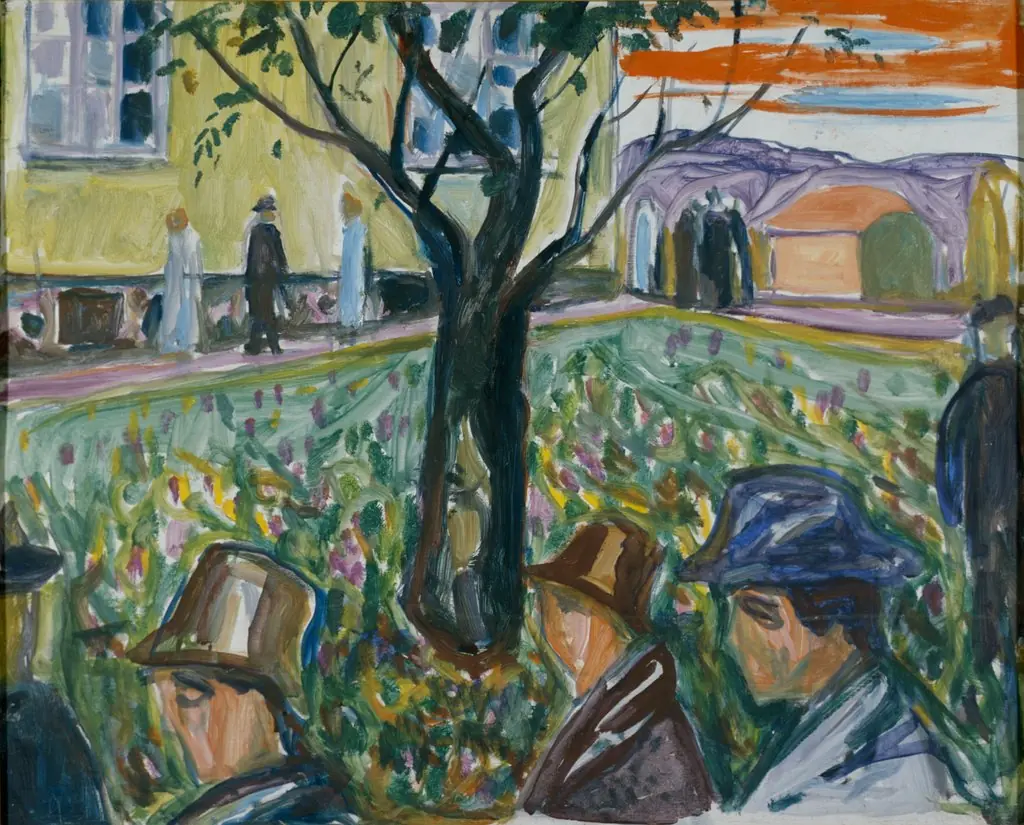 People Wandering in the Garden
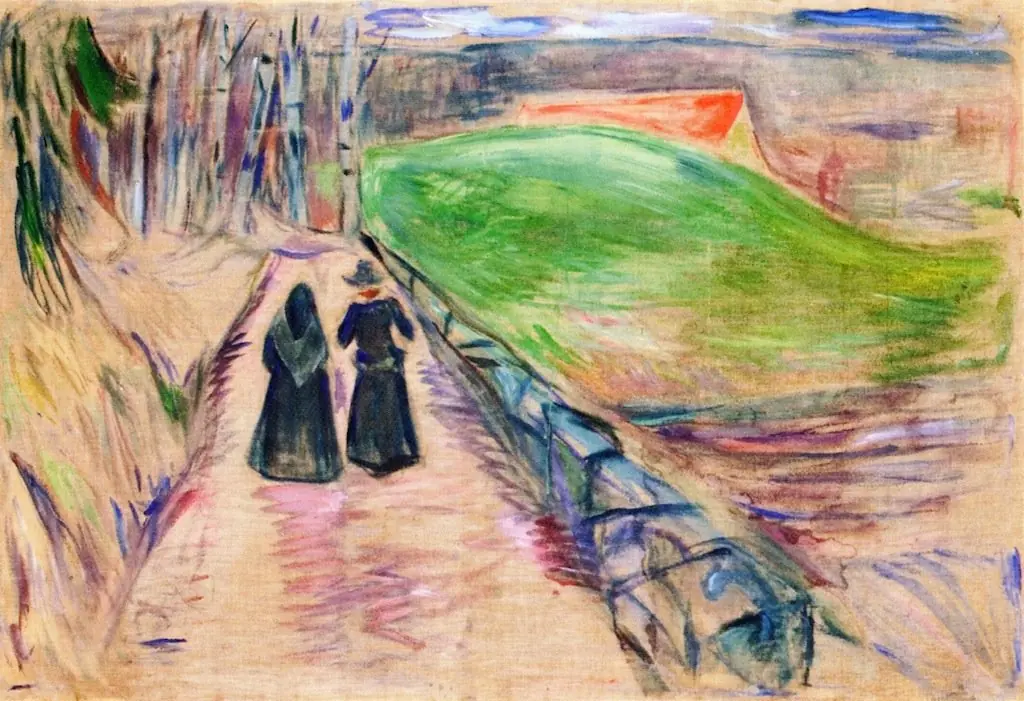 Two Women on the Road
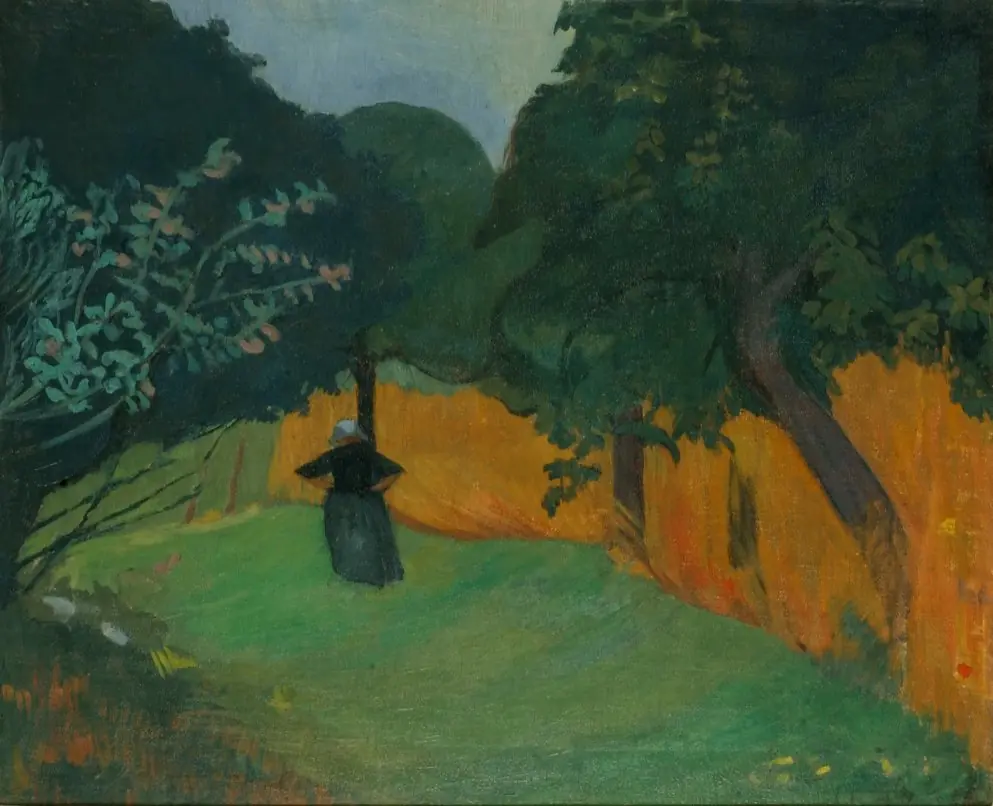 Bretonne au Champ de Blé (Breton Woman in Meadow)
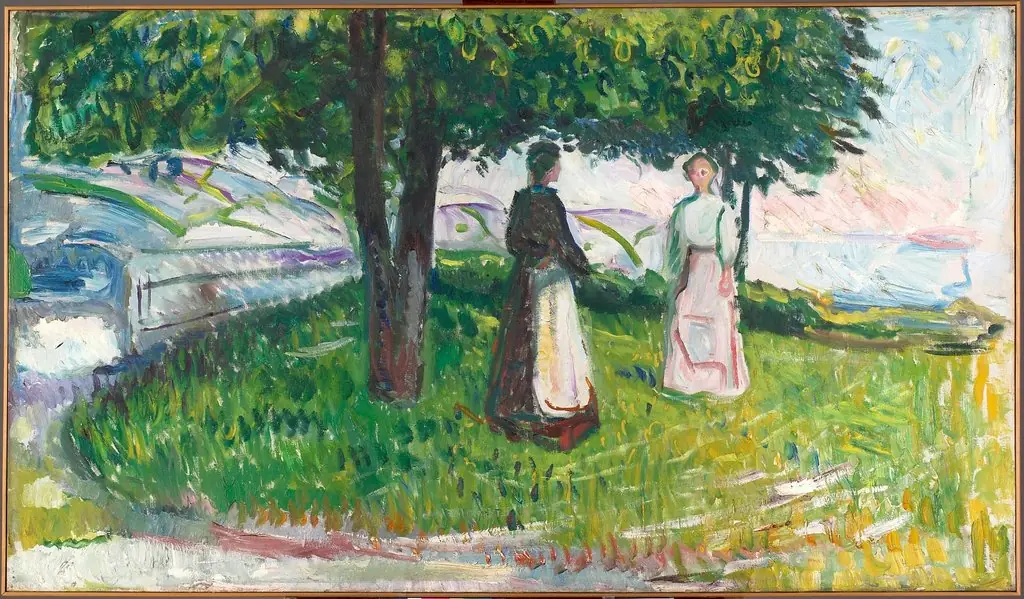 Two Women under a Tree
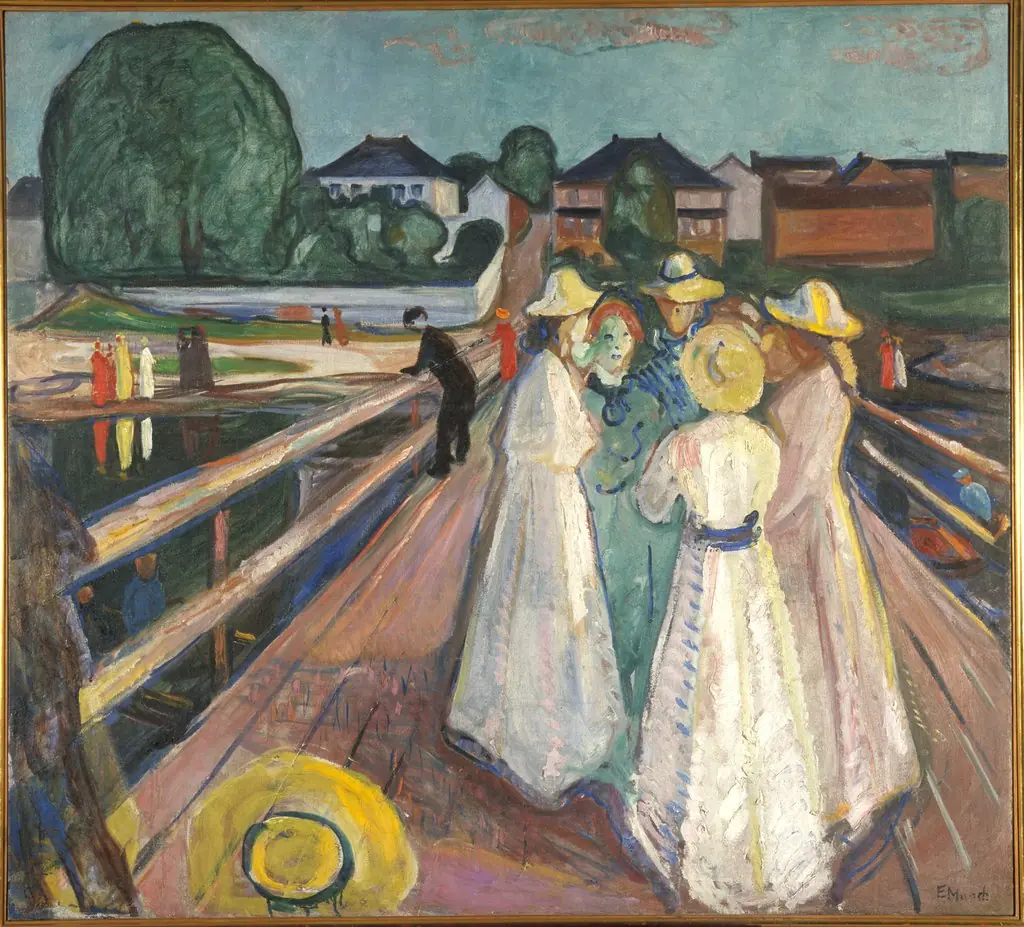 The Women on the Bridge
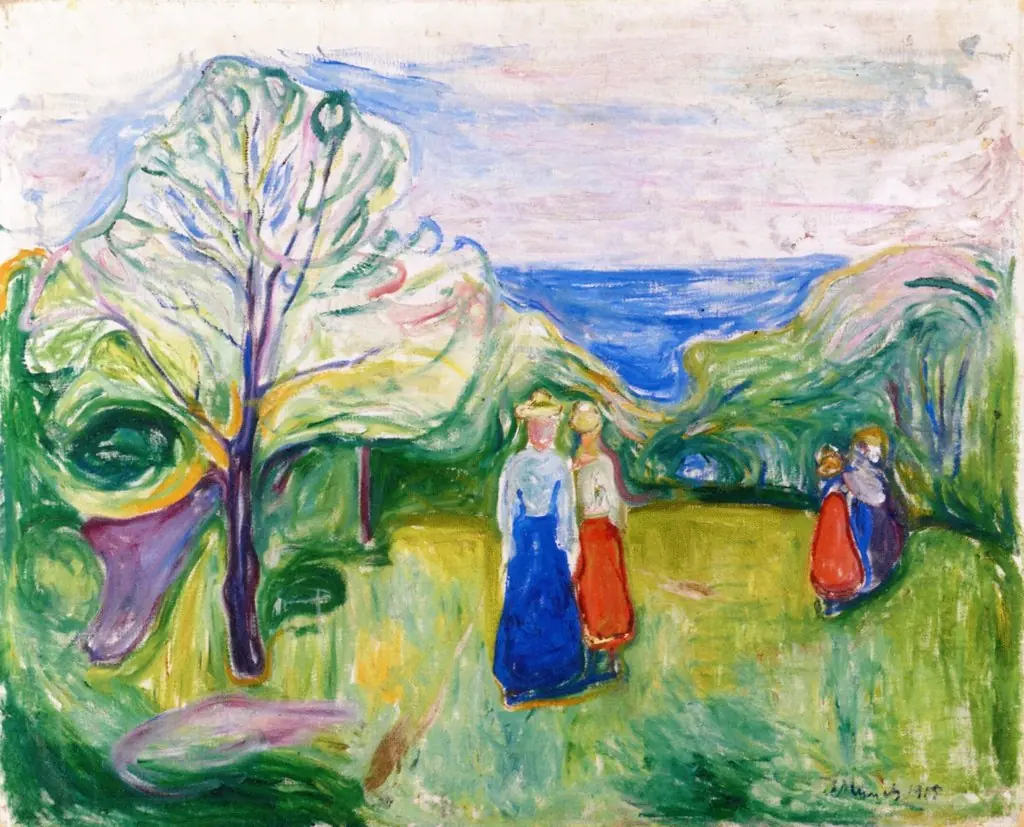 Cherry Tree in Blossom and Young Girls in the Garden
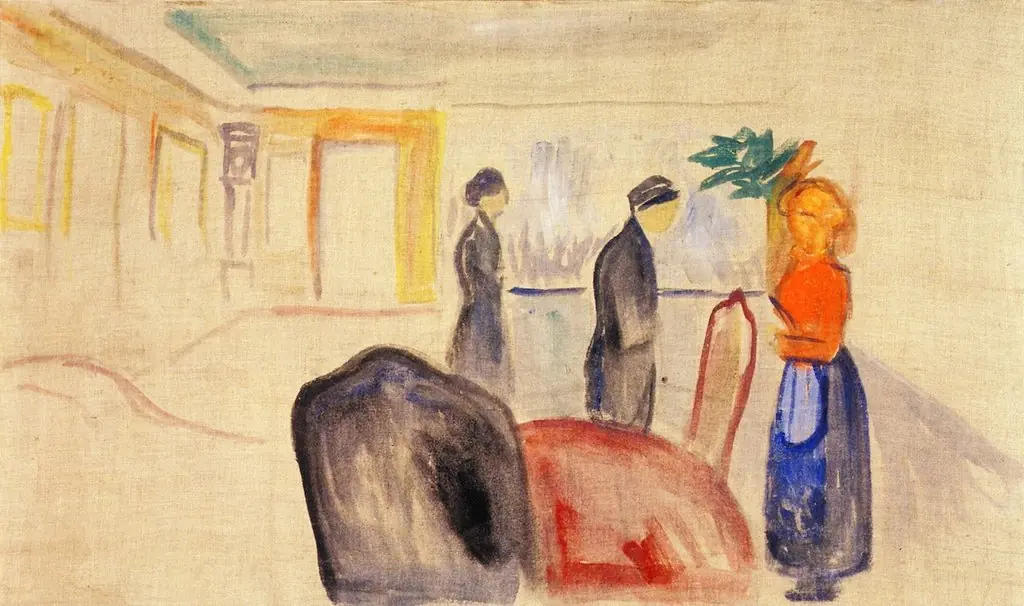 Set Design for Henrik Ibsen's "Ghosts"
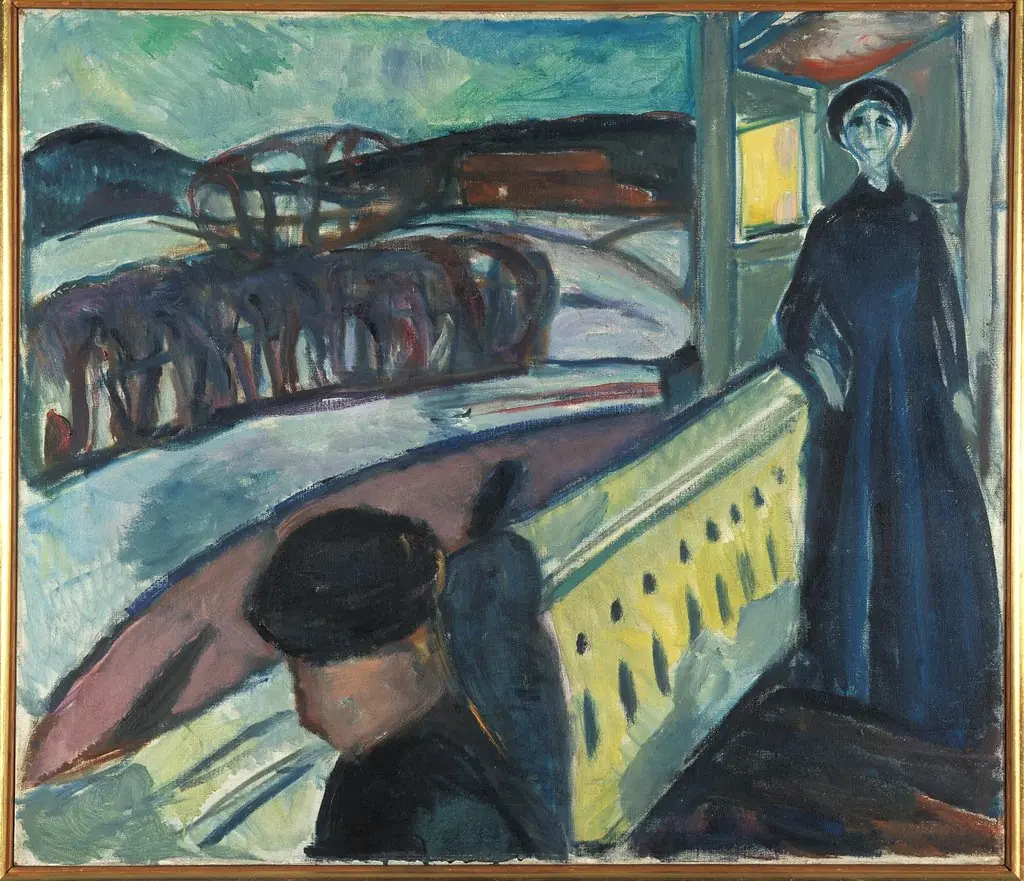 On the Veranda Stairs
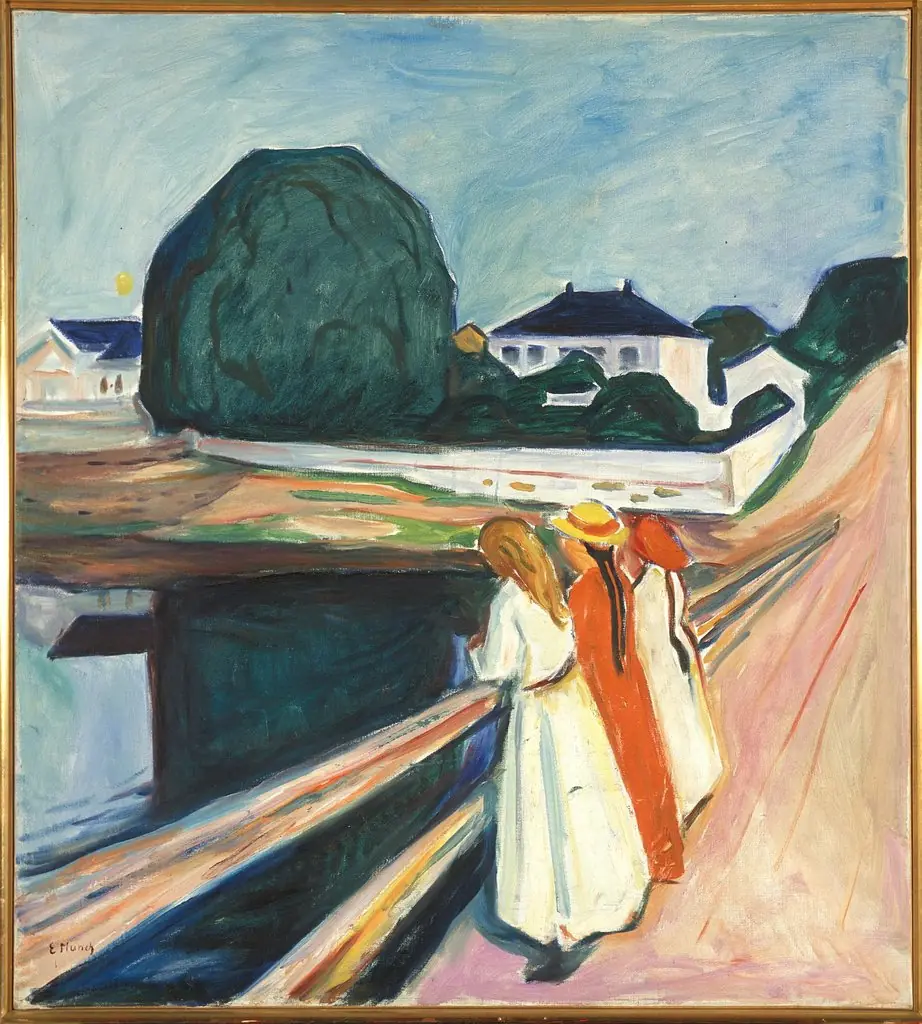 The Girls on the Bridge
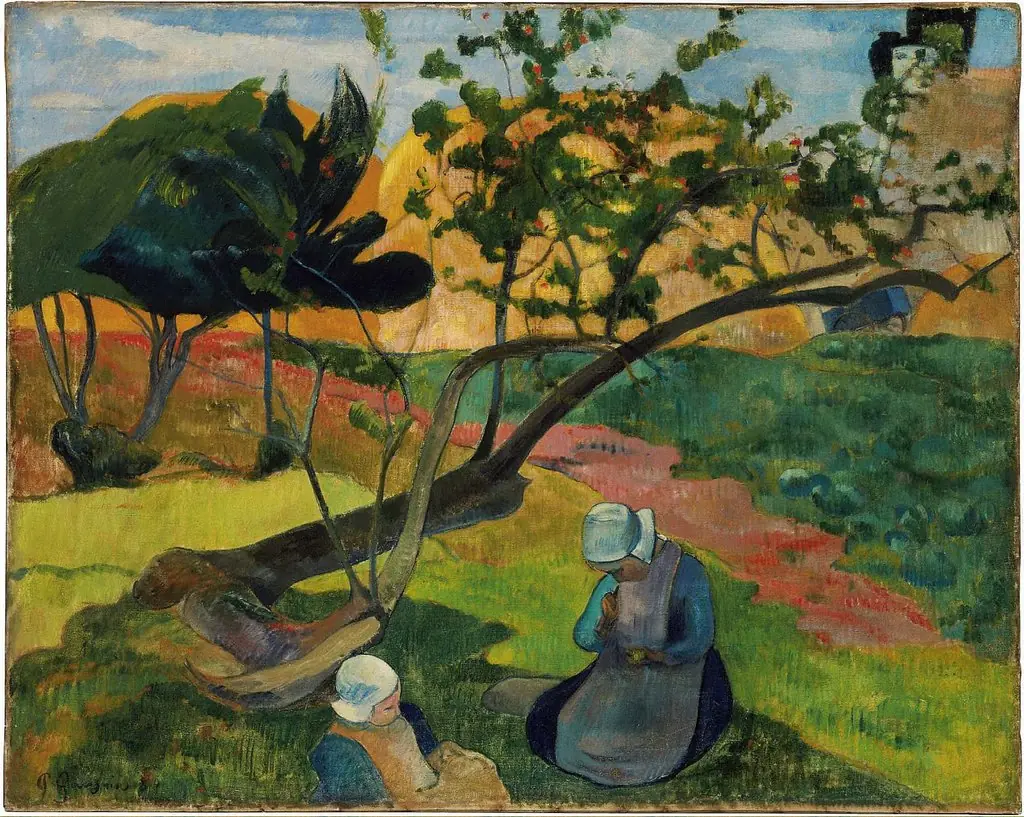 Landscape with Two Breton Women
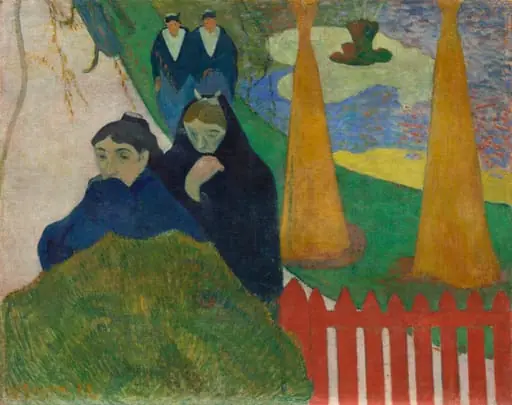 Arlésiennes (Mistral)
 Arlésiennes (Mistral)