Artwork
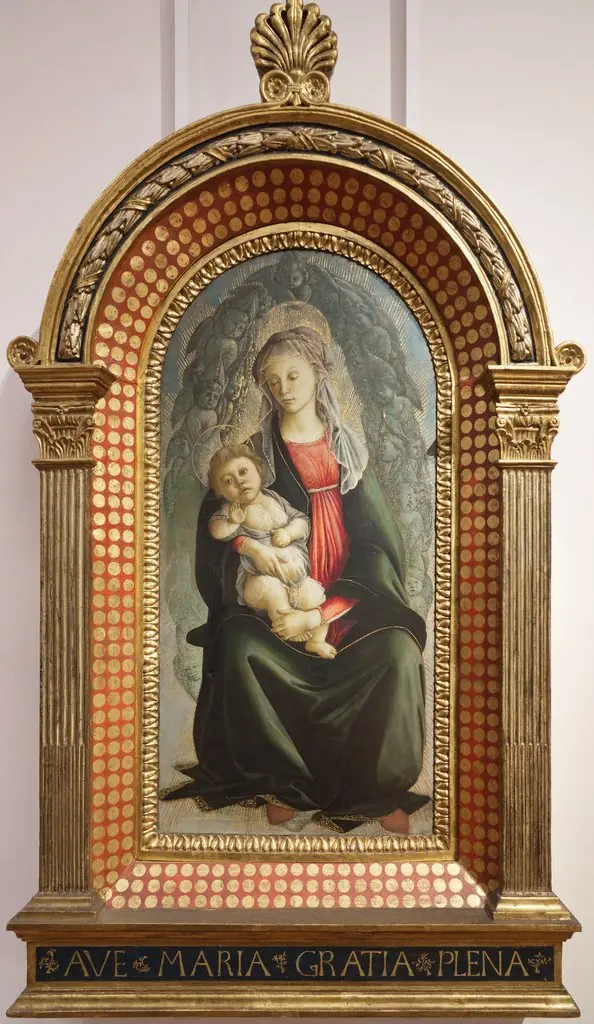
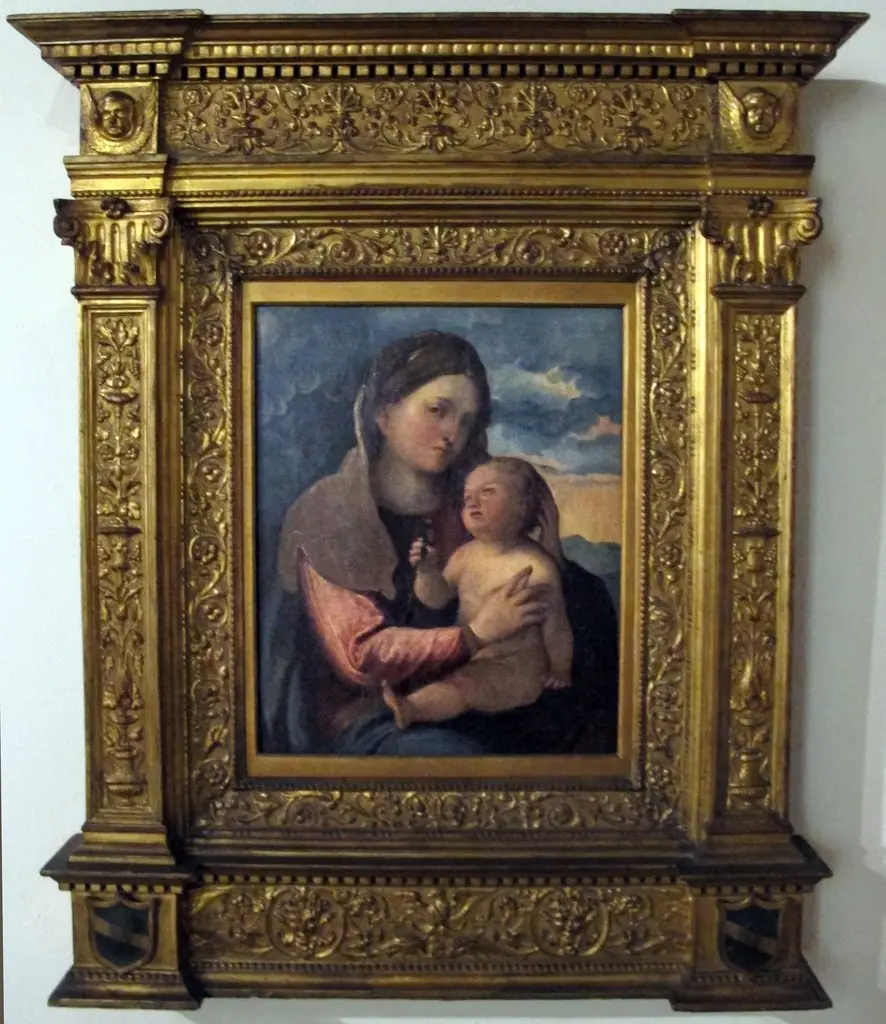
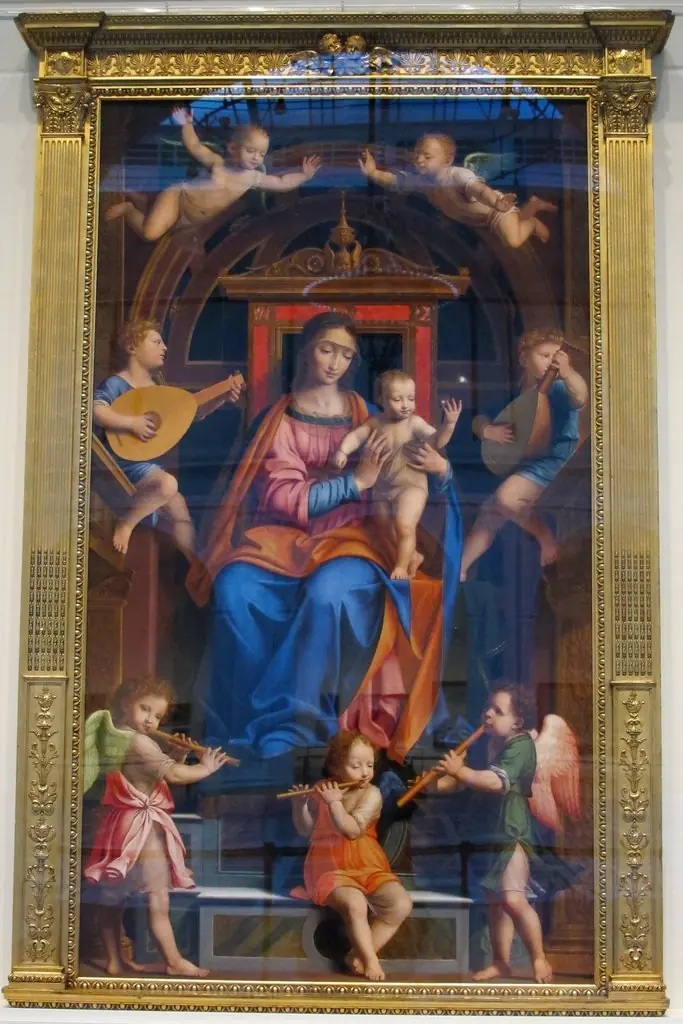
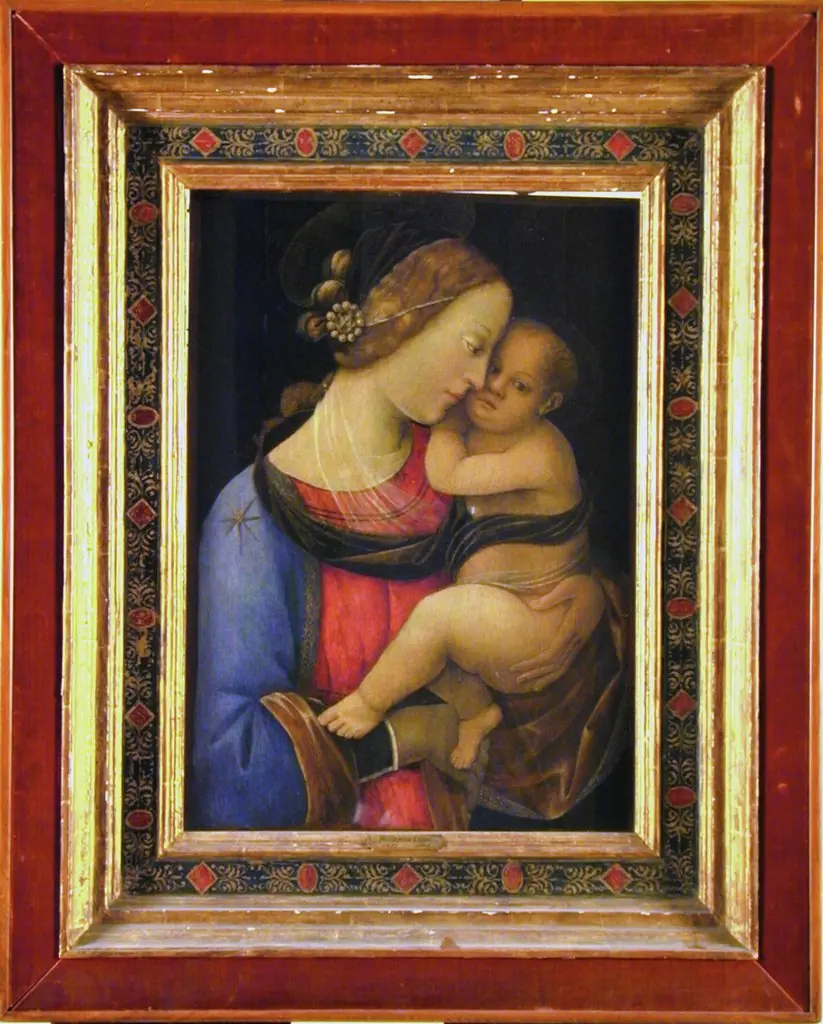
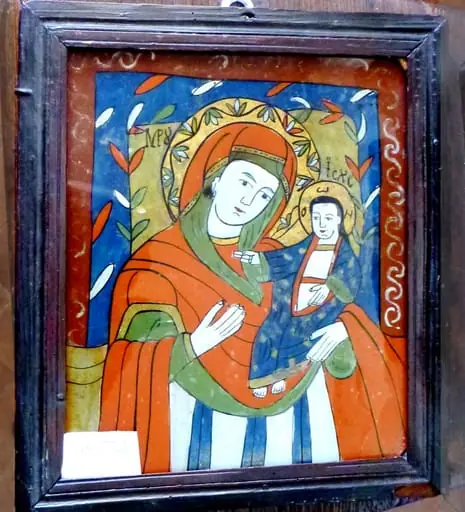
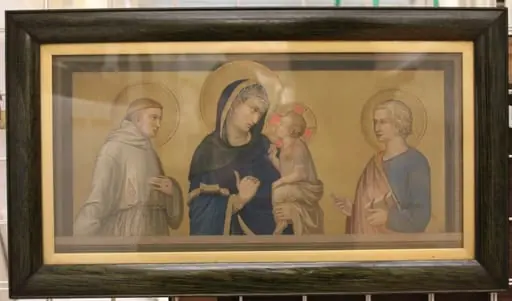
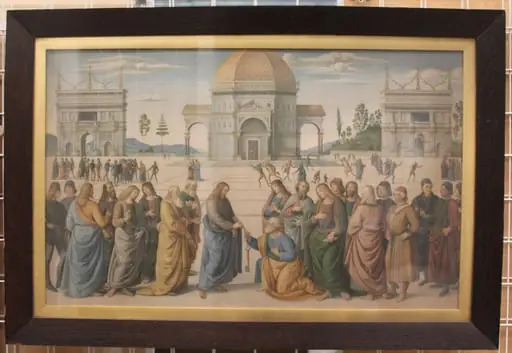
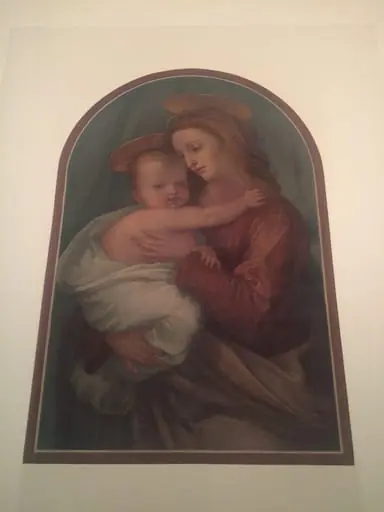
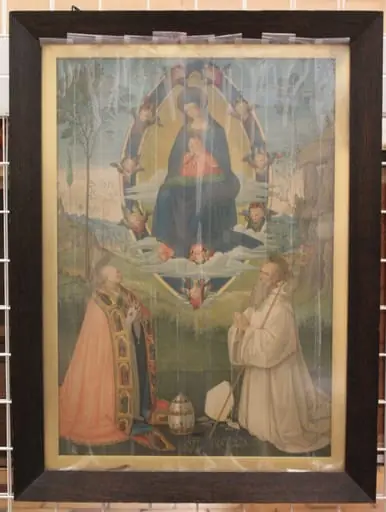
Madonna and Child with donor
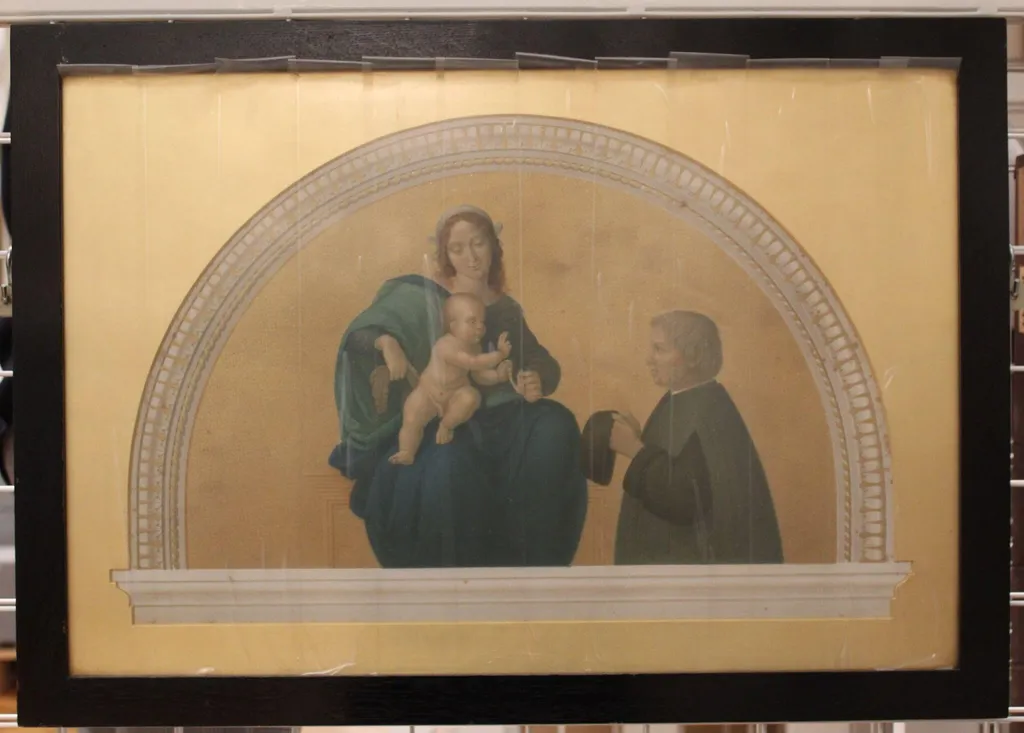
Madonna and Child with donor is a print by the Impressionist artist Mariannecci. It dates from 1864 and is held in the collection of the Victoria and Albert Museum.
About this work
Then the stone gets wet, ink rolls over it, and the greasy parts hold the color while the wet parts stay clean.
This is a 1864 print called *Madonna and Child with donor* by Mariannecci.
It’s a chromolithograph, a color print made by drawing on a stone with greasy chalk.
Then the stone gets wet, ink rolls over it, and the greasy parts hold the color while the wet parts stay clean.
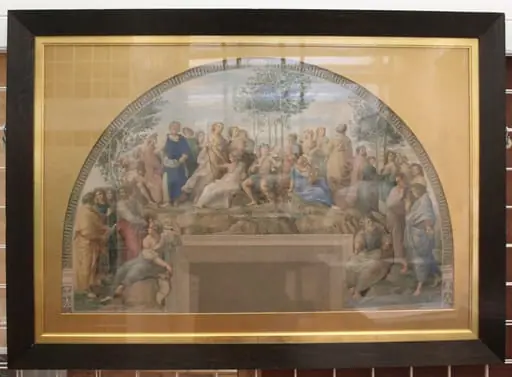
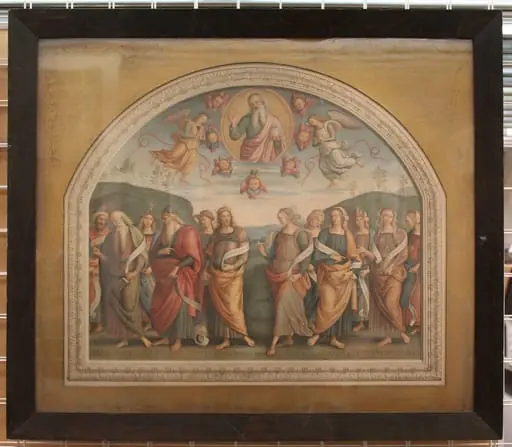
The Arundel Society ordered prints like this to sell to subscribers.
Mariannecci’s image was one of many copies meant to share artworks widely.
Look up the Victoria and Albert Museum next.
Overview
The work is a chromolithographic print titled *Madonna and Child with donor*, created in 1864 by the artist Mariannecci. Chromolithography is a colour printing technique that uses separate stones for each hue, applying greasy chalk designs that attract ink while water‑moistened areas repel it. The final image is transferred onto paper through a press, producing a vivid, multi‑coloured reproduction.
Subject & Meaning
The composition depicts the Virgin Mary holding the infant Christ, accompanied by a donor figure—typically a patron presented in a posture of reverence. Such imagery reflects the devotional practices of the late medieval and Renaissance periods, where patrons were often included in sacred scenes to signify piety and patronage.
Technique & Style
Mariannecci’s print follows the chromolithographic process: a separate lithographic stone was prepared for each colour, the design drawn with greasy chalk, and the stone wetted to delineate ink‑receiving areas. The layered application of inks yields a richly coloured image that imitates the appearance of original fresco or panel paintings, preserving fine details of line and shading.
History & Provenance
The print was commissioned by the Arundel Society, an organization founded to disseminate reproductions of notable Italian fresco cycles from the 14th to 16th centuries. After watercolour studies of the original works were approved by the Society’s council, they were sent to printers for chromolithographic production. Subscribers received the prints as part of the Society’s distribution program.
Context
By the time the Arundel Society dissolved in 1897, it had circulated over 200,000 chromolithographs, many of which entered schools, churches, and community halls. Mariannecci’s *Madonna and Child with donor* exemplifies the 19th‑century effort to make historic artworks accessible to a broad public, influencing visual education and the preservation of art historical knowledge.
Artist & collection
Artist
This 19th-century print artist specialized in religious scenes. Look for their 1864 Madonna and Child with donor—a softly shaded print that pairs a calm Madonna holding the Christ child with a kneeling donor in period…