Artwork
Josiah Shute, B.D.
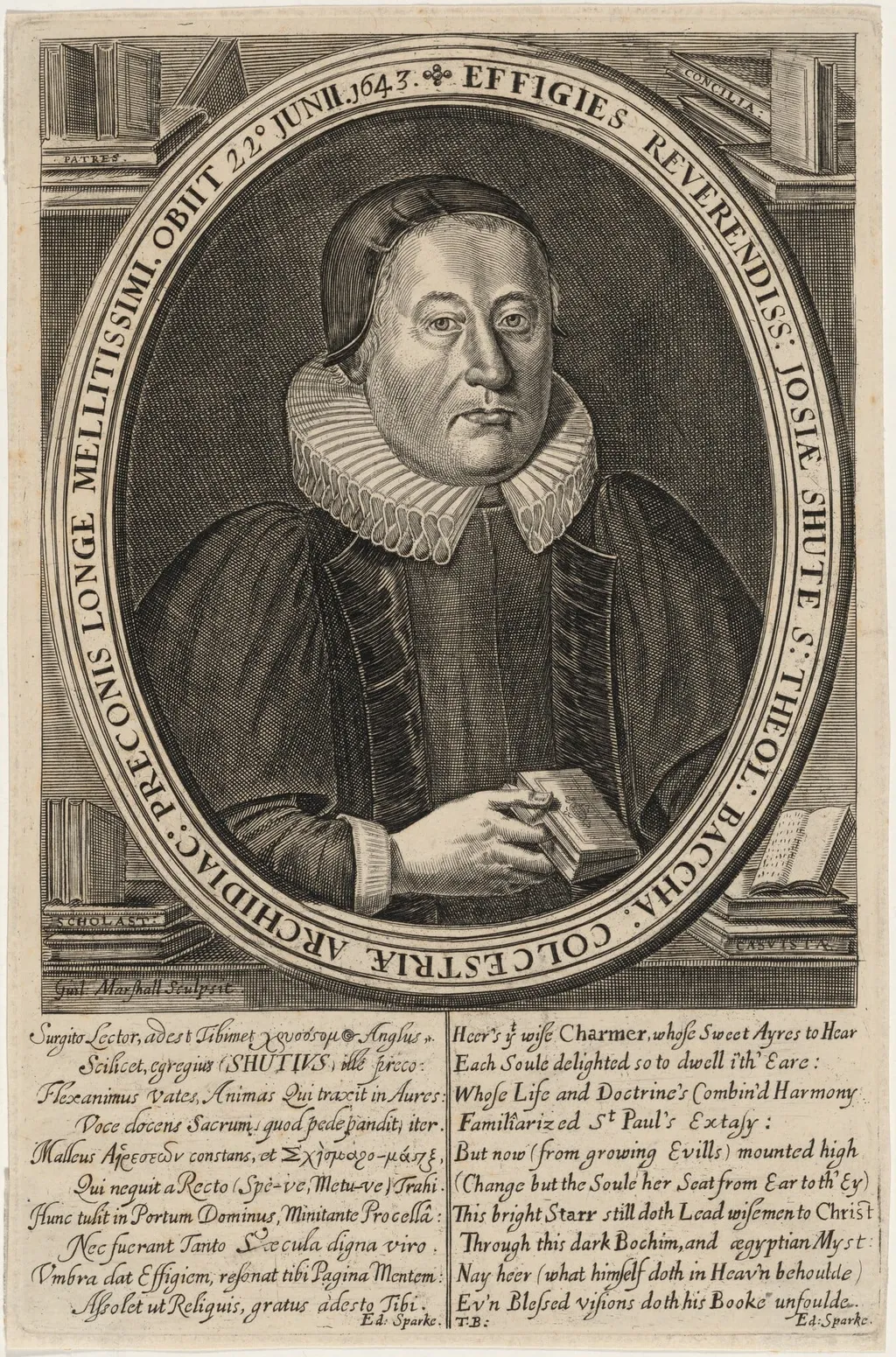
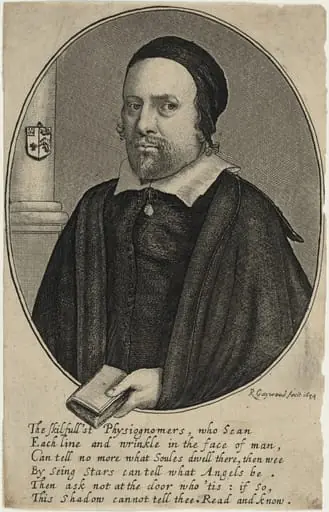
Josiah Shute, B.D. is an ink print by the Baroque artist William Marshall. It dates from 1649 and is held in the collection of the National Gallery of Art. Josiah Shute, B.
About this work
Overview
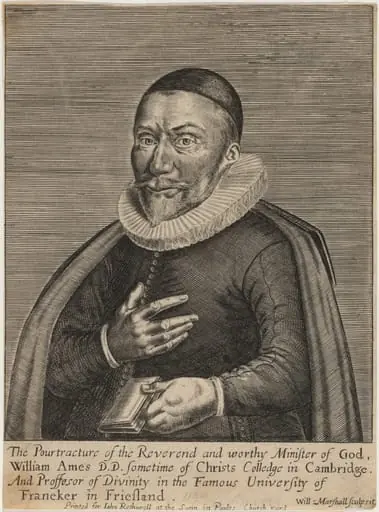
The work depicts a clergyman in formal ecclesiastical attire, rendered with fine linear precision characteristic of English engraving of the period.
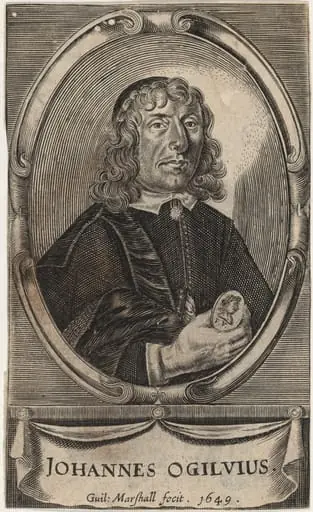
Josiah Shute, B.D. is a 1649 engraving by William Marshall, produced as a portrait print during the mid-seventeenth century. The work depicts a clergyman in formal ecclesiastical attire, rendered with fine linear precision characteristic of English engraving of the period. The composition is tightly focused on the subject, set against a muted background to emphasize his presence and solemn demeanor.
Subject & Meaning
Josiah Shute, identified by his title B.D. (Bachelor of Divinity), was a Puritan minister. His clasped hands and held book suggest piety and scholarly devotion, common visual cues for religious figures of the time. The absence of ornate surroundings or symbolic objects directs attention to his intellectual and spiritual character, aligning with Puritan values that favored restraint and inner conviction over external display.
Technique & Style
Marshall employed fine cross-hatching and delicate line work to model form and texture, particularly in the fabric of the robe and the folds of the ruffled collar. The dark background enhances contrast, isolating the figure and heightening the three-dimensionality of his face and hands. The engraving’s precision reflects the technical discipline of printmaking in the era, where each line was carefully incised into a metal plate.
History & Provenance
Created in 1649, the engraving emerged during a period of political and religious upheaval in England. As a Puritan minister, Shute’s image would have circulated among like-minded communities, serving both as a personal memorial and a symbol of religious identity. The print likely served as a keepsake or was included in devotional collections, though its early ownership records remain sparse.
Context
In the years following the English Civil War, portraiture in print became a means of preserving the likenesses of religious and political figures who had lost status or faced persecution. Engravings like this one offered a quiet alternative to painted portraits, accessible to a broader audience and aligned with Puritan aversion to ostentation. Marshall’s work reflects this cultural shift toward modest, text-based representation.
Legacy
The engraving stands as an example of how print technology extended the reach of individual religious identity in early modern England. While not widely reproduced today, it remains a valuable artifact of Puritan visual culture, illustrating the intersection of clerical authority, print media, and the aesthetic norms of its time.
Artist & collection