Artwork
William Perkins, Preacher
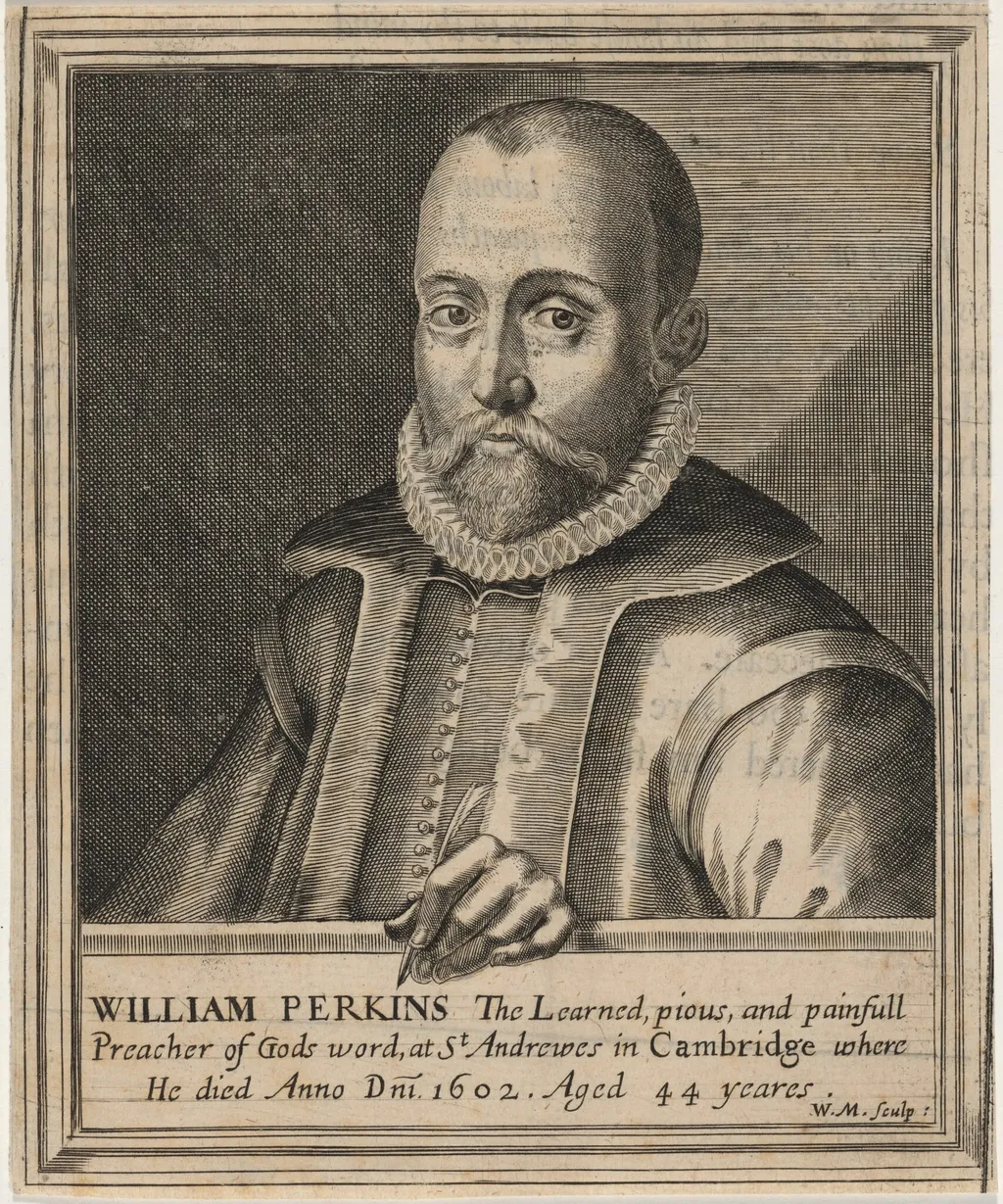
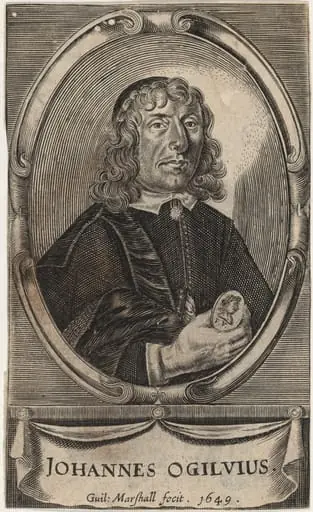
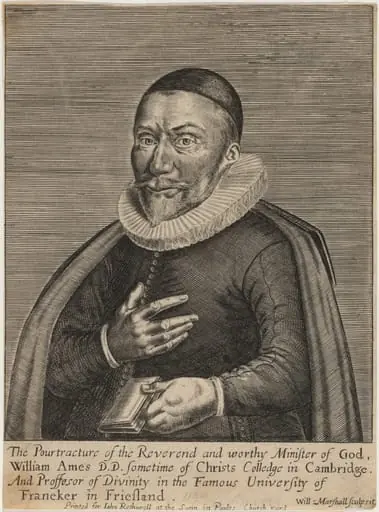
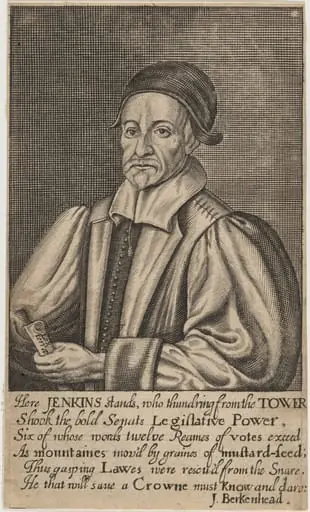
William Perkins, Preacher is an ink print by the Baroque artist William Marshall. It dates from 1642 and is held in the collection of the National Gallery of Art.
About this work
His right hand rests on a book or paper, and his left hand holds something small, maybe a ring or tool.
This is a black-and-white portrait of an older man with a long white beard and mustache. He’s wearing a dark robe with a high collar and a chain necklace. His right hand rests on a book or paper, and his left hand holds something small, maybe a ring or tool. The background is plain, focusing all attention on his face and hands.
The text below says his name is William Perkins, a preacher who died in 1602. The artist’s name, William Marshall, is signed in the corner.
If you like this style, check out the technique: engraving.
Overview
This 1642 engraving by William Marshall depicts William Perkins, a prominent Puritan theologian who died in 1602. Rendered in monochrome, the portrait emphasizes the subject’s aged features and clerical attire. The composition is minimal, with no decorative elements to distract from the figure. Marshall’s signature appears in the corner, affirming his authorship. The print serves as a commemorative likeness, typical of posthumous portraits of religious figures in early 17th-century England.
Subject & Meaning
William Perkins was a leading voice in the Puritan movement, known for his sermons and theological writings. The engraving presents him as a contemplative scholar: his hand resting on a book suggests intellectual authority, while the small object in his left hand may imply personal devotion or clerical function. The plain background and direct gaze reinforce his role as a moral guide, inviting viewers to reflect on his teachings rather than his physical presence.
Technique & Style
Marshall employed fine-line engraving to render texture and form with precision. The beard, collar, and chain are defined by delicate cross-hatching and parallel lines, capturing the weight of fabric and the sheen of metal. The face is modeled with subtle tonal shifts, avoiding dramatic contrast in favor of quiet realism. The style reflects the conventions of English portrait engraving of the period, prioritizing clarity and dignified restraint over ornamental flourish.
History & Provenance
Created over four decades after Perkins’s death, the engraving likely served to preserve his image for a growing readership of his published works. Marshall, a noted printmaker of the era, often produced portraits of religious and academic figures. The print may have been circulated among Puritan communities or included in collected editions of Perkins’s sermons, functioning as both a memorial and a tool for doctrinal identity.
Context
In the 1640s, England was deeply divided by religious and political tensions. Portraits of Puritan leaders like Perkins were valued not merely as likenesses but as symbols of theological conviction. Unlike Catholic iconography, Puritan imagery avoided sanctification, favoring sober, intellectual representation. This engraving aligns with that ethos—presenting Perkins as a man of learning, not a saint, reflecting the movement’s emphasis on scripture over visual veneration.
Legacy
The engraving remains one of the most widely recognized images of William Perkins, reproduced in later biographies and theological histories. Its enduring presence underscores the lasting influence of his writings and the Puritan emphasis on the printed word. Though not artistically flamboyant, its clarity and restraint contributed to the visual culture of Protestant intellectualism in early modern Britain.
Artist & collection