Artwork
Edward Dering, Puritan Divine
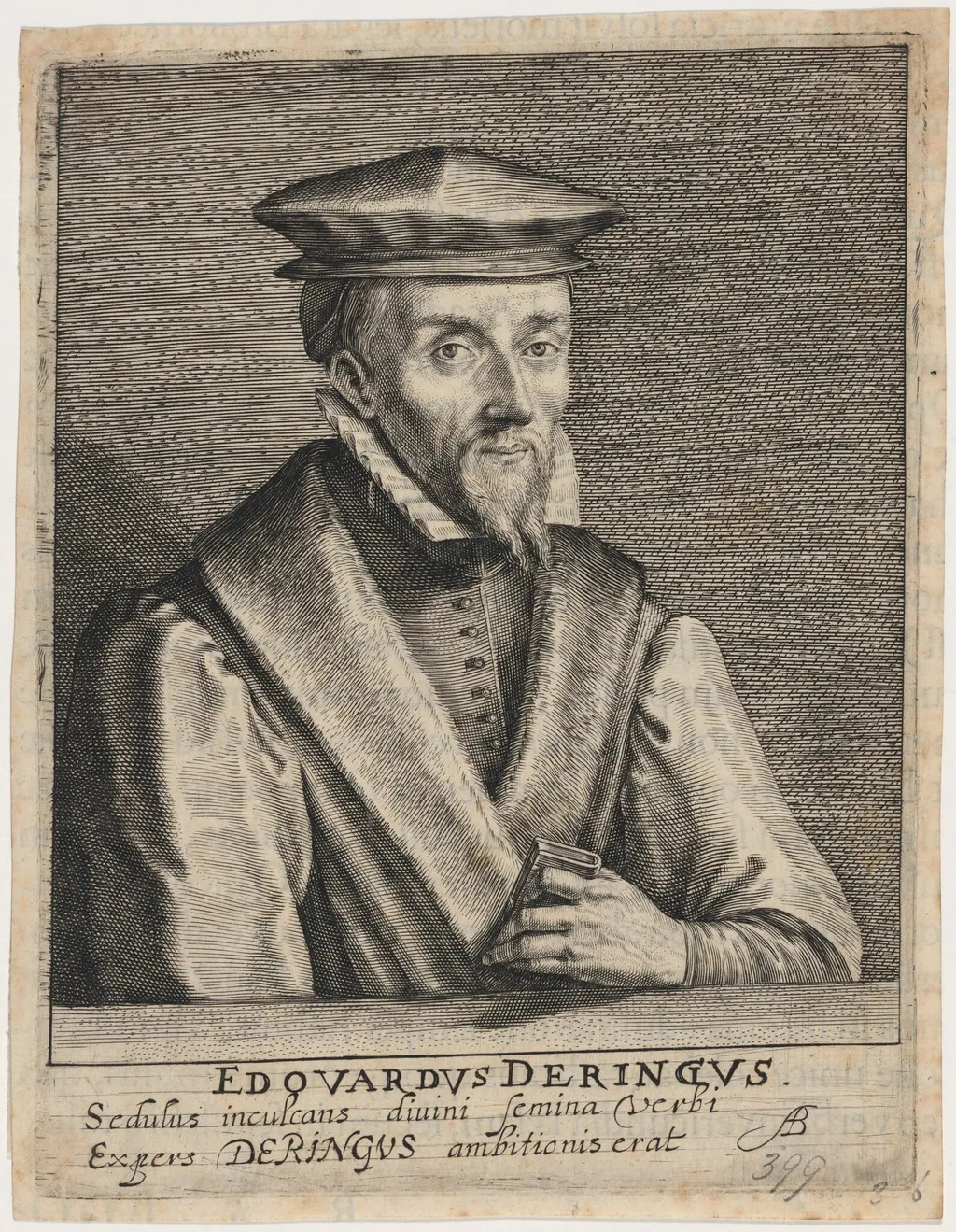
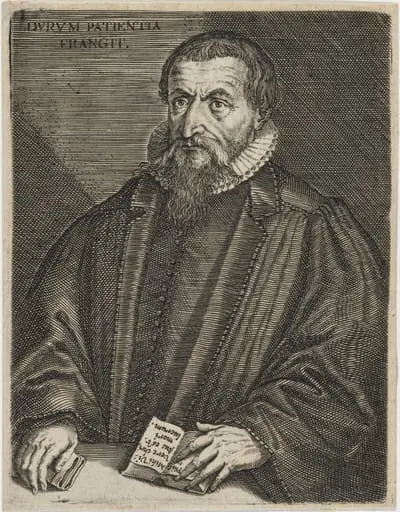
Edward Dering, Puritan Divine is an ink print by the Baroque artist Willem de Passe. It dates from 1620 and is held in the collection of the National Gallery of Art.
About this work
Overview
Rendered in monochrome, the portrait emphasizes precision and restraint, characteristic of early 17th-century printmaking.
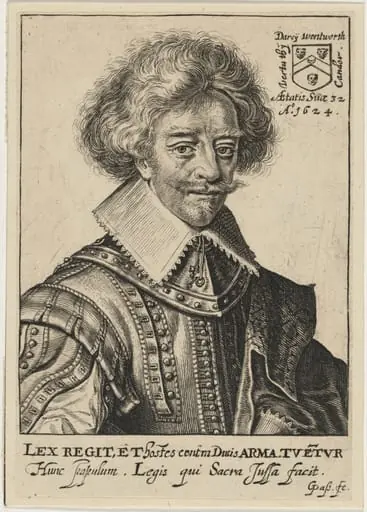
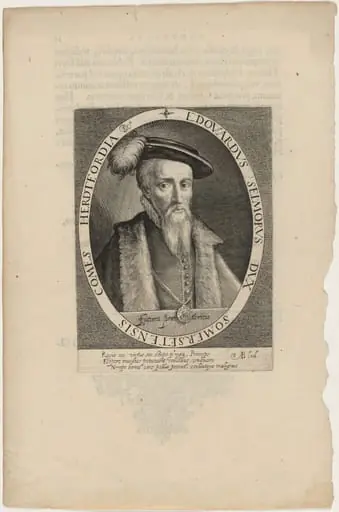
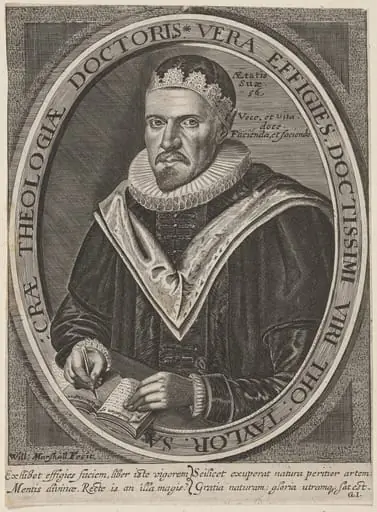
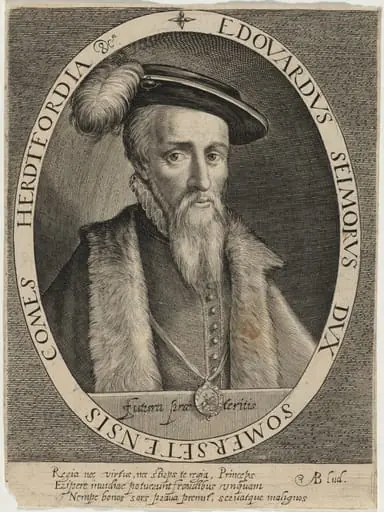
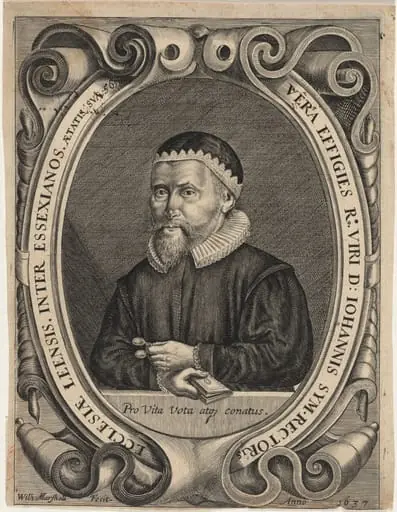
An engraving from 1620 by Willem de Passe depicts Edward Dering, an English Puritan clergyman. Rendered in monochrome, the portrait emphasizes precision and restraint, characteristic of early 17th-century printmaking. The composition isolates the figure against a neutral background, directing attention to his demeanor and attire. Fine linear detail captures texture in fabric and facial features, reflecting the technical rigor of the medium.
Subject & Meaning
Edward Dering was a noted Puritan minister known for his theological writings and resistance to Anglican ceremonialism. The portrait presents him with solemnity, his beard and high collar signaling piety and intellectual seriousness. The object in his hand—likely a book or manuscript—suggests his role as a scholar and preacher, reinforcing his identity through symbols of learning and religious devotion.
Technique & Style
De Passe employed fine, controlled engraving lines to model form and shadow, particularly in the face and hands. The texture of the hat, collar, and jacket is rendered through delicate cross-hatching and stippling. The absence of decorative elements in the background enhances the portrait’s focus on the individual, aligning with Puritan values of simplicity and directness.
History & Provenance
Created in 1620, the engraving was likely produced for circulation among Protestant networks in England and the Netherlands. De Passe, a Dutch artist active in London, specialized in portraits of religious and political figures. The print may have served as a means of disseminating Dering’s image to supporters, reinforcing his authority within Puritan circles during a period of religious tension.
Context
In early 17th-century England, Puritans sought to reform the Church of England by eliminating ritual and emphasizing scripture. Portraits like this one functioned as visual affirmations of identity in a climate where religious affiliation carried political weight. Engravings allowed for wider distribution than painted portraits, making them tools for shaping public perception among literate audiences.
Legacy
The engraving remains a rare surviving representation of Edward Dering, offering insight into how Puritan leaders were visually constructed. It exemplifies the role of print culture in religious identity formation and reflects the international collaboration between English subjects and Dutch engravers. As a historical document, it preserves the aesthetic and ideological values of a marginalized religious movement.
Artist & collection