Artwork
Petrus Scriverius
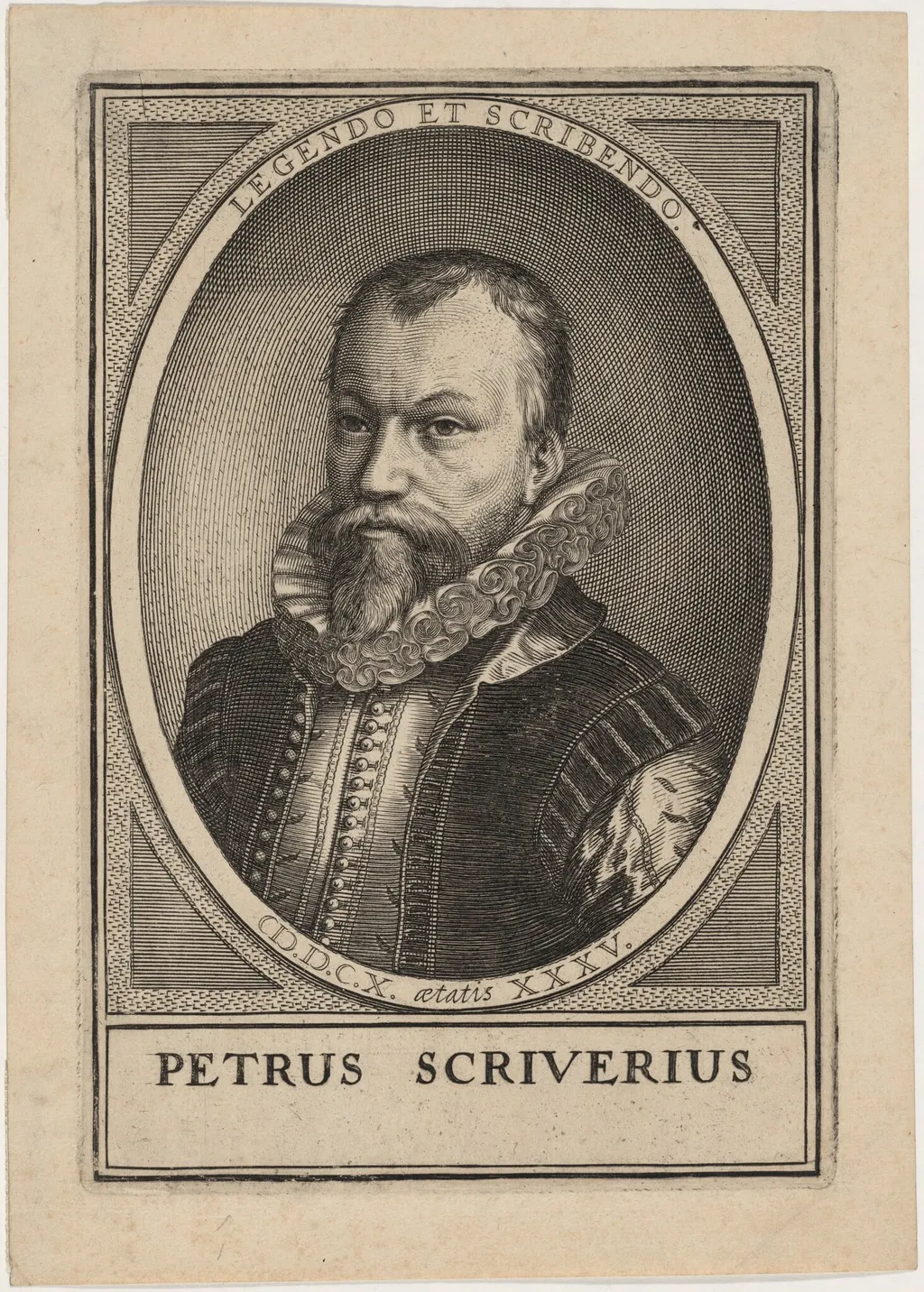
Petrus Scriverius is an ink print by the Romanticist artist Unknown 19th Century. It dates from 1850 and is held in the collection of the National Gallery of Art.
About this work
Overview
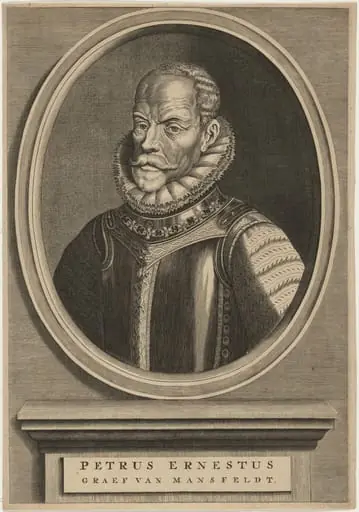
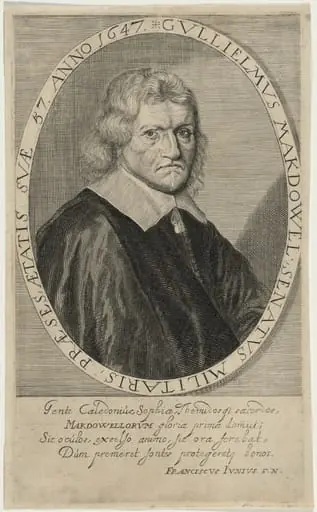
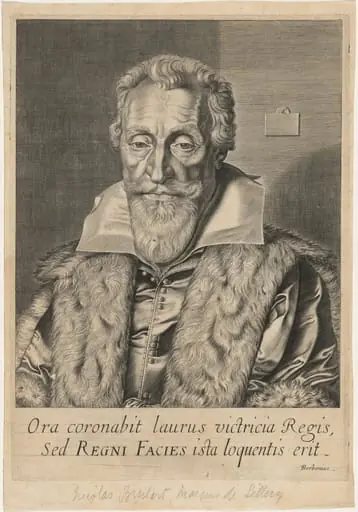
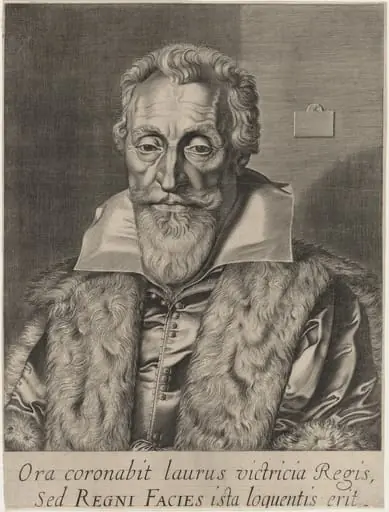
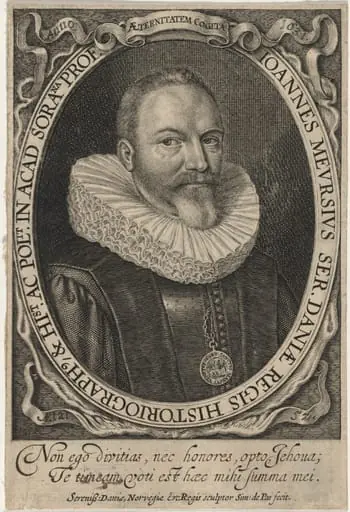
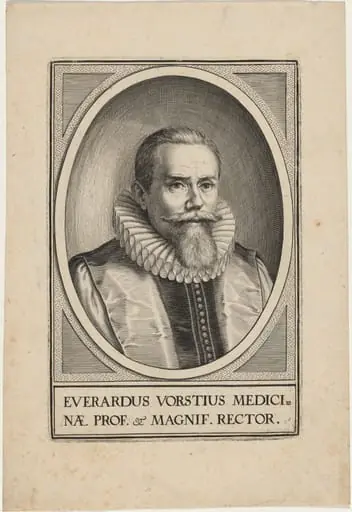
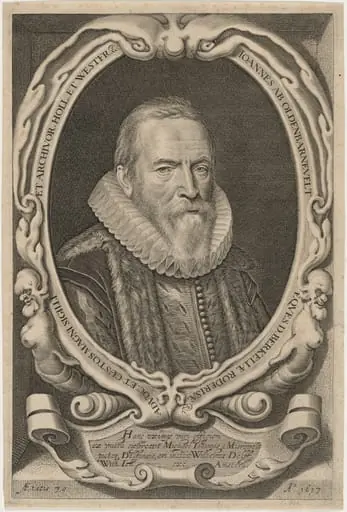
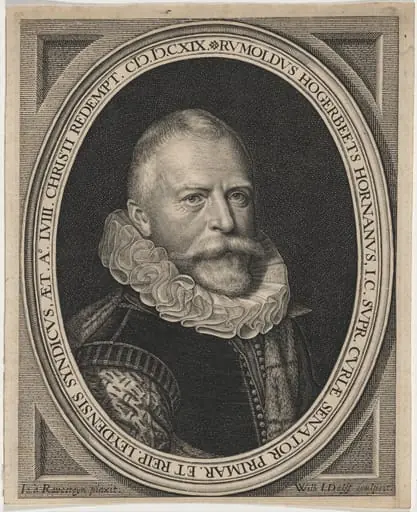
Rendered in fine linear detail, the portrait presents him in formal attire with a ruffled collar and buttoned coat.
This black-and-white engraving depicts Petrus Scriverius, a Dutch scholar and writer of the early 17th century. Rendered in fine linear detail, the portrait presents him in formal attire with a ruffled collar and buttoned coat. A decorative border surrounds the image, inscribed with Latin text, framing the subject with scholarly gravitas. The print’s precision reflects the technical standards of Northern European portraiture in the period.
Subject & Meaning
Petrus Scriverius was a respected historian and poet from the Dutch Republic, known for his contributions to regional literature and antiquarian studies. The portrait emphasizes his intellectual stature through restrained dress and solemn expression. The Latin inscriptions in the border reinforce his scholarly identity, aligning the image with humanist traditions that valued learning and textual authority.
Technique & Style
Executed as a line engraving, the portrait uses fine, controlled strokes to model form and texture—particularly in the beard, collar, and fabric folds. Shading is achieved through cross-hatching rather than tone, typical of printmaking before the widespread use of etching. The composition is symmetrical and tightly framed, reflecting the formal conventions of academic portraiture in early modern Northern Europe.
History & Provenance
The print likely dates to the 1620s or 1630s, produced during Scriverius’s lifetime or shortly after his death in 1660. It was probably commissioned by his circle or published as part of a collection of notable scholars. Such engravings circulated among learned communities, serving both as commemorative objects and as markers of intellectual prestige in print culture.
Context
In the Dutch Golden Age, engraved portraits of scholars were common, often included in books or displayed in private collections. They reflected a broader cultural emphasis on literacy, civic identity, and the veneration of learned men. This print aligns with similar portraits by artists like Hendrik Goltzius and Jan van de Velde, who helped define the visual language of intellectual authority in print.
Legacy
Though not widely reproduced today, the engraving remains a document of how early modern scholars were visually represented. It contributes to the historical record of Dutch humanism and the role of print in shaping intellectual identity. Archival copies persist in libraries and museums, valued for their historical rather than aesthetic significance.
Artist & collection

Artist