Artwork
Employment agency
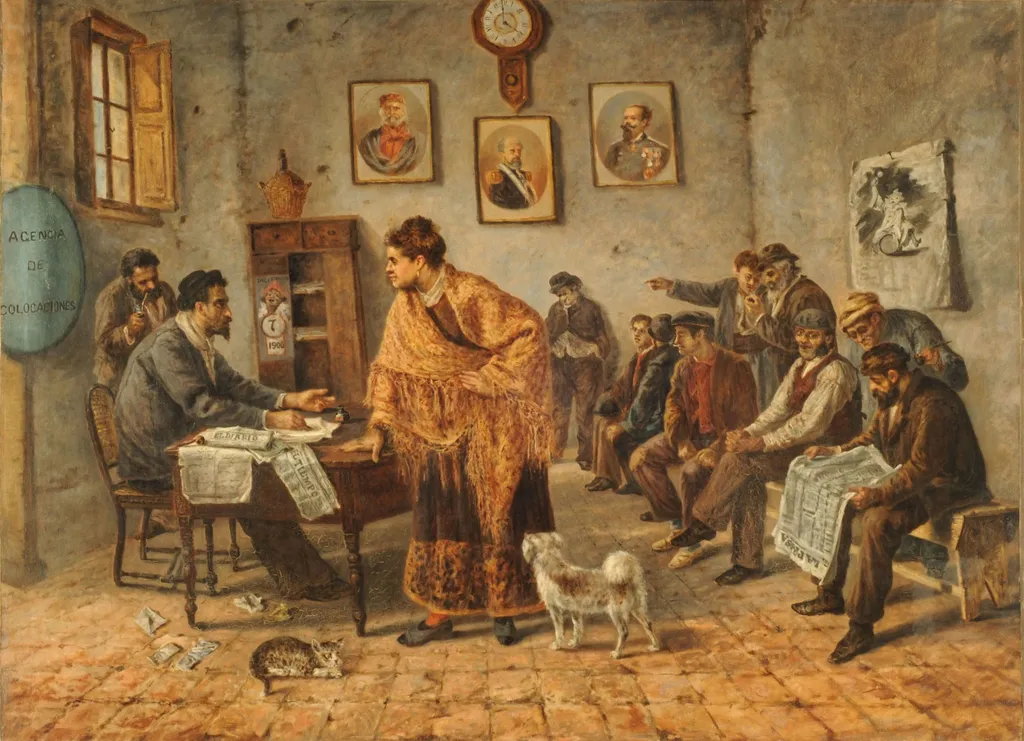
Employment agency is an oil painting by the Realist artist Martín Boneo. It dates from 1850 and is held in the collection of the National Museum of Fine Arts, Argentina.
About this work
Overview
Painted around 1850 by Argentine artist Martín Boneo, this oil on canvas depicts an interior scene of daily life in mid-19th century Buenos Aires. The work is part of the permanent collection at the National Museum of Fine Arts in Buenos Aires, where it serves as a quiet record of social interaction during a period of urban transformation.
Subject & Meaning
The painting centers on a woman in a detailed shawl, engaged with a seated man at a table, suggesting a transaction or arrangement. Around them, other figures wait or converse, implying a space where labor, migration, or domestic service is negotiated. The scene reflects informal employment networks common in growing cities, where personal connections often determined work opportunities.
Technique & Style
Boneo employs a restrained palette of warm ochres, browns, and muted reds, with soft, diffused light casting gentle shadows across the room. Figures are rendered with modest detail, avoiding dramatic gesture in favor of quiet realism. The composition directs attention to the central pair without theatricality, emphasizing the ordinary rhythms of domestic and economic life.
History & Provenance
The painting entered the collection of the National Museum of Fine Arts in Buenos Aires in the late 19th or early 20th century, likely through state acquisition or donation. Its survival and preservation reflect early institutional interest in documenting local scenes, though little documentation exists about its original commission or exhibition history.
Context
Created during a period of rapid urbanization and immigration in Argentina, the scene captures a transitional social space where newcomers sought work and established households. Similar settings appear in contemporary European genre painting, but Boneo’s version reflects local customs, dress, and the quiet authority of women managing household economies.
Legacy
Though not widely known outside Argentina, the painting remains a significant example of 19th-century Argentine genre painting. It contributes to the understanding of everyday life in Buenos Aires before industrialization, offering a nuanced view of labor, gender roles, and social hierarchy through unembellished observation.
Own this work as a print
Artist & collection

Museum
National Museum of Fine Arts, Argentina
Continue through works from the same source collection.
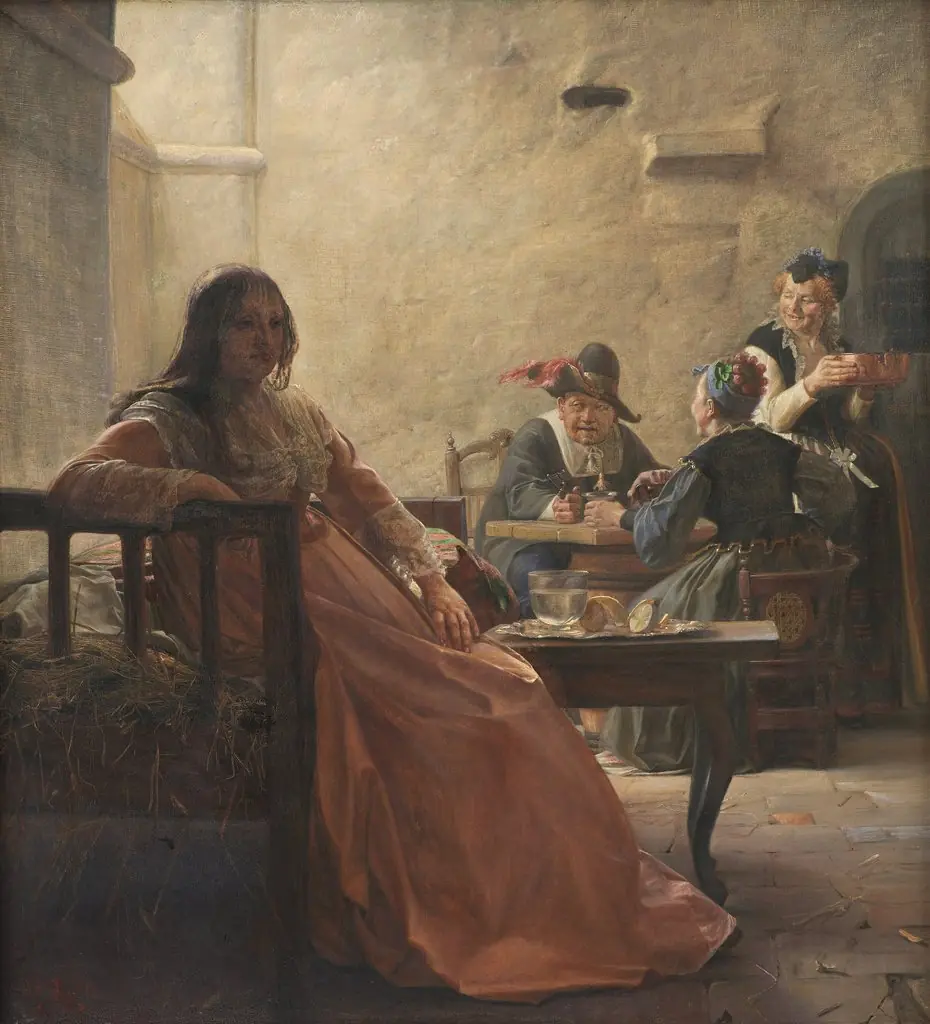 Leonora Christina in Prison
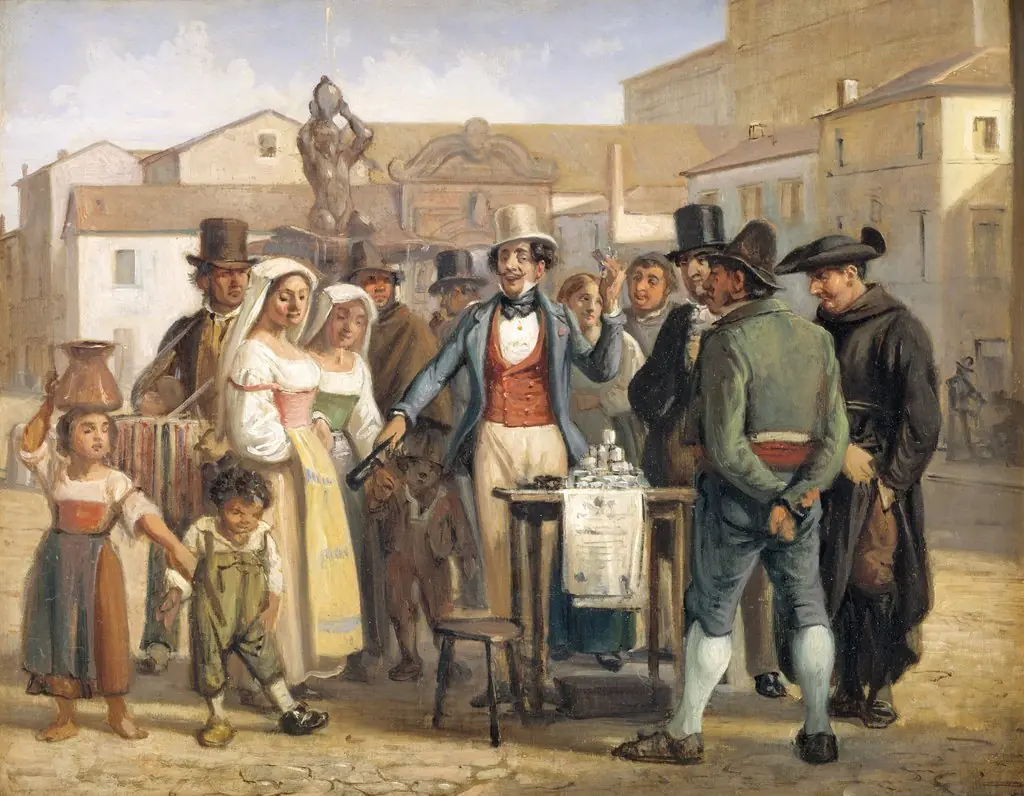 A Charlatan Selling Blacking in the Piazza Barberini in Rome
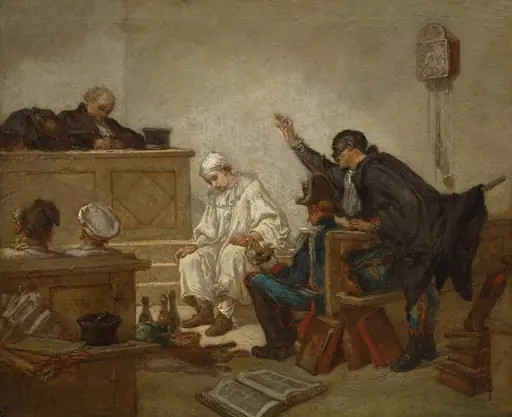 Pierrot in Criminal Court
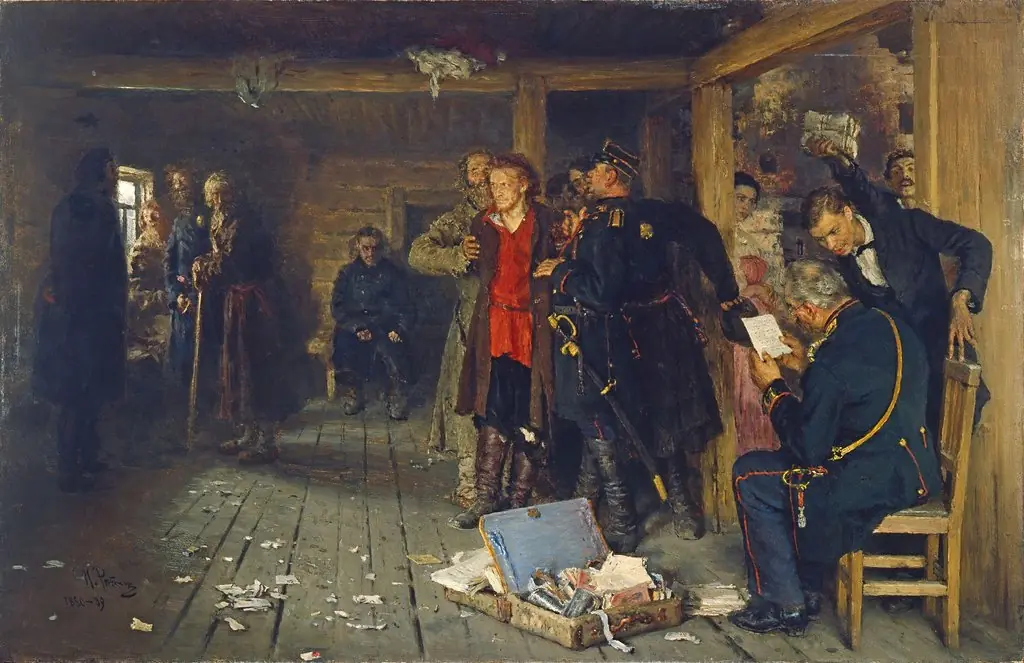 Arrest of a Propagandist
 Арест пропагандиста
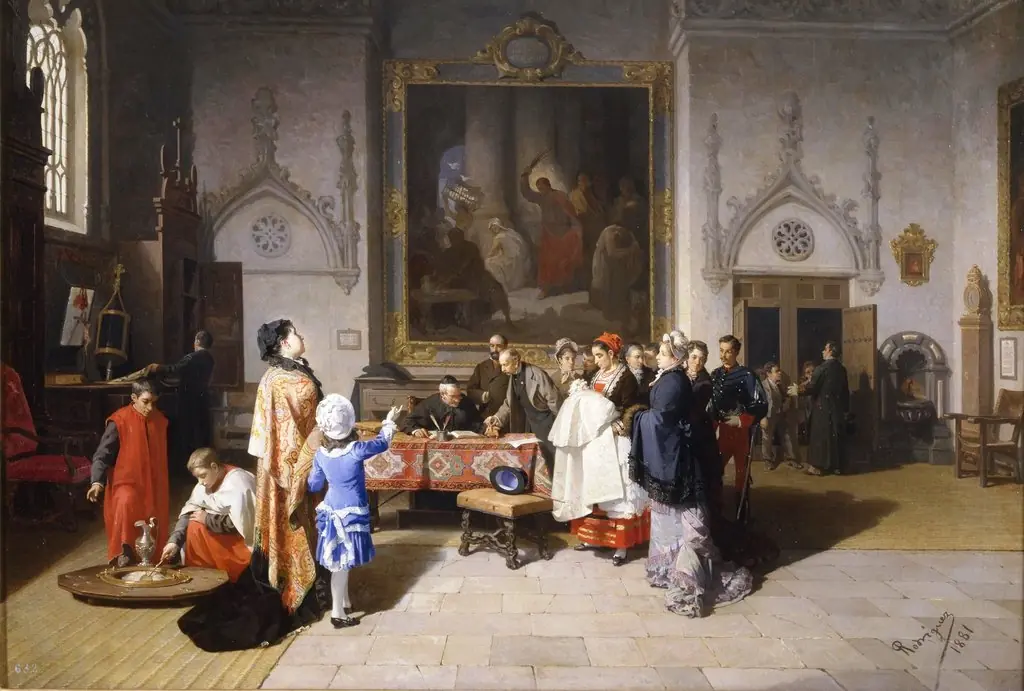 En la sacristía. ¿Mamá por qué pega Jesús a ese hombre?
 Pierrot w sądzie karnym
 Pierrot in Criminal Court
 Leonora Christina in Prison
 The Zemstvo Dines
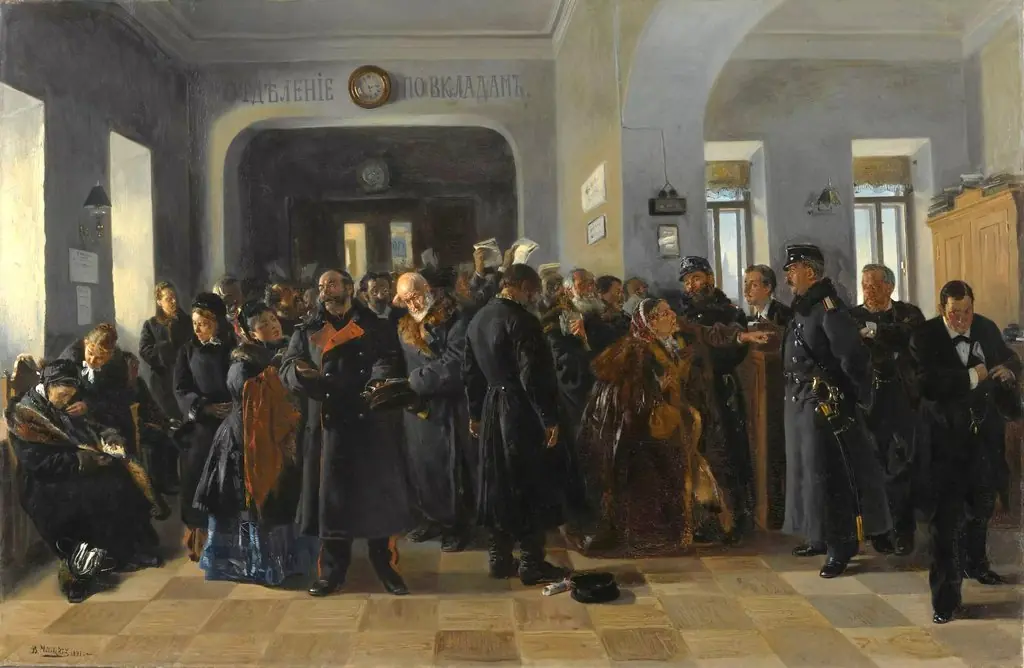 Failure of a bank
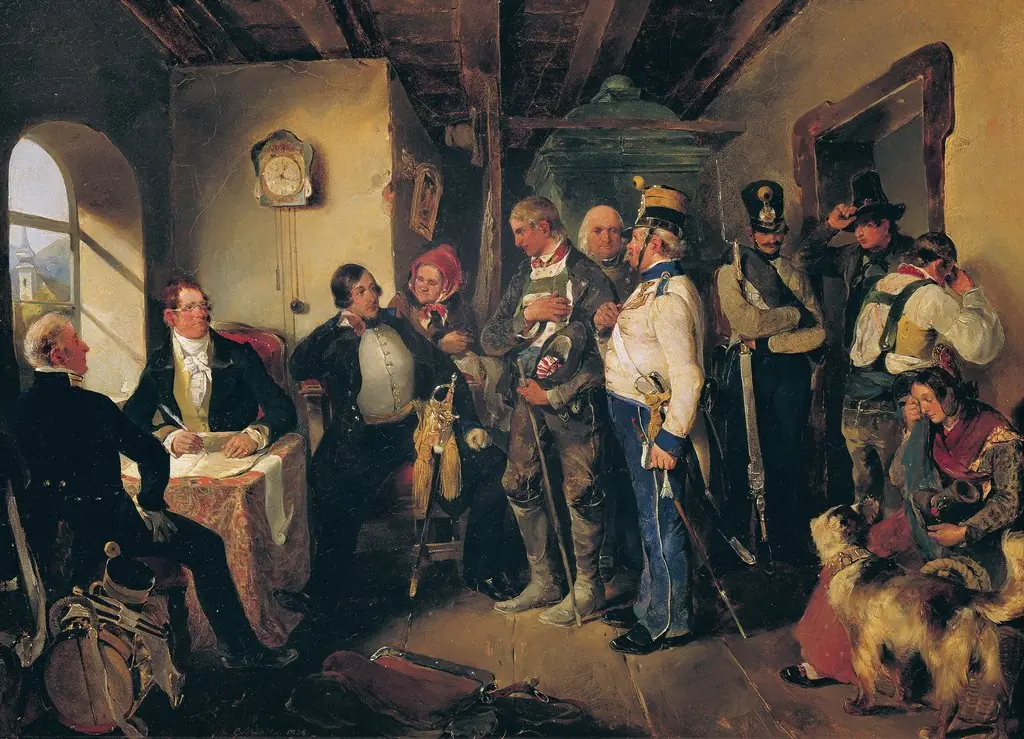 The Recruitment