Artwork
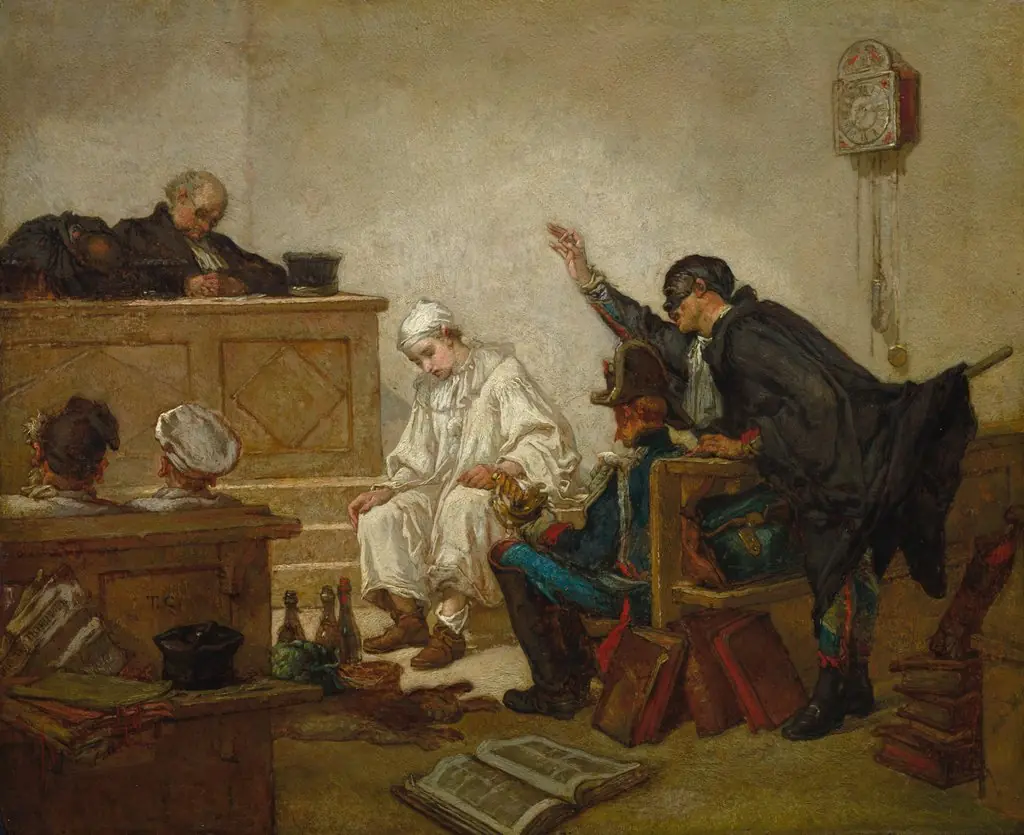
Pierrot in Criminal Court
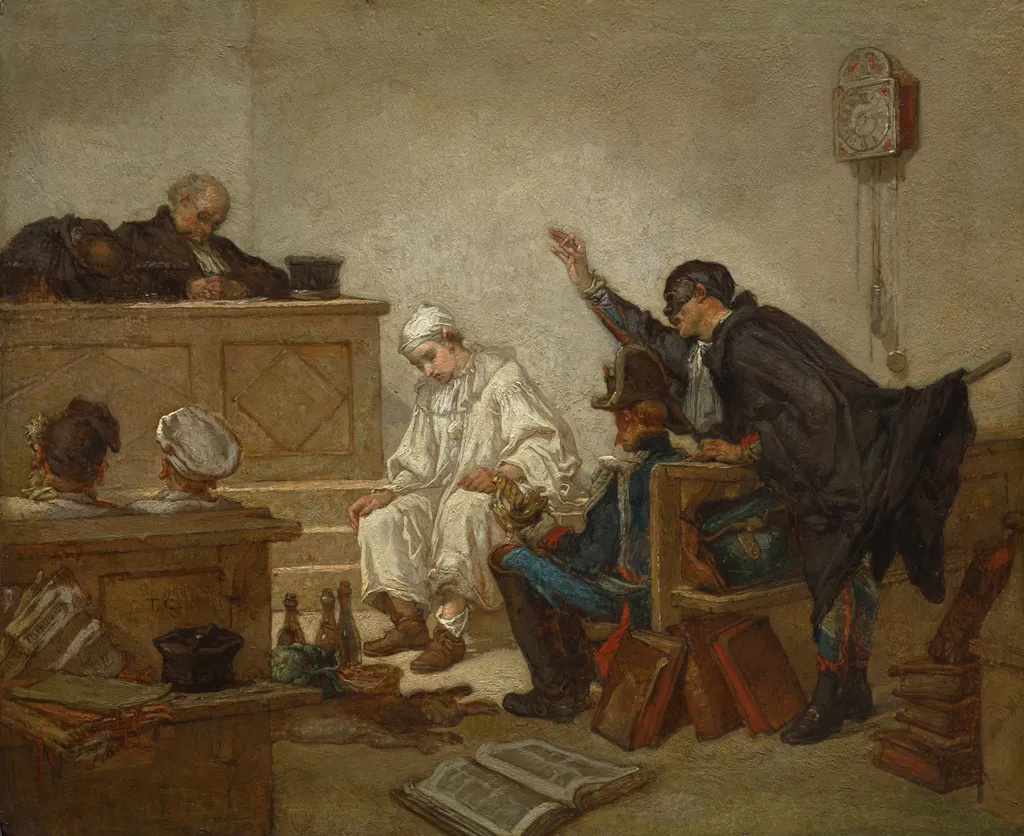
Pierrot in Criminal Court is an unspecified painting by the Impressionist artist Thomas Couture. It dates from 1867 and is held in the collection of the Cleveland Museum of Art.
About this work
This painting shows Pierrot, the sad clown, in a crowded courtroom. He stands accused, his stolen bread and cheese spilling on the floor. Harlequin, his flamboyant lawyer, gestures wildly while the judges look bored.
Couture used these famous clowns to mock the legal system of his time. The poor get no justice here—just a show.
Check out Thomas Couture (French, 1815–1879) next.
Overview
Thomas Couture’s canvas depicts a bustling courtroom where the melancholy clown Pierrot stands accused of pilfering bread and cheese. The stolen food lies scattered on the floor, while a flamboyantly dressed Harlequin gestures animatedly as the defendant’s advocate. Judges slumber in the background, underscoring a scene of theatrical legal farce that critiques the judicial process of the era.
Subject & Meaning
The work juxtaposes two iconic commedia dell’arte figures: Pierrot, the downtrodden fool, and Harlequin, the witty trickster.
The work juxtaposes two iconic commedia dell’arte figures: Pierrot, the downtrodden fool, and Harlequin, the witty trickster. Pierrot’s plight as a petty thief highlights the vulnerability of the lower classes, while Harlequin’s exaggerated defense suggests that legal arguments become performance rather than justice. The indifferent judges reinforce the notion that the system is more a spectacle than a venue for equitable judgment.
Technique & Style
Couture employs a realist palette with sharp chiaroscuro to emphasize the contrast between the illuminated figures and the dim courtroom interior. The composition is densely populated, guiding the eye from the spilled provisions to the animated lawyer and the languid magistrates. Brushwork remains precise, rendering textures of fabric and wood, while the exaggerated poses convey a satirical tone within a conventional academic framework.
Context
Created in the mid‑19th century, the painting reflects contemporary French disillusionment with legal institutions that often favored the privileged. By inserting familiar theatrical archetypes into a civic setting, Couture comments on the performative nature of justice during a period of social upheaval, when the poor frequently faced punitive measures for survival.
Legacy
While not as widely reproduced as Couture’s historical canvases, the piece endures as a visual critique of institutional apathy. It continues to be referenced in discussions of art that merges social commentary with popular culture, illustrating how allegorical characters can serve as vehicles for political satire.
Own this work as a print
Artist & collection

Artist
Thomas Couture (French pronunciation: ; 21 December 1815 – 30 March 1879) was a French history painter and teacher.

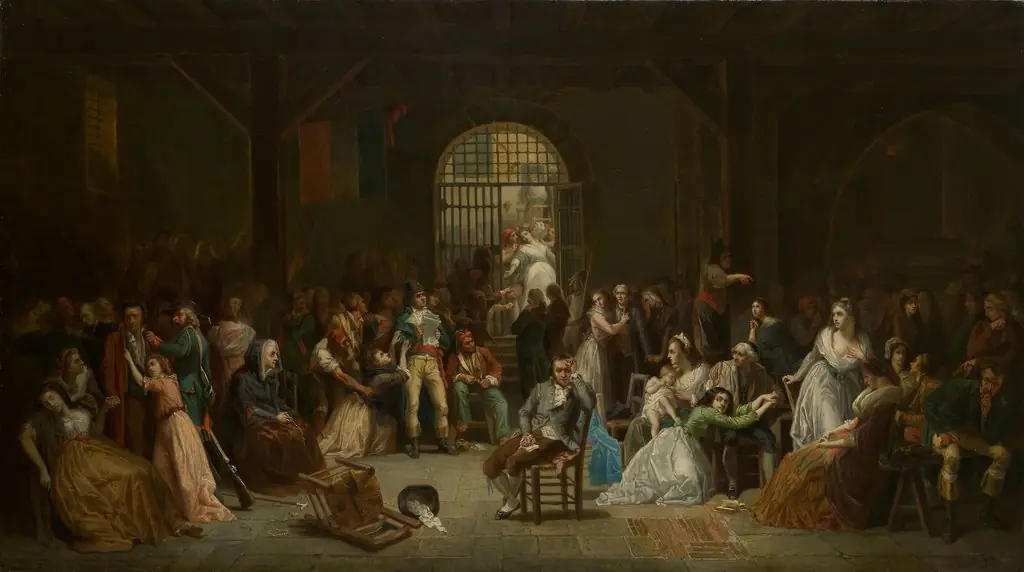 The Roll Call of the Last Victims of the Terror
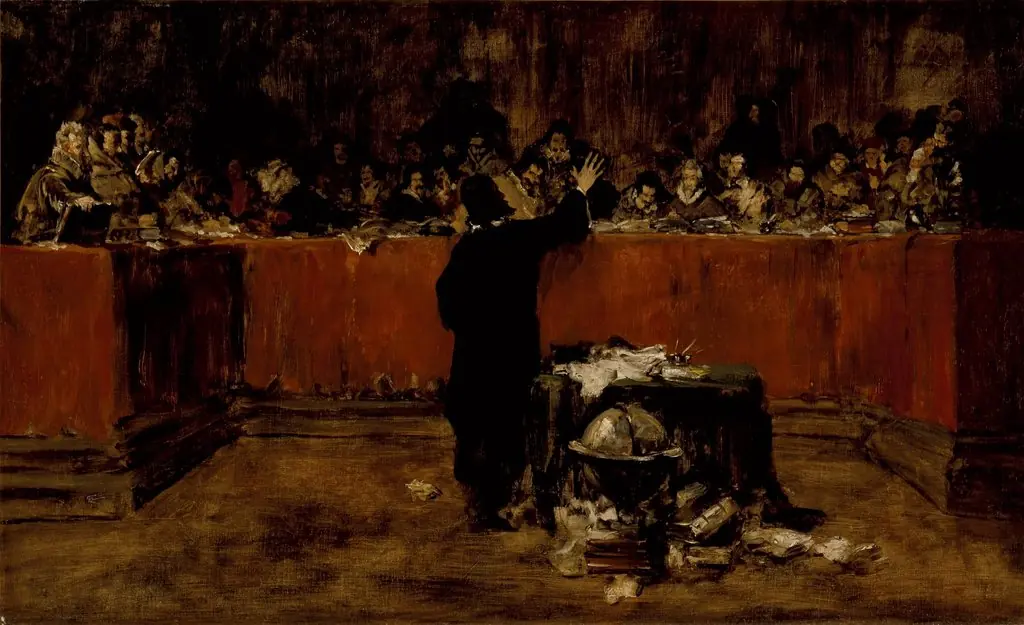 Sketch for a Picture--Columbus before the Council of Salamanca (B) (Christopher Columbus before the Spanish Council)
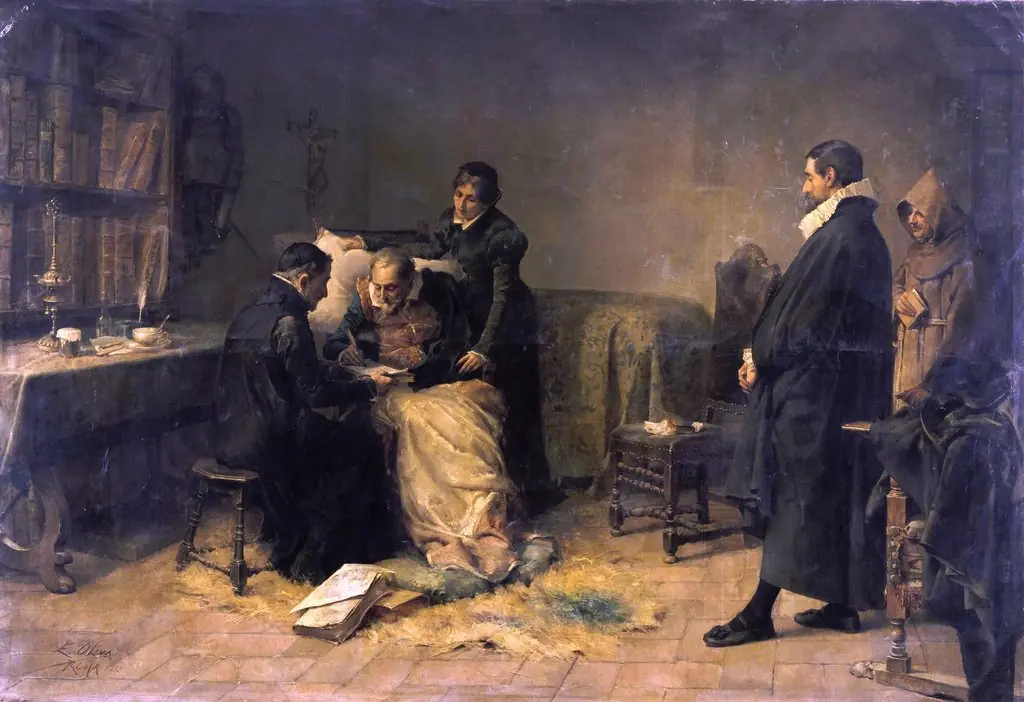 Cervantes en sus últimos días escribe la dedicatoria del Quijote al conde de Lemos
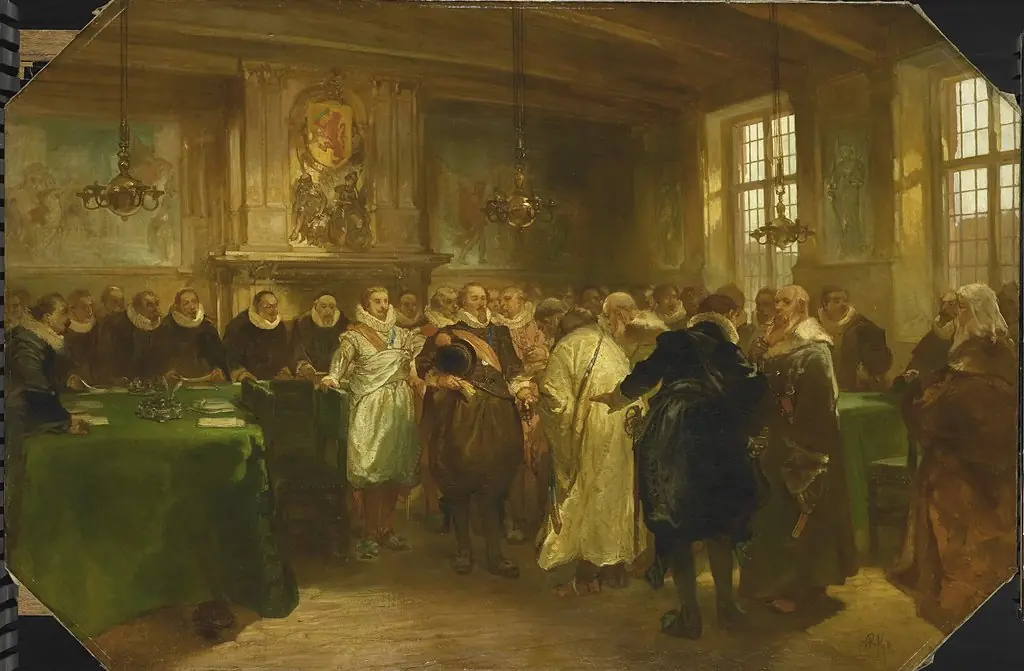 Prince Maurits Receiving a Russian Delegation in 1614
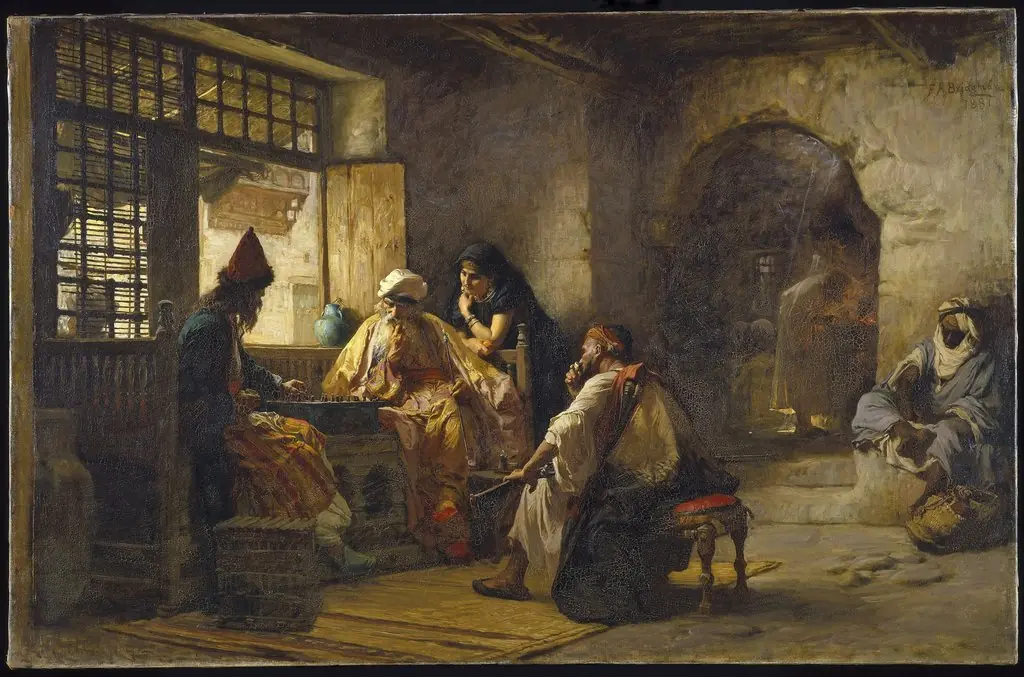 An Interesting Game
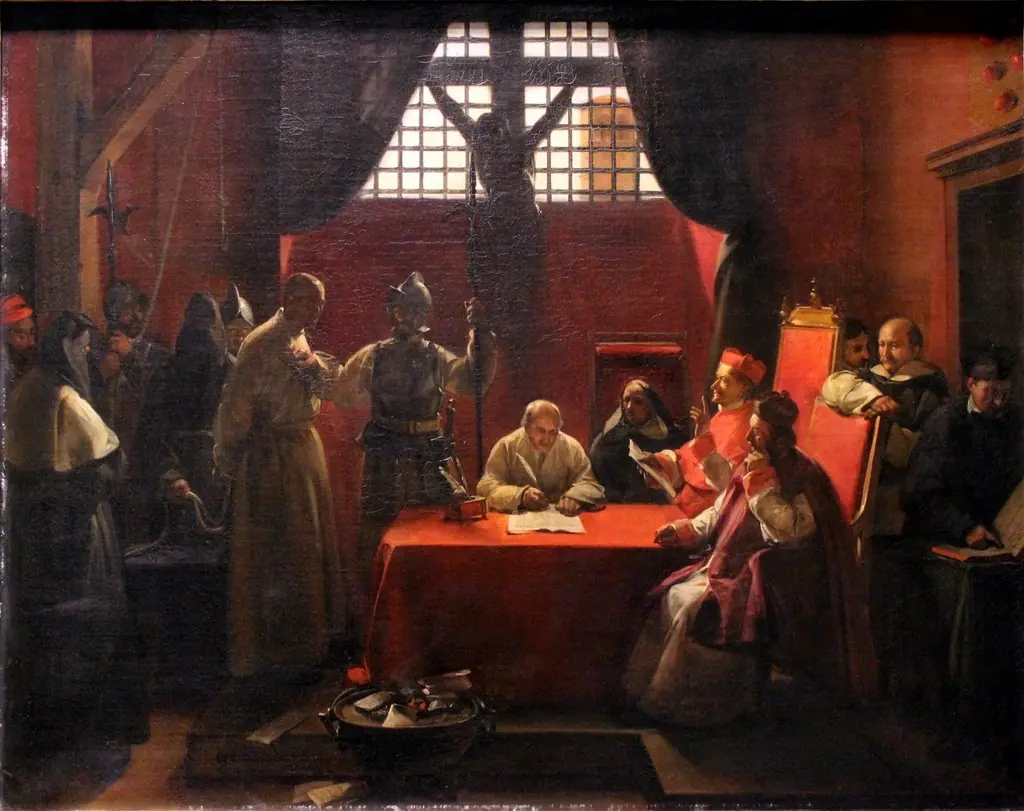 The Examination of Savonarola
 The Roll Call of the Last Victims of the Terror
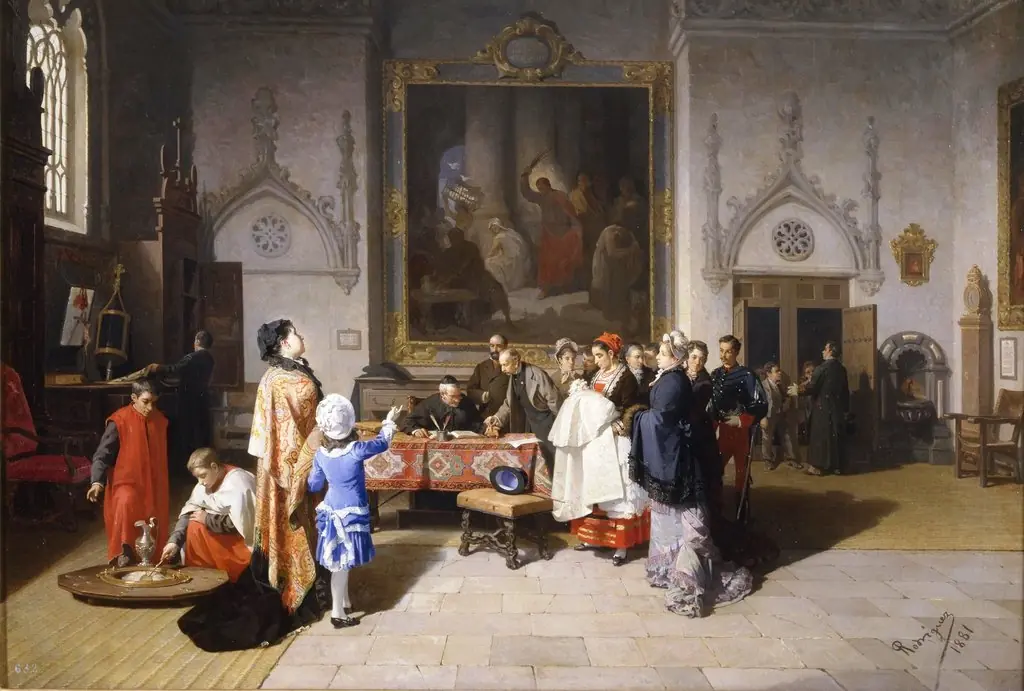 En la sacristía. ¿Mamá por qué pega Jesús a ese hombre?
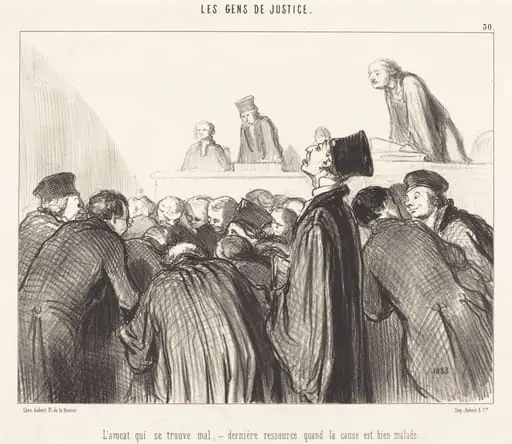 L'Avocat que se trouve mal
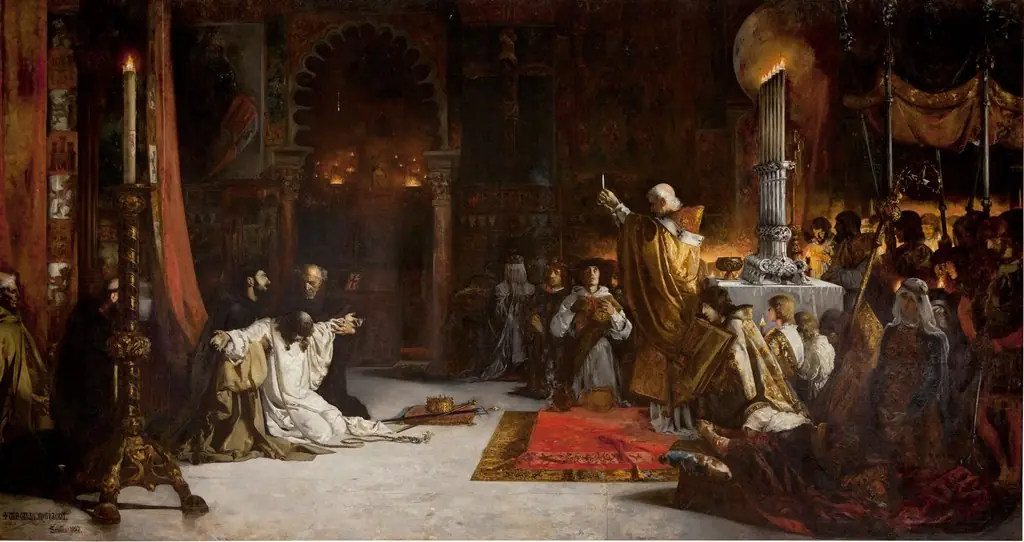 Las postrimerías de Fernando III el Santo