Artwork
The Letter
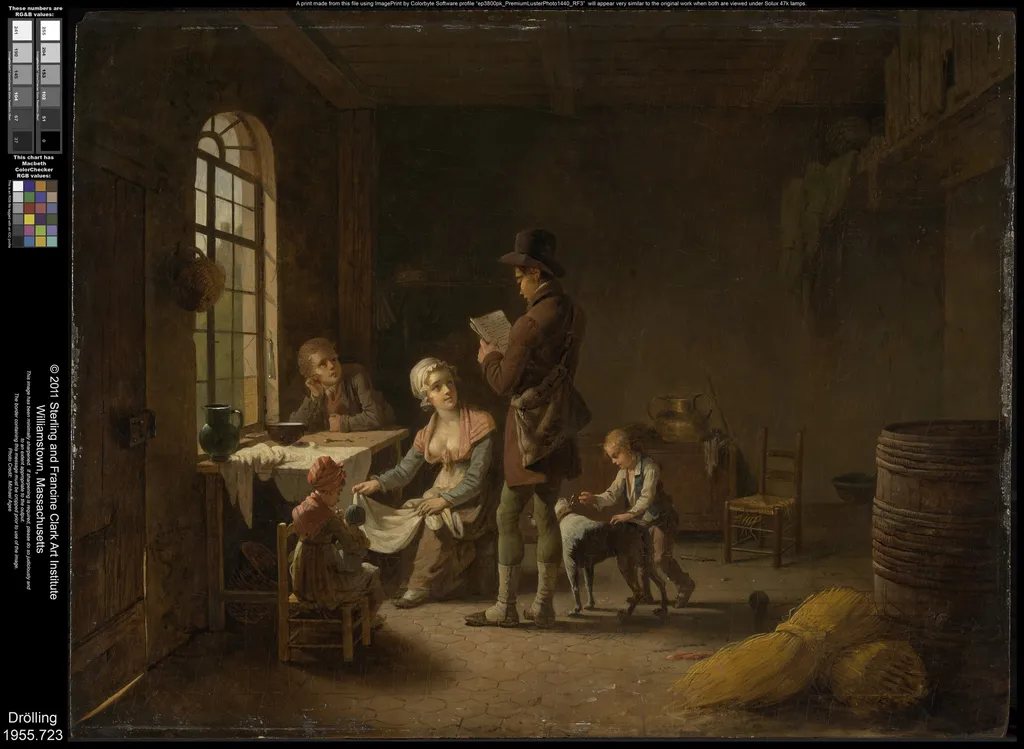
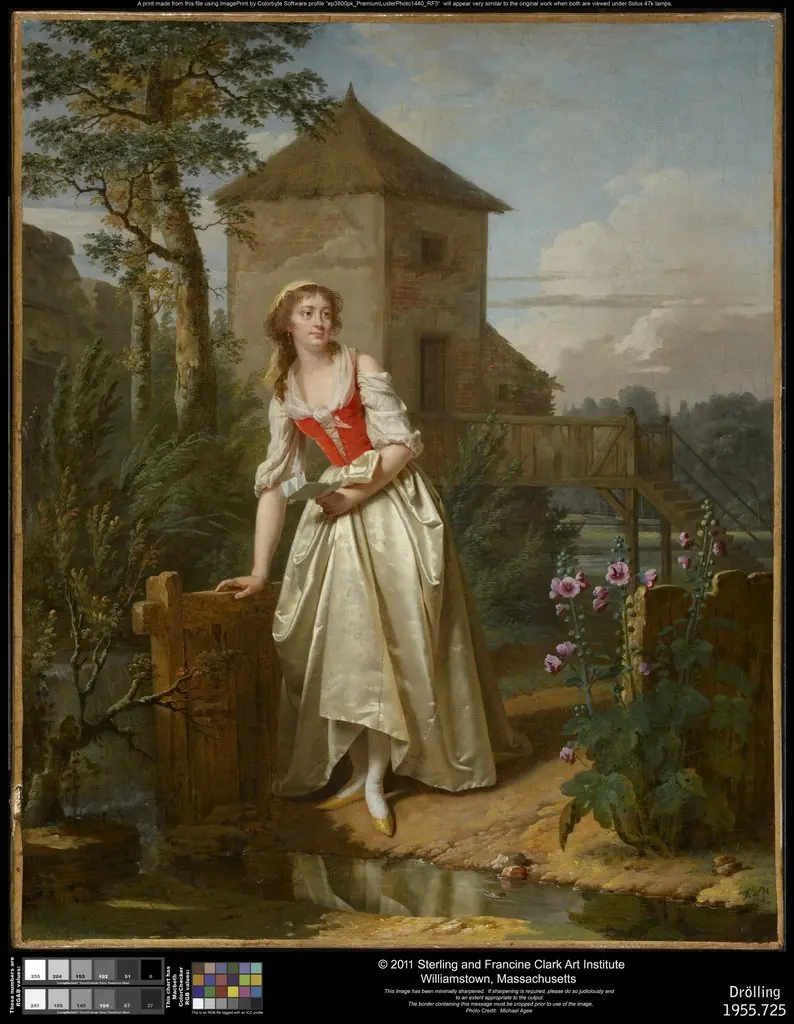
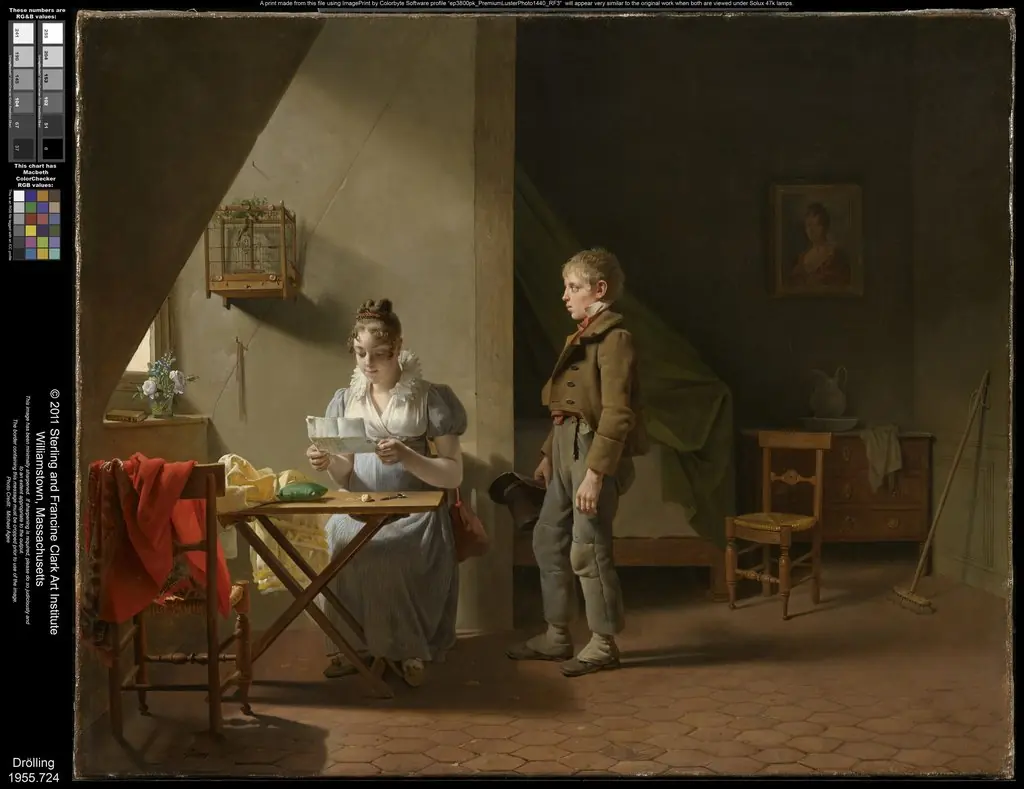
The Letter is an oil painting by the Biedermeier artist Martin Drolling. It dates from 1816 and is held in the collection of the Clark Art Institute.
About this work
Overview
Martin Drolling’s 1816 oil painting *The Letter* presents a modest domestic interior, illuminated by daylight from a left‑hand window. A woman seated at a table reads a letter while a man stands nearby, consulting a book. Two children occupy the floor, their play adding a gentle liveliness to the quietly arranged scene.
Subject & Meaning
The composition captures a moment of everyday family life, emphasizing the routine exchange of written communication and shared reading. The children’s activity suggests innocence and the continuity of household routine, while the subdued attire of the adults conveys humility and a focus on the act of correspondence rather than social status.
Technique & Style
Executed with careful realism characteristic of the Biedermeier period, Drolling employs subtle chiaroscuro to model forms and create depth, allowing the warm window light to highlight the figures against a dimmer background. The brushwork renders textures of fabric and wood with precise detail, reinforcing the intimate, observational quality of the scene.
History & Provenance
*The Letter* is part of the collection at the Clark Art Institute. Created during Drolling’s mature phase, the work reflects his reputation for domestic genre scenes. The painting has remained in public holdings, contributing to the museum’s representation of early‑19th‑century French interior painting.
Context
Produced in the post‑Napoleonic era, the work aligns with the Biedermeier emphasis on private life and middle‑class values. Drolling, a French artist known for meticulous interior depictions, often highlighted the quiet dignity of everyday moments, a theme evident in this family tableau.
Artist & collection
Artist
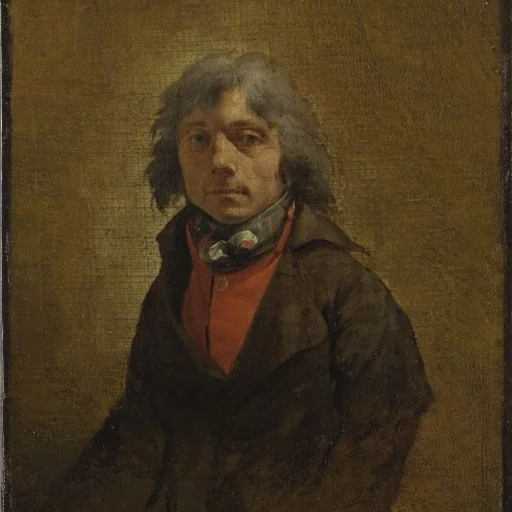
Martin Drolling, or Drolling the Elder (Oberhergheim, 19 September 1752 – Paris, 16 April 1817), was a French painter.

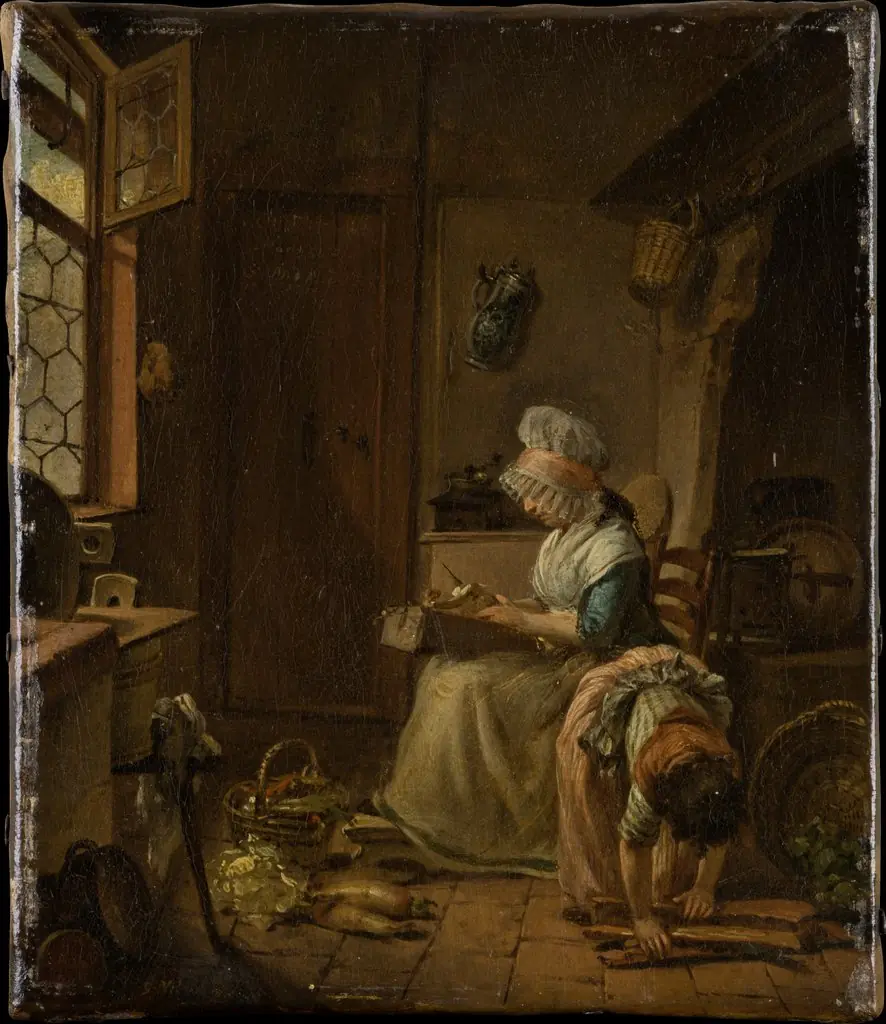 Kitchen Scene
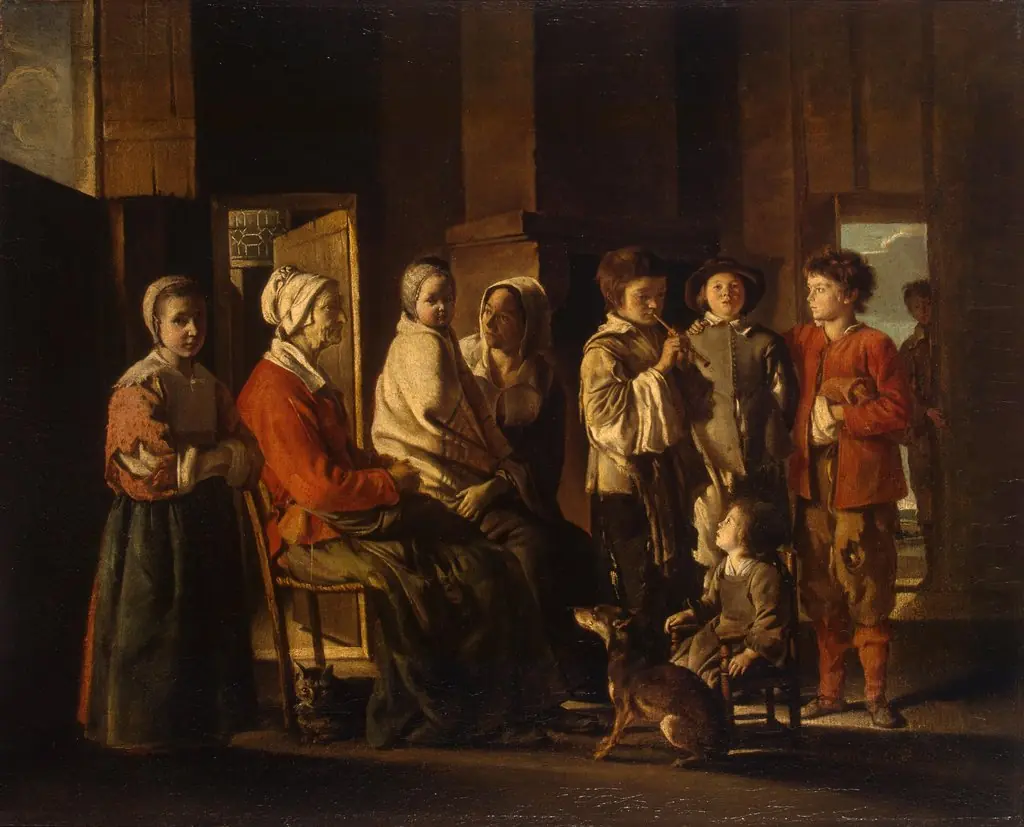 Visit to Grandmother
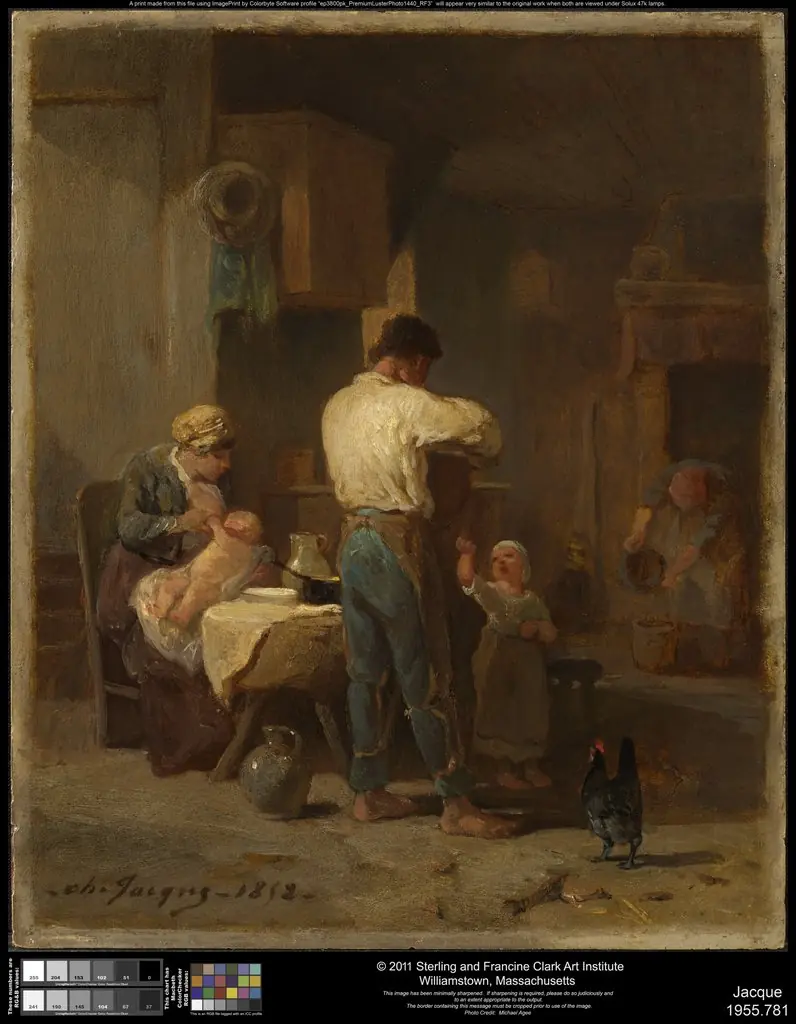 Interior
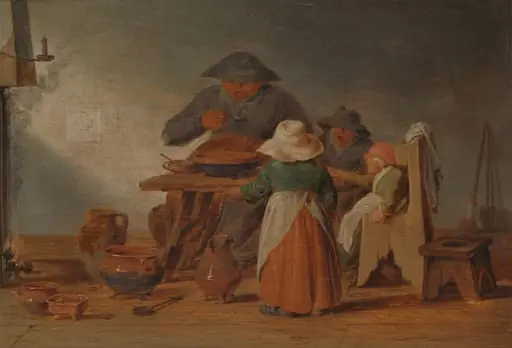 Peasant Meal
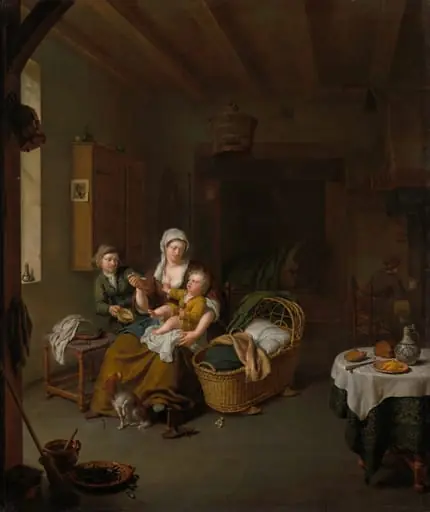 A Mother Feeding her Child (The Happy Mother)
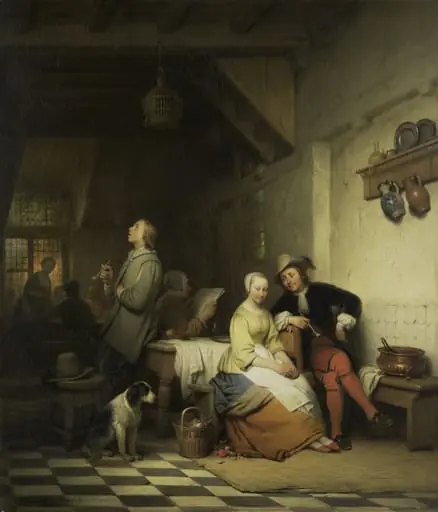 Interior of an Inn, with Figures in Seventeenth-Century Costume
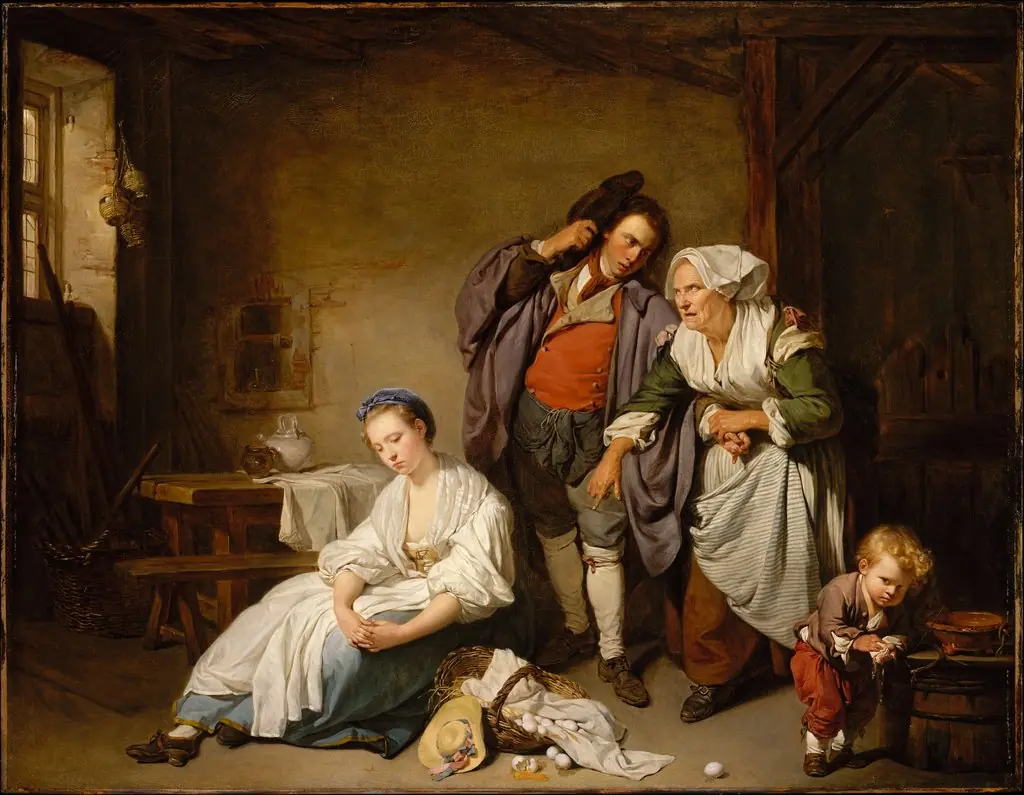 Broken Eggs
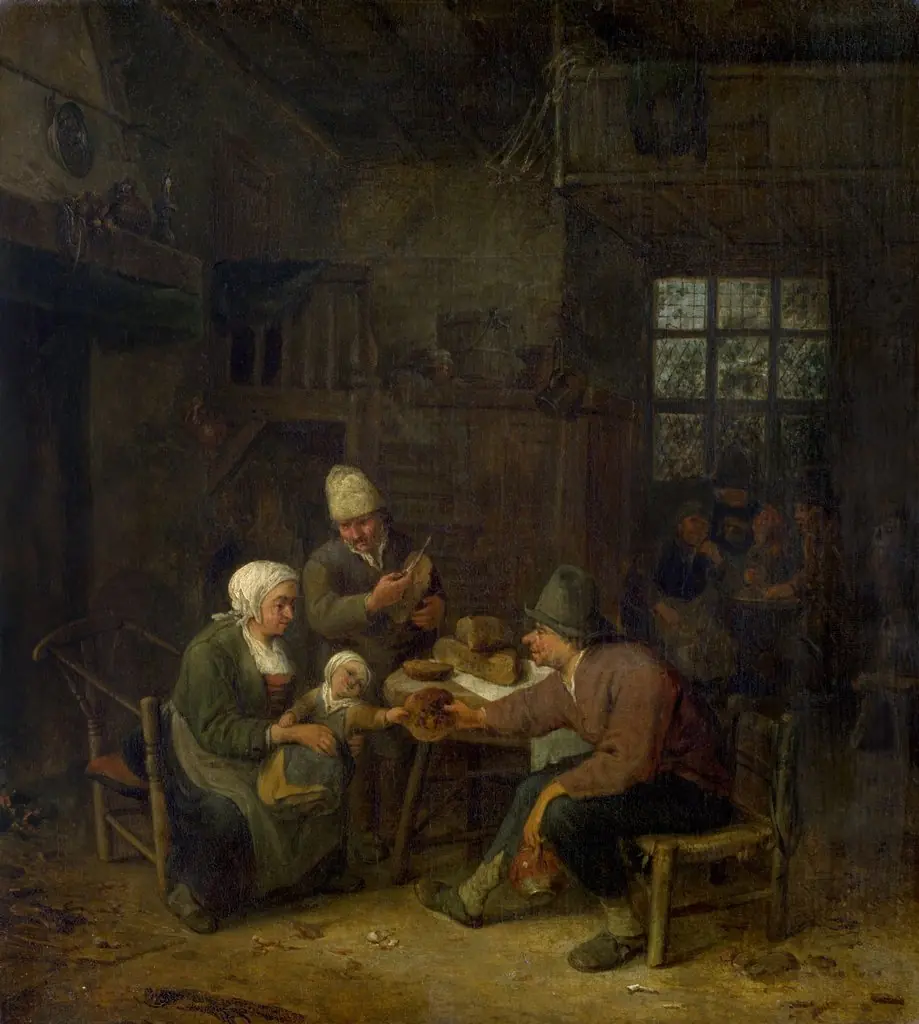 Interior
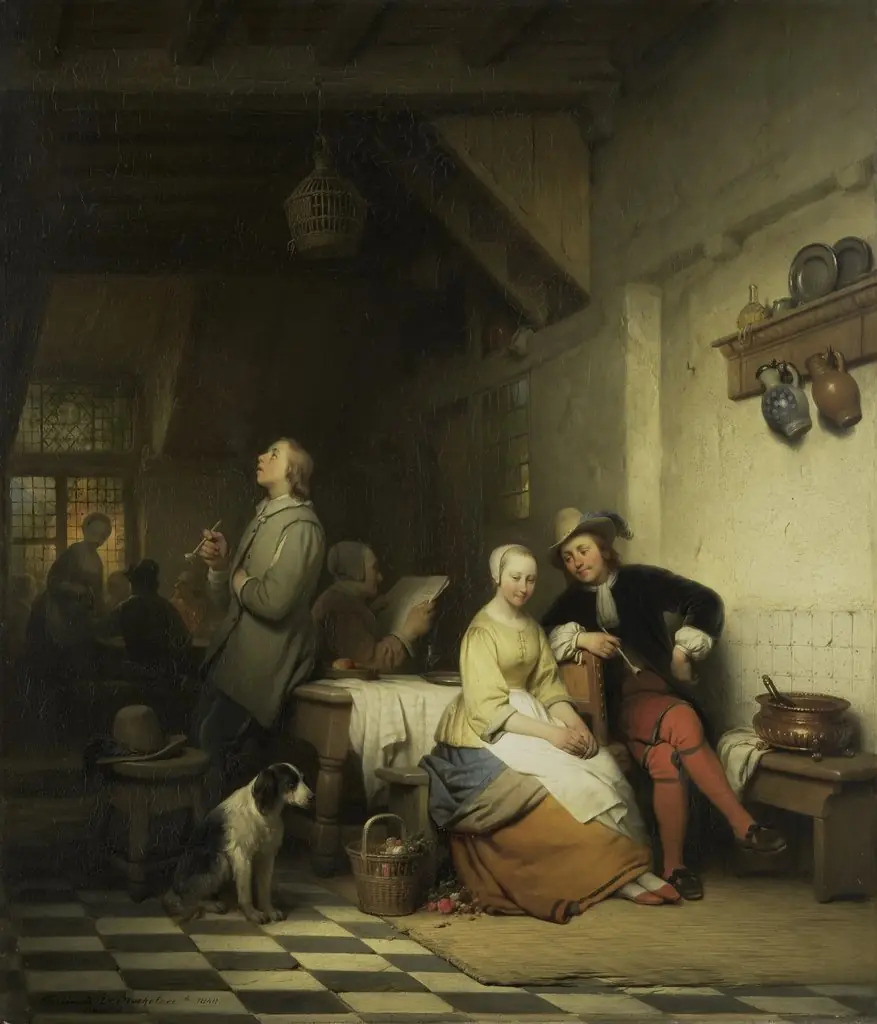 Interior of an Inn, with Figures in Seventeenth-Century Costume
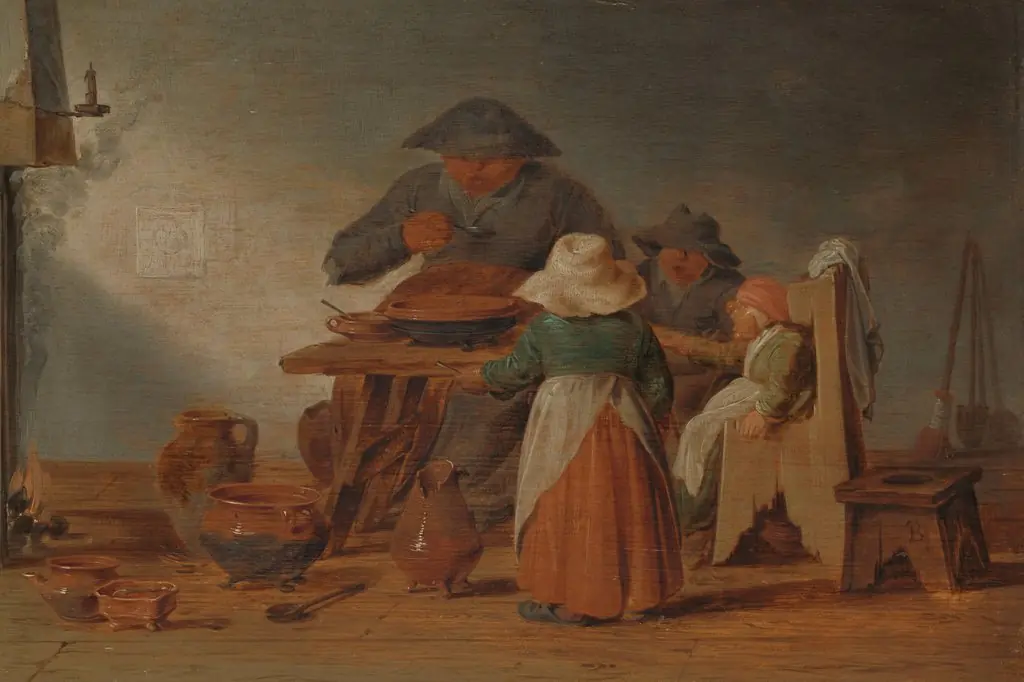 Peasant meal
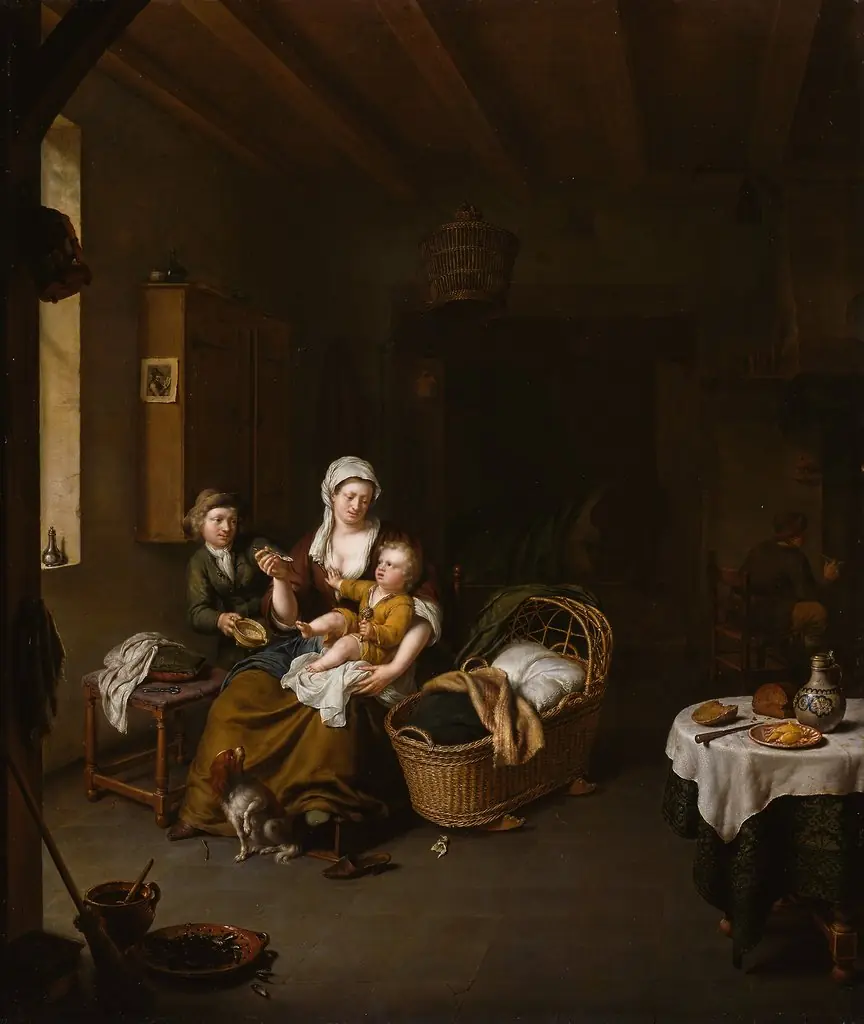 A Mother Feeding her Child (The Happy Mother)