Artwork
Study of Passion Flower Leaves
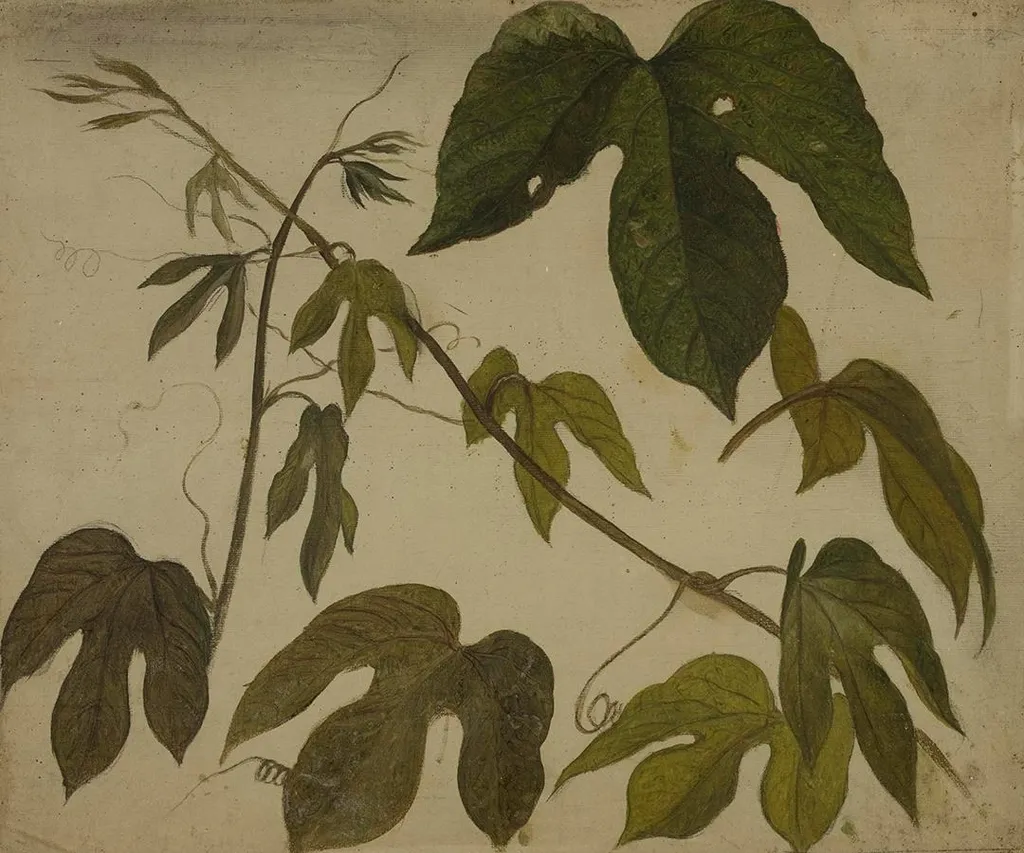
Study of Passion Flower Leaves is an unspecified painting by the American Impressionist artist Martin Johnson Heade. It dates from 1870 and is held in the collection of the Crystal Bridges Museum of American Art.
About this work
Overview
The work reflects his sustained interest in the natural world, executed with methodical attention to detail rather than broad atmospheric effects.
Painted in 1870, *Study of Passion Flower Leaves* is a botanical study by American artist Martin Johnson Heade. It belongs to a series of close-up natural observations he produced during the latter part of his career, shifting focus from expansive landscapes to intimate plant forms. The work reflects his sustained interest in the natural world, executed with methodical attention to detail rather than broad atmospheric effects.
Subject & Meaning
The painting presents a close-up arrangement of passion flower leaves and slender, twisting stems, rendered without flowers or fruit. The absence of bloom directs focus to the structure and variation of foliage—each leaf’s vein, curve, and shadow meticulously observed. This study suggests a scientific curiosity, aligning with 19th-century naturalist traditions, while also conveying quiet reverence for organic form.
Technique & Style
Heade employed fine brushwork and subtle tonal gradations to capture the texture and three-dimensionality of the leaves. The deep greens vary slightly in hue and saturation, suggesting natural light variations across surfaces. The light beige background isolates the subject, eliminating distraction. His technique merges precise draftsmanship with a restrained palette, avoiding the loose brushwork typical of Impressionism despite the era’s trends.
History & Provenance
Created in 1870, the painting remained in private hands for much of the 20th century before entering the collection of Crystal Bridges Museum of American Art. Its history reflects Heade’s posthumous reevaluation, as his botanical works, once overshadowed by his landscapes and hummingbird paintings, gained renewed scholarly attention for their technical rigor and quiet originality.
Context
During the 1870s, American artists increasingly turned to nature as a subject worthy of detailed study, influenced by scientific illustration and the rise of natural history museums. Heade’s focus on individual plant parts stood apart from the grand Romantic vistas of his peers, instead aligning with a quieter, more introspective mode of observation that anticipated later American modernist tendencies.
Legacy
Though not widely exhibited during his lifetime, *Study of Passion Flower Leaves* now represents a significant strand in Heade’s oeuvre—demonstrating his capacity to elevate botanical subjects through disciplined observation. It contributes to a broader recognition of 19th-century American art that valued precision and quiet contemplation over spectacle, influencing later generations interested in nature’s intricate forms.
Artist & collection

Museum
Crystal Bridges Museum of American Art
Continue through works from the same source collection.
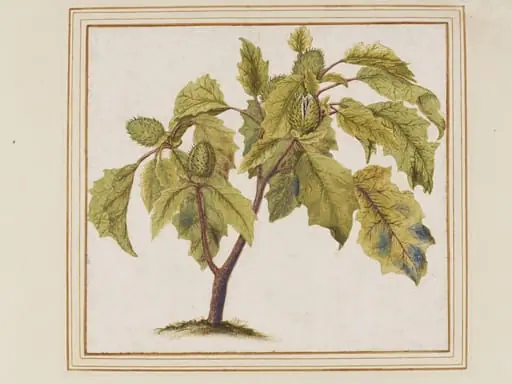 Thorn apple
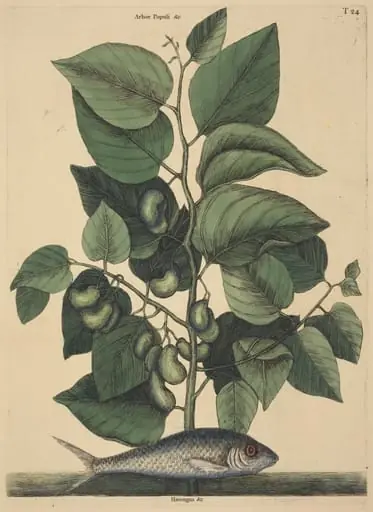 The Pilchard (Argentina carolina)
 Physalis Alkekengi
 Campsis radicans (almindelig trompetblomst)
 A branch of a mango tree ('Mangifera Indica') bearing unripe fruits
 Pasture Rose (Rosa Carolina Corymbosa)
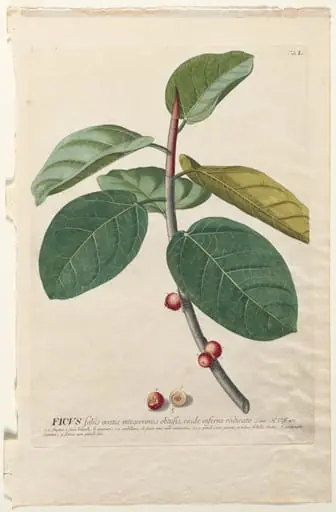 Plantae Selectae: No. 50 - Ficus
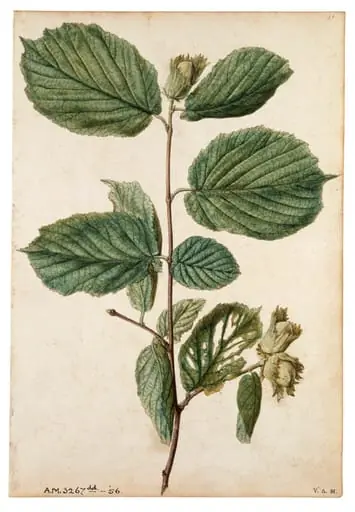 Cob-nut
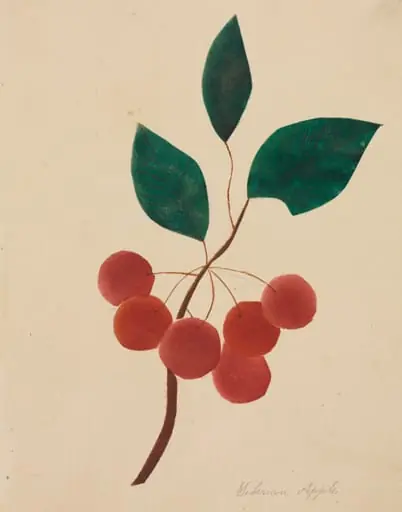 Siberian Apple
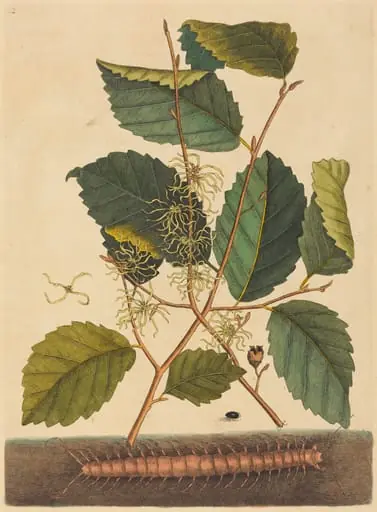 Centipede (Scolopendra morsitans)
 Paeonia mascula (rosen-silkeplante)
 Study of Pink Roses, Leaves, Heliotrope, a Carnation and an Orchid