Artwork
Centipede (Scolopendra morsitans)
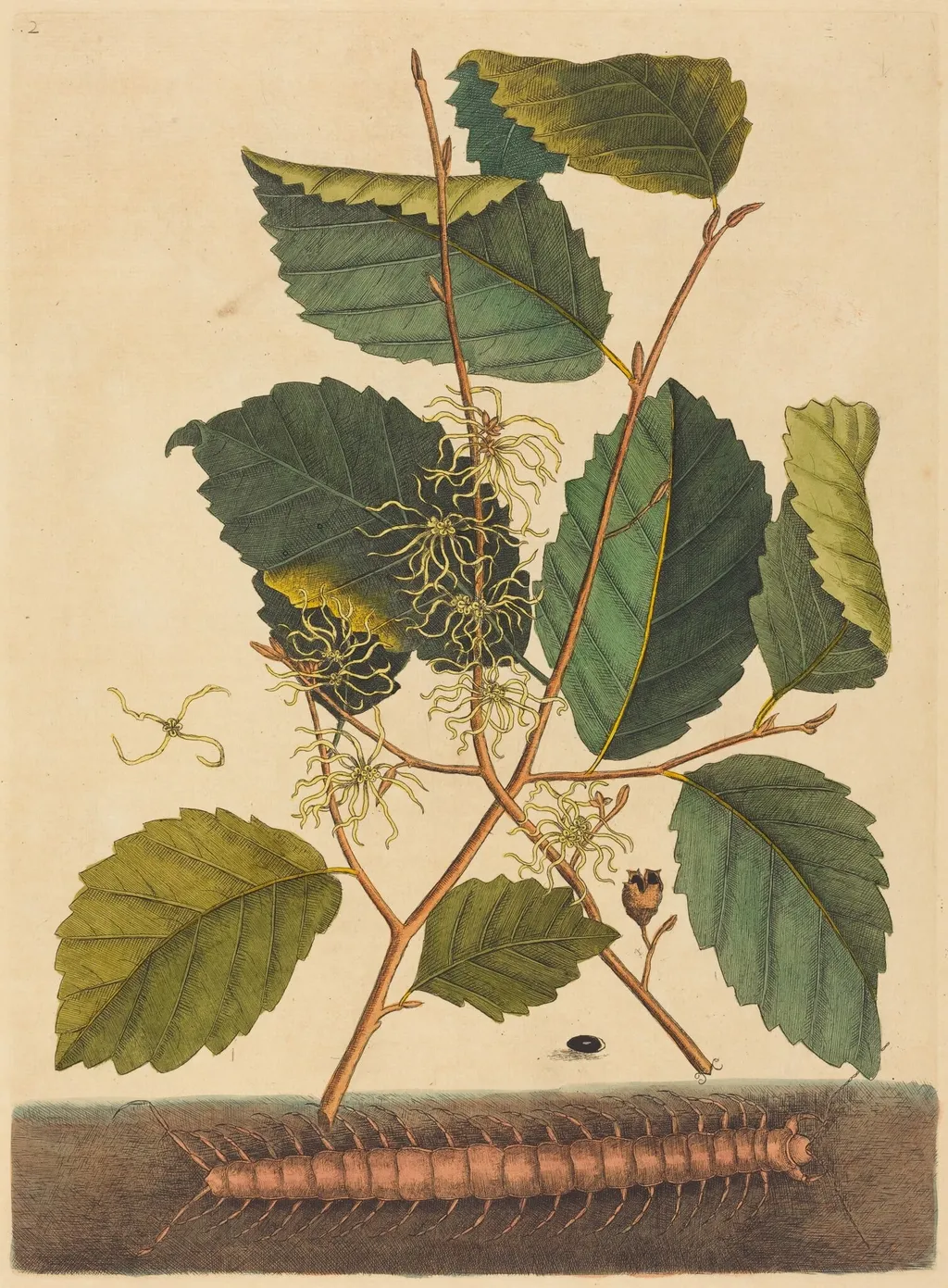
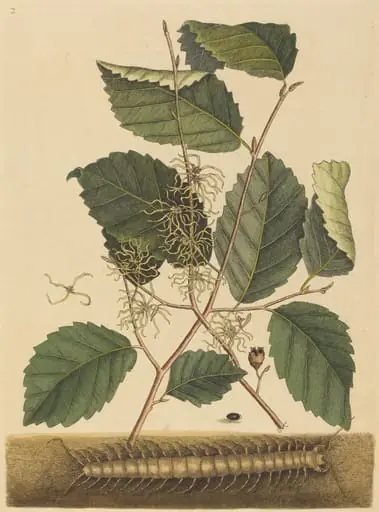
Centipede (Scolopendra morsitans) is an ink print by the Baroque artist Mark Catesby. It dates from 1737 and is held in the collection of the National Gallery of Art.
About this work
Overview
Created in 1737 by English naturalist Mark Catesby, this print depicts a centipede (Scolopendra morsitans) rendered in fine detail on laid paper. The image forms part of Catesby’s extensive visual documentation of North American wildlife, illustrating his commitment to scientific observation through art.
Subject & Meaning
The work focuses on a single centipede, emphasizing its segmented body and numerous legs with meticulous accuracy. By isolating the creature, Catesby highlights the anatomical features that distinguish it, providing a clear reference for scholars studying New World arthropods and underscoring the value of precise visual records in natural history.
Technique & Style
Catesby employed a combination of etching and engraving to produce the line work, then applied hand coloring to enhance the organism’s form. The use of laid paper gives the surface a subtle texture, while the restrained palette and careful shading convey a realistic, almost scientific, representation rather than decorative embellishment.
History & Provenance
The centipede plate appears in Catesby’s seminal series *Natural History of Carolina, Florida and the Bahama Islands*, a pioneering illustrated survey of the region’s flora and fauna. Original impressions of the print have circulated among natural history collections since the 18th century, reflecting the work’s role in early transatlantic scientific exchange.
Artist & collection

Artist
Mark Catesby (24 March 1683 – 23 December 1749) was an English naturalist who studied the flora and fauna of the New World.

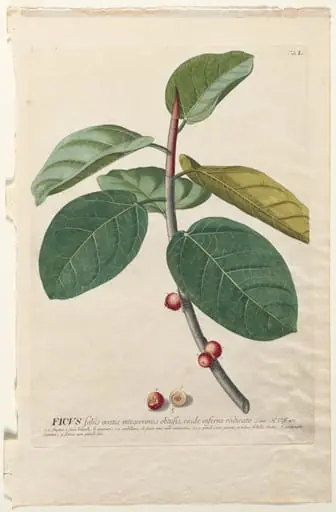 Plantae Selectae: No. 50 - Ficus
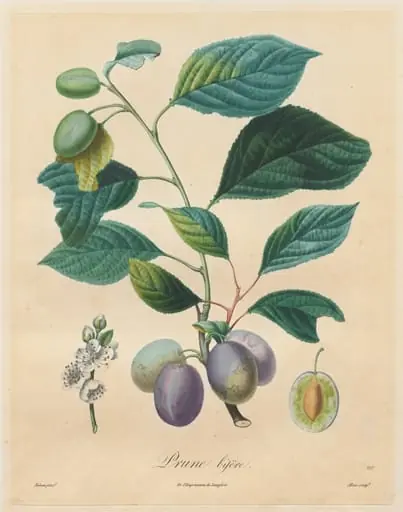 Traité des arbres fruitiers: Prune bifère
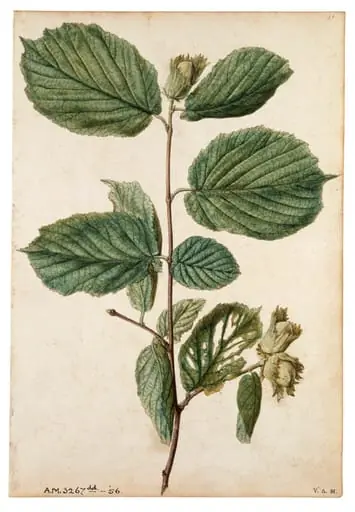 Cob-nut
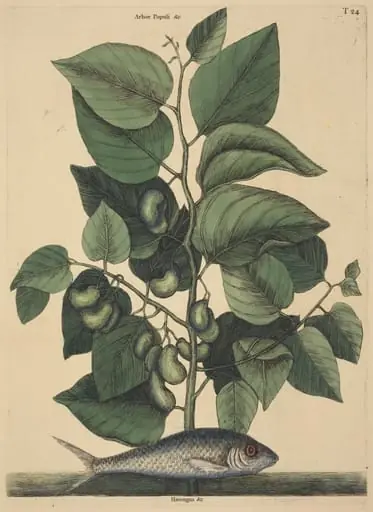 The Pilchard (Argentina carolina)
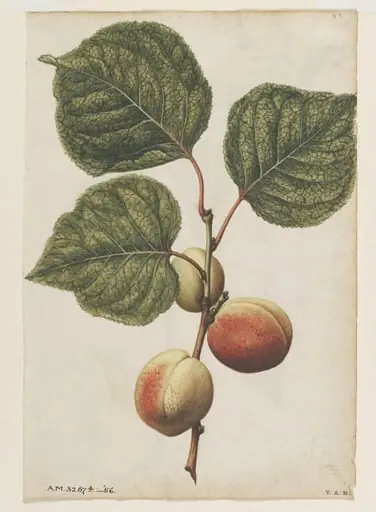 Apricots; Cherries
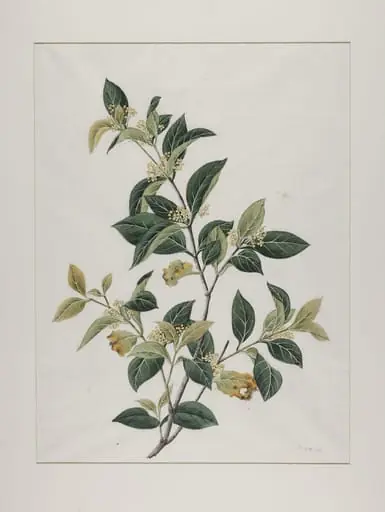 Mock lime (aglaia odorata), zhen zhu lan or mi zi lan
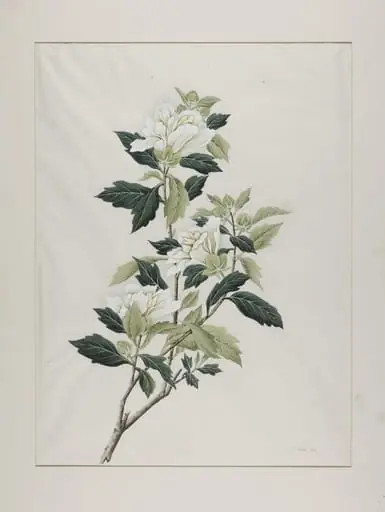 White hibiscus (hibiscus syriacus), mu jin
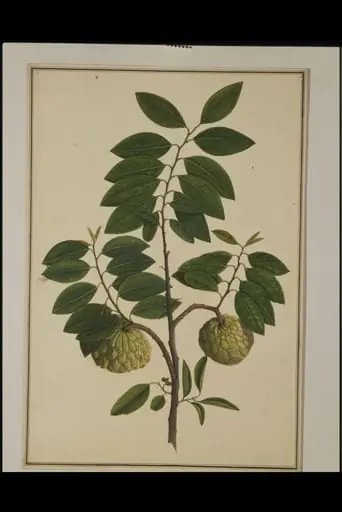 Custard-apple plant
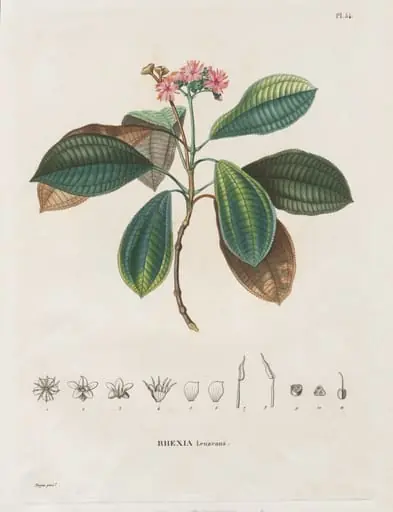 Voyage aux Régions équinoxiales du nouveau continent, fait dans les années 1709 à 1804: Monographie des melastomacées: No. 54
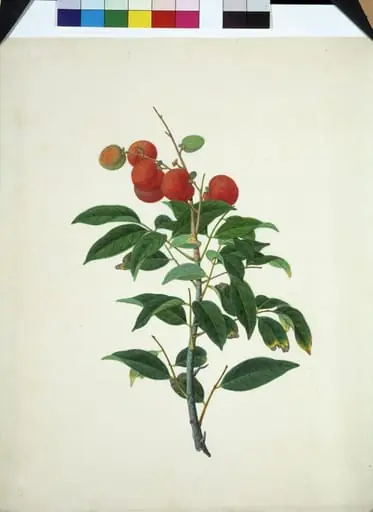 Lychee
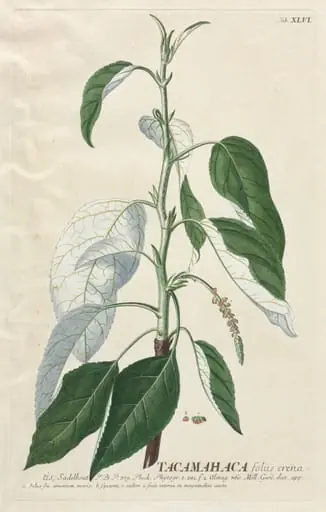 Plantae Selectae: No. 46 - Tacamahaca
 Centipede (Scolopendra morsitans)