Artwork
Wettenhauser Hochaltar: Darbringung im Tempel Rückseite: ehemals Relief mit Anbetung der Hirten
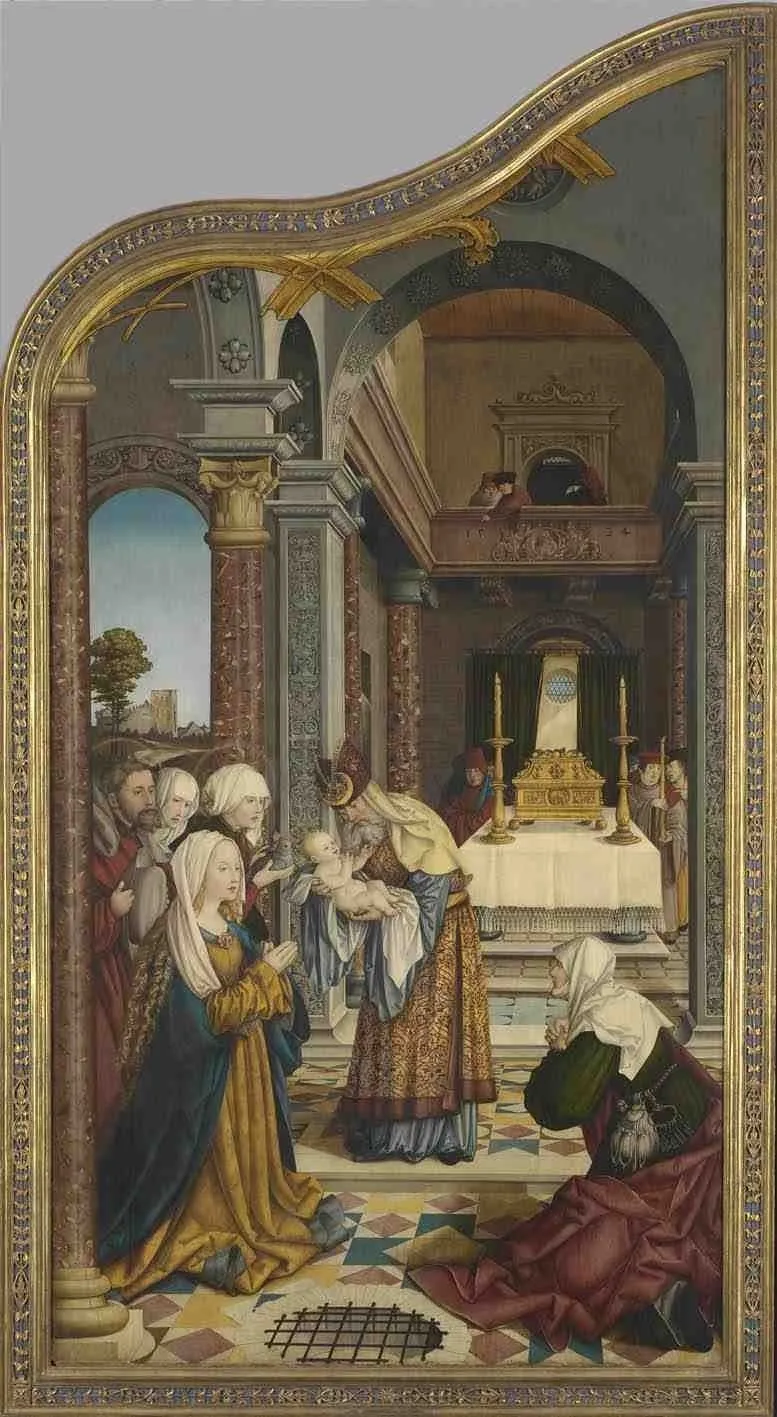
Wettenhauser Hochaltar: Darbringung im Tempel Rückseite: ehemals Relief mit Anbetung der Hirten is an unspecified painting by the Early Baroque Italian artist Martin Schaffner. It dates from 1523 and is held in the collection of the Bavarian State Painting Collections.
About this work
Overview
The Wettenhauser Hochaltar, executed in 1523 by Ulm‑based painter and medallist Martin Schaffner, is an altar panel that presents a biblical episode within an elaborately rendered interior. The composition centers on a richly ornamented space with arches, carved details, tiled flooring, and a stone‑like wall, drawing the viewer’s attention to the central figures and the altar itself.
Subject & Meaning
One face of the panel illustrates the Presentation in the Temple, showing a kneeling woman in a yellow dress offering a child, while a second woman cradles a toddler. A man in a red robe stands near a candle‑lit altar, underscoring the ritual’s solemnity. The reverse side originally displayed an Adoration of the Shepherds, linking the work to themes of divine revelation and worship.
Technique & Style
Schaffner employs a pronounced chiaroscuro, using deep shadows against vivid hues to heighten the drama of the scene. Light falls on the faces and the altar, creating a focal point that guides the eye inward. The meticulous rendering of architectural elements and decorative motifs reflects the artist’s skill in integrating figural narrative with a detailed spatial setting.
History & Provenance
Trained under Jörg Stocker, Schaffner established himself as an independent master in Ulm by 1499. The Wettenhauser Hochaltar remained in its original ecclesiastical context before entering the collection of the Alte Pinakothek, where it is currently conserved and displayed as part of the museum’s German Renaissance holdings.
Context
The work belongs to a period when Ulm’s artistic production was dominated by religious commissions, particularly altarpieces that combined painting and metalwork. Schaffner’s dual expertise as a painter and medallist allowed him to execute intricate decorative programs, aligning his output with the devotional practices and aesthetic preferences of early‑16th‑century southern Germany.
Artist & collection
Artist
Martin Schaffner (c. 1478 – c. 1548) was a German painter and medallist. Schaffner was born, lived and worked primarily in Ulm. His birth year is calculated based on a self-portrait medal he created in 1522 in which he…

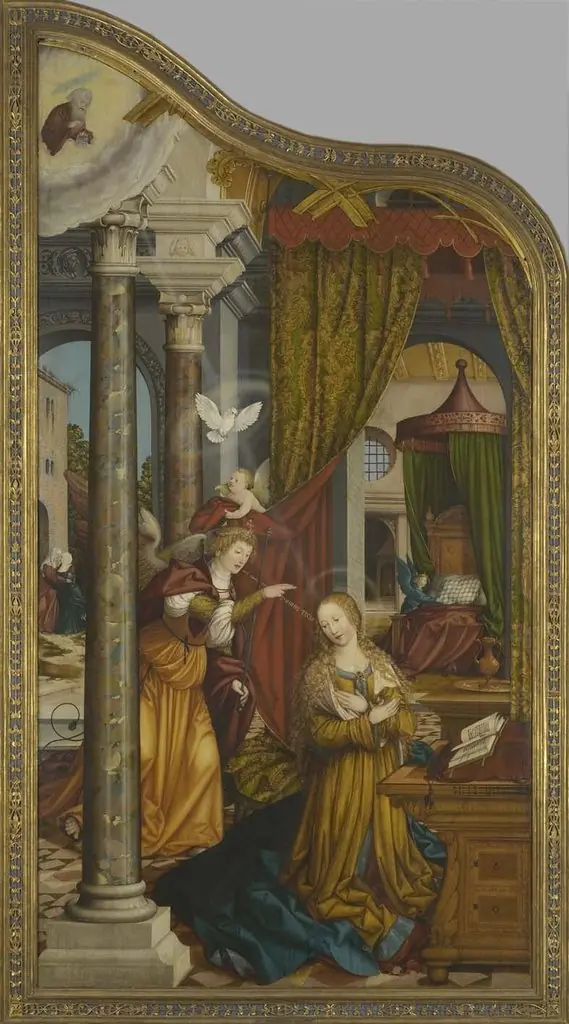 Wettenhauser Hochaltar: Verkündigung an Maria Rückseite: Abschied Christi (linke Hälfte)
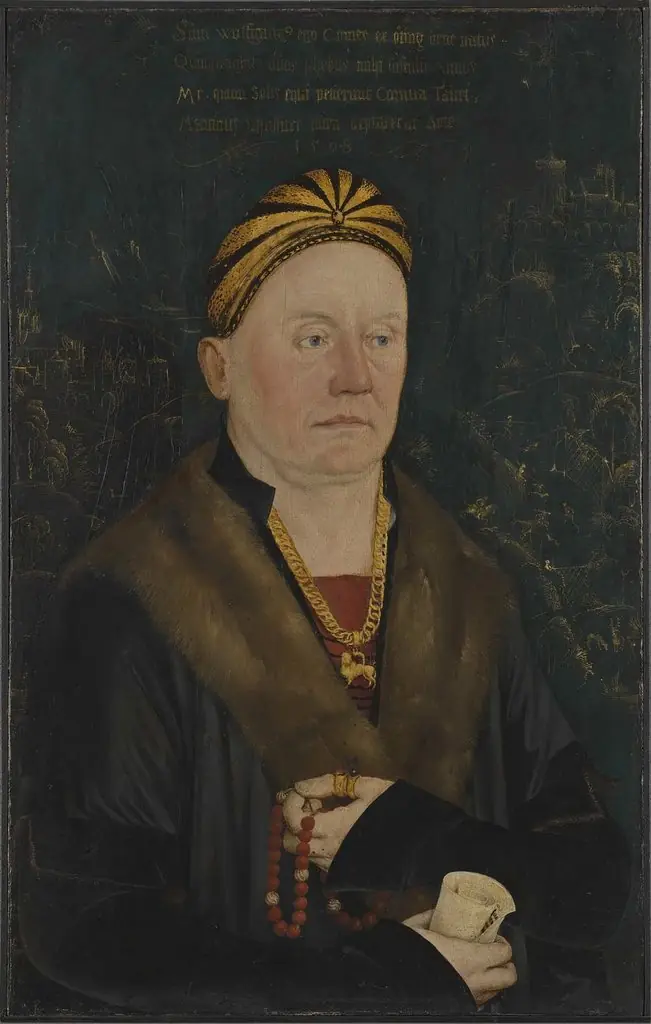 Wolfgang I. Graf von Oettingen
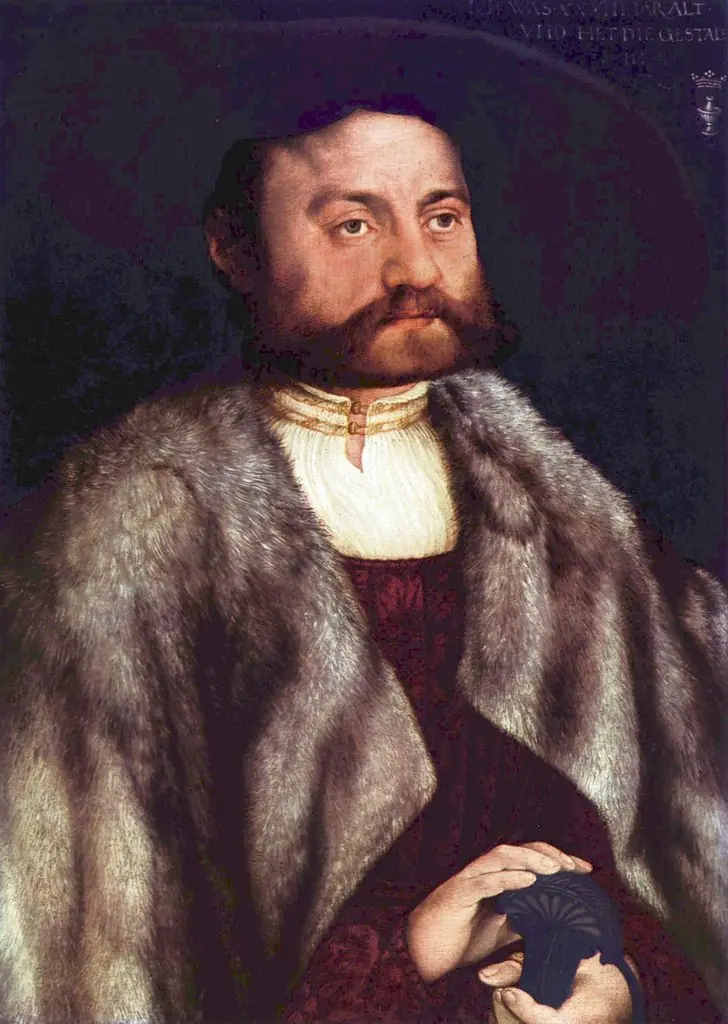 Eitel Hans I. Besserer von Schnürpflingen
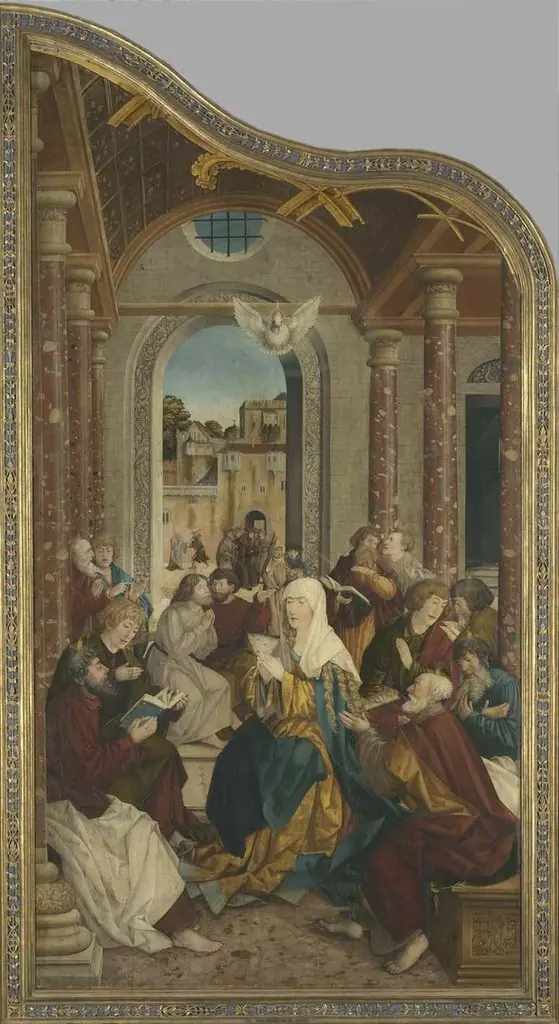 Wettenhauser Hochaltar: Ausgießung des Heiligen Geistes Rückseite: ehemals Relief mit Anbetung der Könige
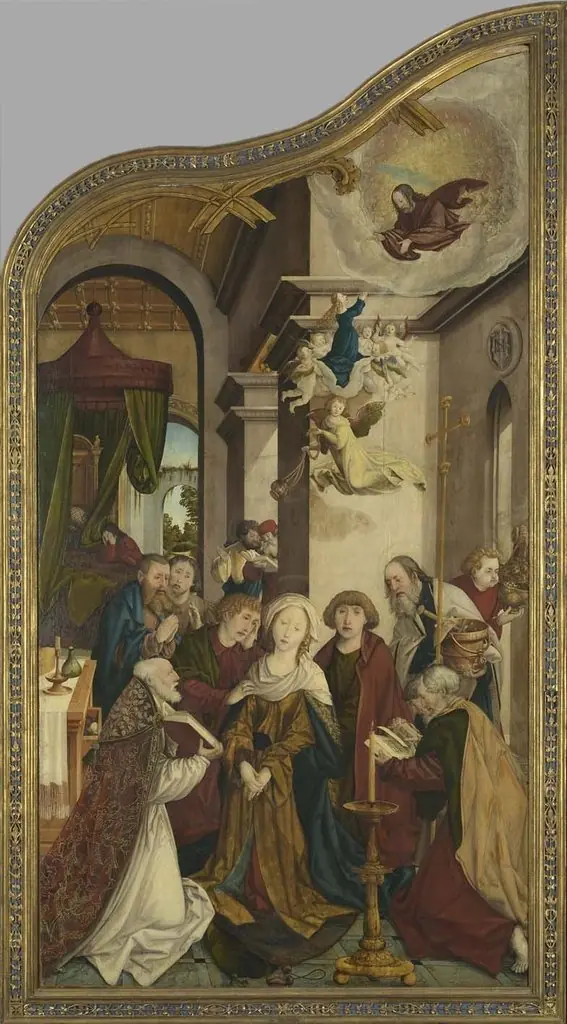 Wettenhauser Hochaltar: Tod Mariae Rückseite: Abschied Christi (rechte Hälfte) mit Stifter Ulrich Hieber
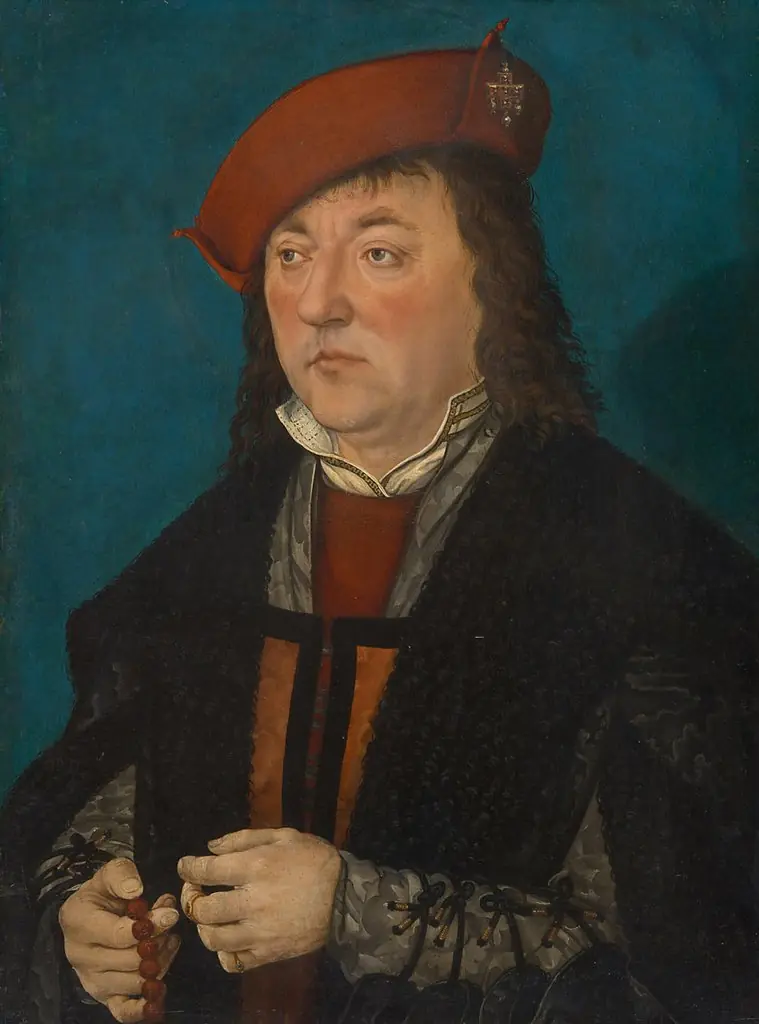 Bildnis eines Mannes mit Rosenkranz
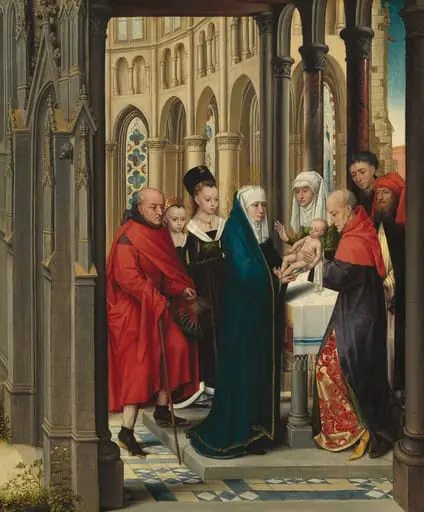 The Presentation in the Temple
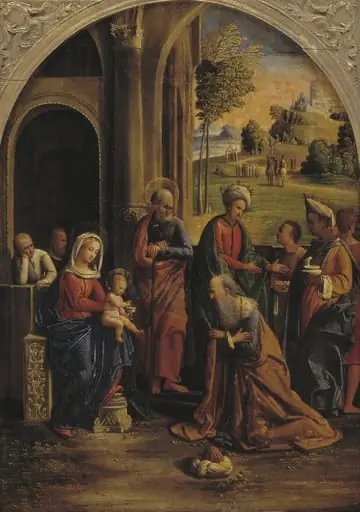 The Adoration of the Kings
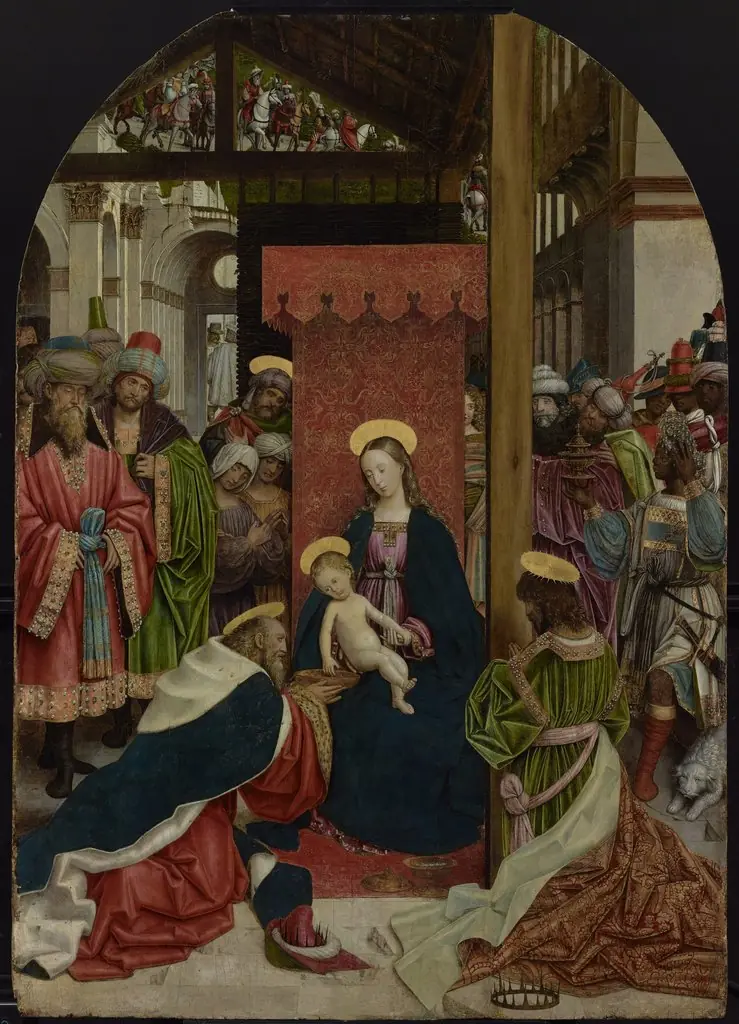 Adoration of the Magi
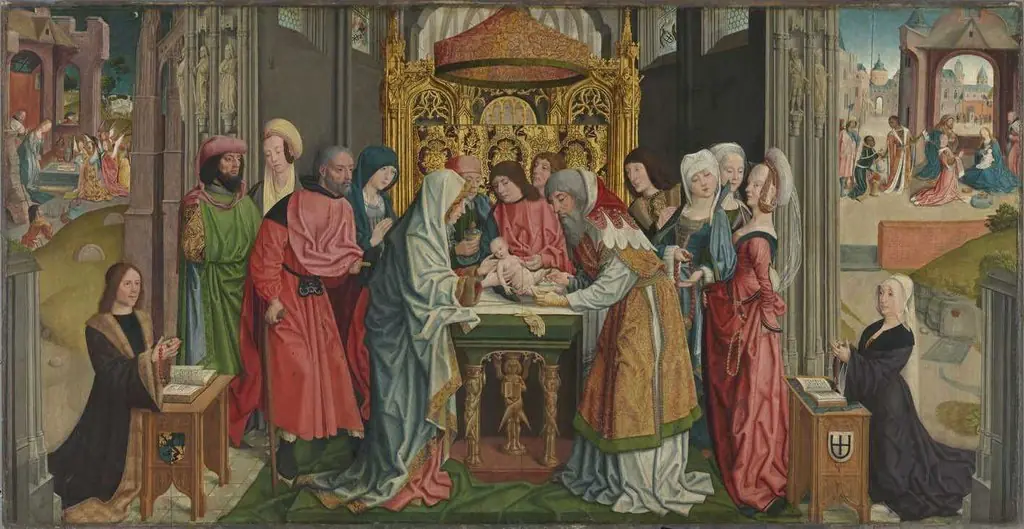 Circumcision of Christ
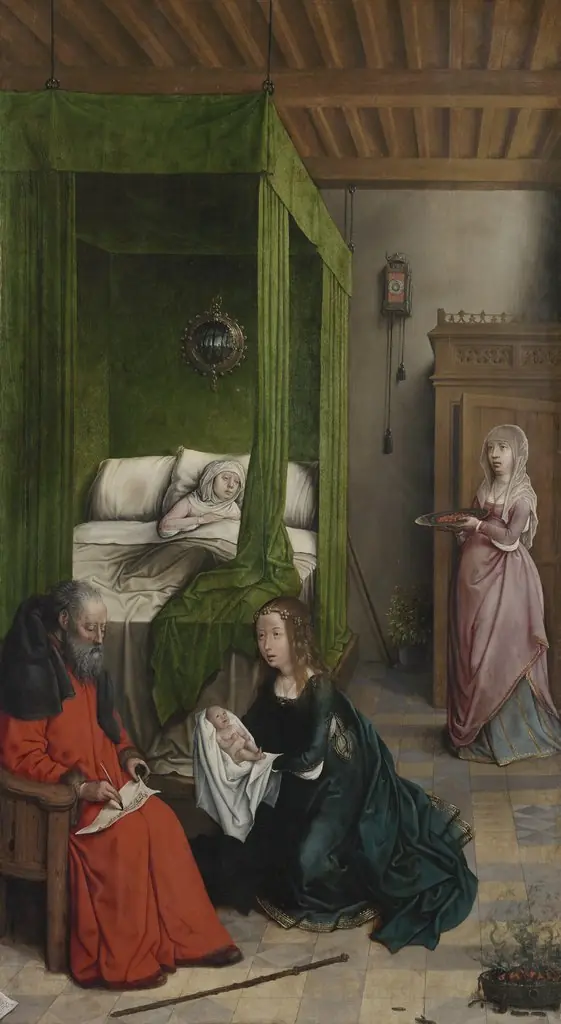 The Birth and Naming of John the Baptist
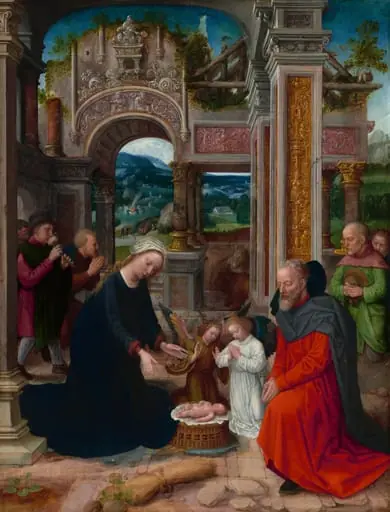 The Adoration of the Shepherds
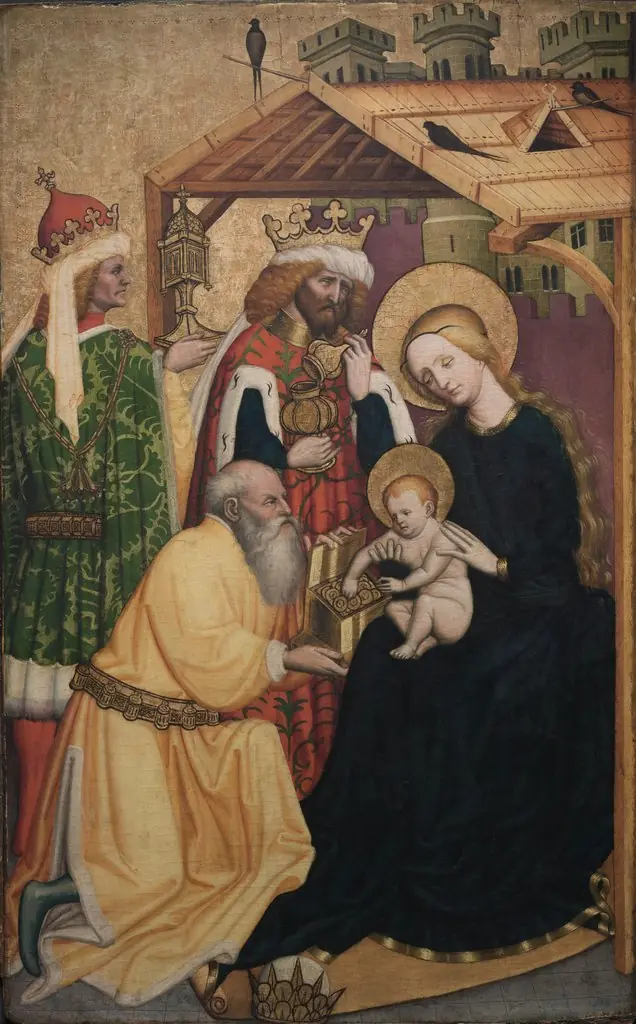 Adoration of the Magi
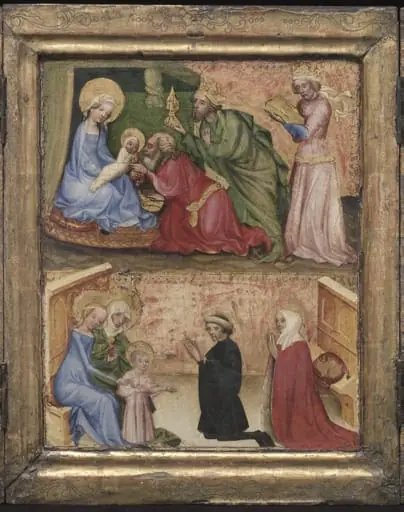 The Adoration of the Magi
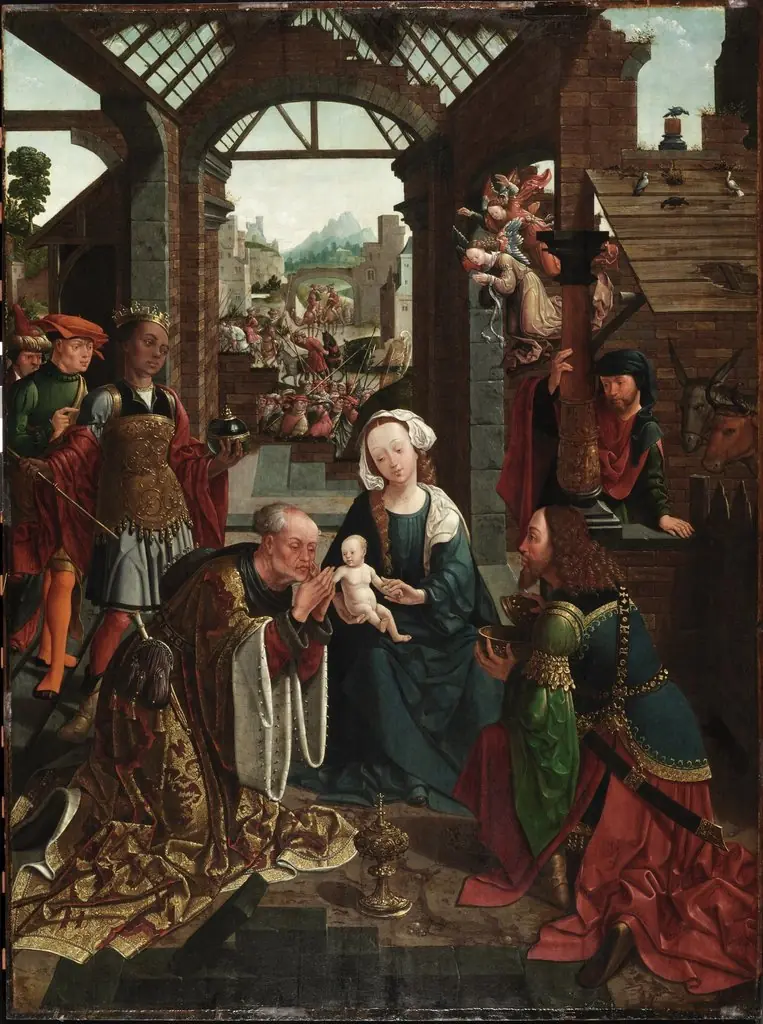 The Adoration of the Kings
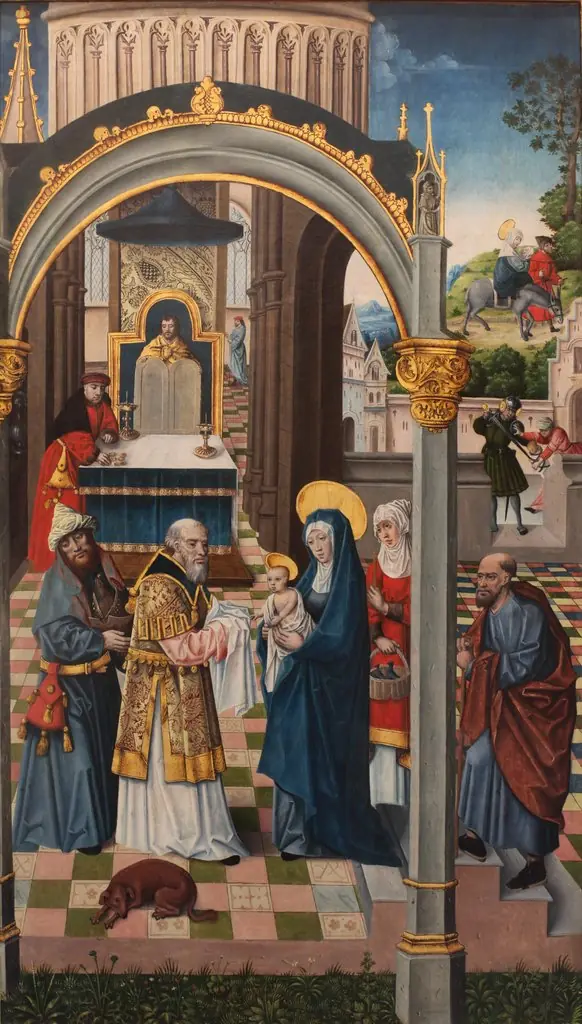 Presentation of Jesus Christ at the Temple
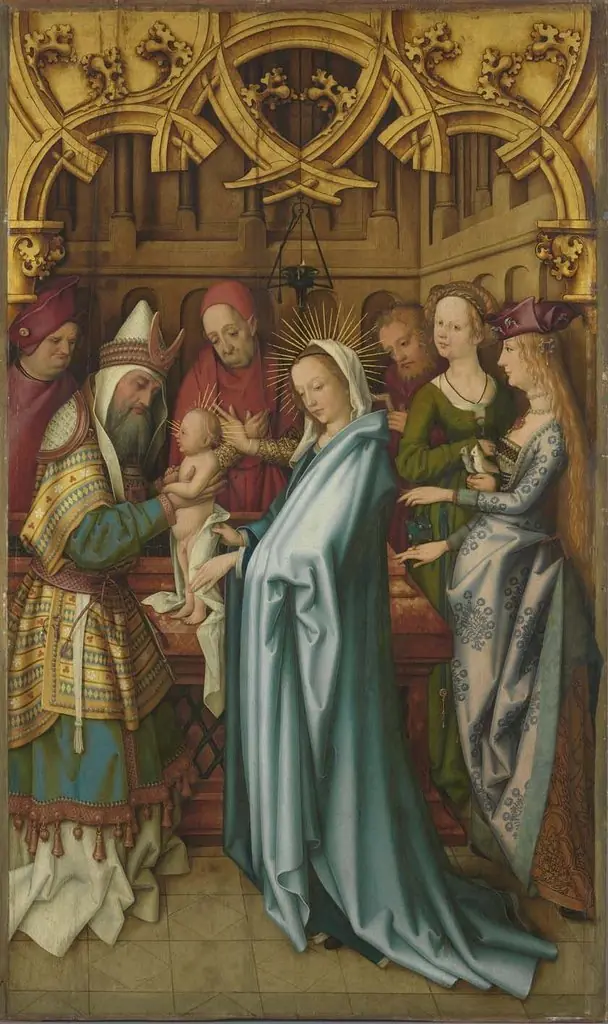 Kaisheimer Altar: Darbringung im Tempel