Artwork
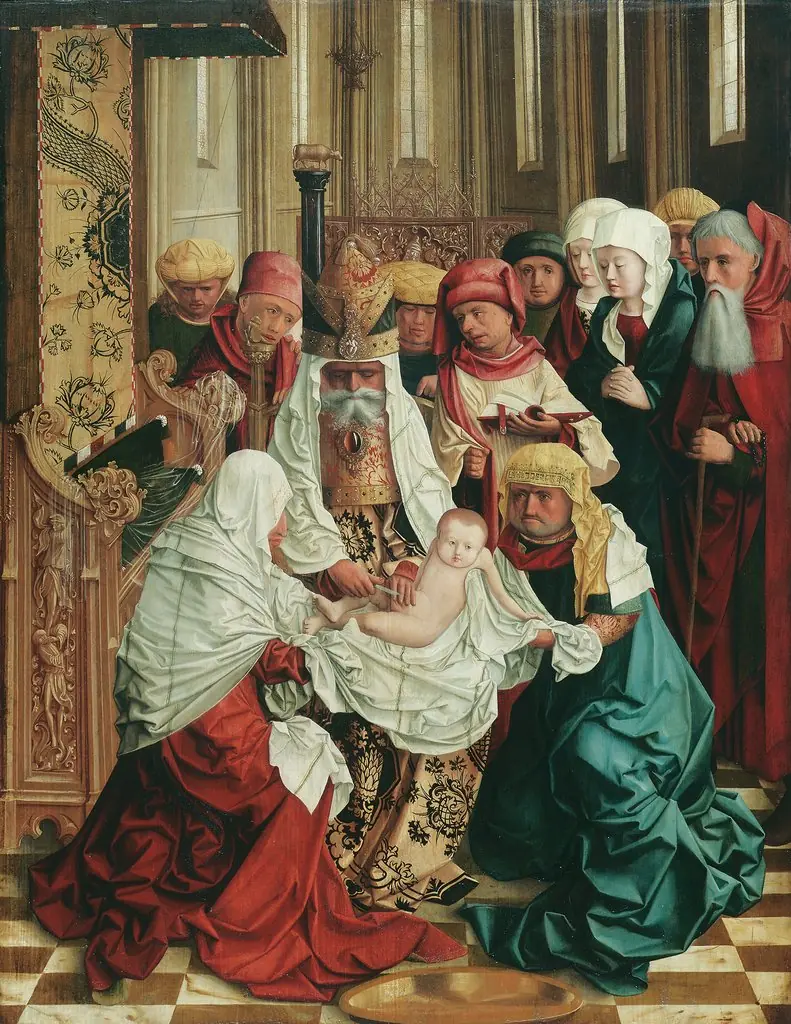
Circumcision of Christ
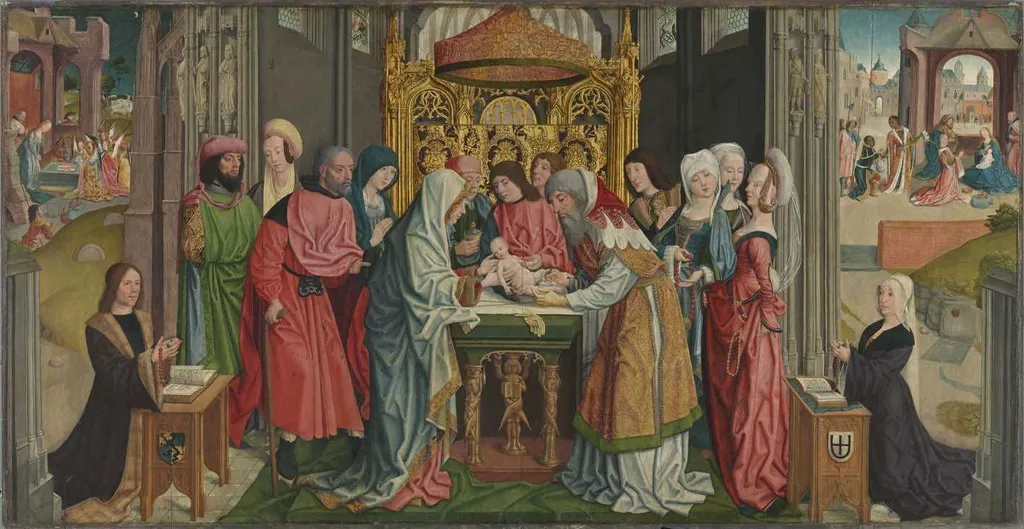
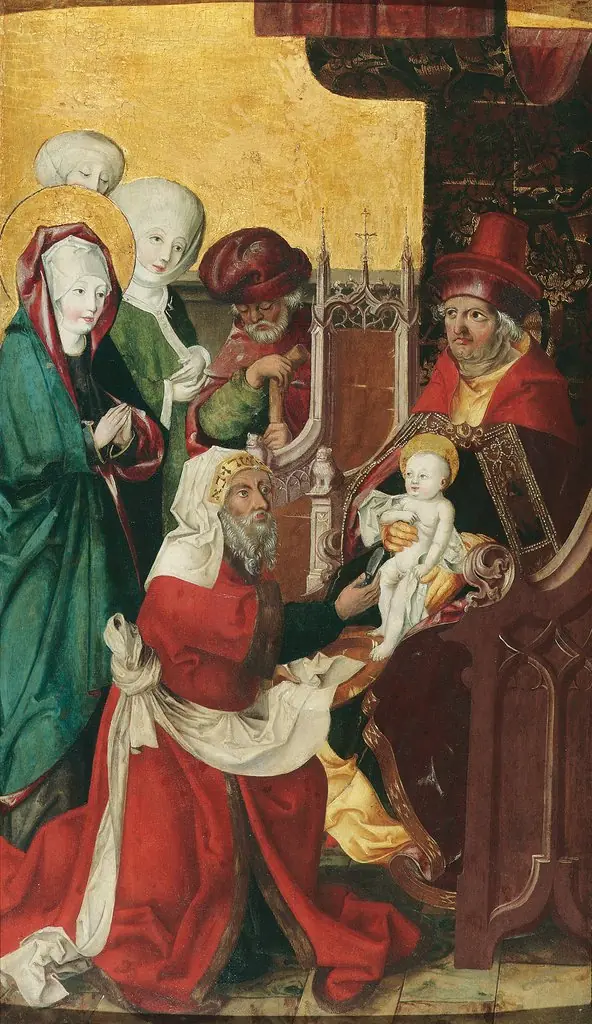
Circumcision of Christ is an oil painting by the Northern Renaissance artist Master of the Holy Kinship the Elder. It dates from 1505 and is held in the collection of the Bavarian State Painting Collections.
About this work
Overview
Created in 1505, this oil on canvas by the Master of the Holy Kinship the Elder portrays the biblical episode of Christ’s circumcision. The work is part of the collection of the Alte Pinakothek in Munich and presents a densely populated interior scene rendered in vivid hues and gilded accents.
Subject & Meaning
The central narrative shows the infant Jesus being circumcised, a rite marking his entry into the Jewish covenant. A woman in blue cradles the child while a kneeling figure in red observes, surrounded by onlookers who gesture, read, or pray, emphasizing the ritual’s religious significance and communal witness.
Technique & Style
The painter employed layered glazing to achieve luminous depth, allowing light to model faces and drapery with a near‑sculptural quality. Rich pigments and gold leaf enhance the sumptuous costumes, while careful modulation of shadows creates a sense of spatial recession within the crowded chamber.
History & Provenance
Attributed to the Master of the Holy Kinship the Elder, the painting entered the Alte Pinakothek’s holdings during the museum’s early 19th‑century acquisitions. Its provenance prior to that period remains undocumented, but the work has been consistently identified with the artist’s workshop output from the turn of the 16th century.
Context
The composition reflects Northern Renaissance conventions of elaborate interior settings and detailed figural interaction. By situating the sacred event within a recognizable, richly appointed space, the artist aligns the theological narrative with contemporary devotional practices, inviting viewers to contemplate the ceremony’s relevance to everyday piety.
Artist & collection
Artist
Master of the Holy Kinship the Elder
This late medieval painter made small devotional panels, usually on oak, filled with saints and family scenes.

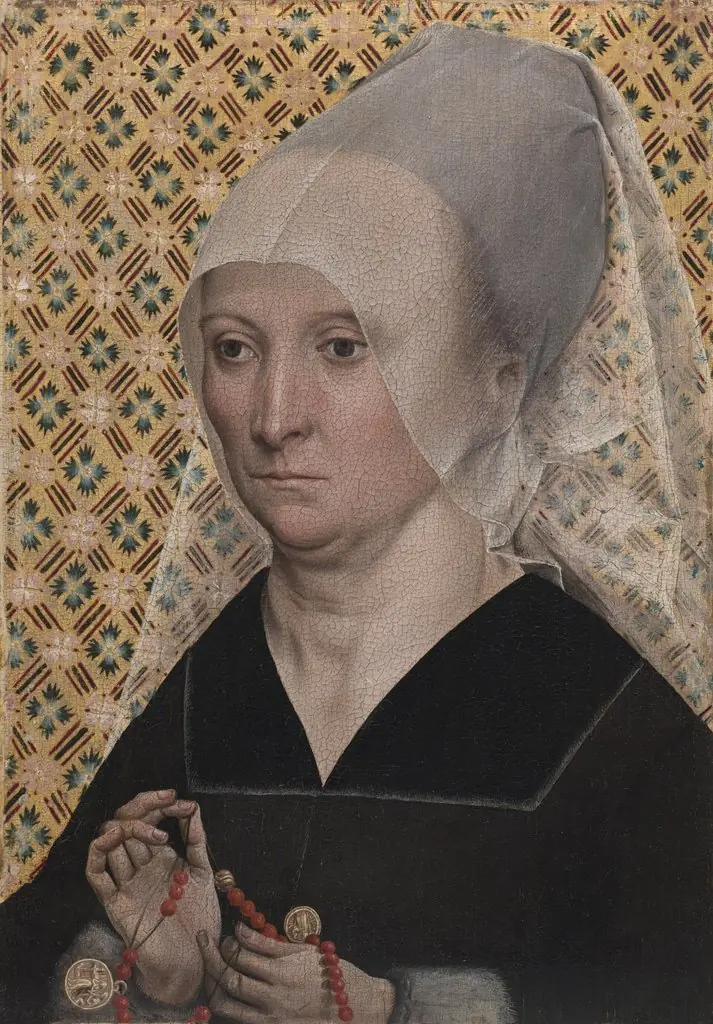 Portrait of a Woman
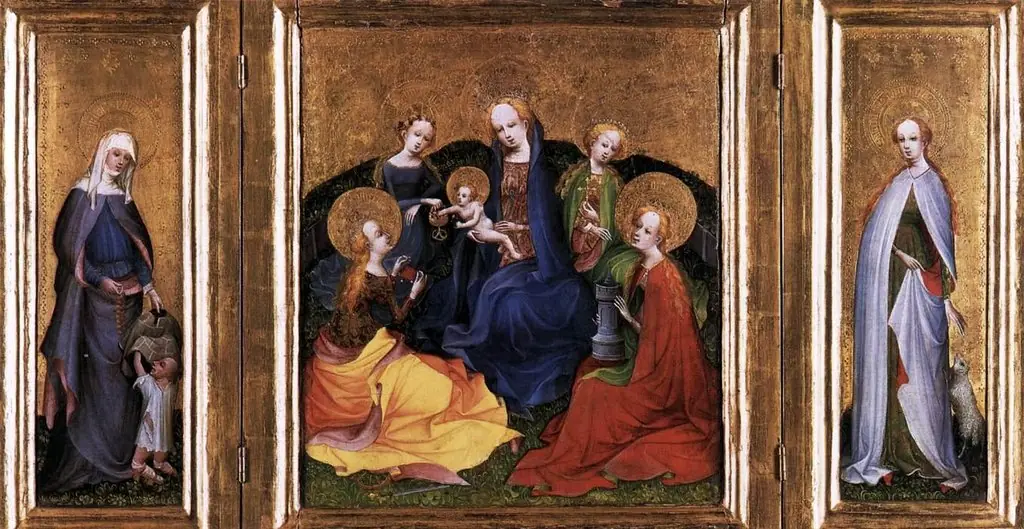 Triptych: Madonna and Child with Saints
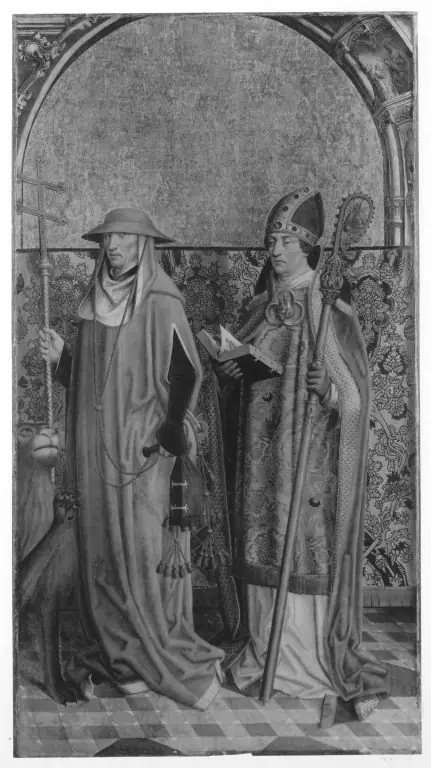 St. Jerome and a bishop
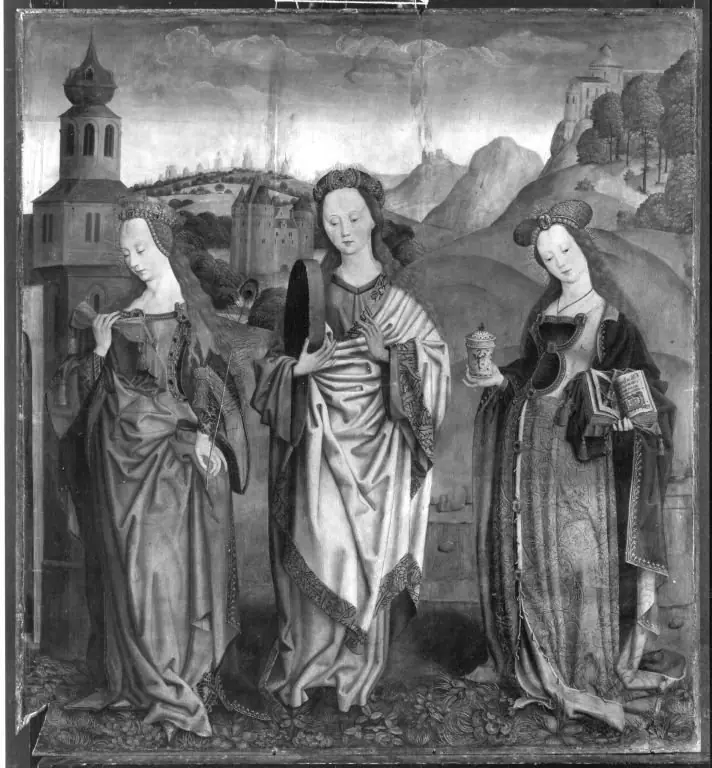 Beschneidungsaltar: Die hll. Barbara(?), Christina und Maria Magdalena
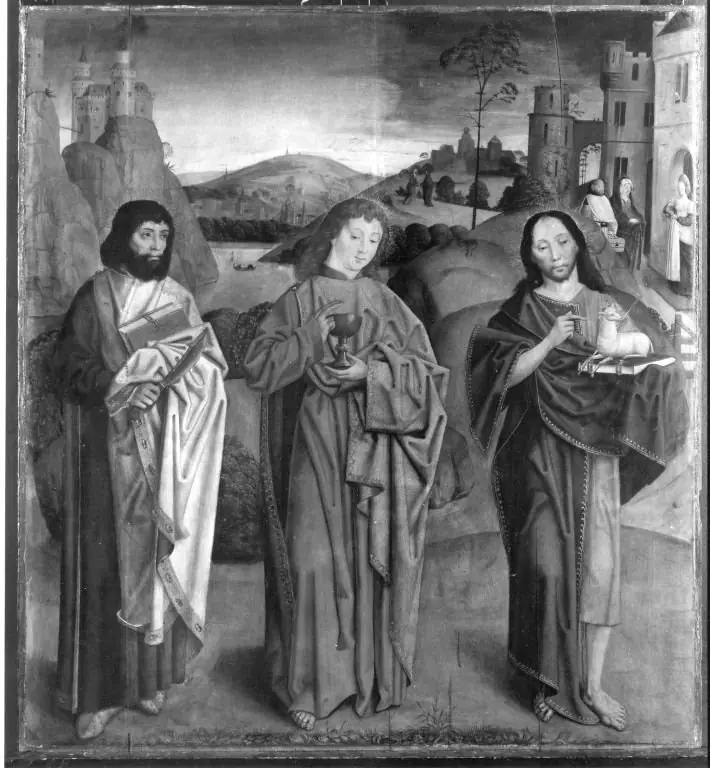 Beschneidungsaltar: Die hll. Bartholomäus, Johannes Ev. und Johannes d. T.
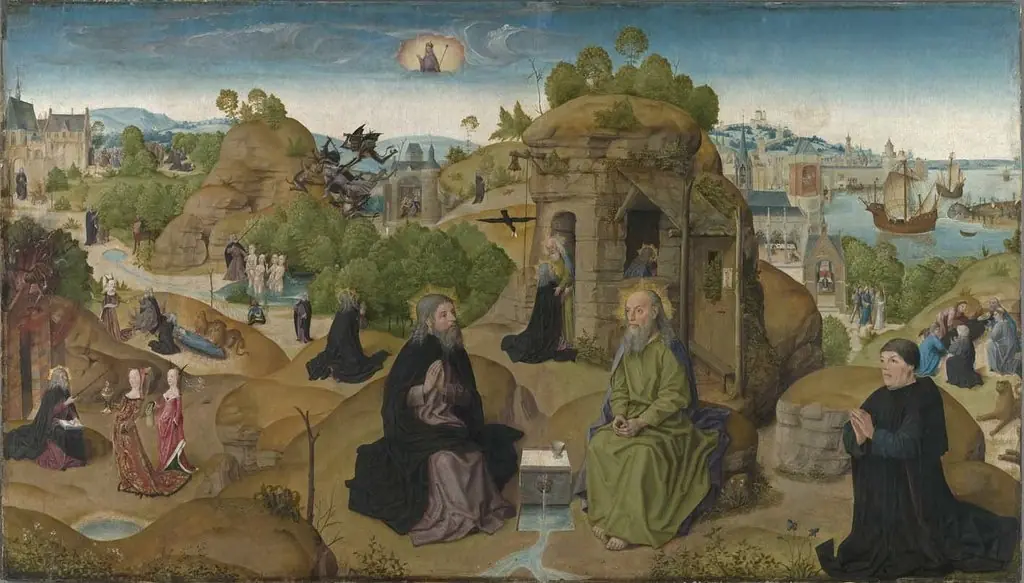 Legend of the Holy Ermite Anthony
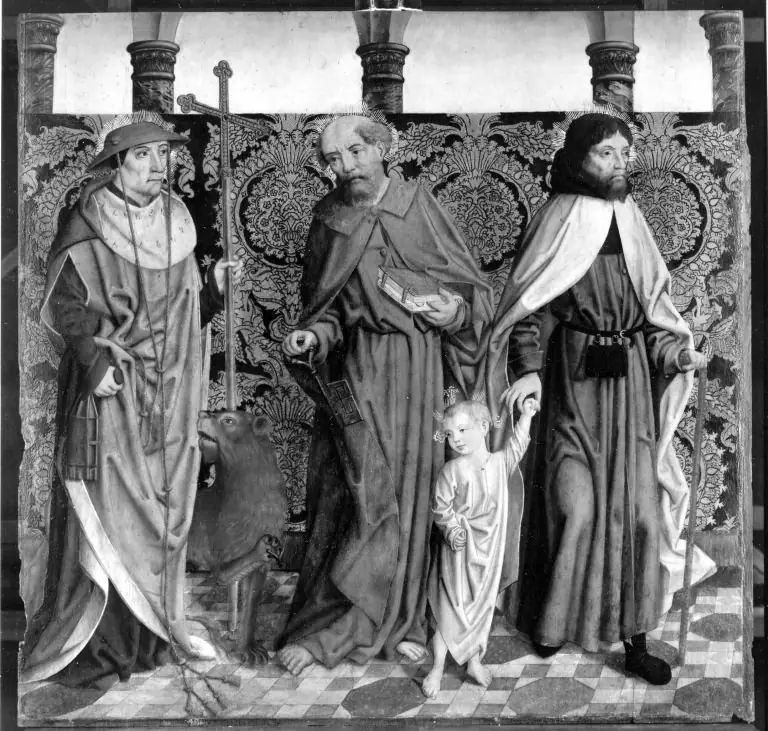 Beschneidungsaltar: Die hll. Hieronymus, Petrus und Joseph
 Die hll. Augustinus und Andreas Außenseite: Buße des hl. Hieronymus und kniende Nonne
 Kaisheimer Altar: Darbringung im Tempel
 Adoration of the Magi
 Kaisheimer Altar: Anbetung der Könige
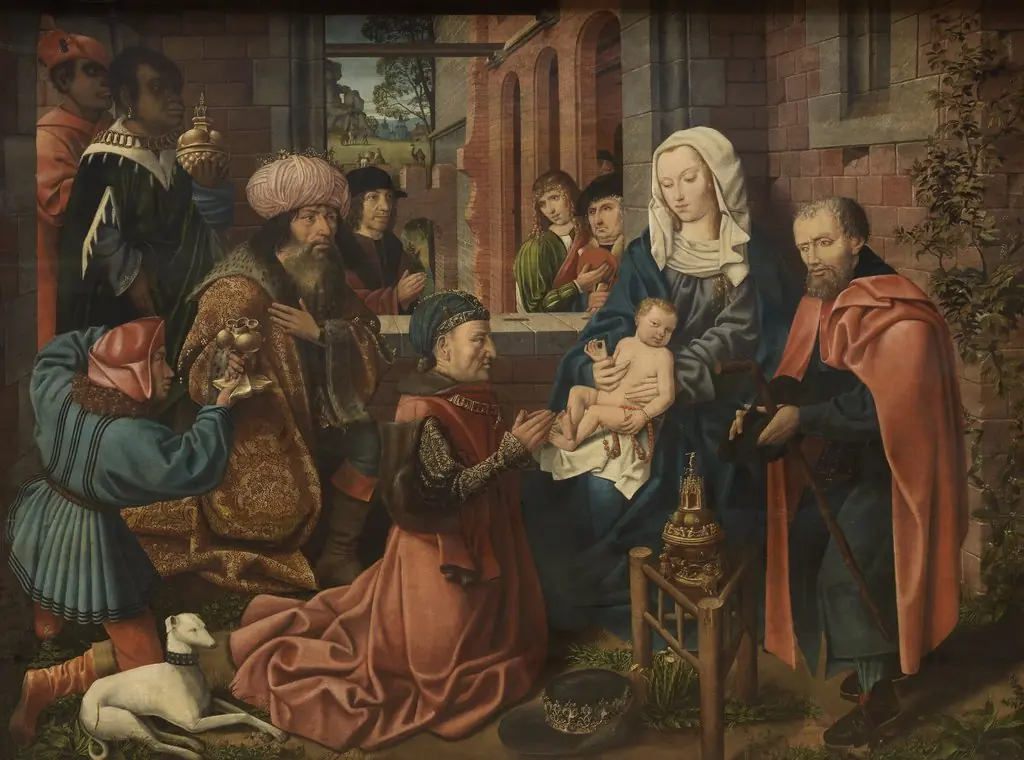 The Adoration of the Magi
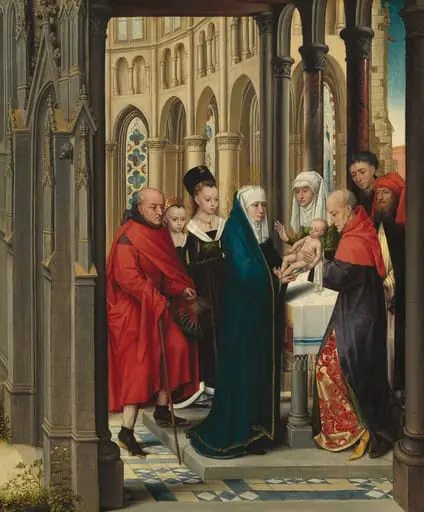 The Presentation in the Temple
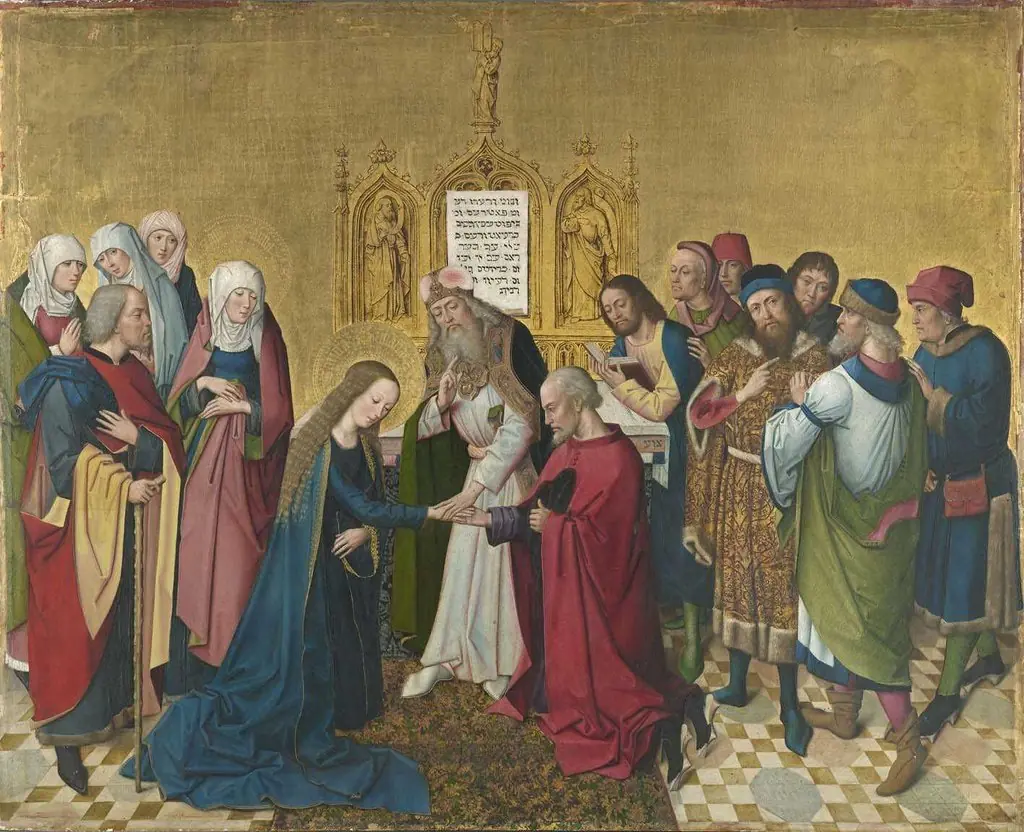 The Engagement of Mary (verso: upper half of the Coronation of Mary)
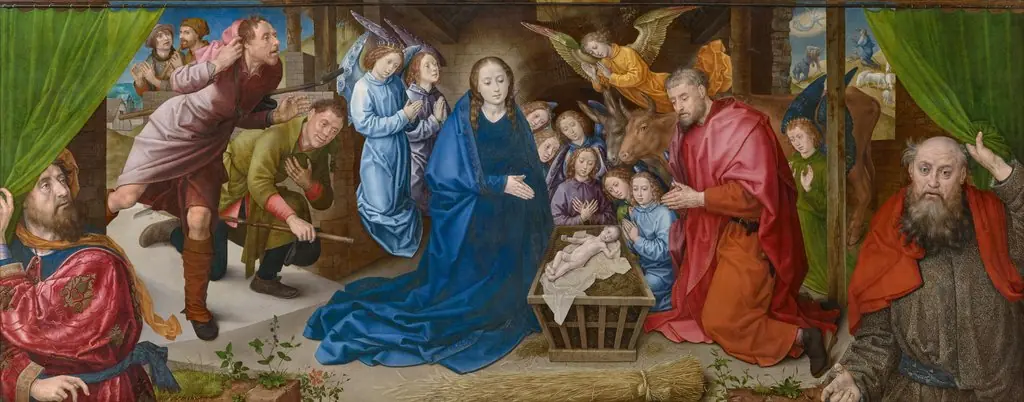 Adoration of the Shepherds
 Holy Kinship
 The Adoration of the Kings
 La Purificación de la Virgen
 Beschneidung Christi
 The circumcision of Christ