Artwork
The Annunciation
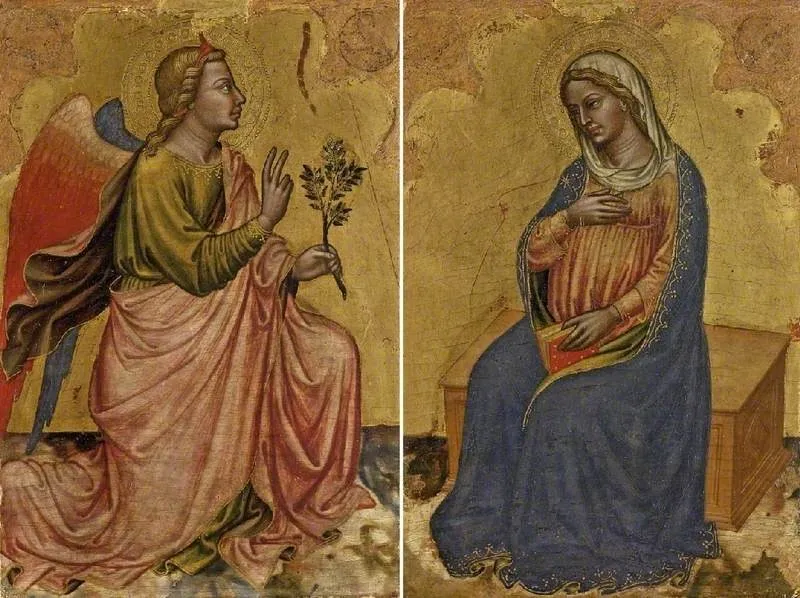
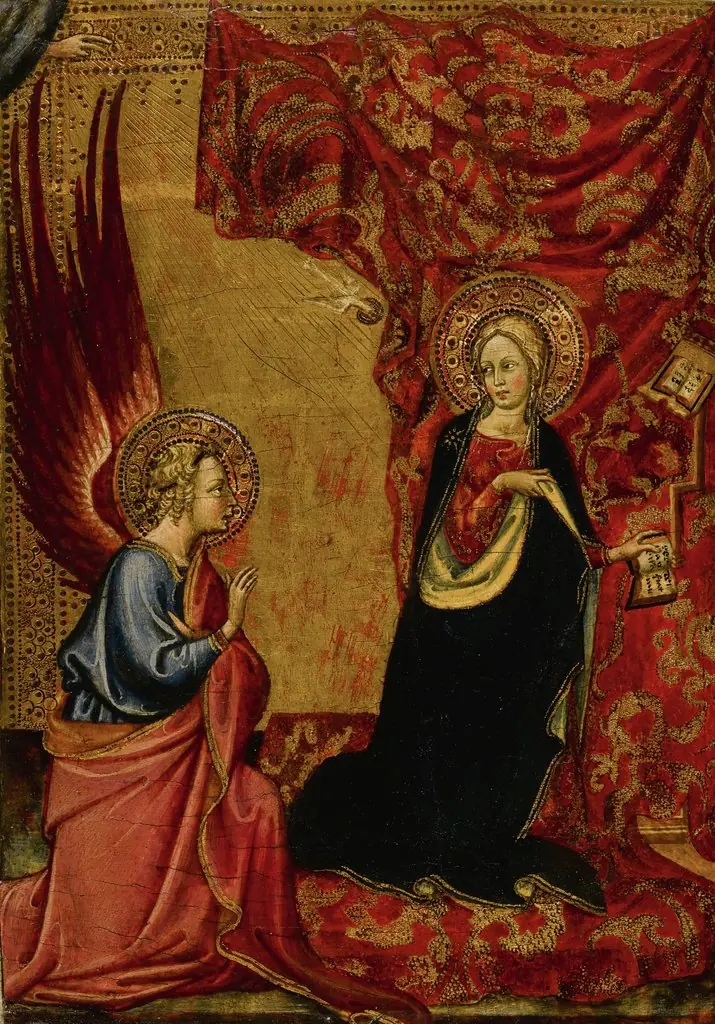
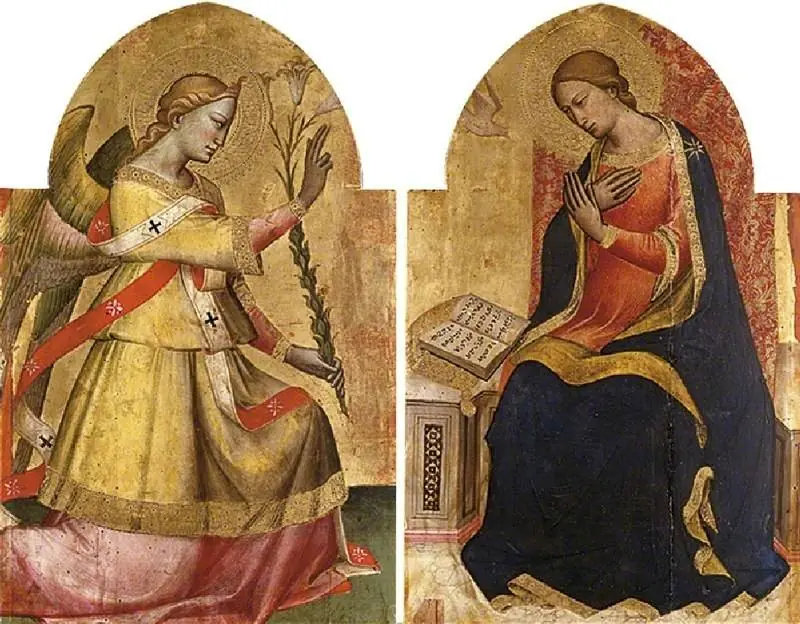
The Annunciation is an unspecified painting by Martino di Bartolomeo. It dates from 1403 and is held in the collection of the Fitzwilliam Museum.
About this work
Overview
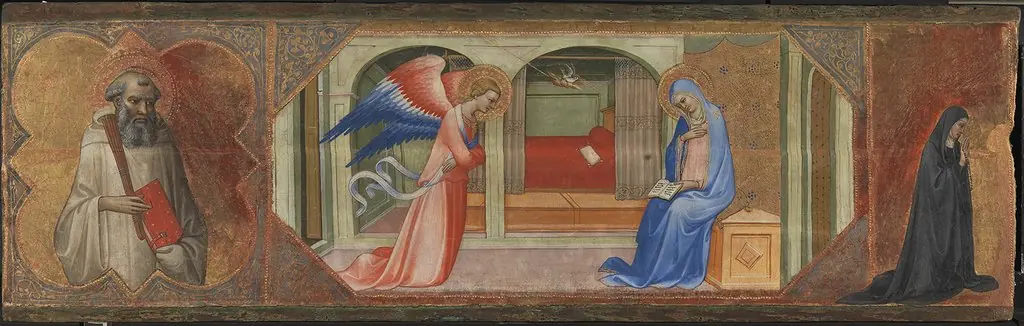
Created in 1403, The Annunciation is a two‑panel religious work by the early 15th‑century painter Martino di Bartolomeo. The diptych is part of the collection of the Fitzwilliam Museum, where it is displayed as an example of early Italian devotional art.
Subject & Meaning
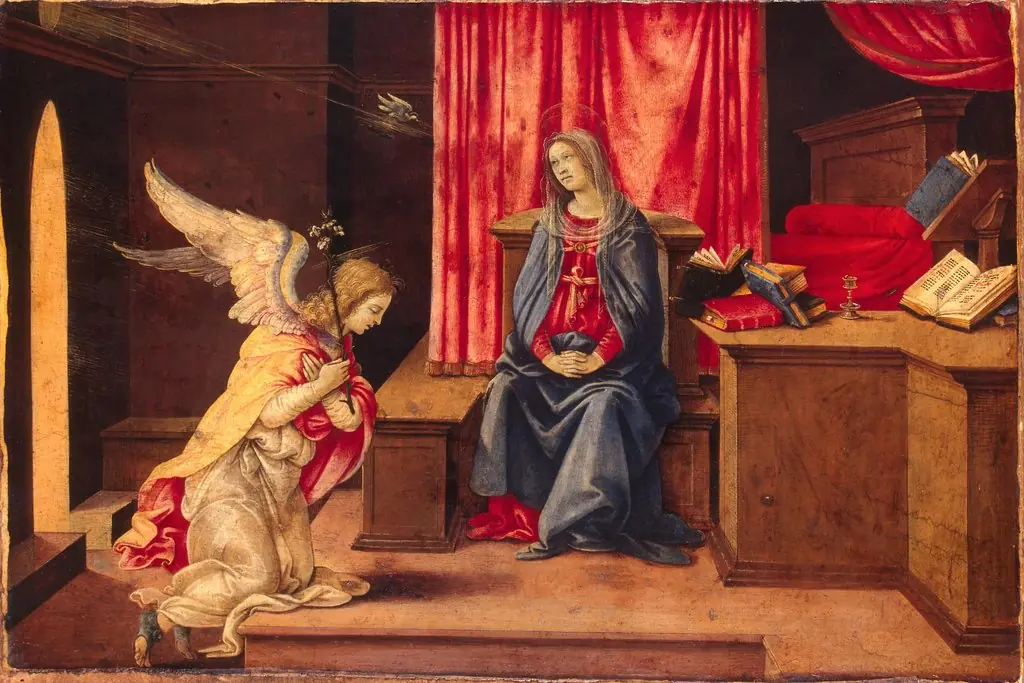
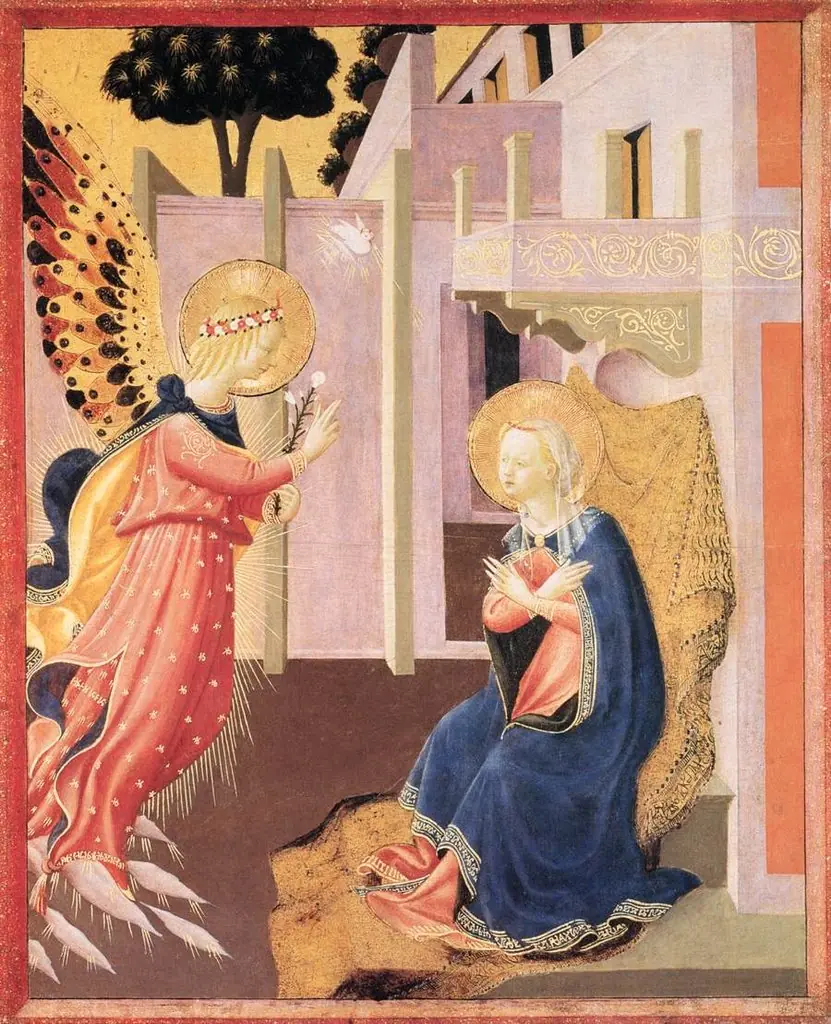
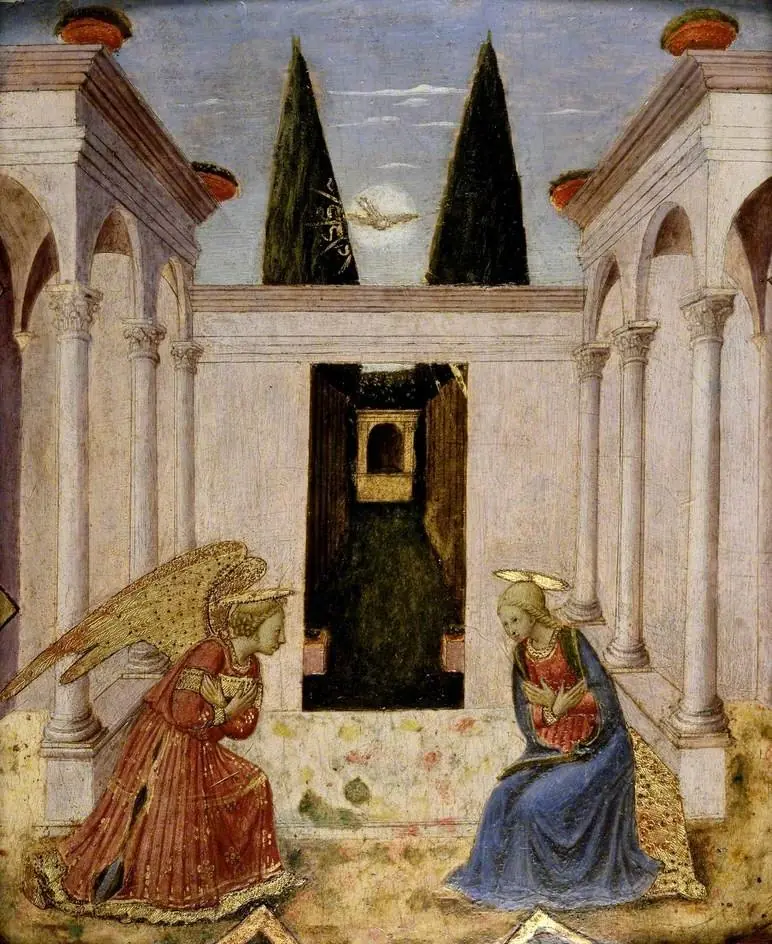
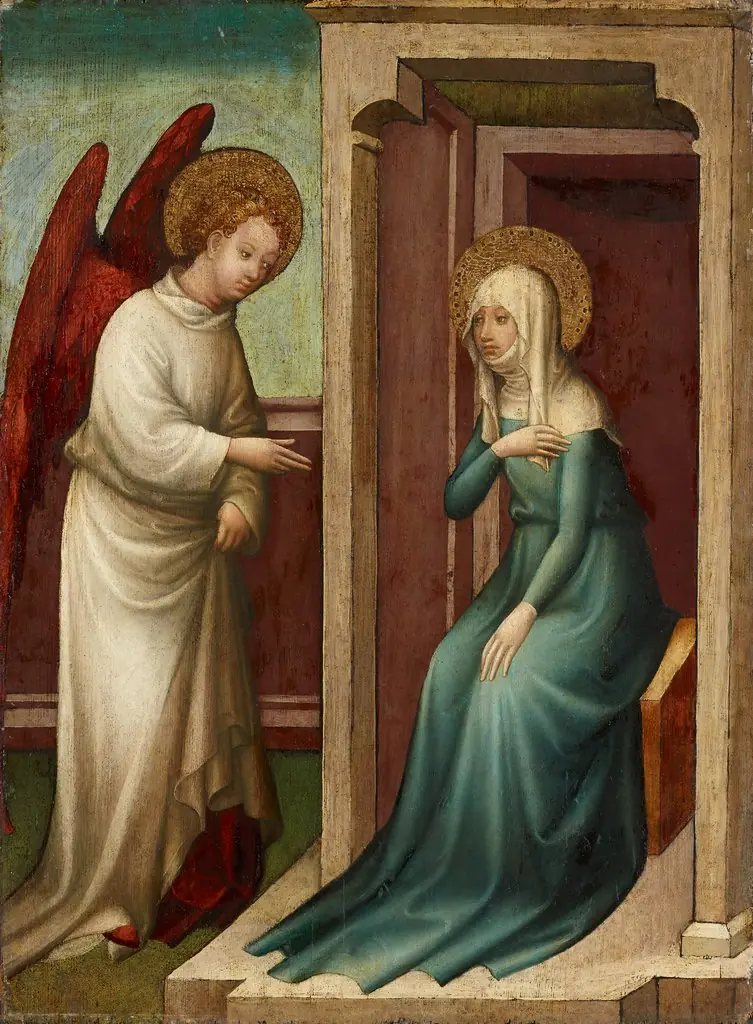
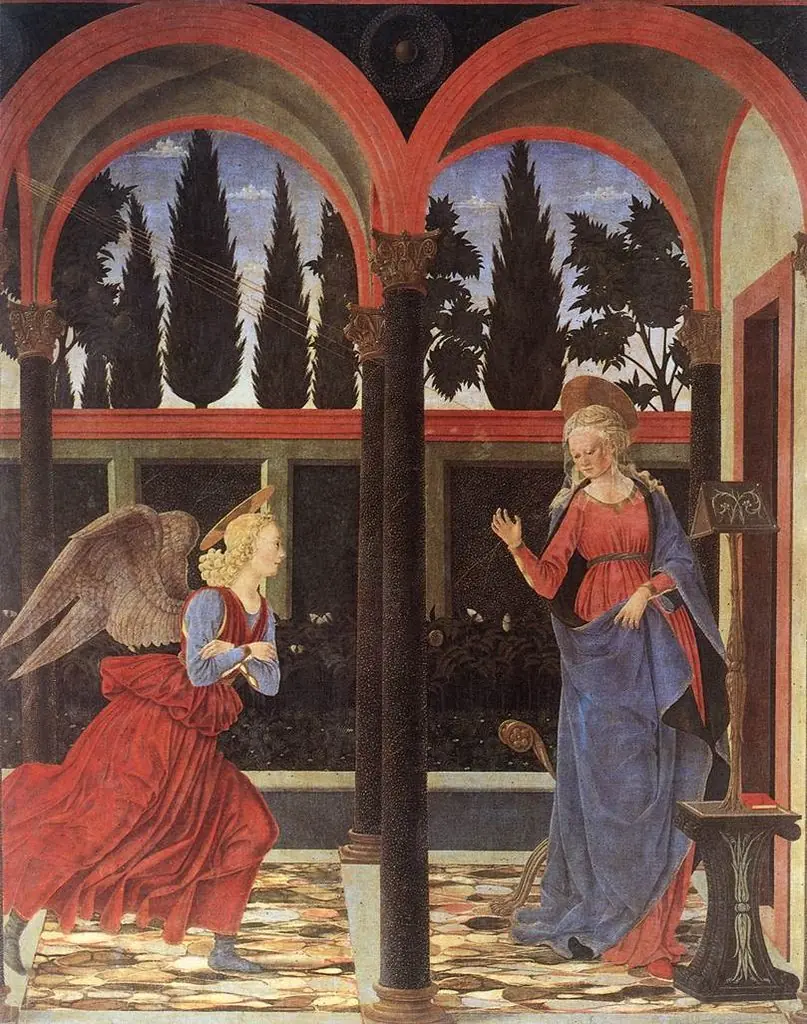
The left panel presents the angel Gabriel kneeling before the Virgin Mary, his wings rendered in vivid red and blue and a halo indicating his sacred role. He holds a small leafy branch, a traditional symbol of fertility. In the right panel, Mary sits on a wooden bench, her hands clasped over her chest, signifying humility and acceptance of the divine message.
Technique & Style
Both panels share a warm golden background that unifies the composition. The figures are outlined with clear, simple lines, and the drapery—yellow and pink on the angel, blue and yellow on Mary—demonstrates a restrained yet elegant handling of color typical of early Trecento painting.
History & Provenance
After its creation, the diptych entered private collections before being acquired by the Fitzwilliam Museum in the 20th century. Its provenance traces a typical path for devotional panels, moving from ecclesiastical or domestic settings to a public institution where it can be studied.
Context
Martino di Bartolomeo worked in a period when Italian art was transitioning from Byzantine influences toward greater naturalism. The Annunciation reflects this shift, combining iconic symbolism—halos, stylized wings—with a more intimate portrayal of the figures.
Artist & collection


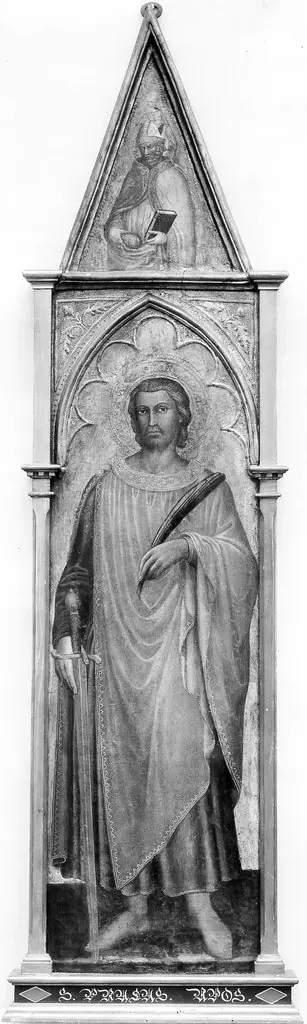 Saint Julian the Hospitaler (with Saint Nicholas of Bari)
![Saint Peter, with Saint James Major [left panel], by Martino di Bartolomeo](https://artifactworldgallery.com/img/martino-di-bartolomeo--saint-peter-with-saint-james-major-left-panel--20178831b0b297bc-w320.webp) Saint Peter, with Saint James Major [left panel]
Saint Peter, with Saint James Major [left panel]![Deacon Saint, with Saint Anthony Abbot [right panel], by Martino di Bartolomeo](https://artifactworldgallery.com/img/martino-di-bartolomeo--deacon-saint-with-saint-anthony-abbot-right-panel--2a458c4f3eacee3b-w320.webp) Deacon Saint, with Saint Anthony Abbot [right panel]
Deacon Saint, with Saint Anthony Abbot [right panel]![Madonna and Child with the Blessing Christ, and Saints Peter, James Major, Anthony Abbott, and a Deacon Saint [entire triptych], by Martino di Bartolomeo](https://artifactworldgallery.com/img/martino-di-bartolomeo--madonna-and-child-with-the-blessing-christ-and-saints-peter--2c53e26d577a363b-w320.webp) Madonna and Child with the Blessing Christ, and Saints Peter, James Major, Anthony Abbott, and a Deacon Saint [entire triptych]
Madonna and Child with the Blessing Christ, and Saints Peter, James Major, Anthony Abbott, and a Deacon Saint [entire triptych]![Madonna and Child, with the Blessing Christ [middle panel], by Martino di Bartolomeo](https://artifactworldgallery.com/img/martino-di-bartolomeo--madonna-and-child-with-the-blessing-christ-middle-panel--9e7ebbf6d3ba8295-w320.webp) Madonna and Child, with the Blessing Christ [middle panel]
Madonna and Child, with the Blessing Christ [middle panel]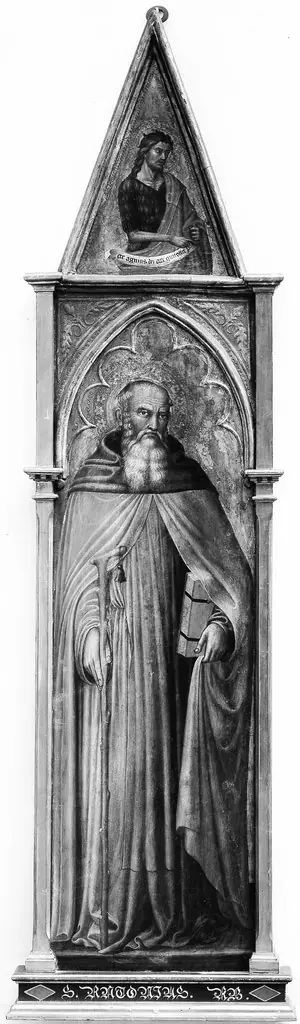 Saint Anthony Abbot (with Saint John the Baptist)
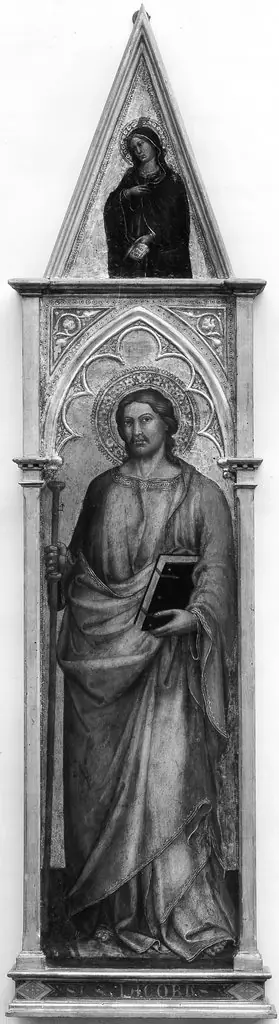 Saint James the Greater (with the Virgin of the Annunciation)