Artwork
A Company of the Hague Arquebusiers
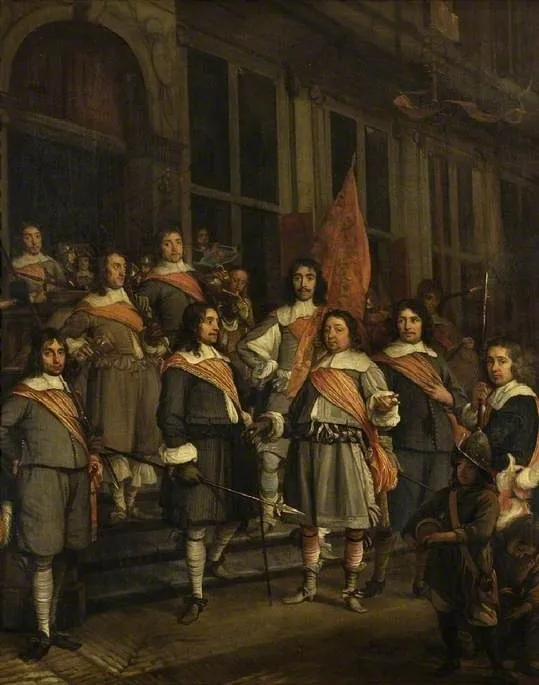
A Company of the Hague Arquebusiers is an oil painting by the Hague School artist Martinus Lengele. It dates from 1660 and is held in the collection of the Fitzwilliam Museum.
About this work
Overview
A Company of the Hague Arquebusiers is a 1660 oil painting by Martinus Lengele, a Dutch Golden Age artist associated with The Hague School. This work exemplifies the schutterstuk tradition, depicting a civic guard company in a formal setting.
Subject & Meaning
The painting portrays a militia group, likely a specific civic guard company, in formal attire, conveying a sense of solemnity and dignity through their arrangement and expressions. The composition reflects the social and civic pride of such militia units during the Dutch Golden Age.
Technique & Style
Lengele employed chiaroscuro to achieve depth and volume, characterized by strong light and dark contrasts. The formal arrangement of figures, set against a backdrop of architectural elements, aligns with The Hague School's emphasis on local genre and portraiture.
History & Provenance
Created in 1660, the painting is associated with Lengele's membership in the Confrerie Pictura (1656-1665). Following his period in The Hague, Lengele moved to Paris, where he died in 1668. The current location or ownership of the painting is not specified.
Context
As a schutterstuk, the work belongs to a tradition of civic guard portraits common in 17th-century Dutch cities. The Hague School's focus on local themes and realistic depiction of everyday life and civic institutions is reflected in this painting.
Legacy
While specific lasting impacts or notable exhibitions of *A Company of the Hague Arquebusiers* are not detailed, it contributes to the broader understanding of The Hague School and 17th-century Dutch civic culture through its representation of a militia company.
Artist & collection
Artist
Martinus Lengele (1615 – 27 May 1668) was a Dutch Golden Age painter. He is known for portraits in the Hague, and made a few schutterstukken there. He became a member of the Confrerie Pictura in The Hague from 1656 to…

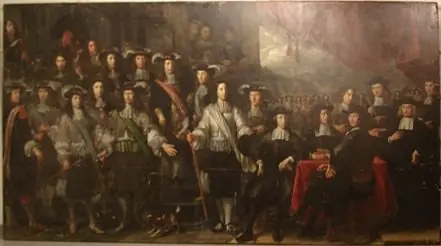 Council of war of eleven companies of the Dordrecht militia, ca 1675
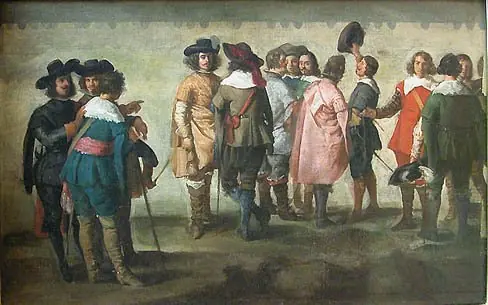 Réunion de quatorze personnages
 Foundation of the Antwerp Academy by David Teniers II
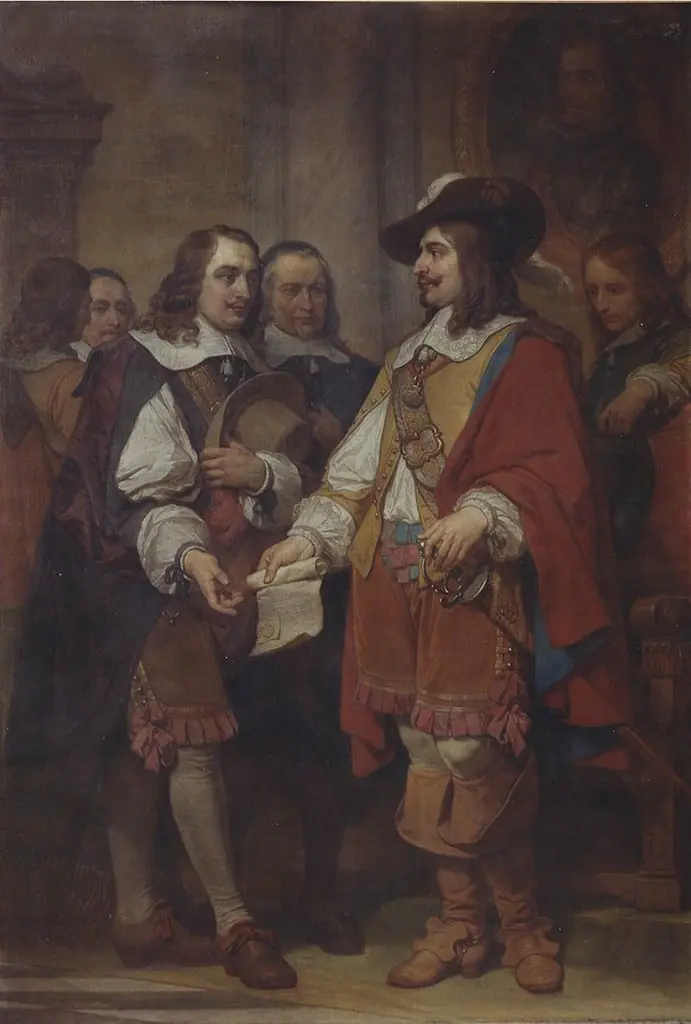
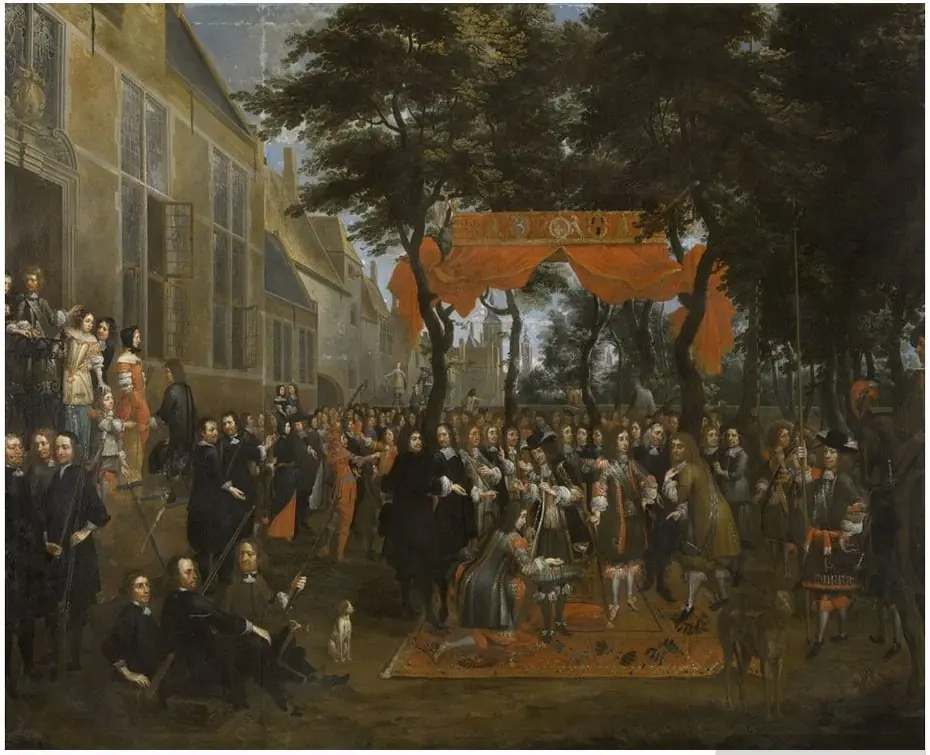 The Reception of Charles II and his Brothers
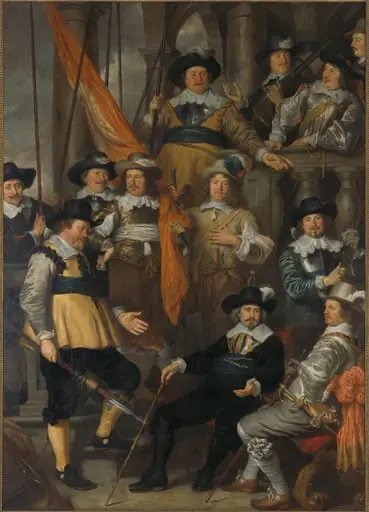 Untitled
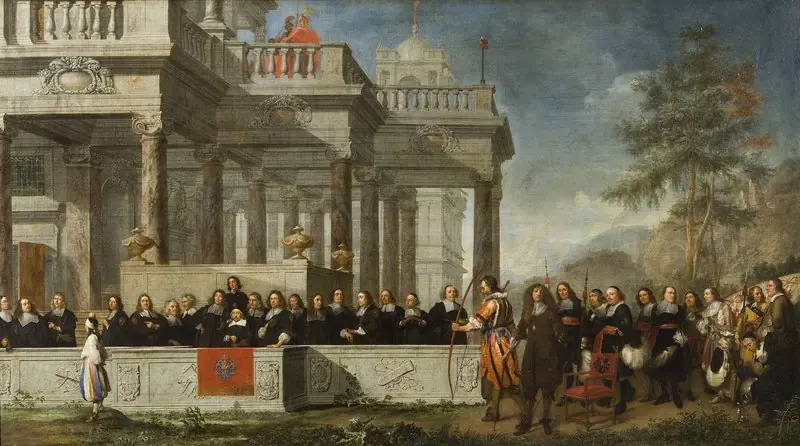 The Legend of William Tell shown to the Antwerp Guild of St Sebastian
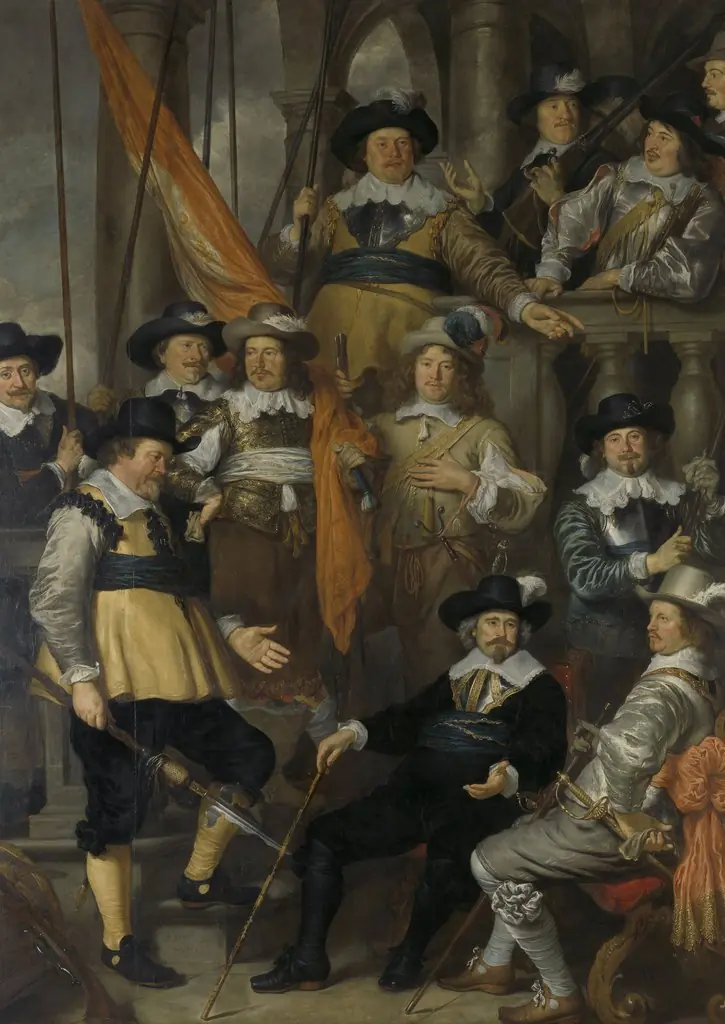 The Company of Captain Albert Bas and Lieutenant Lucas Conijn
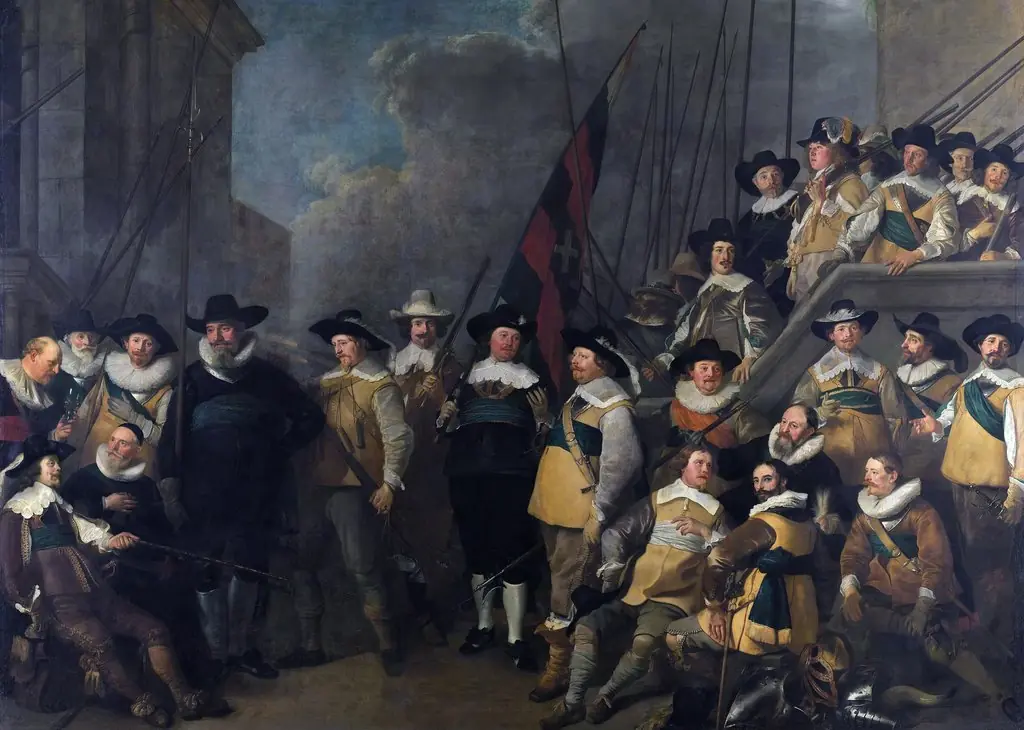 Officers and other Civic Guardsmen of the V District in Amsterdam under the command of Captain Cornelis de Graeff and Lieutenant Hendrick Lauwrensz
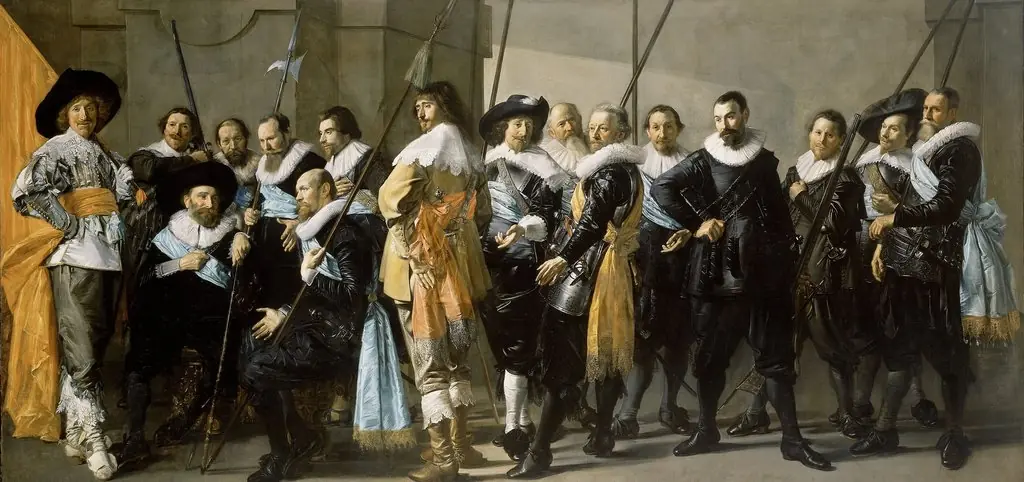 Militia Company of District XI under the Command of Captain Reynier Reael
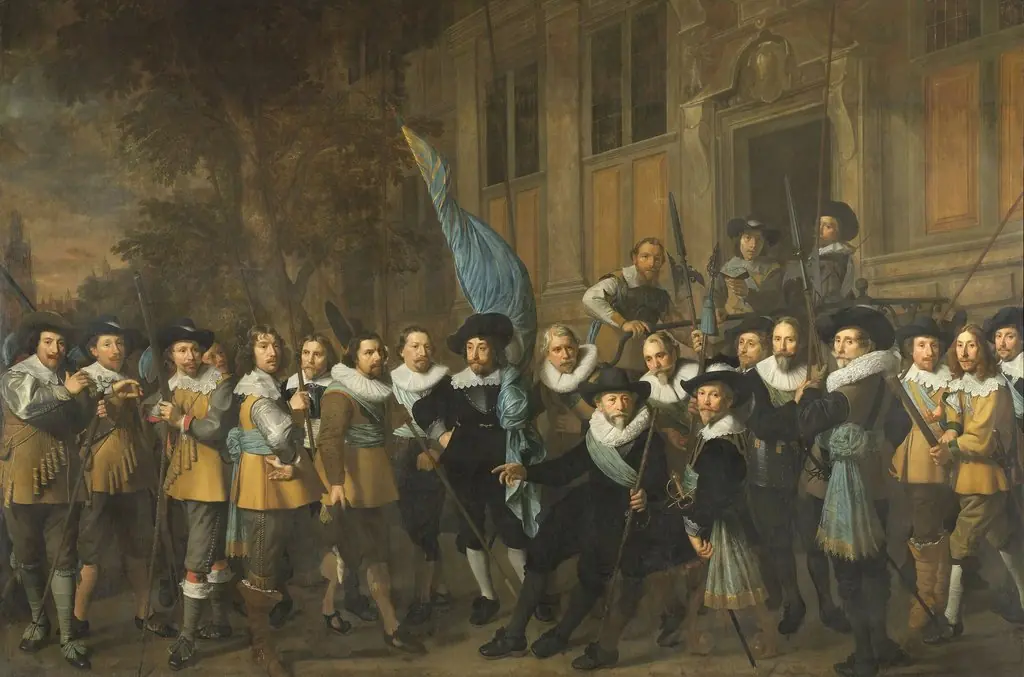 Officers and other civic guardsmen of the IVth District of Amsterdam, under the command of Captain Jan Claesz van Vlooswijck and Lieutenant Gerrit Hudde
 Officers and Other Civic Guardsmen of the IVth District of Amsterdam, under the Command of Captain Jan Claesz van Vlooswijck and Lieutenant Gerrit Hudde
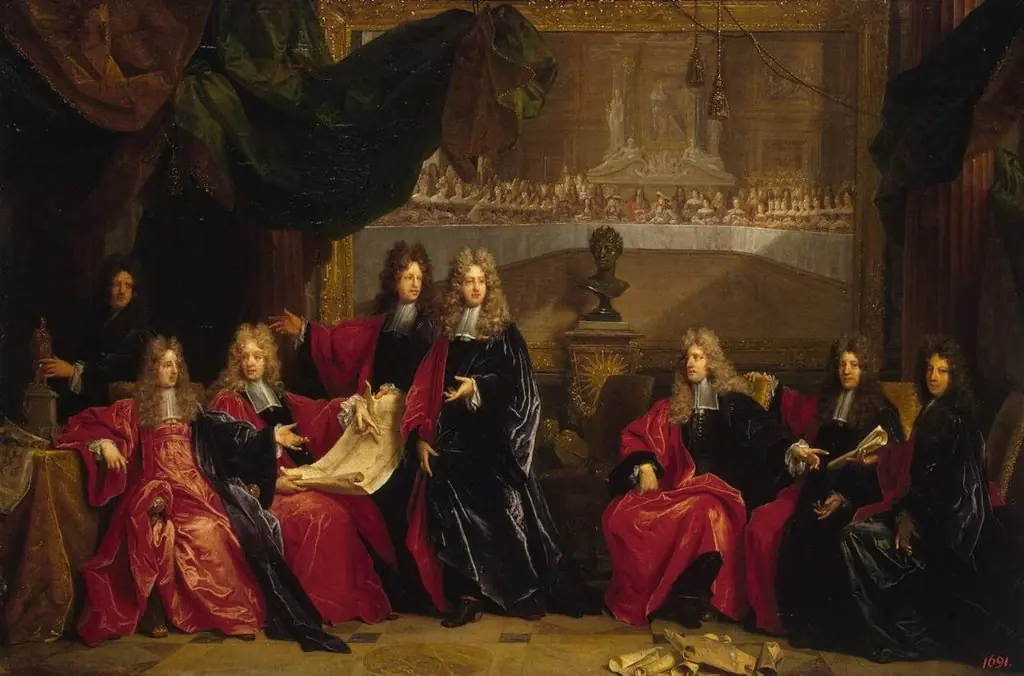 Provost and Municipal Magistrates of Paris Discussing the Celebration of Louis XIV's Dinner at the Hotel de Ville after his Recovery in 1687