Artwork
Jakobus-Stephanus-Altar: Disputation des hl. Stephanus
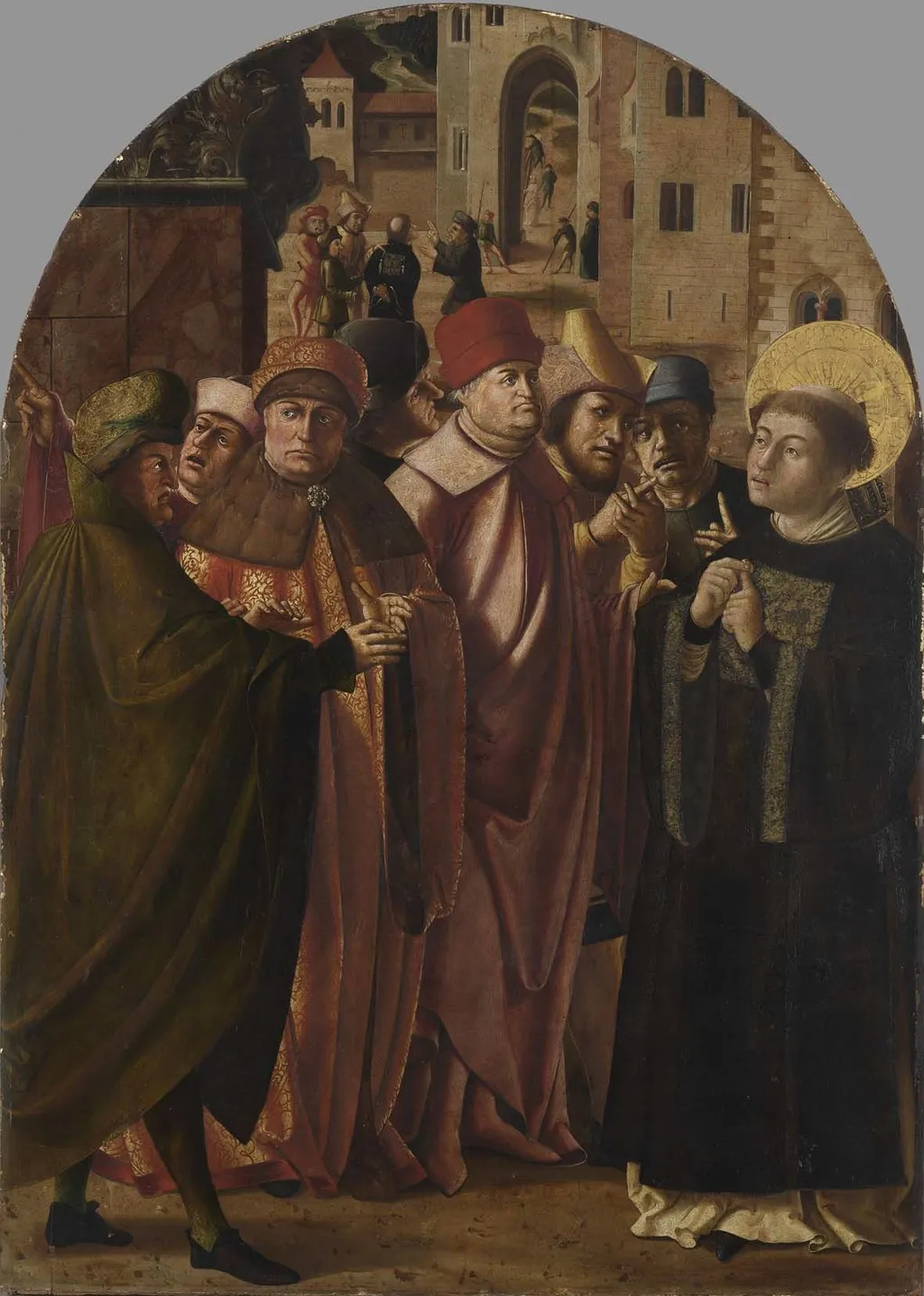
Jakobus-Stephanus-Altar: Disputation des hl. Stephanus is an unspecified painting by the Northern Renaissance artist Marx Reichlich. It dates from 1506 and is held in the collection of the Bavarian State Painting Collections.
About this work
Overview
Created in 1506 by Austrian painter Marx Reichlich, the work known as the Jakobus‑Stephanus Altar illustrates a biblical dispute involving Saint Stephen. Executed within the Northern Renaissance idiom, the panel was originally intended for liturgical display and now belongs to the Alte Pinakothek’s holdings.
Subject & Meaning
The central figure, distinguished by a golden halo and serene expression, represents Saint Stephen, the first Christian martyr. Around him, a cluster of formally dressed men—some in vivid red hats, others in gold or plain caps—engage in a heated discussion, one gesturing upward while another holds a scroll, suggesting a theological debate.
Technique & Style
Reichlich employs the detailed linearity and rich coloration characteristic of late‑15th‑century Germanic painting. The composition balances intricate foreground figures with a modestly rendered urban backdrop, featuring a bridge and bustling streets that provide spatial depth without detracting from the narrative focus.
History & Provenance
Commissioned for a church setting, the altar panel served a devotional function before entering the museum sphere. It was acquired by the Alte Pinakothek, where it remains part of the collection, representing the artist’s broader oeuvre of religious subjects such as his Adoration of the Magi and Last Judgment.
Artist & collection
Artist
Marx Reichlich (1460–1520) was an Austrian painter. Reichlich was a painter of primarily religious works. He painted a number of traditional scenes as commissions for churches, including "Adoration of the Magi", and…

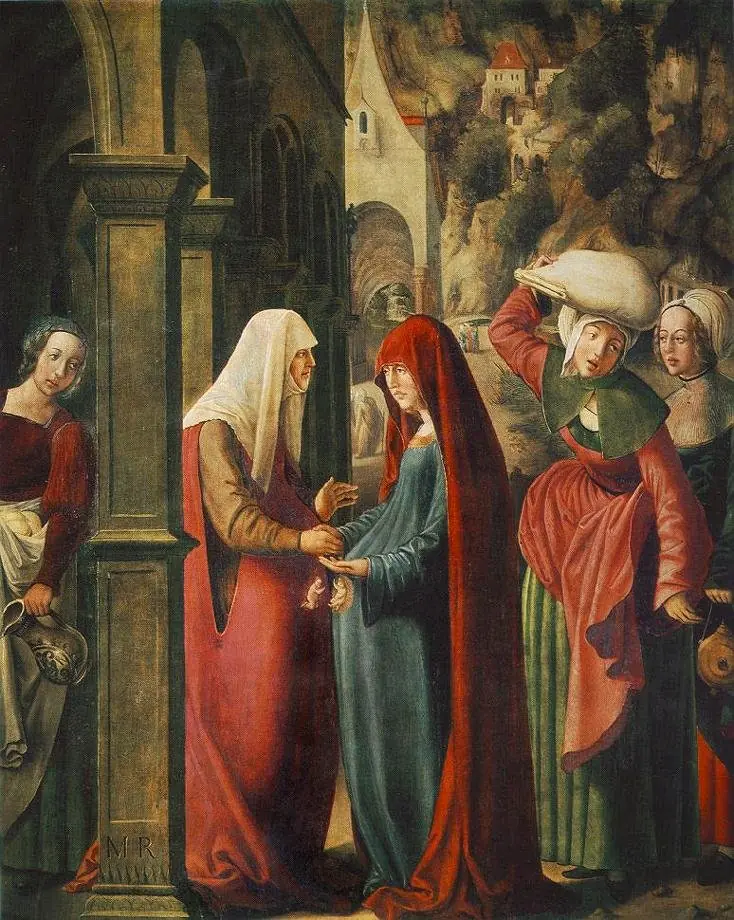 Meeting of Mary and Elisabeth
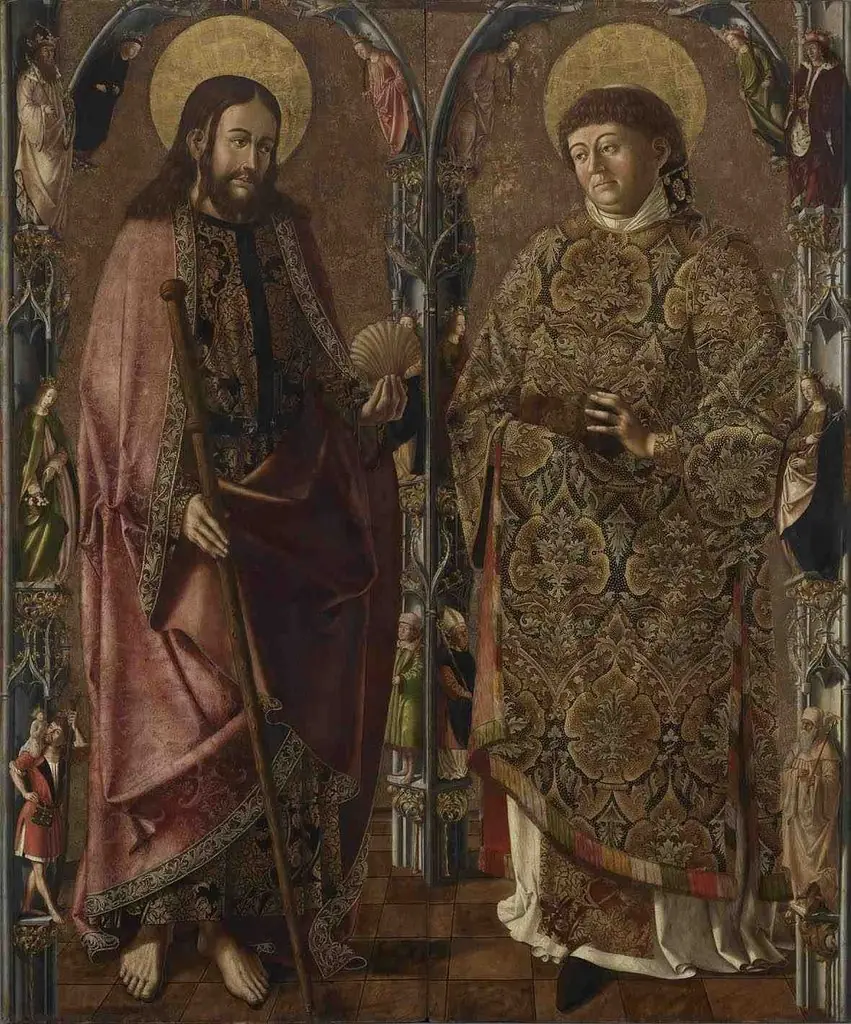 Jakobus-Stephanus-Altar: Die hll. Jakobus und Stephanus
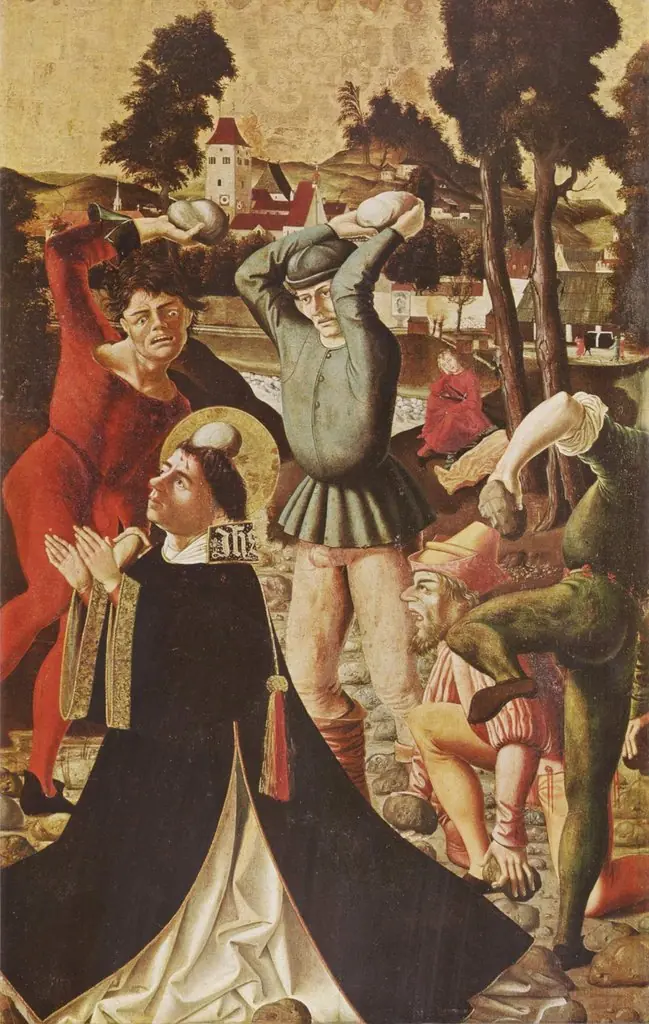 Jakobus-Stephanus-Altar: Steinigung des hl. Stephanus
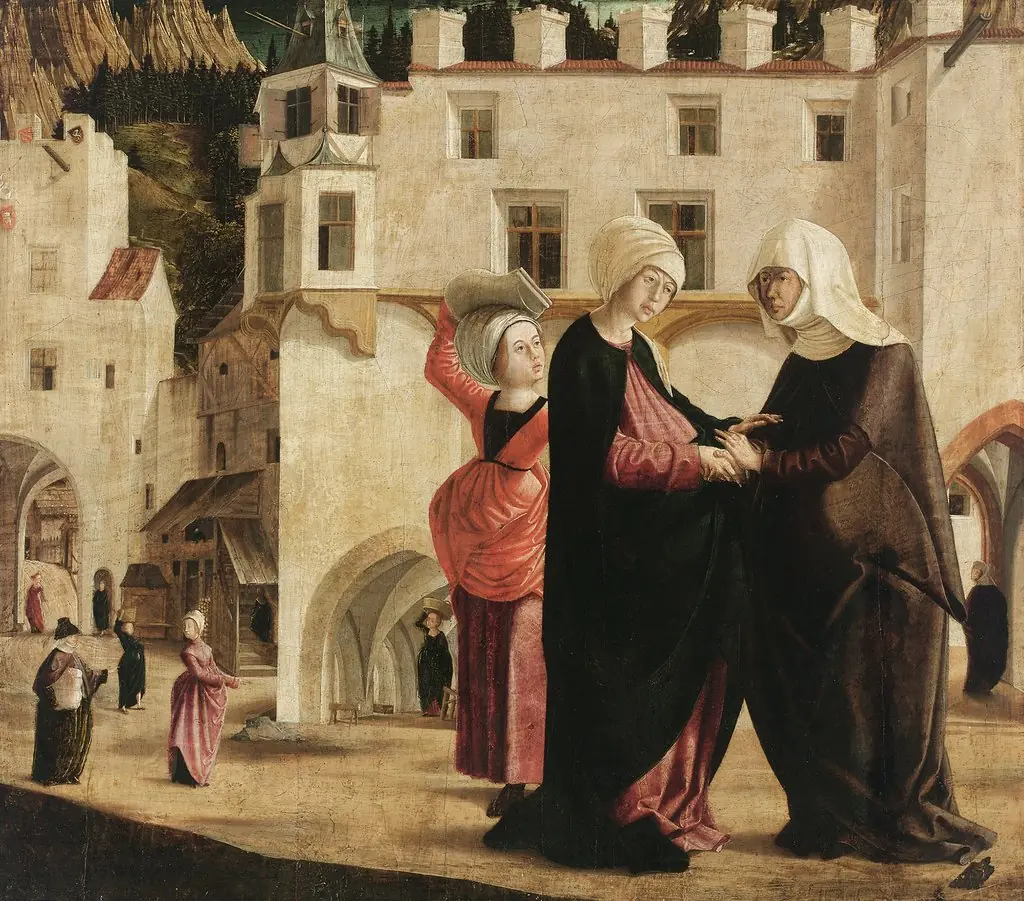 The visitation
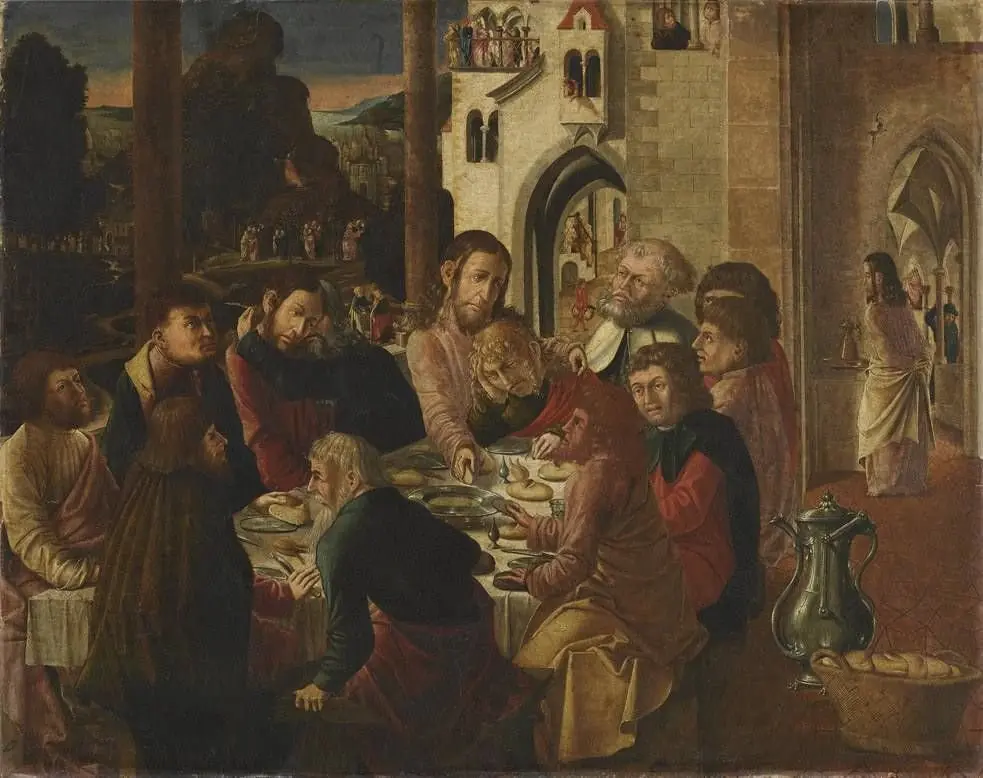 Jacob-Stephen (?): the Last Supper
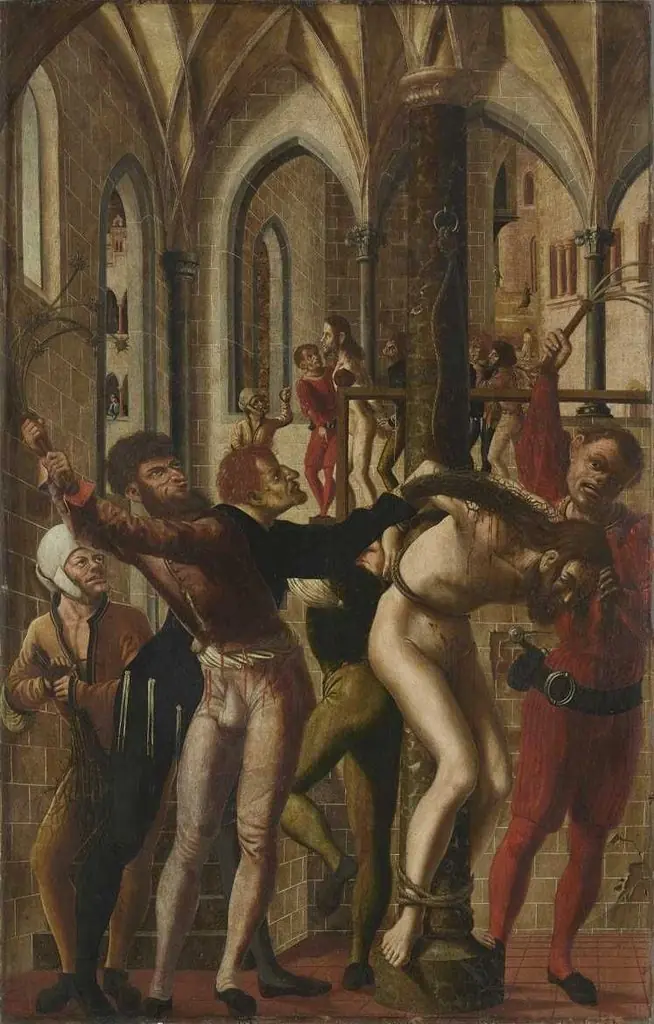 Jakobus-Stephanus-Altar: Geißelung Christi
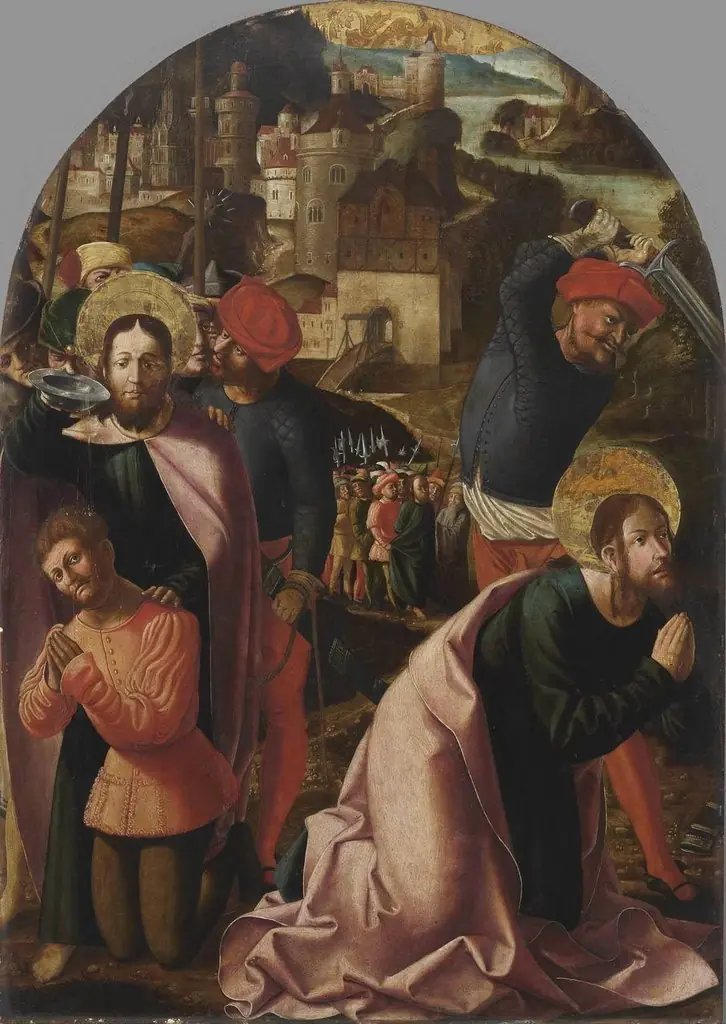 Jakobus-Stephanus-Altar: Der hl. Jakobus tauft Josias und Hinrichtung des Jakobus
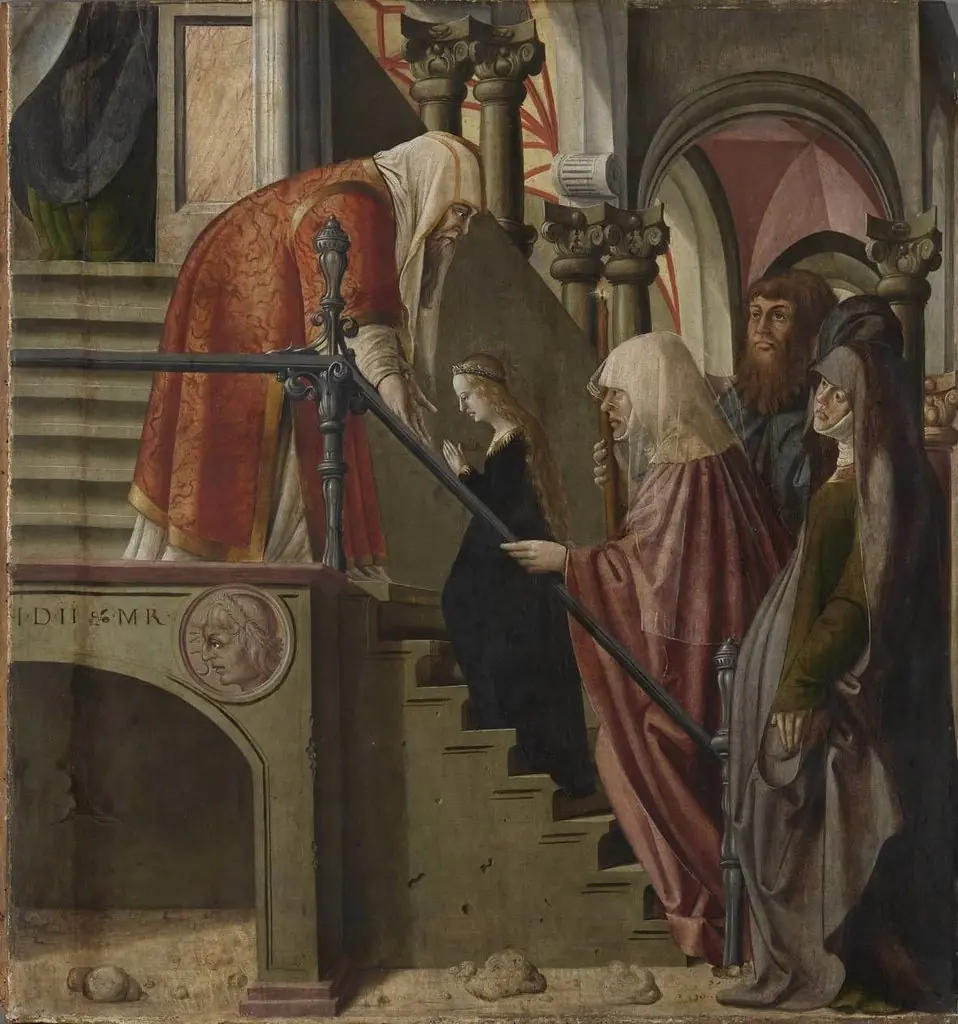 Marienaltar: Tempelgang Mariae
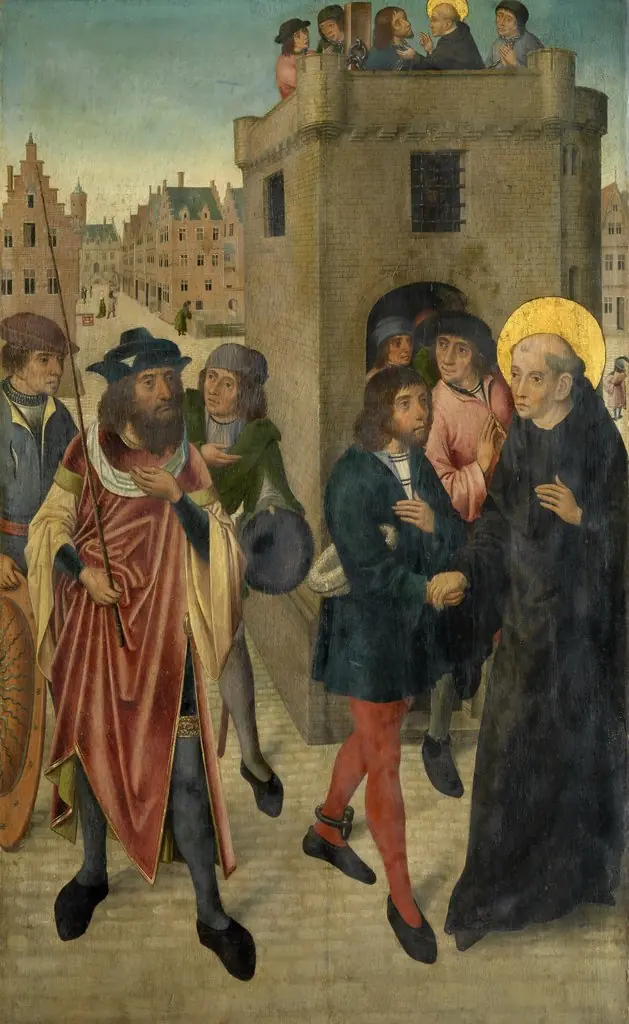 Saint Leonard Liberating Captives
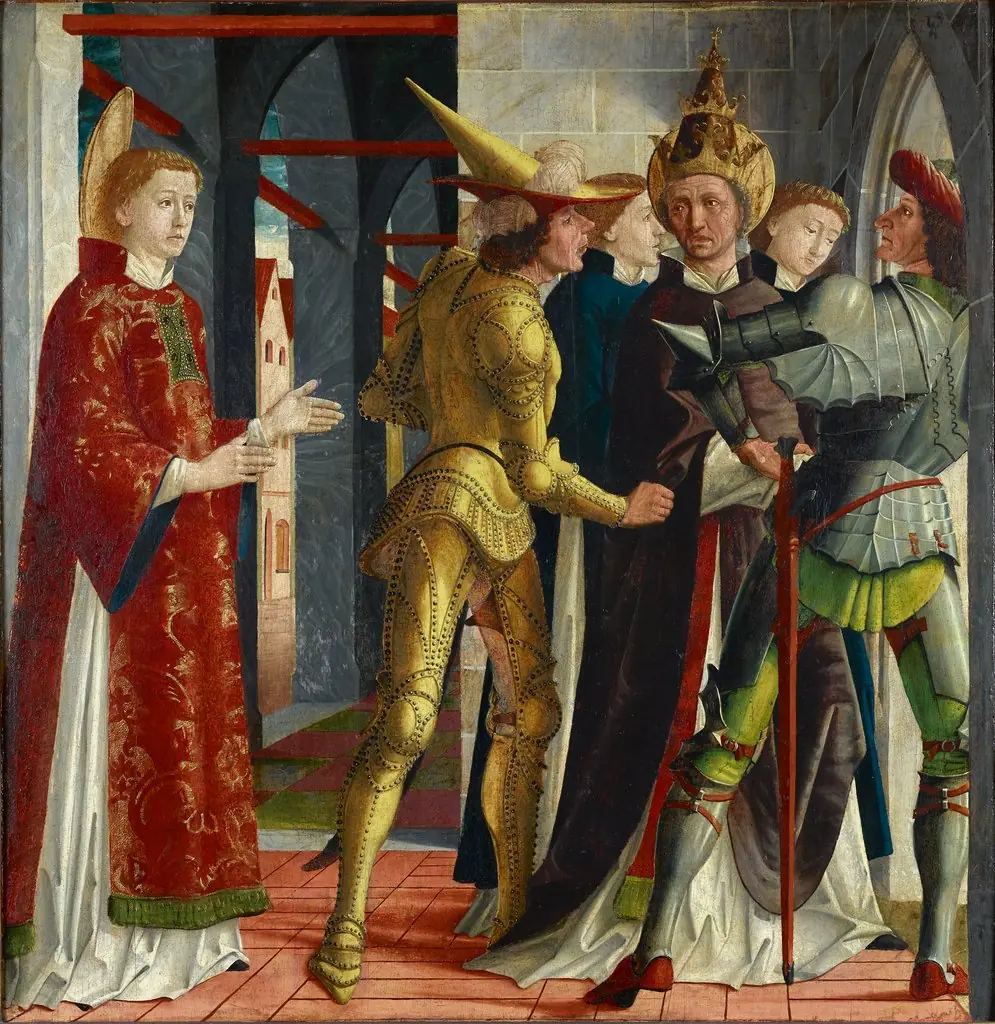 Pope Sixtus II. bids farewell to St. Lawrence
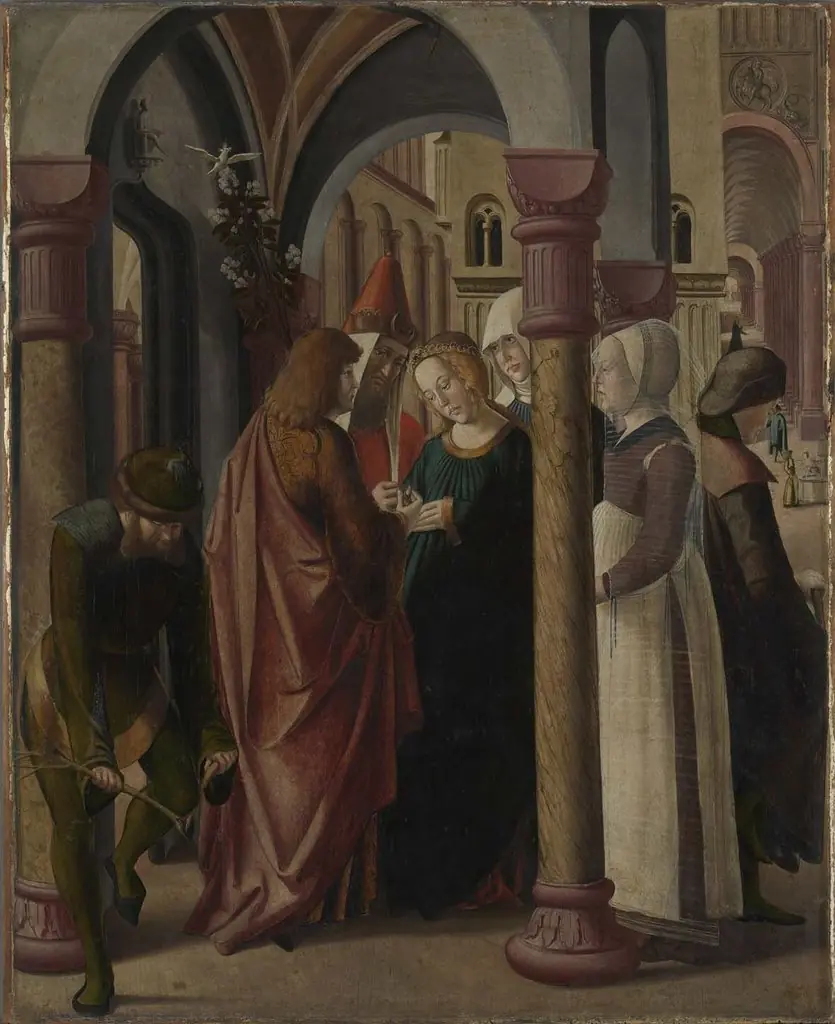 Marienaltar: Vermählung Mariae
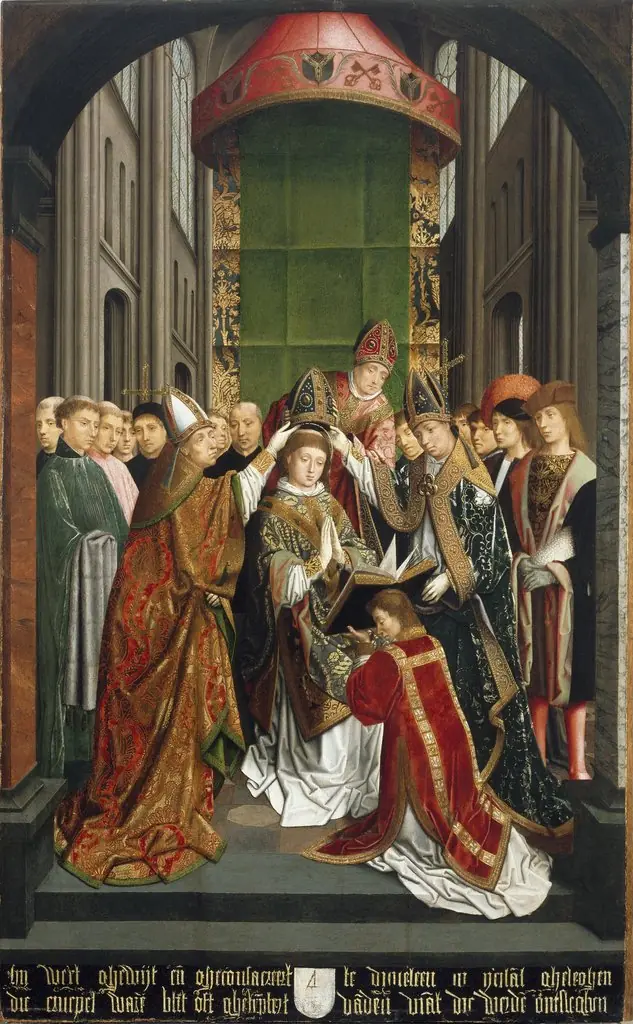 The Enthronement of Saint Romold as Bishop of Dublin
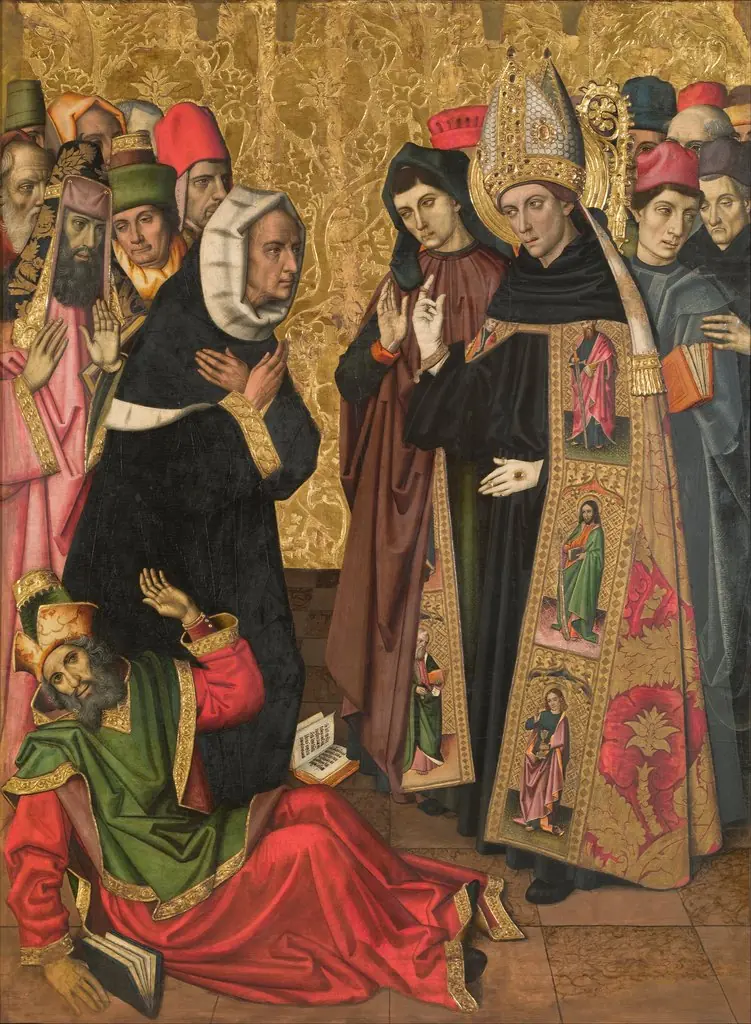 Saint Augustine Disputing with the Heretics
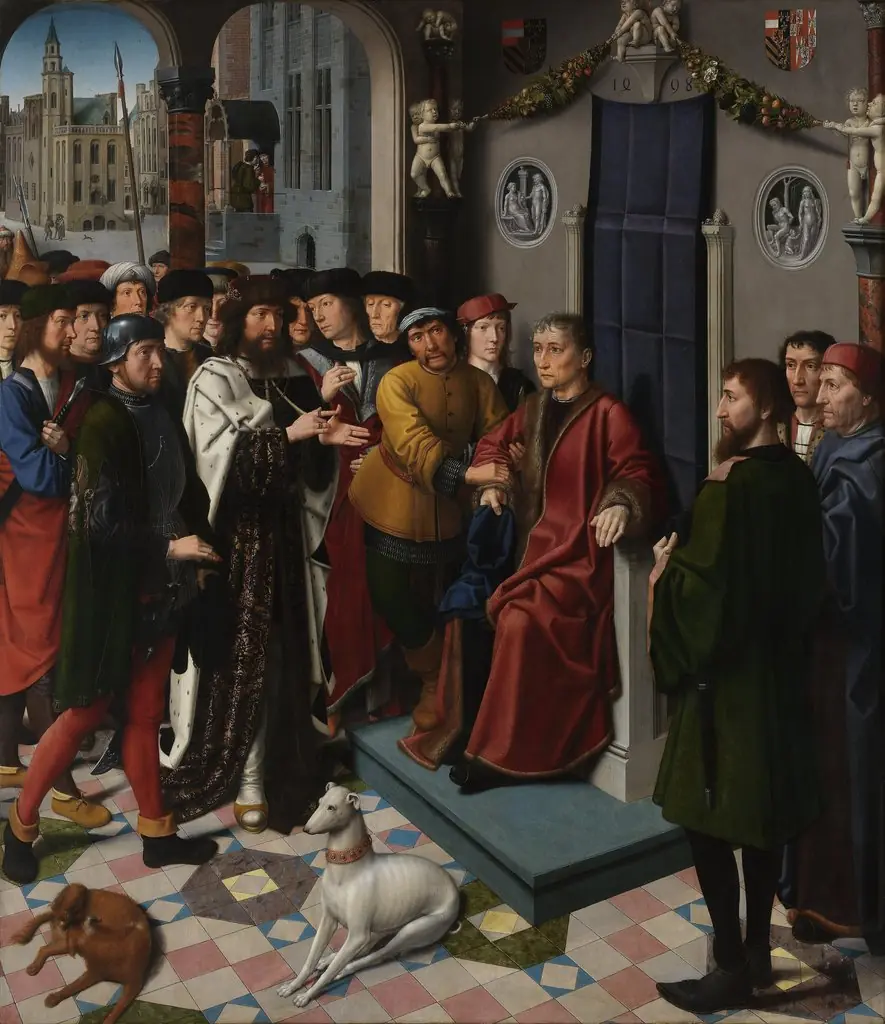 Judgement of Cambyses: The Arrest of Sisamnes
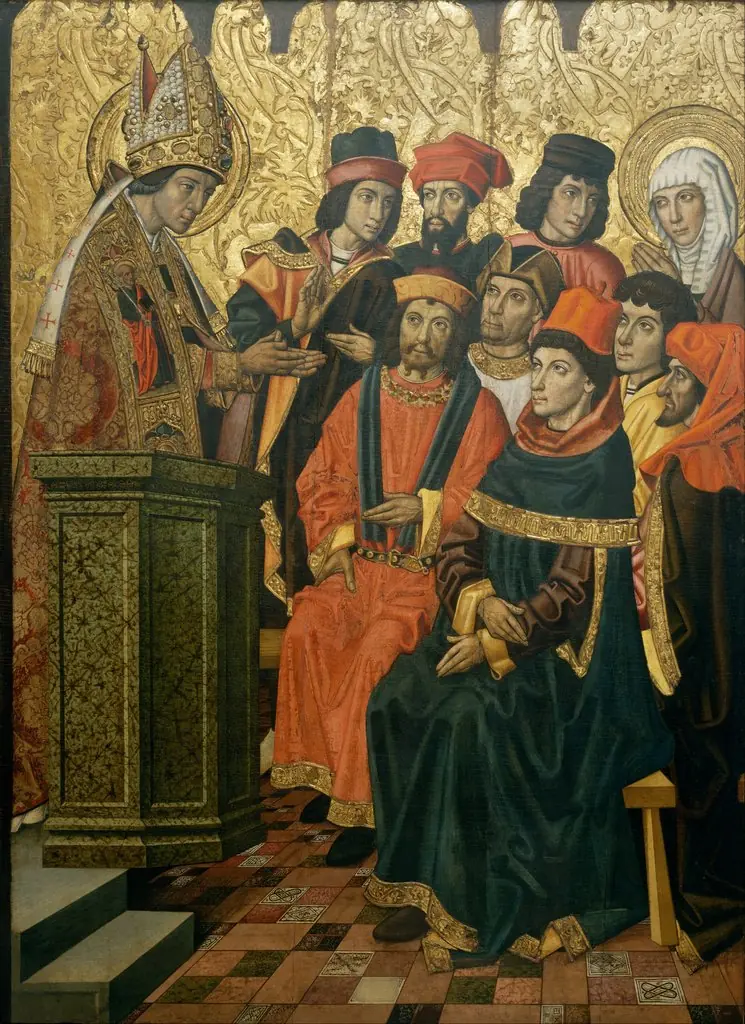 Saint Augustine and Saint Monica in a Sermon by Saint Ambrose
 Saint Peter Martyr Exorcizing a Woman Possessed by a Devil
 Christ before Pilate
 The Miracle of the Cloud