Artwork
Jakobus-Stephanus-Altar: Der hl. Jakobus tauft Josias und Hinrichtung des Jakobus
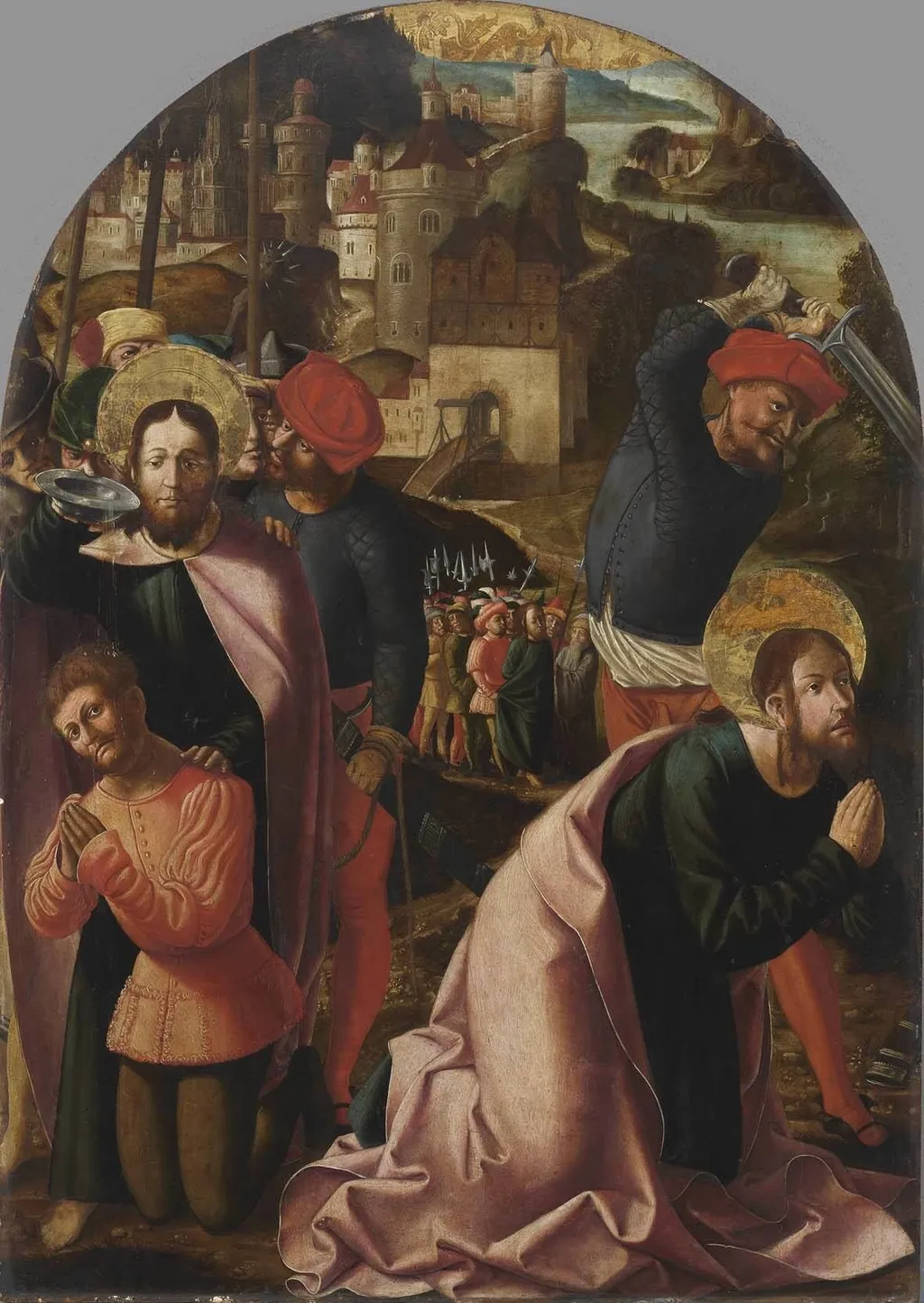
Jakobus-Stephanus-Altar: Der hl. Jakobus tauft Josias und Hinrichtung des Jakobus is an unspecified painting by the Northern Renaissance artist Marx Reichlich. It dates from 1506 and is held in the collection of the Bavarian State Painting Collections.
About this work
Overview
Created in 1506 by Austrian painter Marx Reichlich, the work combines two biblical episodes—the baptism of Josias and the martyrdom of Saint James—within a single composition. Executed during the height of the Northern Renaissance, the painting now belongs to the collection of the Alte Pinakothek in Munich.
Subject & Meaning
The central narrative juxtaposes a solemn baptismal rite with the violent execution of the apostle James. The saint, identifiable by his halo and the instruments of his death, stands opposite the kneeling figure receiving baptism, highlighting themes of spiritual rebirth and sacrifice that resonated in late‑medieval devotional practice.
Technique & Style
Reichlich employs a restrained chiaroscuro, allowing light to illuminate the halos and faces while the surrounding figures recede into shadow. The palette features deep reds, muted golds and earthy browns, though the pigments have softened with age. Detailed armor and the architectural backdrop reflect the Northern Renaissance’s attention to material texture and spatial depth.
History & Provenance
The altar piece was likely commissioned for a church setting, consistent with Reichlich’s other ecclesiastical works such as his *Adoration of the Magi* and *The Last Judgment*, both now housed in the Kunsthistorisches Museum. After serving its liturgical function, the painting entered the collection of the Alte Pinakothek, where it remains on public display.
Context
Reichlich’s career, spanning roughly 1460 to 1520, placed him among the generation of Austrian artists who adapted Germanic Gothic traditions to the emerging Renaissance aesthetic. His focus on traditional religious subjects aligns with contemporary patronage patterns, wherein local churches sought visual narratives that reinforced doctrinal teachings.
Artist & collection
Artist
Marx Reichlich (1460–1520) was an Austrian painter. Reichlich was a painter of primarily religious works. He painted a number of traditional scenes as commissions for churches, including "Adoration of the Magi", and…

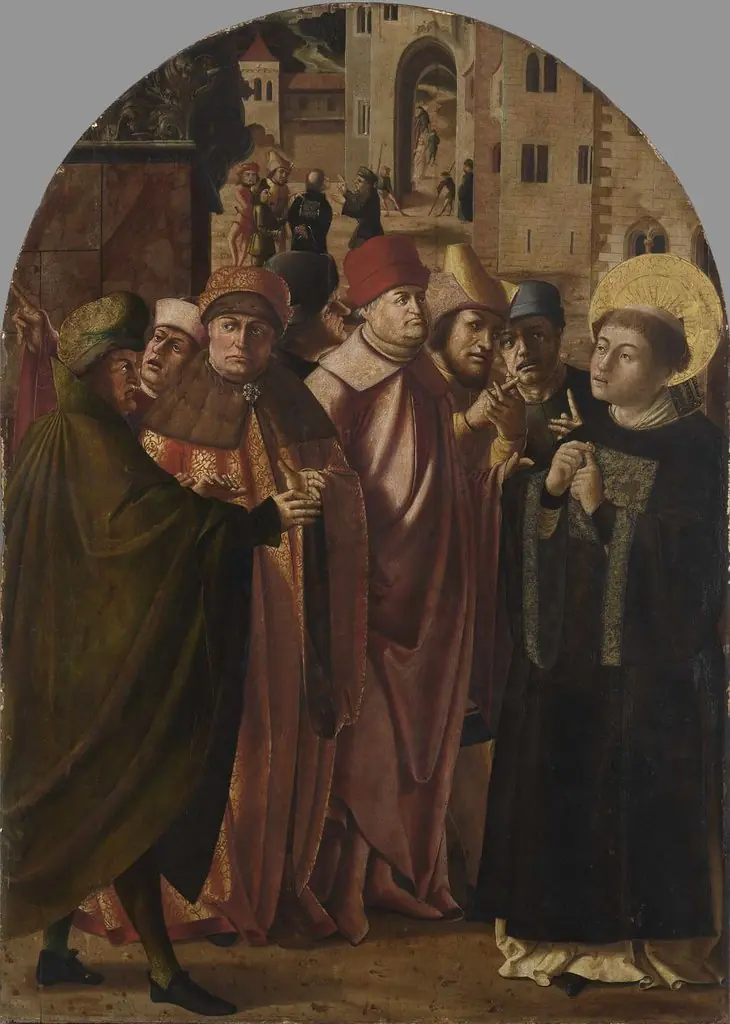 Jakobus-Stephanus-Altar: Disputation des hl. Stephanus
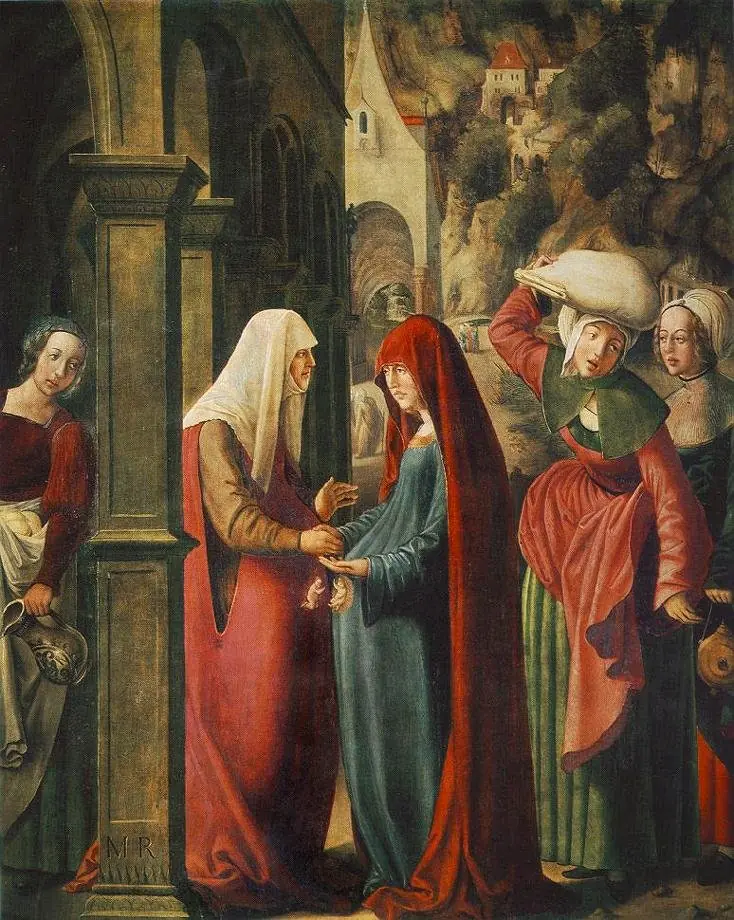 Meeting of Mary and Elisabeth
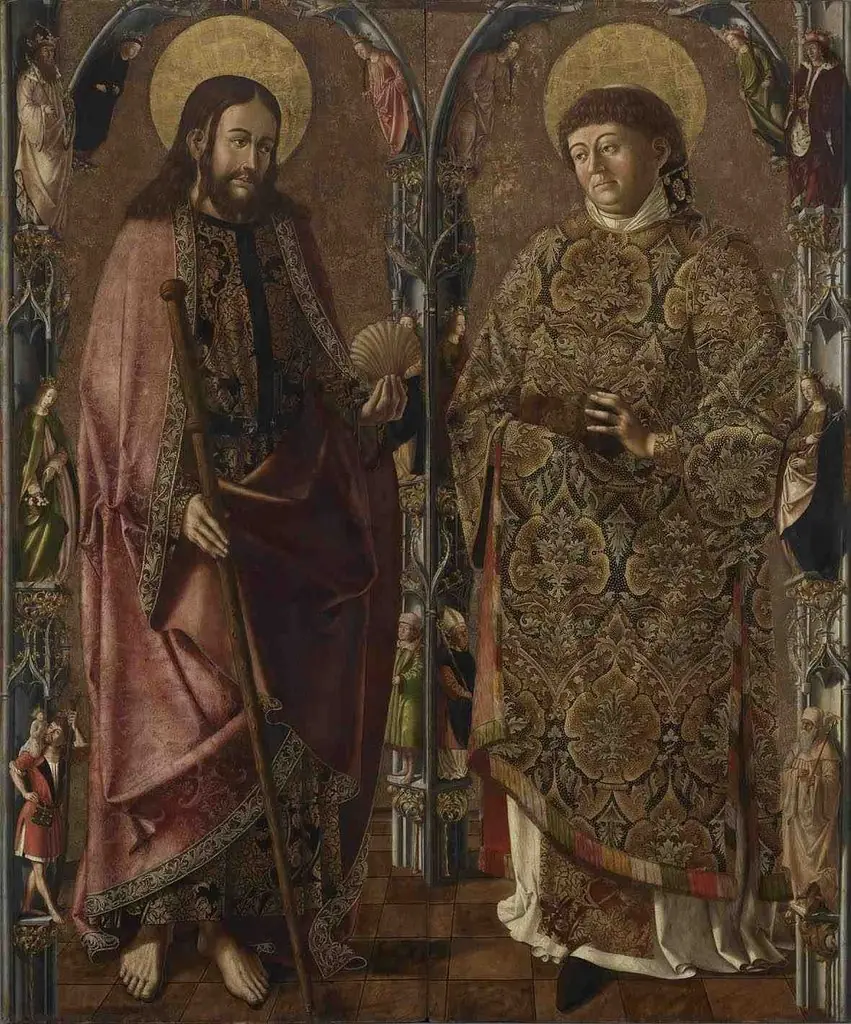 Jakobus-Stephanus-Altar: Die hll. Jakobus und Stephanus
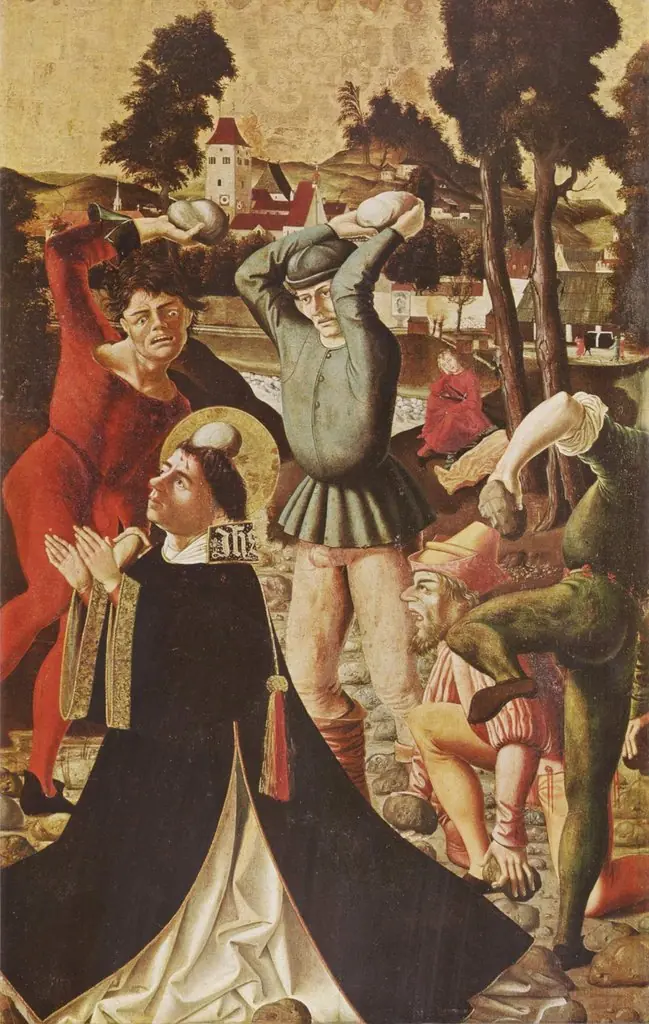 Jakobus-Stephanus-Altar: Steinigung des hl. Stephanus
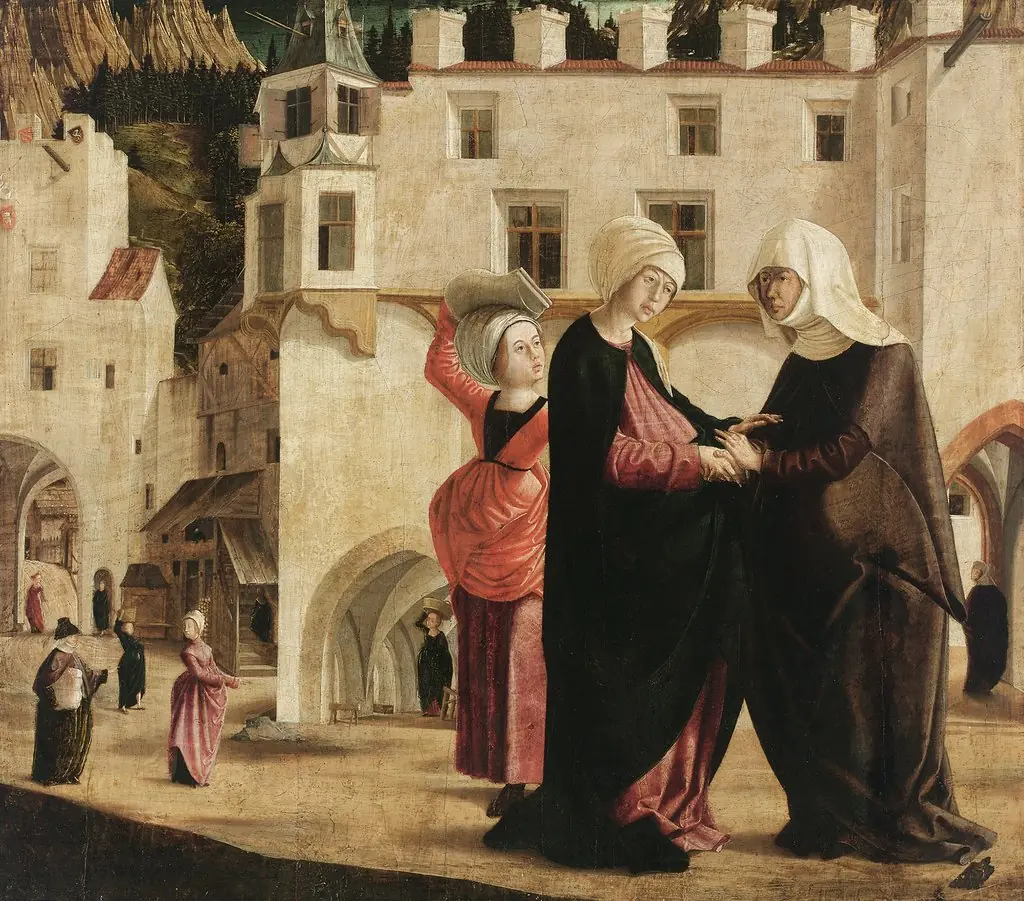 The visitation
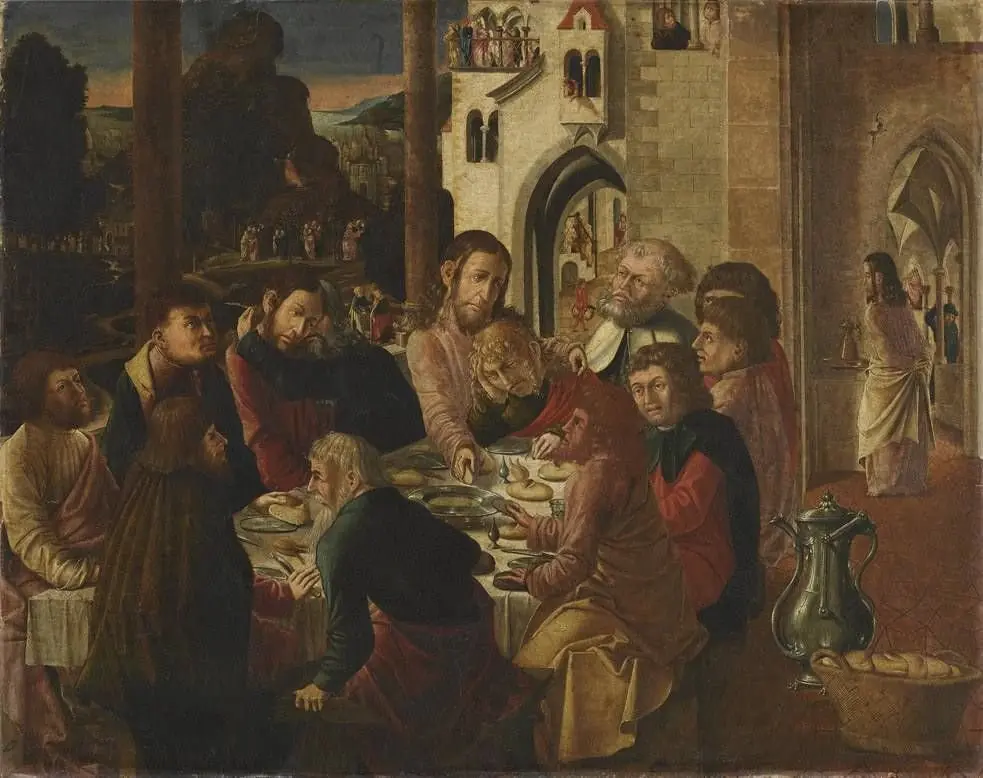 Jacob-Stephen (?): the Last Supper
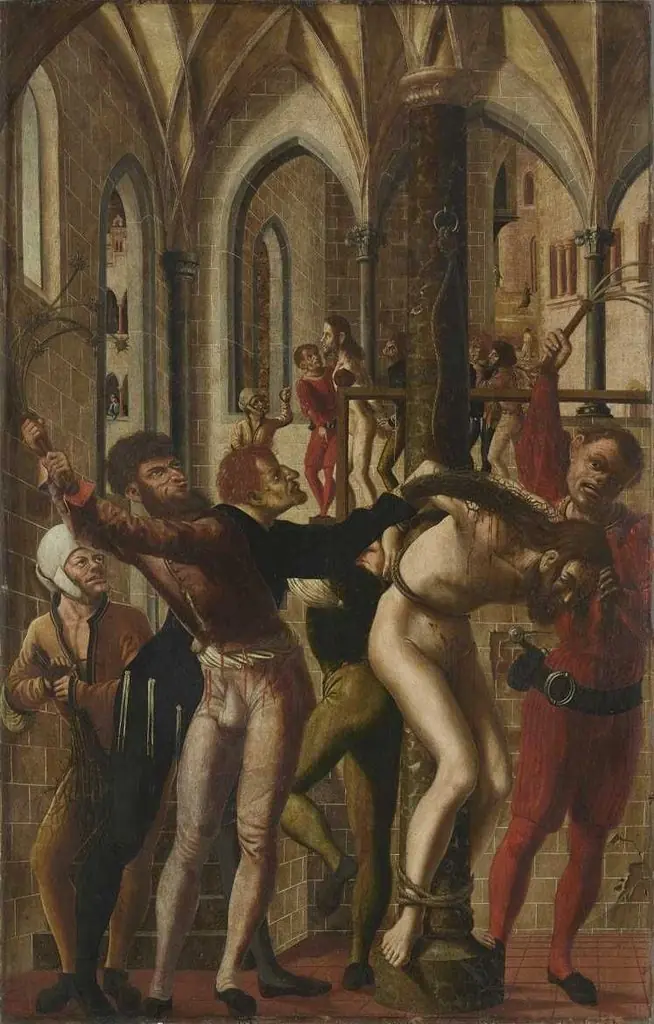 Jakobus-Stephanus-Altar: Geißelung Christi
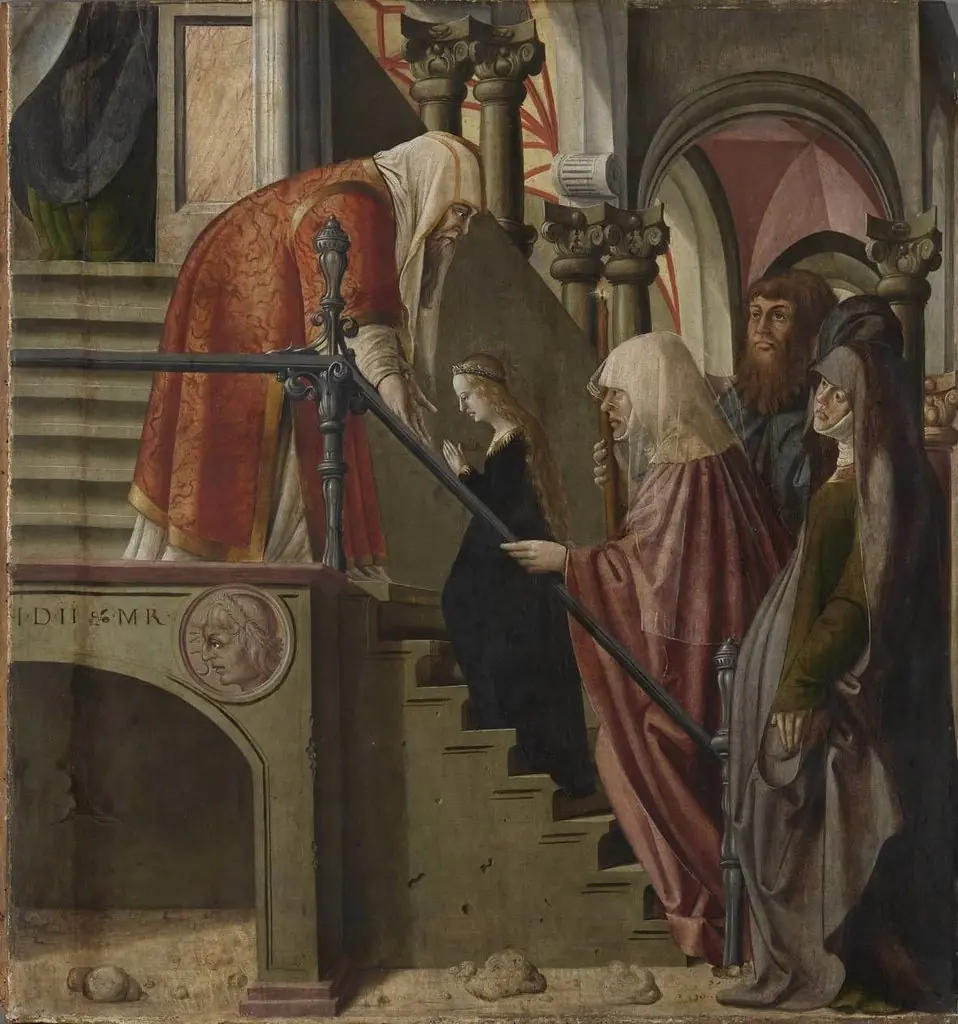 Marienaltar: Tempelgang Mariae
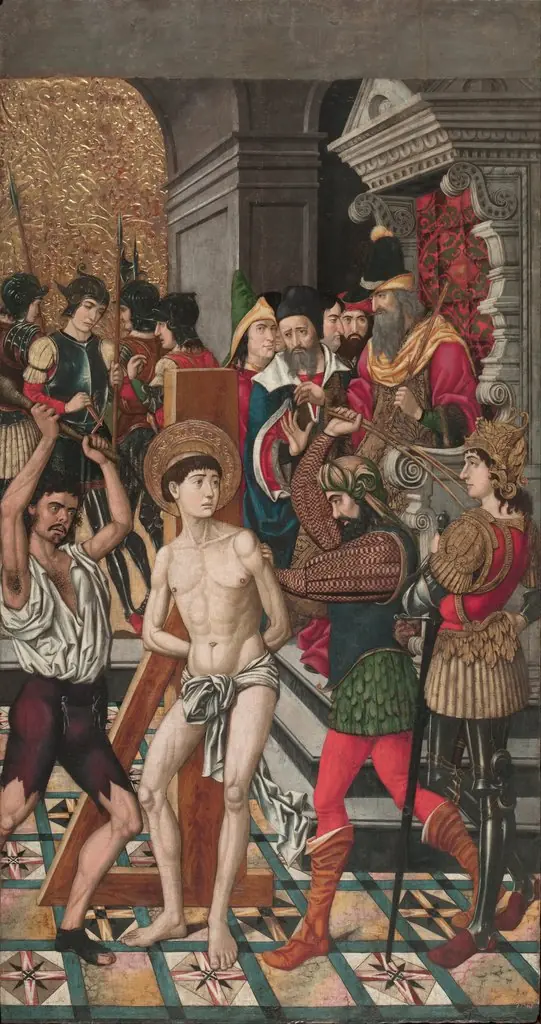 Flagellation of Saint Vincent
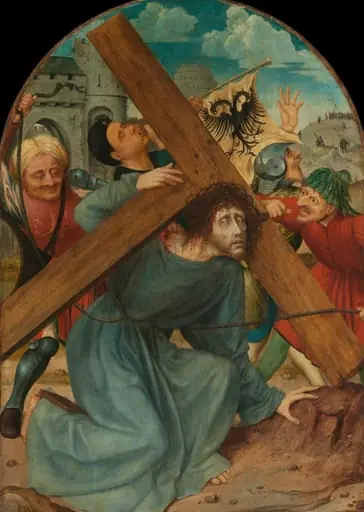 Christ Carrying the Cross
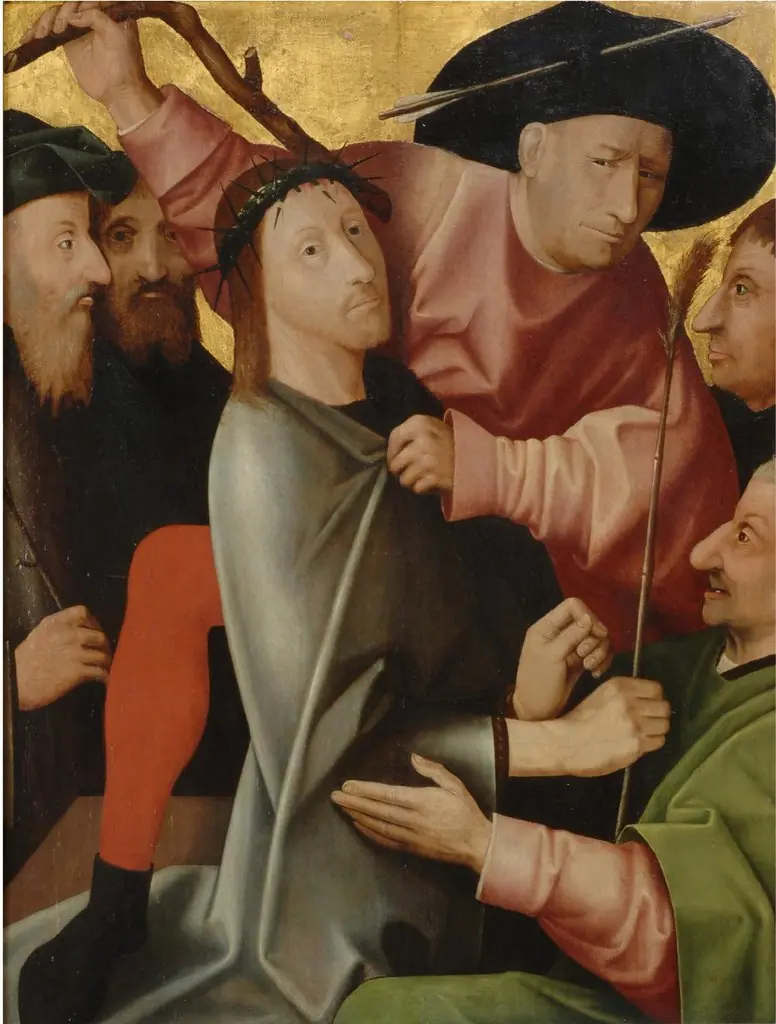 The Mocking of Christ
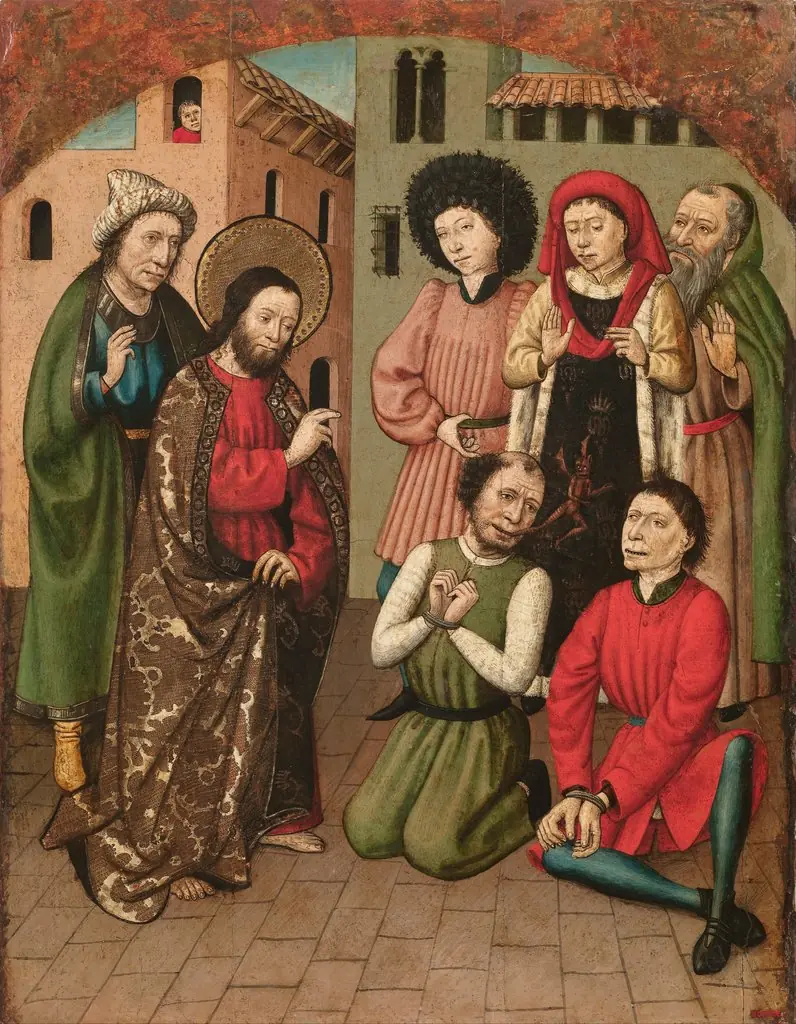 Saint Bartholomew Exorcising
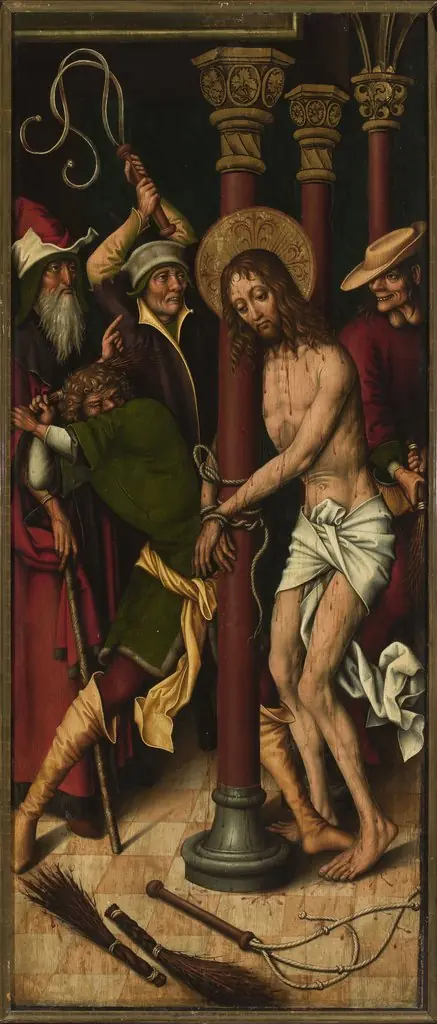 Flagellation of Christ
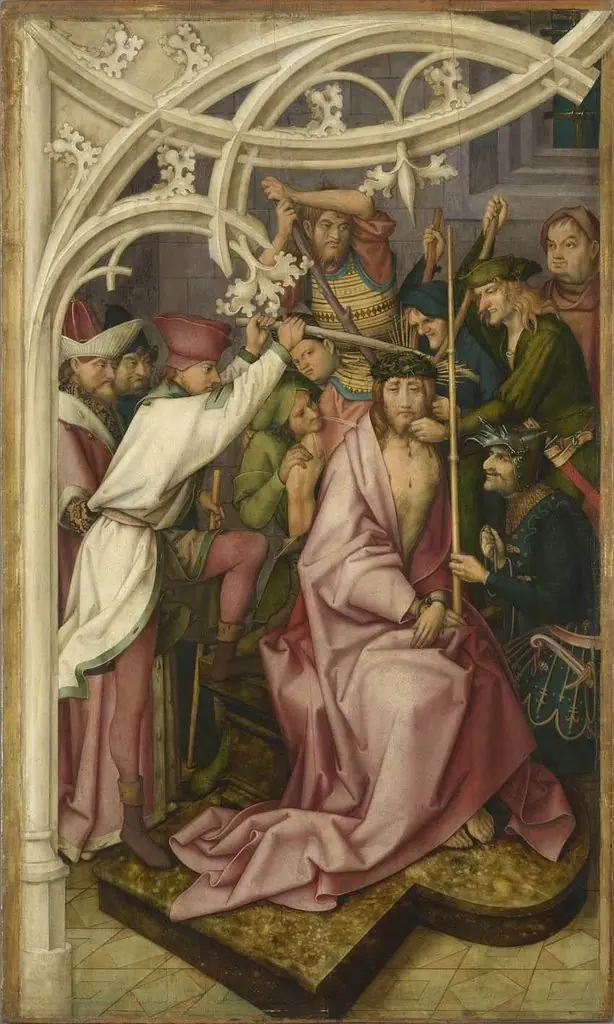 Kaisheimer Altar: Dornenkrönung Christi
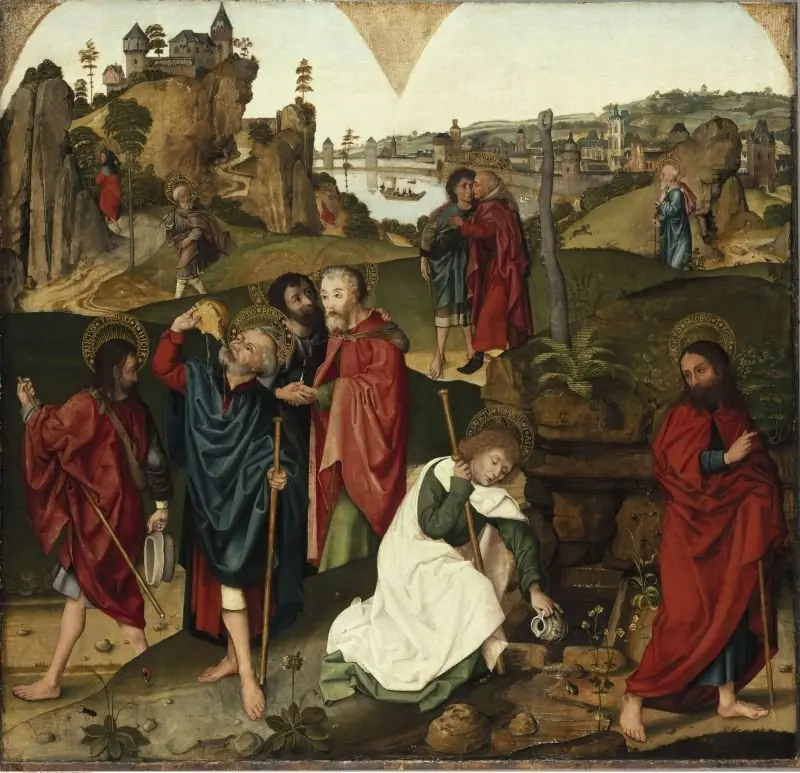 Apostelaltar: Apostelabschied
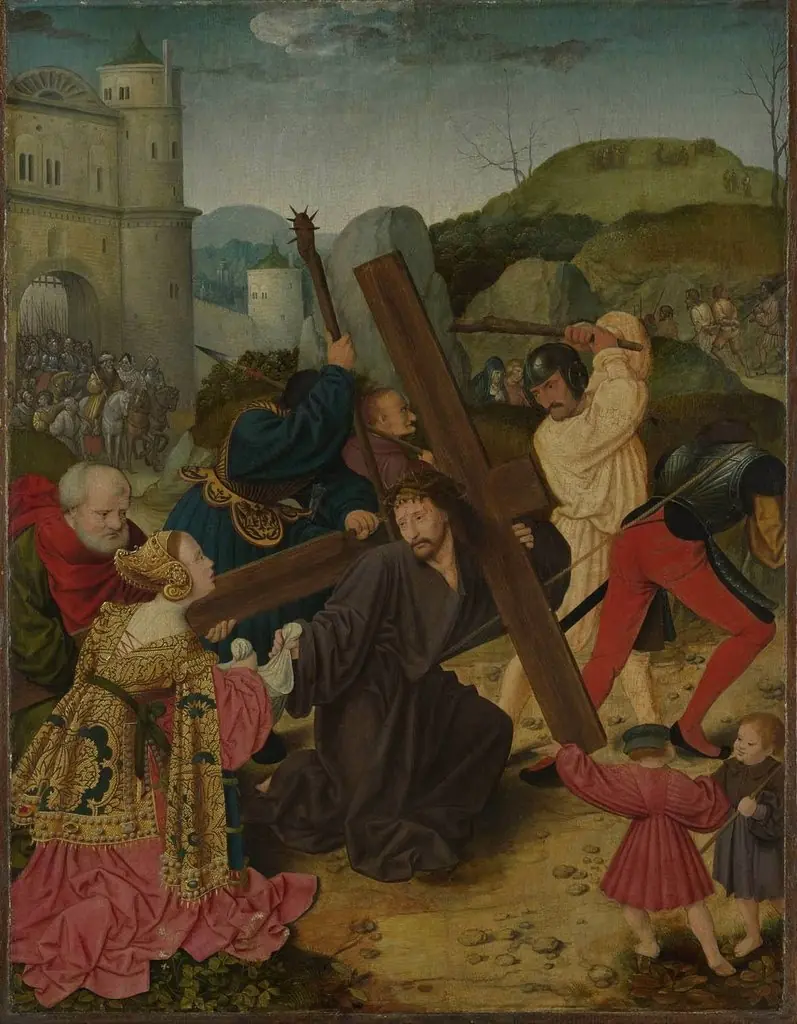 Christ carrying the cross
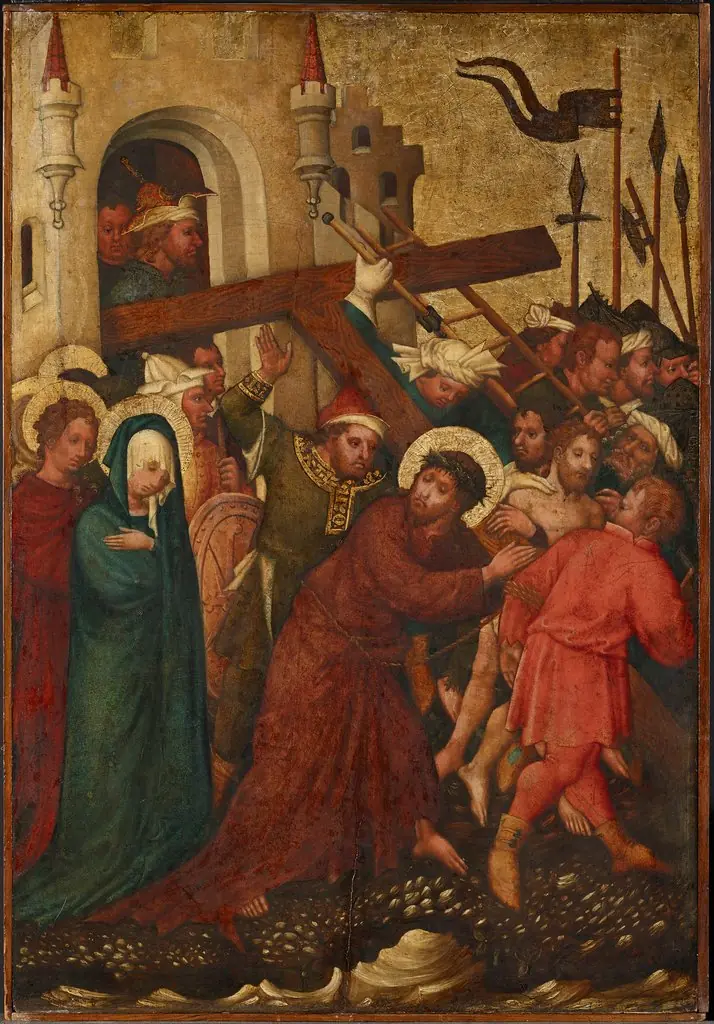 Carrying the cross of Christ
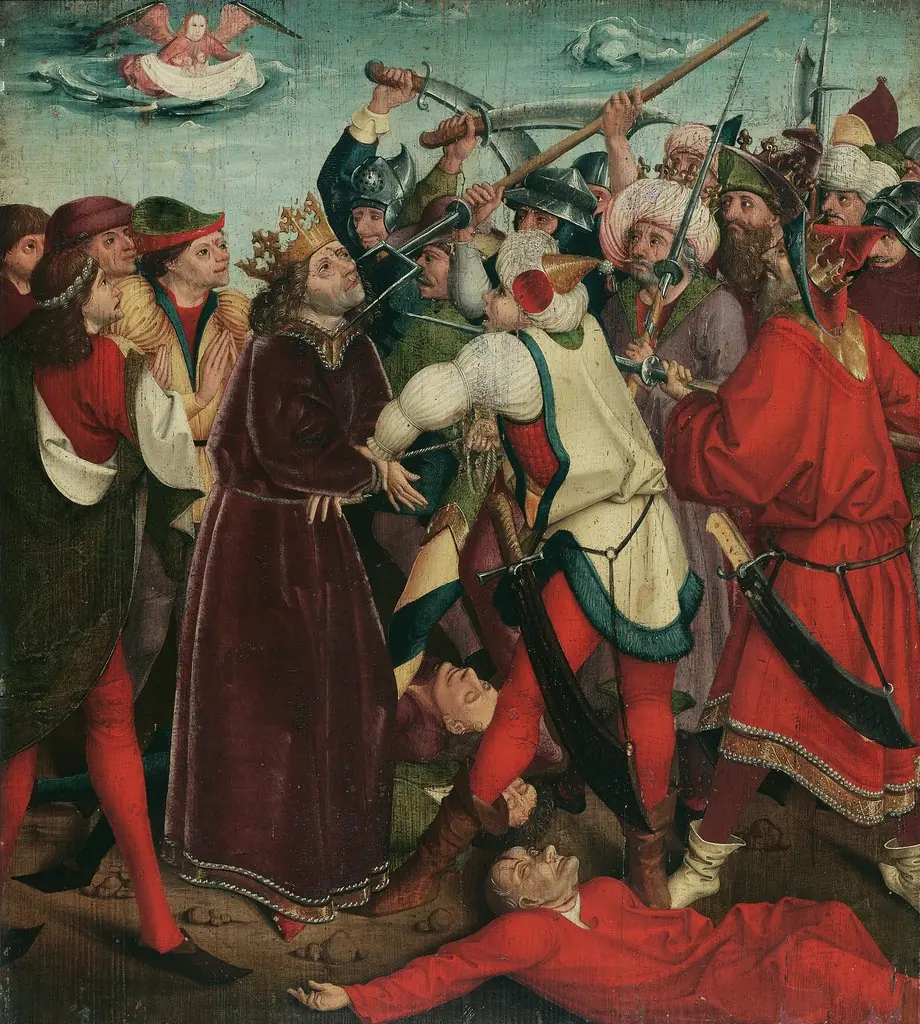 Martyrium des hl. Oswald in der Schlacht
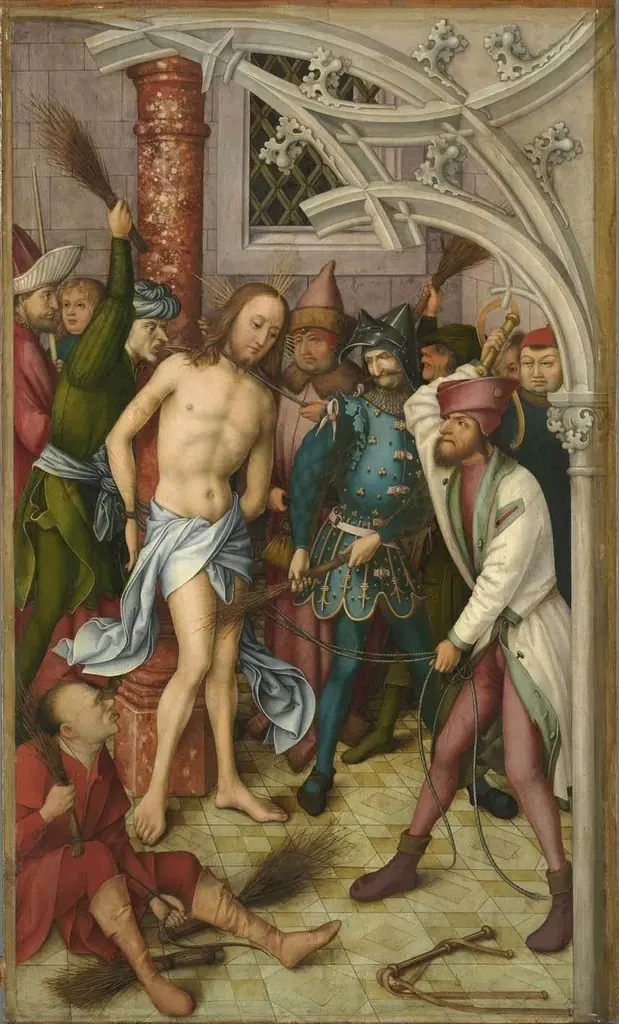 Kaisheimer Altar: Geißelung Christi
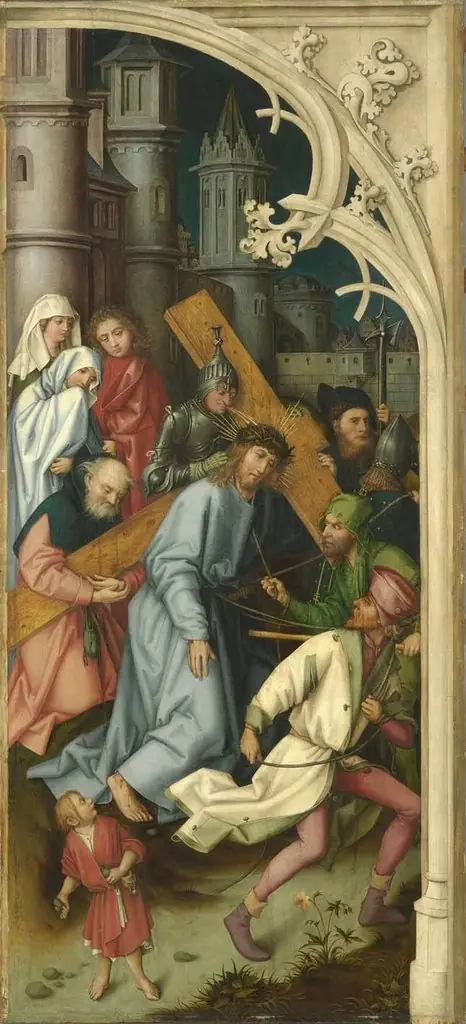 Kaisheimer Altar: Kreuztragung Christi