Artwork
Saint Andrew
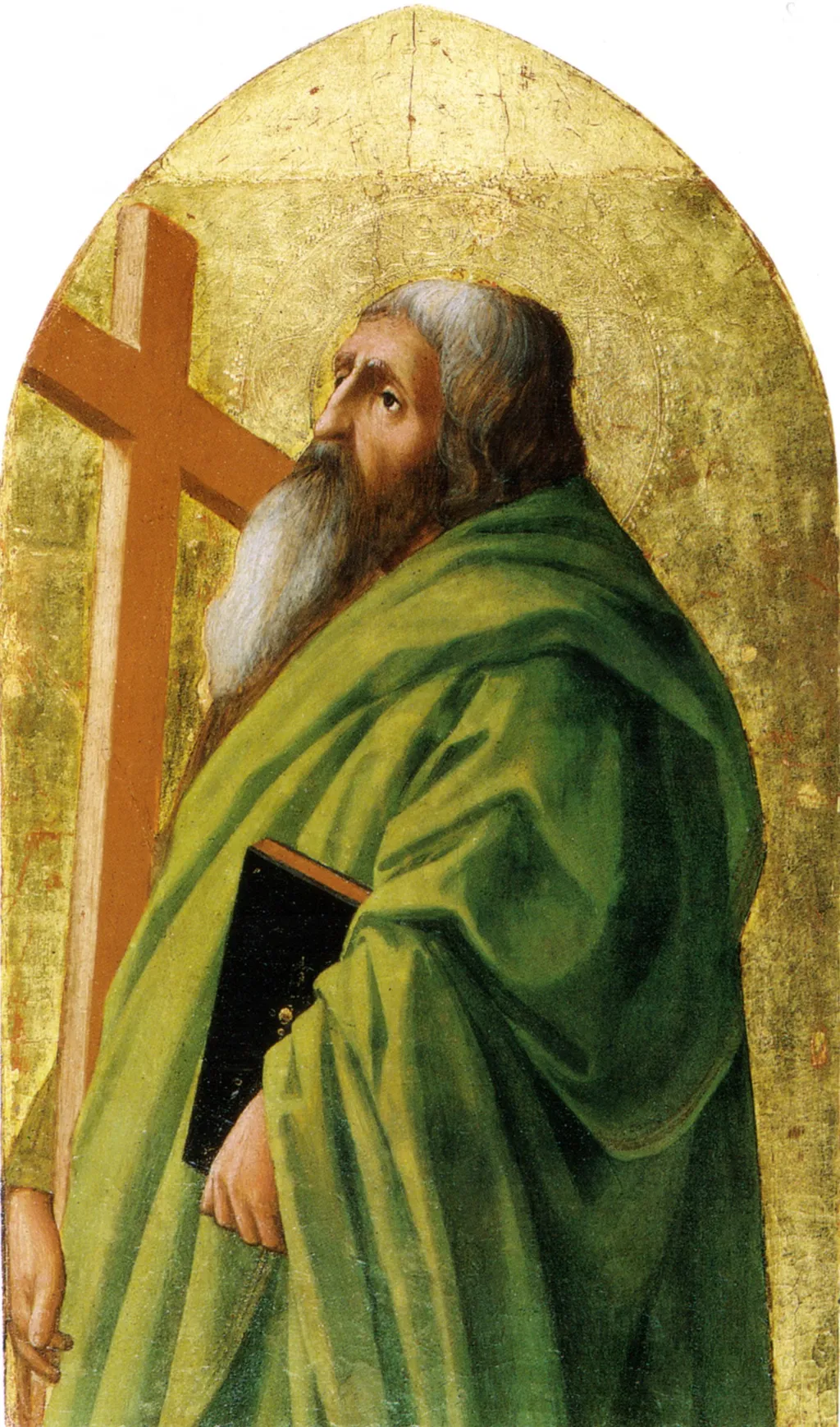
Saint Andrew is an unspecified painting by the High Renaissance artist Masaccio. It is held in the collection of the J. Paul Getty Museum.
About this work
Overview
Painted in 1426 by Masaccio, this work portrays Saint Andrew, one of Christ’s twelve apostles. Executed in tempera on panel, it was originally part of a larger altarpiece commissioned for a Florentine church. The painting is now housed in the J. Paul Getty Museum, where it serves as an early example of Renaissance naturalism in religious portraiture.
Subject & Meaning
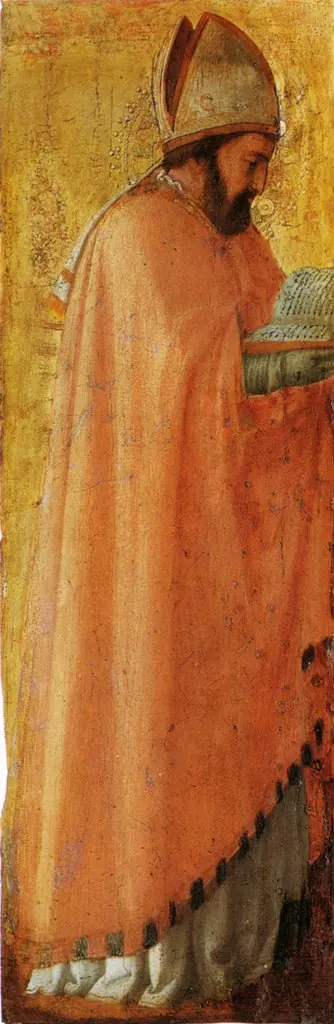
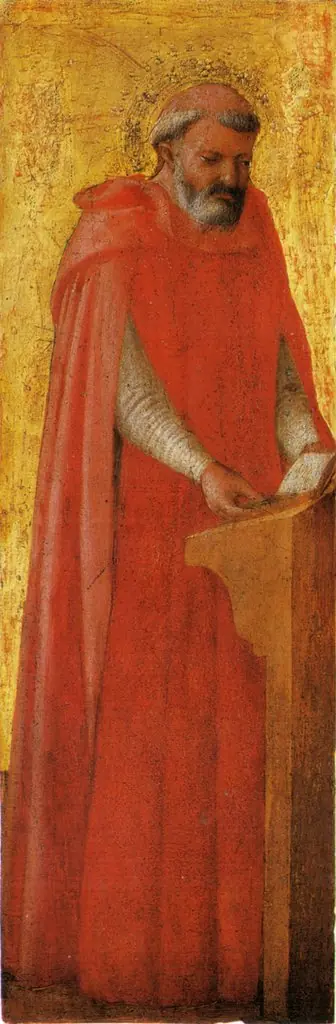
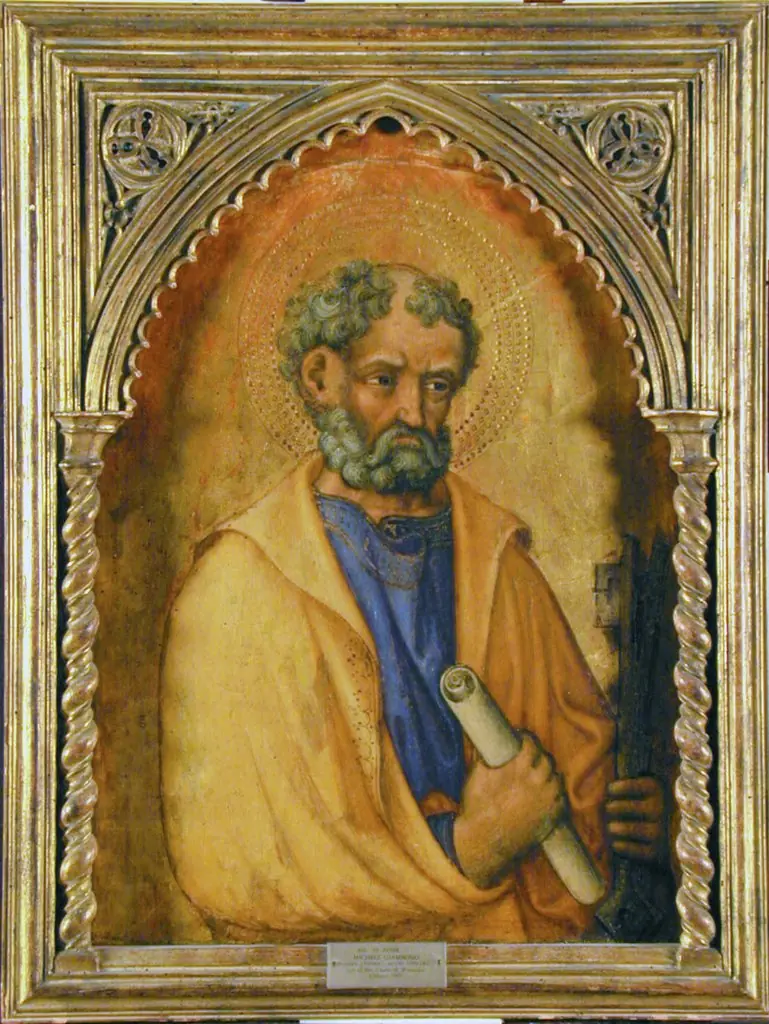
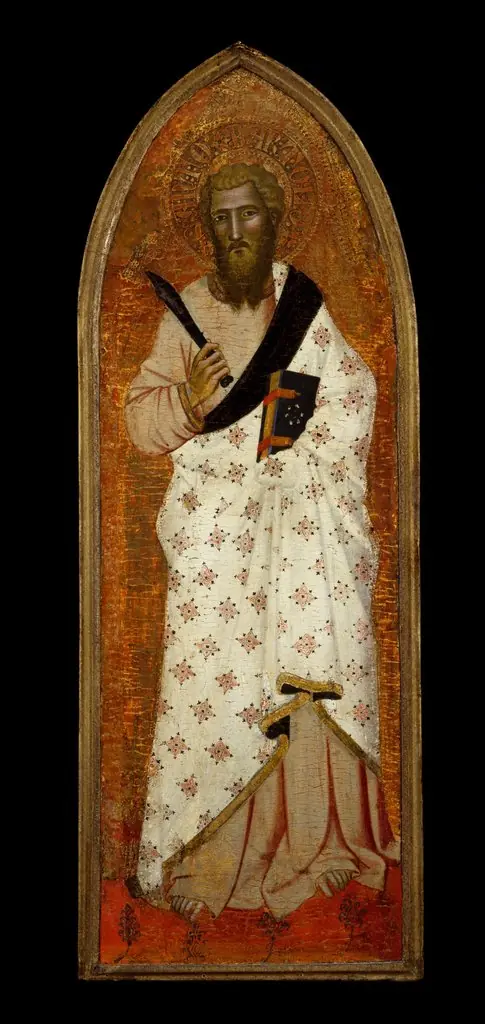
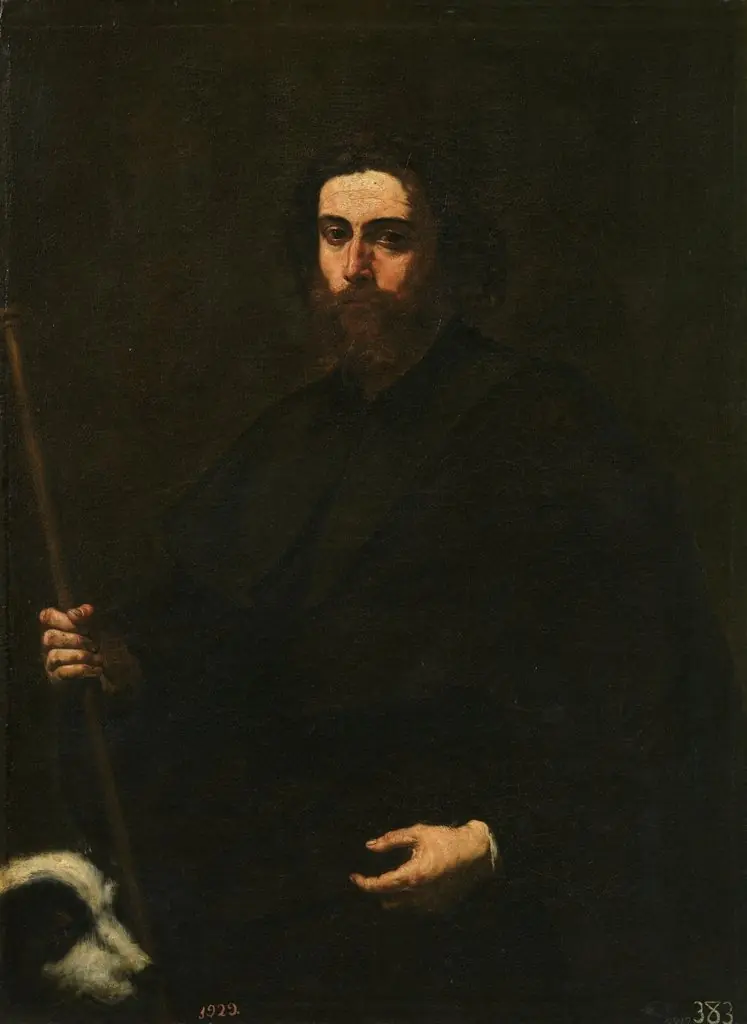
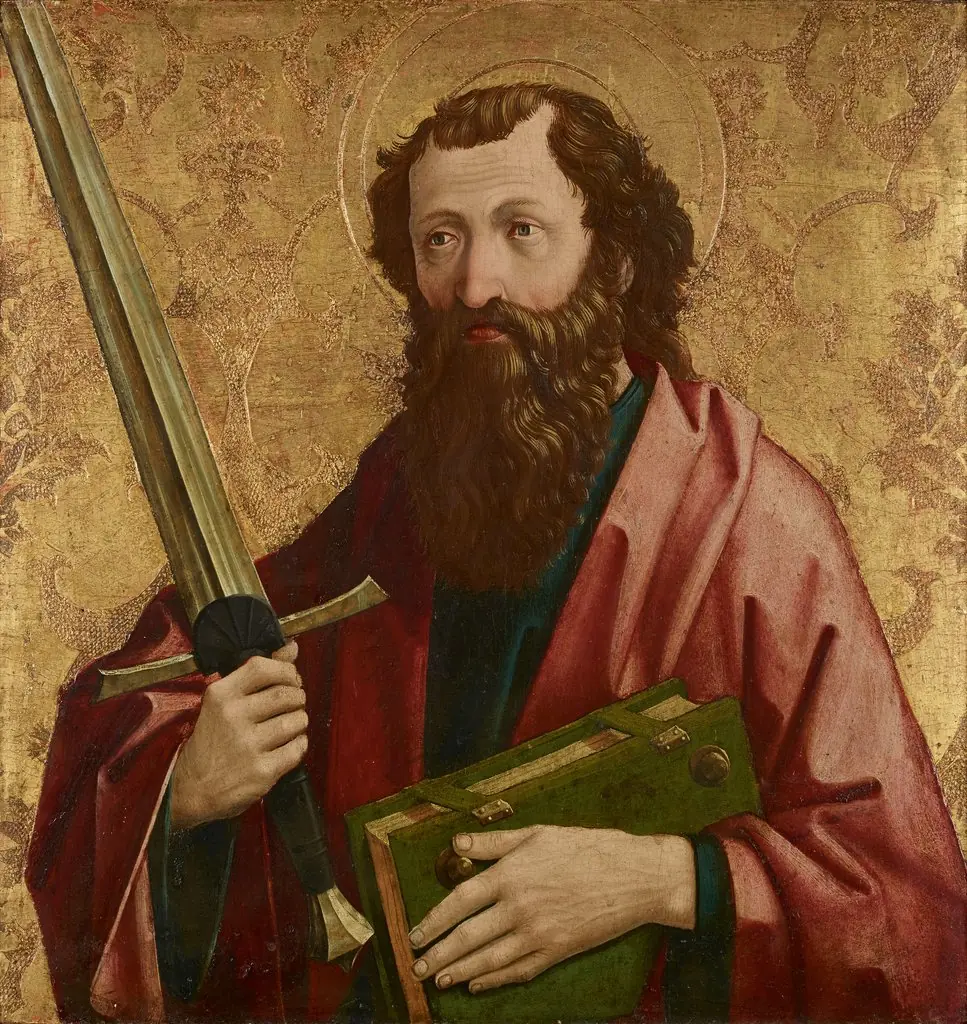
Saint Andrew is depicted as a solemn, bearded figure holding a book, symbolizing his role as a teacher and bearer of scripture.
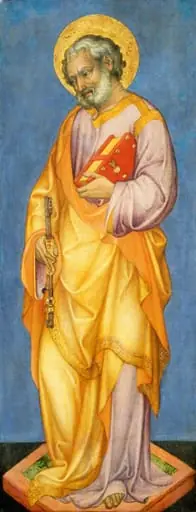
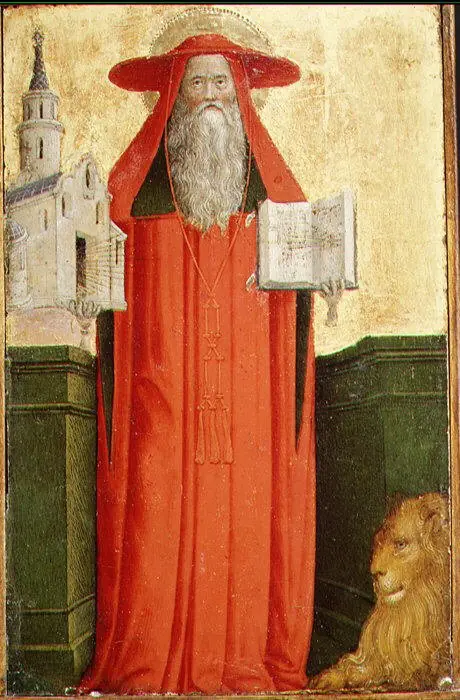
Saint Andrew is depicted as a solemn, bearded figure holding a book, symbolizing his role as a teacher and bearer of scripture. Behind him stands a tall, unadorned cross, referencing his martyrdom by crucifixion. His gaze to the left suggests contemplation or divine direction, reinforcing his spiritual authority. The composition avoids ornamental distraction, focusing attention on the saint’s quiet dignity.
Technique & Style
Masaccio employs a restrained palette and precise modeling to render the saint’s drapery and facial features with lifelike volume. The green robe falls in naturalistic folds, and the wooden cross shows subtle grain and shadow, demonstrating an early mastery of perspective and light. The gold background, traditional in devotional art, contrasts with the figure’s three-dimensional presence, heightening the sense of realism.
History & Provenance
The painting was created for the altar of the Carmelite church of Santa Maria del Carmine in Florence. It likely formed part of a polyptych, possibly alongside other apostolic figures. After the church’s suppression in the 18th century, the panel entered private collections before being acquired by the J. Paul Getty Museum in the 20th century.
Context
Created during the early Renaissance, this work reflects Florence’s shift toward human-centered religious imagery. Masaccio’s use of spatial depth and anatomical accuracy broke from medieval stylization, aligning with contemporary advances in perspective pioneered by Brunelleschi. The painting stands as a bridge between Gothic tradition and the emerging Renaissance aesthetic.
Legacy
Though modest in scale, the painting exemplifies Masaccio’s influence on later artists like Michelangelo and Raphael. Its emphasis on naturalism and emotional restraint became foundational to Renaissance religious art. Though not widely exhibited, it remains a key reference in studies of early 15th-century Florentine painting and the evolution of sacred portraiture.
Artist & collection