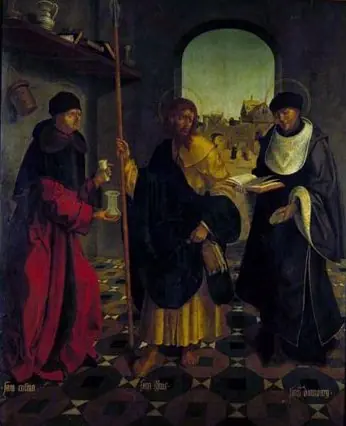
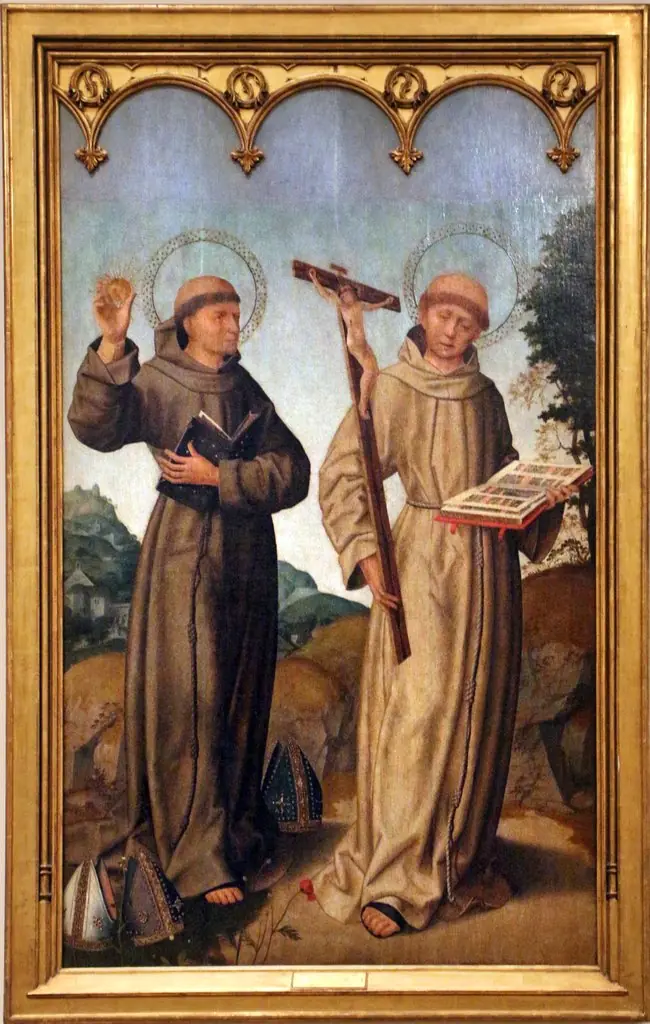
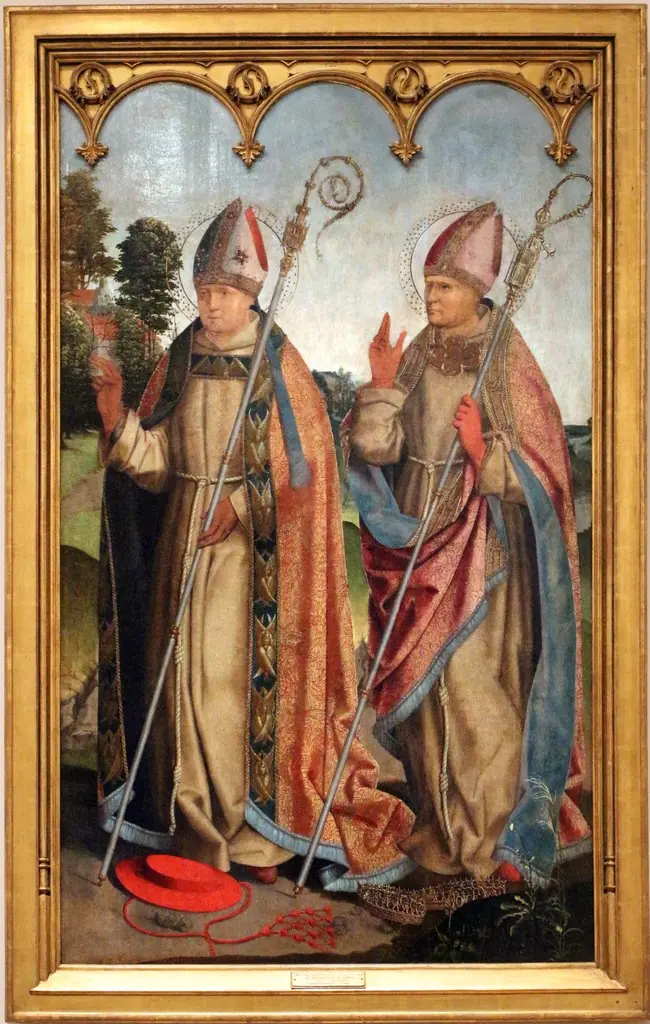
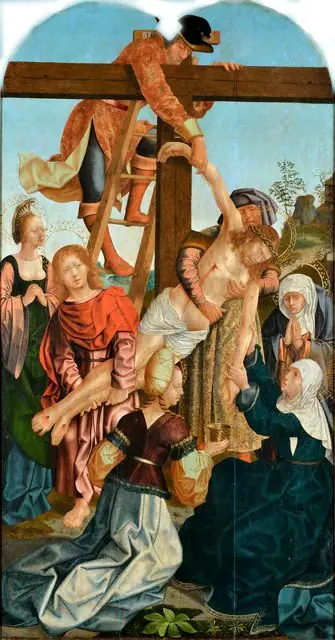
Artwork
The Last Supper
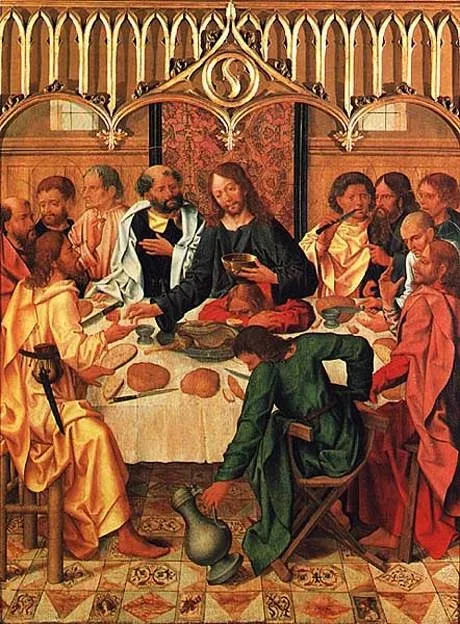
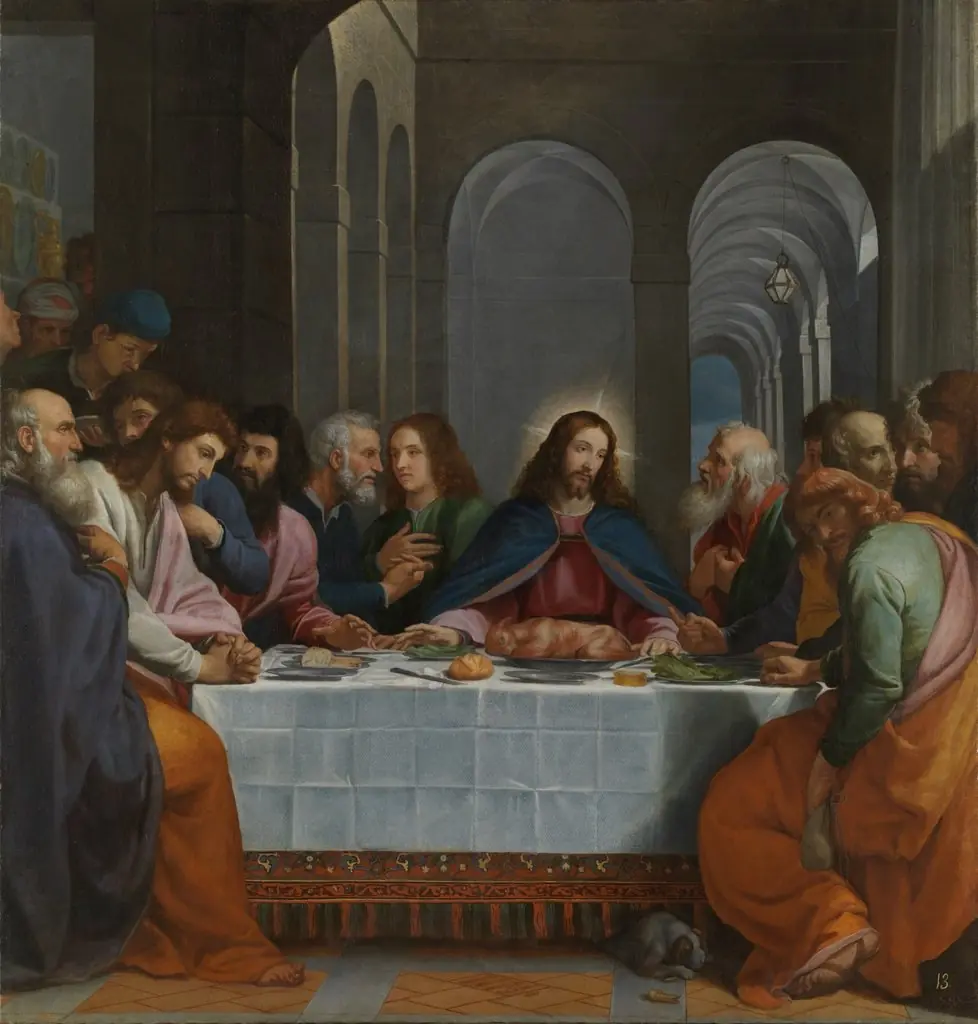
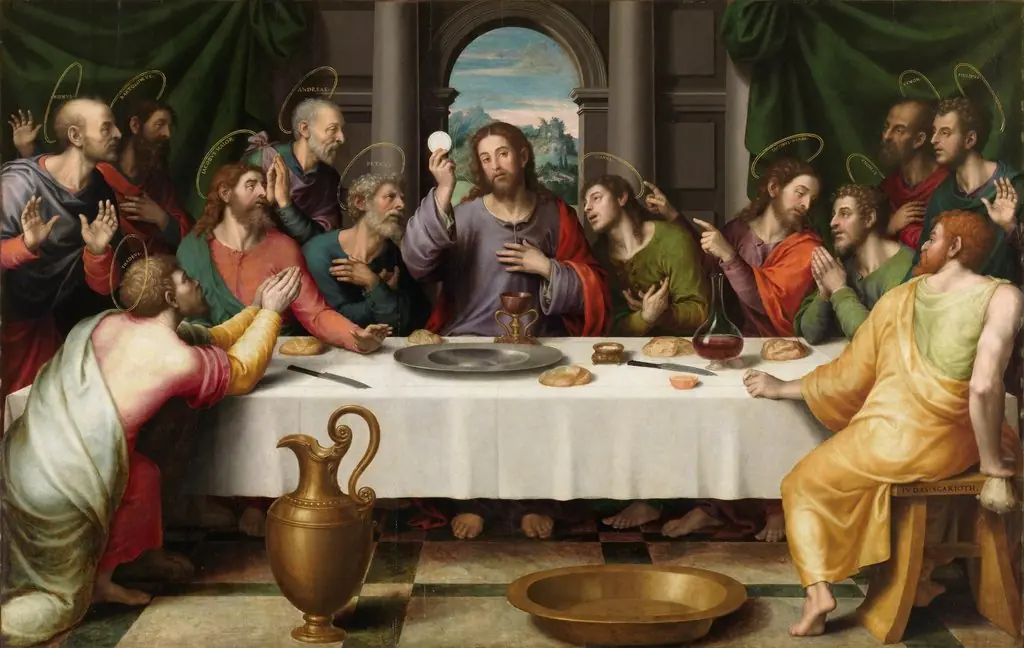
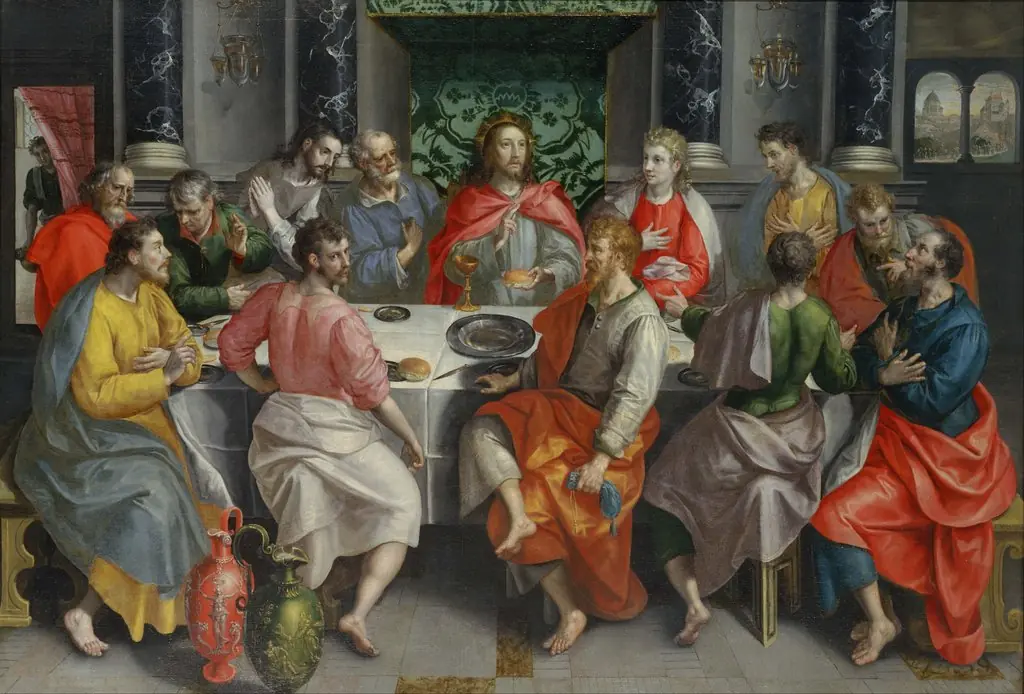
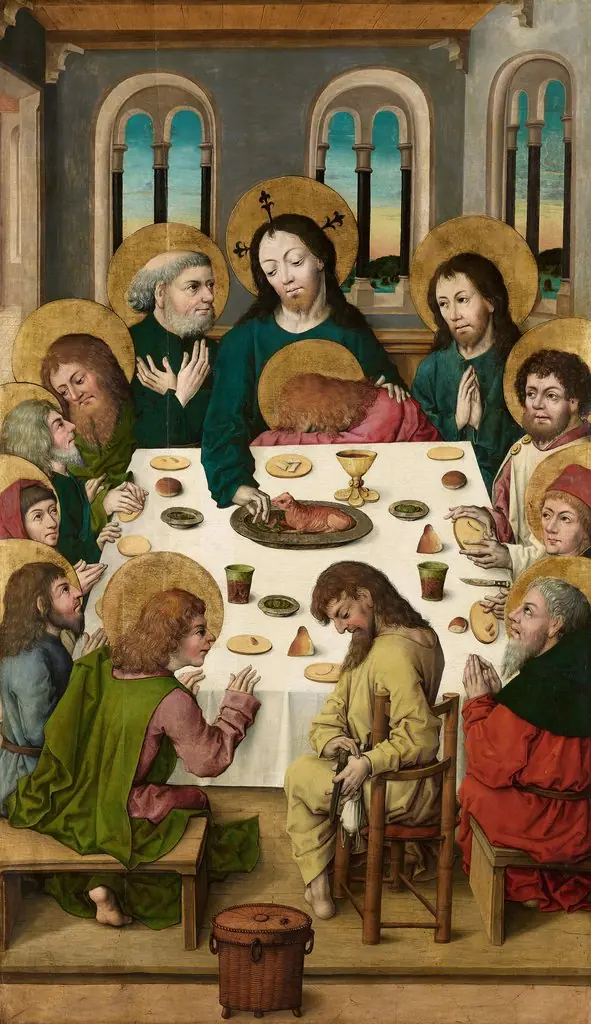
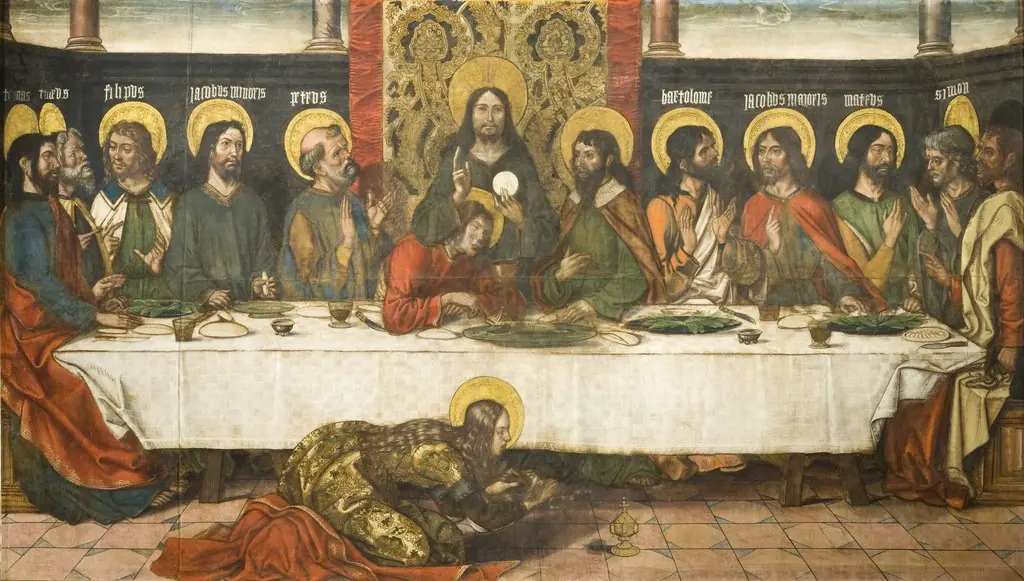
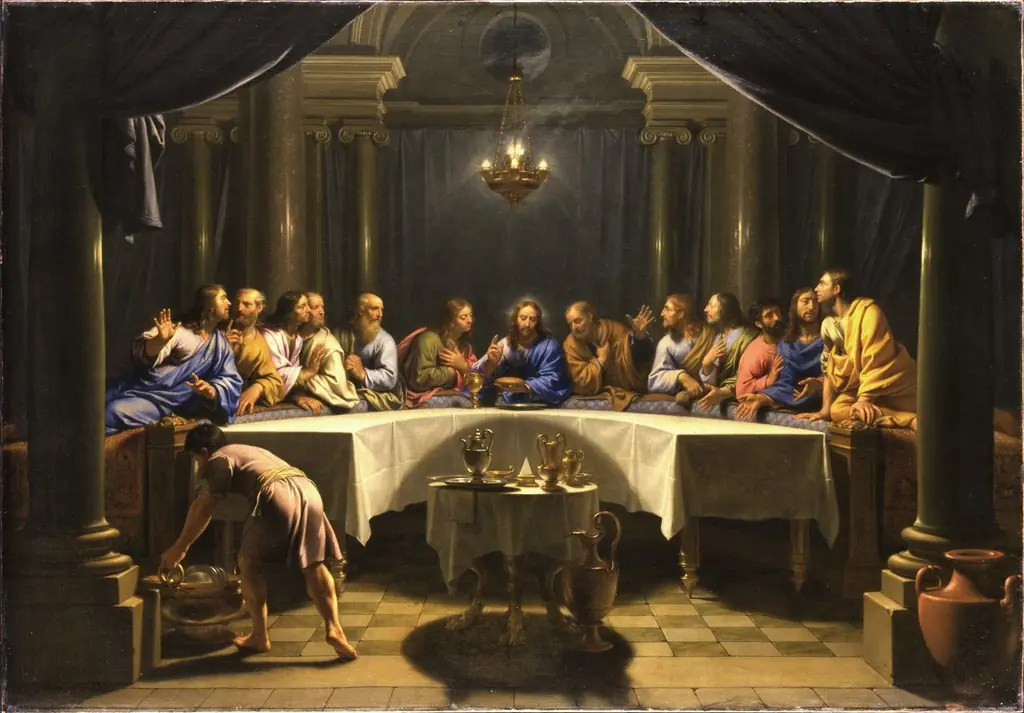
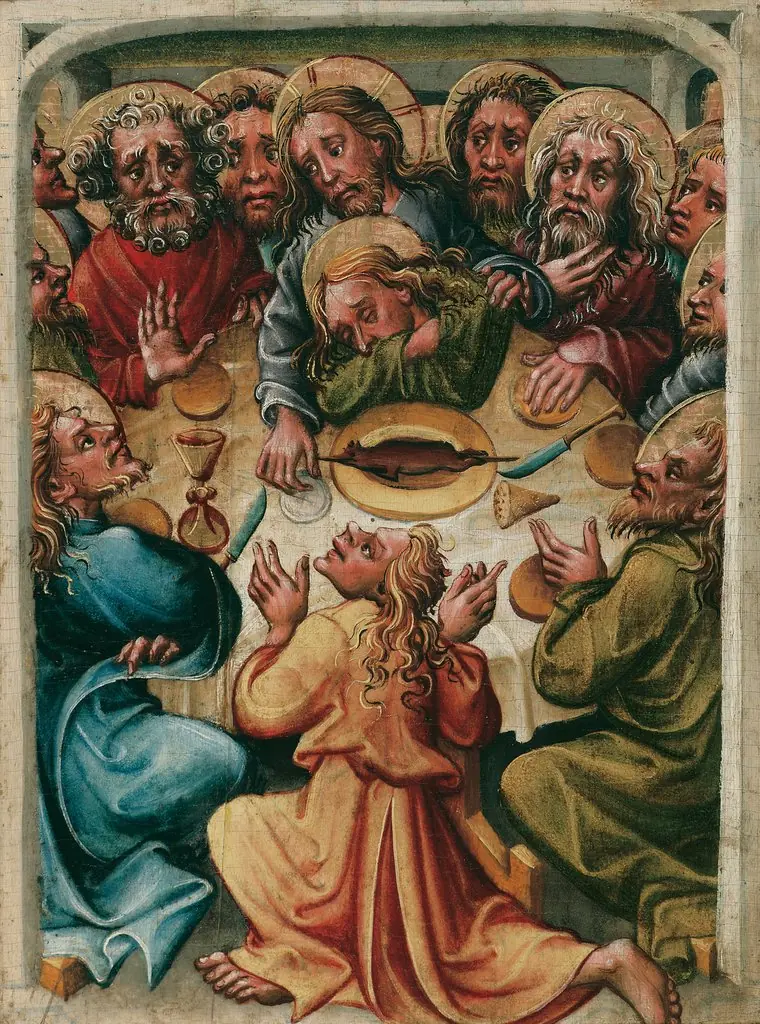
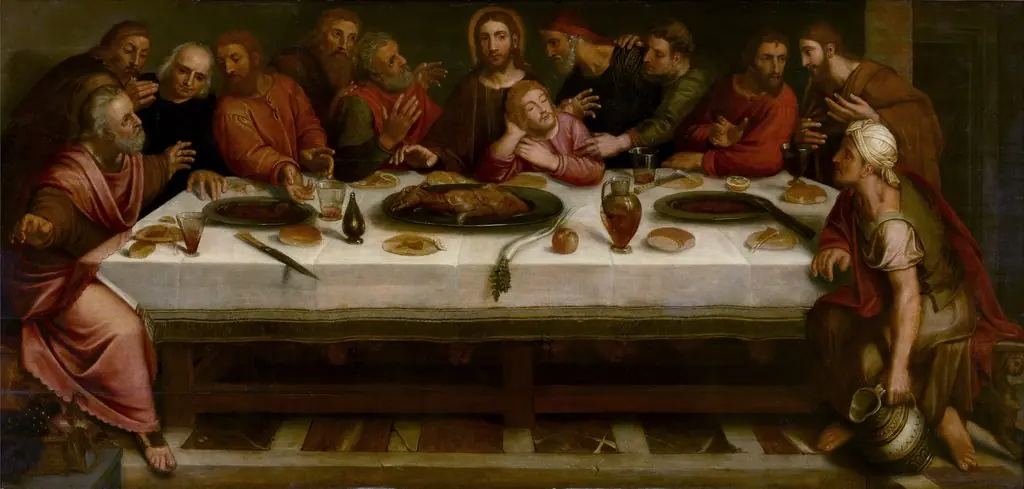
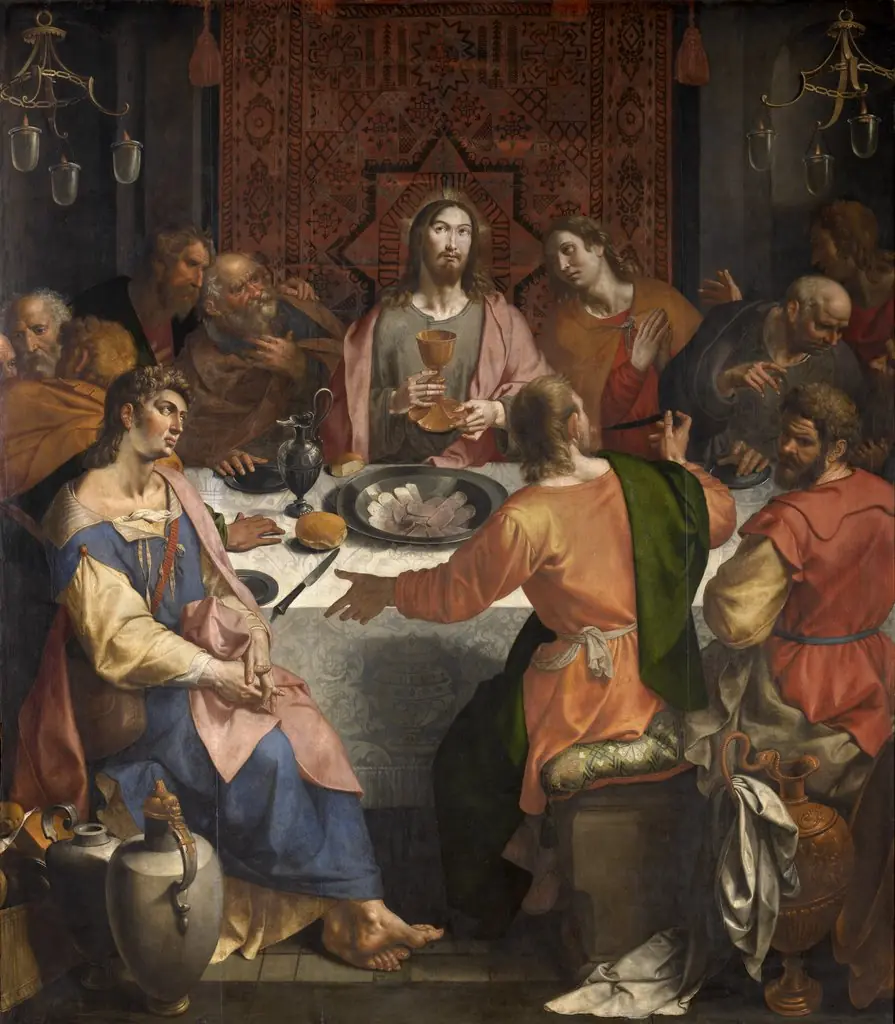
The Last Supper is an oil painting by the Early Renaissance artist Francisco Henriques. It dates from 1508 and is held in the collection of the National Museum of Ancient Art.
About this work
Overview
The painting resides today in the National Museum of Ancient Art in Lisbon.
Painted in 1508 by Francisco Henriques, a Flemish artist working in Portugal, this oil-on-panel work portrays the biblical moment of Christ’s final meal with his disciples. It is one of the earliest known Portuguese examples of Renaissance religious painting executed in oil, reflecting northern European influences adapted to local devotional needs. The painting resides today in the National Museum of Ancient Art in Lisbon.
Subject & Meaning
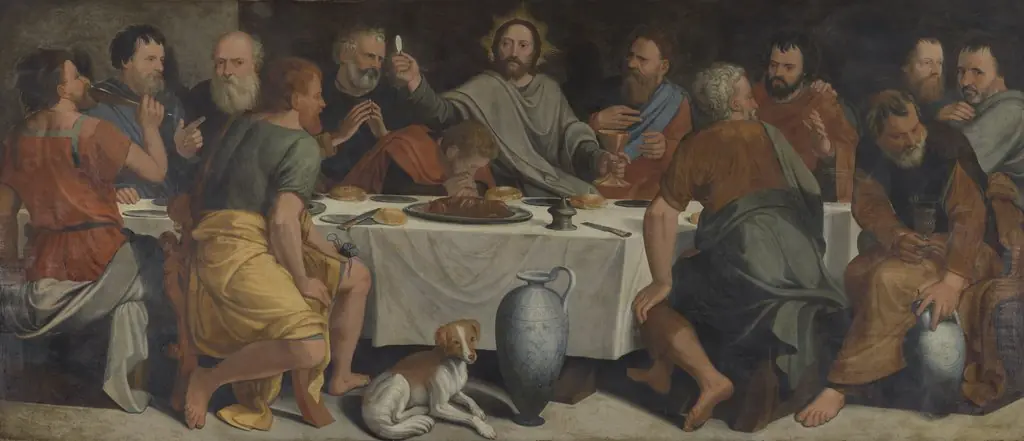
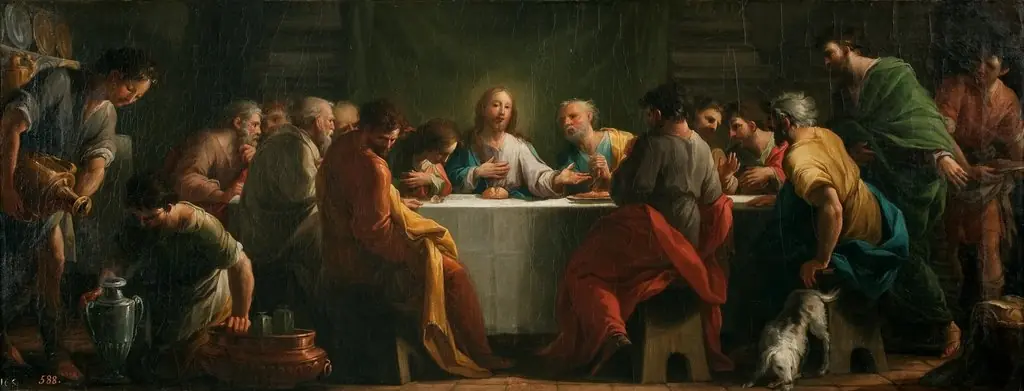
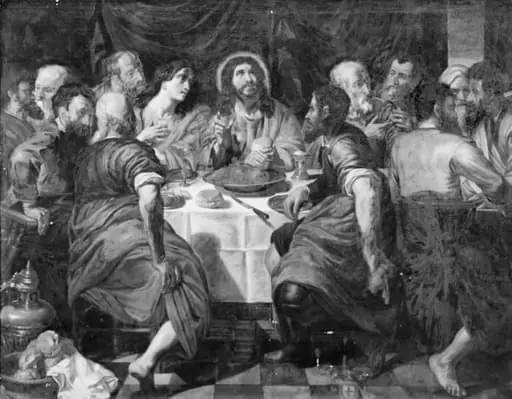
The scene captures the instant after Christ announces that one of his disciples will betray him. Twelve figures are arranged around a long table, with Christ at the center, gesturing toward bread and wine. The expressions and postures suggest tension and contemplation, emphasizing the spiritual gravity of the moment. The composition follows traditional iconography but avoids theatricality, favoring quiet solemnity.
Technique & Style
Henriques employed oil glazing and subtle chiaroscuro to model forms with soft transitions between light and shadow. Warm tones in the robes and interior surfaces create a cohesive, intimate atmosphere. The floor and wall patterns, rendered with precision, reflect northern European attention to detail. Unlike Italian contemporaries, Henriques avoids idealized space, grounding the scene in a tangible, enclosed room.
History & Provenance
Commissioned for a religious institution in Portugal, the painting remained in ecclesiastical collections until the 19th century. It entered the National Museum of Ancient Art following the secularization of church properties in the 1830s. Its attribution to Henriques is supported by stylistic comparisons with his documented works and archival records from early 16th-century Lisbon workshops.
Context
Henriques worked during a period when Portuguese patrons favored northern European artistic models over Italian ones. His style reflects the lingering influence of Flemish painting, particularly in texture and color layering. While Italian Renaissance ideals were spreading, this work demonstrates how regional workshops maintained distinct approaches to religious narrative and spatial organization.
Legacy
The painting stands as a key example of early Portuguese Renaissance art shaped by Flemish technique. Though Henriques’s output was limited, this work influenced local artists in their use of oil and emotional restraint. It remains a reference point for understanding how international styles were localized in Portugal before the full emergence of a native Renaissance idiom.
Artist & collection
Artist
Francisco Henriques (died 1518) was a Flemish Renaissance painter active in Portugal in the early 16th century.