Artwork
The Bad Thief to the Left of Christ
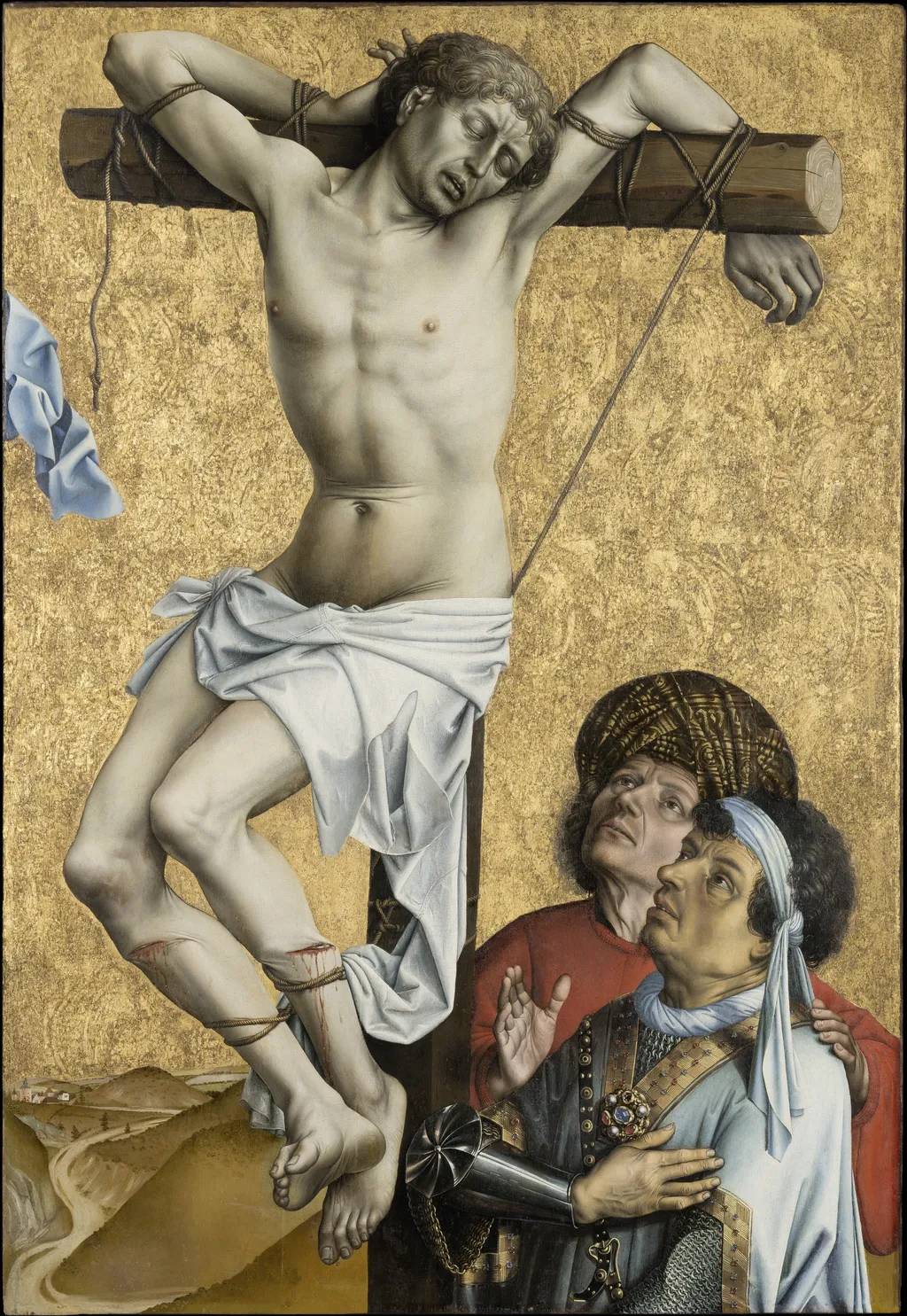
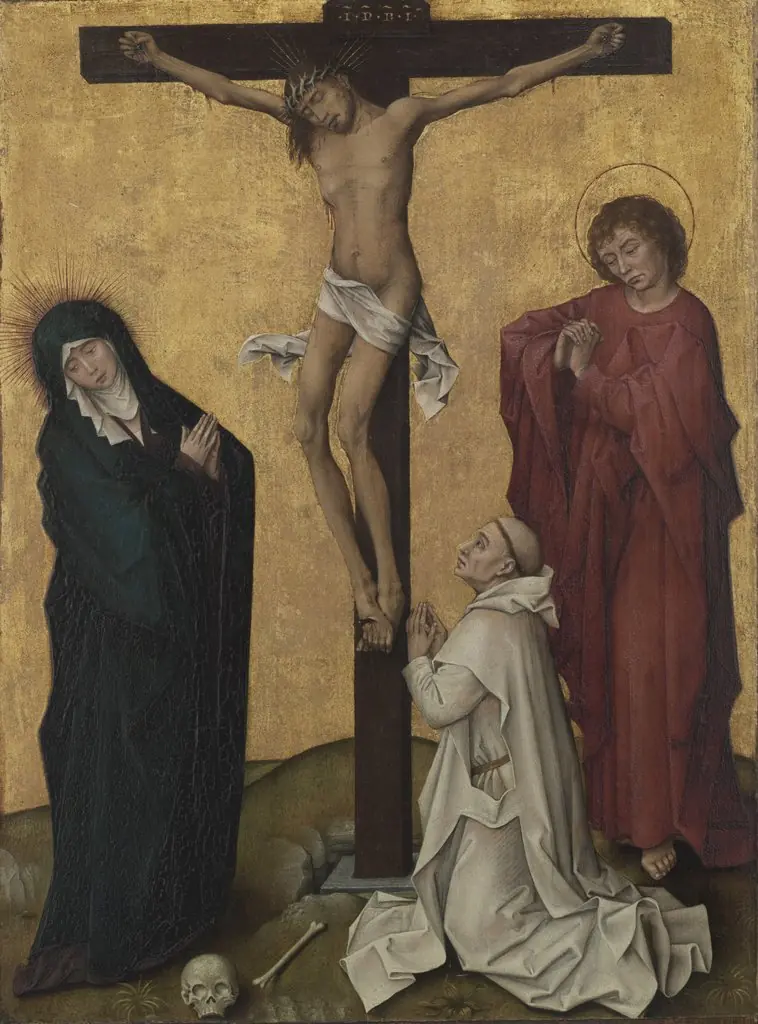
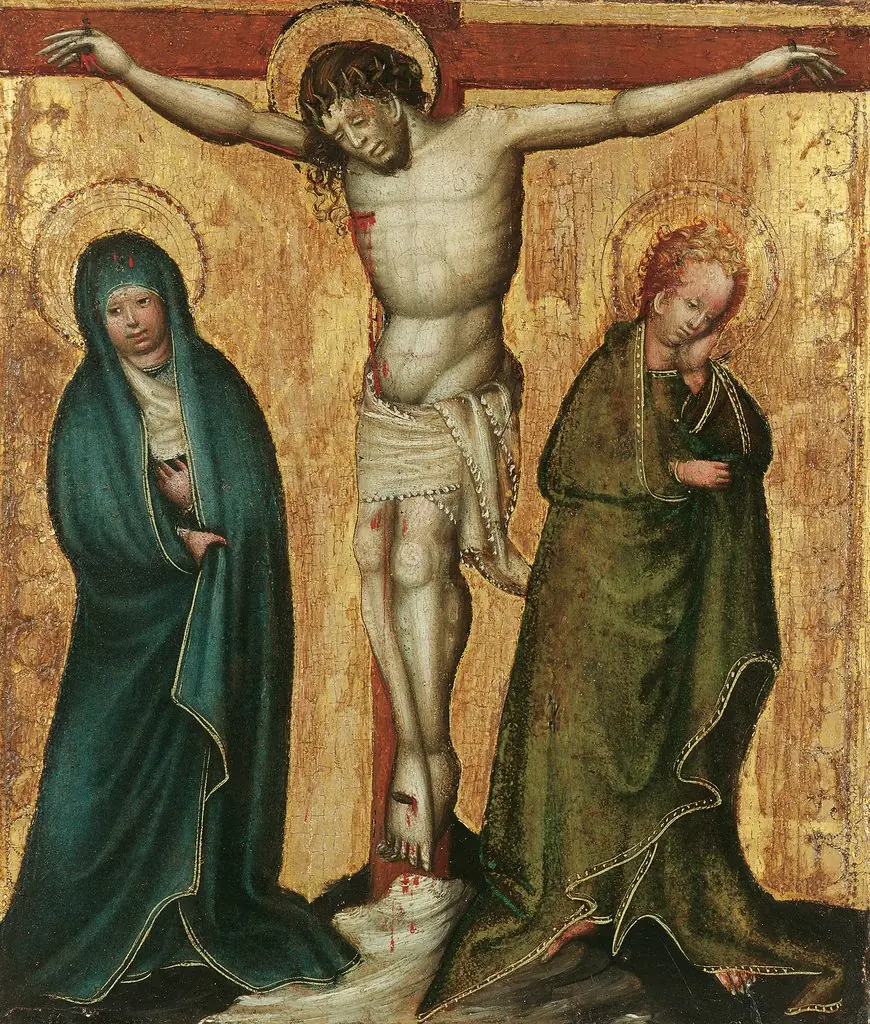
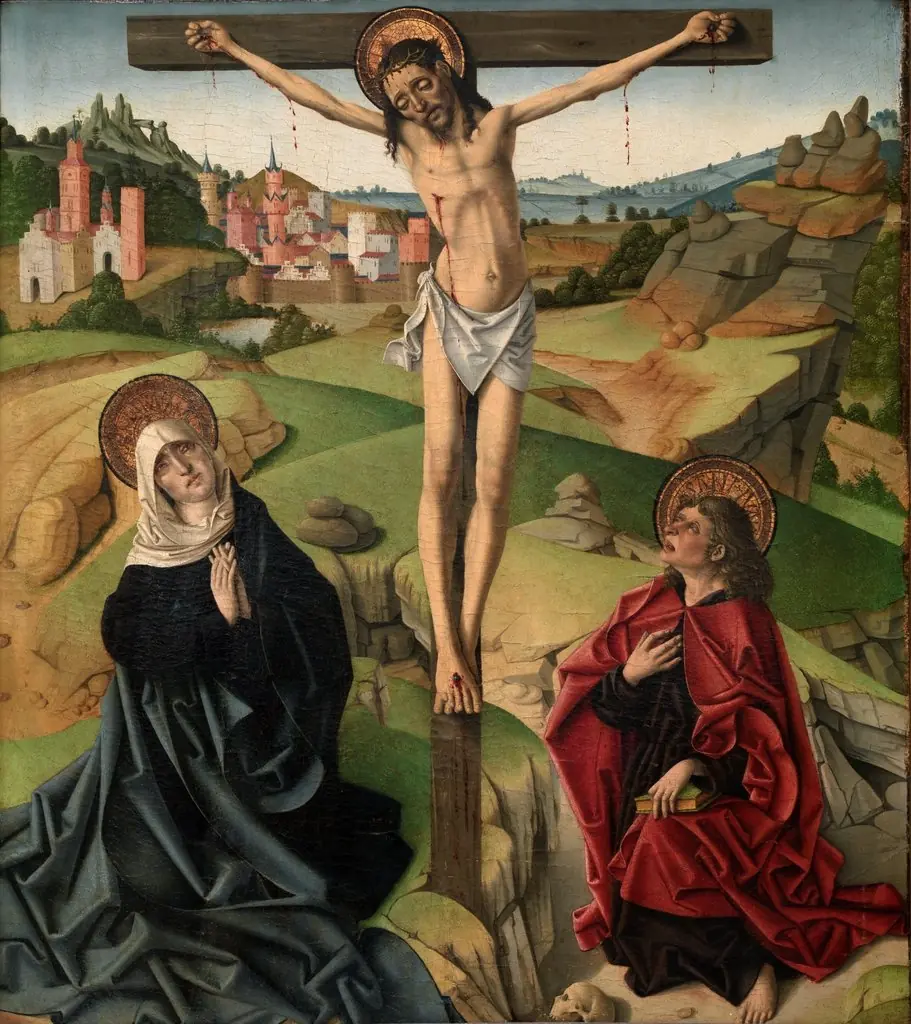
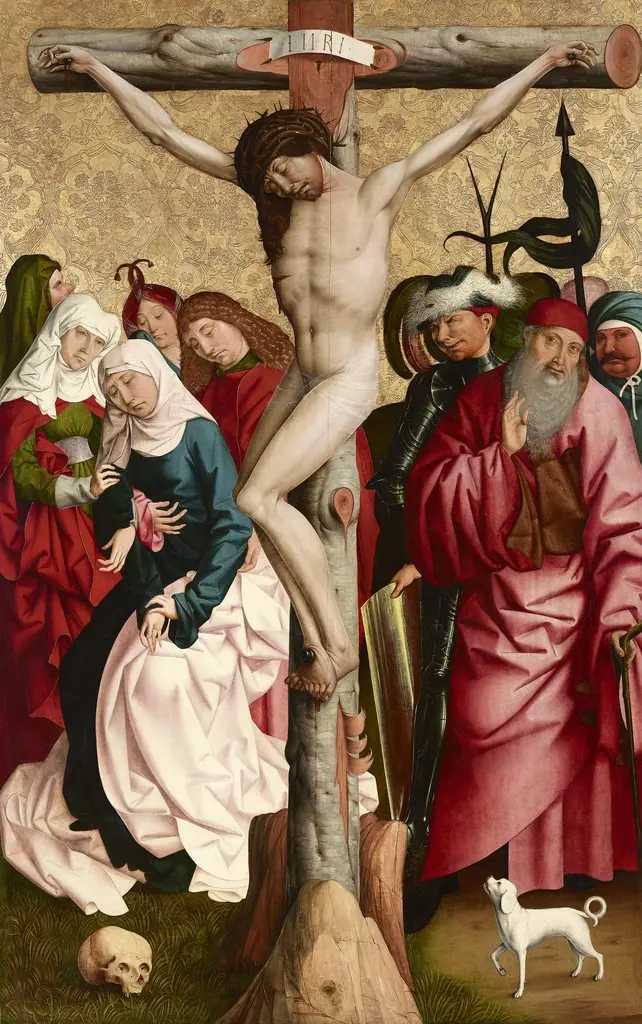
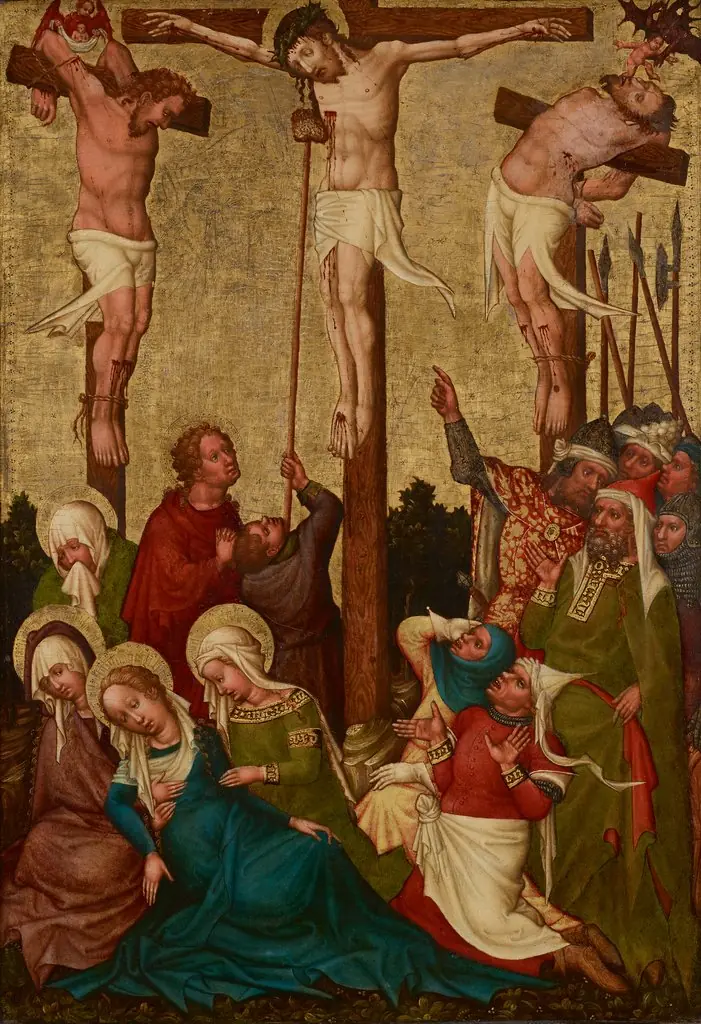
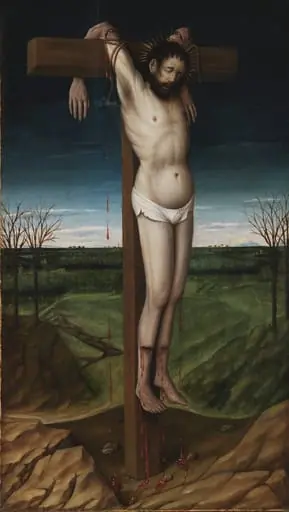
The Bad Thief to the Left of Christ is a mixed painting by the Northern Renaissance artist Master of Flémalle. It dates from 1430 and is held in the collection of the Städel Museum.
About this work
Overview
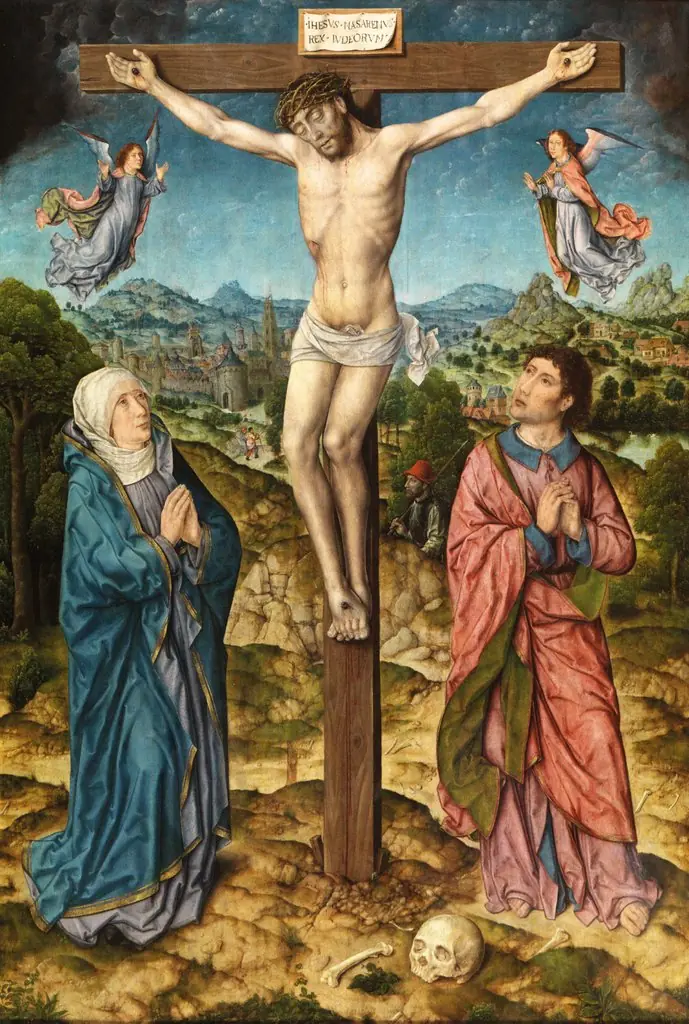
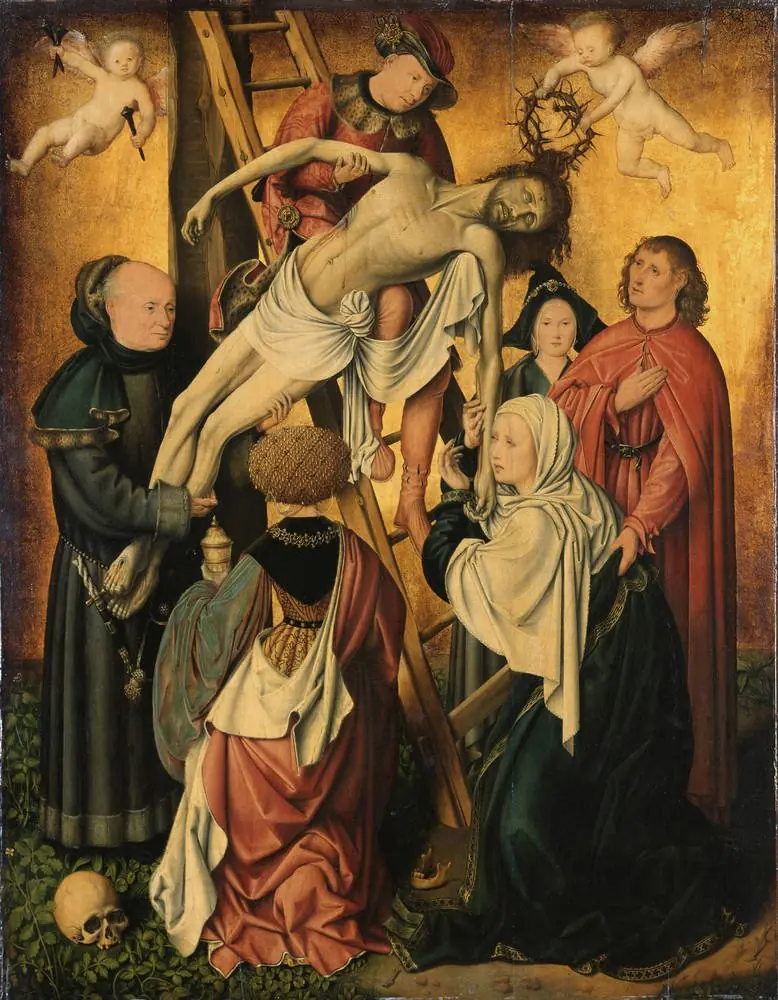
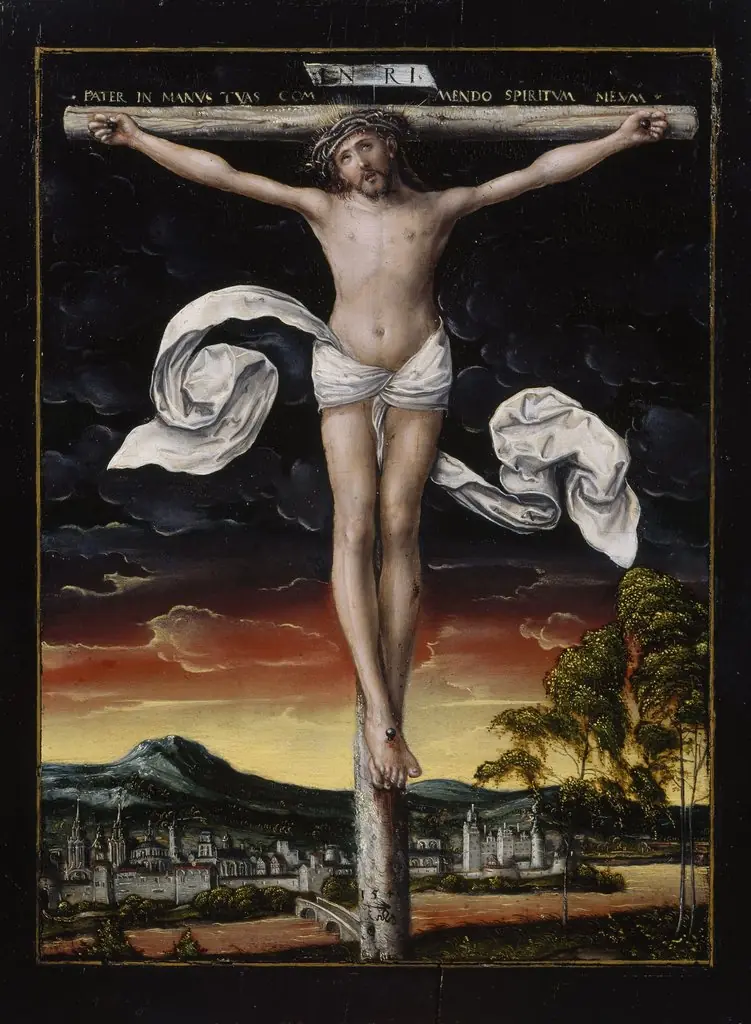
Created around 1430, this mixed‑technique panel by the anonymous Master of Flémalle presents a crucifixion scene that aligns with the Northern Renaissance’s attention to narrative detail. The work is part of the collection of the Städel Museum in Frankfurt, where it is displayed as an example of early 15th‑century devotional painting.
Subject & Meaning
The composition centers on a figure on the cross, identified as the repentant thief traditionally placed to Christ’s left, while the unrepentant thief stands on the ground opposite. Their contrasting postures and expressions—one in quiet suffering, the other in defiant stance—underscore themes of penitence, redemption, and the moral choices presented at the crucifixion.
Technique & Style
Employing a mixed technique typical of the period, the artist combines tempera with oil glazes to achieve delicate modeling of flesh and drapery. The palette is restrained, dominated by muted earth tones, while fine linear details render the figures’ faces and garments, reflecting the Northern Renaissance’s emphasis on realism and symbolic nuance.
History & Provenance
Attributed to the Master of Flémalle, an influential workshop leader whose identity remains uncertain, the painting entered the Städel Museum’s holdings through 19th‑century acquisitions. Its provenance prior to that remains undocumented, but its stylistic links to other works from the same workshop help situate it within the broader development of early Netherlandish art.
Own this work as a print
Artist & collection