Artwork
The Visitation
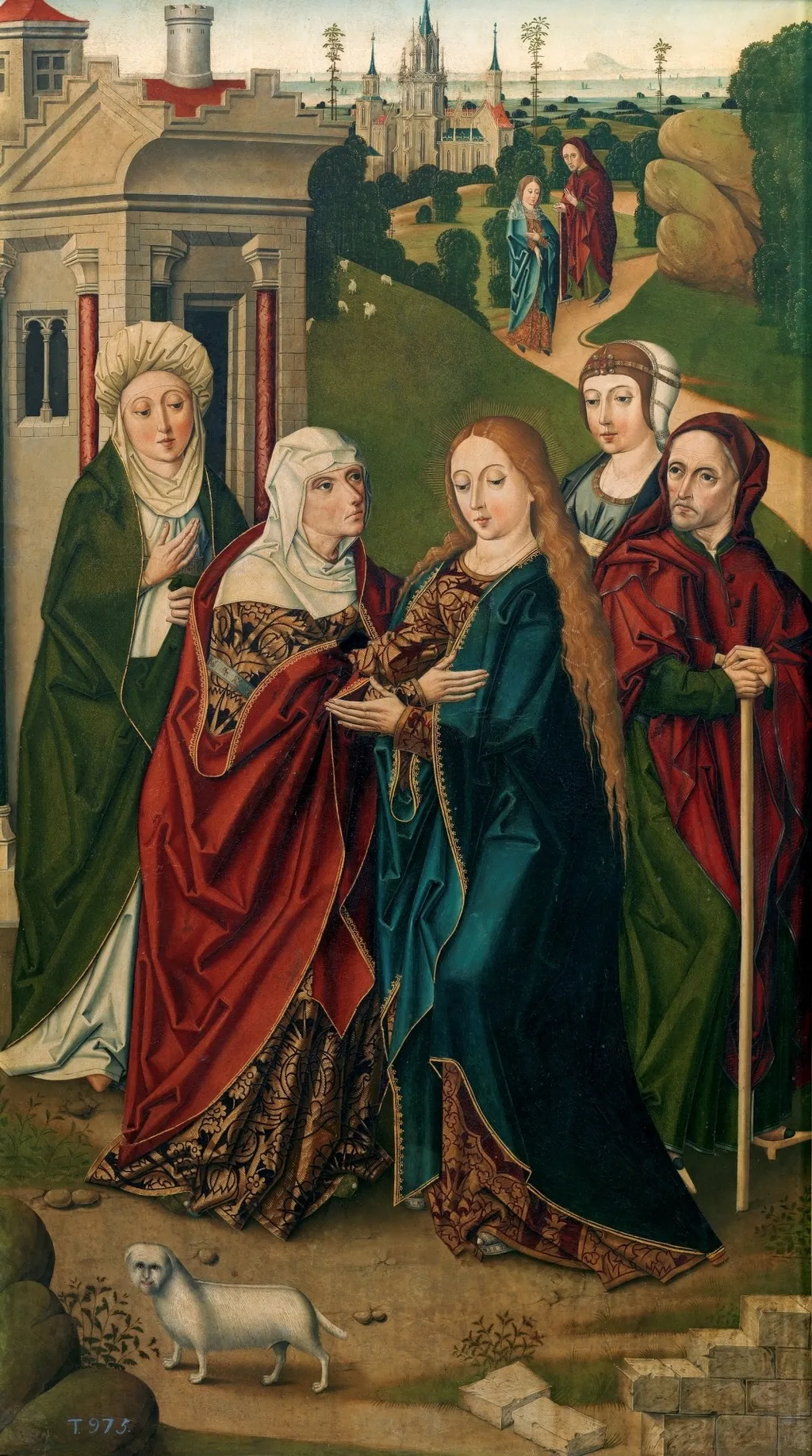
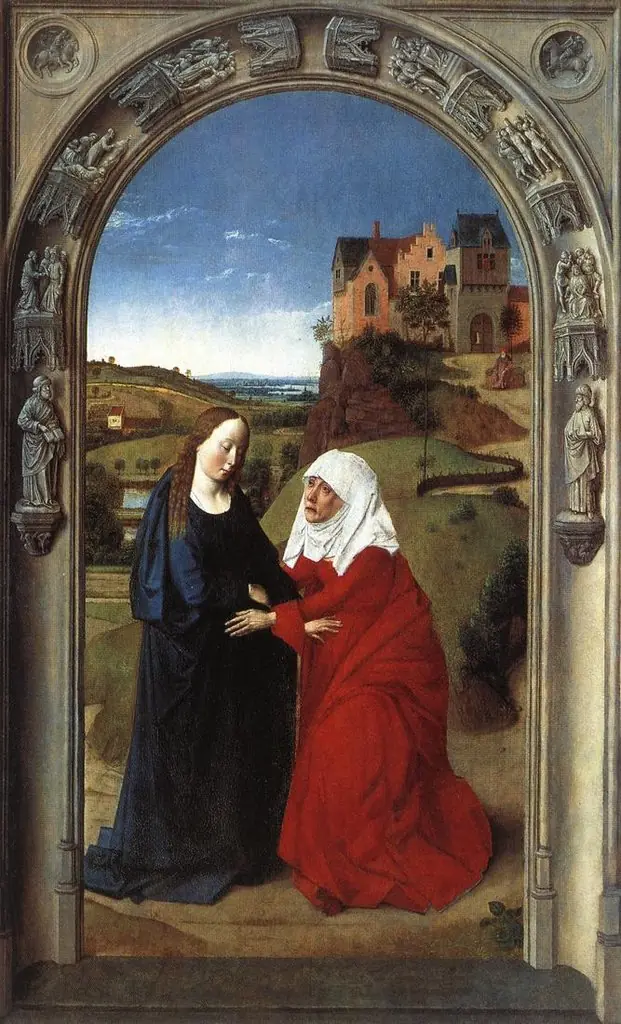
The Visitation is an unspecified painting by the Northern Renaissance artist Master of Miraflores. It dates from 1496 and is held in the collection of the Museo del Prado.
About this work
Overview
The Visitation, painted in 1496 by the anonymous workshop known as the Master of Miraflores, is a tempera on panel that resides in Madrid’s Museo del Prado.
The Visitation, painted in 1496 by the anonymous workshop known as the Master of Miraflores, is a tempera on panel that resides in Madrid’s Museo del Prado. The composition presents a small group of women gathered in an open courtyard, set against a distant landscape that includes a castle, a church, and grazing sheep. The central figure, distinguished by a blue mantle and a halo, anchors the scene.
Subject & Meaning
The work illustrates the biblical episode of the Visitation, when Mary, pregnant with Jesus, meets her cousin Elizabeth, who carries John the Baptist. The artist emphasizes the intimate exchange by positioning the two expectant mothers together, their hands touching and gestures indicating conversation. The presence of a lamb at one figure’s feet alludes to Christ’s future role as the sacrificial Lamb of God.
Technique & Style
Executed in the late Gothic style prevalent in Castile, the painting displays delicate modeling of drapery and a restrained color palette dominated by blues, reds, and gold trim. The figures are rendered with soft contours, and the background features a shallow perspective that suggests depth without abandoning the flat decorative quality typical of the period.
History & Provenance
Created toward the end of the 15th century, the Visitation entered the Spanish royal collection before being transferred to the national museum in the 19th century. Its attribution to the Master of Miraflores, a workshop active in the region of Miraflores, is based on stylistic parallels with other devotional panels from the same period.
Context
The painting reflects the devotional practices of late medieval Spain, where scenes from the life of the Virgin were commonly displayed in private chapels. The inclusion of architectural elements such as the distant castle and church situates the biblical narrative within a familiar Castilian landscape, linking sacred history to contemporary viewers.
Artist & collection
Artist
This anonymous painter from the late 1400s made dramatic religious scenes full of rich colors and fine details.

 Visitation
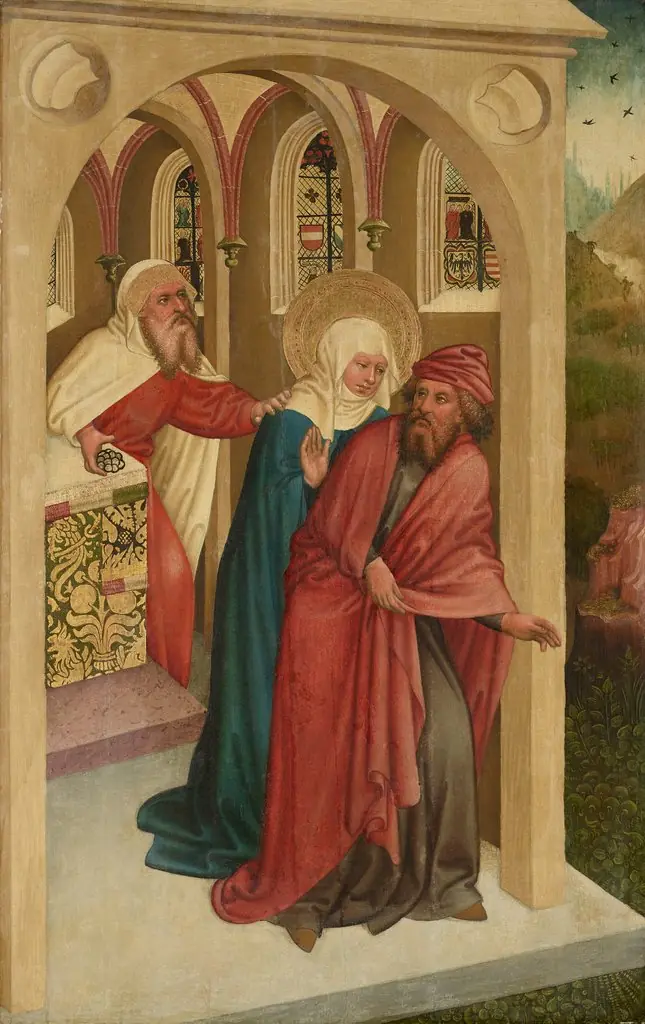 Zurückweisung des Opfers Joachims und Annas
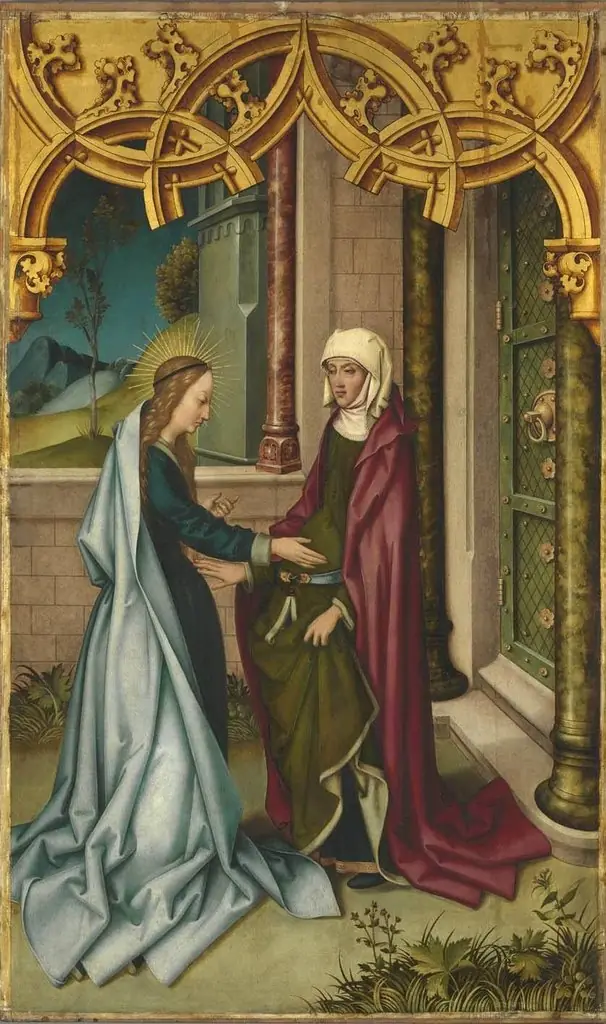 Kaisheimer Altar: Mariae Heimsuchung
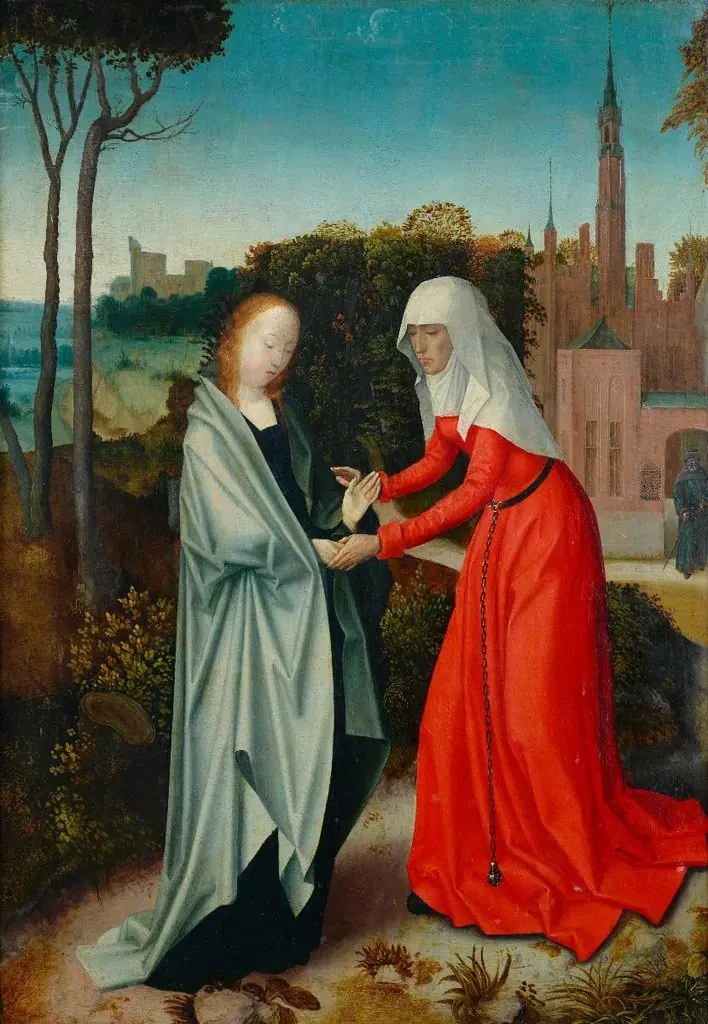 Heimsuchung Mariae zwischen St. Ursula mit den Zehntausend Jungfrauen und St. Martha. Aussenseiten der Flügel: Verkündigung Mariae
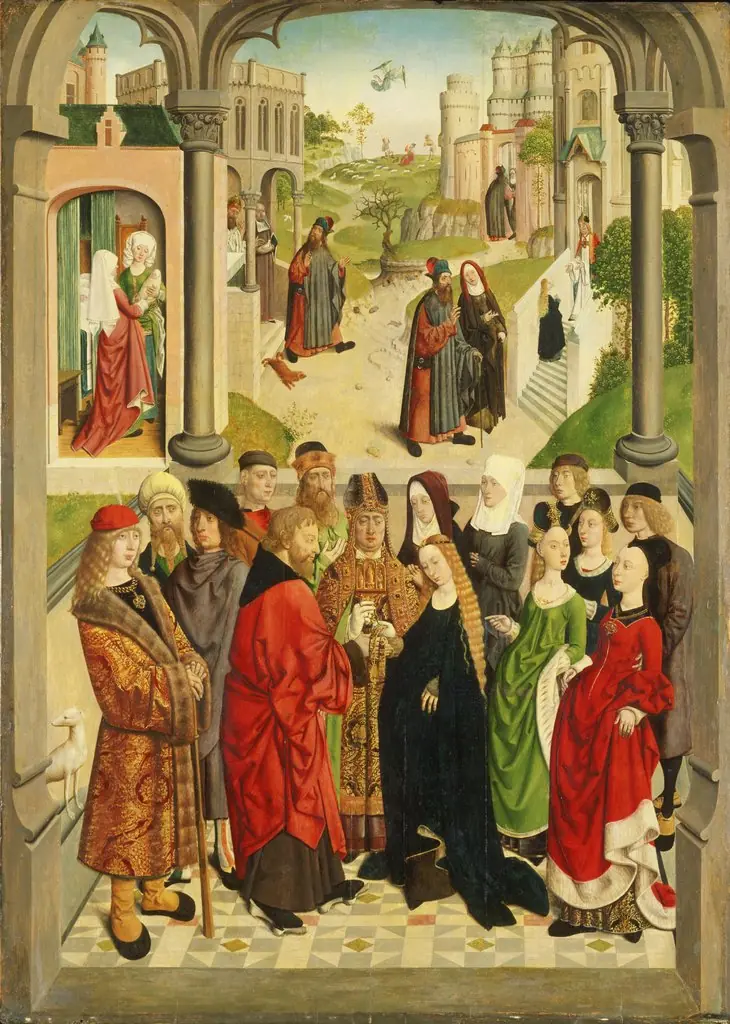 The Marriage of the Virgin, with the Expulsion of Saint Joachim from the Temple, the Angel Appearing to Saint Joachim, the Meeting at the Golden Gate, the Birth of the Virgin, and the Presentation of the Virgin
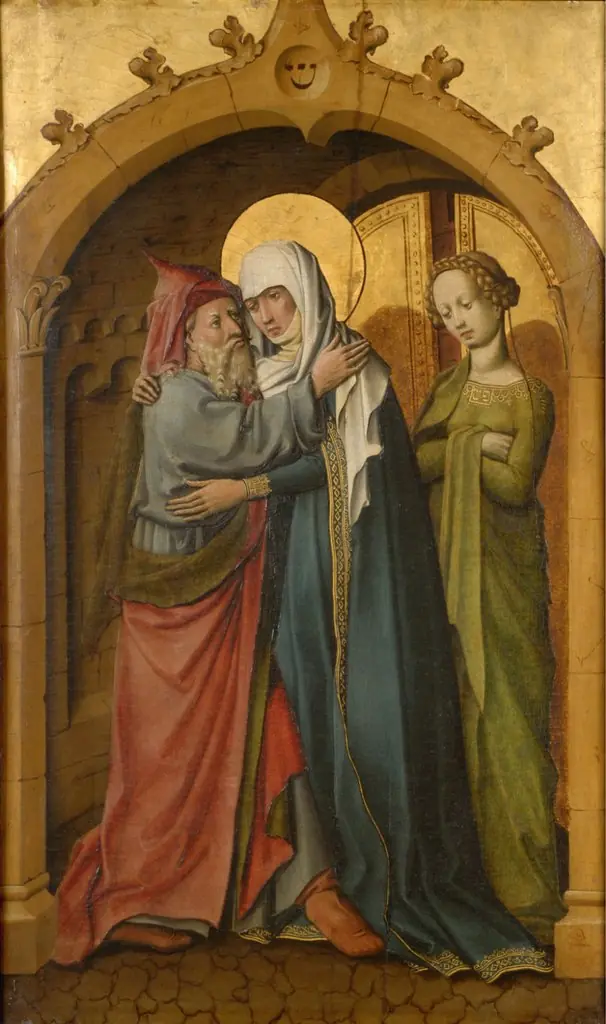 The Meeting at the Golden Gate
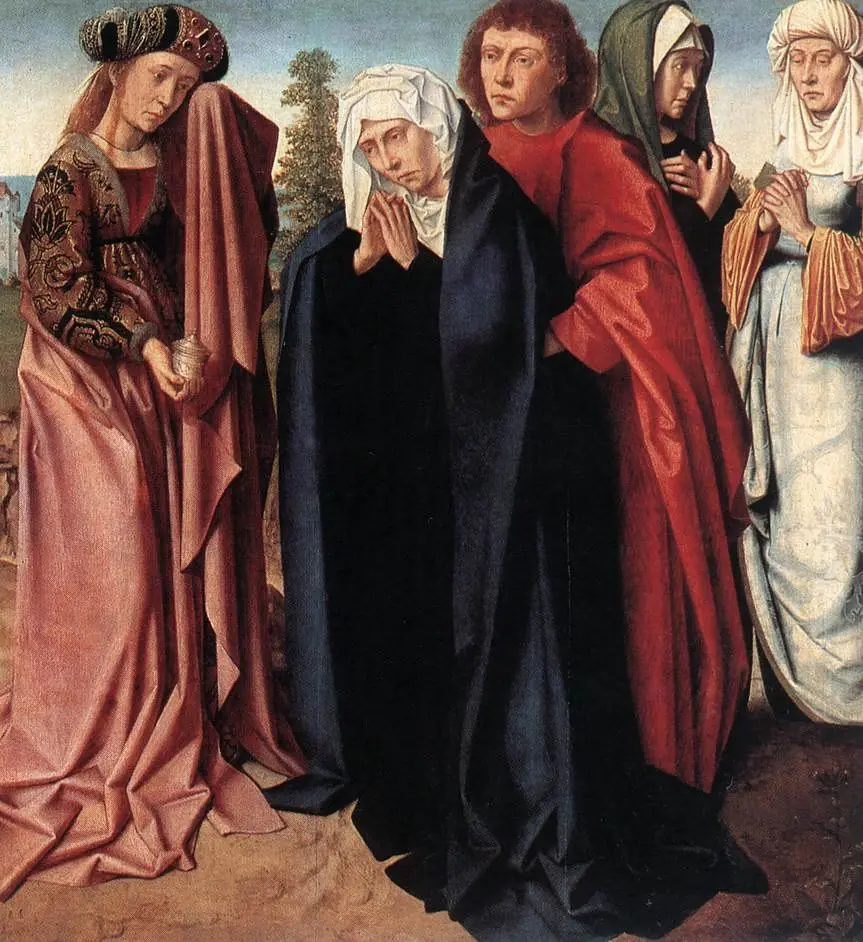 The Holy Women and Saint John at Golgotha
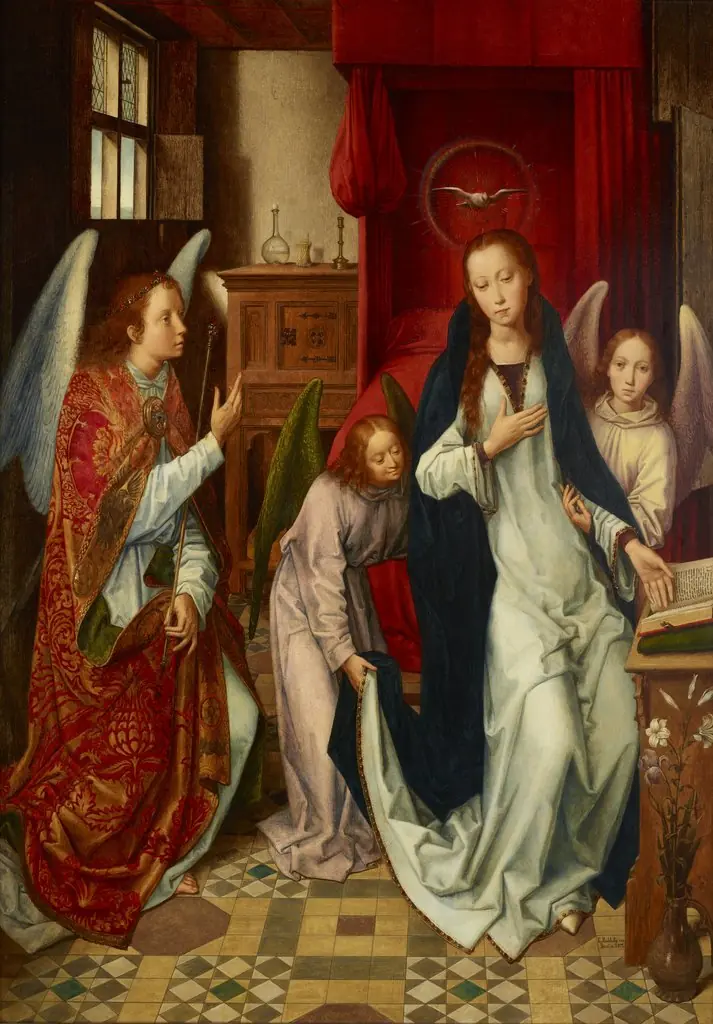 Christ's Bath