Artwork
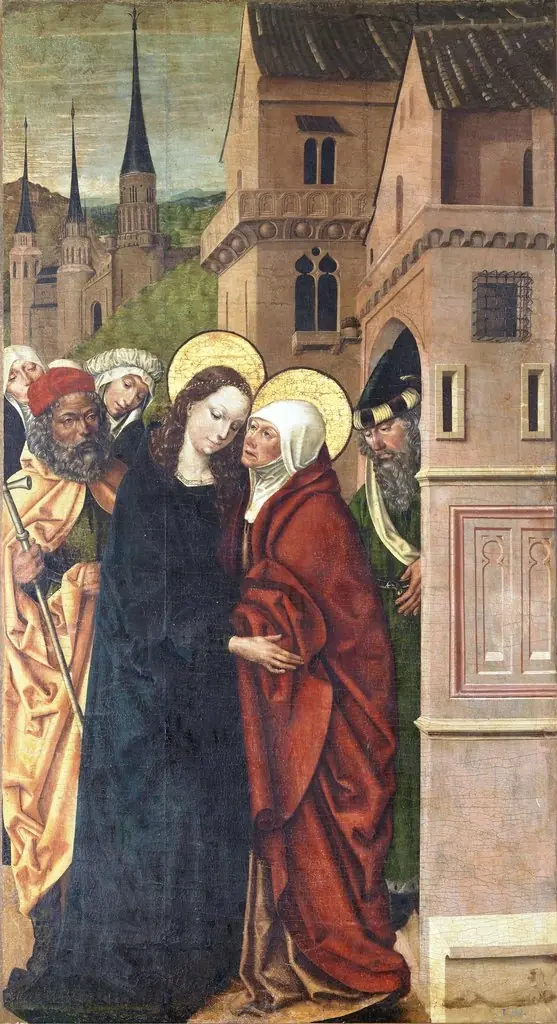
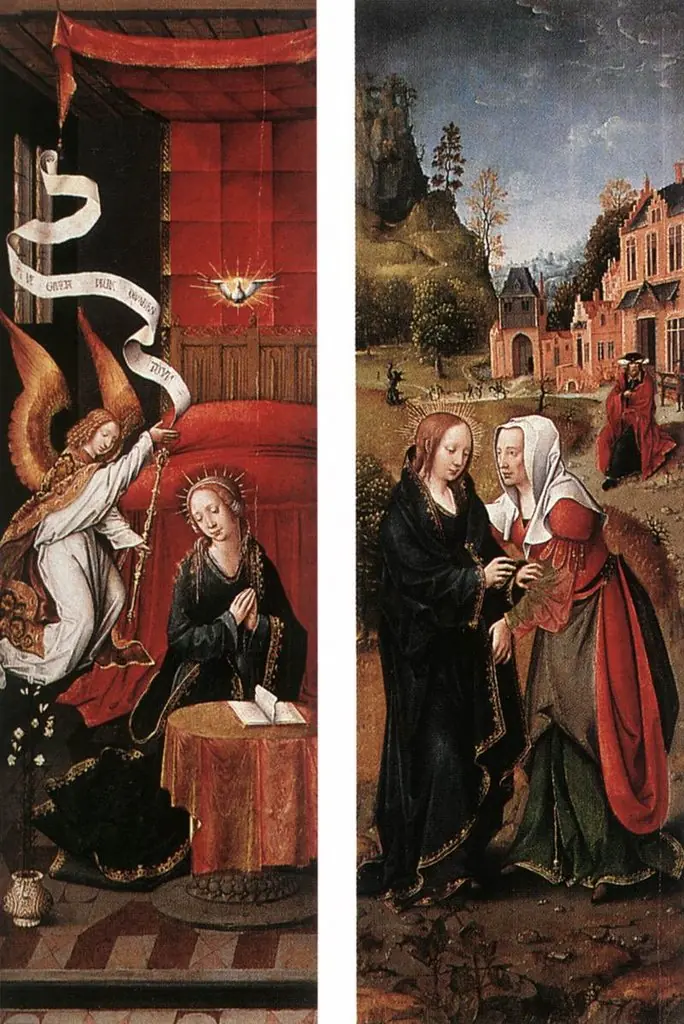
Heimsuchung Mariae zwischen St. Ursula mit den Zehntausend Jungfrauen und St. Martha. Aussenseiten der Flügel: Verkündigung Mariae
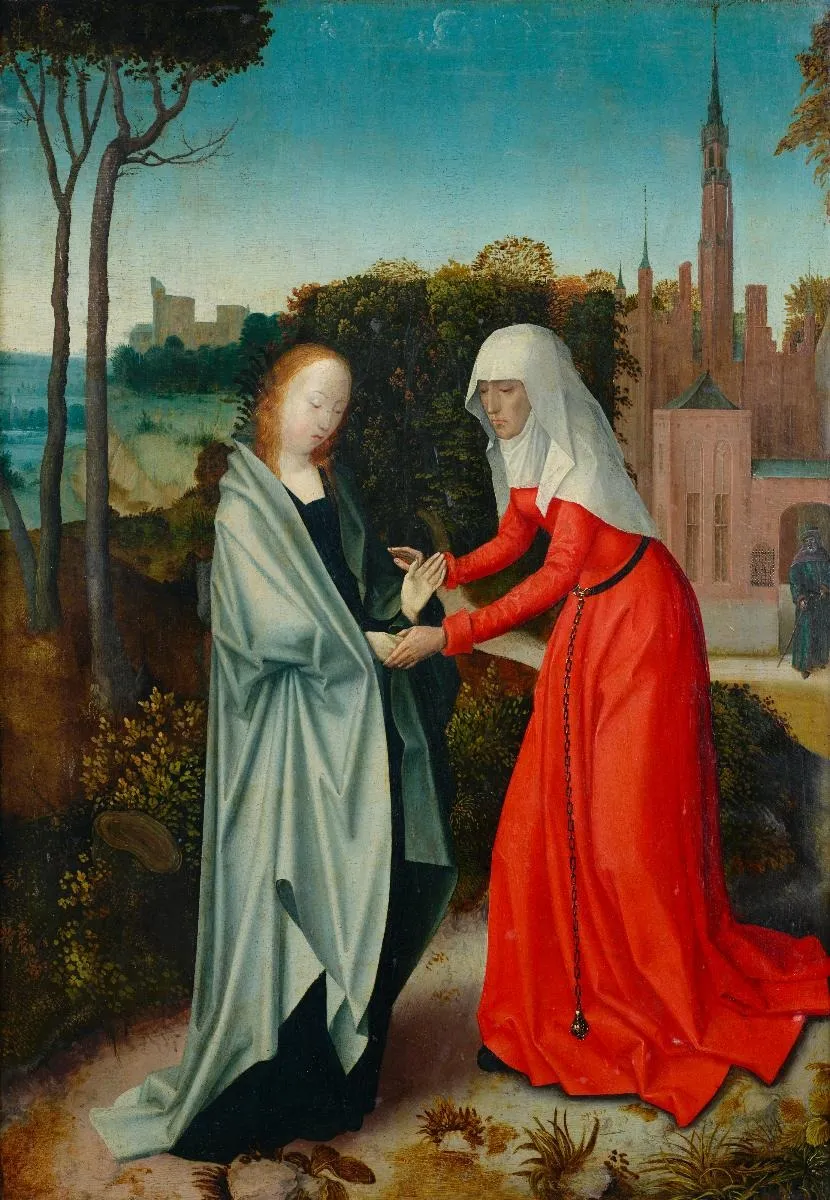
Heimsuchung Mariae zwischen St. Ursula mit den Zehntausend Jungfrauen und St. Martha. Aussenseiten der Flügel: Verkündigung Mariae is an oil painting by Unknown. It dates from 1500 and is held in the collection of the Kunsthaus Zürich. This oil painting depicts the Visitation, a biblical scene in which the Virgin Mary visits her cousin Elizabeth.
About this work
Overview
A distant cityscape with a church steeple anchors the background, while a clear sky with scattered clouds completes the tranquil setting.
This oil painting depicts the Visitation, a biblical scene in which the Virgin Mary visits her cousin Elizabeth. The two women stand side by side in a garden, their gestures and postures conveying quiet intimacy. A distant cityscape with a church steeple anchors the background, while a clear sky with scattered clouds completes the tranquil setting. The composition emphasizes stillness and mutual recognition, characteristic of devotional imagery from the late medieval period.
Subject & Meaning
The scene illustrates the moment Mary, pregnant with Jesus, meets Elizabeth, who carries John the Baptist. Their clasped hands signify spiritual kinship and shared divine purpose. The inclusion of a church steeple in the background subtly reinforces the sacred nature of their encounter. This subject was widely depicted in Christian art to highlight humility, faith, and the interconnectedness of sacred figures in salvation history.
Technique & Style
The figures are rendered with careful attention to textile detail, particularly in the contrasting colors of their garments—black and blue for Mary, red and white for Elizabeth. The garden is suggested through loosely painted foliage, not fully naturalistic but symbolically dense. The background cityscape is simplified, serving as a spatial anchor rather than a realistic locale. Brushwork remains restrained, favoring clarity and symbolic harmony over dramatic movement.
History & Provenance
The work originates from a devotional altarpiece, likely created in the late 14th or early 15th century in the Rhineland or Lower Rhine region. It formed part of the exterior panels of a winged altarpiece, visible when the wings were closed. Its companion panels included the Annunciation, suggesting a narrative sequence centered on Marian themes. The painting’s survival indicates it was preserved within a religious context, possibly a convent or parish church.
Context
During the late Middle Ages, the Visitation was a favored subject in Northern European altarpieces, especially in regions with strong Marian devotion. Its inclusion on the exterior of winged altars allowed the image to be seen even when the altarpiece was closed, serving as a daily reminder of divine grace. The quiet, intimate tone reflects a broader trend toward personal piety and emotional engagement with sacred narratives among lay audiences.
Legacy
This painting exemplifies the shift in devotional art toward intimate, humanized religious scenes. Its restrained palette and focus on gesture over spectacle influenced later Northern Renaissance works. Though not attributed to a known master, its craftsmanship reflects the standards of regional workshops producing liturgical art for monastic and urban congregations in the pre-Reformation era.
Artist & collection

 Domestic Scene
 Giacomo and Cardinal Marco, investing Andrea, Abbot of San Zeno, with his Benefice
 The Nymph of Fontainebleau
 Portrait of a Woman
 Madonna and Child with Saints in the Enclosed Garden
 Venus and Minerva
 Family Group of Four on Sofa
 Wall painting from Room H of the Villa of P. Fannius Synistor at Boscoreale
 Visitation
 Kaisheimer Altar: Mariae Heimsuchung
 The visitation
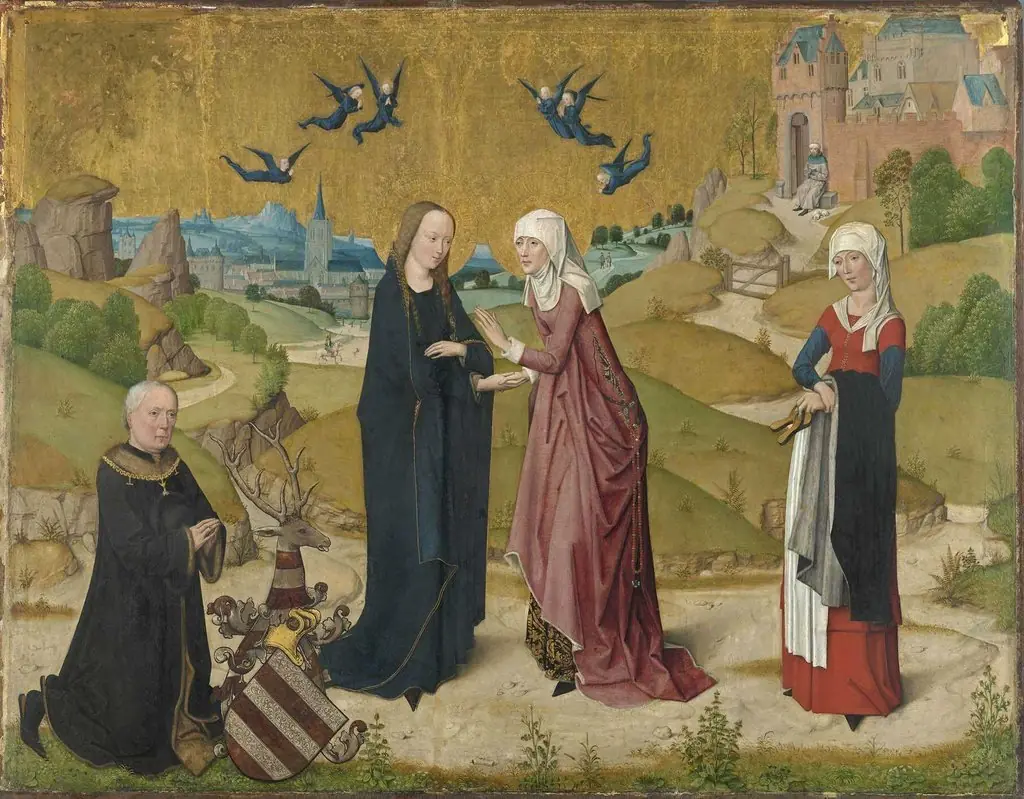 The Visitation with a portrait of donor Johann von Hirtz (?-?)
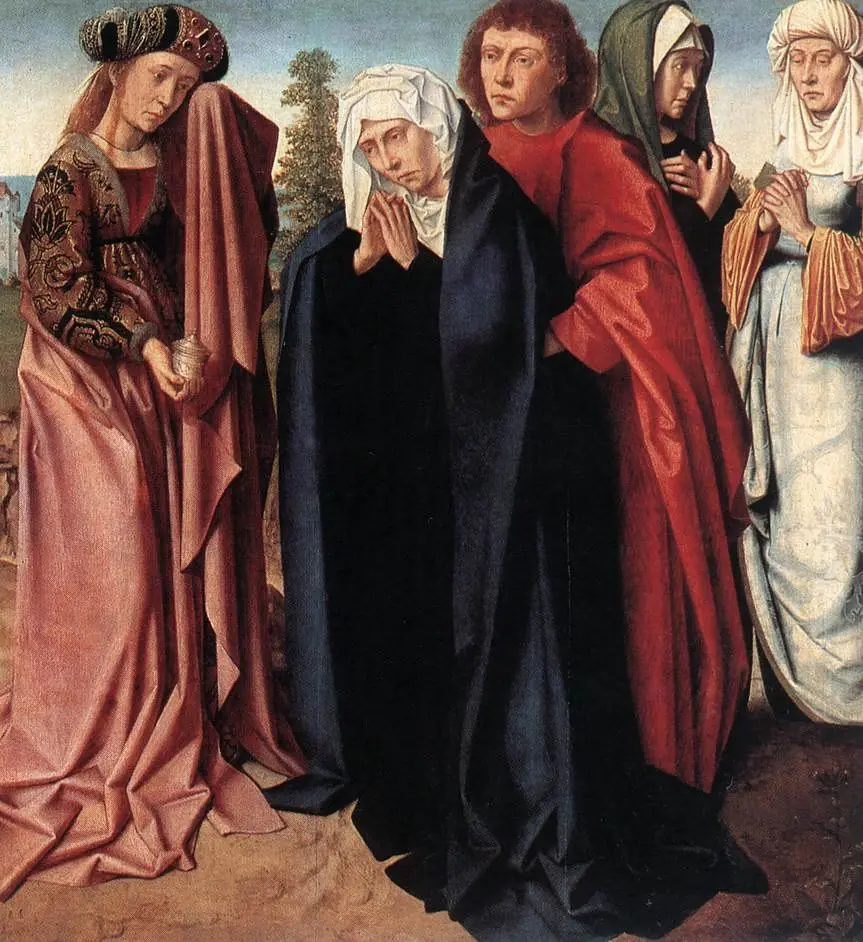 The Holy Women and Saint John at Golgotha
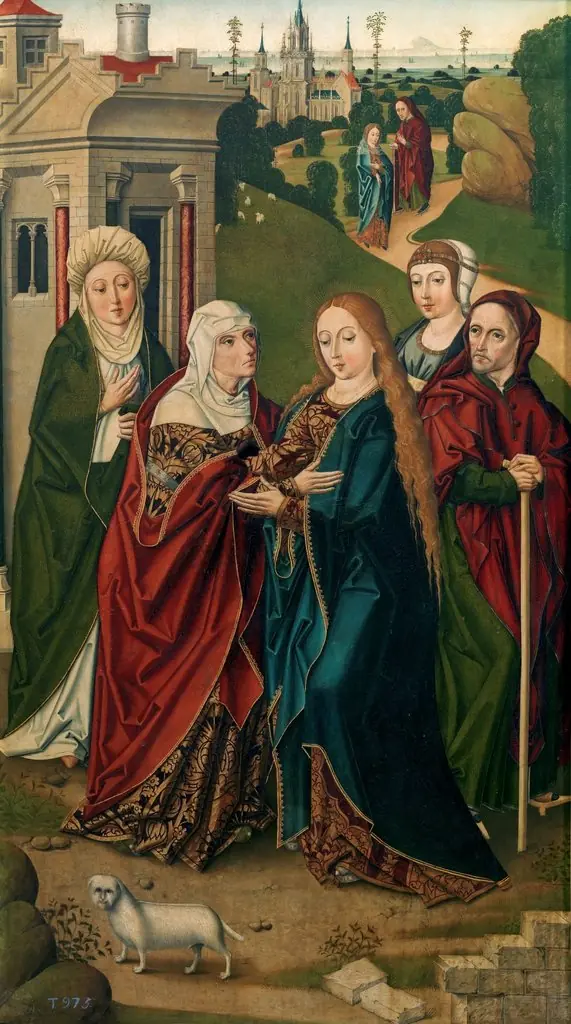 The Visitation
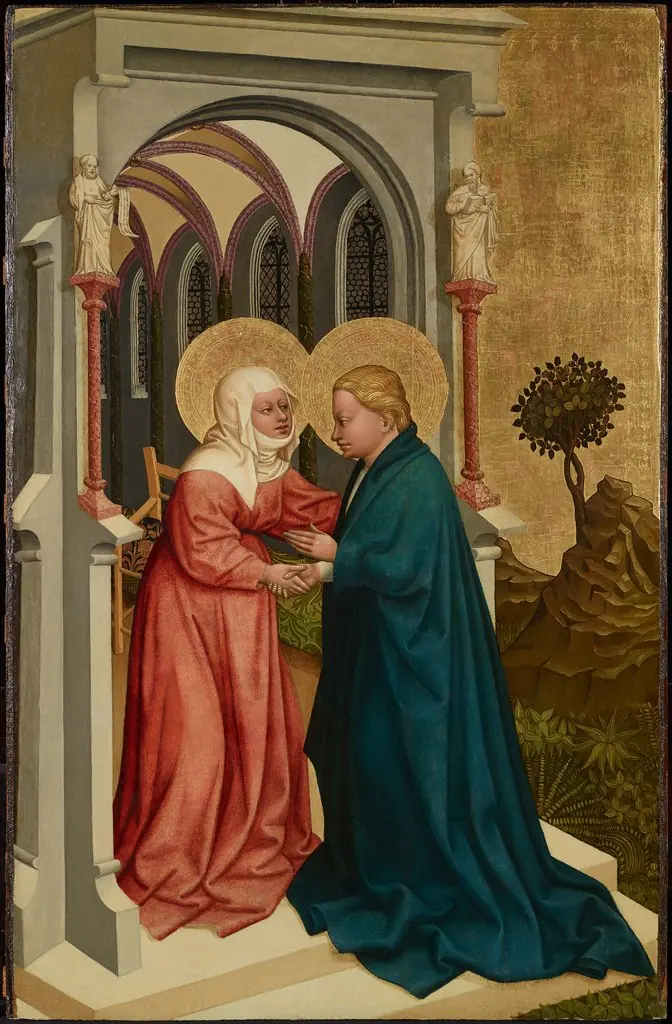 Heimsuchung Mariens
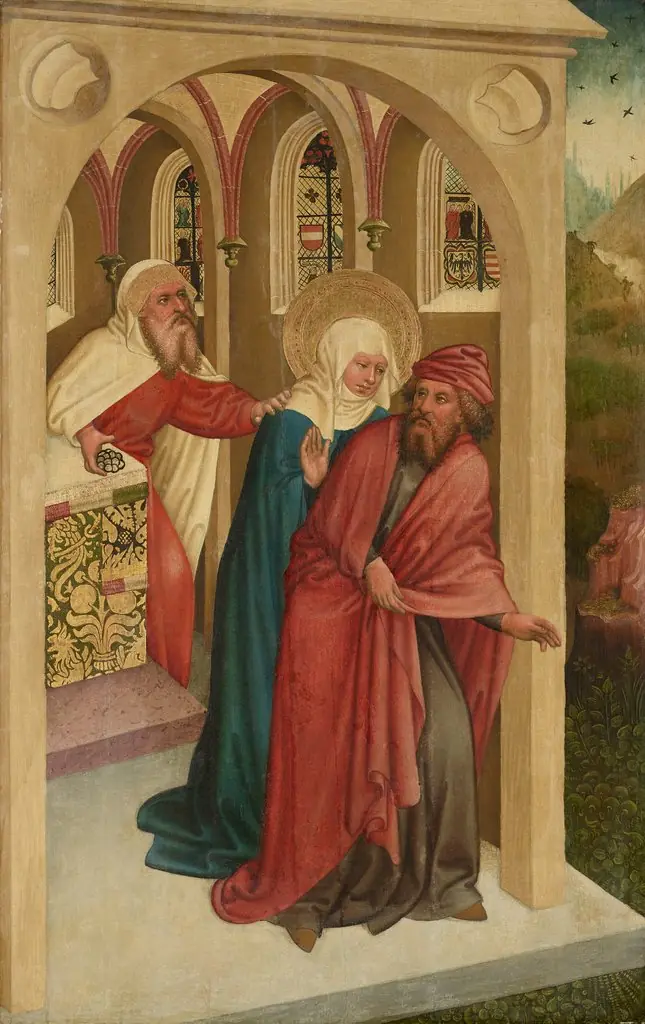 Zurückweisung des Opfers Joachims und Annas
 The Visitation
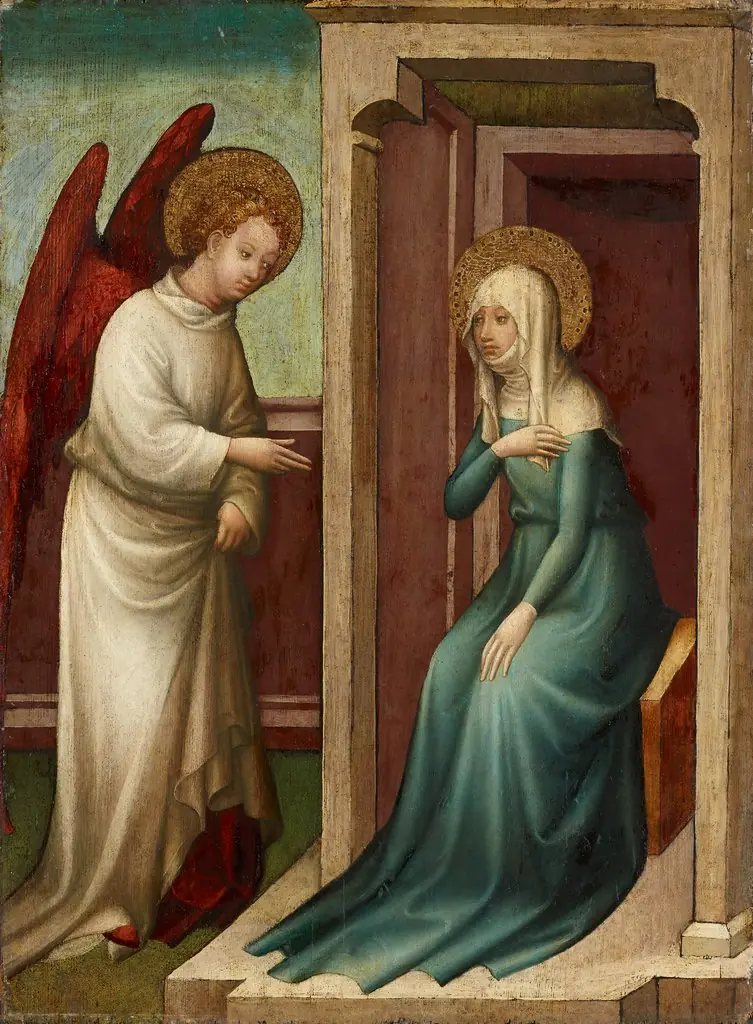 Annunciation to Saint Ann
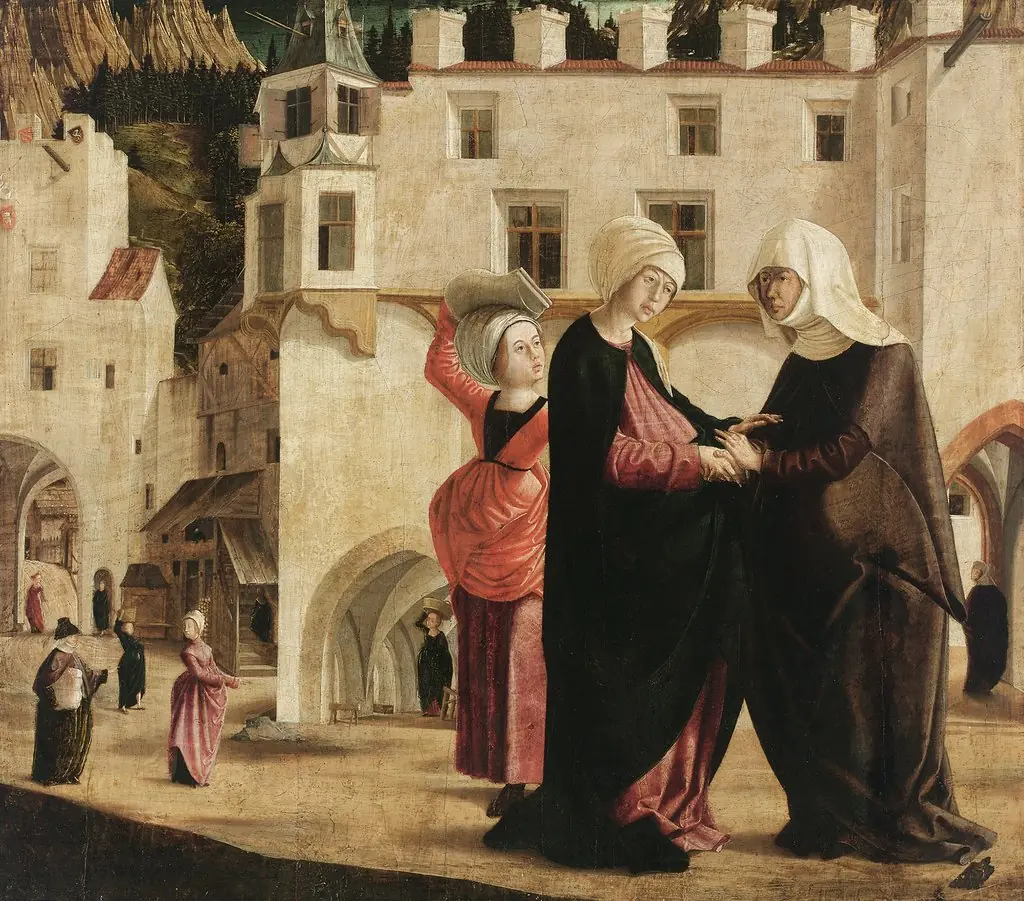 The visitation
 Annunciation and Visitation