Artwork
The Annunciation
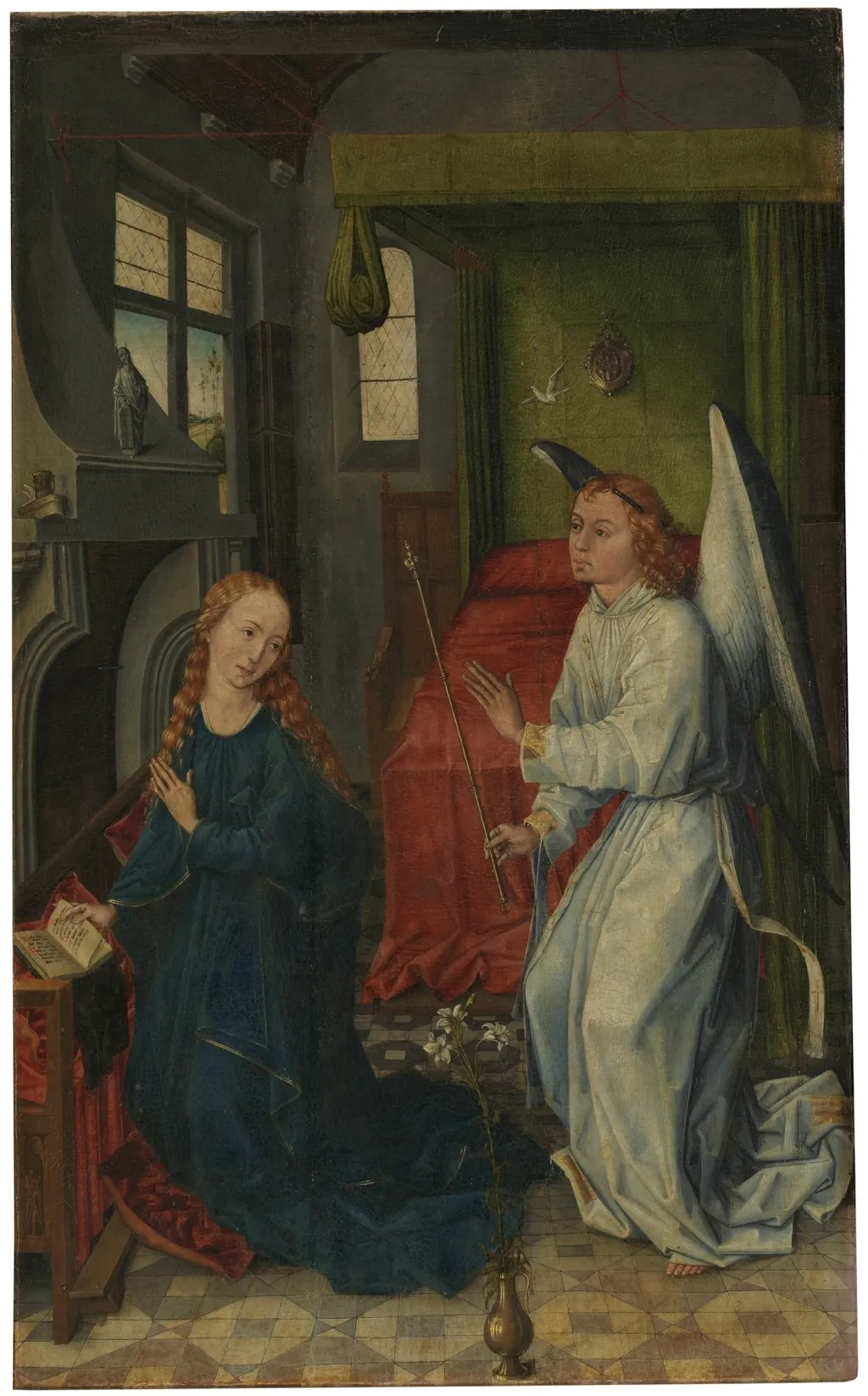
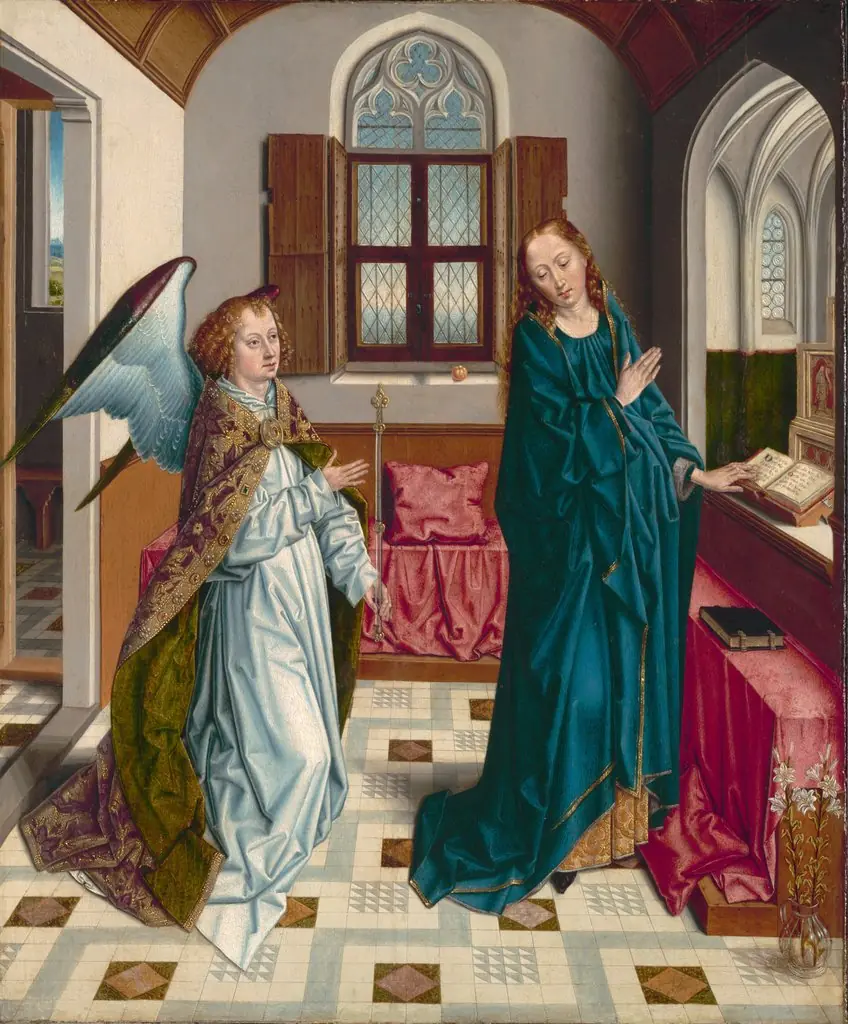
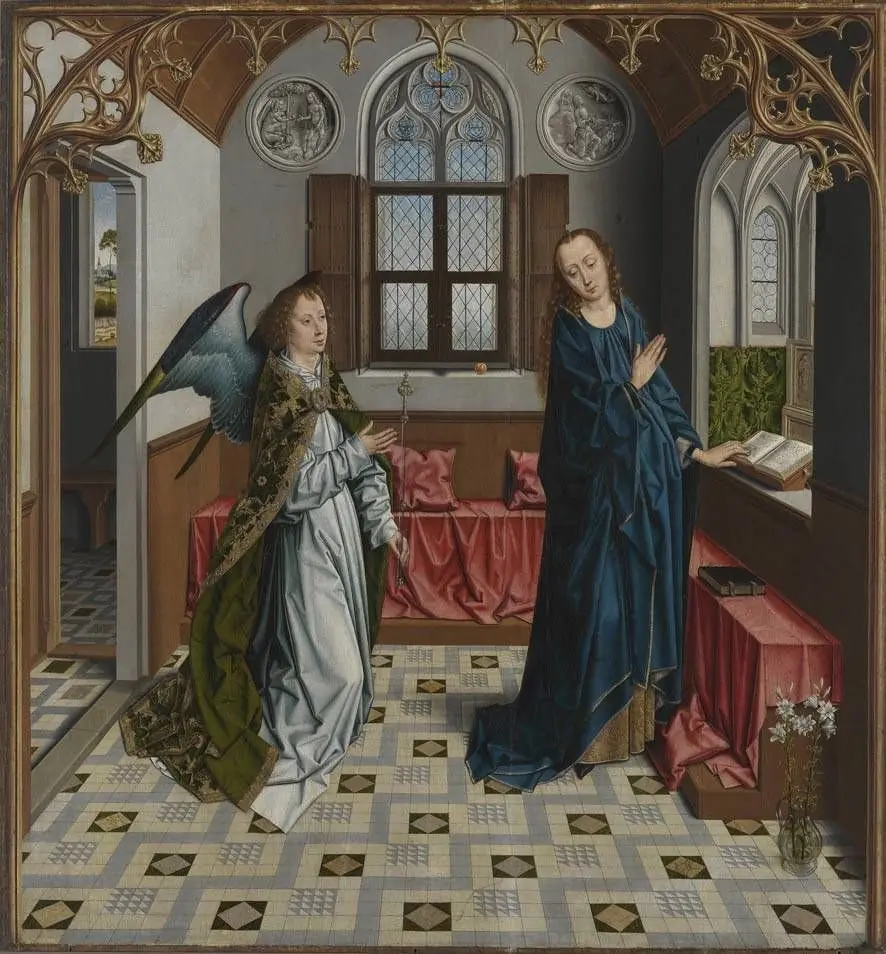
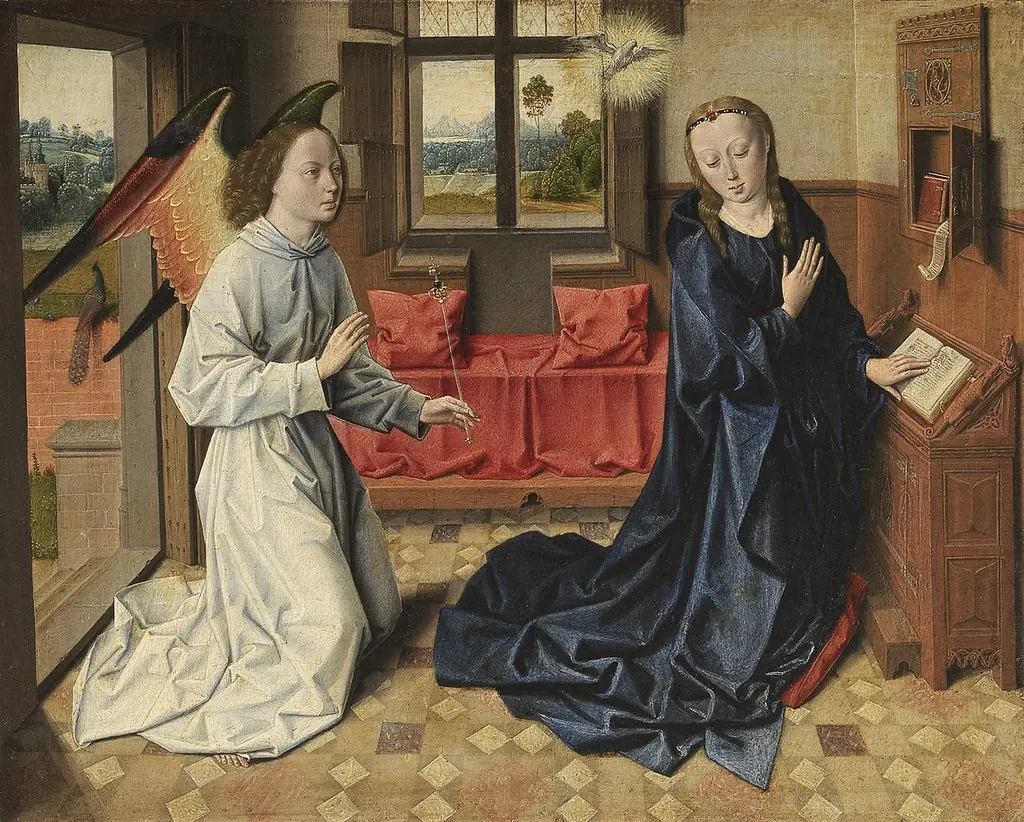
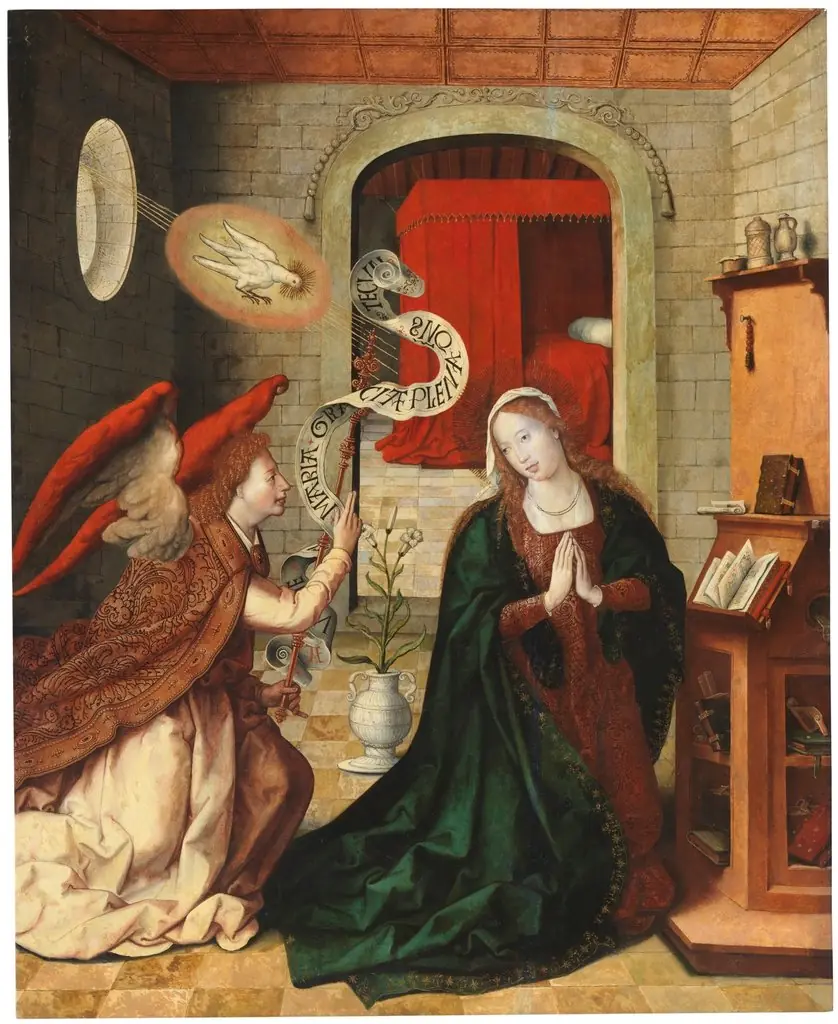
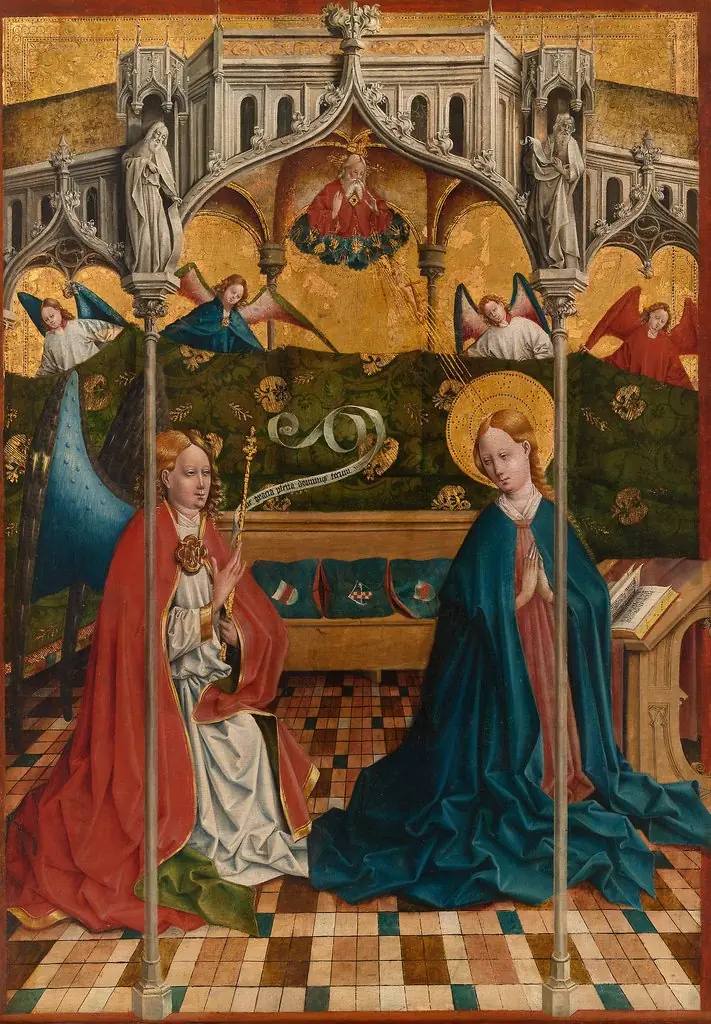
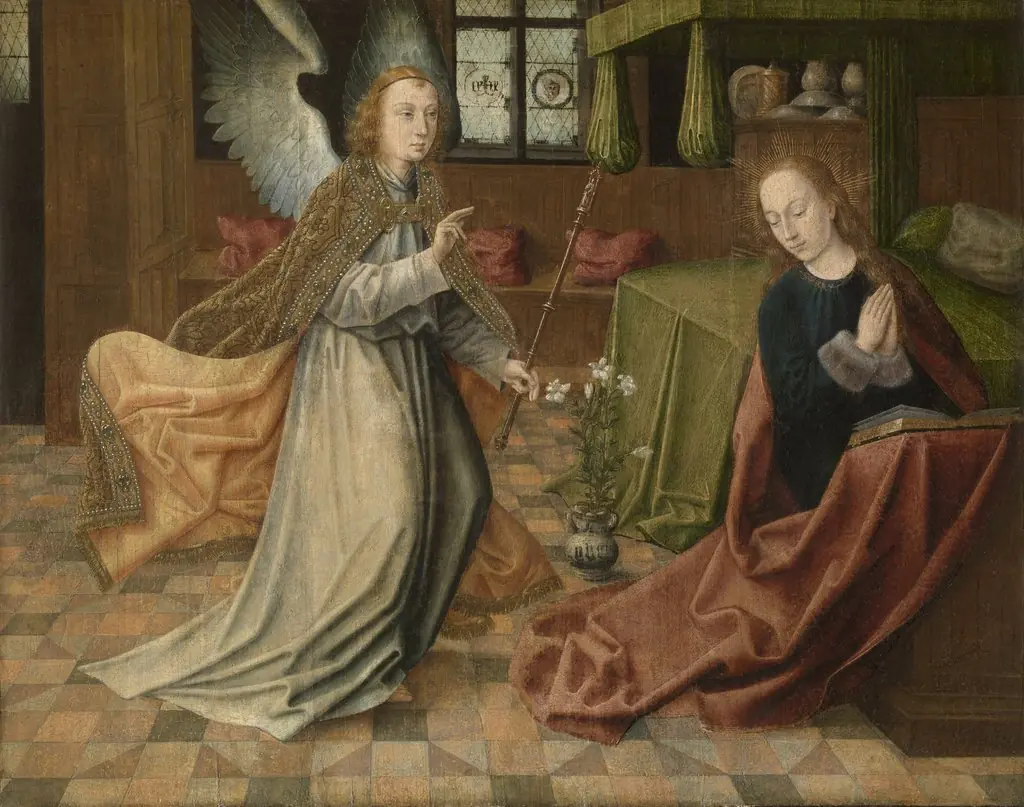
The Annunciation is an oil painting by the Northern Renaissance artist Master of Sopetrán. It dates from 1470 and is held in the collection of the Museo del Prado.
About this work
Overview
Created around 1470, this oil on panel depicts the biblical Annunciation and is attributed to the anonymous workshop known as the Master of Sopetrán. The work is part of the collection of the Museo del Prado in Madrid, where it is displayed among other late‑Gothic Spanish paintings.
Subject & Meaning
The scene shows a young woman with long red hair seated on a tiled floor, her hands joined in a gesture of prayer as she turns toward an approaching angel. The angel, clad in a white robe trimmed with gold, holds a staff and extends his left hand in a communicative pose, emphasizing the moment of divine announcement.
Technique & Style
Linear detailing on the garments and the crisp rendering of the angel’s staff reflect the transitional style between Gothic and early Renaissance in Iberia.
Executed in oil, the painting combines the delicate modeling of figures with a modest interior setting. The artist employs a limited palette—deep blues for the woman’s dress, muted reds for the bed and curtain, and earthy tiles—to convey a sense of humility. Linear detailing on the garments and the crisp rendering of the angel’s staff reflect the transitional style between Gothic and early Renaissance in Iberia.
History & Provenance
The work has been linked to the Master of Sopetrán, a workshop active in the Castilian region during the late 15th century. It entered the Prado’s holdings through the museum’s 19th‑century acquisitions of Spanish religious art, where it remains a representative example of the period’s devotional imagery.
Artist & collection
Artist
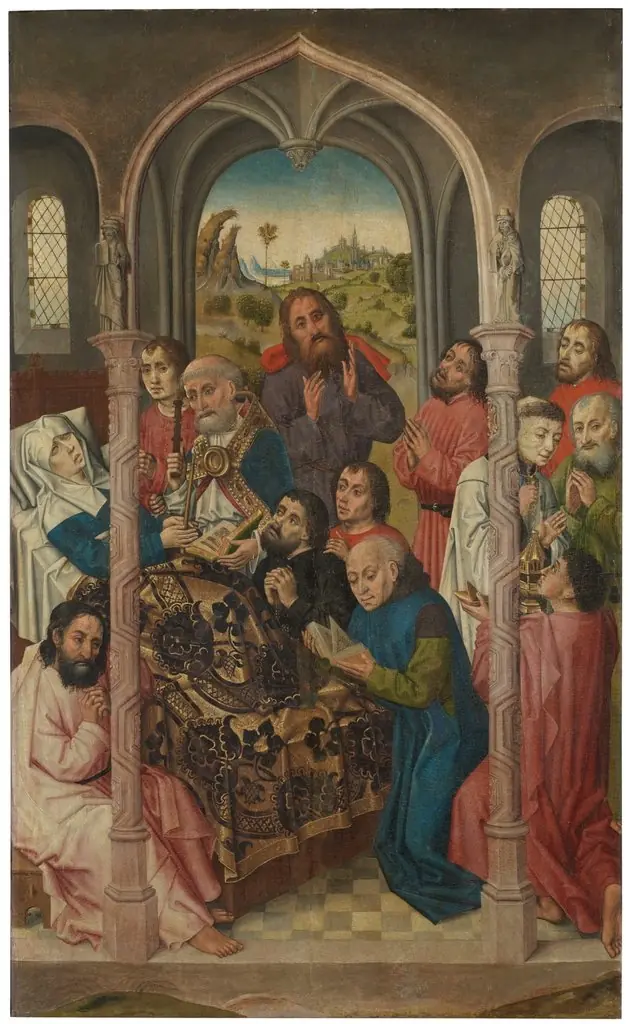
A Spanish painter from the late 1400s, the Master of Sopetrán left behind quiet, balanced scenes like *The Annunciation* and *The Death of the Virgin*, both glowing with oil paint on panel.