Artwork
The Nativity
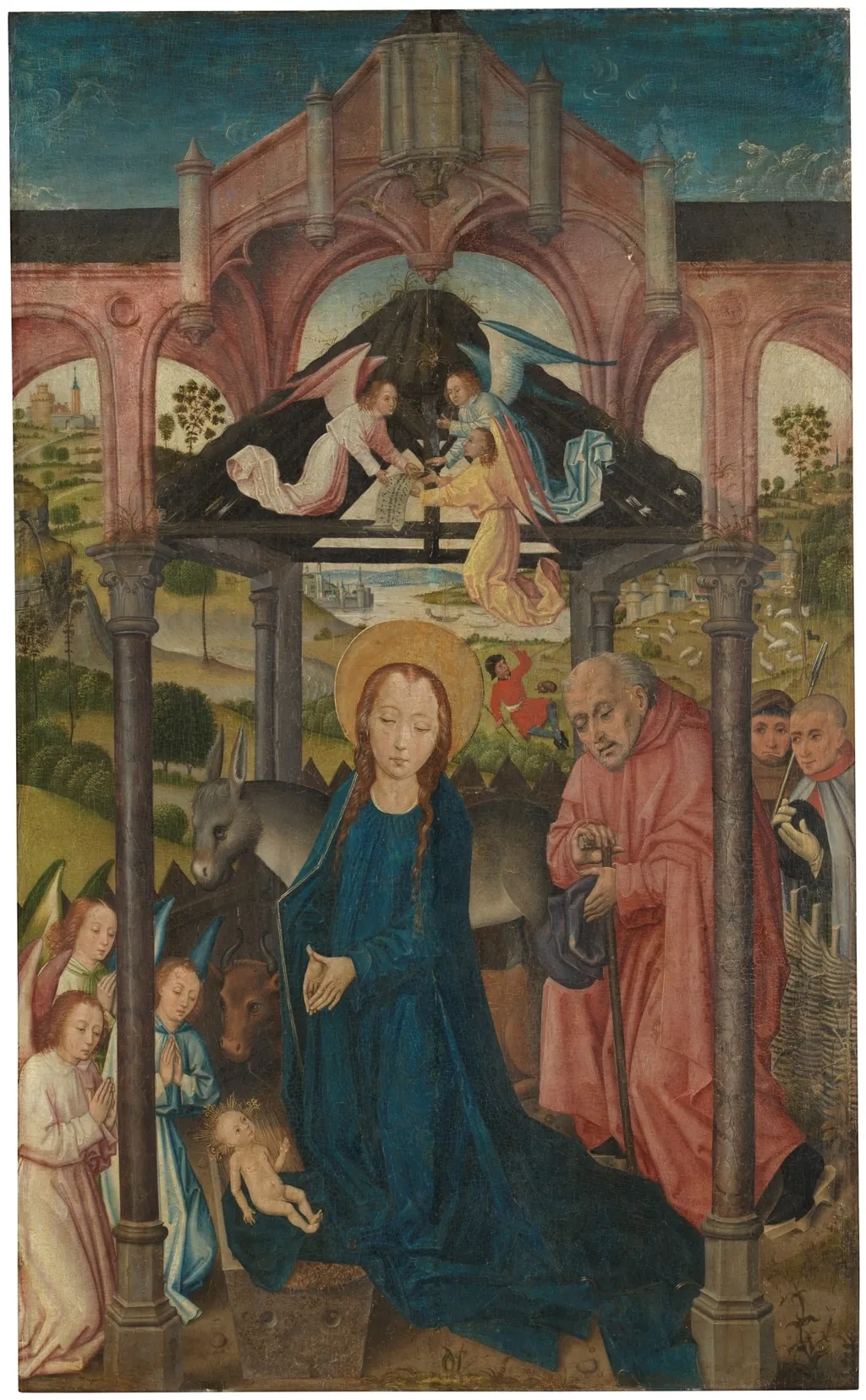
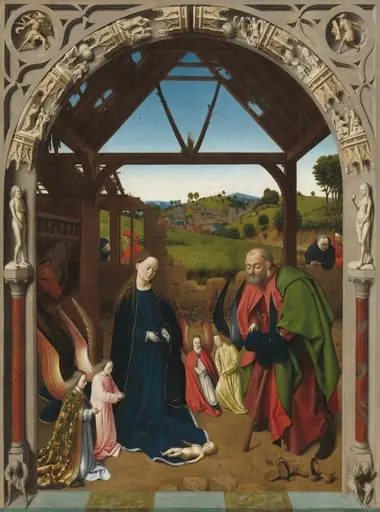
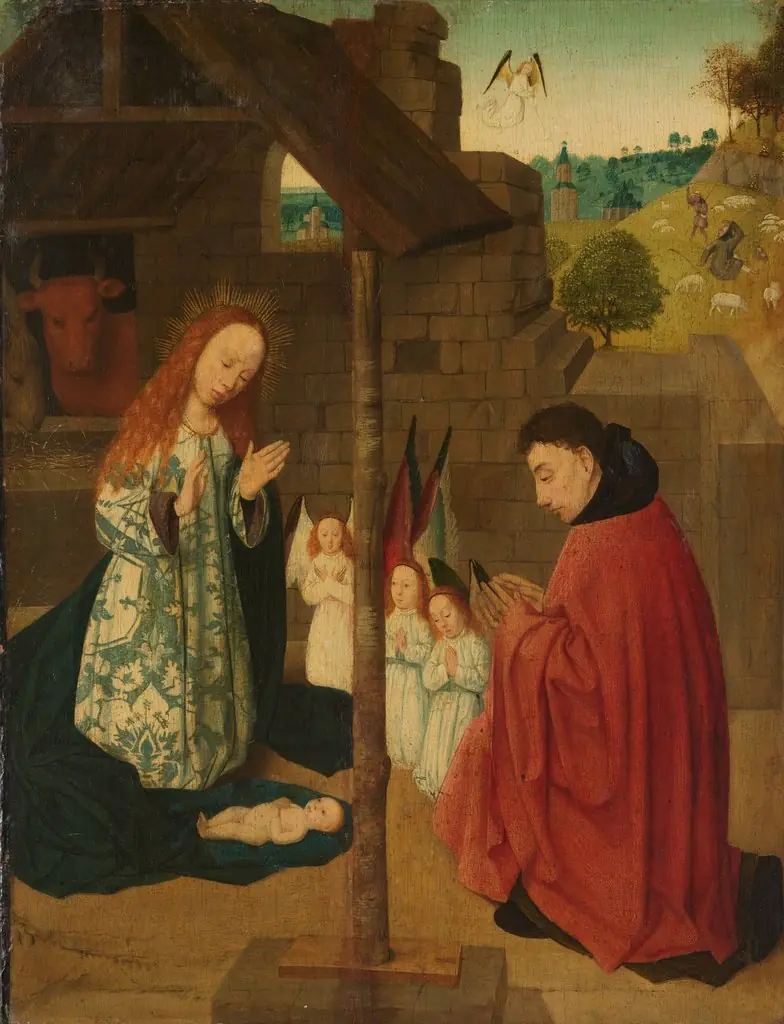
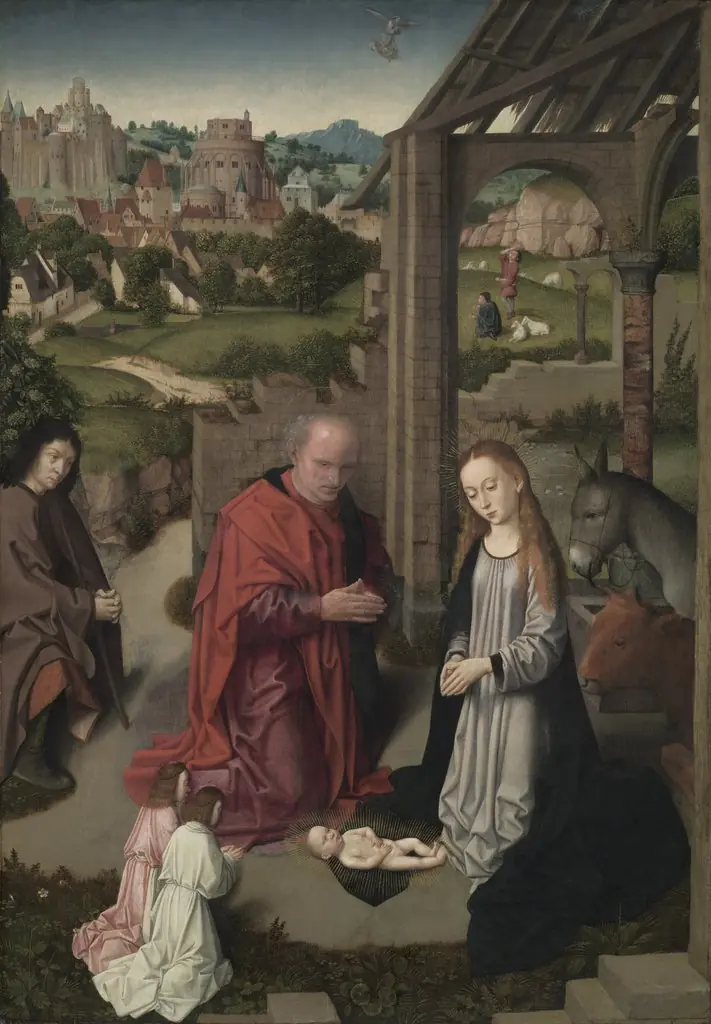
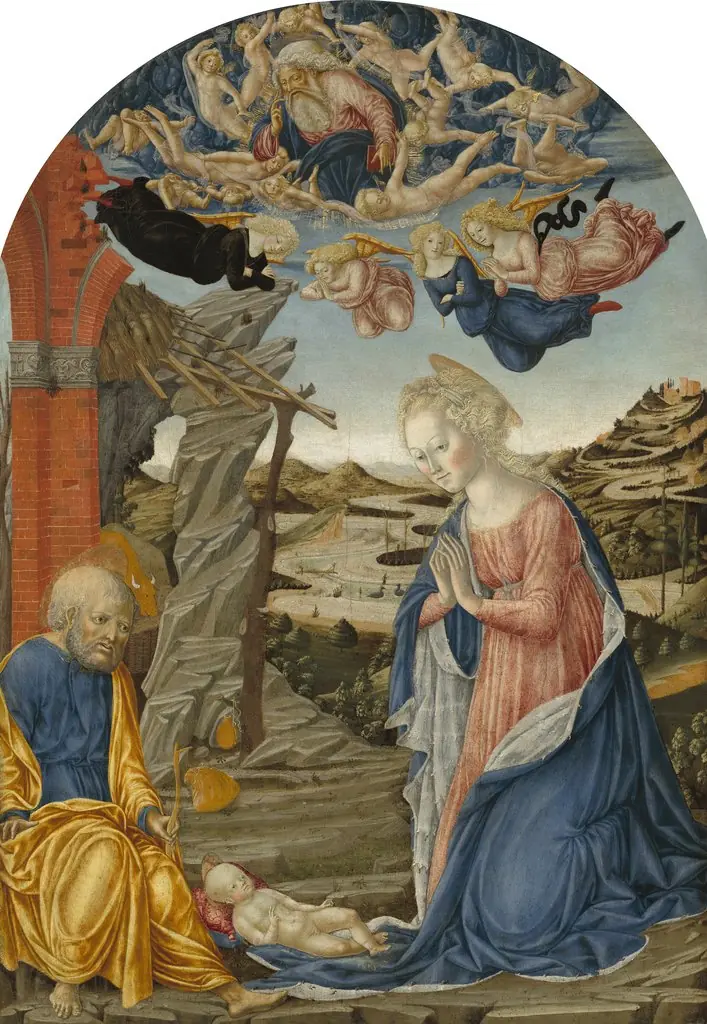
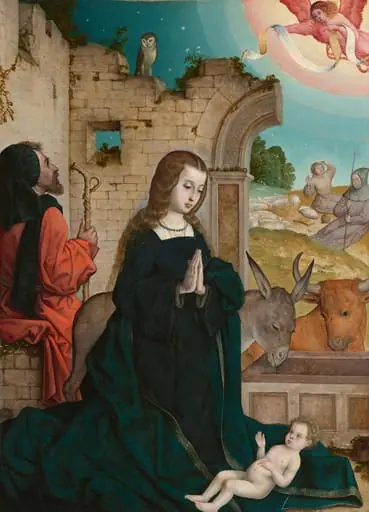
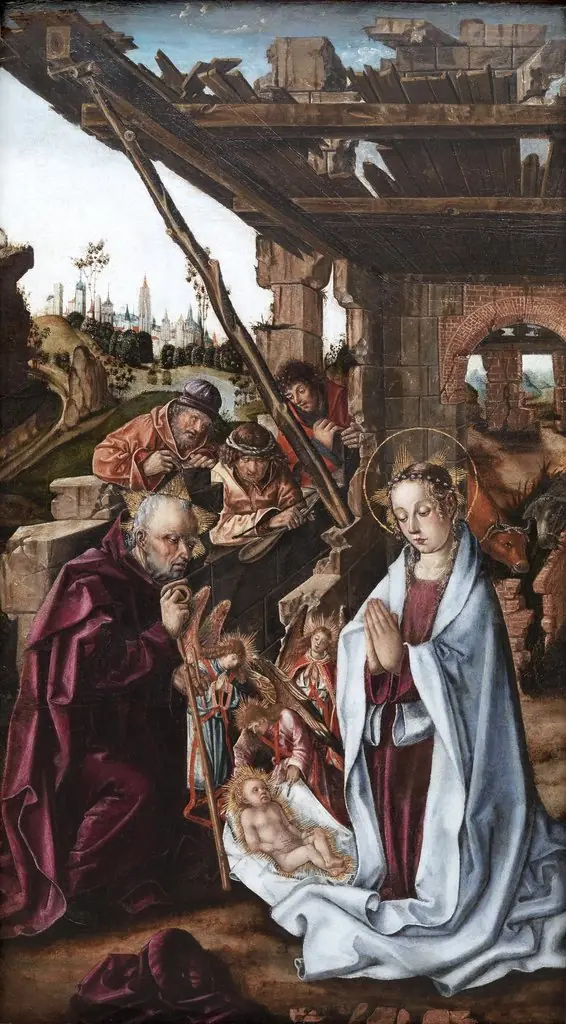
The Nativity is an oil painting by the Northern Renaissance artist Master of Sopetrán. It dates from 1470 and is held in the collection of the Museo del Prado.
About this work
Overview
Created around 1470, this oil painting attributed to the Master of Sopetrán portrays the Nativity scene. The work is part of the collection at the Museo del Prado and presents a nocturnal setting in which the infant Christ is presented under a stone archway.
Subject & Meaning
At the composition's centre, a woman in a blue robe—identified by a golden halo as the Virgin—holds the newborn wrapped in cloth. Three angels hover above, one offering a swaddling cloth, underscoring the divine nature of the birth. An elderly man in red kneels nearby, while a donkey and cow stand beside a basket, reinforcing traditional iconography of the stable.
Technique & Style
The painter employs a luminous palette, applying bright pigments that retain a calm, solemn expression on the figures' faces. The use of glazing—a thin, translucent layer of paint—enhances the glow of colors, especially in the night sky and the halo, creating depth and a subtle radiance across the scene.
Context
The composition reflects late‑15th‑century Spanish devotional art, where intimate, night‑time renditions of biblical episodes were common. The inclusion of a town with towers and a river in the background situates the holy event within a recognizable landscape, linking the sacred narrative to contemporary viewers.
History & Provenance
Since its creation, the painting has remained in Spain and is now housed in the Museo del Prado, where it is displayed as part of the museum's collection of early Renaissance religious works.
Artist & collection
Artist
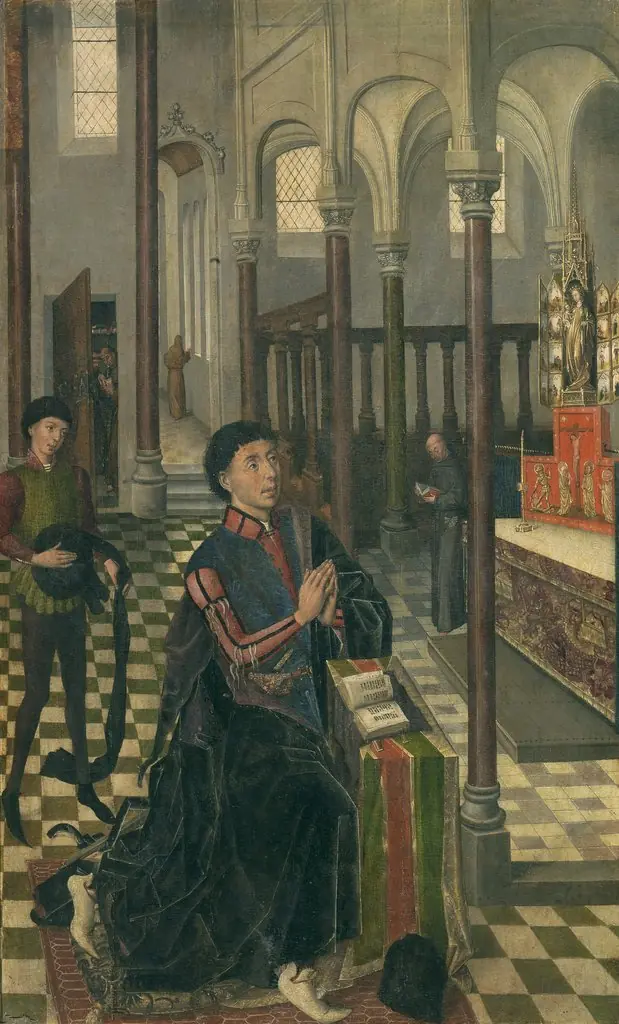
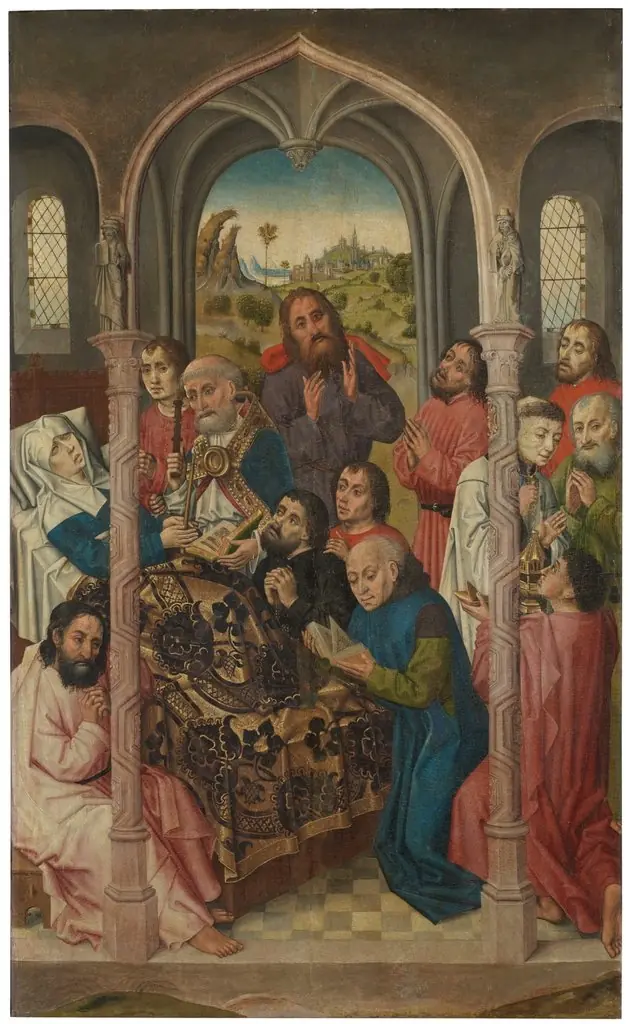
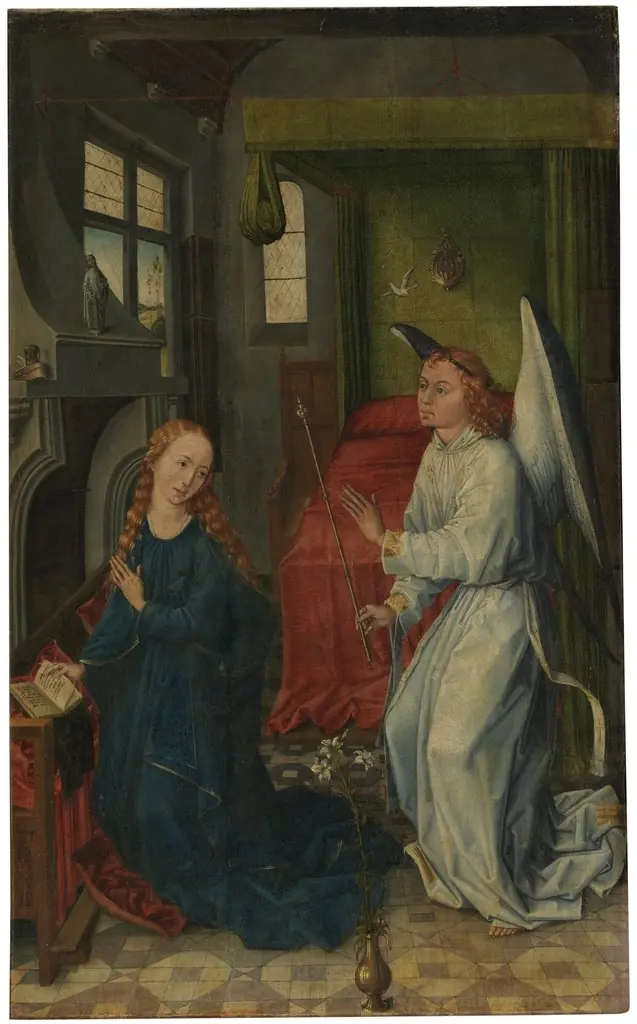
A Spanish painter from the late 1400s, the Master of Sopetrán left behind quiet, balanced scenes like *The Annunciation* and *The Death of the Virgin*, both glowing with oil paint on panel.