Artwork
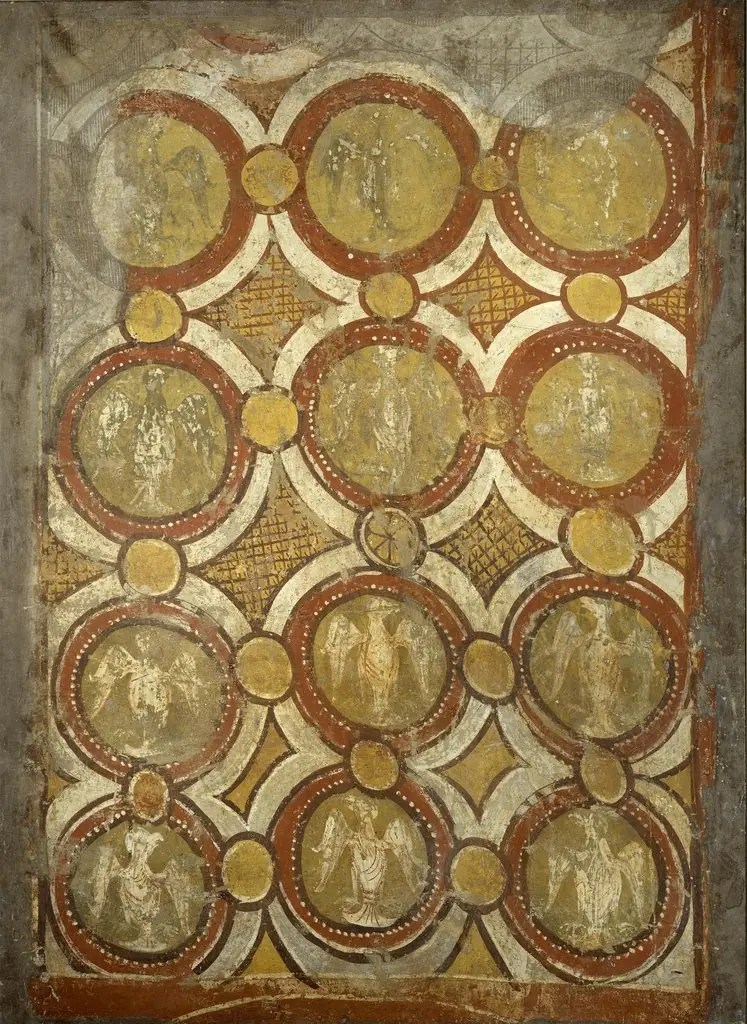
Peacocks drinking from a chalice from Santa Maria de Taüll
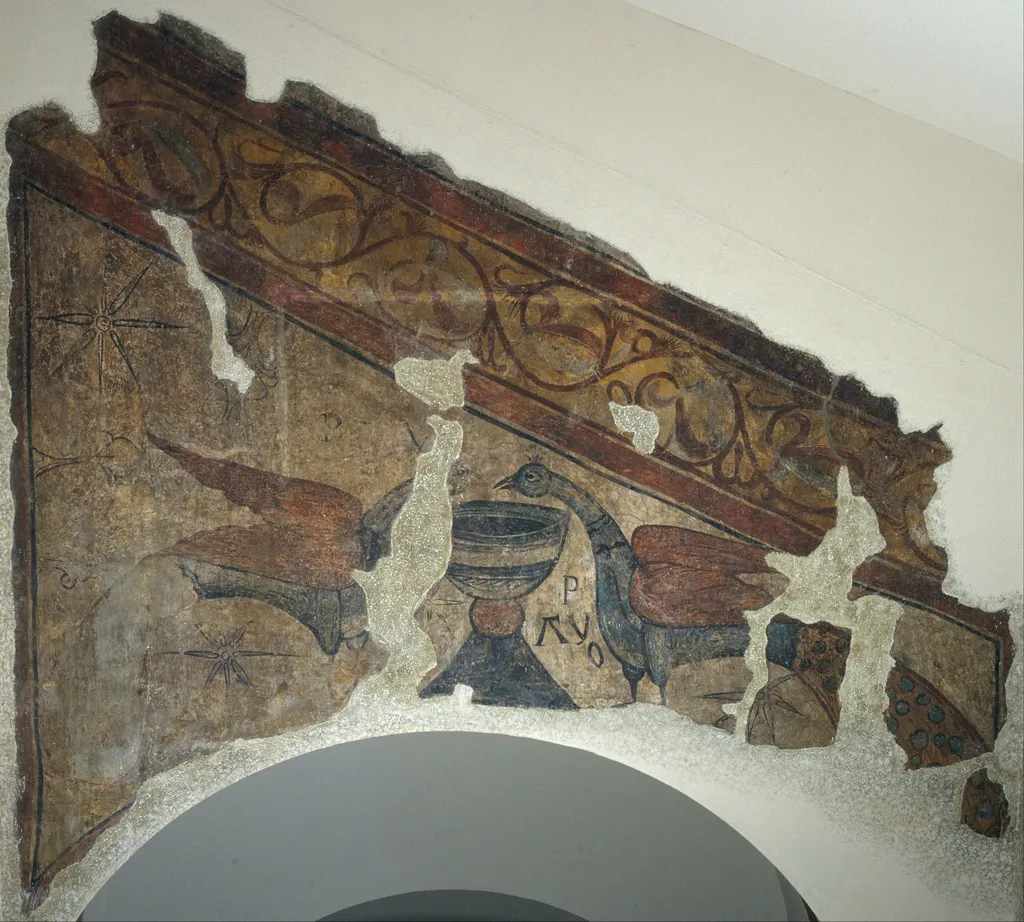
Peacocks drinking from a chalice from Santa Maria de Taüll is an unspecified painting by the Byzantine icon painting artist Master of Taüll. It dates from 1123 and is held in the collection of the Museu Nacional d'Art de Catalunya. This 12th-century panel painting originates from the apse of Santa Maria de Taüll, a Romanesque church in the Catalan Pyrenees.
About this work
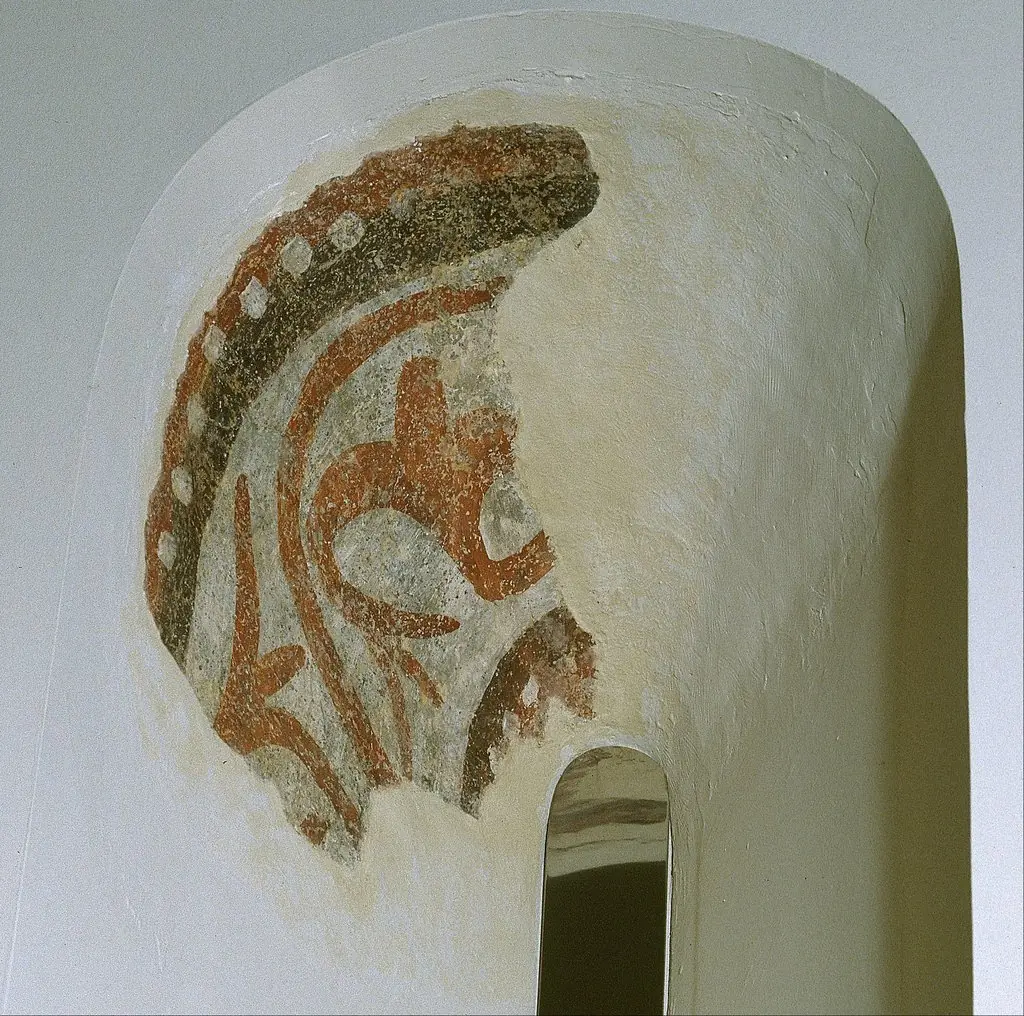
The peacocks are depicted in different poses, some with their heads bent down to drink, while others look up or to the side.
This painting shows a scene with peacocks and a chalice. The peacocks are drinking from the chalice, and there are other objects around them. The colors are muted, with shades of brown and gray.
The painting has a lot of detail, with intricate designs on the chalice and the peacocks' feathers. The peacocks are depicted in different poses, some with their heads bent down to drink, while others look up or to the side.
The painting is quite old, from the 12th century, and it's held at the Museu Nacional d'Art de Catalunya. If you want to learn more about the artist who created this work, you can look up Master of Taüll.
Overview
This 12th-century panel painting originates from the apse of Santa Maria de Taüll, a Romanesque church in the Catalan Pyrenees. Created around 1123 by an anonymous artist known as the Master of Taüll, it was part of a larger devotional cycle. The work was later removed and transferred to canvas for preservation, now housed in the Museu Nacional d'Art de Catalunya in Barcelona.
Subject & Meaning
The image depicts peacocks drinking from a chalice, a symbolic reference to Christ’s eternal life and resurrection. In early Christian iconography, the peacock represented immortality due to the belief that its flesh did not decay. The chalice, likely alluding to the Eucharist, reinforces themes of divine grace and spiritual nourishment within the church’s sacred space.
Technique & Style
Executed in tempera on wood, the painting employs a flattened perspective and stylized forms typical of Romanesque art. Feathers and chalice details are rendered with meticulous line work, while the palette is restrained—dominated by earth tones of ochre, gray, and muted brown. The peacocks are arranged in varied postures, suggesting movement within a rigid, symbolic composition.
History & Provenance
The painting was originally part of the apse decoration in Santa Maria de Taüll, completed in 1123. In the early 20th century, as part of a broader effort to preserve deteriorating frescoes, the panel was detached and transferred to canvas. It was subsequently cataloged and conserved by the Museu Nacional d'Art de Catalunya, where it remains today as part of a significant Romanesque collection.
Context
This work belongs to a group of liturgical paintings produced in the Pyrenean region during the 12th century, often commissioned by local monastic communities. The imagery reflects theological themes common in Romanesque churches, where visual narratives served to instruct congregations. The presence of symbolic animals like the peacock aligns with broader medieval bestiaries and ecclesiastical teachings.
Legacy
As one of the best-preserved panels from the Master of Taüll’s workshop, it contributes to the understanding of Romanesque painting in Catalonia. Its survival and careful conservation have allowed scholars to study regional artistic practices and the transmission of symbolic motifs across medieval Europe. It remains a key example of religious iconography from a period of intense church building and spiritual renewal.
Artist & collection
Artist
A fresco painter from the 12th century, this anonymous artist decorated the walls of two small churches in a remote Catalan valley.

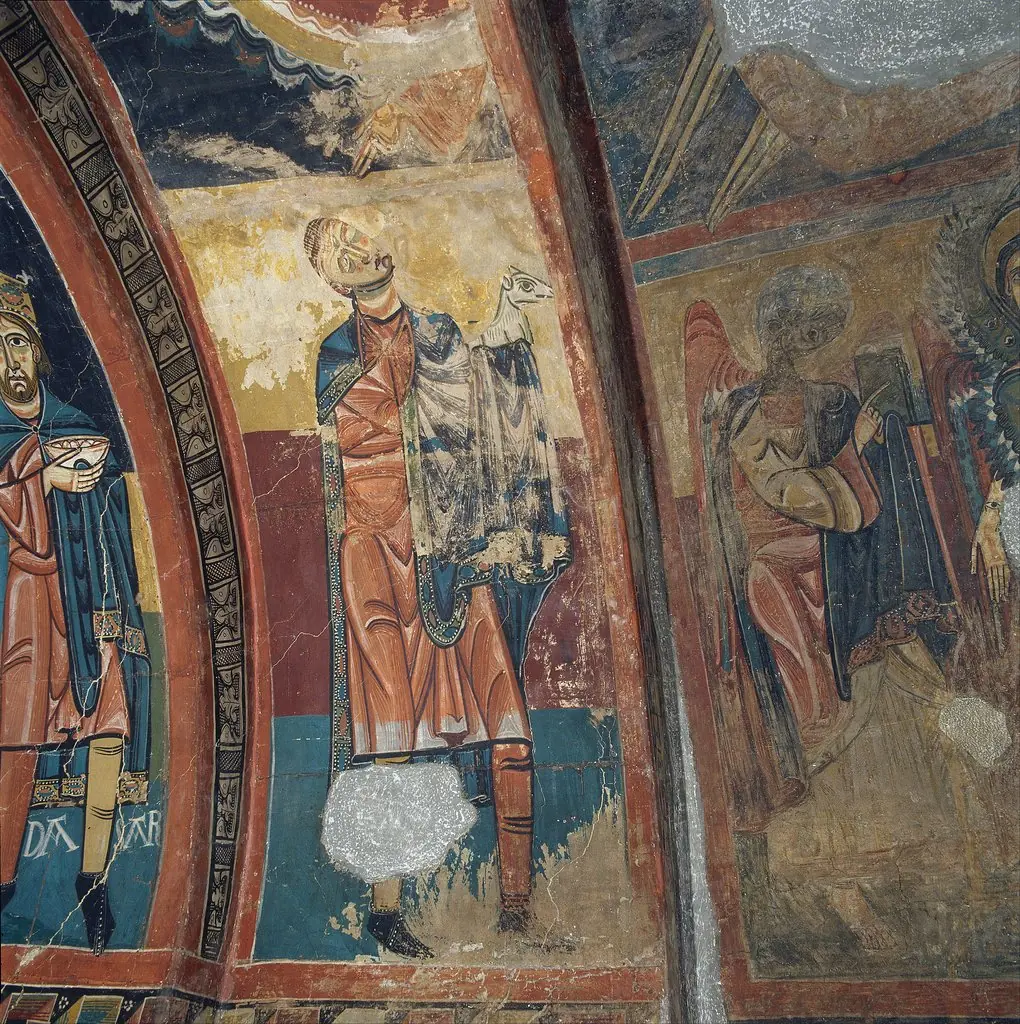 Arch of Abel's Offering from Santa Maria de Taüll
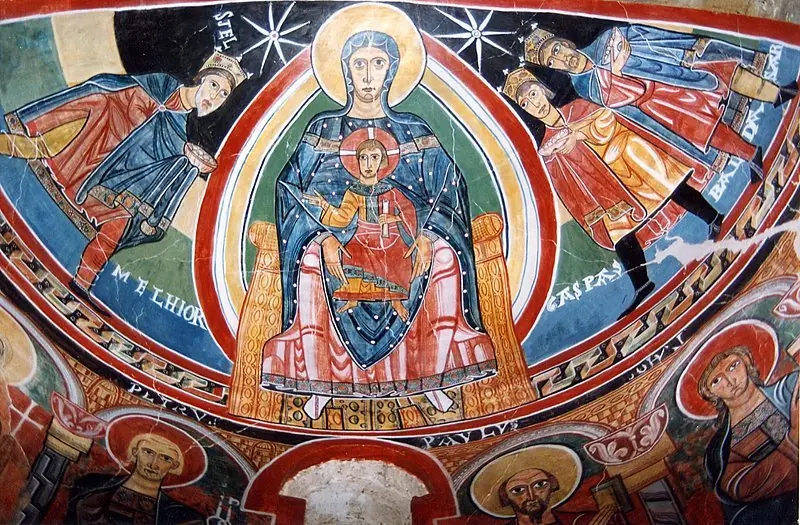 Apse of Santa Maria de Taüll
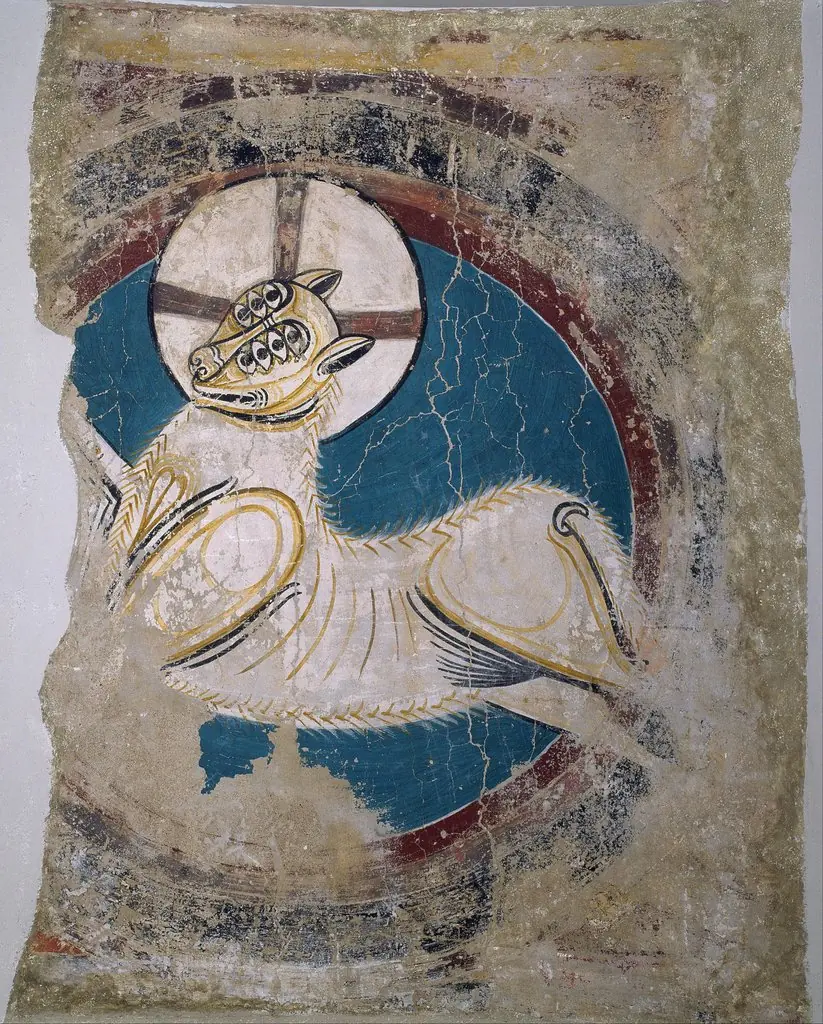 Arch of the Apocalyptic Lamb from Sant Climent de Taüll
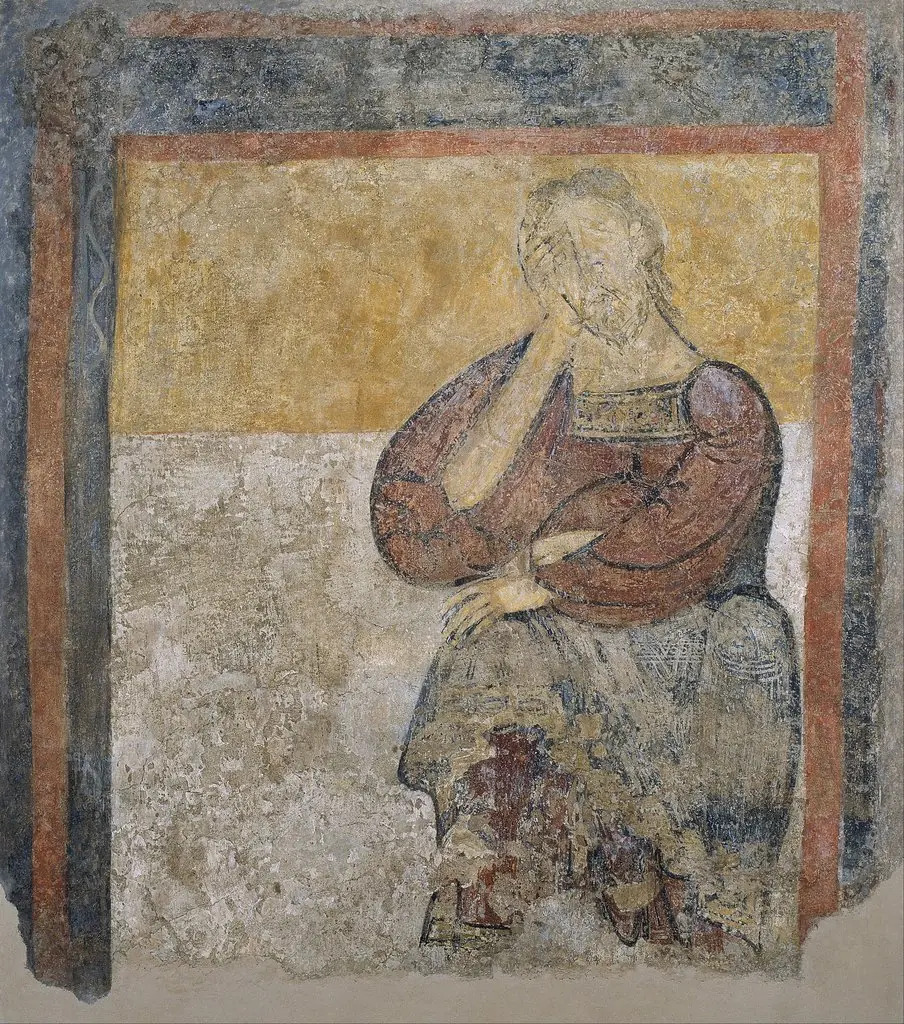 Distressed man from Sant Climent de Taüll
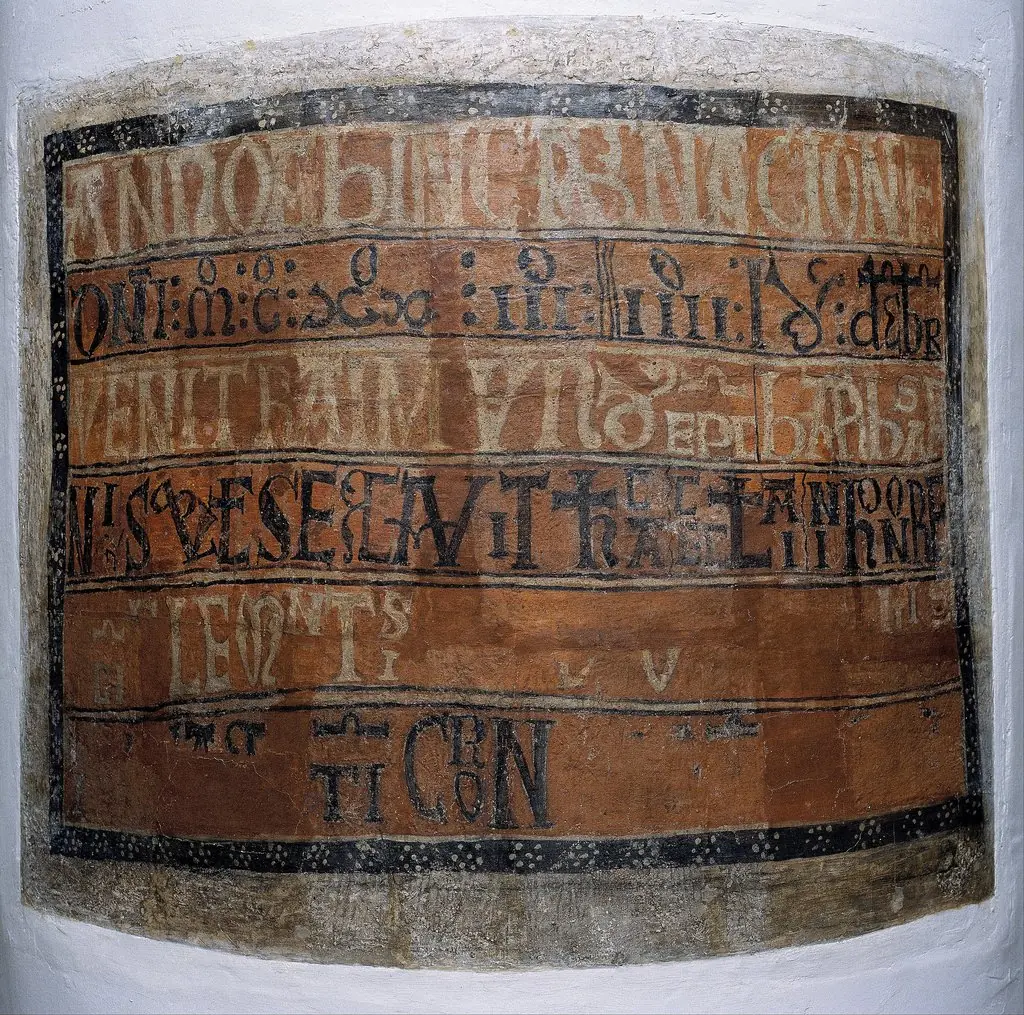 Consecration inscription from Sant Climent de Taüll
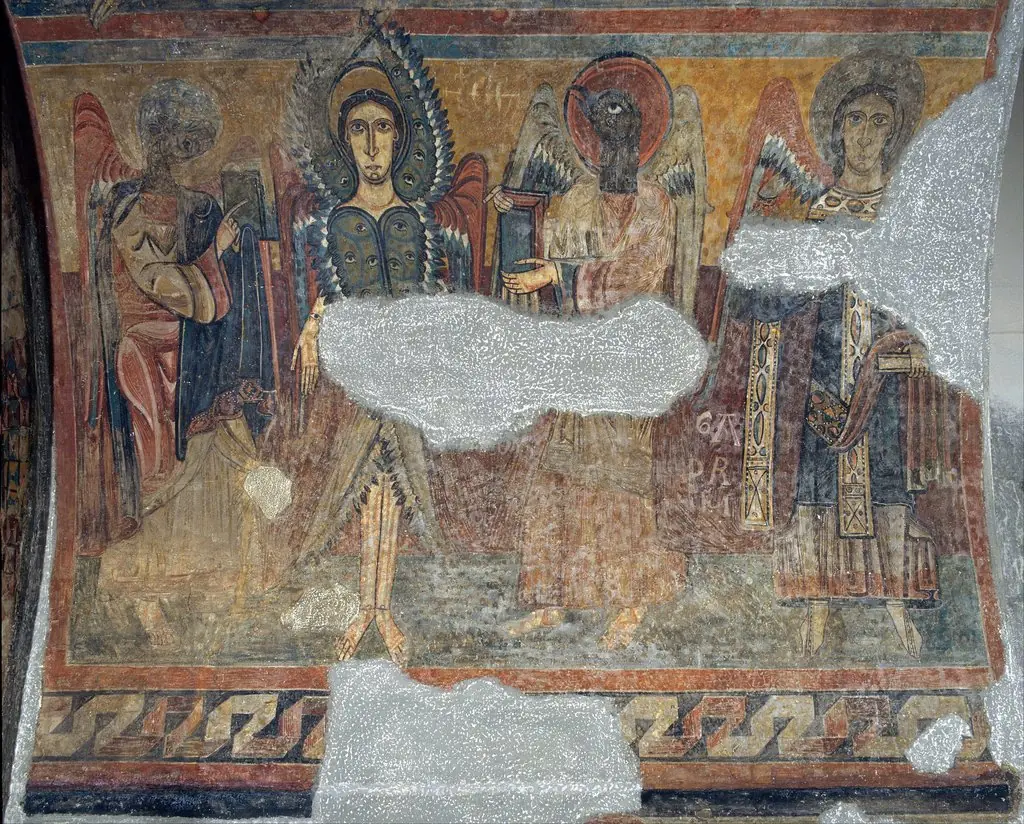 Arch of the Tetramorph with Seraph and Archangel from Santa Maria de Taüll
 Capital and seated layman from Santa Maria de Taüll
 Remains of a figure from Santa Maria de Taüll