Artwork
The Day of Judgement from Santa Maria de Taüll
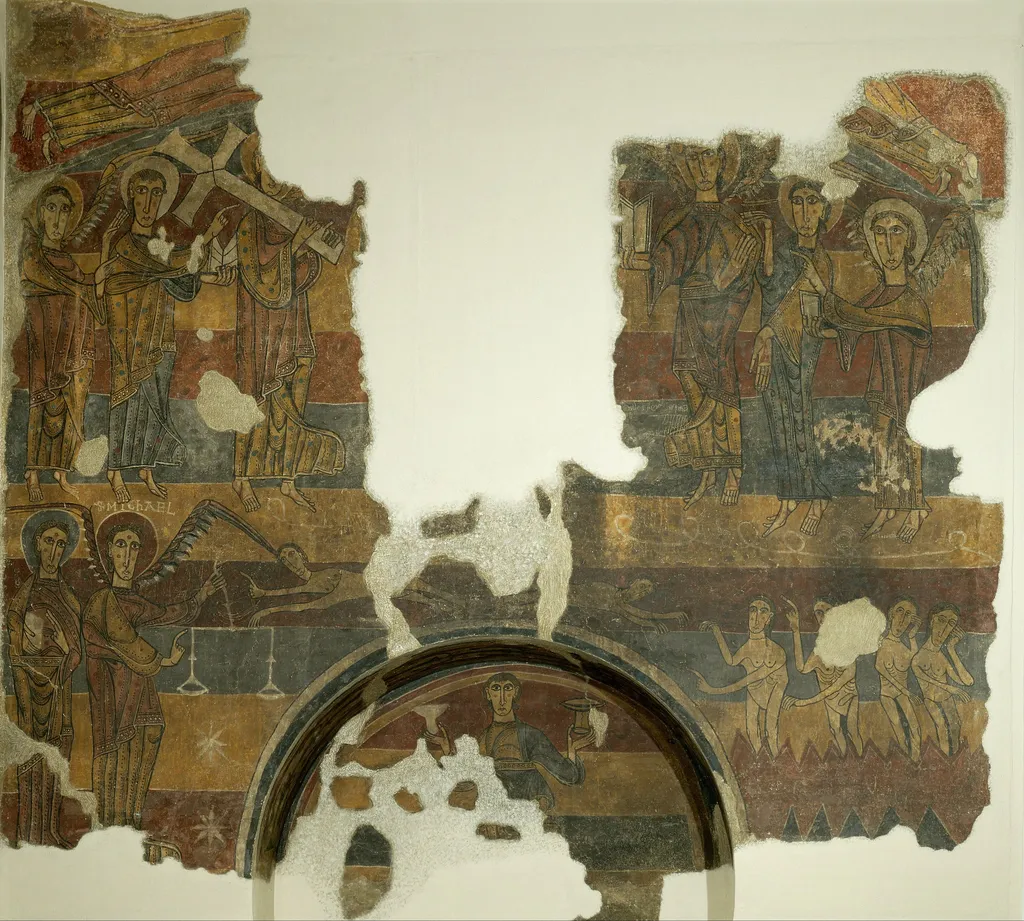
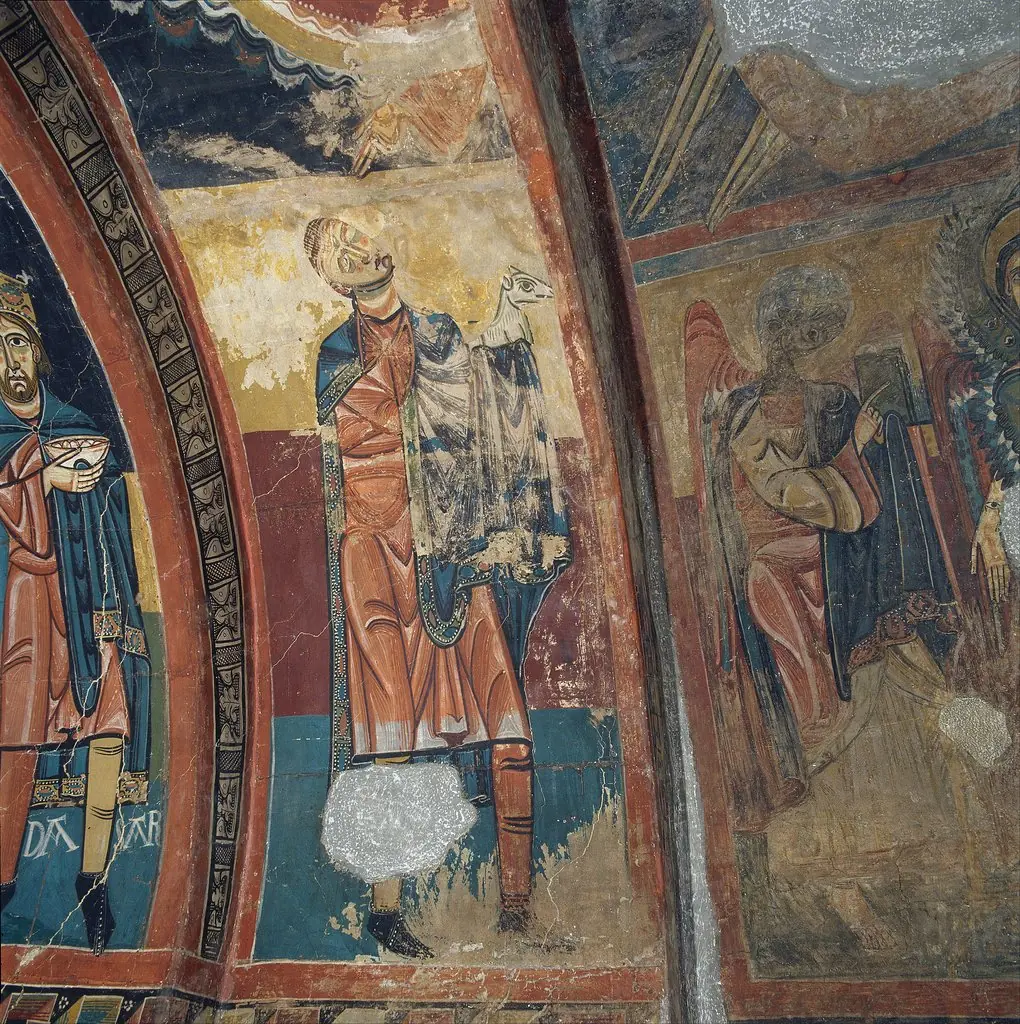
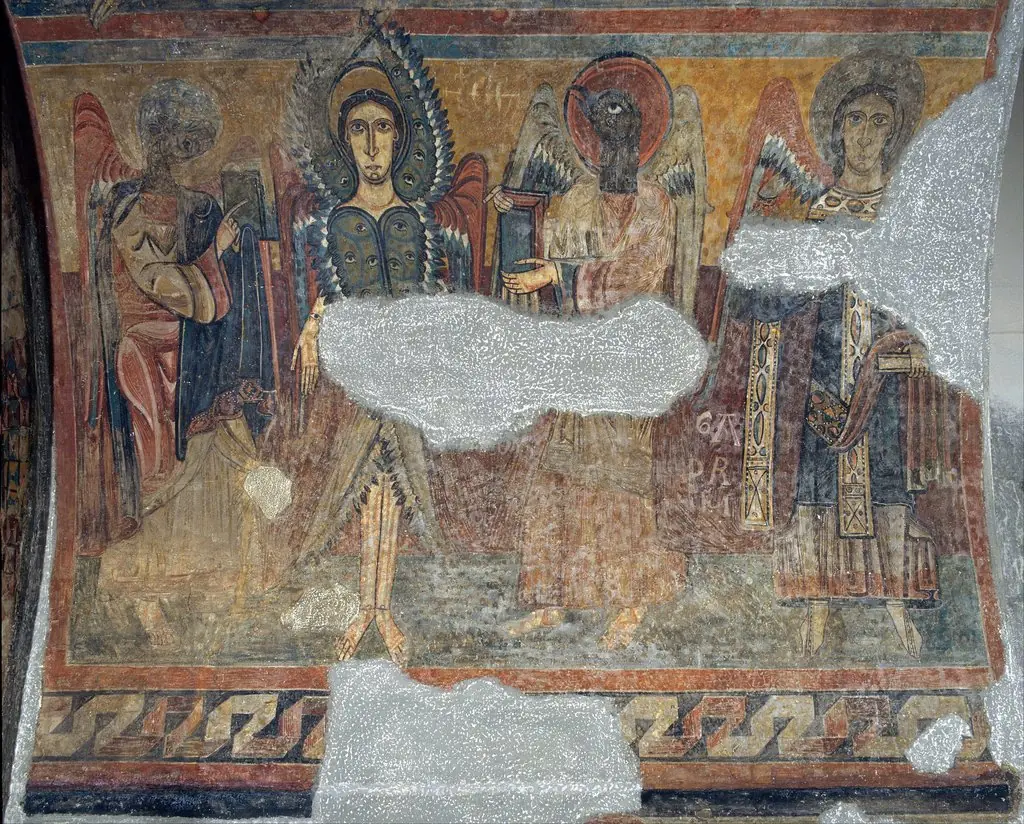
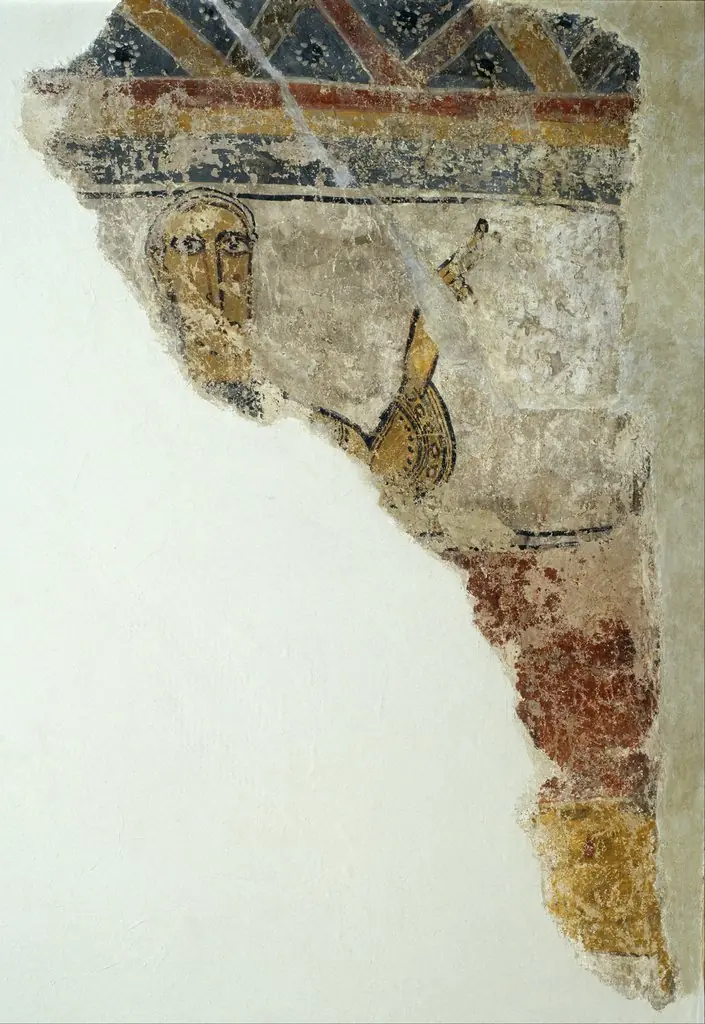
The Day of Judgement from Santa Maria de Taüll is an unspecified painting by the Byzantine icon painting artist Master of the Day of Judgement. It dates from 1123 and is held in the collection of the Museu Nacional d'Art de Catalunya. This fragmentary fresco once formed part of the apse decoration in the church of Santa Maria de Taüll, dated to around 1123.
About this work
Overview
The work is now housed in the Museu Nacional d'Art de Catalunya, where it is preserved as a key example of early 12th-century Catalan religious art.
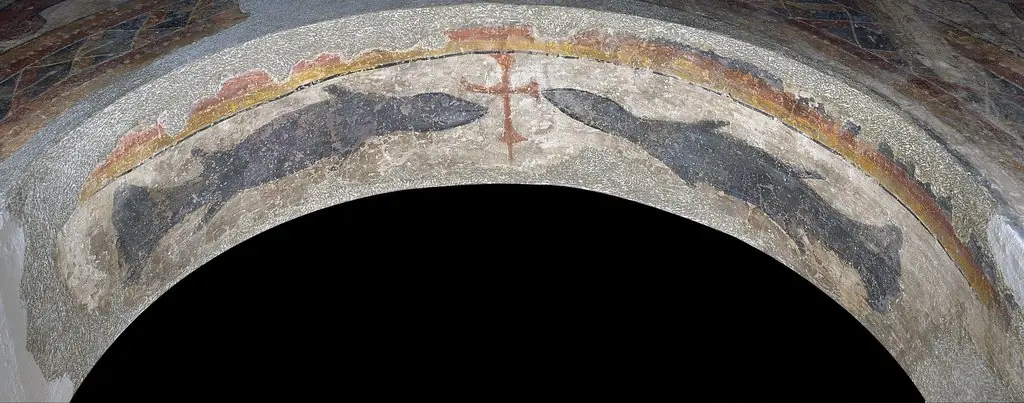
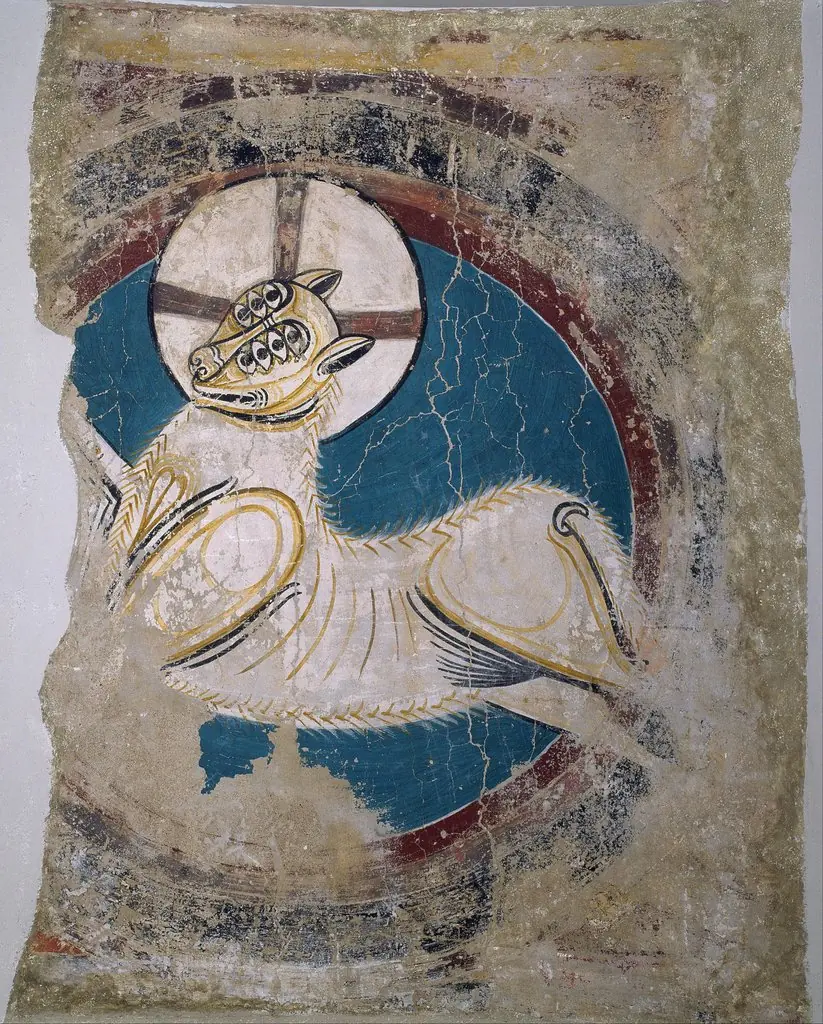
This fragmentary fresco once formed part of the apse decoration in the church of Santa Maria de Taüll, dated to around 1123. Only portions of the original composition survive, with a central section lost. The remaining fragments depict figures arranged in a hierarchical, symbolic layout typical of Romanesque church interiors. The work is now housed in the Museu Nacional d'Art de Catalunya, where it is preserved as a key example of early 12th-century Catalan religious art.
Subject & Meaning
The scene illustrates the Last Judgment, a common theme in medieval ecclesiastical art meant to convey divine justice and the fate of souls. Figures are arranged to suggest separation between the saved and the damned, though much of the narrative is now incomplete. The central archway, with a figure holding a cup and gazing upward, may represent Christ in judgment or an angel receiving souls, reinforcing the theological message of divine evaluation and spiritual consequence.
Technique & Style
Executed in fresco, the painting employs a restrained palette of earth tones—ochres, umbers, and muted reds—typical of Romanesque mural traditions. Forms are simplified, with figures rendered in flat planes and minimal modeling. Outlines are strong, and spatial depth is suggested through layered composition rather than perspective. Decorative geometric motifs frame the archway, reflecting the period’s emphasis on symbolic order over naturalism.
History & Provenance
The fresco was originally part of the apse wall in the rural church of Santa Maria de Taüll in the Pyrenees. In the 1920s, as part of a broader effort to preserve deteriorating murals, the fragments were carefully detached and transferred to canvas. They were later moved to the Museu Nacional d'Art de Catalunya in Barcelona, where they are displayed alongside other Romanesque works from the region, ensuring their survival and scholarly accessibility.
Context
Created during a period of monastic reform and heightened religious devotion in Catalonia, the fresco reflects the influence of broader Romanesque visual programs across southern Europe. Its placement above the altar served a didactic function, reinforcing doctrine for a largely illiterate congregation. Similar apse compositions appear in nearby churches, indicating shared artistic conventions and liturgical priorities among regional builders and painters.
Legacy
Though incomplete, the fragment remains a vital witness to the visual language of early medieval Catalonia. It informs current understanding of how religious narratives were communicated through mural painting before the advent of Gothic naturalism. Its preservation has enabled comparative studies with other Romanesque works, anchoring the region’s artistic identity within the wider European tradition of sacred imagery.
Artist & collection
Artist
Master of the Day of Judgement
This anonymous painter from medieval Spain decorated the walls of Santa Maria de Taüll with bold, flat figures and patterned designs.

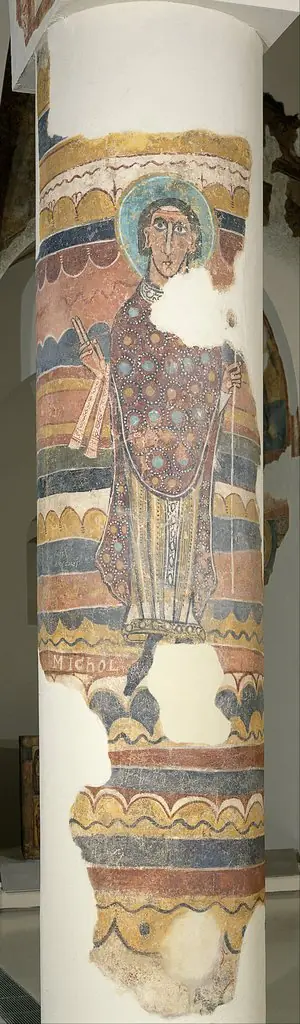 Saint Nicholas from Santa Maria de Taüll
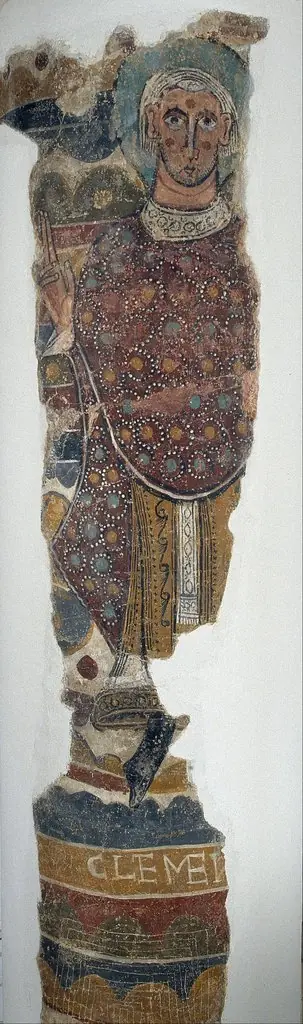 Saint Clement from Santa Maria de Taüll
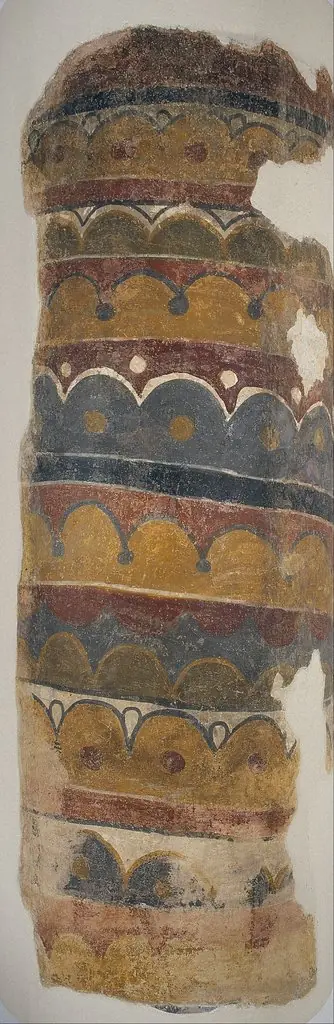 Decorated shaft from Santa Maria de Taüll
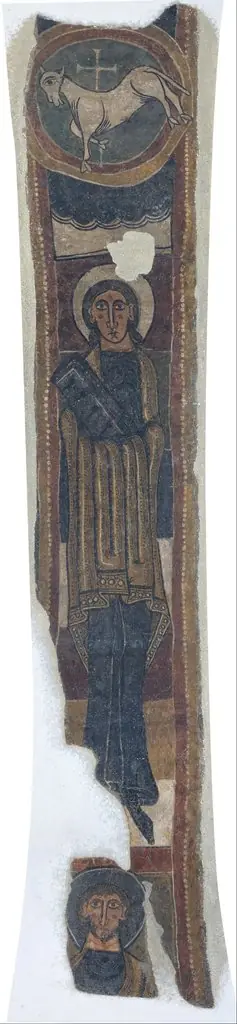 Lamb of God and saints from Santa Maria de Taüll
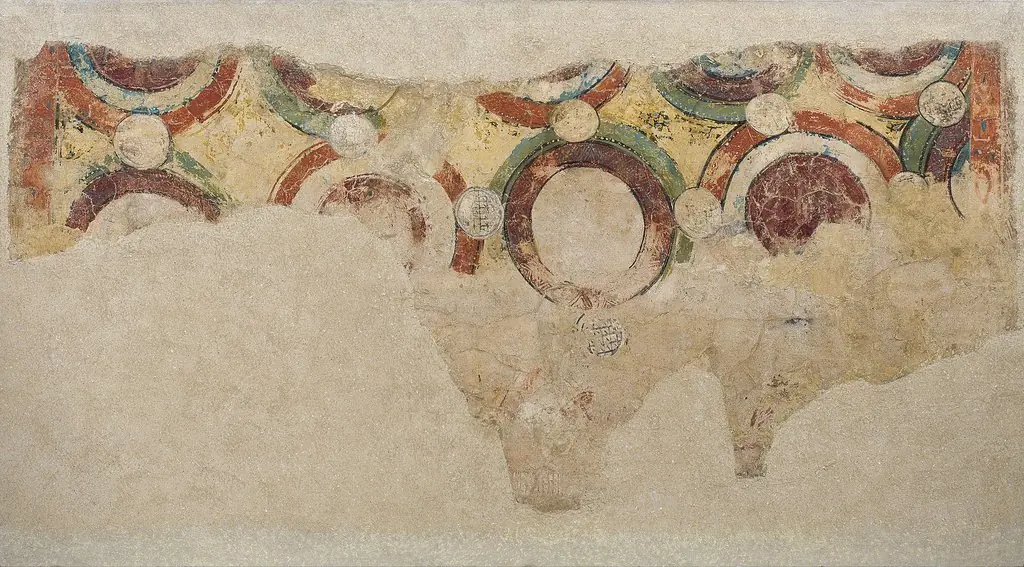 Altar of Santa Maria de Taüll
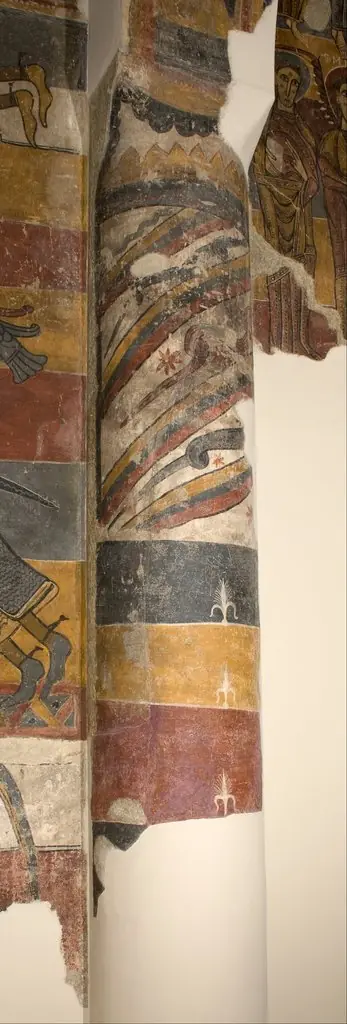 Decorated shaft and capital from Santa Maria de Taüll
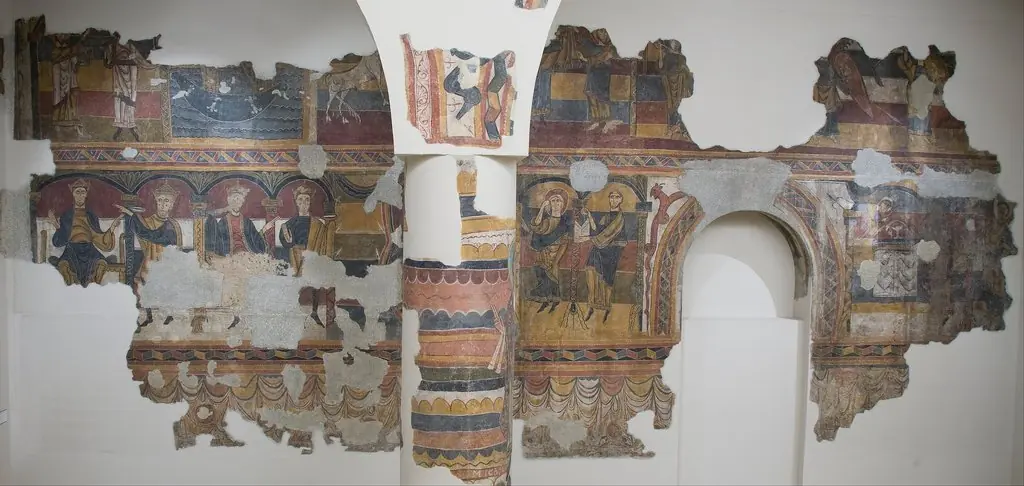 Biblical scenes from Santa Maria de Taüll
 Remains of a figure from Santa Maria de Taüll