Artwork
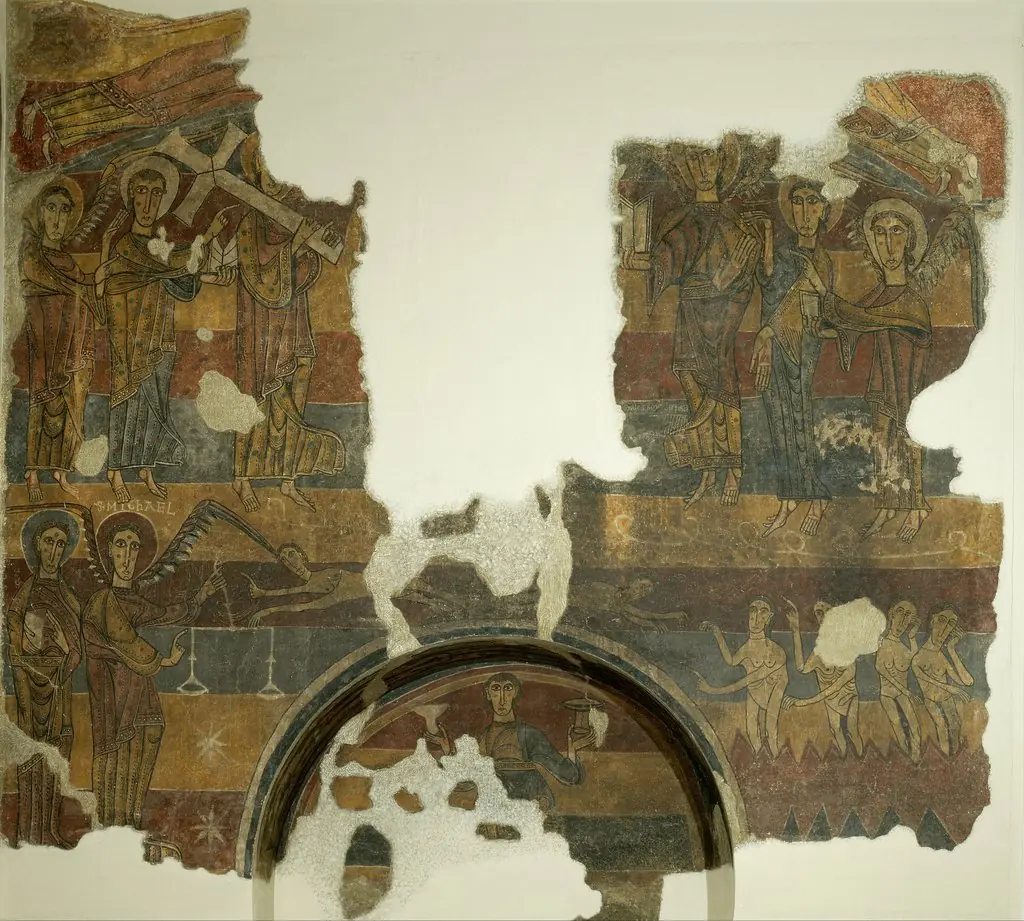
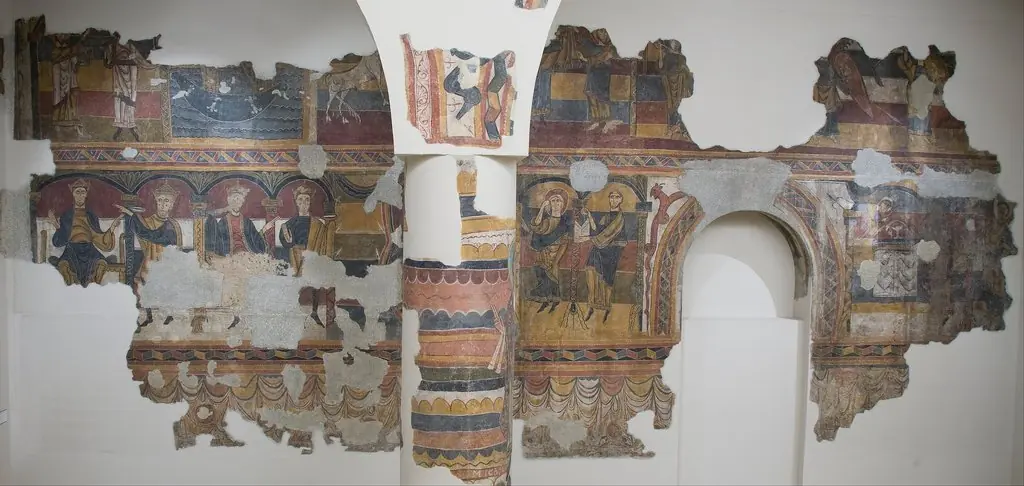
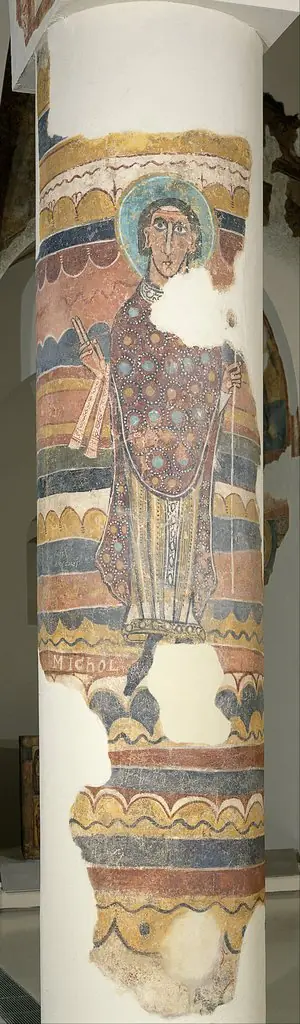
Arch of Abel's Offering from Santa Maria de Taüll
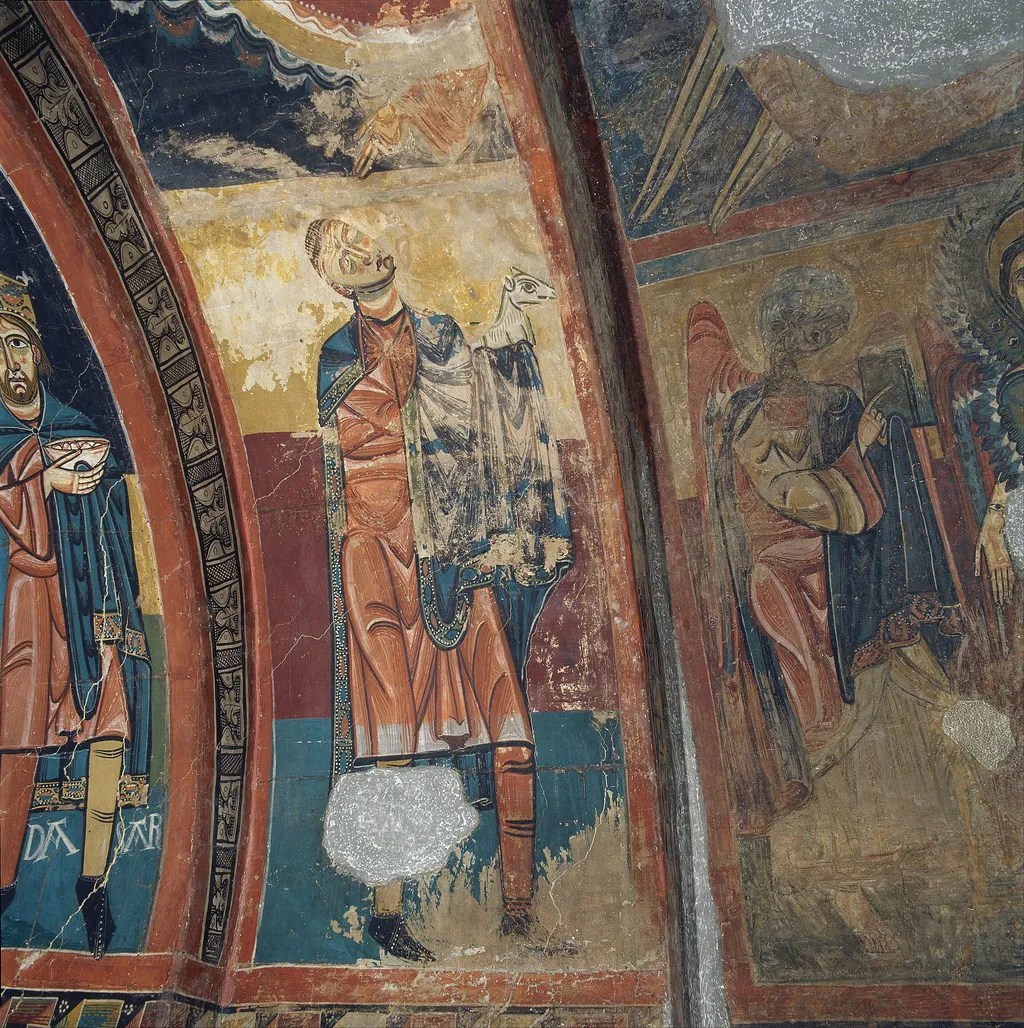
Arch of Abel's Offering from Santa Maria de Taüll is an unspecified painting by Master of Taüll. It dates from 1123 and is held in the collection of the Museu Nacional d'Art de Catalunya.
About this work
If you want to learn more about this style of painting, look up the technique of impasto.
This painting shows a scene with an arch and a figure in the center. The figure is wearing a robe and has a halo around its head. There are also some animals and objects in the scene.
The painting has a lot of detail and color, with shades of blue, red, and gold. The arch is decorated with patterns and designs. The figure in the center seems to be the main focus of the painting.
The painting is very old, from the 12th century. It's held at the Museu Nacional d'Art de Catalunya. If you want to learn more about this style of painting, look up the technique of impasto.
Overview
The work known as the Arch of Abel’s Offering, executed in 1123, is a Romanesque panel painting attributed to the Master of Taüll. Rendered on a wooden support, it portrays a central figure beneath an elaborately patterned arch. The composition is dominated by vivid blues, reds and gold leaf, and the saintly figure is identified by a halo and liturgical vestments.
Subject & Meaning
The central figure represents Abel, the biblical shepherd‑offering his sacrifice. The arch frames the scene as a sacred space, while accompanying animals and symbolic objects reinforce the theme of piety and divine favor. The halo signals sanctity, and the overall iconography aligns with medieval teachings on the virtue of humble offerings.
Technique & Style
Executed in the Romanesque idiom, the panel employs tempera mixed with gold leaf, producing a luminous surface. The decorative arch features intricate interlaced patterns typical of Catalan workshop design. Brushwork is precise, with a flat modeling of forms and a limited but striking palette that emphasizes spiritual narrative over naturalistic detail.
History & Provenance
Created in the early twelfth century for the church of Santa Maria de Taüll, the panel remained in situ until the twentieth century when it entered the collection of the Museu Nacional d’Art de Catalunya. Its relocation reflects broader efforts to preserve Romanesque art from the Pyrenean valleys for public study and conservation.
Context
The painting belongs to a series of frescoes and panels that once adorned the apse of Santa Maria de Taüll, a key example of Catalan Romanesque architecture. The work illustrates the regional synthesis of liturgical art and local artistic traditions, serving both devotional and didactic functions within the monastic setting.
Artist & collection
Artist
A fresco painter from the 12th century, this anonymous artist decorated the walls of two small churches in a remote Catalan valley.

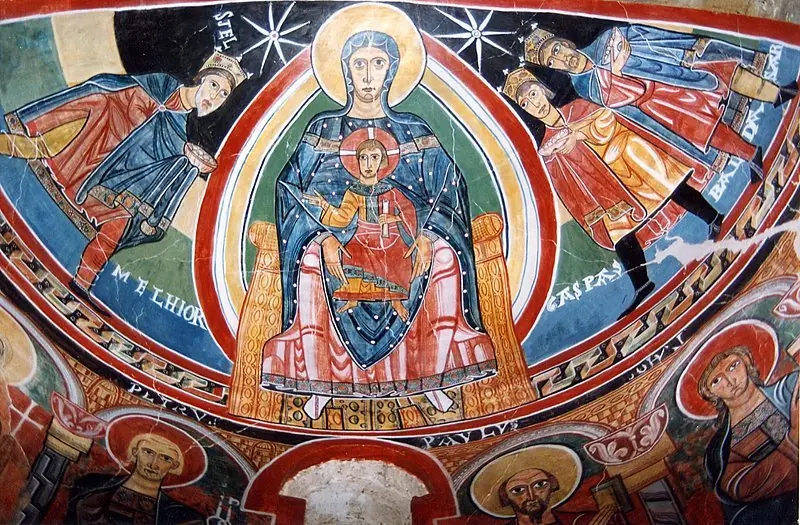 Apse of Santa Maria de Taüll
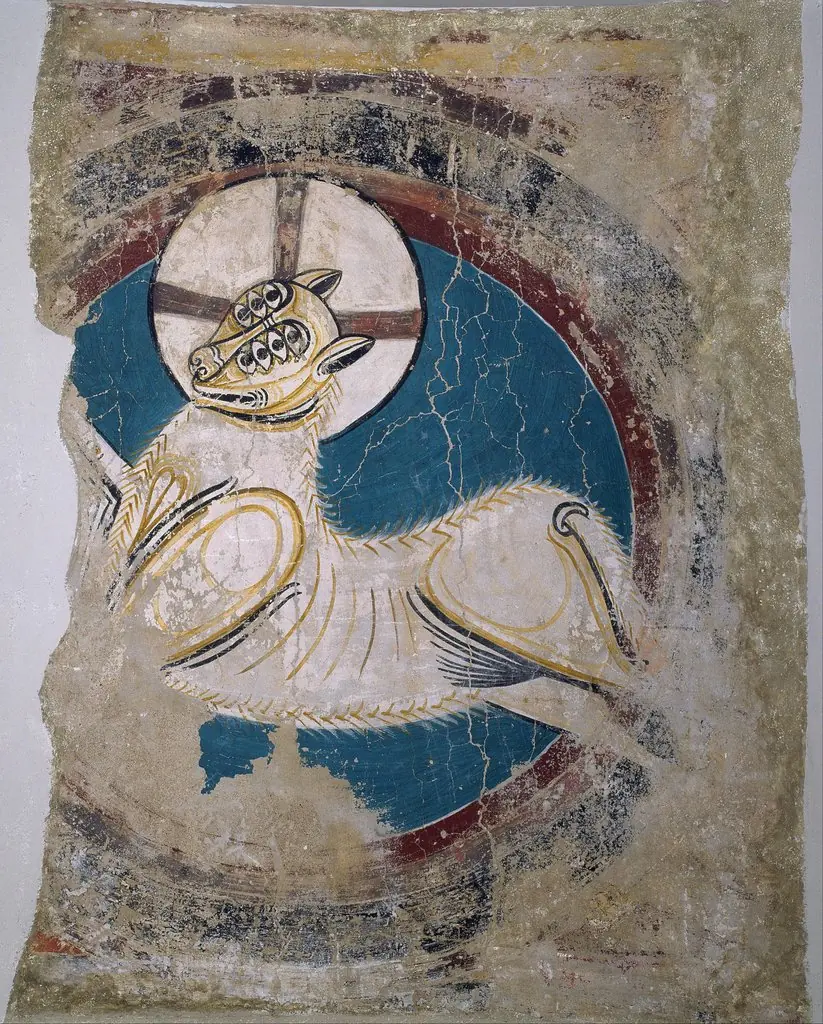 Arch of the Apocalyptic Lamb from Sant Climent de Taüll
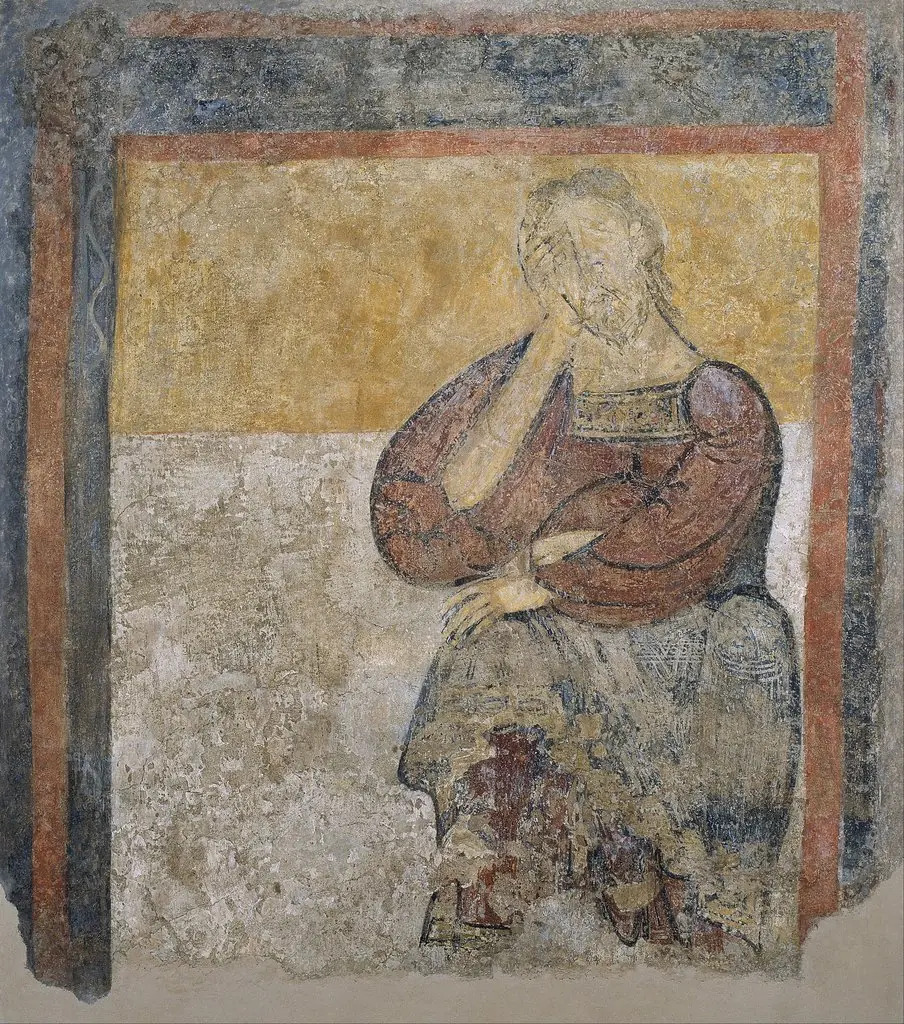 Distressed man from Sant Climent de Taüll
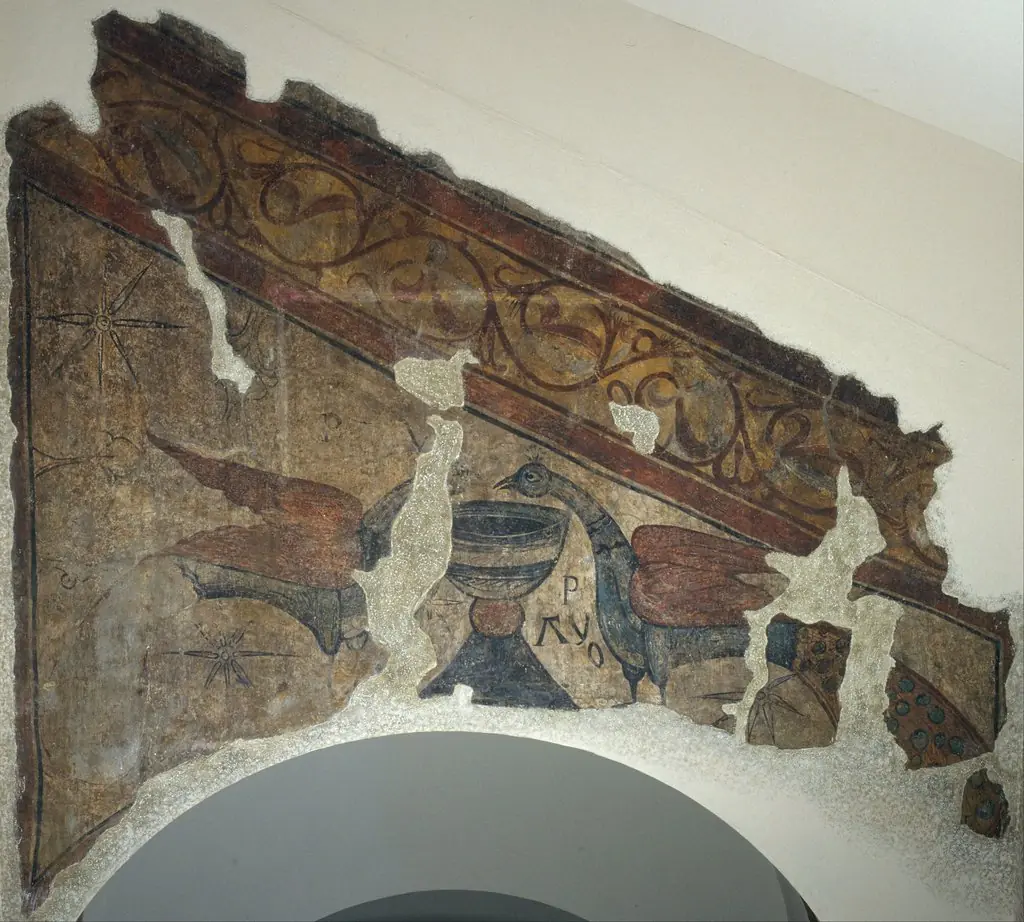 Peacocks drinking from a chalice from Santa Maria de Taüll
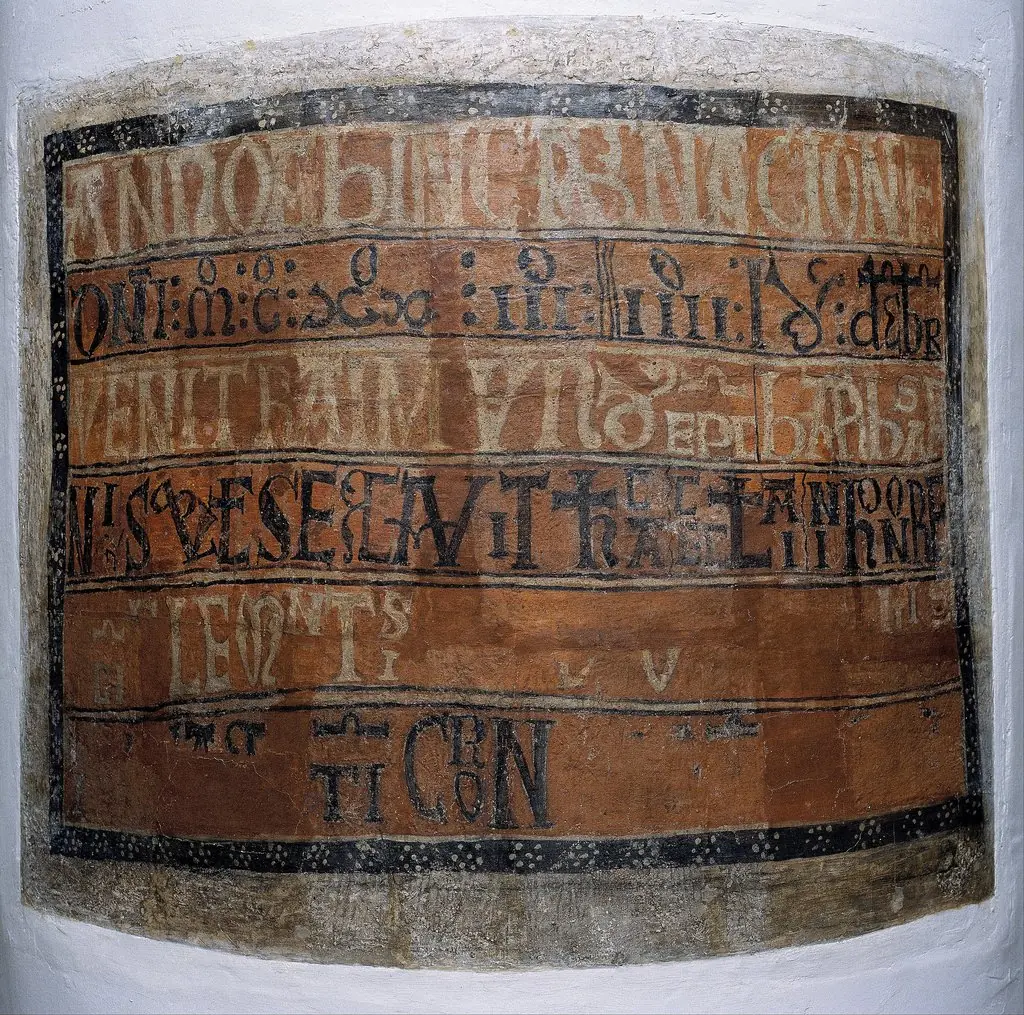 Consecration inscription from Sant Climent de Taüll
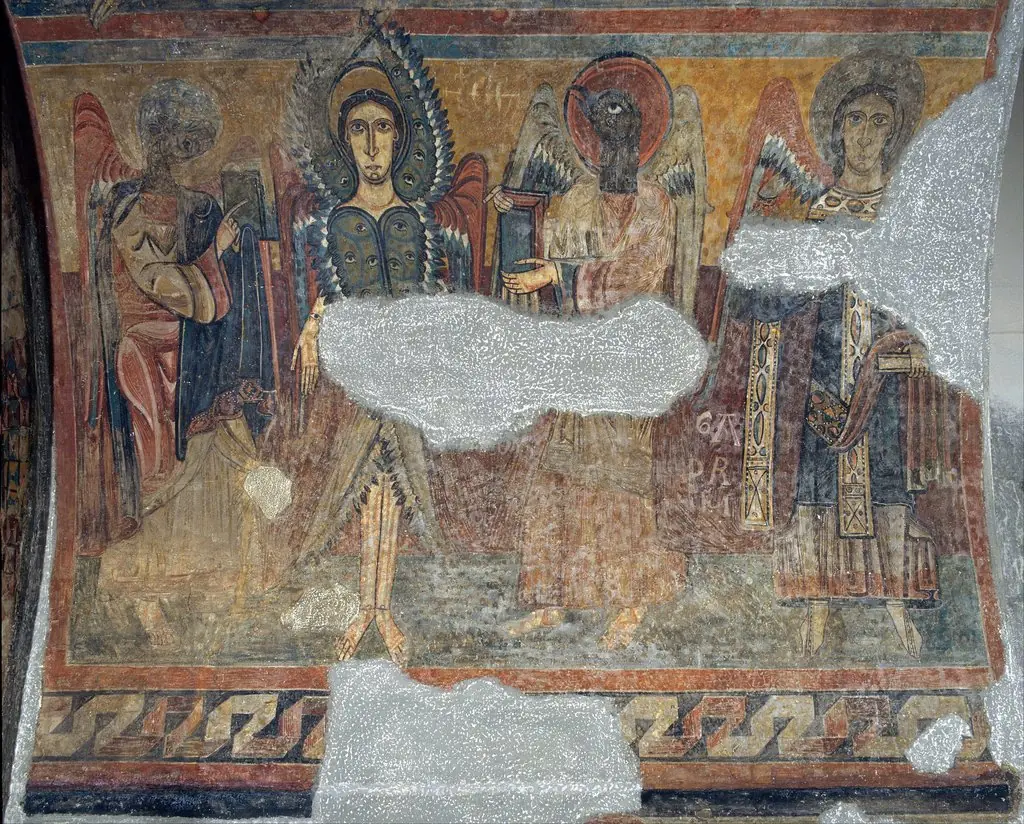 Arch of the Tetramorph with Seraph and Archangel from Santa Maria de Taüll
 Capital and seated layman from Santa Maria de Taüll
 Remains of a figure from Santa Maria de Taüll