Artwork
Personification of the Church (Ecclesia)
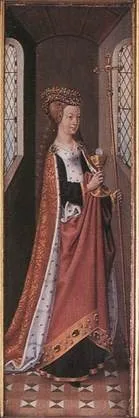
Personification of the Church (Ecclesia) is an oil painting by the Northern Renaissance artist Master of the Bruges Legend of St. Ursula. It dates from 1492 and is held in the collection of the Groeningemuseum.
About this work
Overview
Created in 1492, the oil painting titled *Personification of the Church (Ecclesia)* is attributed to the Master of the Bruges Legend of St. Ursula, a Flemish artist active during the fifteenth century. The work belongs to the Northern Renaissance tradition and is part of the Groeningemuseum’s collection.
Subject & Meaning
The composition presents an allegorical female figure representing the Church. She stands within an elaborately carved doorway, holding a chalice in her right hand and a staff in her left, symbols traditionally associated with the Eucharist and ecclesiastical authority. Her serene expression and downward gaze suggest contemplation and spiritual devotion.
Technique & Style
Executed in oil on panel, the painting demonstrates the Northern Renaissance’s attention to detail and mastery of light. The artist renders the woman’s richly patterned robe, edged in red and gold, and the gilded crown with precise brushwork, while a dark background intensifies the contrast, highlighting the figure’s volume and the subtle modeling of fabric and skin.
History & Provenance
Since its creation, the work has remained in the Low Countries, eventually entering the collection of the Groeningemuseum in Bruges. The museum’s acquisition records trace its presence in the institution to the early twentieth century, where it has been displayed as part of the museum’s representation of Flemish religious art.
Artist & collection
Artist
Master of the Bruges Legend of St. Ursula
The Master of the Legend of St. Ursula (1436–1505) was a Flemish painter active in the fifteenth century. His name is derived from a polyptych depicting scenes from the life of Saint Ursula painted for the convent of…

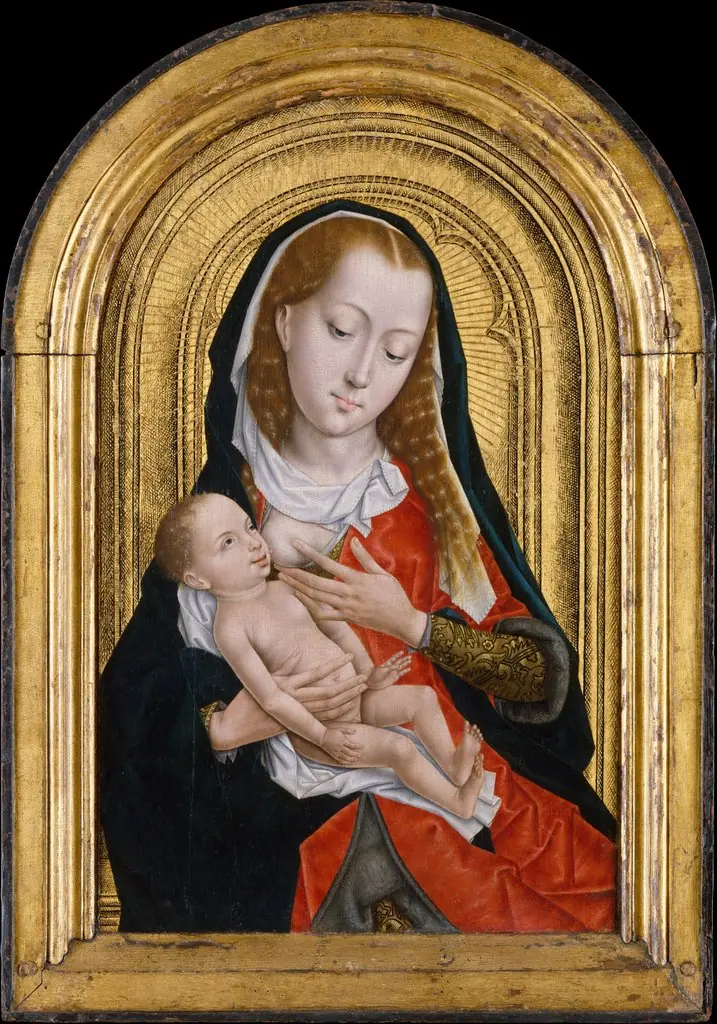 Virgin and Child
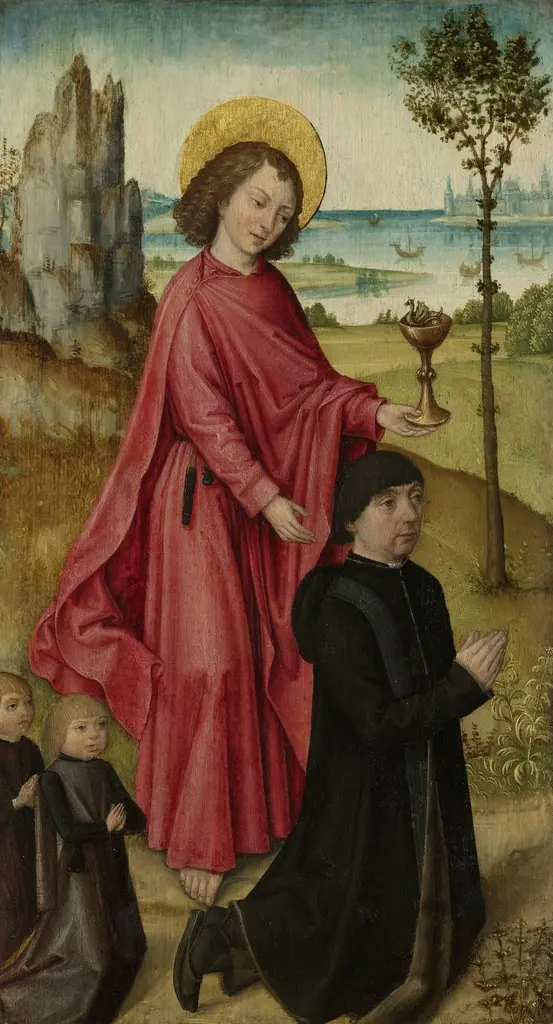 Inner left wing of a triptych with the donor, his two sons and St John the Evangelist
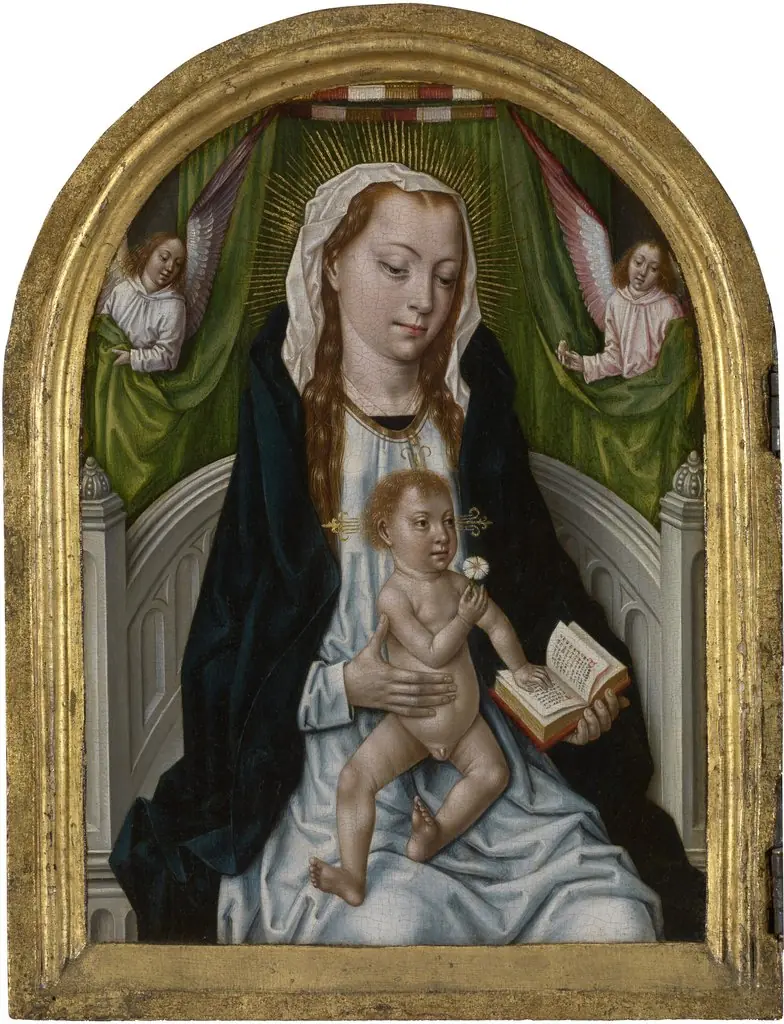 Virgin and Child with Angels
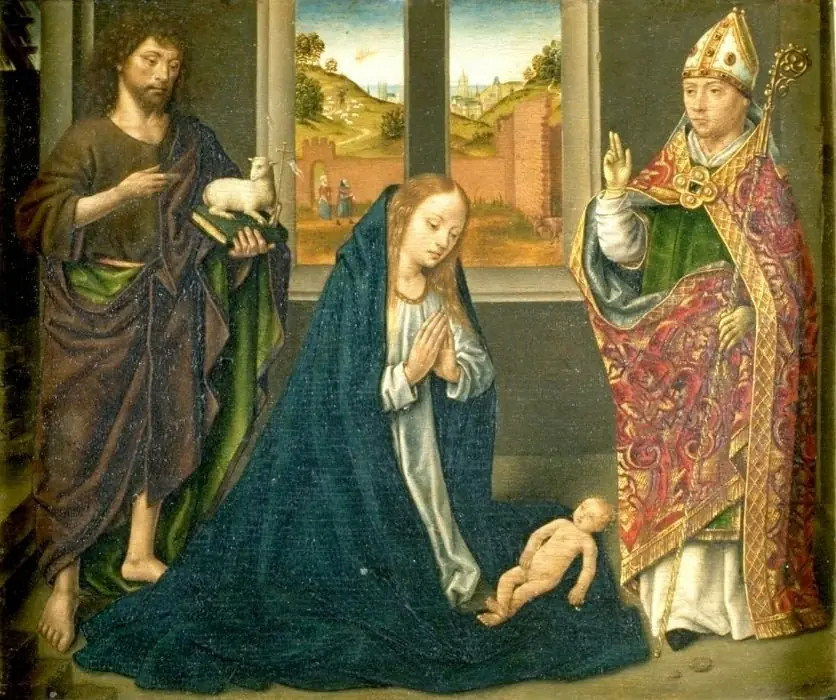 The adoration of the Christ-child and Saints John the Baptist and Donatius
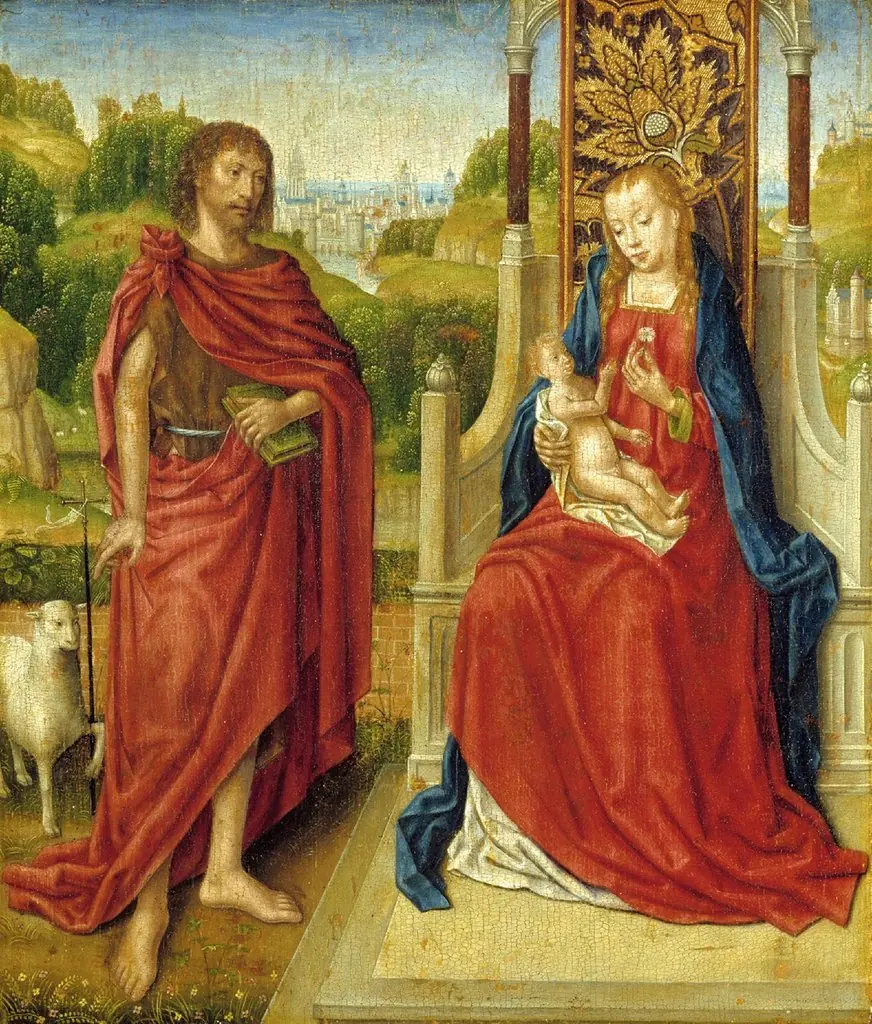 Virgin and Child and Saint John the Baptist
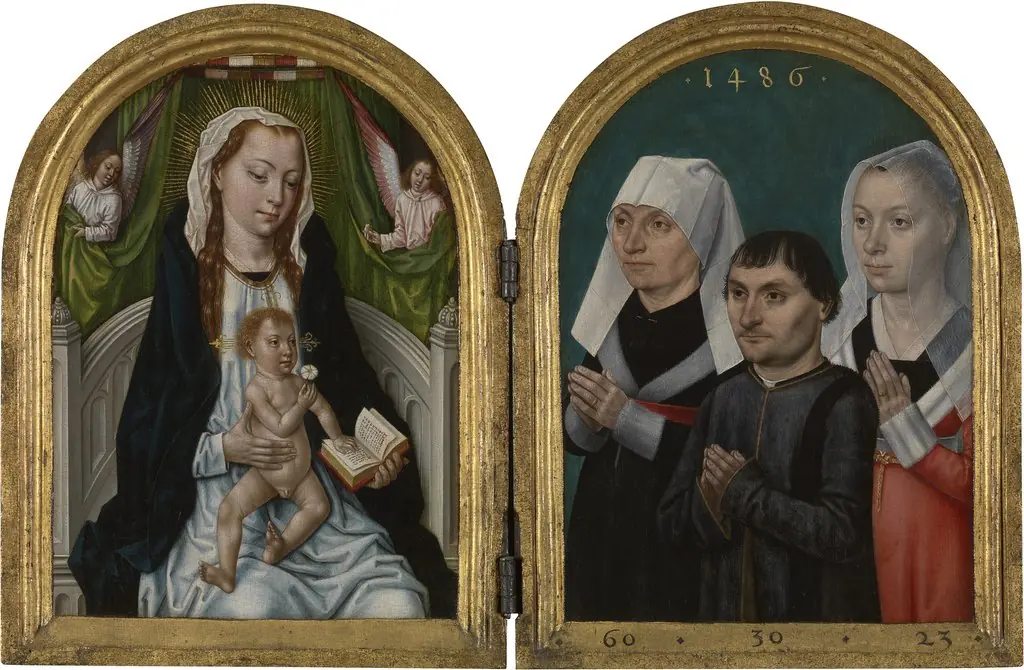 Diptych with the Virgin and Child and Three Donors
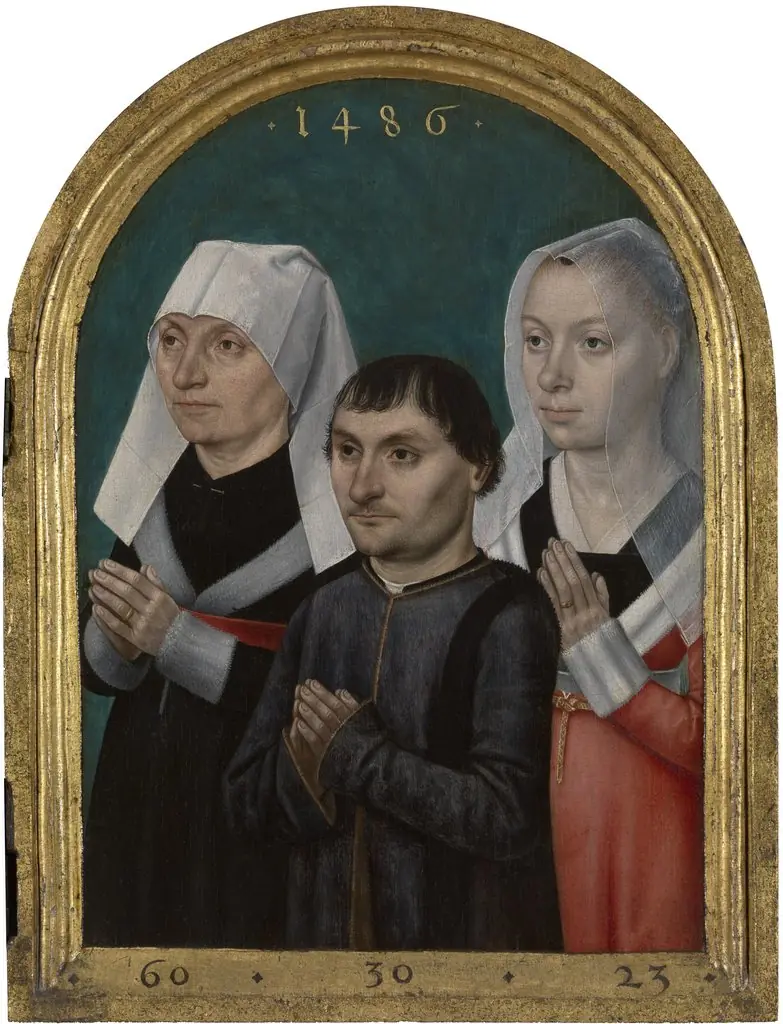 Three Donors
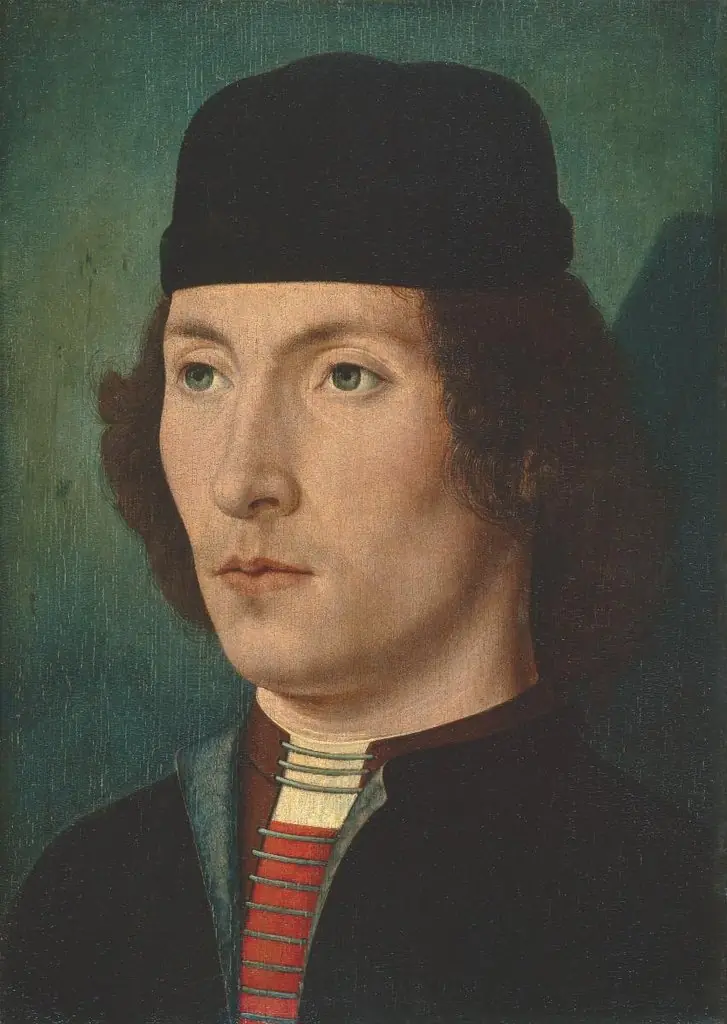 Portrait of a young man
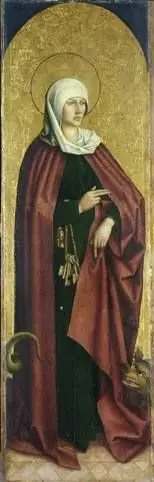 Flügel eines Altares: Die hl. Margarethe (Martha?) Rückseite: Hl. Afra
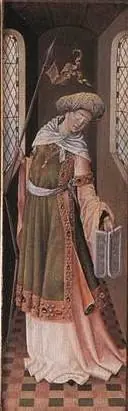 Personification of the Jewish Religion (Synagoga)
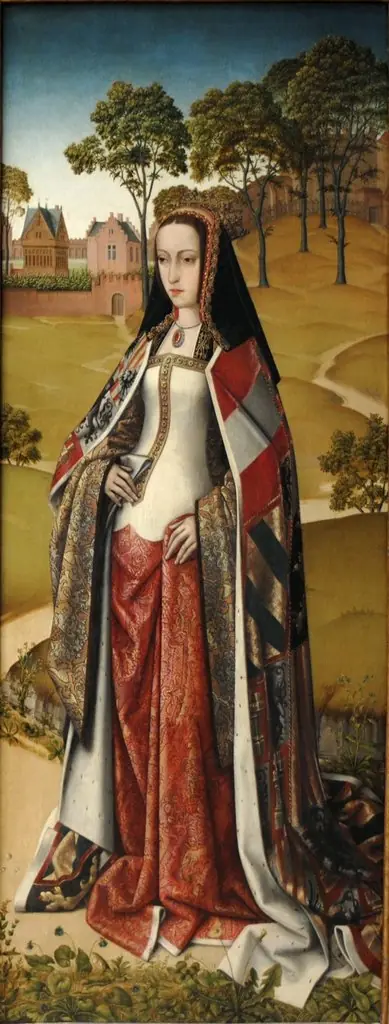 Portrait of Joan of Castile
 St. Stephen
 Saint Elisabeth of Hungary
 Saint Elizabeth
 Joan of Flanders, Daughter of Baldwin of Constantinople
 The Virgin Mary and Five Standing Saints above Predella Panels
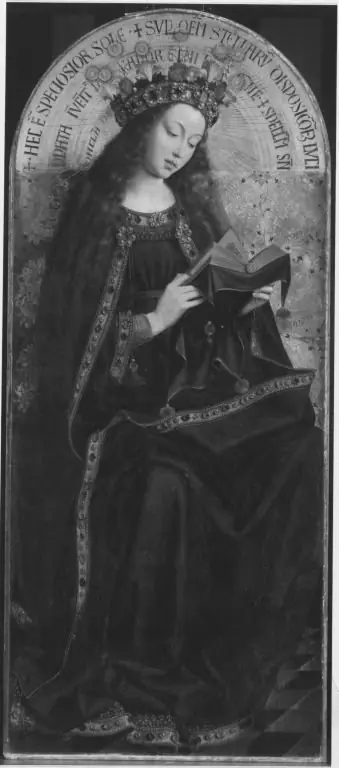 Mary (after The Ghent Altarpiece)
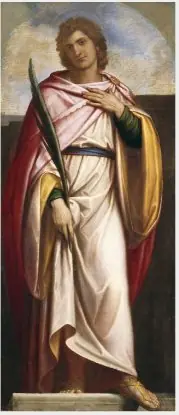 Saint John the Evangelist
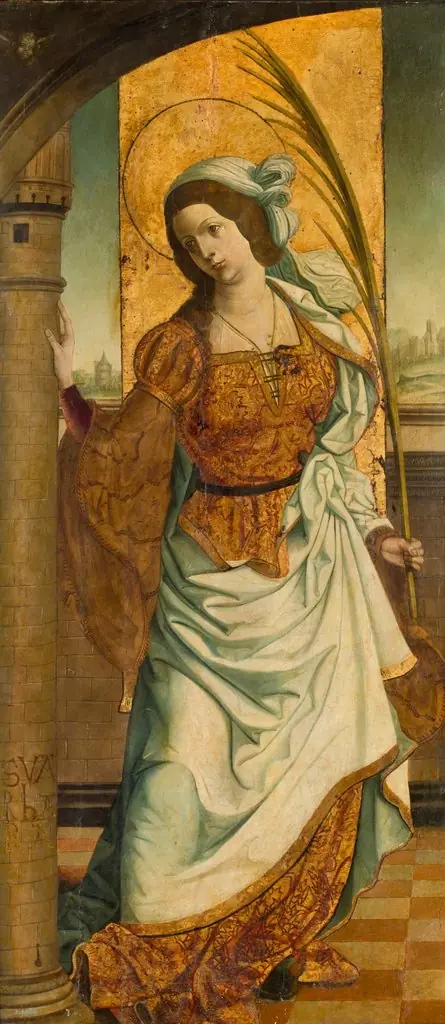 Saint Barbara
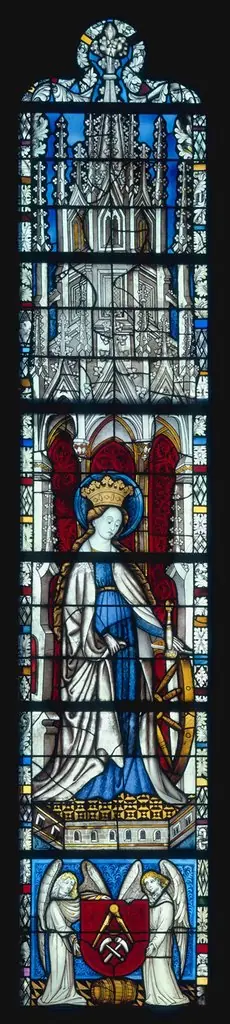 The Virgin Mary and Five Standing Saints above Predella Panels